Your Fourth of July Dog Has One Job: Stay Crisp Under Pressure
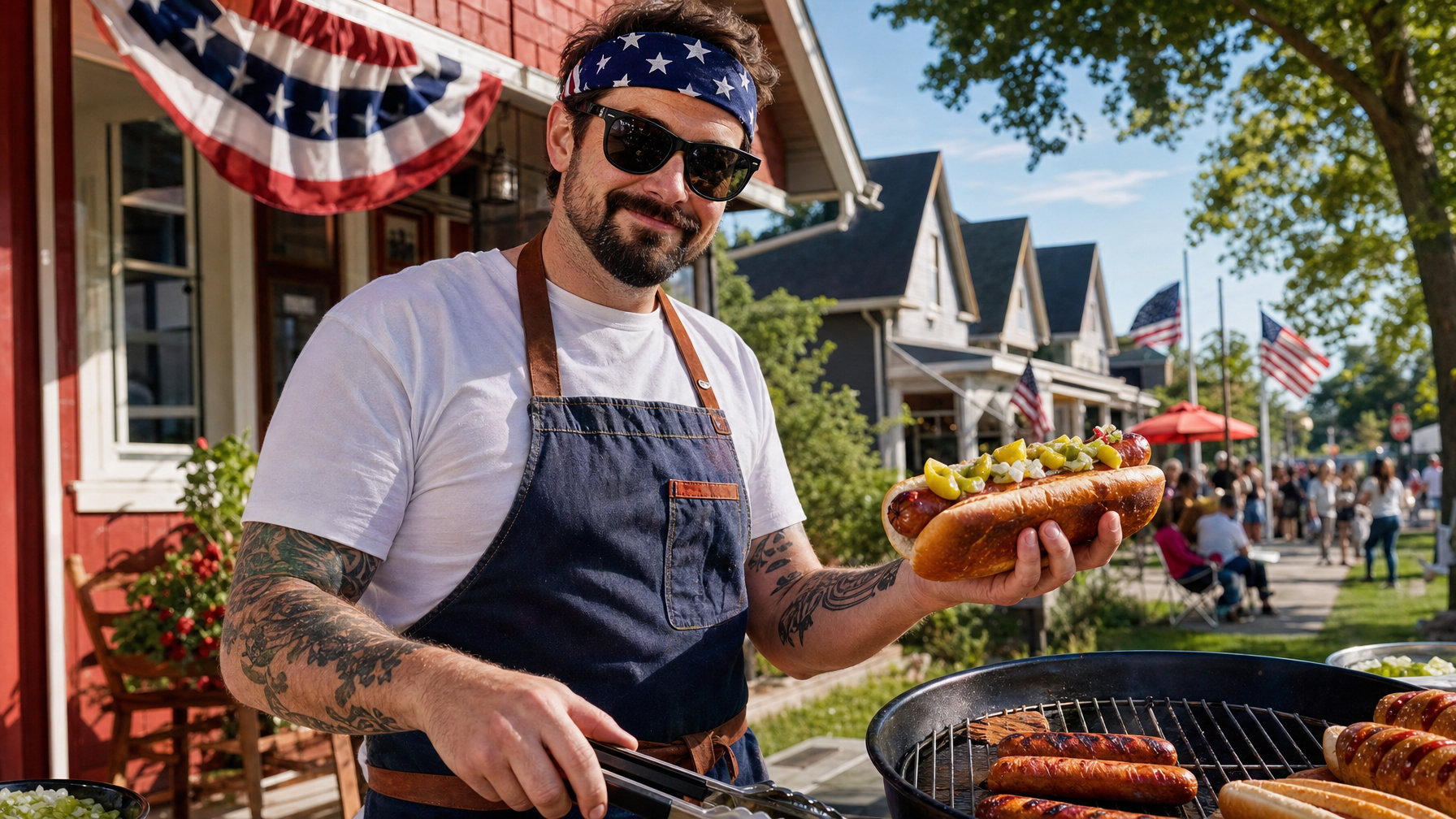
For hot-dog enthusiasts planning a Fourth of July cookout, the rule is simple: build the dog around contrast. Keep the casing snappy, protect the bun from steam and sogginess, and add toppings that stay lively instead of collapsing into a patriotic puddle. Jason’s stance, forged across ten years, 50 states, and zero ketchup: crisp first, ketchup never.
A Fireworks Dog Should Snap, Not Surrender
“Crisp under pressure” means more than giving a hot dog some grill marks and hoping for the best. It means a browned, taut casing; a bun that bends without dissolving; and toppings that still have a job to do when the first guest finally reaches the serving table.
This is for anyone feeding a July Fourth crowd and trying to avoid the familiar foil-tray tragedy: pale dogs sweating into soft buns while everyone politely pretends they are thrilled. A good cookout dog should have smoky or grilled depth, a bright acidic note, fresh crunch, and just enough richness to keep things interesting. Not a condiment avalanche. Not an edible parade float.
Jason’s no-ketchup position is an opinionated filter, not a mandatory oath administered beside the charcoal. The point is to let the hot dog’s savory, smoky character remain audible beneath the toppings. Mustard, pickles, onion, slaw: those can join the band without taking over the stadium.
The Grill Is Not a Sauna for Your Hot Dog
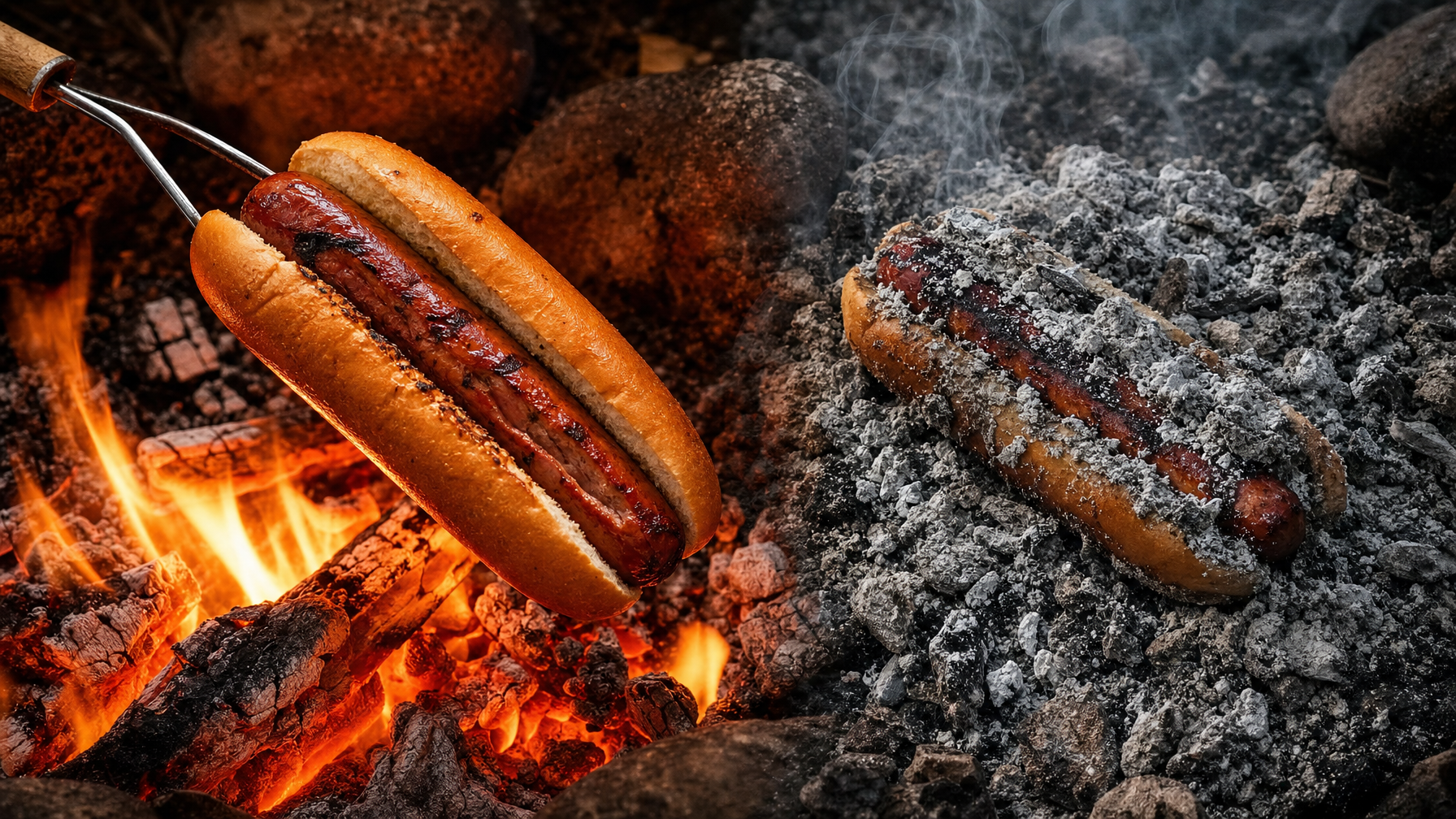
Direct heat is where the outside gets its color and texture. Treat it as the main event. Prolonged steaming, overcrowding, or leaving dogs parked over heat until everyone has found a paper plate can soften the exterior or dry the interior. Neither outcome deserves a tiny American flag toothpick.
Cook with enough room to turn the dogs without shoving them into one another. Excessive rolling and poking are not signs of dedication; they can work against an even exterior. Let the surface make contact with the heat, turn as needed, and watch rather than fuss.
Use your eyes, not a made-up stopwatch
Look for even browning and a casing that appears taut and fully heated. The exact approach depends on the product and grill, so follow the package’s heating and storage directions. If you are working with raw meat products, handle them with the care their instructions require.
- Use clean utensils and plates for cooked food.
- Keep raw and ready-to-eat ingredients separate.
- Do not let chilled ingredients linger unnecessarily in summer heat.
- Follow package directions for storage and heating.
None of this is glamorous. Neither is spending July Fourth explaining your utensil situation to a disappointed aunt.
The Bun Has a Secret Enemy: Moisture
The bun’s secret enemy is not heat. It is trapped steam and wet toppings acting like a tiny floodplain. Lightly toast the cut side so the bread gains a little structure and flavor. You are not making croutons; you are giving the bun a fighting chance.
If a freshly cooked dog is throwing off a lot of steam, let it rest briefly before assembly. That short pause can keep the bun from absorbing all that heat and moisture at once. Then place wet ingredients thoughtfully rather than pouring them directly into the bread’s softest corners.
Build in small batches instead of assembling a full platter well ahead of guests. The texture test is beautifully uncomplicated: the bun should bend around the dog without tearing, while offering a little toast at the bite. If it feels like it has already lived a long, wet life, it has waited too long.
Build the Toppings Like a Tiny Fourth of July Parade
A great dog does not need twelve competing textures and three mystery sauces. Give each topping a job. One crisp element, one bright or acidic element, and one creamy or savory element will usually get you farther than reckless abundance.
| Job | Useful examples | What it brings |
|---|---|---|
| Crisp | Fresh onion, crunchy slaw, chopped herbs | Freshness and bite |
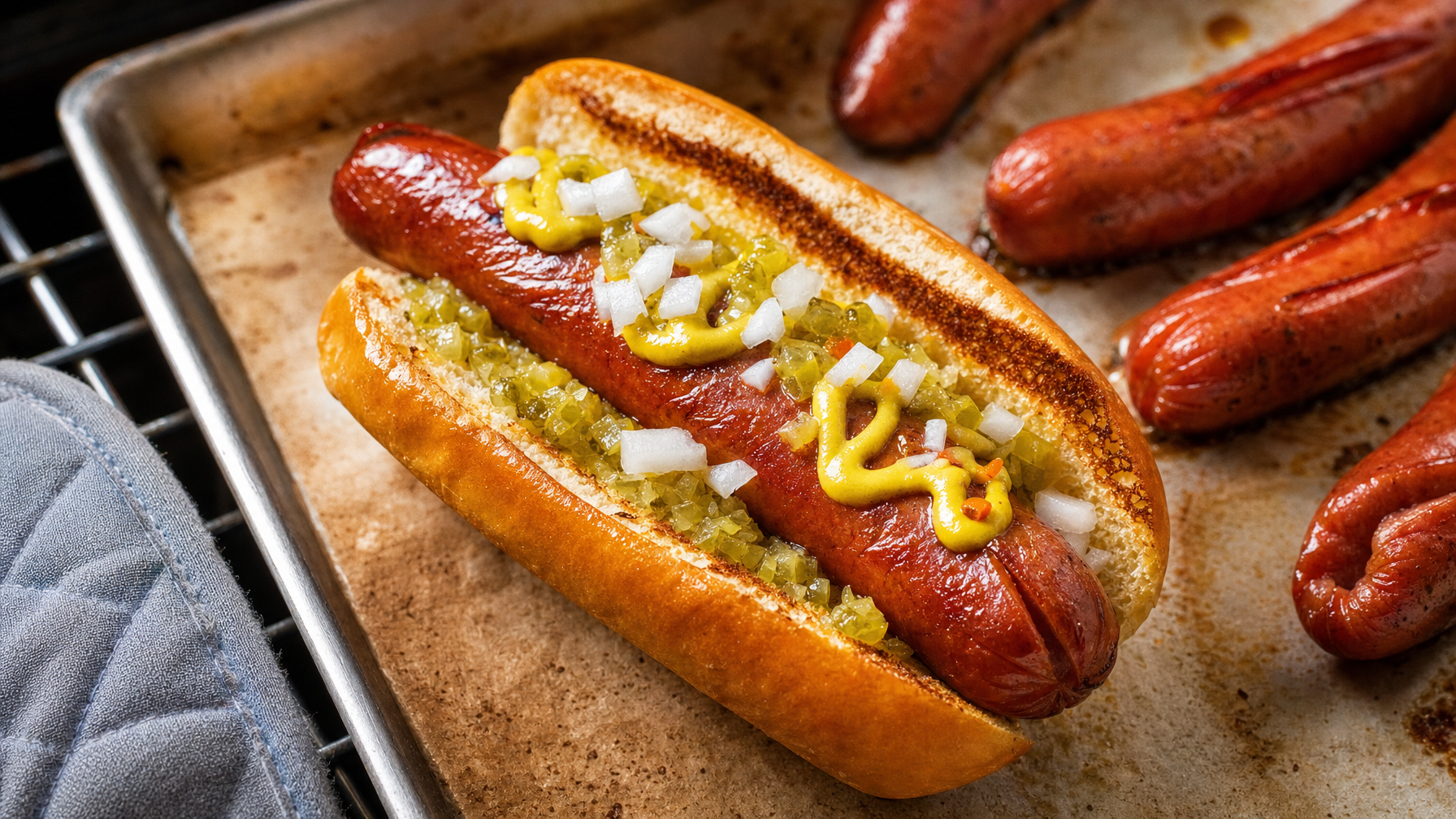
| Bright or acidic | Pickled vegetables, drained relish, mustard | Lift against smoke and richness |
| Creamy or savory | A restrained creamy topping or a savory spread | Body without burying the dog |
Drain wet toppings before they meet the bun. Add delicate crunchy ingredients at the last possible moment. A relish that has been allowed to drip is a topping; relish pooled in the bun is a weather event.
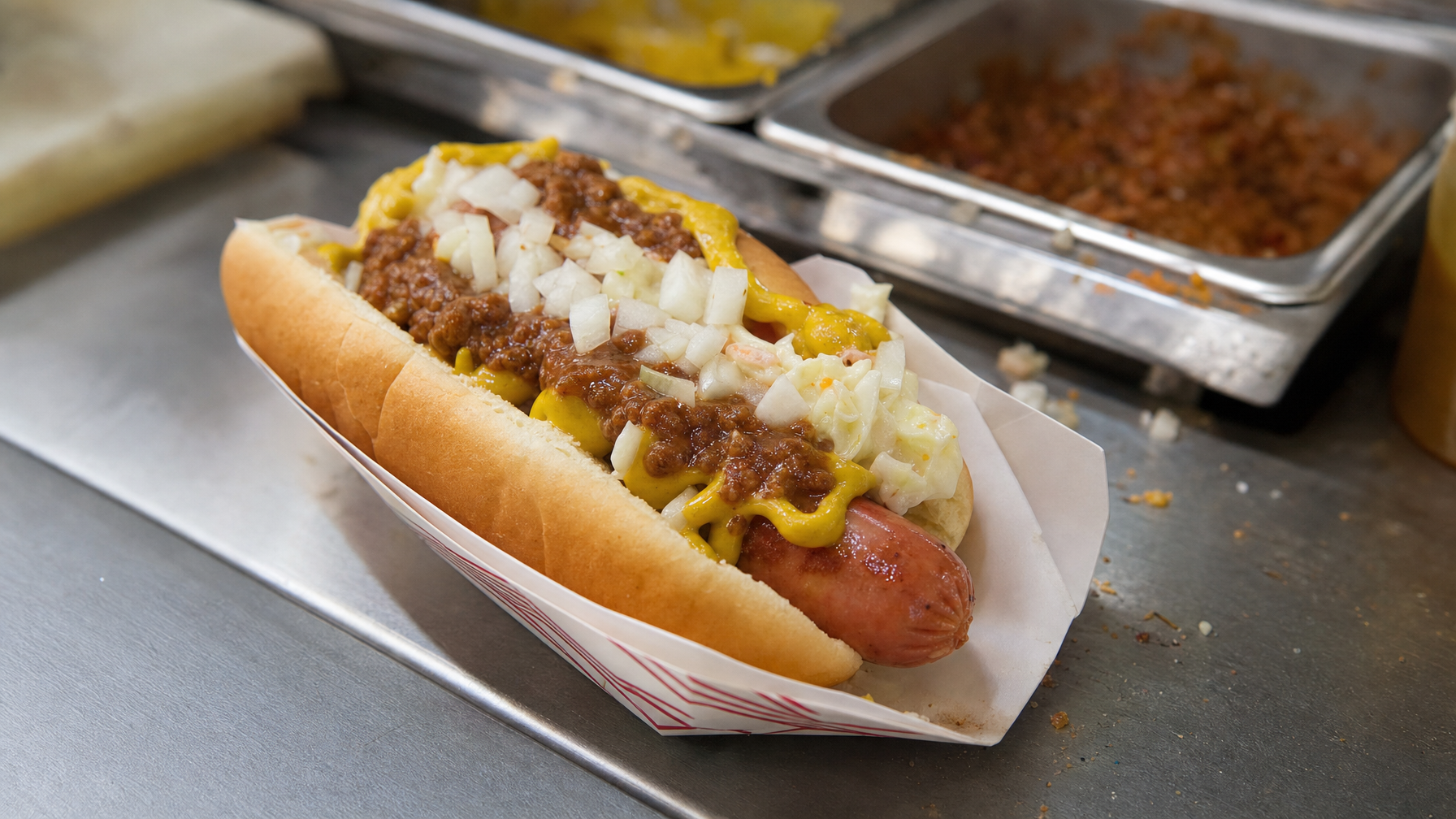
And yes, skip ketchup if you are taking Jason’s preferred route. Not because the condiment police have kicked in the door, but because ketchup’s sweetness can flatten a good dog’s savory, smoky edges. Mustard, pickled vegetables, a little drained relish, or crisp slaw can bring brightness without turning the whole situation into candy.
Pressure-Test the Dog Before the Guests Arrive
Cook one dog before the crowd arrives. Assemble it exactly as you intend to serve it, then let it sit for a few minutes. This is not overthinking. This is preventing a table full of soggy evidence.
Give the rehearsal dog four questions
- Does the casing still snap or feel pleasantly taut?
- Has the bun held together?
- Do the crunchy toppings still crunch?
- Can you still taste the hot dog, or have the condiments staged a coup?
Adjust proportions instead of automatically adding more ingredients. A crowded dog is not necessarily a better dog. It is sometimes just a salad having an identity crisis.
Plan for the conditions you actually have: wind, heat, a line of hungry people, and dogs resting in serving trays while somebody looks for sunscreen. Those conditions punish fragile toppings and reward a simple, disciplined build.
Serve It Fast, Then Let the Crowd Argue About Mustard
The serving rhythm should be cook, toast, top, serve. Holding fully assembled hot dogs for a long stretch is where all your good intentions go to become damp. If guests are building their own, keep the components separate: hot dogs and buns near the grill, crunchy toppings in their own containers, and sauces apart from anything that needs to stay crisp.
Label unusual toppings so people know whether they are reaching for pickled vegetables, a spicy spread, or something that deserves a brief explanation. Keep it relaxed. This is a cookout, not a tasting-menu hostage situation.
Then serve the dog while it is still itself. Let the crowd debate mustard with the seriousness normally reserved for constitutional law. For more specific hot-dog places, products, recipes, and culture coverage, follow @jasonsgrub on Instagram.
FAQ: The Questions That Arrive Before the Fireworks
How do I keep a grilled hot dog crisp after it leaves the heat?
Toast the bun, avoid trapping excess steam, and assemble as close to serving time as possible. Holding fully dressed dogs is the quickest route to sogginess.
Should I boil hot dogs before grilling them?
Boiling can heat the center, while direct grilling is what develops exterior browning and snap. Neither method is a universal commandment: follow the product’s package directions and choose based on the texture you want.
How far ahead can I prepare the toppings?
Prepare sturdy toppings ahead, but drain wet ingredients and save delicate crunchy elements for just before serving. The shorter the trip from assembly to first bite, the better the texture tends to hold.
What can I use instead of ketchup?
Try mustard, drained relish, pickled vegetables, or a crisp slaw. The best choice depends on the dog and the other toppings, but a bright or savory option usually keeps the build more focused.
How do I serve hot dogs at a large Fourth of July gathering?
Cook in manageable batches, toast buns near serving time, keep toppings separate, and avoid stacking fully assembled dogs for long periods. Crispness likes a short commute from grill to plate.
Enjoyed this? There's more from Jason's Grub.
Follow on Instagram →