The Detroit Coney Debate Belongs on the Plate, Not in Your Comment Section
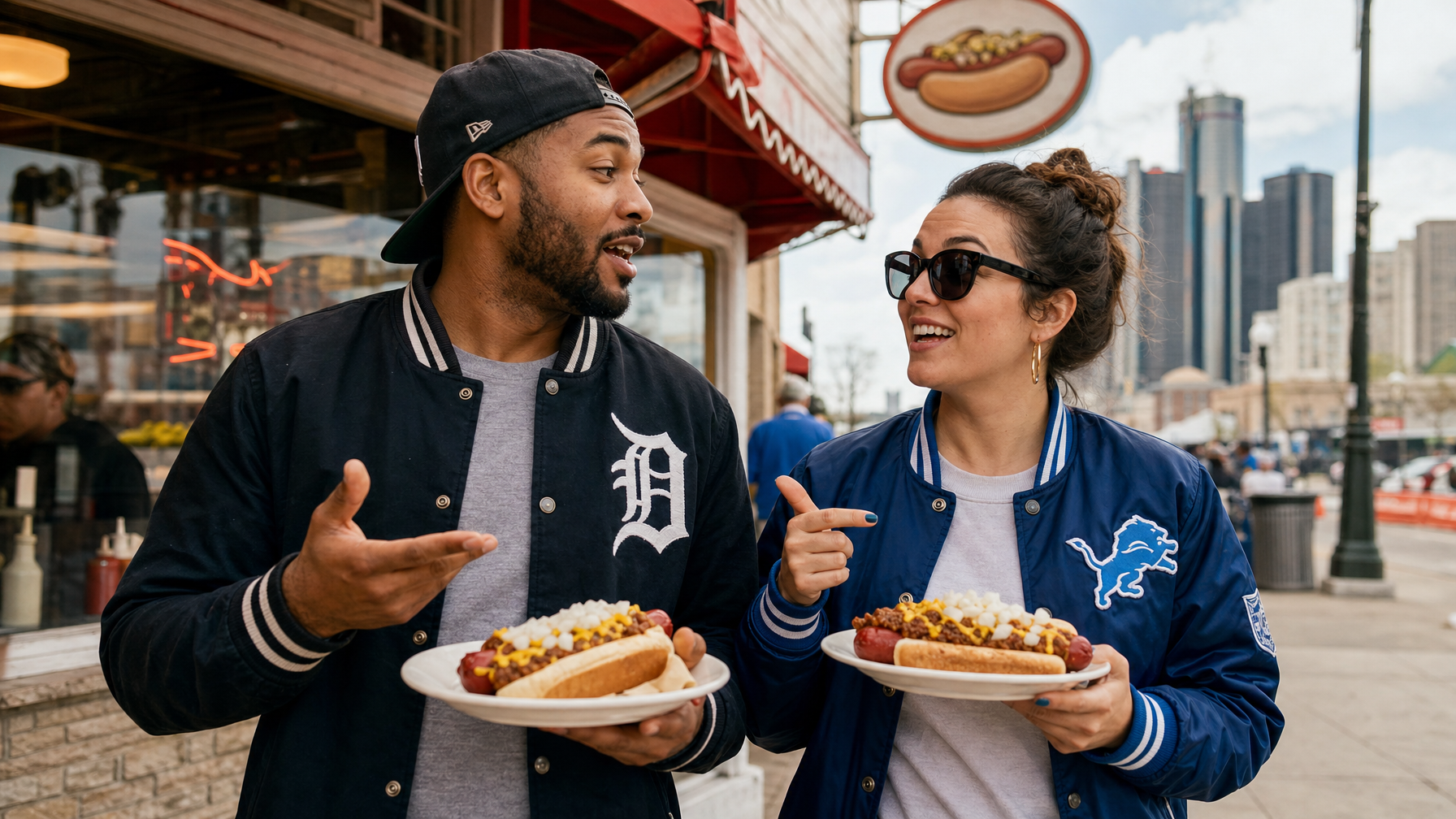
Detroit’s coney debate is best settled with an actual plate in front of you—not a comment-section cage match. This is for hot-dog obsessives and food-culture readers who want to compare competing Detroit coney interpretations fairly, bite by bite, without pretending one bowl of chili can settle a century of loud opinions. Bring your appetite, your standards, and possibly napkins with structural integrity.
Two Dogs Walk Into Detroit—Only One Leaves With Your Vote
The central question is deliciously simple: which Detroit coney dog do you want to order again? Not which one has the loudest defenders. Not which one wins a keyboard duel conducted by people who have not eaten either dog since the previous administration. The answer lives on the plate.
A Detroit coney comparison is a tasting exercise and a culture conversation, not a declaration of universal culinary law. Two dogs can share a recognizable format and still make very different arguments through chili texture, seasoning, bun handling, mustard punch, onion cut, and sheer glorious mess.
Specific restaurants, current menus, prices, hours, locations, and availability should be confirmed before anyone turns this into a destination itinerary. Great food writing does not need to bluff its way through a menu.
What Counts as a Detroit Coney Before the Internet Starts Throwing Mustard
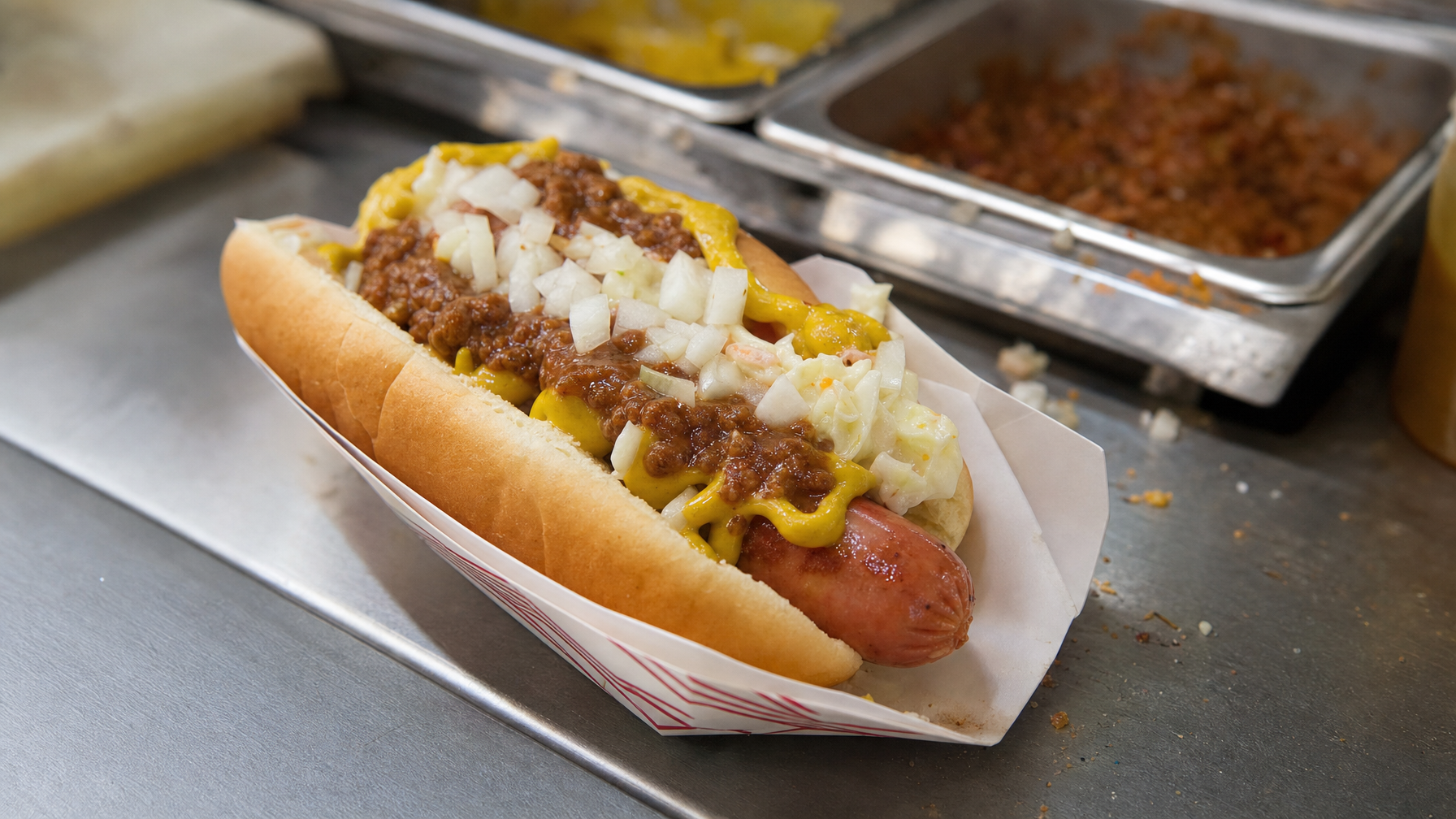
At its broadest, a Detroit coney dog is a hot dog in a bun topped with a meat-based chili or chili sauce, yellow mustard, and chopped onions. That is the useful starting point—not a license to flatten every restaurant’s version into the same soggy little biography.
When comparing dogs, separate the shared convention from the house choices. A restaurant may use a different style of frank, a softer or sturdier bun, a looser or thicker chili, more onion, less mustard, or a particular serving proportion. Those details are where a coney stops being an idea and starts being lunch.
- Hot dog: Does it bring snap, smoke, salt, beefiness, or merely occupy space?
- Bun: Is it soft enough to yield, sturdy enough to survive, and properly matched to the topping load?
- Chili: Does it cling, season, and cooperate—or turn the whole operation into a brown landslide?
- Mustard: Does its acidity cut through the richness without staging a hostile takeover?
- Onions: Do they add fresh crunch and sulfurous lift, or arrive in such quantity that the dog becomes a salad with a meat witness?
Origin stories, proprietary recipes, and claims of singular authenticity deserve sourcing, not confident folklore. Detroit has enough real flavor without attaching a fake mustache to history.
The Chili Is the Entire Argument Wearing a Hat
Chili is the main event because it determines the dog’s texture, aroma, heft, and aftertaste. A frank can be excellent, but once it is buried under sauce, the chili becomes the narrator. Sometimes it is a persuasive narrator. Sometimes it will not stop talking.
Judge the chili as part of a complete bite. A thick, finely textured chili may cling tightly and make the dog feel dense and savory. A looser chili may spread through the bun and create a softer, saucier experience. Neither approach wins automatically. The question is whether the chili supports the frank and bun rather than reducing them to furniture.
Give the sauce something more useful than a thumbs-up
- Consistency: Thick and clingy, loose and saucy, or somewhere in the sensible middle?
- Meat texture: Fine, coarse, tender, crumbly, or indistinct?
- Seasoning: Deeply savory, warmly spiced, sweet-leaning, peppery, restrained, or aggressive?
- Heat: A background hum, a peppery jab, or an unnecessary stunt?
- Balance: Does it make you want another bite, or make you reach for water and a legal representative?
Any description of a particular establishment’s chili should come from firsthand tasting or verified current information. Until then, praise the category, not an imaginary ladle.
Mustard, Onions, and the Tiny Decisions That Start Big Fights
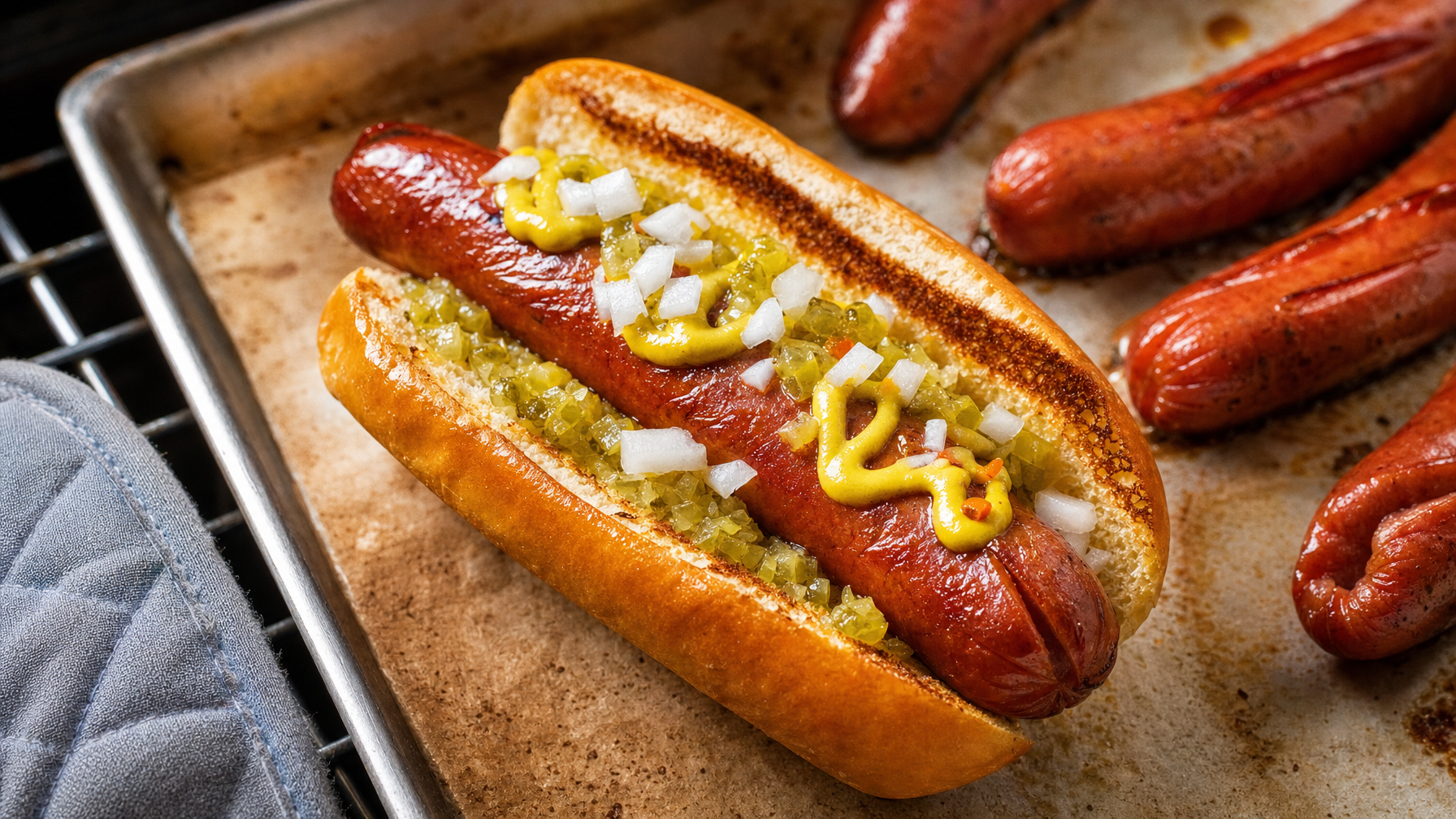
Mustard and onions are not decorative confetti. Mustard supplies sharpness against the richness of the meat and chili; onions add crunch, bite, and a fresh raw edge. Together, they can keep a heavy coney from eating like a nap.
Jason’s perspective: toppings should make the dog clearer, not conceal it. A good coney is gloriously loaded, yes, but it should still taste like a hot dog in a bun—not a chili bowl that accidentally parked on bread. The best topping proportions give each bite contrast: savory sauce, bright mustard, crisp onion, and a frank that has not vanished into witness protection.
Serving style, topping portions, and customization policies vary by location and should be checked before treating any one build as fixed. Order what is served, then decide whether the kitchen’s ratio is brilliant, bonkers, or both.
Detroit’s Coney Rivalry Is Not a Personality Test, Relax
Regional food traditions attract loyalty because they carry memory: a counter seat, a late-night stop, a parent’s order, a first job, a game day, a particular stretch of pavement. That attachment is real. It also does not mean your preferred chili has been elected mayor of everyone’s mouth.
You can prefer a heavier chili without calling a lighter version fraudulent. You can want more mustard without treating restraint as a moral failure. You can love one dog at noon and crave its rival at midnight. Civilization survives.
Instead of team-sport slogans, compare concrete things: Which frank is more present? Which bun holds up? Which chili leaves the more satisfying finish? Which topping ratio creates the next-bite reflex? That is an argument worth having because it ends with another order.
A Plate-by-Plate Scorecard for People Who Came to Eat
This is an editorial tool, not an official Detroit standard handed down from a sacred steam table. Use it to make your comparison less fuzzy than “I liked the vibes.” Vibes are welcome; they are not a flavor note.
| What to judge | What to look for |
|---|---|
| Dog quality | Flavor, snap or tenderness, seasoning, and whether the frank remains noticeable under toppings. |
| Bun | Softness, freshness, structural survival, and whether it fits the dog instead of collapsing immediately. |
| Chili | Consistency, meat texture, seasoning, heat, and how it integrates with the full bite. |
| Topping balance | Mustard sharpness, onion freshness, and whether either one overwhelms the rest. |
| Texture | The relationship among frank, bun, sauce, and onion—not just whether something is crunchy. |
| Temperature | A properly hot dog and chili, with toppings that still do their job. |
| Value | Whether the portion, quality, and satisfaction feel fair for what you paid. |
| Craving factor | The only irrational category: how urgently you want a second one. |
Leave room for an honest verdict
After tasting, write down a winner and who each dog suits. One version may be for people who want dense, hearty chili. Another may satisfy mustard maximalists or fans of a cleaner dog-to-topping ratio. A useful verdict tells readers what they will experience; it does not merely plant a flag and demand applause.
No Ketchup, No Apologies, No Comment-Section Diplomacy
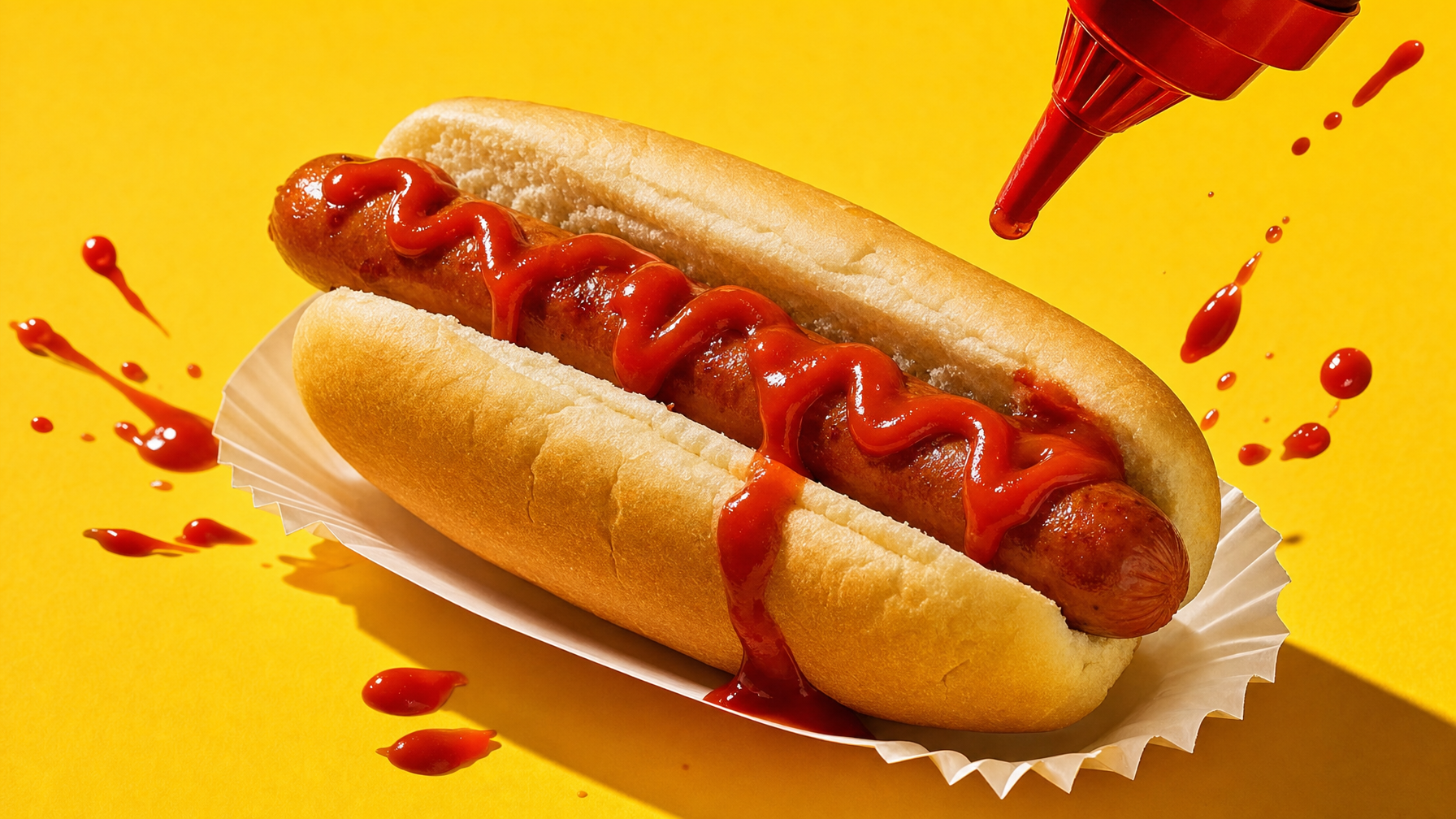
Jason’s position is plain: ten years, 50 states, zero ketchup. That is a long-running personal tasting stance and the house opinion around here, not scientific proof that a squeeze bottle can ruin your childhood.
On a Detroit coney, ketchup is not Jason’s move. The dog already has savory chili, sharp mustard, and raw onion doing actual work. Adding sweetness is, in this particular opinion, like putting a kazoo solo in the middle of a bass line. Technically possible. Spiritually confusing.
Readers can make their own condiment choices. Jason will simply reserve the right to look at the bottle with concern.
Turn the Argument Into a Proper Detroit Coney Crawl
If you are comparing verified Detroit-area stops, make the test fair. Visit more than one place, order comparable builds, and resist declaring a winner after one bite taken while balancing your phone, coat, and personal mythology.
- Confirm current locations, hours, menu names, and availability before leaving.
- Order the closest equivalent build at each stop: a standard coney with the usual toppings is the cleanest comparison.
- Eat each dog promptly. Temperature and bun condition are part of the performance.
- Take notes after the first few bites: frank, bun, chili, mustard, onions, balance, and craving factor.
- Save the grand declaration until you have tasted both. Nostalgia is welcome at the table, but it should not be allowed to write the scorecard alone.
If a location offers customization, note it separately from the standard version. Otherwise you may wind up comparing one kitchen’s signature dog with another kitchen’s response to your personal mustard ambitions.
Pick a Side, Then Order the Other One Anyway
The Detroit coney debate is useful when it sends people toward closer tasting, not louder combat. A favorite is worth having. So is enough curiosity to order the other dog next time and discover that your allegiance has loopholes.
Jason’s final winner should be named only after firsthand, current tasting. Until then, the honest verdict is this: judge the plate, respect the details, and do not confuse certainty with appetite.
For more hot-dog destinations, recipes, purchasable finds, and culture coverage, follow @jasonsgrub on Instagram.
Five Questions Before You Put Mustard on the Argument
What is a Detroit coney dog?
Broadly, it is a hot dog in a bun topped with meat-based chili or chili sauce, yellow mustard, and chopped onions. Exact ingredients, proportions, and preparation can vary by restaurant, so a specific dog should be described from verified menu information or firsthand tasting.
Is one Detroit coney style officially correct?
No single personal preference settles the matter. There are recognizable conventions, but restaurant-specific choices and diner loyalty are part of the story. Compare the actual dog, bun, chili, mustard, onions, and overall balance before making your call.
Should ketchup go on a Detroit coney dog?
Jason’s answer is no: ten years, 50 states, zero ketchup. That is brand opinion, delivered with confidence and a raised eyebrow. Your plate remains your plate.
How should I compare two coney dogs fairly?
Order similar standard builds, eat them while they are properly hot, and judge the frank, bun, chili, toppings, texture, balance, value, and craving factor separately. Notes beat vague declarations every time.
Where can I follow Jason’s next hot-dog finds?
Follow @jasonsgrub on Instagram.
Enjoyed this? There's more from Jason's Grub.
Follow on Instagram →