A Sonoran-Style Dog With Enough Toppings to Require Structural Engineering
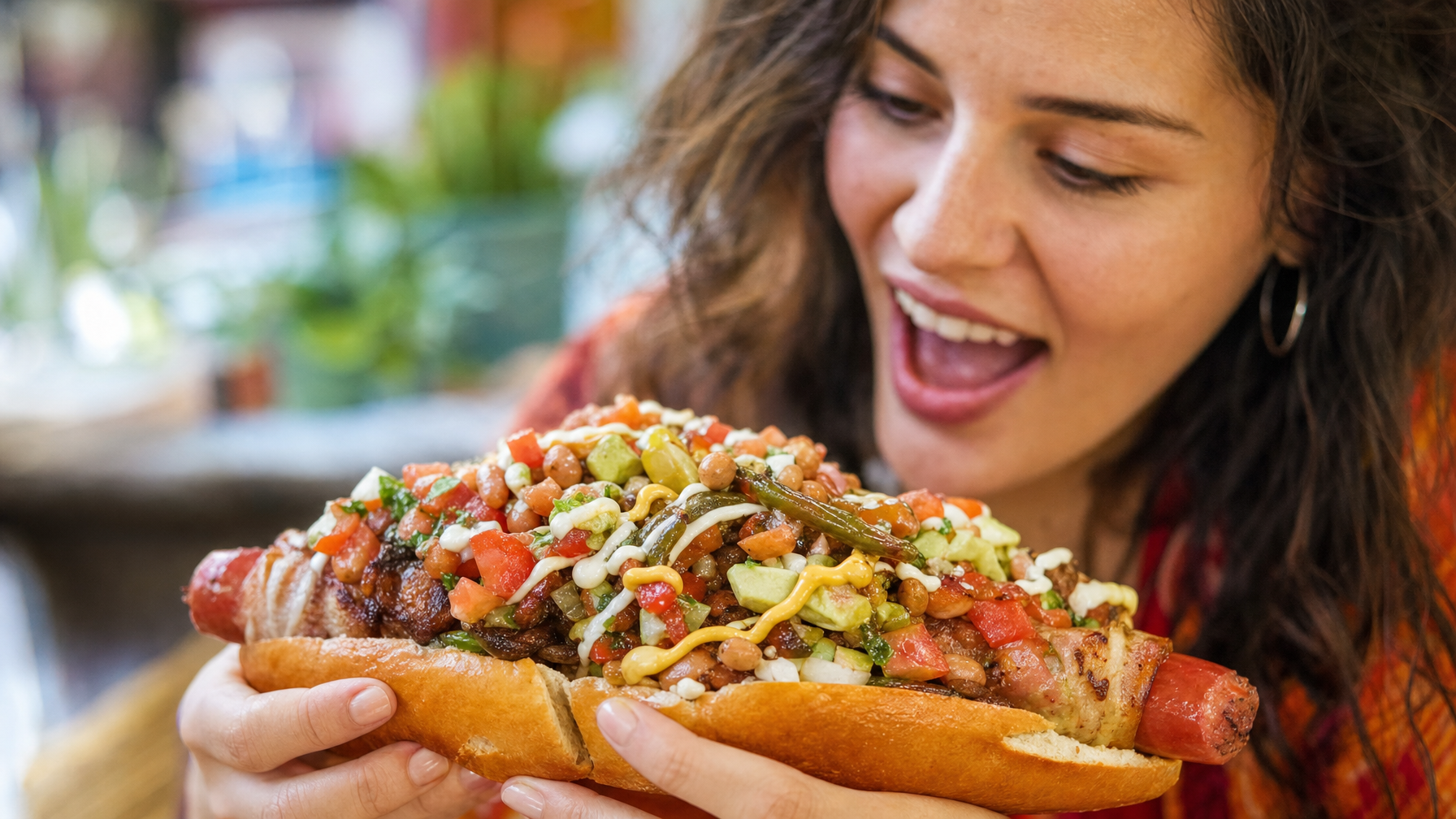
For hot-dog fans who believe restraint is overrated, a Sonoran-style dog is the glorious answer: typically a bacon-wrapped frank loaded with beans, onions, tomato, chile, and other toppings until eating it becomes a two-handed engineering project. It is for obsessives and food-culture readers chasing a real regional style, not another lonely backyard dog. The mess is not a flaw. The toppings are the point—provided the whole operation can still be picked up without filing a disaster report.
Meet the Hot Dog That Refuses to Travel Light
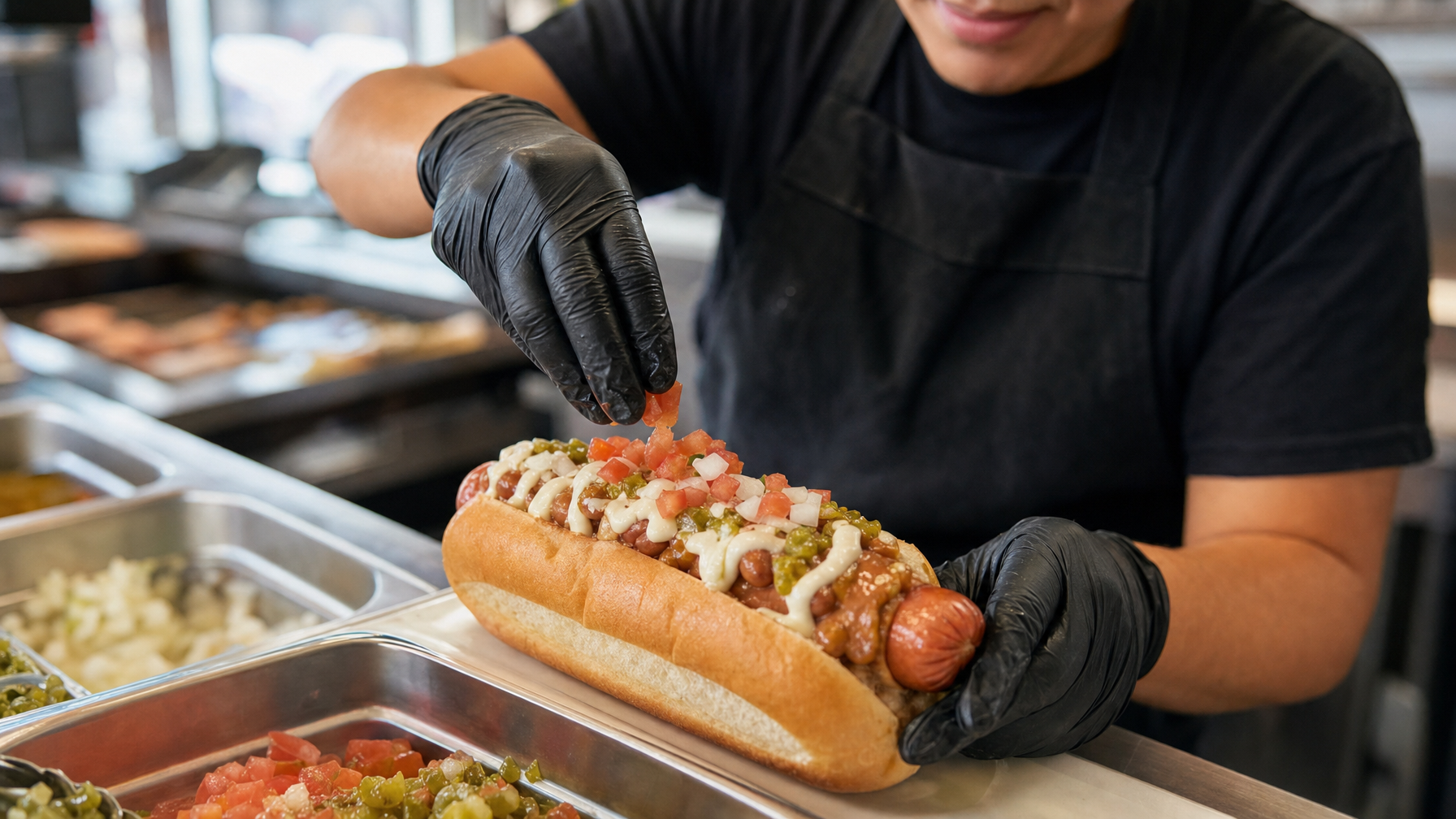
A Sonoran-style dog is generally recognized by its bacon-wrapped frank and its crowded collection of savory, fresh, creamy, and spicy toppings. Think of it as a hot dog that looked at the usual condiment line and said, “Cute. Keep going.”
Its appeal is contrast, not random excess. Rich bacon needs freshness. Beans bring grounding heft. Onion brings sharpness. Tomato wakes up the heavier flavors. Chile supplies heat, and a creamy element can pull the sharper edges back from the cliff. A properly built dog is not a yard sale in a bun; it is an argument for more being more, with exhibits.
There is no need to pretend every cook, stand, or household makes one identical version. Exact toppings vary. What holds the style together is the bacon-wrapped dog plus the layered, generously dressed character around it.
Bacon, Snap, and the Load-Bearing Frank
The bacon wrap is doing real work here. It brings smoke, salt, fat, and a little armor to the center of the build. It also turns the frank into something substantial enough to stand up to beans and a full cast of supporting vegetables.
Choose a frank with enough snap and body to remain recognizable after the toppings arrive. A flimsy dog beneath a heavy pile is not indulgence; it is poor municipal planning. The frank should have presence, and the bacon should be cooked thoroughly and rendered enough to contribute texture rather than sagging around the dog like a damp scarf.
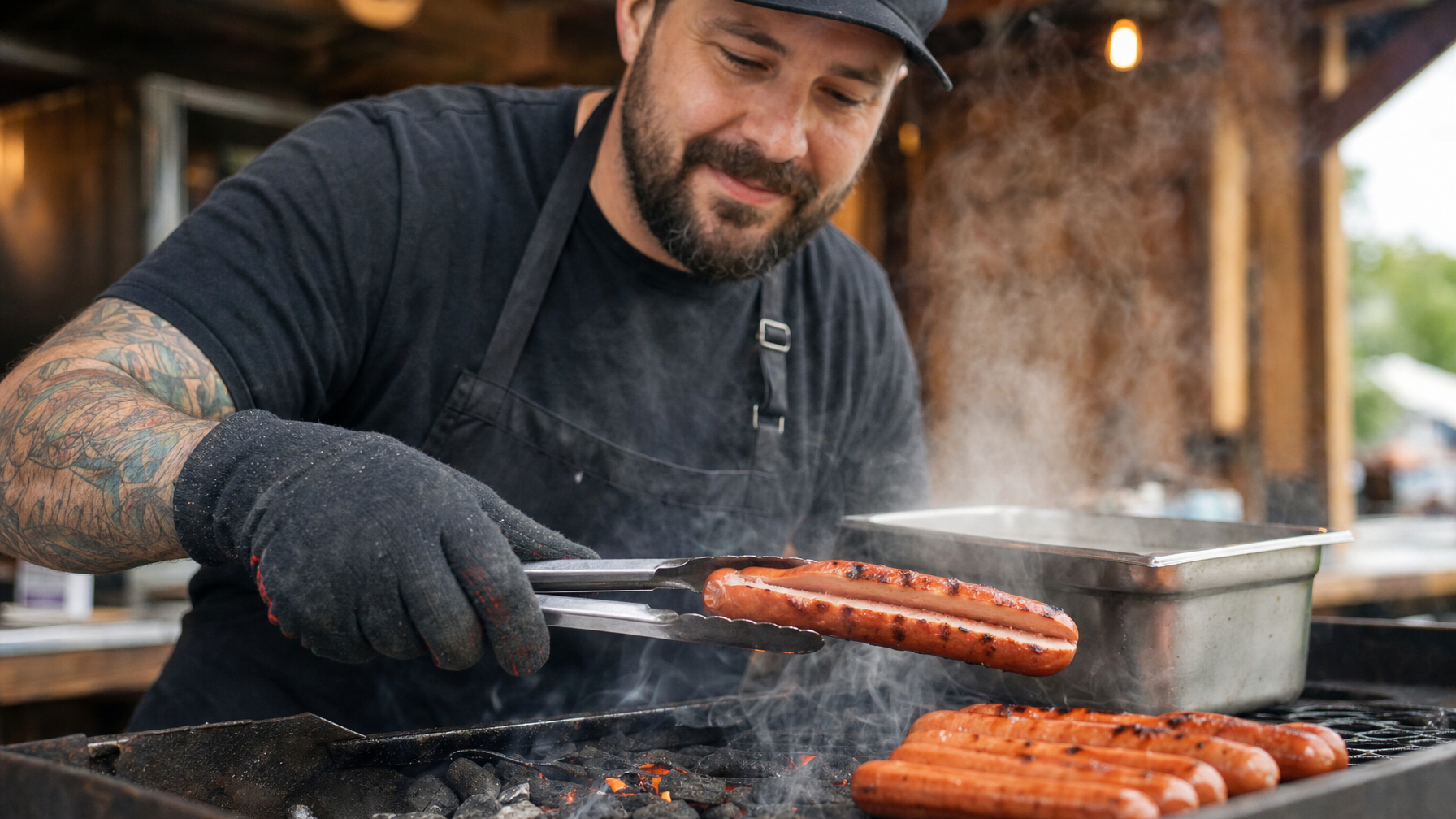
At a high level, the sequence is simple: cook the bacon-wrapped frank thoroughly, have the bun and toppings ready, then assemble while the hot components are still hot. The precise frank, bacon, quantities, and cooking time belong to the specific recipe you are making—not to some imaginary universal rulebook.
This Topping Stack Is a Flavor Argument, Not a Yard Sale
Every topping needs a job. If it has no job, it is merely loitering near the bun.
- Beans: add heft, savory depth, and a soft, filling base.
- Onions: bring bite and aromatic sharpness.
- Tomato: supplies freshness and a little juicy brightness.
- Chile: introduces heat and a peppery edge.
- Creamy elements: soften heat and tie richer ingredients together.
- Crunchy additions, when used: keep the bite from becoming one continuous soft landslide.
Beans, onions, tomato, chile, and creamy toppings are commonly associated with Sonoran-style builds. Beyond that, recipes can differ in their details, and that is fine. Regional food is allowed to have a family resemblance without wearing a tiny name tag.
One sensible order of operations
- Start with a sturdy, opened bun.
- Settle the hot bacon-wrapped frank into the bun.
- Add a restrained layer of beans along the length, rather than one enormous blob in the middle.
- Distribute heartier toppings so each bite gets some.
- Add tomato, onion, and chile in a light, even layer.
- Finish with creamy or tangy elements and any finely chopped garnish.
That order is a practical recommendation, not a decree carved into a griddle. Heavy components belong close to the dog; light, loose ingredients do better near the top. This is gravity talking, and gravity has never once been impressed by your confidence.
Build It Like a Tiny Edible Skyscraper
A great overloaded dog is assembled horizontally, not vertically. Spread toppings from end to end so the first bite is not plain bun and the middle is not a geological event. Keeping portions controlled matters more than adding every possible garnish.
Use a bun that can flex around the dog without instantly splitting. Seat the frank securely before adding toppings. Then put heavier, stickier elements down first and save loose garnishes and sauces for the finish. The goal is not to make the tallest dog in the room. The goal is to make one you can actually eat before it develops its own zip code.
When the construction crew gets nervous
- Split bun: Use less filling on the next one, and make sure the bun is opened gently rather than torn into submission. A sturdier bun also helps.
- Overfilled center: Spread beans and toppings along the full length. A central mound guarantees an early avalanche.
- Watery toppings: Drain chopped tomato and other wet ingredients before assembly. Flavor is welcome; puddles are not.
- Bacon lacks crispness: Give the wrapped dog enough cooking attention for the bacon to render and firm up. Soft bacon does not provide the texture or backbone this build wants.
Heat, Smoke, Acid: A Three-Act Plot With Bacon
First comes the smoke and richness from bacon and the cooked frank. Then beans and creamy additions give the dog body. Finally, tomato, onion, chile, or another tangy component stop the whole thing from tasting like a salt-and-sauce landslide.
Heat should be adjustable for the person eating it, not treated as a toughness contest conducted by pepper. Use more or less chile according to your appetite. A less-spicy version can still be completely convincing when the bacon, beans, fresh toppings, and texture contrasts are doing their jobs.
Taste components before the final assembly when possible. Are the beans already well seasoned? Is the creamy element salty? Is the chile punchy enough? A little checking up front avoids piling on sauces until every flavor starts shouting at once.
The No-Ketchup Clause Is Not a Suggestion
Jason’s position is plain: zero ketchup. That is his stated hot-dog philosophy, not a universal law handed down to every Sonoran-style dog maker on Earth. Still, it is an opinion with excellent instincts behind it.
Before reaching for a red bottle, ask what the dog actually needs. More brightness may come from fresh tomato, onion, chile, or a tangy finishing element that fits your recipe. More moisture may come from a creamy component or a carefully chosen sauce. More excitement may come from heat or crunch. Ketchup tends to flatten those questions into one very sweet answer.
A bacon-wrapped, bean-loaded dog has enough going on already. It does not need ketchup barging in like it paid for the venue.
Eat It Before It Applies for Landmark Status
Put this dog on a plate. Bring napkins. Use both hands. This is not a dainty canapé situation, and anyone pretending otherwise is either performing for the camera or has access to deeply suspicious physics.
Take bites while rotating the dog slightly as needed, especially if toppings are drifting toward one end. That small adjustment helps distribute the load and keeps the bun from surrendering in a single dramatic act. Eat with a little forward lean over the plate; pride is temporary, escaped beans are forever.
A fork is perfectly useful for the beans, onions, and toppings that inevitably make a break for freedom. But the main event should remain handheld. Structural failure is part of the experience, not evidence of personal incompetence.
Where This Beautiful Mess Fits in Jason’s Grub
Jason’s Grub is interested in hot dogs as culture: specific recipes, distinctive regional styles, real places worth seeking out, and products that earn a spot in the conversation. A Sonoran-style dog belongs here because it refuses the idea that a hot dog must be plain to be serious.
Jason’s perspective comes from a stated ten years of hot-dog research across 50 states, with zero ketchup along the way. That does not make one topping order sacred, but it does make a strong case for paying attention to the details: bacon with texture, a frank with snap, beans with purpose, freshness against richness, and a bun that can survive the night.
Follow @jasonsgrub on Instagram for more hot-dog finds, recipes, and culture coverage.
FAQ: Five Questions Before the Toppings Mutiny
Is a Sonoran-style dog always wrapped in bacon?
The bacon-wrapped format is a defining feature of the style as it is commonly recognized. Topping details can vary by recipe and cook, but bacon is central to the familiar Sonoran-style identity.
What toppings usually go on a Sonoran-style hot dog?
Commonly associated categories include beans, onions, tomato, chile, and creamy or crunchy additions. Exact builds differ, so treat those as a useful flavor map rather than one mandatory checklist.
How do you keep the bun from falling apart?
Start with a sturdy bun, keep portions controlled, drain watery toppings, place heavier ingredients closer to the dog, and spread toppings along the length instead of building a giant mound in the center.
Can a Sonoran-style dog be made less spicy?
Yes. Reduce or omit chile-based toppings while keeping the bacon, beans, fresh ingredients, and contrasting textures. You are adjusting heat, not erasing the dog’s personality.
Does Jason put ketchup on it?
No. Jason’s stated stance is zero ketchup. That is his opinion and brand position, not a universal law of hot-dog civilization—although civilization would be wise to hear him out.
Enjoyed this? There's more from Jason's Grub.
Follow on Instagram →