The No Ketchup Hot Dog Debate Has Logged On
The no-ketchup hot-dog debate is less a rulebook than a collision of tradition, taste, and personal preference. Jason’s position, however, is gloriously uncomplicated: ten years, 50 states, zero ketchup. This is for hot-dog obsessives and food-culture readers who want the argument behind the condiment—not another polite little “everyone enjoys different things” shrug.
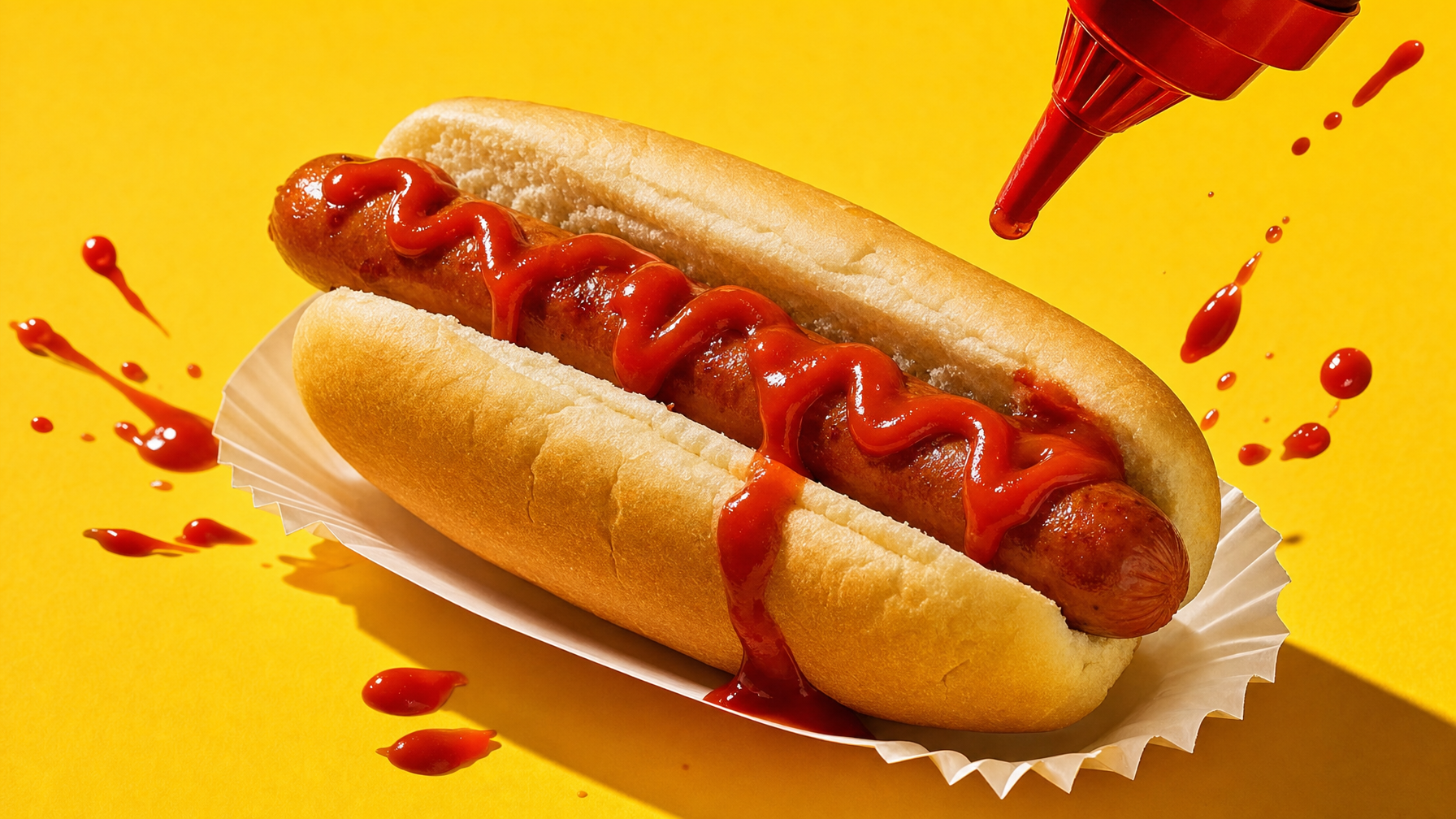
Ketchup walked into a hot dog fight and brought a bottle
The central question is wonderfully small and weirdly explosive: does ketchup belong on a hot dog at all? The argument gets especially lively when a dog already has a particular topping tradition, a strong cooking style, or enough stuff piled on it to require structural engineering.
This is food culture, not condiment legislation. Nobody needs a permit to squeeze ketchup onto a frank. But a topping choice can still be worth interrogating. A hot dog is a compact flavor arrangement: sausage, bun, heat, salt, texture, and whatever chaos lands on top. Ketchup changes that arrangement fast.
Jason’s no-ketchup stance is editorial opinion, not objective law. His stated position comes from a decade of eating hot dogs across all 50 states: zero ketchup. That is not a demand that your cookout surrender its red bottle. It is an invitation to ask whether that bottle is helping the dog—or simply yelling over it.
Is ketchup the villain, or just standing too close to the mustard?
The case against ketchup is mostly a flavor case. It is sweet, tangy, thick, and familiar enough to make almost anything taste vaguely like a backyard burger situation. On a hot dog with a savory sausage, a soft bun, and several toppings, that sweetness can take over the room. Suddenly the snap, char, spice, onion, pickle, or pepper has become supporting cast in Ketchup: The One-Bottle Show.
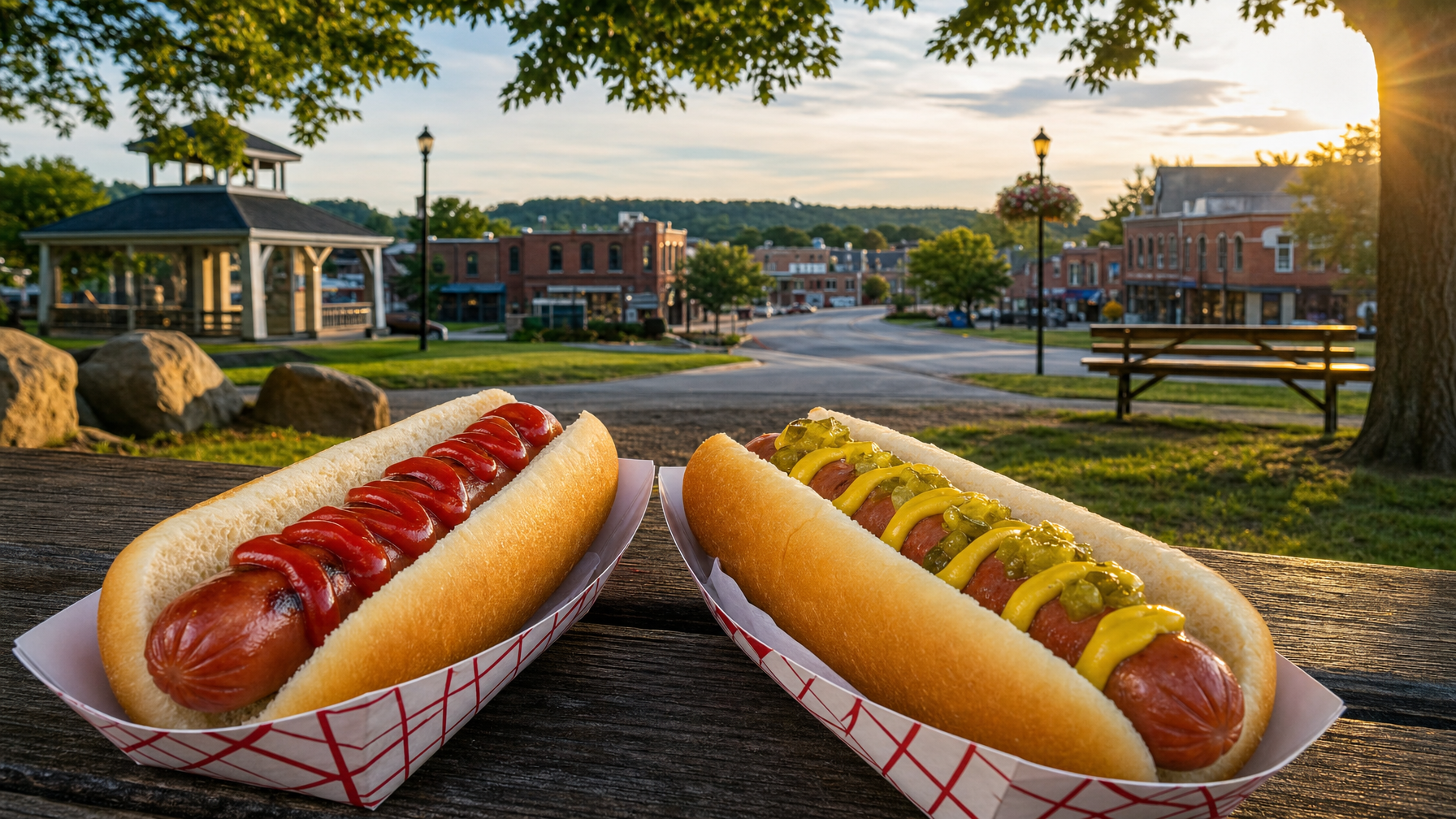
Mustard, by contrast, usually brings sharper acidity or spice without turning the whole bite into a sugar-forward event. That does not make mustard morally superior. It just tends to leave more air in the room for the actual dog.
The pro-ketchup argument is not nonsense. Plenty of people like its smooth texture, familiar sweet-acid balance, and dependable comfort. Food rituals are personal: some people need coffee before a conversation; some people put ketchup on a dog before they have fully met it. Neither habit requires a courtroom drama.
Jason’s objection is simply that ketchup often arrives too loud. It is the friend who brings a karaoke microphone to a dinner party. Fun friend. Wrong volume.
The dog should still taste like a dog
Before choosing a sauce, taste the basic situation. What does the sausage taste like? Is the bun toasted, steamed, grilled, or barely surviving? Was the dog cooked over charcoal, on a griddle, in water, or some other method with its own personality? Are the toppings creamy, crunchy, spicy, pickled, salty, or sweet?
Jason’s editorial lens is simple: the dog should remain recognizable in the bite. A great topping supports, contrasts, or sharpens. A bad topping buries the lead.
Take a smoky or heavily seasoned frank. It may benefit more from something bright or sharp—a mustard, chopped onion, relish, a pickle-like tang, or a fresh crunchy topping—than from another sweet note. That is not a universal pairing chart carved into a grill lid. It is a practical tasting instinct: if the dog is already rich and bold, do not automatically add a condiment that makes the bite heavier and sweeter.
Likewise, a simpler dog may have room for a broader condiment choice. The point is not to worship austerity. The point is to notice what is already happening before you deploy the squeeze bottle like a fire hose.
From Chicago arguments to backyard chaos, context changes the bun
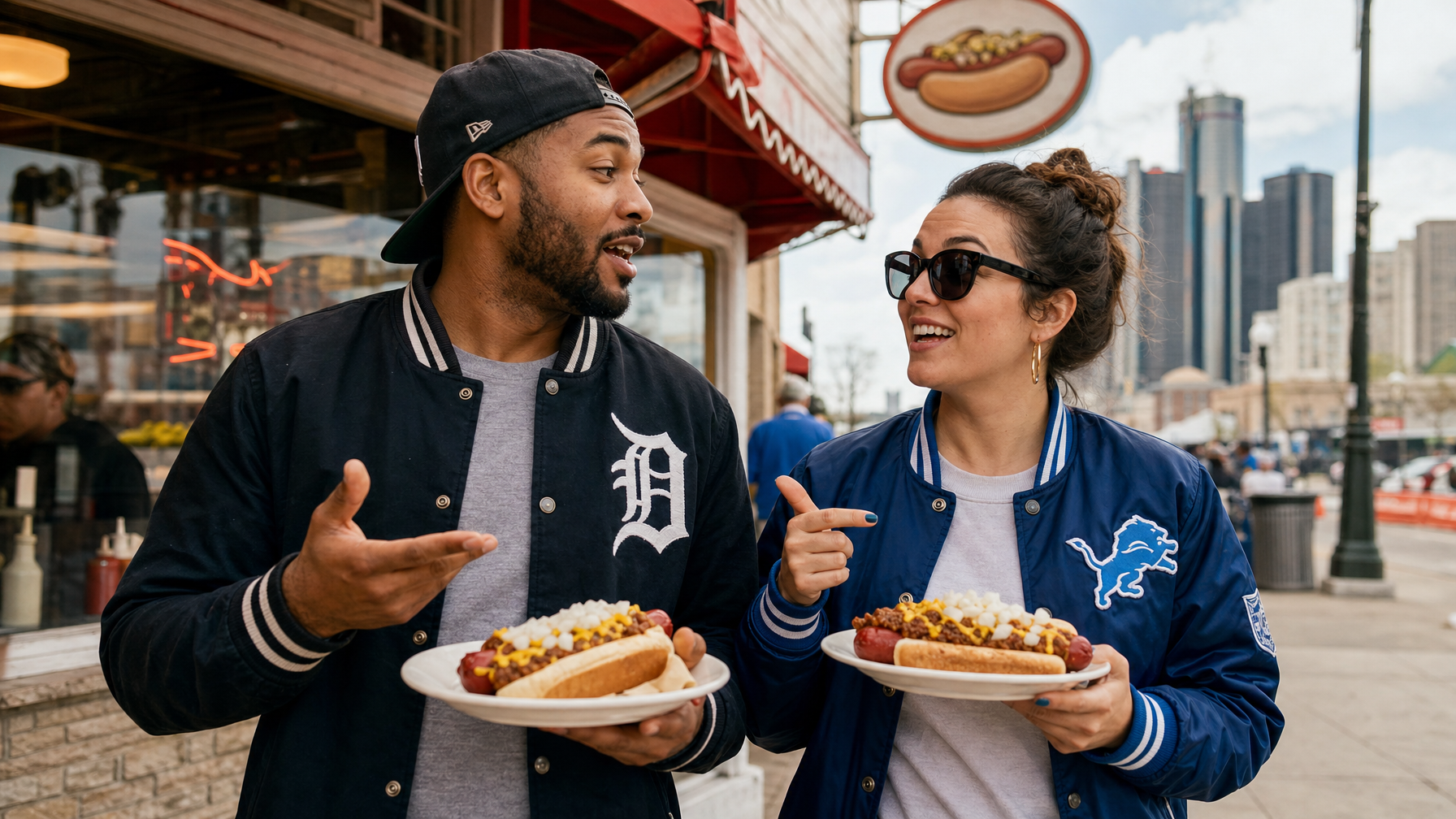
Hot dogs pick up expectations wherever people eat them: at stands, on destination crawls, during road trips, beside ball fields, and at home cookouts where one relative treats condiment placement like foreign policy. A topping that feels obvious in one setting can feel completely out of place in another.
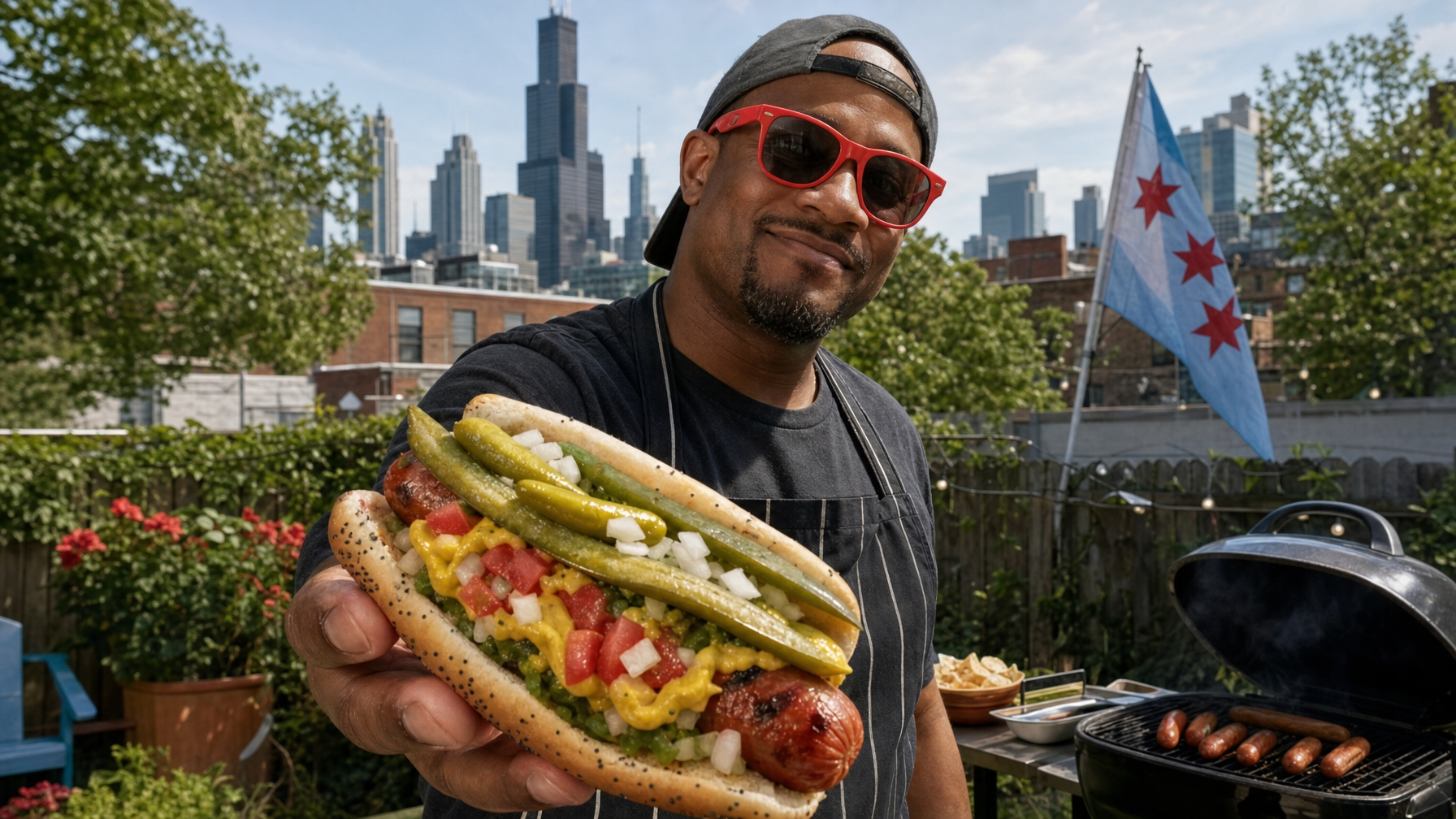
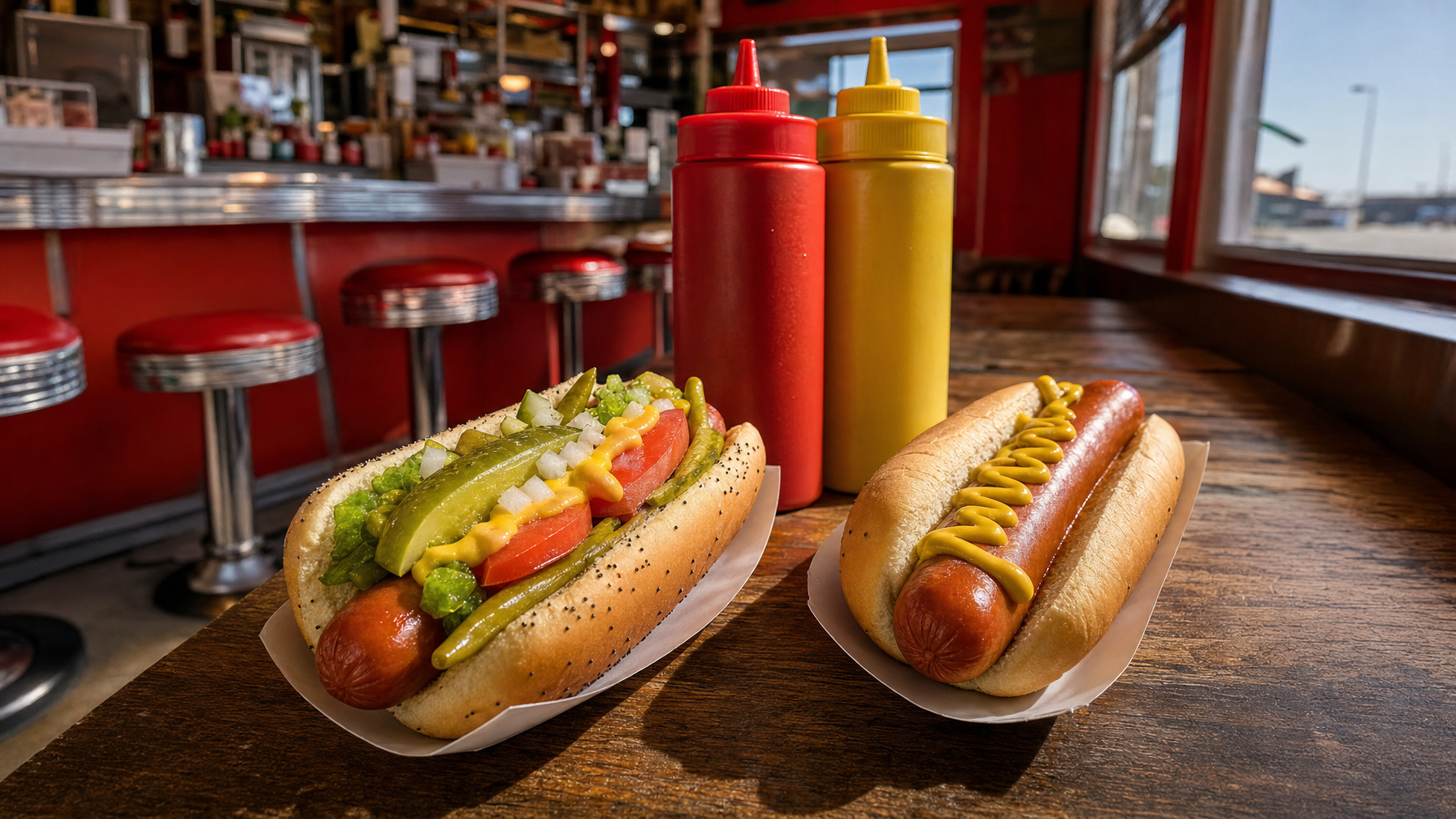
Chicago, naturally, comes up whenever ketchup arguments start throwing elbows. But the larger point is not to turn one city into a universal referee. Hot-dog traditions are shaped by place, habit, ingredients, and the person holding the napkin. At a stand, the offered build may be part of the experience. At a backyard grill, the only tradition may be that somebody always burns the buns.
That is why destination coverage and food crawls are useful beyond the address itself. They show that a hot dog is rarely just a tube of meat in bread. It is a local vocabulary of textures, condiments, cooking methods, and expectations. Jason’s city pages and food-crawl coverage live in that world: seek out the real thing, taste what is being offered, then decide whether your personal red-bottle reflex belongs there.
A no-ketchup test for the brave and the mildly curious
Want to settle the matter for your own mouth? Run a tiny, low-stakes experiment. Buy or cook the same kind of hot dog twice. Keep the sausage, bun, cooking method, and other toppings the same.
- Eat the first dog without ketchup.
- Notice the sausage: its salt, seasoning, smoke, fat, and snap.
- Notice the bun and the toppings: crunch, tang, heat, softness, sweetness.
- Eat the second dog with ketchup.
- Ask what changed—not whether you are allowed to enjoy it, but what the condiment actually did.
Did ketchup brighten the bite? Did it add welcome sweetness? Did it flatten the smoke, mute the onion, or make every component taste more generic? Does it cooperate with the toppings, or does it elbow them into the lawn chair next to the grill?
You do not have to join Jason’s ketchup-free camp. But you should know what that condiment is doing before declaring it innocent. The bottle has a very good publicist. Your taste buds deserve cross-examination.
The verdict: ketchup is allowed to exist, just not on Jason’s dog
The debate endures because hot dogs are simple, customizable, and tangled up with memory and place. They are dinner after a game, lunch at a stand, a road-trip stop, a charcoal grill, a family ritual, and a small edible argument.
There is no scientific ruling here. There is Jason’s stated point of view: after ten years and 50 states of hot-dog research, he chooses zero ketchup. Strong opinion? Absolutely. Universal commandment? Nope.
Put ketchup on your own dog if that is your joy. Jason will be over here protecting the sausage from a sugary coup.
For more hot-dog places, recipes, purchasable finds, and culture coverage, follow @jasonsgrub on Instagram.
FAQ for people still hovering over the condiment tray
Is ketchup objectively wrong on a hot dog?
No. This is a preference debate, not a factual verdict. Jason’s opinion is simply that ketchup does not belong on his dog.
Why do some people avoid ketchup on hot dogs?
Some people feel its sweetness can overwhelm the sausage or clash with other toppings. That is a flavor argument, not a universal rule for every eater or every hot dog.
What should I try instead of ketchup?
Start with the dog’s flavor and cooking style. Jason would consider options such as mustard, onions, relish, or other toppings that add tang, crunch, heat, or freshness without automatically making the bite sweeter. Those are examples, not commandments from the condiment mountain.
Does the no-ketchup rule apply to every hot dog?
Jason’s stated stance is zero ketchup. Readers can test that idea against their own taste and the particular dog in front of them. A useful rule is to taste the dog first, then decide what it needs.
Where can I follow Jason’s hot-dog opinions?
Follow @jasonsgrub on Instagram.
Enjoyed this? There's more from Jason's Grub.
Follow on Instagram →