Why the Internet Keeps Putting Ketchup on Hot Dogs—And Then Fighting About It
The internet keeps putting ketchup on hot dogs because ketchup is familiar, sweet, easy to find, and welded to childhood comfort. But hot dogs also carry regional traditions and personal identity, so one red squeeze bottle can feel less like a condiment and more like a tiny edible declaration of war. For hot-dog enthusiasts and food-culture readers, the useful answer is not that every dog needs the same topping: it is that ketchup debates are really arguments about flavor, memory, and belonging—with a little mustard-fueled theater on the side.
The Short Answer: Ketchup Is Familiar, Convenient, and Loudly Personal
Ketchup is everywhere. It is recognizable, sweet, usually close at hand, and easy to apply with the precision of a fire hose. For plenty of people, it is the default red sauce of cookouts, ball games, childhood dinners, and whatever was on the paper plate before anyone had strong opinions about relish.
The argument is rarely a serious hunt for one universal culinary ruling. It is about taste, tradition, and the strange amount of biography people can fit inside a bun. Someone sees ketchup and tastes sweetness, moisture, and nostalgia. Someone else sees it and hears a regional tradition clearing its throat.
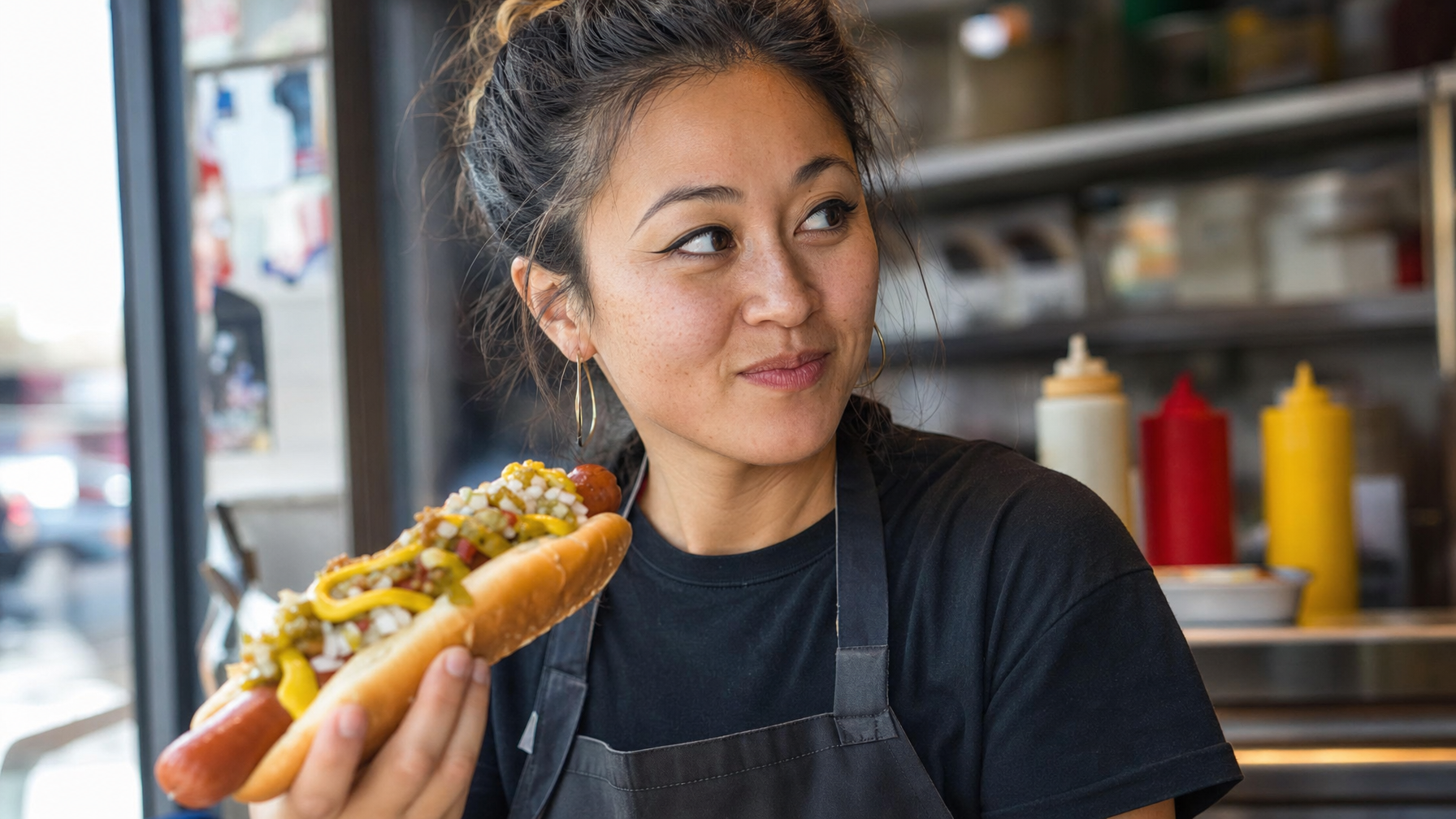
Jason’s Grub takes a zero-ketchup stance. That is a proudly held opinion, not a claim that ketchup users must be exiled from the backyard. The interesting question is why the bottle keeps showing up—and why it keeps getting people talking.
Why Ketchup Became the Internet’s Favorite Hot-Dog Villain
Ketchup is nearly perfect argument fuel because everybody recognizes it, nearly everybody has encountered it, and its presence is impossible to miss. A mustard line may suggest restraint. A ketchup stripe announces itself like it paid for the billboard.
Hot dogs make this especially easy. They are familiar, relatively accessible, tied to local styles, and built for customization. A person can have a deeply specific opinion about a dog from a corner stand, a stadium, a backyard grill, or a family kitchen—and all of those opinions can collide in the comment section before lunch.
There is an observable cultural pattern here: people regularly discuss and disagree about hot-dog toppings online and in person. The interpretation is more fun: the hot dog is small enough to hold in one hand, yet somehow large enough to carry a person’s hometown, family habit, and condiment grudges.
The Case for Ketchup, According to the People Holding the Bottle
The pro-ketchup case is not mysterious, even if Jason’s Grub is not joining it. Ketchup brings sweetness, tang, and moisture. On a salty dog, that sweetness can feel like a counterweight. On a dry or plainly dressed dog, the sauce can make each bite feel less bare.
For many people, the strongest case is memory. Ketchup may taste like a backyard cookout, a childhood lunch, or the first food they were allowed to customize themselves. That is not an objective proof that it is the best topping. It is a perfectly ordinary reason to enjoy a food.
It can also behave differently depending on the build:
- A mild dog may leave more room for ketchup’s sweetness.
- A soft bun and sparse toppings may make its added moisture welcome.
- A dog already loaded with sweet relish, onions, chili, or a rich sauce may not need another loud voice in the chorus.
Those are ways to think about a bite, not commandments carved into a grill lid. Personal preference still gets a seat at the table.
Why Hot-Dog Traditionalists Get So Dramatic About It
Food tradition is a set of shared expectations about how a dish is prepared and served in a region or community. It is not a law enforced by condiment police officers in tiny hats. Still, traditions matter because they preserve a particular flavor balance and give a place its edible accent.
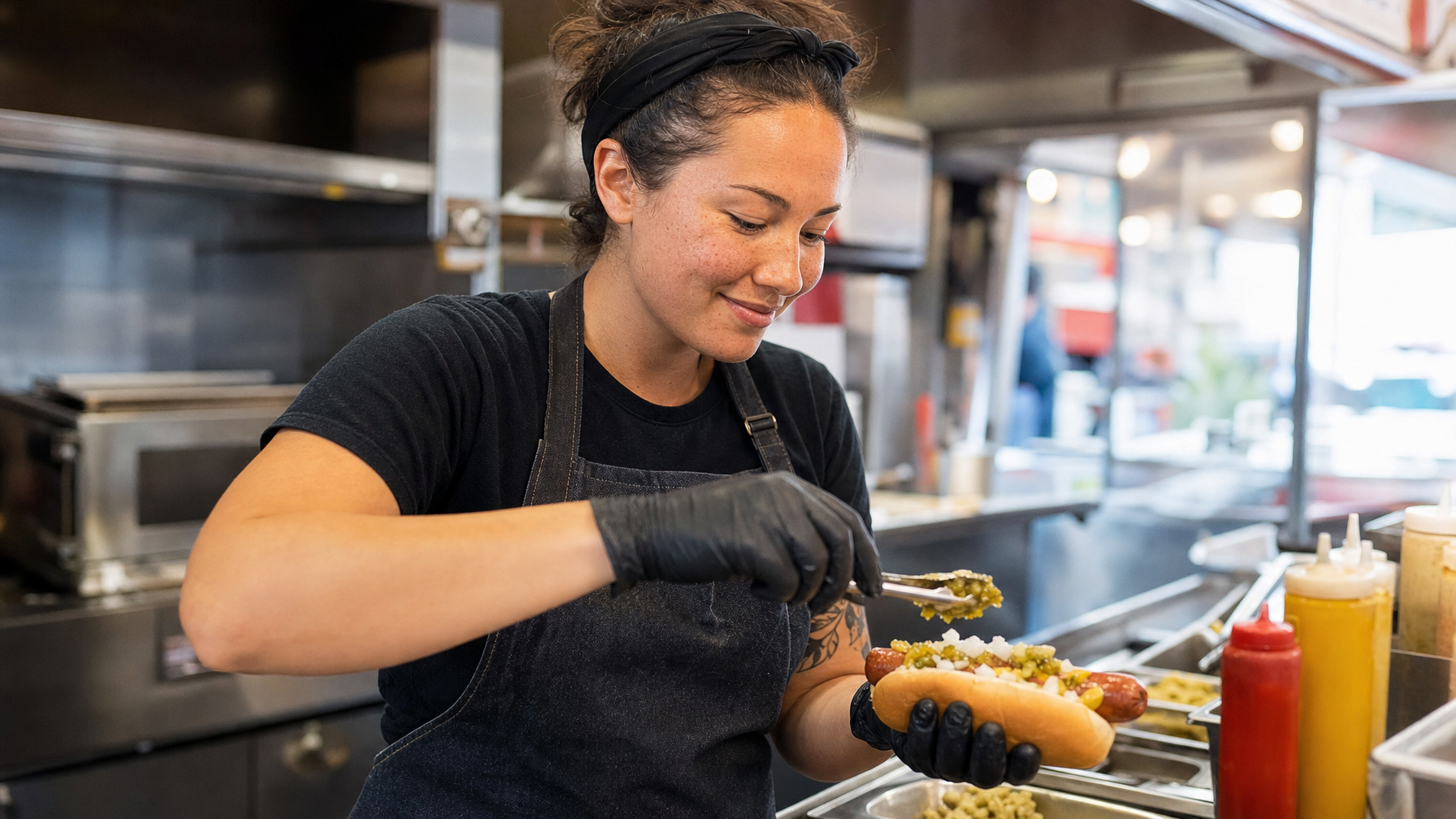
Many established hot-dog styles are designed around an arrangement of meat, bun, mustard, onions, relish, chili, and other toppings. In those combinations, ketchup can be seen as too sweet, too dominant, or simply not part of the intended build. The objection is often less “sweetness is evil” and more “this dog already has a plan.”
Jason’s perspective comes from a stated personal claim: ten years of hot-dog research across all 50 states, with zero ketchup. That is experience and a point of view—not scientific proof, and not a verdict on every person’s lunch. But it explains why Jason’s Grub has a firm opinion: a good dog deserves to be tasted before it is buried beneath the red stuff.
Sweetness, Salt, Smoke, and the Actual Dog Underneath
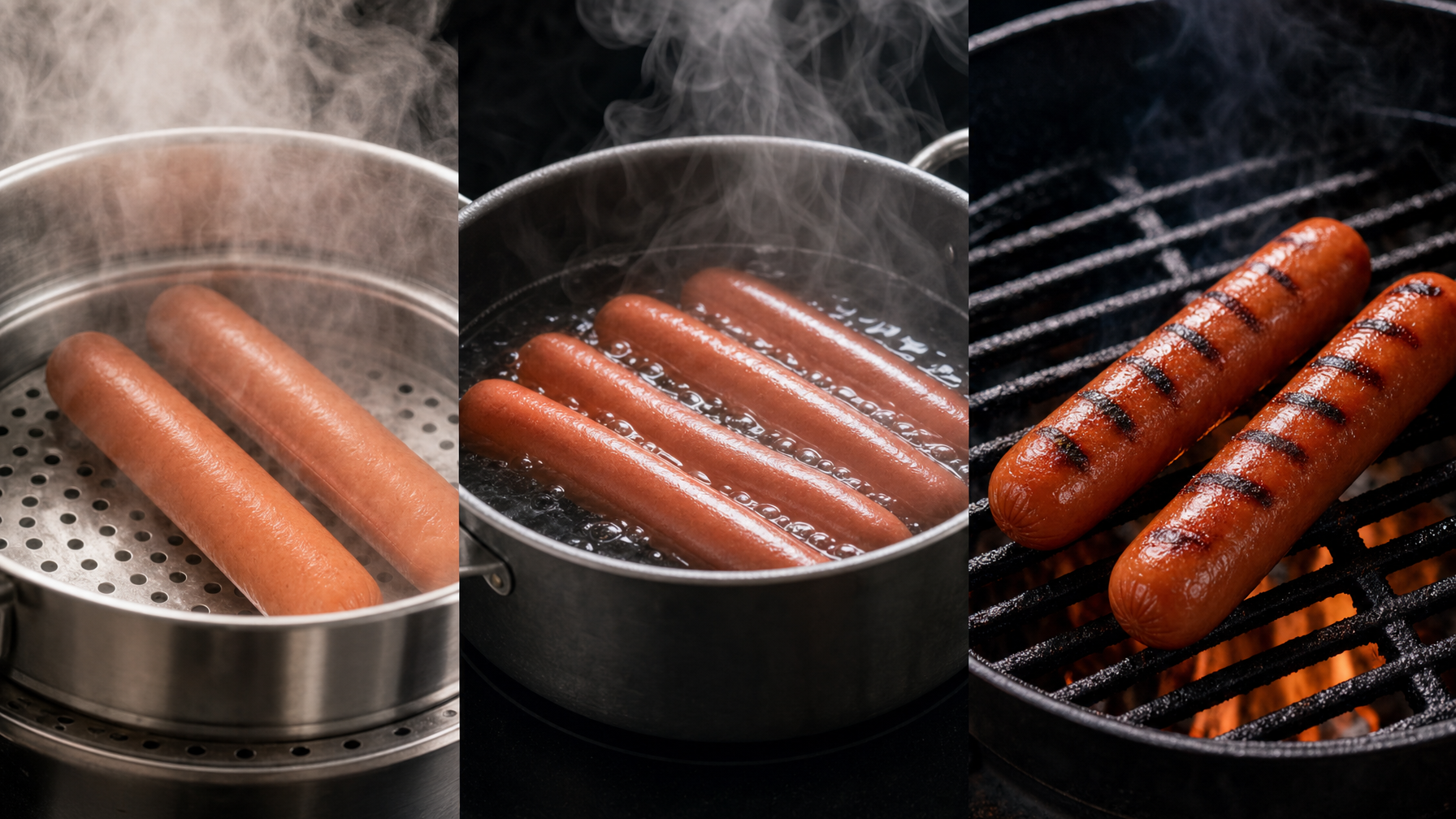
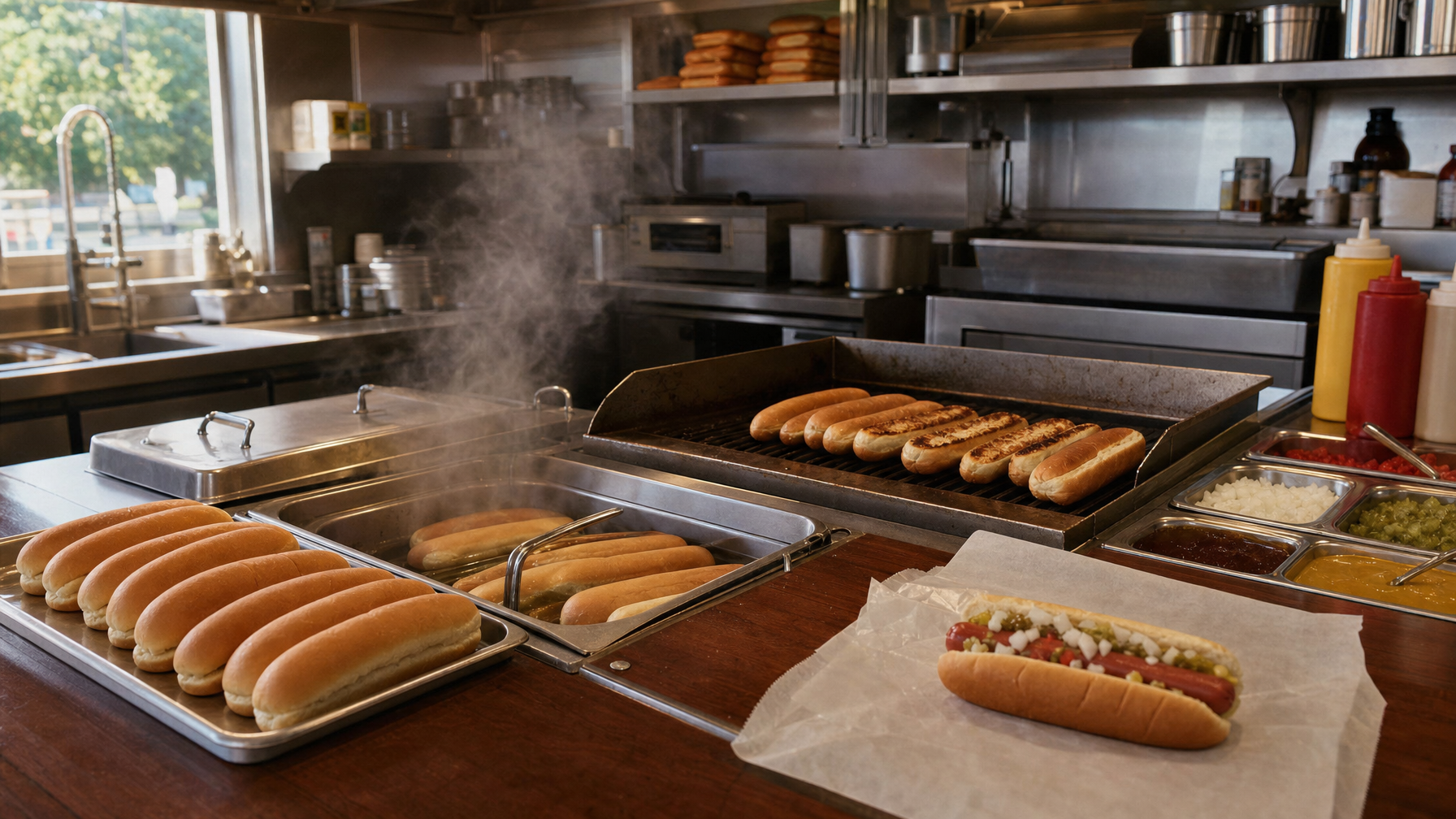
Before starting a condiment summit, consider the dog itself. What is it doing? Is it strongly seasoned? Does it have a crisp snap? Is it smoky, charred, griddled, steamed, or mild? Is the bun toasted, soft, sweet, or just present and trying its best?
A heavily smoked or deeply charred dog may invite a different kind of contrast than a mild dog. Mustard can bring sharpness; onions can bring bite; relish can bring sweet-tangy crunch; chili can add richness and heat. Sometimes the most revealing move is to take one plain bite first. Radical, yes. Also useful.
Preparation matters more than the bottle. Ketchup cannot rescue a poorly cooked dog with a limp texture or no real flavor. And a well-made dog may need very little sauce at all. If the sausage, bun, and cooking method are doing good work, do not interrupt them just because the squeeze bottle feels lonely.
Why Online Food Arguments Turn Into Identity Fights
Food preferences are rarely only about flavor. They can be tied to family habits, neighborhood rituals, hometown pride, and the particular meal someone remembers as uncomplicated happiness. That is why a tiny condiment choice can produce such outsized feeling.
Online, nuance gets flattened. “I like ketchup on this dog” can mutate into “ketchup belongs on every dog,” and then someone replies as if the bun has personally insulted their ancestors. Short posts and food photos do not leave much room for context: what kind of dog was it, how was it cooked, what else was on it, and was anybody simply enjoying their lunch?
Ketchup fans are not foolish, and traditionalists are not automatically snobs. They are often protecting different things: comfort on one side, a specific style or flavor balance on the other. The internet merely gives both sides a megaphone and, apparently, unlimited napkins.
A Better Way to Argue About Ketchup
Argue from the specific dog, not from a universal proclamation delivered atop a picnic table. A better conversation starts with a few questions:
- What style of hot dog is this?
- What does the sausage taste like before toppings?
- How was it cooked?
- What toppings are already doing work?
- Are you chasing tradition, contrast, nostalgia, or plain personal pleasure?
If you are ketchup-curious but willing to give the red bottle a short vacation, try the dog plain first. Then consider mustard, relish, onions, chili, or the toppings associated with that particular style. The point is not to make every dog identical. The point is to notice what is already on the field before adding another quarterback.
Jason’s Grub can defend zero ketchup with a straight face and a raised mustard bottle without pretending the internet will stop putting ketchup on things. It will not. The bottle is too famous, too familiar, and too ready for battle.
The Final Squeeze: Taste Is Personal, Tradition Is Real, and the Argument Is the Point
Ketchup persists because it is familiar, comforting, sweet, and easy. Opposition persists because hot dogs carry regional meaning, carefully built flavor combinations, and intensely personal standards. Both facts can exist at the same cookout.
Jason’s Grub still says no ketchup. Some dogs are too good, too smoky, too thoughtfully built, or too committed to their local style to be drowned in sweetness. But the online fight survives because condiments are easier to debate than taste, memory, and identity—and much easier to type about with one hand while holding a hot dog in the other.
For more real hot-dog places, products, recipes, and culture, follow @jasonsgrub on Instagram.
FAQ
Is ketchup actually wrong on a hot dog?
There is no universal rule. Some regional styles and specific hot-dog builds are designed around a different flavor balance, where ketchup may feel overly sweet or out of place. Jason’s Grub’s stated position is zero ketchup.
Why do people care so much about ketchup on hot dogs?
The topping can connect to childhood, regional traditions, personal taste, and food identity. A small choice becomes symbolic when people feel it represents how they grew up, where they are from, or what a “proper” dog should taste like.
What should I try instead of ketchup?
Start with toppings that suit the dog’s style and flavor: mustard, relish, onions, chili, or no sauce at all. Trying a bite plain first is the simplest way to notice what the meat and preparation are doing.
Does ketchup ruin every hot dog?
No. It can be a personal preference, particularly for someone who wants sweetness and moisture. The stronger argument is that ketchup may overpower certain dogs or clash with established regional builds.
How does Jason’s Grub approach the debate?
Jason’s Grub takes a clear zero-ketchup stance, informed by Jason’s stated ten-year, 50-state hot-dog research claim. The focus remains on specific places, products, recipes, and food culture—not generic rules for every dog on Earth.
Enjoyed this? There's more from Jason's Grub.
Follow on Instagram →