The Chicago Dog’s No-Ketchup Rule, Rebuilt for a Backyard Grill
For hot-dog fans who want Chicago energy without hauling a cart into the backyard, yes: your grill can absolutely pull this off. Grill the dog, keep the bun and toppings in fighting shape, and leave ketchup out of the classic build. The grill changes the cooking method, not the mustard-relish-pickle-pepper identity of the dog.
Can a backyard grill handle a Chicago dog without committing ketchup crimes?
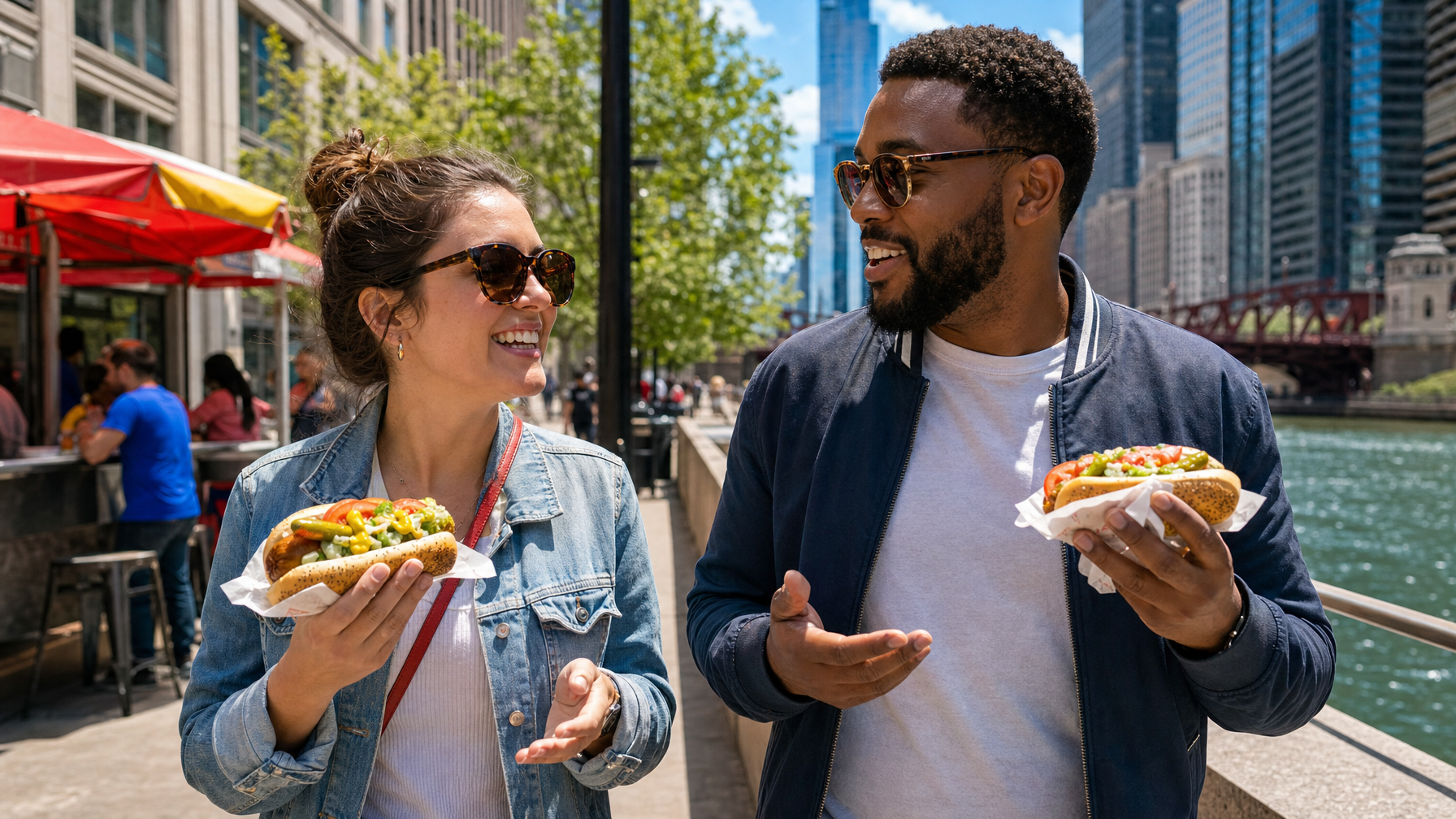
Yes—with one condition: the grill should add a little char and smoke, not stomp all over the toppings like it owns the place. This is for hot-dog obsessives and food-culture people who want a specific Chicago-style build, not a generic cookout tube wearing whatever condiments were found behind the potato salad.
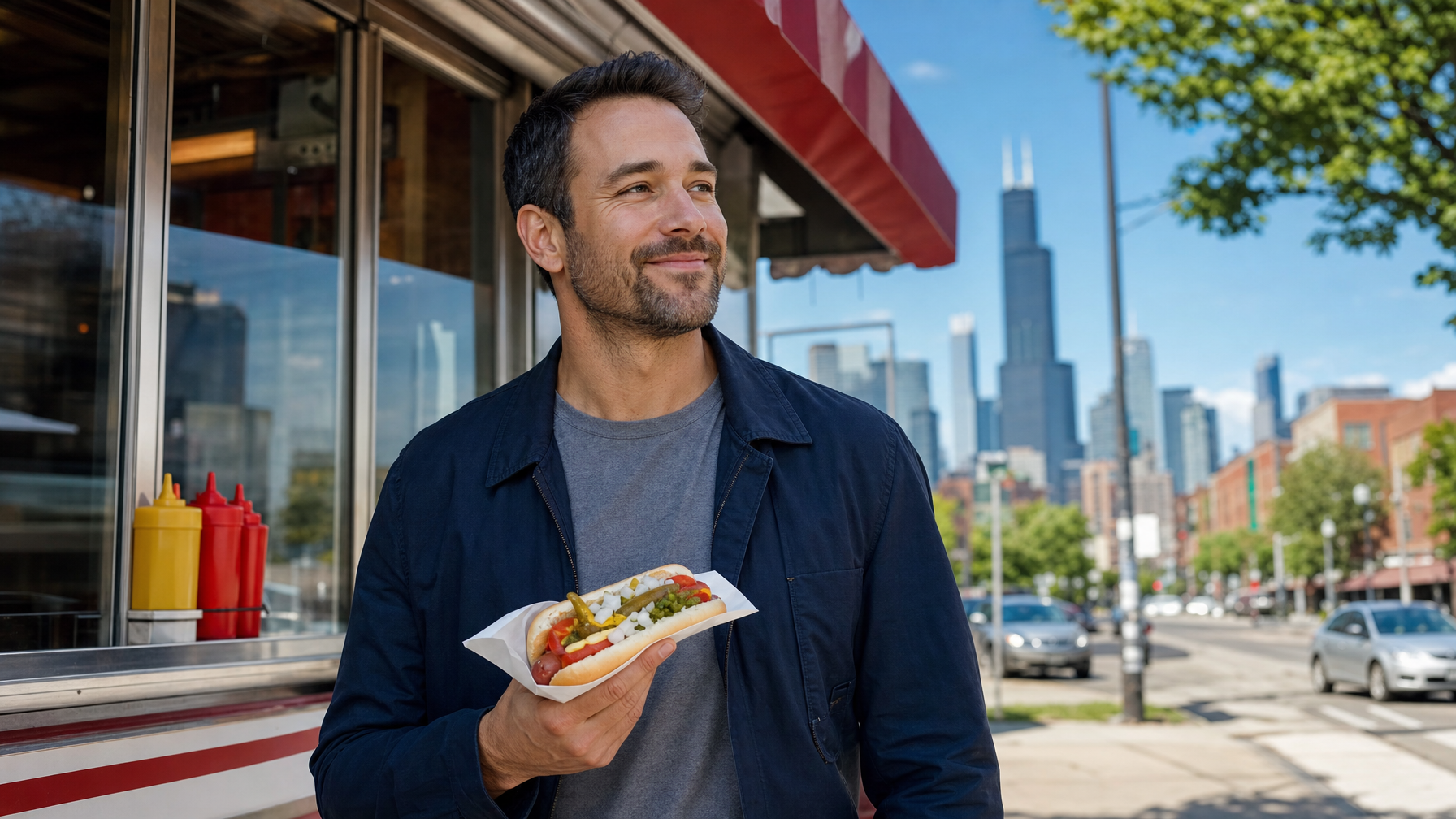
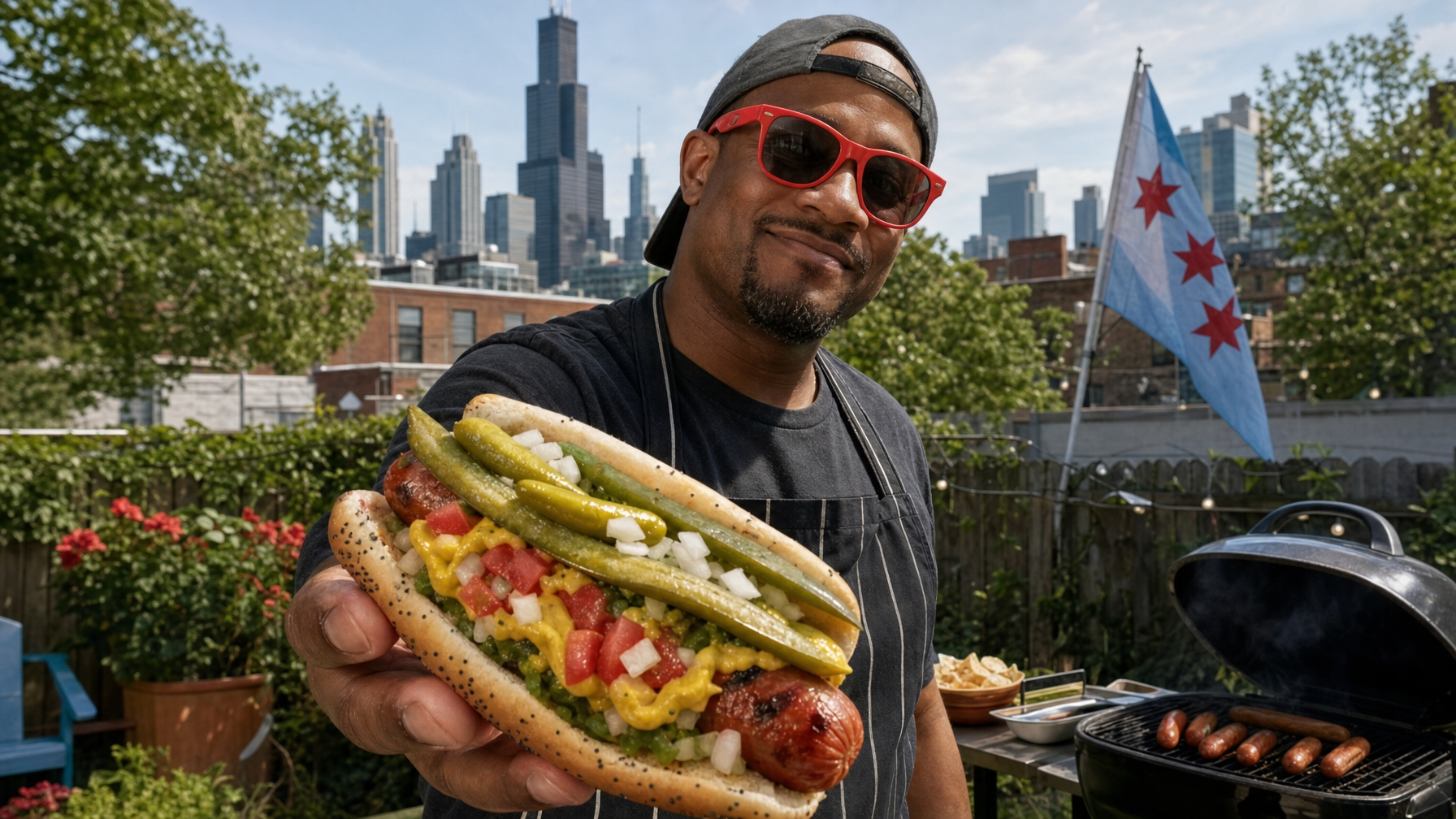
A recognizable Chicago-style dog is defined here by its topping combination: beef hot dog, poppy-seed bun, yellow mustard, bright relish, chopped onion, tomato, pickle spear, sport peppers, and celery salt. Grilling is a perfectly sensible backyard adjustment. The point is to keep the finished dog bright, crunchy, briny, and balanced.
Jason’s position is plainly personal and proudly uncompromising: ten years, 50 states, zero ketchup. Nobody is coming to inspect your patio. But if the target is a classic Chicago-style profile, ketchup sits this round out.
The Chicago dog’s famous pileup, item by item
The Chicago-style build is not random garnish confetti. Each component has a job, and together they create a dog that is tangy, savory, crisp, spicy, and just sweet enough without needing tomato ketchup to wander in wearing a fake mustache.
- Beef hot dog: the sturdy, savory center of the operation.
- Poppy-seed bun: the familiar soft, seeded vessel that makes the presentation unmistakable.
- Yellow mustard: sharpness and a clean acidic snap.
- Bright relish: sweetness, color, and a little juicy contrast.
- Chopped onion: raw bite and crunch.
- Tomato wedges: freshness and soft acidity.
- Pickle spear: sour crunch and major structural presence.
- Sport peppers: briny heat for people who prefer their lunch to have an opinion.
- Celery salt: the savory, fragrant final note that ties the pileup together.
Ingredient quality and proportion matter more than building the tallest possible vegetable monument. Use enough topping to get every flavor into the bite, but not so much that the hot dog vanishes beneath a landslide of wet produce. The practical assembly order below is designed for a backyard bun—not offered as the only acceptable order on Earth.
First, grill the dog like you mean it—not like a hockey puck
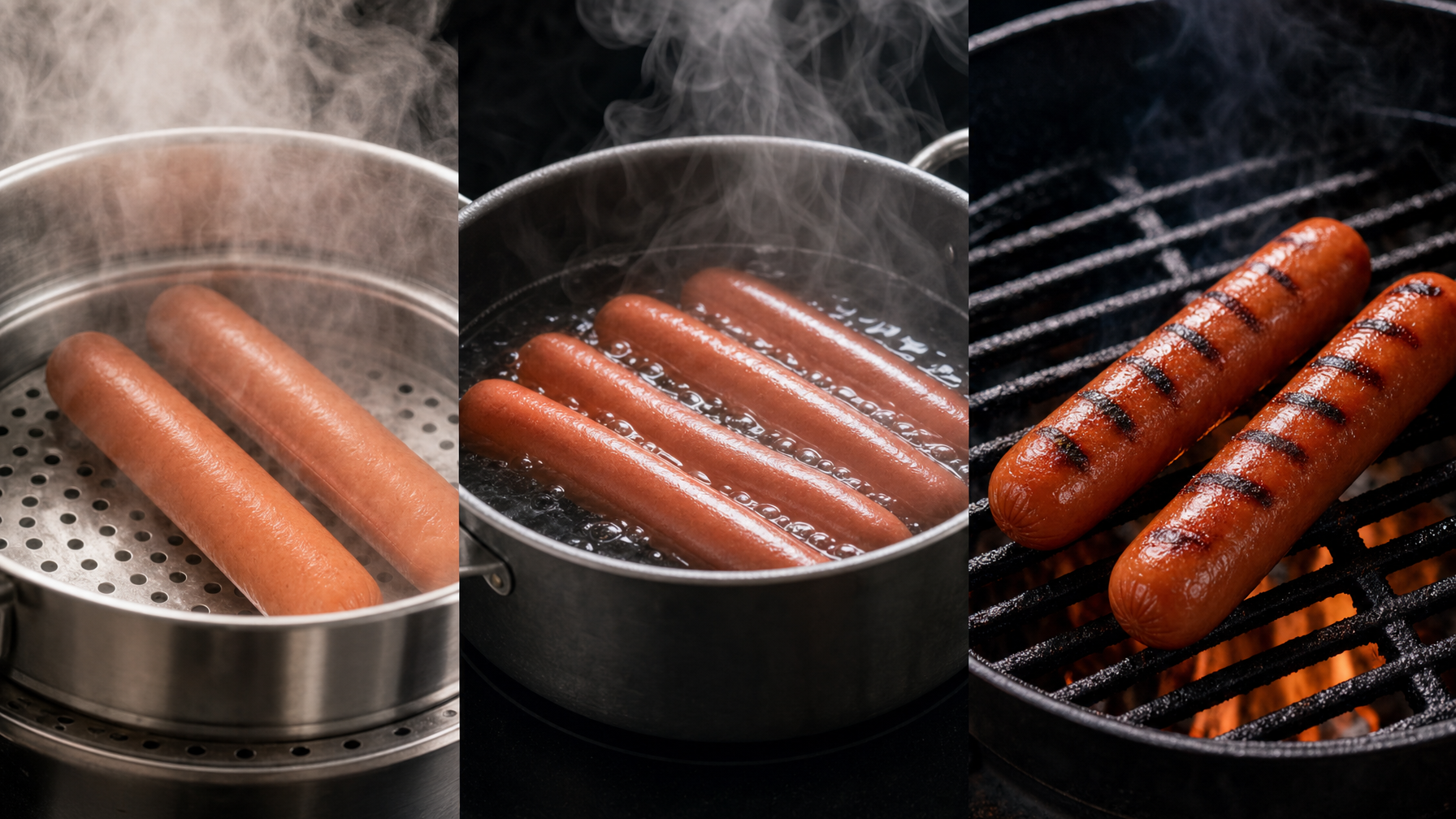
Preheat the grill, then cook the hot dog over moderate heat until it is heated through and lightly marked. Turn it as needed. You want a little color and a gentle smoky edge, not a casing split wide open and burned into an object lesson.
Exact timing depends on the grill, its fuel, the heat level, and the size of the dog. Watch the dog rather than treating a stopwatch like a religious text. Move it away from a hot spot if the casing is darkening too quickly, and give it more time if the center is still cool.
Warm the bun briefly as the dog finishes. A lightly toasted interior can help it hold the toppings; an aggressively toasted bun becomes brittle and cracks at the first sign of pickle-related adversity. The goal is warm, soft, and sturdy.
- Good result: hot center, light grill marks, intact casing, warm bun.
- Bad result: blackened casing, cold middle, split dog, or bun that has become a damp paper towel.
Keep the grill’s personality in the background. The topping combination should still be the loudest voice at the table.
The bun is not a napkin: build for crunch, balance, and survival
Start with the warm bun and lay down yellow mustard first. Add relish and chopped onion next. That creates flavor across the base without immediately dumping the wettest pieces onto an unprepared bun.
Set the grilled hot dog into the bun, then place tomato wedges and the pickle spear with intention. These are not loose salad ingredients; they are large pieces that need a stable spot alongside the dog. Tuck them in so the first bite does not send the pickle sailing into the lawn chair.
Add sport peppers according to the crowd’s heat tolerance. For the familiar Chicago-style punch, include them. For a milder table, use fewer peppers or serve them alongside so each eater can choose their level of consequences.
Finish with celery salt just before serving. Adding it near the end preserves its aroma and keeps it from getting lost beneath relish juice and tomato moisture.
Ketchup can wait outside with the lawn chairs
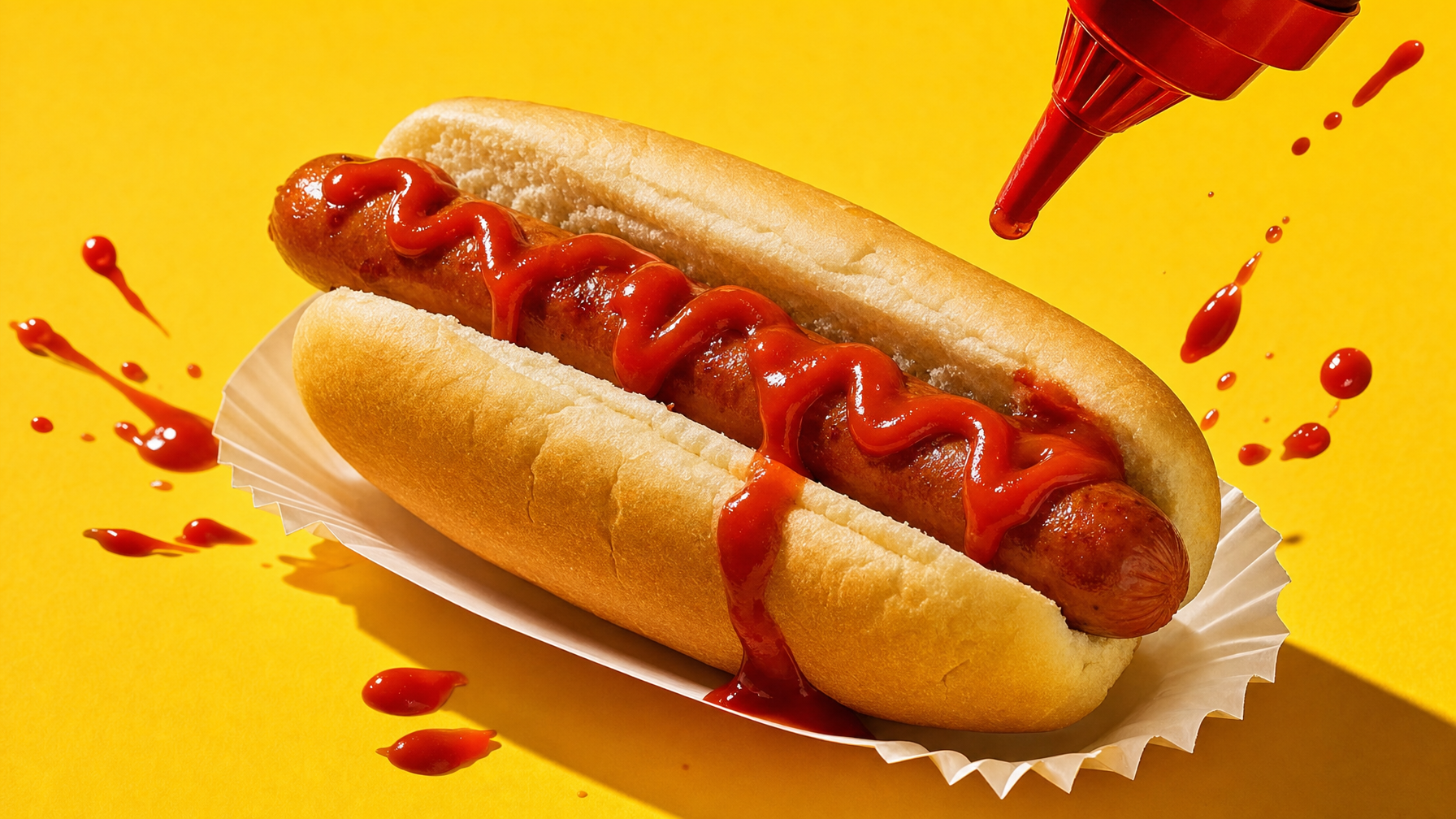
The no-ketchup rule belongs to Chicago-style tradition, and it is also Jason’s declared standard—not a binding ordinance for every backyard in America. If you add ketchup to your own dog, civilization will continue. But it is no longer the intended Chicago-style flavor profile described here.
The reason is deliciously practical: this build already has sweetness from relish and acidity from mustard, pickle, tomato, and sport peppers. Ketchup does not solve a missing flavor problem. It mostly adds a tomato-heavy sweetness to a dog that already knows exactly what it is doing.
A Chicago-style dog does not need ketchup any more than a marching band needs a fog machine: you can add one, but now we are discussing your choices.
Eat what you enjoy. Just call the ketchup addition what it is: a personal detour from the classic build, not a required stop.
Three backyard mistakes that turn a Chicago dog into topping soup
1. Making the hot dog disappear
Too many toppings turn a balanced dog into an excavation project. Use deliberate portions: enough relish to taste it, enough onion to crunch, and tomato and pickle positioned beside the dog rather than dropped on in a heap.
2. Loading a cold, floppy bun
A cold bun gets soggy faster and offers less support. Warm or lightly toast it before assembly, then build close to serving. Your bun is a food vessel, not an absorbent household product.
3. Grilling with unnecessary rage
High heat can scorch the casing before the dog is properly heated through. Aim for steady heat and light char. If your hot dog resembles firewood, the grill won the argument.
A quick rescue checklist
- Is the dog hot through the center but still intact?
- Is the bun warm and flexible rather than brittle or soggy?
- Can you see the dog beneath the toppings?
- Are the tomato and pickle tucked in rather than perched for escape?
- Did the celery salt go on last?
The final build: a Chicago dog with grill marks and no identity crisis
Assemble it in this practical backyard sequence:
- Warm or lightly toast a poppy-seed bun.
- Grill a beef hot dog until heated through and lightly marked.
- Spread yellow mustard in the bun.
- Add bright relish and chopped onion.
- Set in the grilled hot dog.
- Tuck in tomato wedges and a pickle spear.
- Add sport peppers to taste.
- Finish with celery salt.
The target bite is smoky from the grill, bright and crunchy from the toppings, tangy and savory from mustard, pickle, peppers, and celery salt. It should not be sweet and tomato-heavy. That is the whole point of keeping the identity intact while letting the backyard grill have its modest little moment.
If you need to adapt, keep the recognizable core: beef dog, mustard, relish, onion, tomato, pickle, peppers, celery salt, and the closest sturdy bun you can find. A missing poppy-seed bun is an ingredient problem; replacing the entire flavor structure is a different recipe.
Follow @jasonsgrub on Instagram for more specific hot-dog places, products, recipes, and culture coverage.
FAQ: the questions people ask before they open the mustard
Can I grill a hot dog and still call it Chicago-style?
Yes. Grilling is the cooking method. For this backyard version, the recognizable Chicago-style character comes from the beef dog, poppy-seed bun, and familiar mustard, relish, onion, tomato, pickle, sport-pepper, and celery-salt combination.
Is ketchup allowed on a Chicago dog?
It is your personal choice, but classic Chicago-style tradition and Jason’s no-ketchup position leave it off the build. The relish, mustard, pickle, and peppers already provide sweetness and tang.
What if I cannot find a poppy-seed bun?
Use the closest sturdy bun available and warm it gently. A poppy-seed bun is part of the familiar presentation, but a bun shortage should not cancel dinner.
How hot should the sport peppers be?
Add them to taste. Keep them in the build if you want the classic spicy, briny contrast, but use fewer peppers or serve them on the side for eaters who prefer a gentler ride.
Can I prepare the toppings ahead of time?
Yes. Chop onion, portion relish, cut tomatoes, and set out the pickle spears and sport peppers before grilling. Assemble close to serving so the bun stays sturdy rather than turning soggy.
Enjoyed this? There's more from Jason's Grub.
Follow on Instagram →