The Great Ketchup Argument Has Entered Its Comment-Section Villain Era
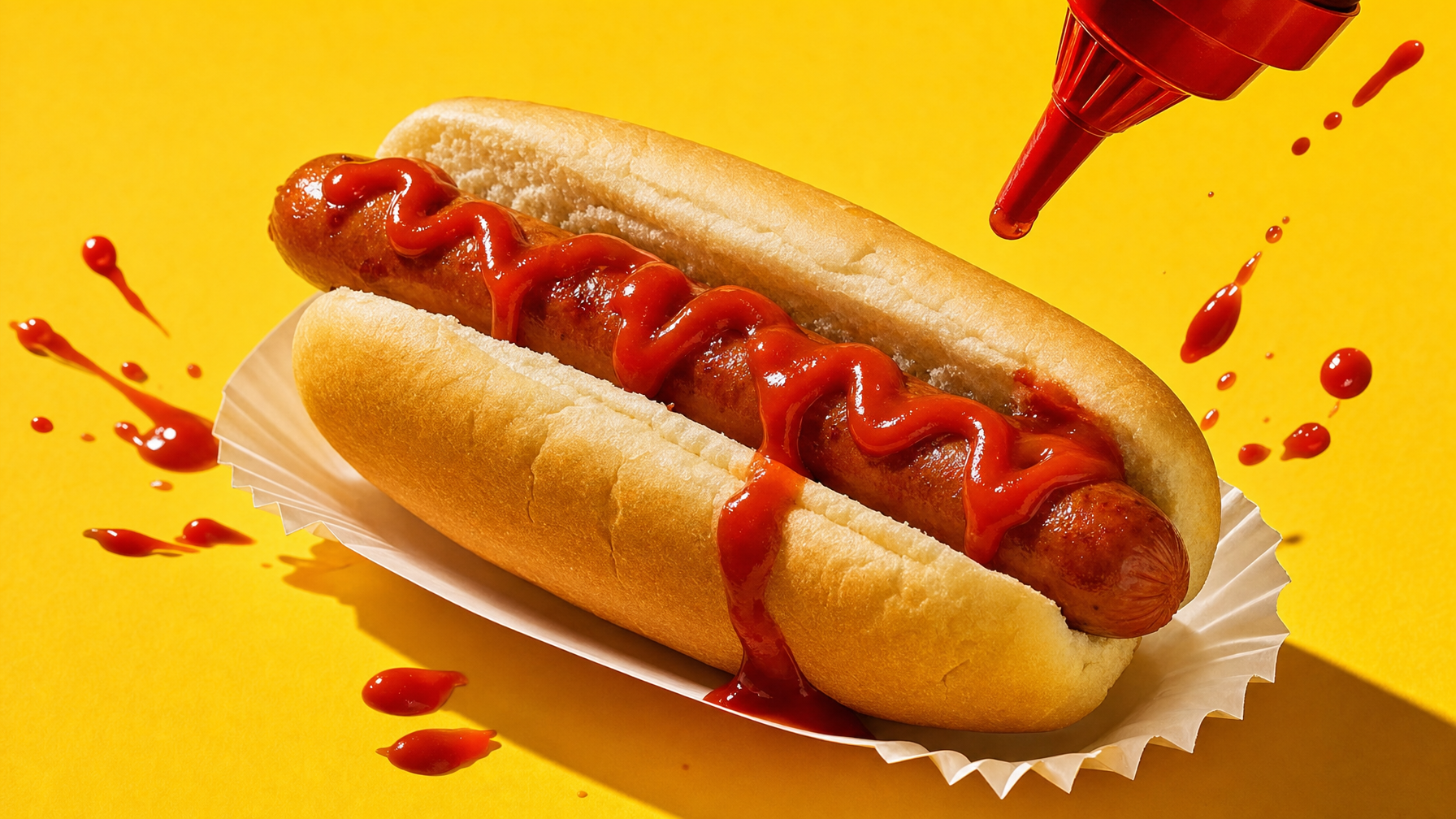
Ketchup on a hot dog is no longer just a topping choice—it is a tiny red line people use to declare allegiance, expertise, and occasionally war in the comments. For hot-dog obsessives and food-culture readers, the useful answer is this: ketchup is not evil, but Jason’s firmly no-ketchup position is that its sweetness can bulldoze the sausage, bun, snap, seasoning, and toppings that make a particular dog worth discussing in the first place.
When a Condiment Becomes a Comment-Section Supervillain
No, this is not a genuine moral emergency. Nobody needs to convene a tribunal because somebody squeezed a red zigzag onto lunch. Yet hot dogs are small enough to hold in one hand and apparently powerful enough to make strangers type like civilization is wobbling on its last bun.
There are several very different statements hiding inside “ketchup does not belong on a hot dog.”
- “I dislike it” is a personal preference. Perfectly ordinary.
- “It clashes with this style of dog” is a culinary argument. Now we are getting somewhere.
- “Anyone who uses it is incompetent” is where lunch takes a needless detour into amateur courtroom drama.
Jason’s lens is unmistakable: ten years, 50 states, zero ketchup. That is a stated personal research claim and an editorial position, not a commandment carved into a concession-stand menu. The point is not that every eater must agree. The point is that ketchup can overwhelm details worth noticing—especially when a dog has been built around sharper, saltier, tangier, or more textured flavors.
Ketchup is not inherently bad. On a hot dog, though? Jason thinks it is often the loud guest who arrives with a megaphone and starts narrating everyone else’s conversation.
The Hot Dog Is a Small Sandwich With a Suspiciously Large Ego
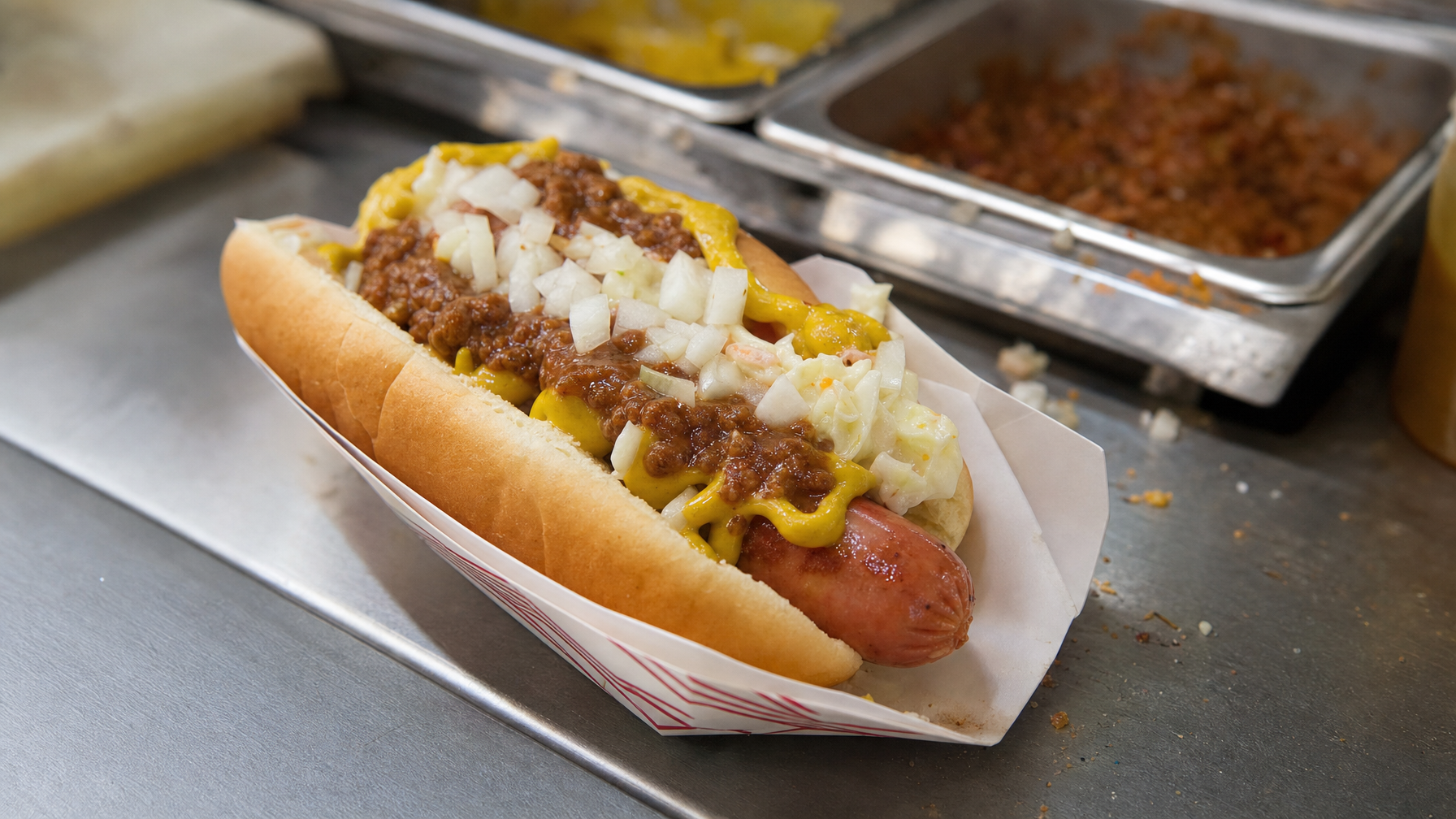
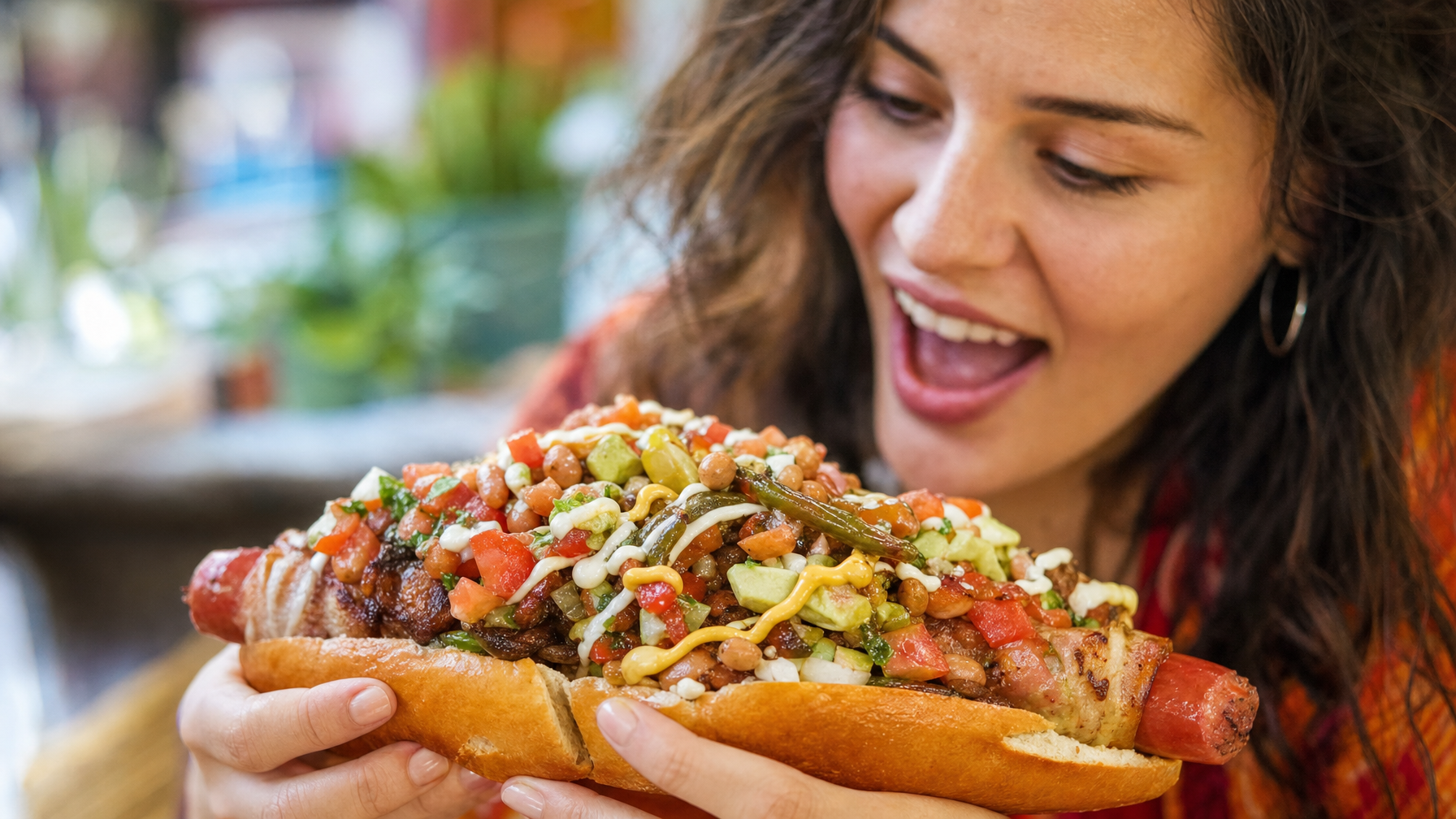
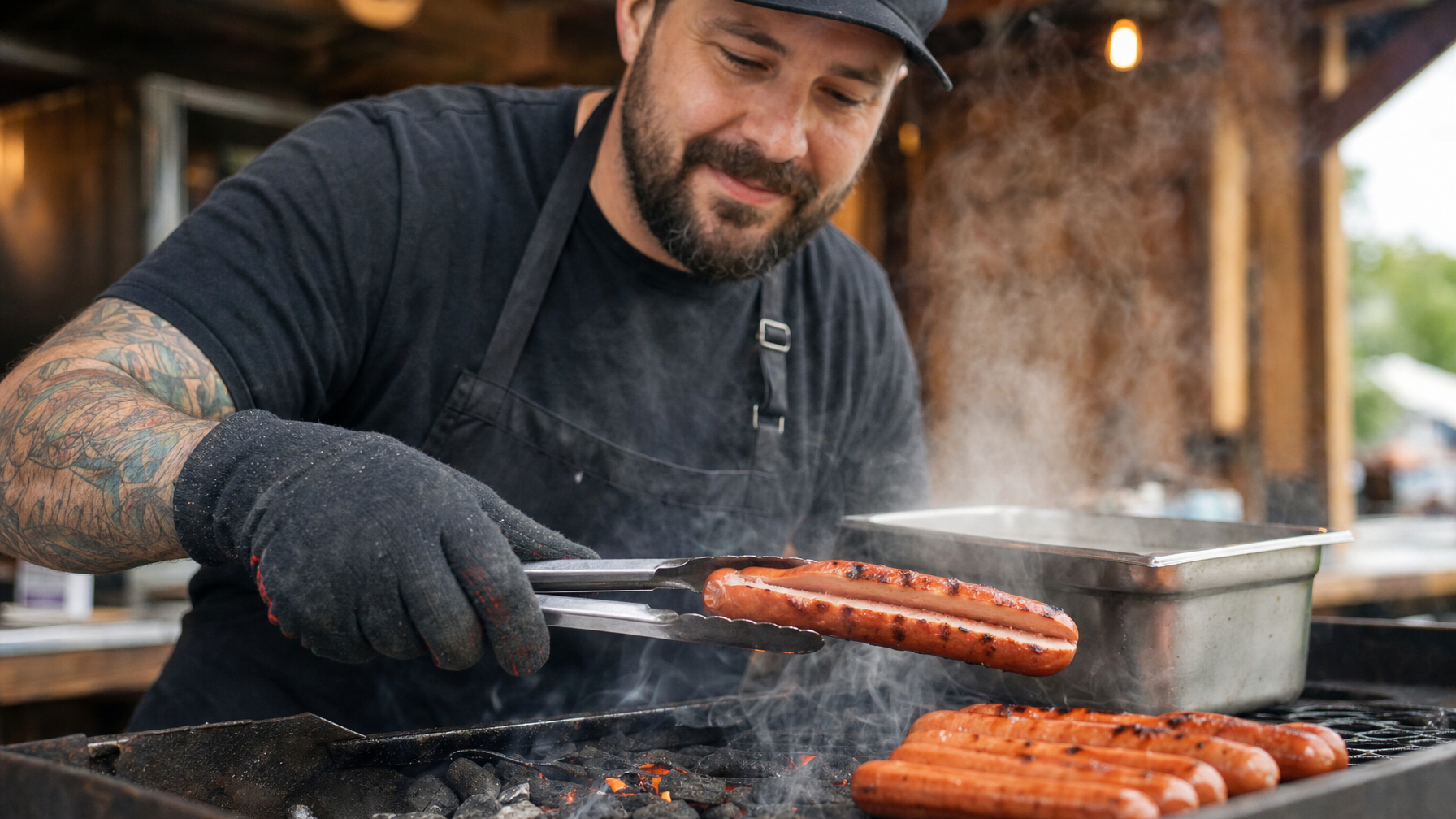
A hot dog is a compact flavor argument wearing a bun. The sausage brings fat, salt, seasoning, smoke or char depending on its preparation, and sometimes a satisfying snap. The bun contributes softness and structure. Mustard, onions, relish, chili, cheese, peppers, slaw, and other toppings each bring their own agenda. Nothing in that lineup is shy.
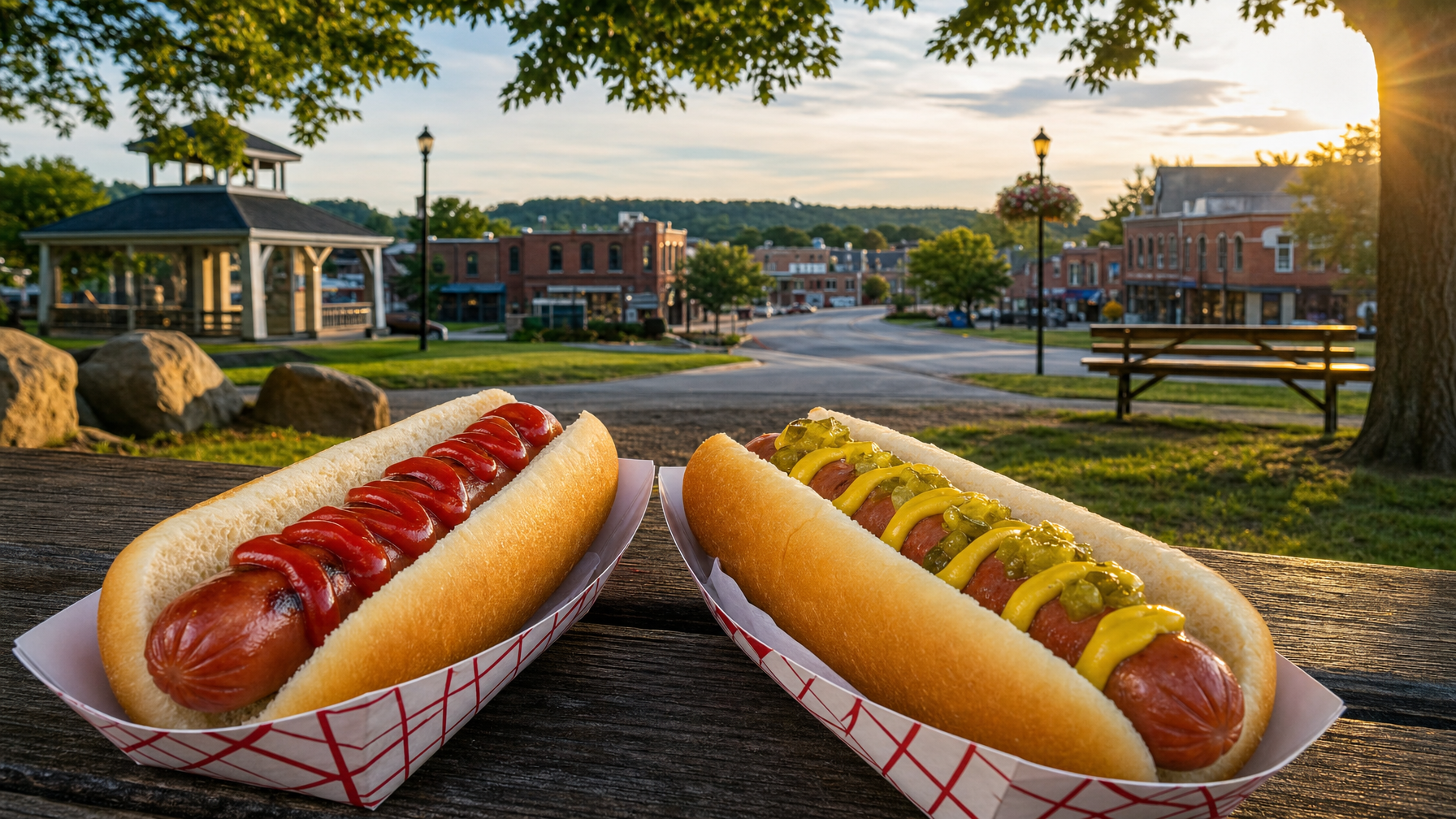
Ketchup becomes the lightning rod because it is sweet, brightly colored, immediately recognizable, and usually applied with the subtlety of a fire hose. Its flavor is familiar enough to feel comforting, but that same familiarity can flatten a more specific dog into “sweet tomato sauce, plus vague hot-dog activity.”
A considered build versus a default squeeze
A carefully considered build asks: what is this dog trying to taste like? Is the sausage seasoned? Is the onion raw and sharp or cooked down and sweet? Does mustard cut through richness? Does chili add spice and body? Is relish there for crunch, sweetness, or both?
A default order asks a different question: what do I always enjoy? That is also valid. Food is dinner, not a licensing exam. But a person examining a regional style or a thoughtfully composed dog is making a different culinary argument from someone happily ordering their familiar ketchup-and-mustard comfort zone.
Calling ketchup a deal-breaker is brand perspective, not universal law. Jason’s Grub has a point of view; it does not issue condiment subpoenas.
The No-Ketchup Camp Has Rules, Rituals, and a Very Loud Group Chat
The appeal of going no-ketchup is not merely enjoying a contrarian stance while staring dramatically into middle distance. It is about leaving room for the distinct parts of the dog to show up: sausage seasoning, casing snap, bun texture, mustard bite, onion sharpness, relish brightness, chili richness, or cheese’s salty comfort.
Jason’s ten-years-and-50-states claim gives that position a personal reporter’s angle. This is not generic “foodie” posturing. It is a long-running habit of paying attention to hot dogs in specific places, with specific preparations, and asking whether the red bottle helps the story or smothers it.
That does not mean every non-ketchup topping gets an automatic victory parade. Bad mustard exists. Relish can be cloying. Onions can be lazy, soggy, or so aggressive they erase the dog. Chili can turn a bun into edible drywall paste. A no-ketchup stance should sharpen judgment, not replace it.
Its best use is as a provocation: before reaching for ketchup, ask what this particular dog is trying to taste like. If the answer is “a delicious mess that needs sweetness,” make your case. If the answer is “a carefully balanced sausage with toppings chosen for contrast,” perhaps let it speak before the red bottle begins its monologue.
What the Ketchup Defenders Are Actually Saying
Ketchup defenders are not necessarily flavor philistines, and pretending otherwise is boring. They are often making a reasonable case for sweetness, tang, familiarity, and nostalgia. Ketchup can soften spice, brighten salty flavors, and make a meal feel like the hot dogs they grew up loving.
Some combinations may genuinely welcome it. Some eaters want that sweetness. Some hot dogs are simply vehicles for the eater’s preferred comfort-food pattern, and there is no need to pretend that preference is a character flaw.
The disagreement gets dumb only when people confuse defense with betrayal. Saying “ketchup tastes good to me” is a normal sentence. Saying “your refusal to use ketchup is an attack on my childhood and possibly my county” is performance art, and not the good kind.
Jason can reject ketchup on his own dogs while acknowledging that other people have mouths, memories, and entirely legal access to squeeze bottles. The editorial objection is about balance—not about policing joy.
Comment-Section Villainy, Served Without a Side of Evidence
The escalation is familiar. Someone posts a dog. Someone else spots ketchup. A third person announces a rule with no context. Before long, mustard has legal representation, onions are giving a press conference, and everyone is claiming to speak for an entire region.
Playful food debate is great. It has specifics. It says, “That sweet sauce would bury the char on that sausage,” or “I want ketchup because the chili is salty and spicy.” Those are flavor claims. They can be discussed, tested, and cheerfully disputed.
A hostile pile-on does something else. It invents credentials, attacks strangers, treats preference as science, or insists one lunch order proves somebody is beneath contempt. That is not passion for food. That is just somebody bringing a folding chair to a very small hill.
Argue hard if you must. Better yet, argue specifically. Talk about texture, acid, sweetness, spice, salt, snap, and tradition as you understand it. Do not turn a condiment packet into evidence that your opponent has failed as a citizen.
Order Your Dog, Then Defend It With Specifics
A strong opinion gets more interesting the moment it explains itself. Before declaring ketchup criminal or misunderstood, describe the dog: the meat, the bun, the toppings, the balance, and the texture. What is the sausage doing? What does the condiment change? What gets louder, and what disappears?
Try this tiny pre-argument test:
- Name the sausage’s flavor and texture.
- Notice whether the bun supports or dissolves under the toppings.
- Identify the sharp, sweet, spicy, creamy, or crunchy elements.
- Ask whether ketchup adds a needed note or merely repeats sweetness at maximum volume.
- State your verdict as a preference, then make the case.
Jason’s Grub is interested in specific places, products, recipes, and hot-dog culture—not interchangeable outrage wearing different toppings. The no-ketchup position is firm, the curiosity is broader, and the comments can survive a disagreement without needing a peace treaty.
Follow @jasonsgrub on Instagram for more hot-dog finds, recipes, destinations, and arguments that may require mustard.
FAQ: Five Questions Before Somebody Reaches for the Red Bottle
Is ketchup actually wrong on a hot dog?
No universal rule makes it wrong. Jason’s editorial position is simply that ketchup does not belong on his dogs, and many enthusiasts prefer flavors that leave more room for the sausage and other toppings.
Why do people argue about ketchup so intensely?
It carries personal taste, nostalgia, regional identity, and expectations about food tradition. A small topping choice can feel strangely symbolic when people care deeply about the dog beneath it.
Is the no-ketchup stance a fact or an opinion?
It is an opinion and a brand point of view, informed by Jason’s stated ten-year, 50-state hot-dog research claim. It is not an objective rule for every eater.
What should someone try instead of ketchup?
Start with toppings associated with that specific dog or place. Pay attention to mustard, onions, relish, chili, cheese, seasoning, and the overall balance before adding anything else.
Can ketchup fans still be hot-dog enthusiasts?
Absolutely. A topping preference does not cancel anyone’s enthusiasm. It merely gives the comment section another large red button to press.
Enjoyed this? There's more from Jason's Grub.
Follow on Instagram →