Can a Hot Dog Survive a Coal-Burning Char? Try the Split-and-Steam Trick
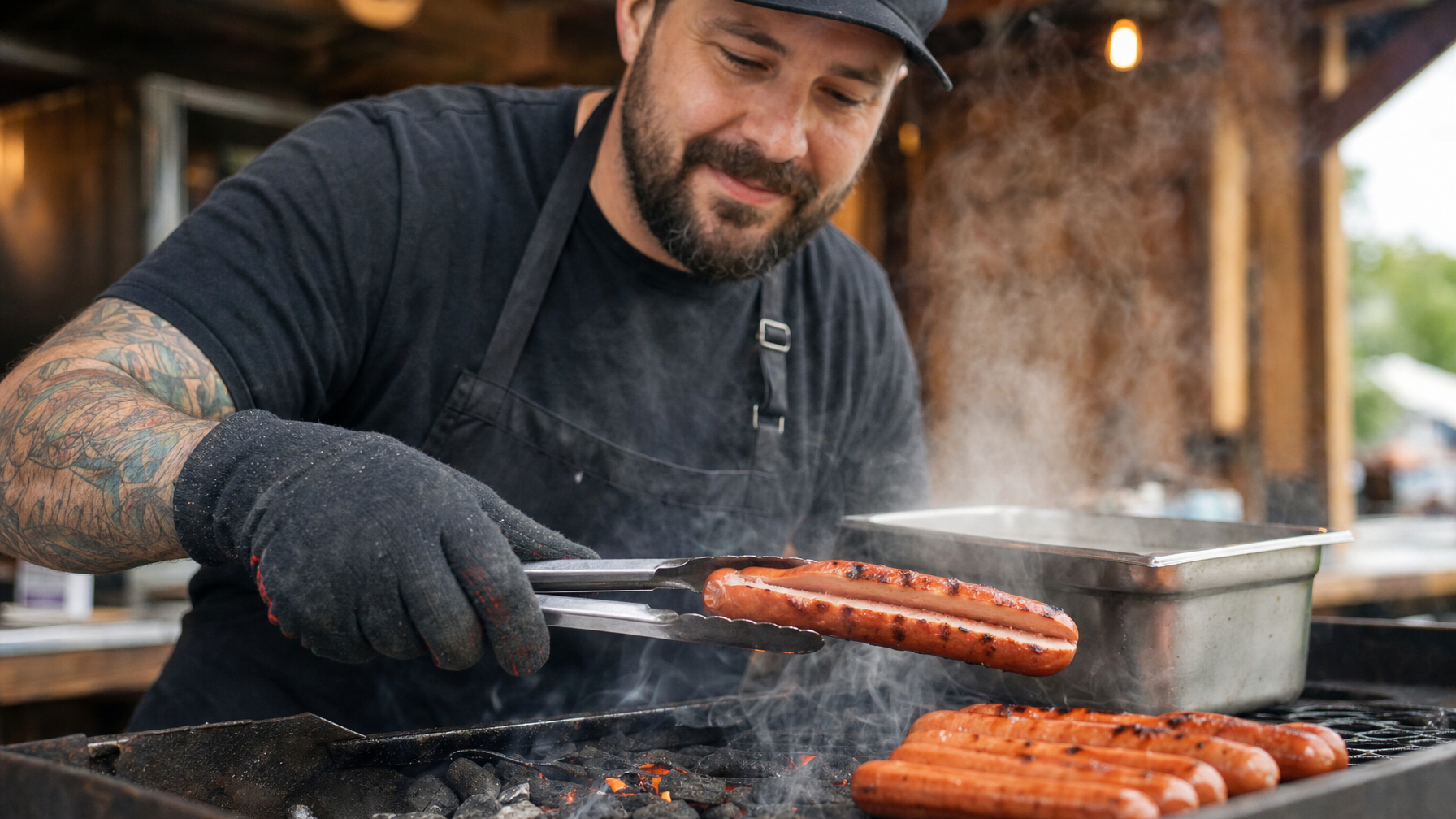
Yes—a hot dog can survive a coal-burning char, provided you stop treating the grill like a tiny volcano. For hot-dog enthusiasts chasing smoky edges without a ruptured casing or an interior with the personality of a lunchroom eraser, the move is simple: split the dog shallowly, warm it with brief gentle steam, then finish it over ready coals. The steam handles juicy, even heat; the charcoal supplies the glorious bad attitude.
Can a Hot Dog Survive a Coal-Burning Char? Absolutely—Just Don’t Throw It Into the Inferno
Charcoal flavor and a juicy hot dog are not enemies. The problem starts when a dog is parked over furious direct heat from beginning to end. Its casing can go from taut to blackened while the center is still playing catch-up. That is not “extra grilled.” That is a scheduling failure.
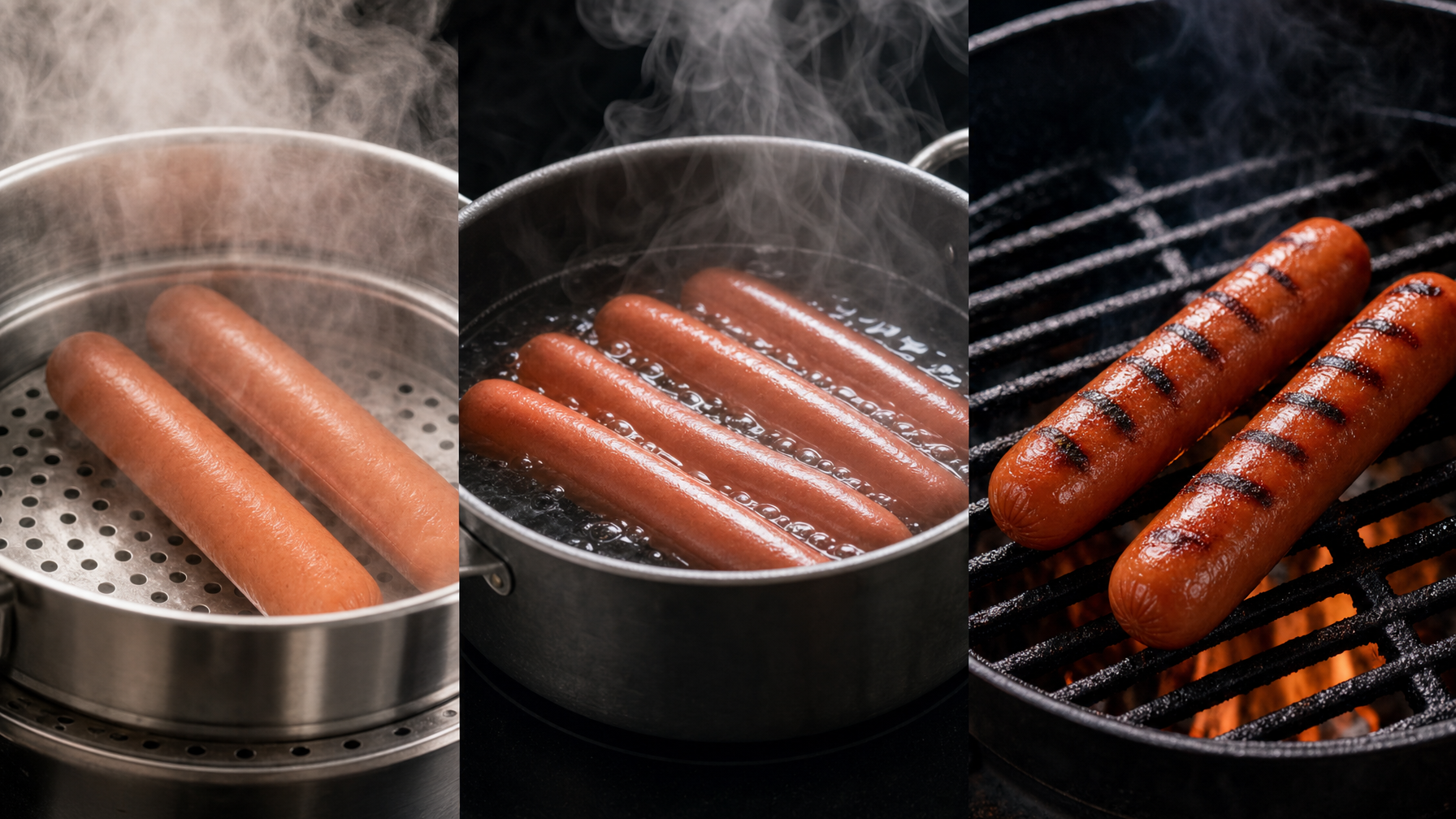
The split-and-steam trick is a technique, not a magic spell. A shallow cut creates more surface for smoke, browning, and crisp edges. A short steam warms the interior evenly and helps it stay moist. Then the coal finish gives the outside its smoky, blistered personality without asking the whole dog to endure a prolonged sauna in hell.
Jason’s perspective comes from a stated decade of hot-dog research across all 50 states, conducted under a firm zero-ketchup policy. That is not laboratory proof of anything except admirable commitment. It is, however, a useful point of view: a hot dog should taste like a hot dog before a mountain of toppings starts yelling over it.
The Split Is a Strategy, Not a Cry for Help
“Split” does not mean saw the hot dog into two separate tubes and hope for the best. Make one lengthwise cut along the top, deep enough to encourage the casing to open slightly as it warms, but shallow enough that the dog remains one coherent, juicy unit.
That opening does three useful things:
- It creates a broader surface that can meet the grill.
- It makes crispable edges—the good kind of frizz, not carbonized wreckage.
- It gives charcoal smoke more places to settle in and make itself useful.
There is a trade-off, because grilling is rude like that. A cut that is too deep can spill juices, pull apart during turning, and dry out quickly over direct coals. Aim for a slit that opens a little as the dog cooks. The casing should look invitingly unfurled, not burst open like a tiny pork-based action movie.
Build a Coal Fire With a Hot Side and a Sensible Side
Set up two zones: a direct-heat area over the coals and an indirect area beside them. The hot side is where the char happens. The cooler side is where common sense lives.
Wait until the charcoal is visibly ready for grilling rather than trying to cook through active, unruly flames. You want sustained heat from the coals, not a flare-up that turns dinner into a cautionary campfire tale. If the casing darkens too quickly, the indirect zone gives you somewhere to move immediately instead of pretending the black crust was intentional.
Use the direct zone in short, attentive passes. The indirect zone is for warming through, calming an overexcited casing, and buying yourself a second chance. A coal fire is generous with flavor but indifferent to your confidence.
Steam the Dog Before the Char Turns It Into a Cigar
Warm the hot dog gently before its final trip over the coals. A covered pan or a covered grill-safe setup with a small amount of water can create the steam needed to heat the center evenly. Keep the dog above or beside the water rather than soaking it directly; this is steam, not hot-dog soup.
The goal is not to replace grilling. Steaming is the quiet preparatory act that makes the final char possible. Once the dog is hot through and the casing has relaxed slightly, it needs only a brief direct-coal finish to pick up color, smoke, and crisp cut edges.
Do not leave it in steam until the casing turns soft and damp. The warm-up should be gentle and brief, followed promptly by the grill. Think of steam as a backstage pass, not the headline act.
The Char Window Is Short, Smoky, and Extremely Judgmental
For the finish, place the split side toward the direct heat and watch it closely. Rotate the dog as needed so the edges brown and the casing lightly blisters without becoming brittle. This is not the time to wander off, open three beverages, or begin an argument about whether a sandwich can be a hot dog.
Good signs include:
- Browned, crisp-looking edges along the split.
- A lightly blistered casing rather than a fully blackened one.
- Visible heat throughout the opened center.
- A smoky aroma that smells savory, not acrid or burned.
Move the dog to indirect heat if it begins blackening rapidly, if flare-ups get aggressive, or if the slit starts tearing dramatically wider. Charcoal should bring smoke and texture, not leave a bitter souvenir from the grill on every bite.
Bun and Toppings: Don’t Bury the Evidence
Choose a bun with enough structure to hold the split dog and its juices without immediately collapsing into a damp napkin situation. A quick toast can help the bun stay upright and adds a little texture without stealing the show.
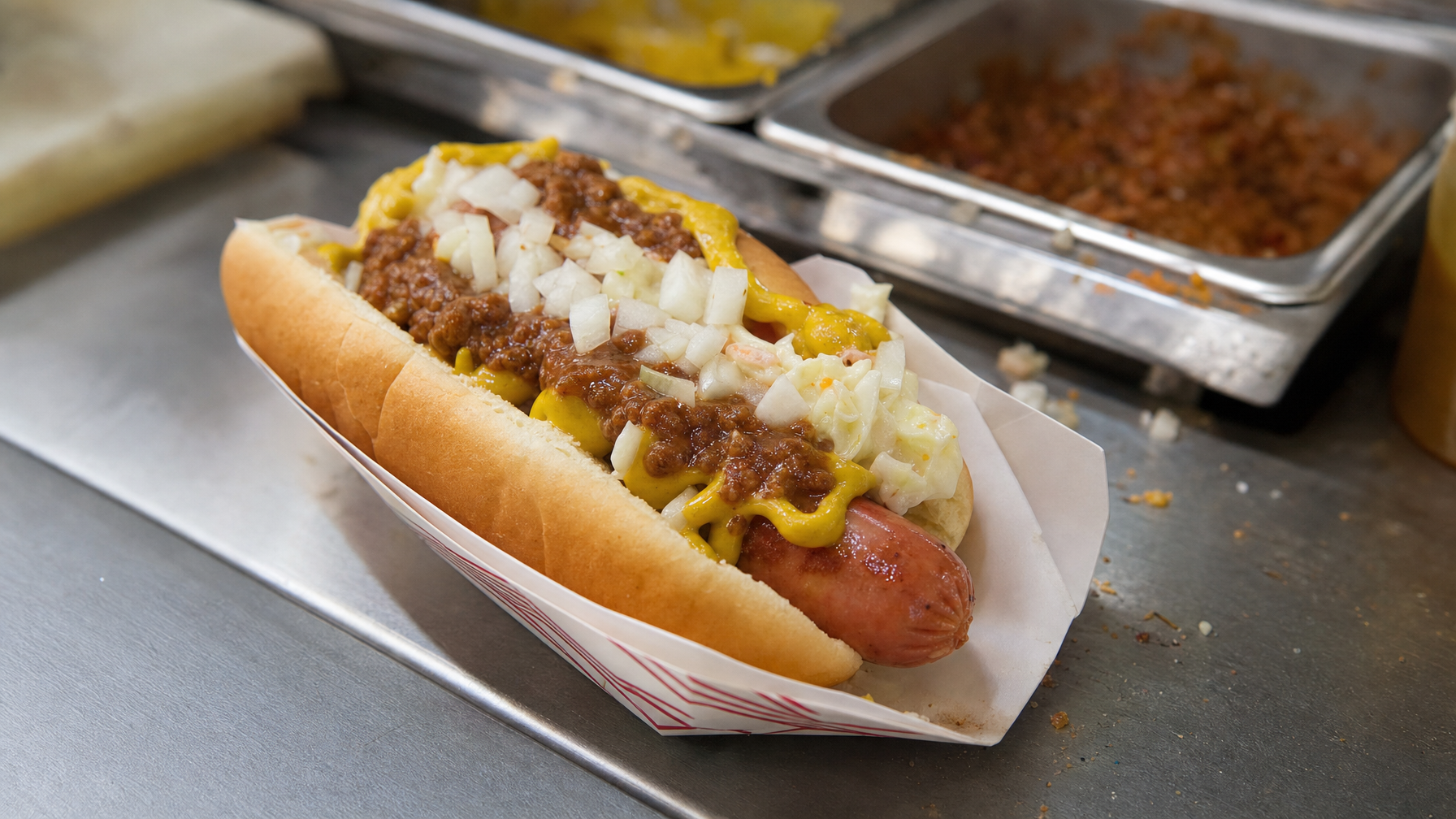
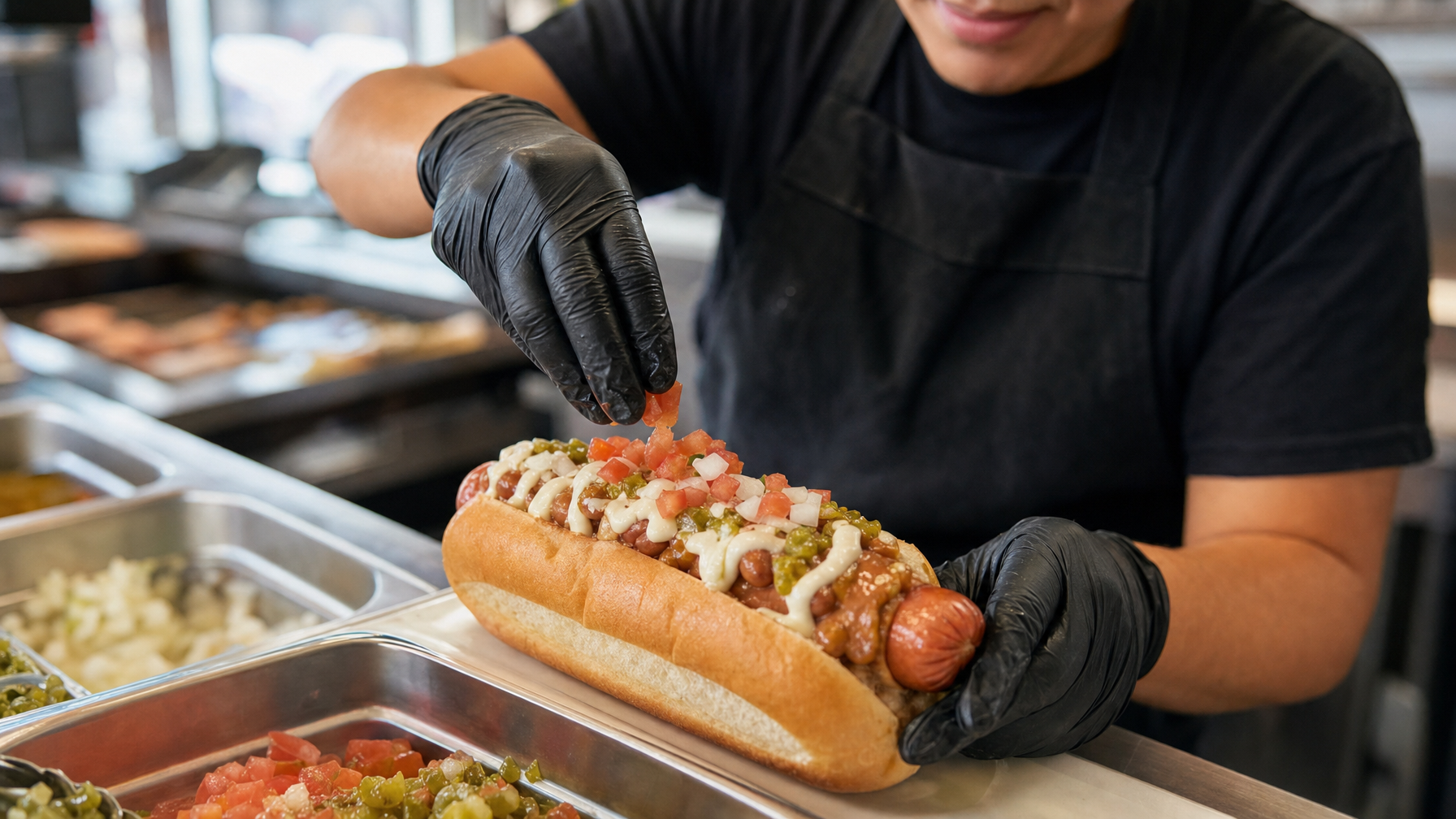
Keep toppings restrained enough that you can actually taste the point of this method: smoky char outside, juicy warmed center, and those crisp split edges. Choose a direction rather than throwing the condiment drawer at it:
- Crunchy: chopped onions, pickled vegetables, or another crisp counterpoint.
- Tangy: mustard, relish, or a bright pickle-driven element.
- Spicy: peppers or a hot condiment that can stand up to smoke.
- Creamy: a modest swipe of something cooling, if that is the lane you want.
Jason is zero-ketchup by preference, not by international treaty. If you share that stance, lean into toppings that complement char instead of covering it with sweetness. If you do not, the grill will not report you. It may, however, judge you silently.
What Can Go Wrong? The Grill Has Receipts
The outside burns before the center is hot
Move the dog to indirect heat. Next time, use a gentler steam warm-up before the direct-coal finish. The final char should be a finish, not the entire cooking plan.
The split opens too far
Make a shallower slit next time and shorten the direct-char phase. A wide-open dog loses moisture faster and becomes harder to turn without a small structural crisis.
The dog tastes steamed instead of grilled
The steam phase did its job but the coal finish did not get enough attention. Give the dog enough direct exposure to develop real surface color, light blistering, and a smoky aroma—without crossing into bitter territory.
The casing bursts
Reduce the intensity of the heat, avoid repeatedly poking the dog, and turn it with care. A little opening at the slit is useful; random casing explosions are not a flavor feature.
The bun collapses
Toast it briefly or use a sturdier bun. The bun is a vehicle, not an edible surrender flag.
Char First in Your Imagination, Steam First in the Actual Recipe
The split-and-steam method is built on a useful bit of grill honesty: a hot dog gets juicy, even warmth more reliably from gentle steam, then gets its smoky swagger from a short finish over charcoal. You are not choosing between a moist center and a hard-earned char. You are assigning each heat source the job it actually does well.
This approach is especially satisfying for anyone who wants a deeply grilled flavor without sacrificing texture. It also sits comfortably alongside Jason’s existing charcoal-dog territory without insisting there is only one honorable route to a great dog. There are many routes. Ketchup is simply not Jason’s.
For more hot-dog finds, recipes, and field research, follow @jasonsgrub on Instagram.
FAQ: Four Questions Before You Hand the Dog to the Coals
Should I split the hot dog before steaming it?
Yes, a shallow split can be made before the warm-up. Keep it shallow enough that the dog stays intact and retains its juices. The slit should gently open as it heats rather than divide the dog into separate pieces.
Can I use a gas grill?
Yes. Use the same logic: warm the dog gently, then finish it over direct heat while watching closely. Gas offers controlled heat, but it will not deliver the same coal-and-smoke character as charcoal. That is not failure; it is simply a different flavor lane.
How do I know when it is done?
Look for even warmth through the center, a lightly browned or blistered exterior, and hot steam rising from the split. The dog should feel heated throughout, not merely scorched on one side. Visual and sensory cues are more useful here than pretending every grill behaves the same way.
Will steaming make the casing soggy?
It can if you overdo it. Keep the steam gentle and brief, avoid direct waterlogging, and move to direct heat afterward so the casing dries, tightens, and picks up crisp edges.
What should I put on it instead of ketchup?
Try a crisp, tangy, spicy, or savory topping that lets the smoke remain audible: mustard, pickled elements, onions, peppers, or a restrained creamy accent all have a case to make. Build for contrast, then let the charred dog do the talking.
Enjoyed this? There's more from Jason's Grub.
Follow on Instagram →