The Detroit Coney at Home: Chili First, Cheese Second, Chaos Never
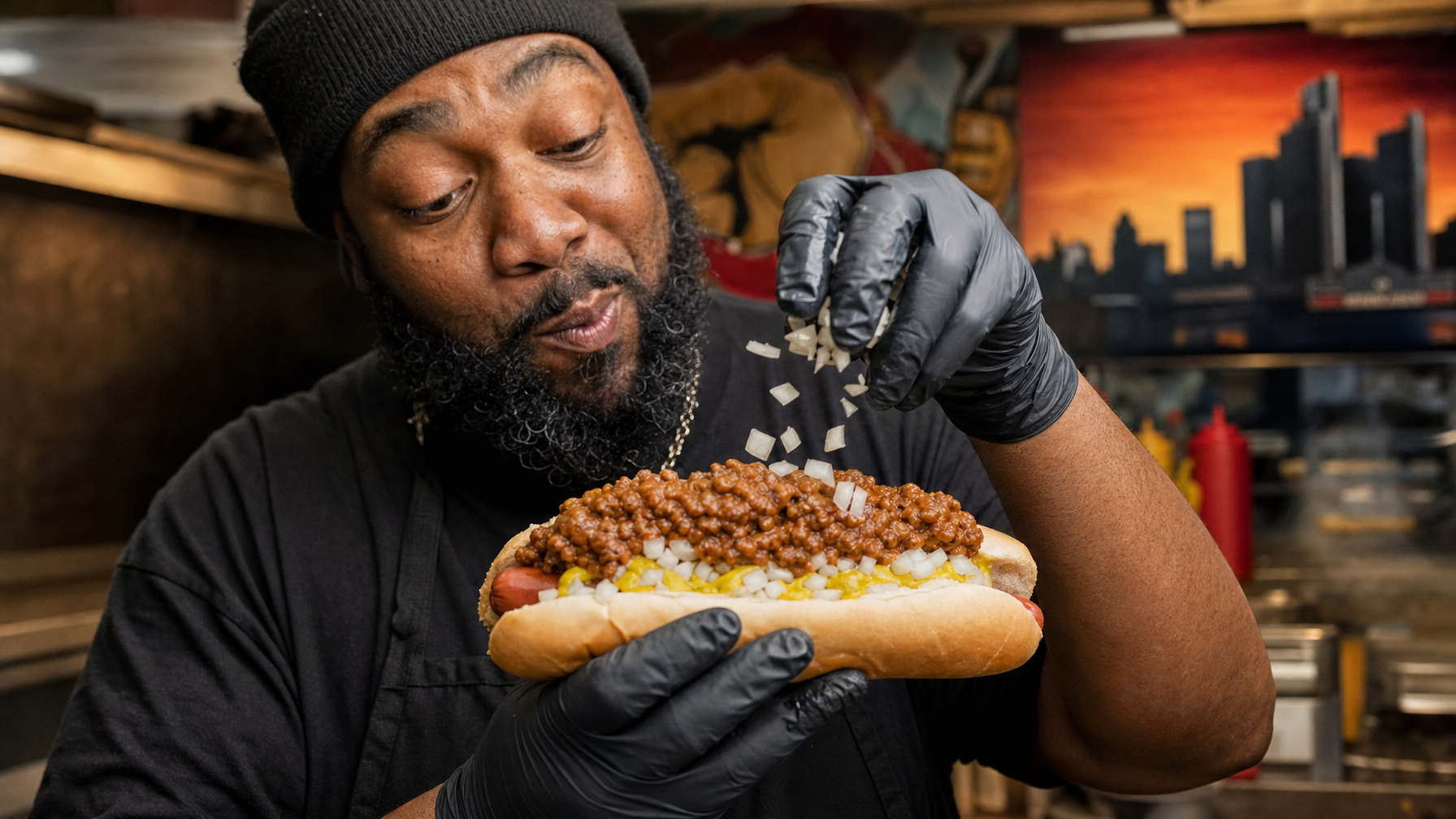
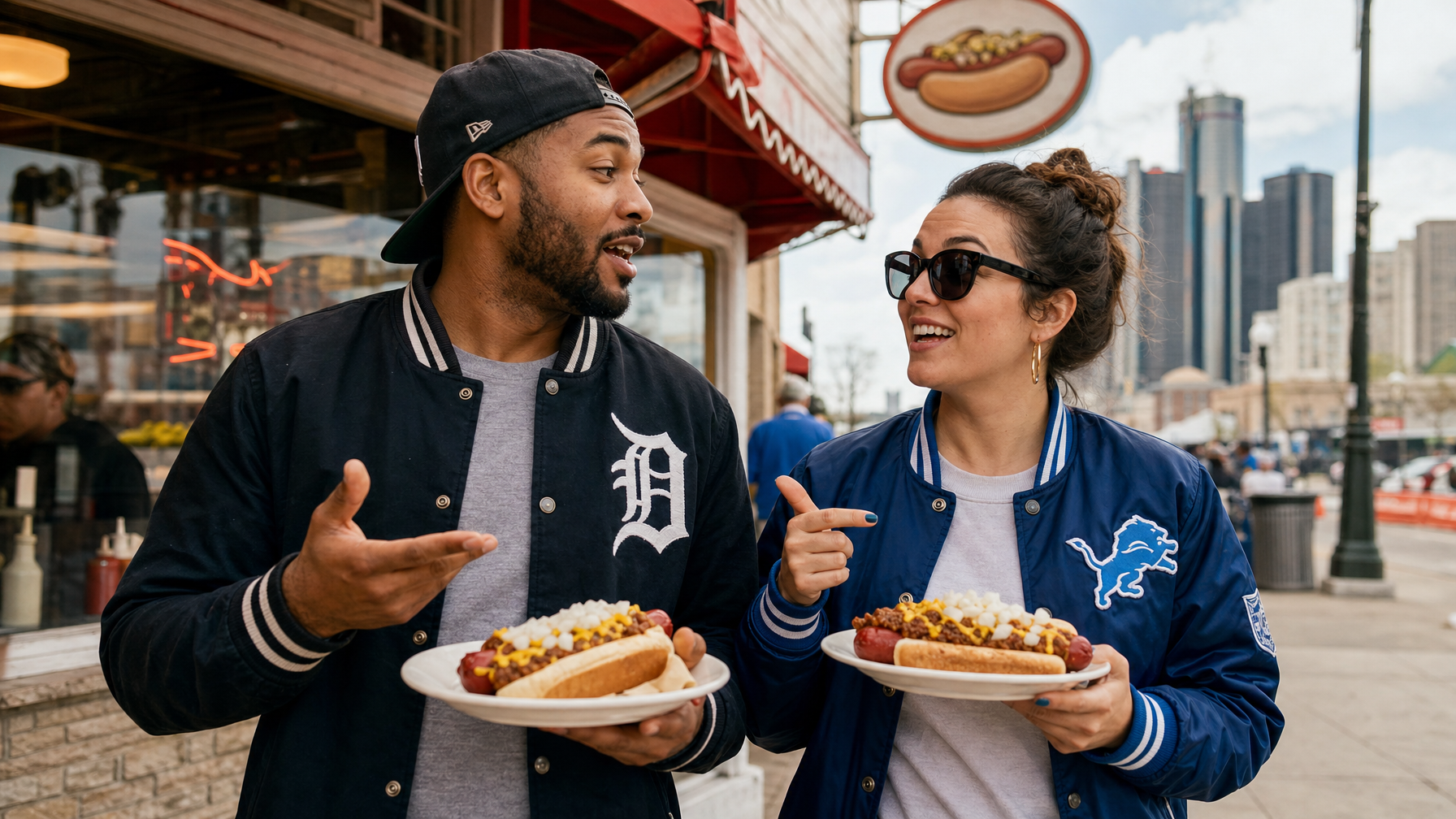
A Detroit coney at home is a beef hot dog in a soft, steamed bun with yellow mustard, finely diced onion, and loose, savory chili spooned over the top. That is the mission for home cooks who want the recognizable Detroit-style build—not a generic chili dog wearing a cheese blanket and calling itself sophisticated. Cheese is optional here, and depending on your coney loyalties, mildly scandalous. The chili leads; the rest holds the line.
Detroit’s Coney Is a Precision Job Wearing a Chili Costume
A Detroit coney is not simply a hot dog that encountered chili in a dark parking lot. It has a specific, recognizable structure: beef hot dog, soft bun, yellow mustard, finely chopped onion, and a loose coney-style chili sauce.
Each layer has a job. The dog brings the savory backbone. The bun bends without splitting. Mustard supplies sharpness. Onion adds fresh crunch and bite. Chili connects the whole operation with a saucy, spiced richness. Remove or bury one of those parts and you may still have dinner, but you have wandered away from the format.
This home version aims to respect that structure while allowing normal-kitchen substitutions. You do not need an industrial steam cabinet, a secret counter recipe, or a suspiciously giant stockpot. You do need restraint.
That distinction matters because many chili dogs tilt toward thick bean chili, a heap of shredded cheese, or enough toppings to conceal the hot dog entirely. Other hot-dog traditions have their own rules and deserve their own lane. A Detroit coney is its own thing: tidy in concept, gloriously messy in practice.
Chili First, Cheese Second—and Maybe Not at All
The chili is the main topping. It should be savory, loose enough to spoon and spread, and finely textured enough to settle along the dog instead of dropping bean-sized boulders into your lap.
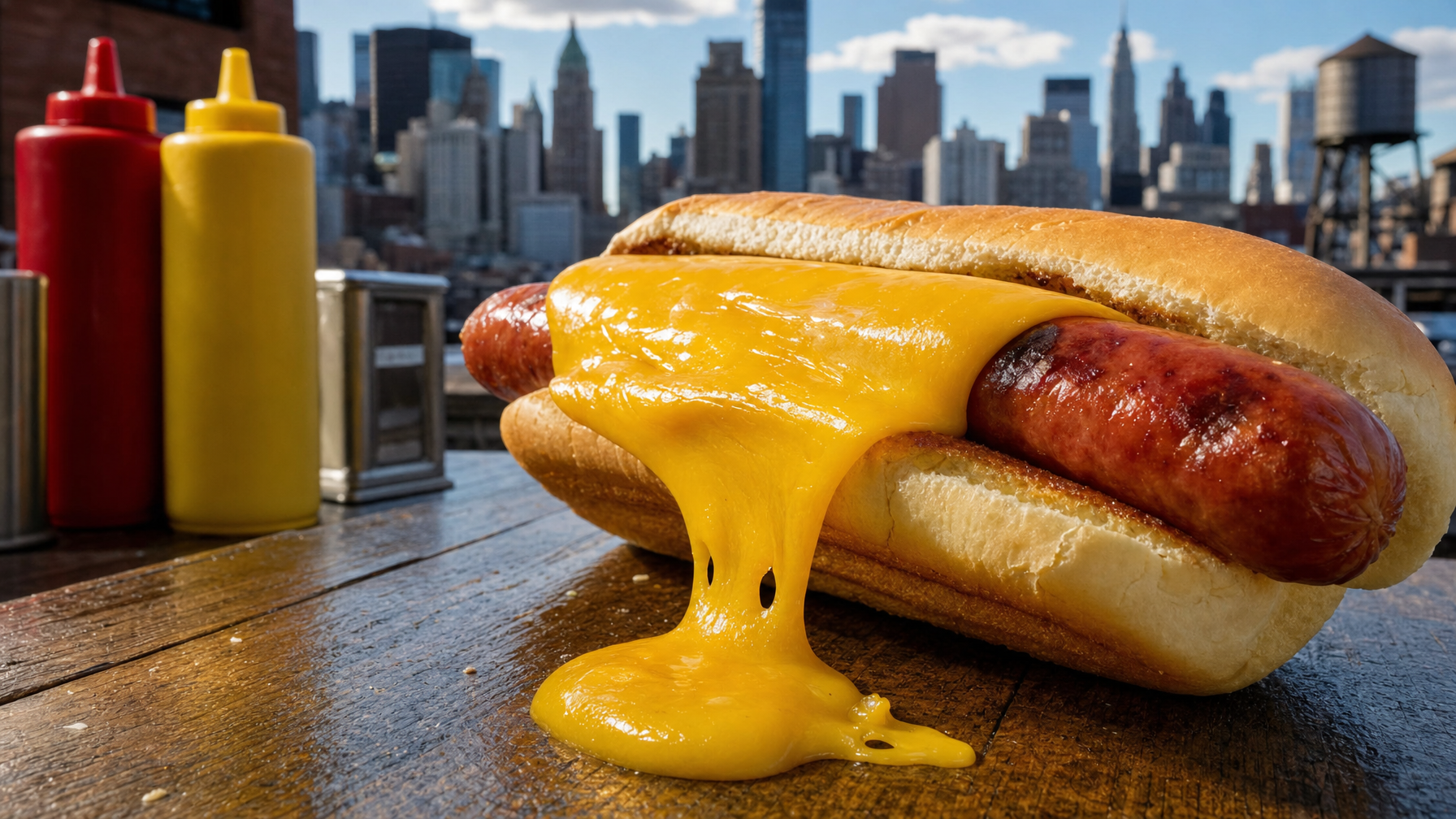
Cheese can be good. Cheese is frequently good. Cheese also has a habit of arriving like a brass band and playing directly over everybody else. For this build, treat it as an optional variation—not as the foundation of the coney.
Decide before you start whether cheese belongs in your version. If yes, use a modest amount after the chili, so the mustard, onion, dog, and chili remain recognizable. If no, congratulations: you have avoided a last-minute dairy landslide.
The house rule: build with restraint first. Invite chaos only when it earns its place.
Buy Texture, Not Grocery-Store Drama
You can make a convincing home coney with straightforward ingredients. The shopping criterion is texture: soft bun, fine onion, and chili loose enough to travel across the dog without turning the bun into a wet napkin.
- All-beef hot dogs: Choose dogs with a flavor you enjoy on their own. They should brown well and stay intact under sauce.
- Soft hot-dog buns: Look for buns that compress gently and can be warmed or briefly steamed without tearing.
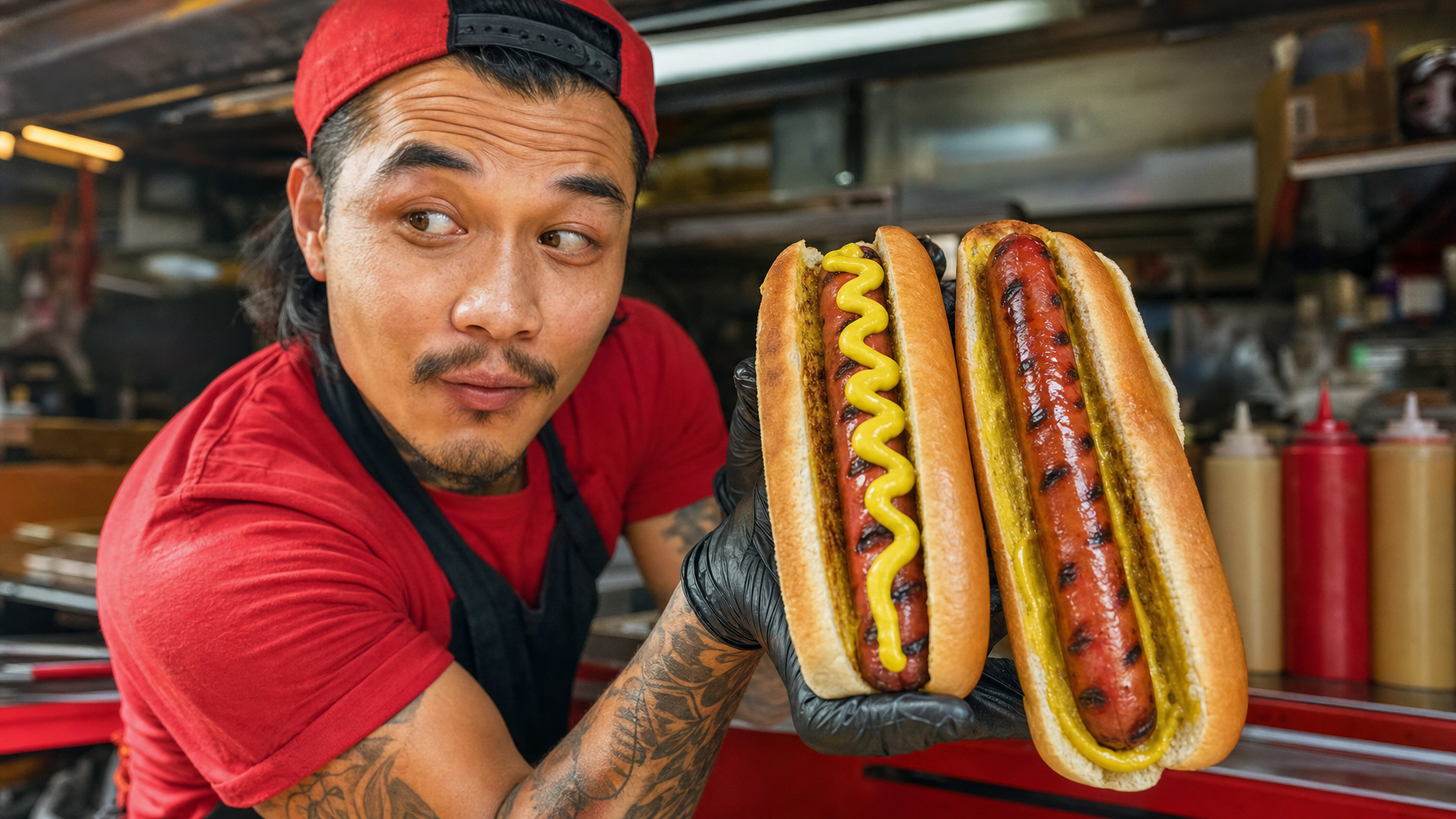
- Yellow mustard: This is the bright, direct mustard note the build needs. Do not overthink it into a fancy condiment summit.
- White onion: Dice it very finely. Big onion chunks turn a controlled bite into a crunch ambush.
- Ground beef: Use it for the chili topping. A leaner grind makes it easier to manage excess fat, though any ground beef can work if drained well.
- Chili seasonings and liquid: Chili powder, garlic powder, onion powder, paprika, black pepper, salt, and water or beef broth make a practical home base. A small amount of tomato paste can add depth without making the sauce taste like pasta night.
Optional variation: shredded cheese. Use it only if you have consciously chosen the cheese route. This is a fork in the road, not a mandatory tollbooth.
Make Chili That Knows It’s a Topping
A coney chili is not trying to be a bowl of hearty, chunky stew. It is trying to drape itself neatly over a hot dog and stay there. For four coneys, start with about 1 pound of ground beef.
Brown, break up, and keep the pieces tiny
- Place the ground beef in a skillet over medium heat.
- Break it up aggressively with a spoon or spatula as it cooks. Aim for a fine, crumbly texture rather than large browned chunks.
- When the beef is cooked through, drain off excess fat if needed.
- Stir in chili powder, garlic powder, onion powder, paprika, black pepper, and salt to taste. Add a small spoonful of tomato paste if using.
- Add water or beef broth a little at a time, stirring until the meat becomes loose and sauce-like rather than dry and crumbly.
- Lower the heat and simmer, stirring occasionally, until the flavors settle and the chili thickens slightly.
You are looking for chili that clings to the dog but still spreads easily with a spoon. It should not sit in a stiff mound. It should not run off the bun like it has been served eviction papers. A few spoonfuls of warm liquid during the simmer are often the difference.
Beans and large vegetable pieces are great in many chilis. They are not the move for this particular topping. A finely textured sauce creates cleaner bites and lets the mustard and onion show up instead of fighting through a bowl of stew.
When the chili misbehaves, correct it calmly
| Problem | What happened | Escape route |
|---|---|---|
| Too thick | It has tightened into meat paste. | Stir in warm water or broth, a tablespoon at a time, until spoonable. |
| Too wet | It runs off the dog and floods the bun. | Simmer uncovered, stirring regularly, until it reduces and clings. |
| Too salty | The seasoning got enthusiastic. | Add a little unsalted cooked beef or water, then simmer briefly and taste again. |
| Too spicy | The chili powder chose violence. | Increase the unsalted beef and liquid slightly; do not try to fix heat with a giant cheese avalanche. |
Steam the Bun, Char the Dog, Refuse the Soggy Middle
Warm buns are not a decorative flourish. A briefly steamed or warmed bun bends around the dog without cracking, which is useful when chili is about to arrive with zero interest in structural integrity.
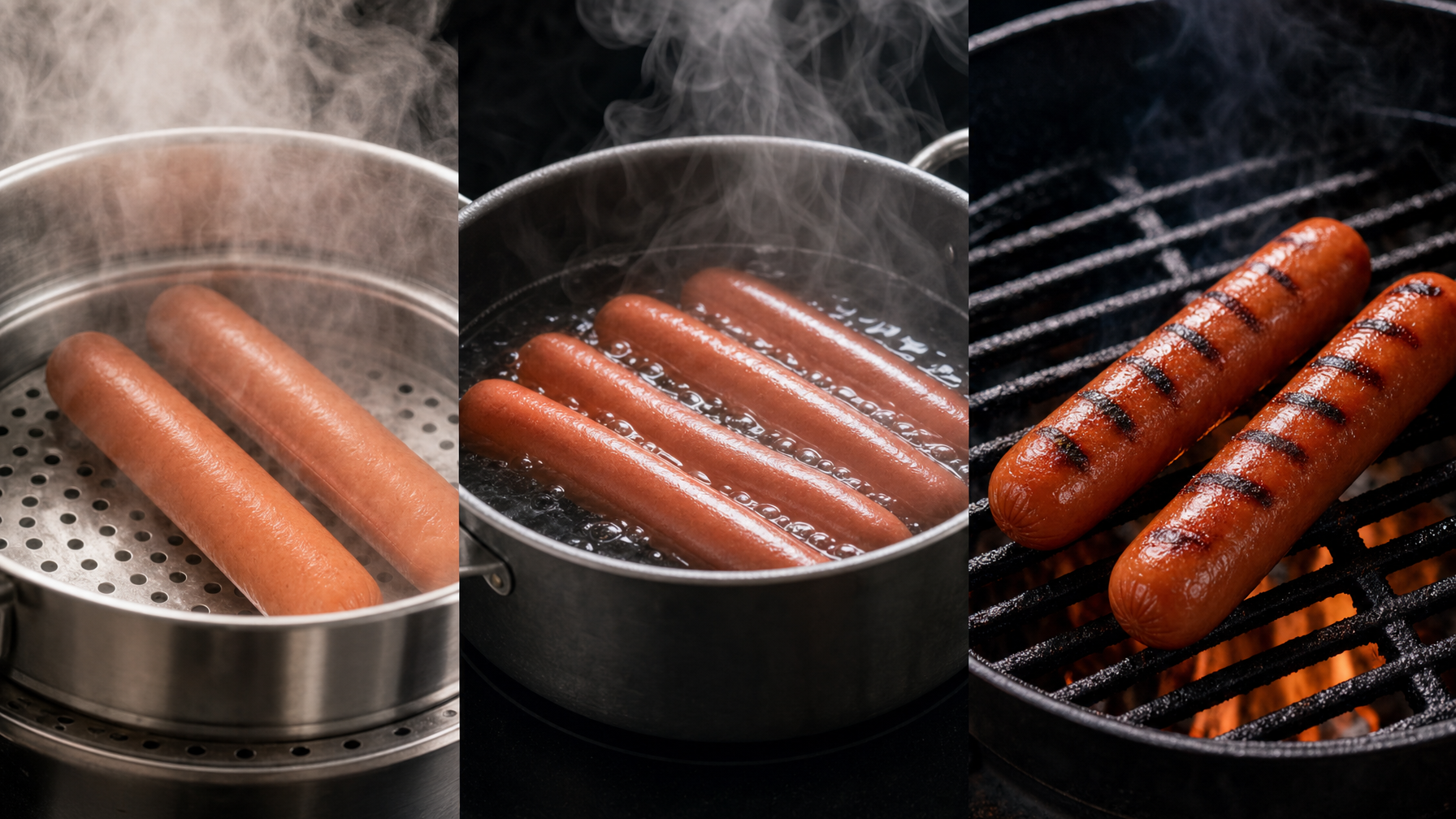
Steam buns briefly over simmering water, or wrap them loosely in a clean, slightly damp towel and warm them gently. The goal is soft and pliable, not damp enough to qualify as weather.
Cook the hot dogs by grill, griddle, or skillet. A grill adds char; a griddle or pan gives dependable browning. Whichever route you choose, aim for a browned exterior and a hot center. Once cooked, let excess moisture drain away before the dog hits the bun.
Time the parts so the buns and dogs are ready together. A hot dog waiting in a cold bun while the chili mutters on the stove is how the coney gets sad before dinner even begins.
Assembly Order Is Not a Suggestion
Assembly is short, which means every choice is visible. Do it in this order:
- Set the warm bun open on a plate.
- Place the hot dog in the bun.
- Apply yellow mustard directly to the dog.
- Spoon loose chili from one end of the dog to the other.
- Scatter finely diced white onion over the chili.
- Add a modest amount of cheese only if you chose the optional cheese variation.
Mustard belongs against the dog, where it can do its sharp little job. If it disappears beneath an early mountain of chili, you have muted one of the build’s defining notes.
Use enough chili to cover the dog in a narrow, even line. Think coated, not submerged. If you use cheese, add it after the chili. It may melt from the heat, or you can briefly warm the finished coney if you want a more melted finish. Neither move turns cheese into a defining requirement.
Three Ways to Wreck a Coney—and the Escape Route
1. You pour on enough chili to require a civil engineer
The wreck: Too much topping turns the bun to mush and hides the dog.
The escape: Use a controlled spoonful or two per coney. Keep the chili loose but concentrated, then serve extra on the side if someone wants more.
2. Your chili thinks it is competing in a stew contest
The wreck: Large beef chunks, beans, or vegetables make the topping lumpy and unstable.
The escape: Break up the meat thoroughly while browning. If your cooked mixture is still too coarse, pulse a small portion carefully or press it with a spoon before returning it to the skillet.
3. The bun gives up halfway through the first bite
The wreck: Excess liquid, an undrained dog, or a long wait between assembly and serving produces the dreaded soggy middle.
The escape: Steam the bun briefly, drain the dog, keep the chili thick enough to cling, and serve immediately.
Bonus wreck: seasoning that raids the whole spice cabinet
The wreck: The chili becomes so aggressively seasoned that every other element vanishes.
The escape: Keep it savory and balanced. The point is to support a hot dog, not stage a one-sauce coup.
The No-Ketchup Table Rule
Jason’s position is simple: no ketchup. That is a brand opinion, delivered with the confidence of someone who has spent ten years eating hot dogs across all 50 states—not a universal law enforced by condiment police.
For this build, ketchup is omitted because yellow mustard, onion, and chili already provide the intended sharp, sweet-savory, and deeply savory contrast. Ketchup adds another sweet note and changes the profile away from the version this recipe is trying to honor.
Will some people add ketchup anyway? Of course. Human freedom remains technically legal. But it is not part of this Detroit coney construction, and Jason will be over here protecting the mustard from unnecessary fruit-sugar interference.
Serve It Like You Mean It
Serve coneys immediately, while the bun is warm, the dog is hot, and the chili is still behaving like a sauce. This is not a dish that improves while waiting around for everybody to locate matching forks.
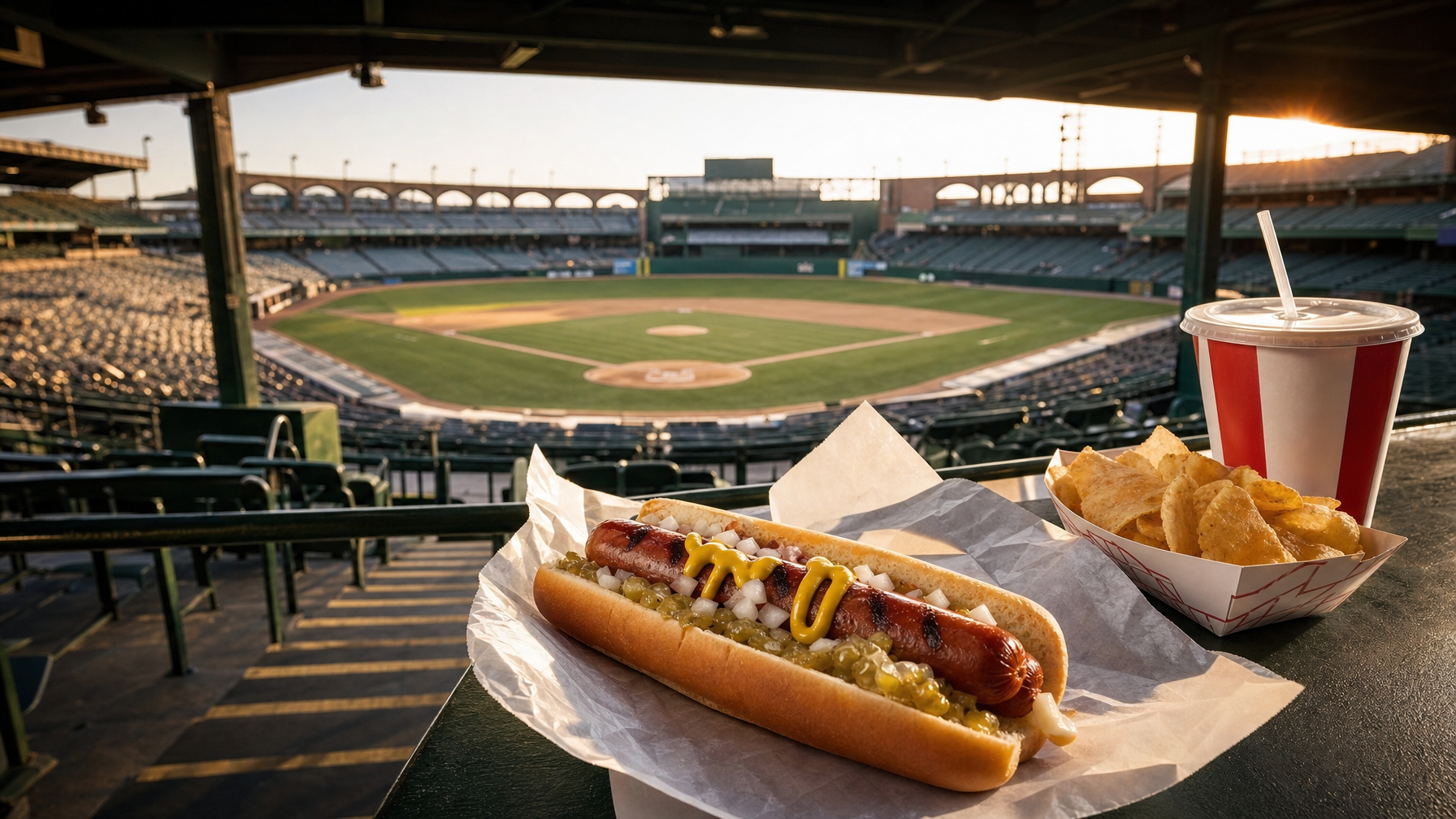
If you want a side, keep it simple and noncompetitive: something crisp, salty, or refreshing works better than a second elaborate project. The coney is already the loudest person at the table.
Plan on one coney for a light meal, two for a hungrier situation, and plenty of napkins regardless. Chili-topped hot dogs are messy by design. A clean shirt is not the point.
Once you have made this at home, take the comparison seriously: future destination coverage can provide the real-world Detroit coney encounters worth seeking out. Home cooking is rehearsal. The counter stool is the field trip.
FAQ: The Questions That Arrive Covered in Chili
What makes a Detroit coney different from a regular chili dog?
A Detroit coney has a recognizable combination: a beef hot dog in a soft bun with yellow mustard, finely diced onion, and loose coney-style chili. It is more specific than simply putting chili on a hot dog, especially in the texture and order of the toppings.
Does a Detroit coney traditionally include cheese?
For this recipe, cheese is an optional variation rather than the defining foundation of the coney. If you want it, add a modest amount after the chili. The dog, mustard, onion, and loose chili remain the core build.
Should the chili contain beans?
Not for this home topping. Use a smooth or finely textured, bean-free coney-style chili so it spreads cleanly over the dog. Save chunky bean chili for a bowl, where it can stretch out and be its magnificent self.
Can I use ketchup?
You can make your own condiment decisions, but Jason’s stated position is no ketchup. This build relies on mustard, chili, and onion for its flavor balance, and ketchup is not part of the intended Detroit-style construction.
How do I keep the bun from falling apart?
Warm or steam it briefly, drain the cooked hot dog, keep the chili loose but not watery, use a controlled amount of topping, and serve immediately. Delay is the enemy; puddles are its henchmen.
Enjoyed this? There's more from Jason's Grub.
Follow on Instagram →