Mustard First or Last? The Assembly Order That Changes the Whole Bite
For the most even, balanced bite, put mustard on the bun before the hot dog—ideally as a thin zigzag on the bottom half—then add the dog and toppings. Mustard last has its place when you want a sharper aroma, visible stripes, or more control over each bite. This is for hot-dog obsessives who know the distance between “good” and “why did I just eat three?” is sometimes one yellow line.
Mustard First or Last? The Bun Has Opinions
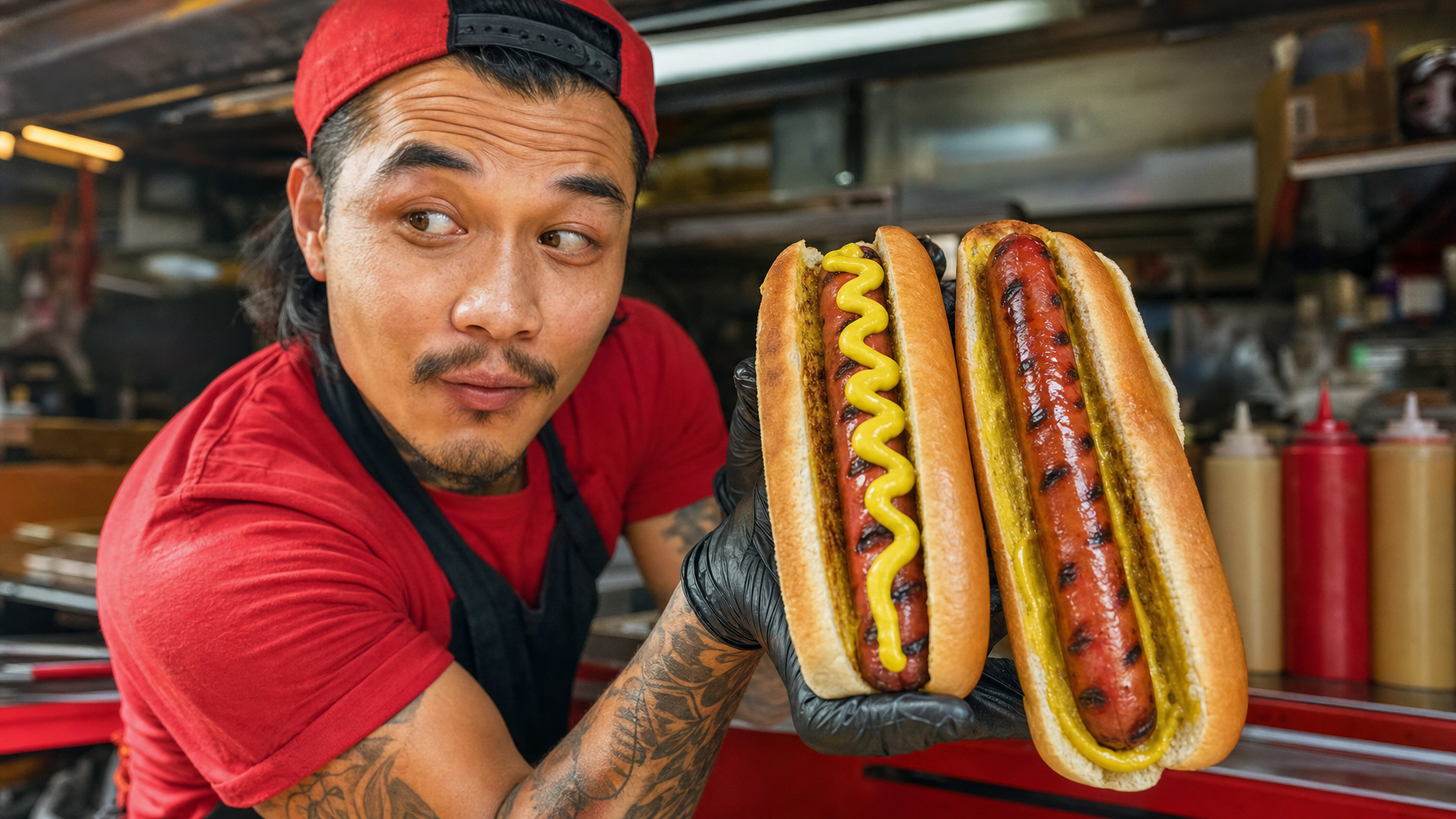
My default is mustard first: bun, a restrained mustard zigzag, hot dog, then the rest of the cast. That order puts the condiment close to the meat and spreads its tang through the whole bite instead of dropping one mustard ambush on your first mouthful.
Placement changes more than the photo. It changes distribution, intensity, and the opening bite. Mustard under the dog tends to read as steady seasoning. Mustard on top announces itself immediately: Hello, I am mustard, and I have notes.
This is Jason’s Grub opinion, informed by a stated decade of chasing hot dogs through all 50 states and a firm no-ketchup policy. It is not a law of physics, nor should it become a shouting match near a grill. But if you want consistency, mustard-first is the better starting move.
Mustard on the Bun: The Quiet Operator of the Bite
A thin layer beneath the dog creates a dependable condiment-to-dog ratio from one end to the other. Each bite gets a little acid, spice, and moisture without requiring you to chase a stripe around a pile of onions like it owes you money.
Use a narrow zigzag or a single slim stripe on the bottom bun. The target is seasoning, not yellow soup. Too much mustard can overwhelm the dog, soften the bun too quickly, and turn a tidy meal into a wrist-level incident.
The bottom bun is also prime real estate. Mustard stays near the dog while the top remains available for onions, relish, peppers, or whatever else the build calls for.
- Plain dog: A modest mustard base gives the whole dog a clean, even backbone.
- Heavily topped dog: Use less mustard underneath. More toppings already mean more competing flavors and moisture.
Mustard on Top: More Drama, More Risk
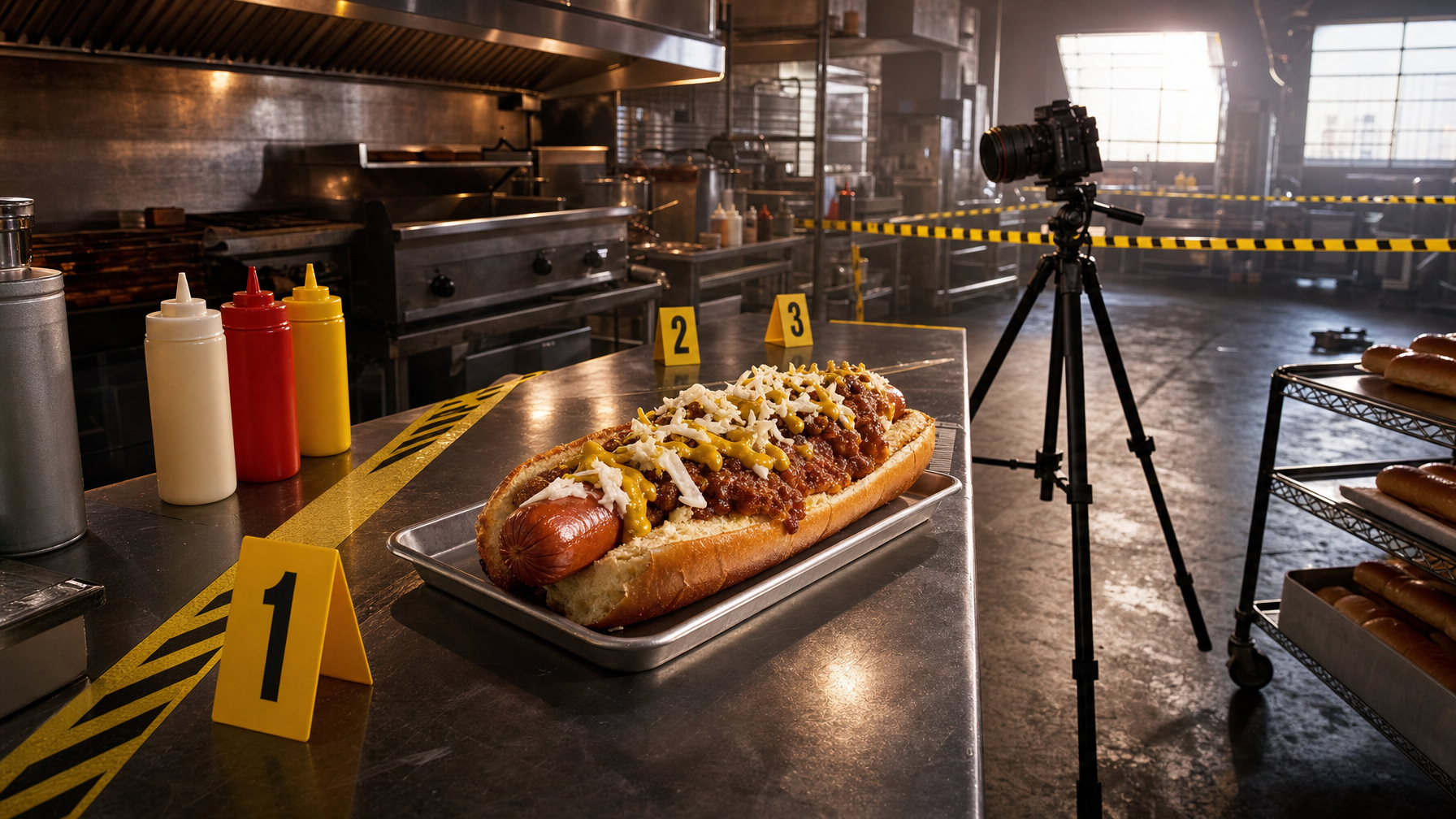
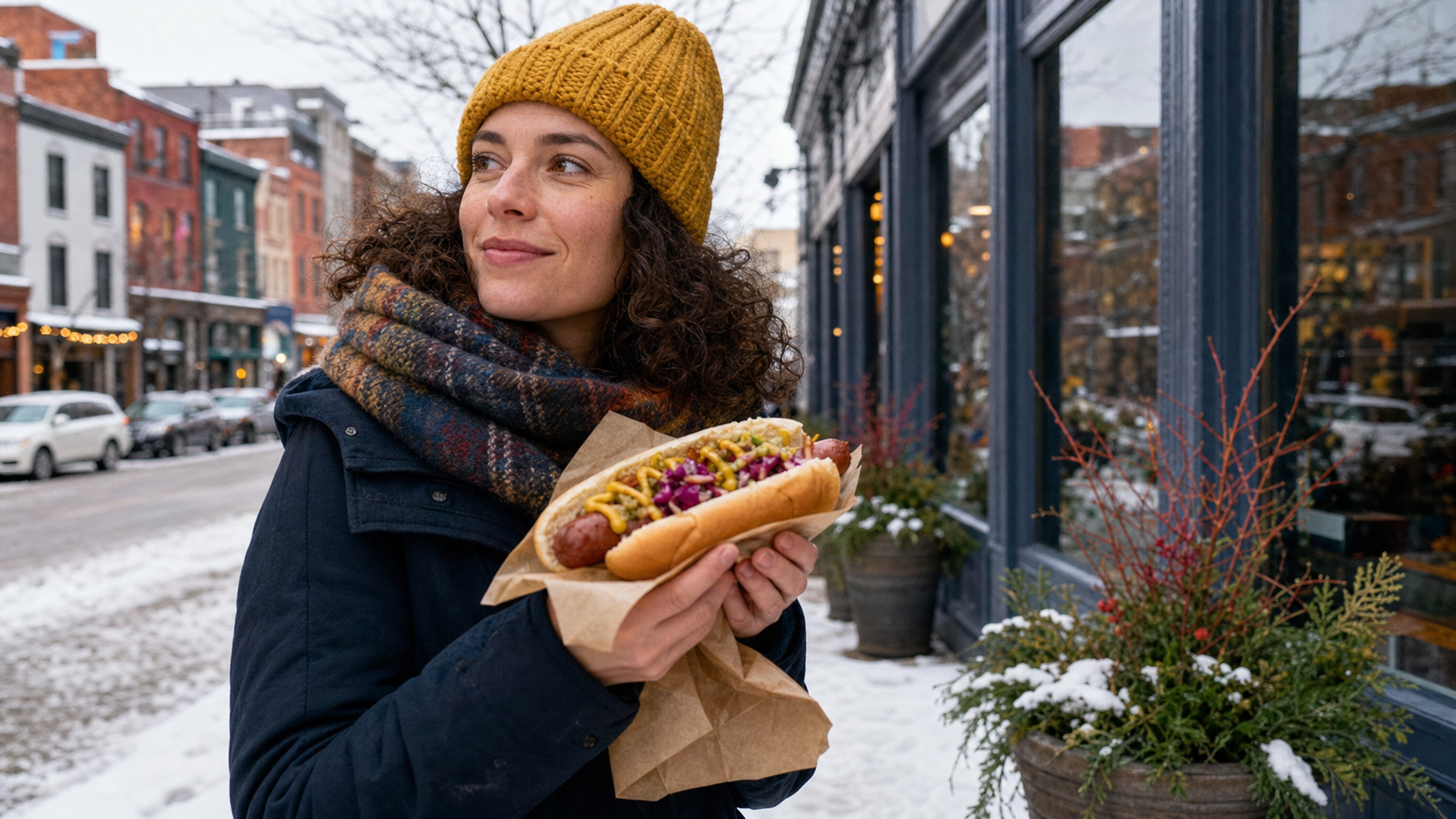
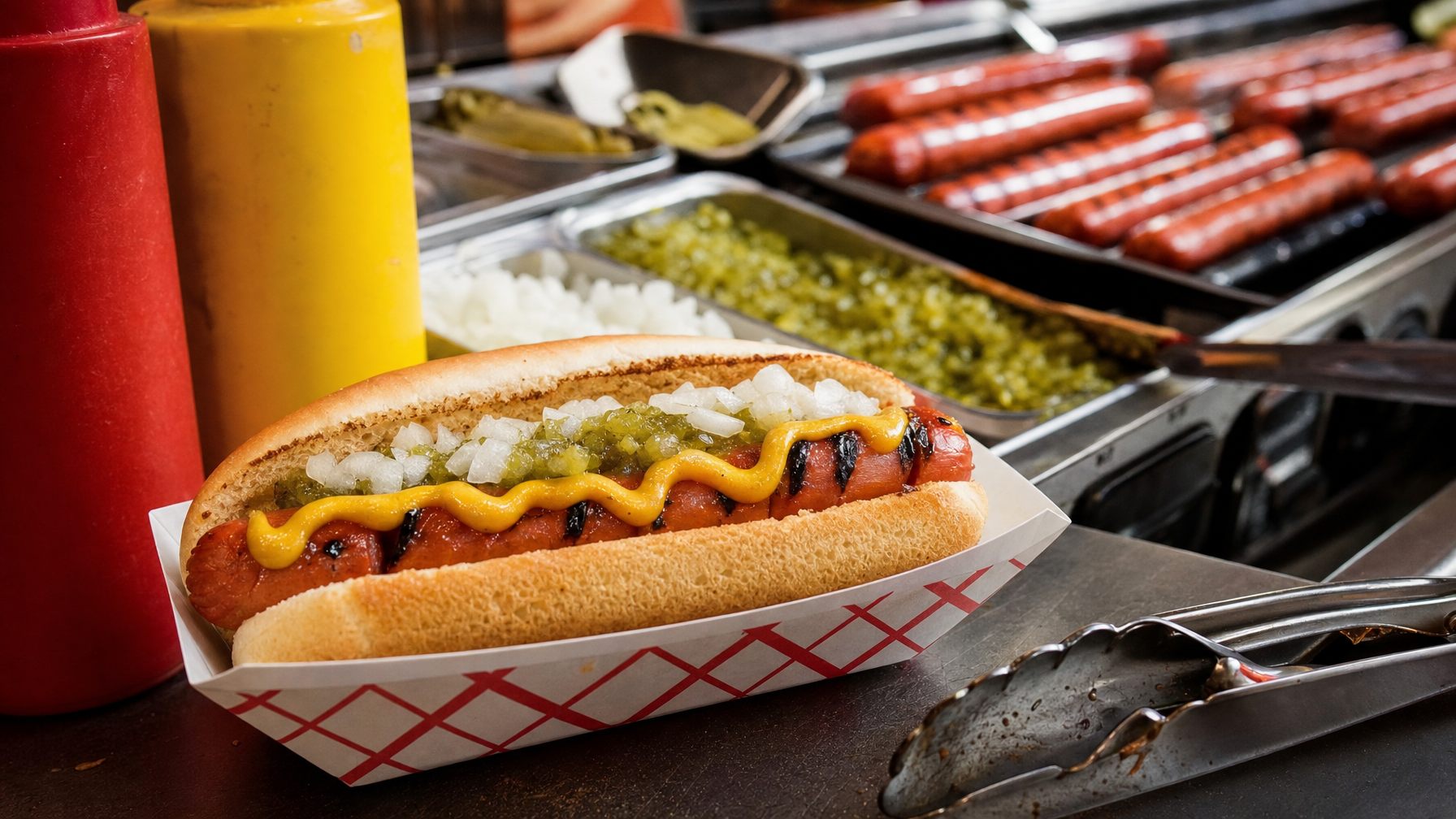
Mustard last is not wrong. It is the louder option. An exposed stripe can feel sharper and more aromatic because it meets your mouth before being tucked under the dog or mingled with the bun. It also looks terrific: the eater can see precisely where the mustard is and roughly how much trouble they are in.
That visibility comes with a tradeoff. Toppings can break up the line, sliding can concentrate it in one section, and a thick drizzle can make the earliest bites mustard-forward while the final bites are left wondering what happened.
Use mustard-last on purpose: when you want a bracing finish, a visible flourish, or a concentrated hit against a rich topping mix. It is presentation and punch, not a mistake.
Two Stripes, One Dog, Zero Condiment Emergencies
Cannot choose? Make a controlled compromise: put a light mustard layer beneath the dog, then add a small finishing stripe on top. The bottom stripe provides baseline coverage; the top stripe supplies the fresh, bright mustard hit.
Important: split the same total amount of mustard between the two placements. Do not respond to indecision by doubling the mustard. That is not nuance. That is a condiment emergency.
This hybrid works especially well when toppings are complicated, wet, or unevenly distributed. The base layer prevents bland gaps, while the finish lets some bites land with extra snap.
Build for the Dog You Have, Not a Sacred Mustard Tablet
Plain mustard dog: let the base layer do its job
Mustard first is the cleanest choice. A thin line under the dog seasons every bite without distracting from the snap, smoke, or salt of the sausage.
Mustard and onion: keep crunch out of the condiment swamp
Put mustard first and onions above the dog. The mustard stays stable beneath, while the onions remain distinct and crunchy rather than getting coated into slippery little yellow pebbles.
Relish and other wet toppings: dial back the underlayer
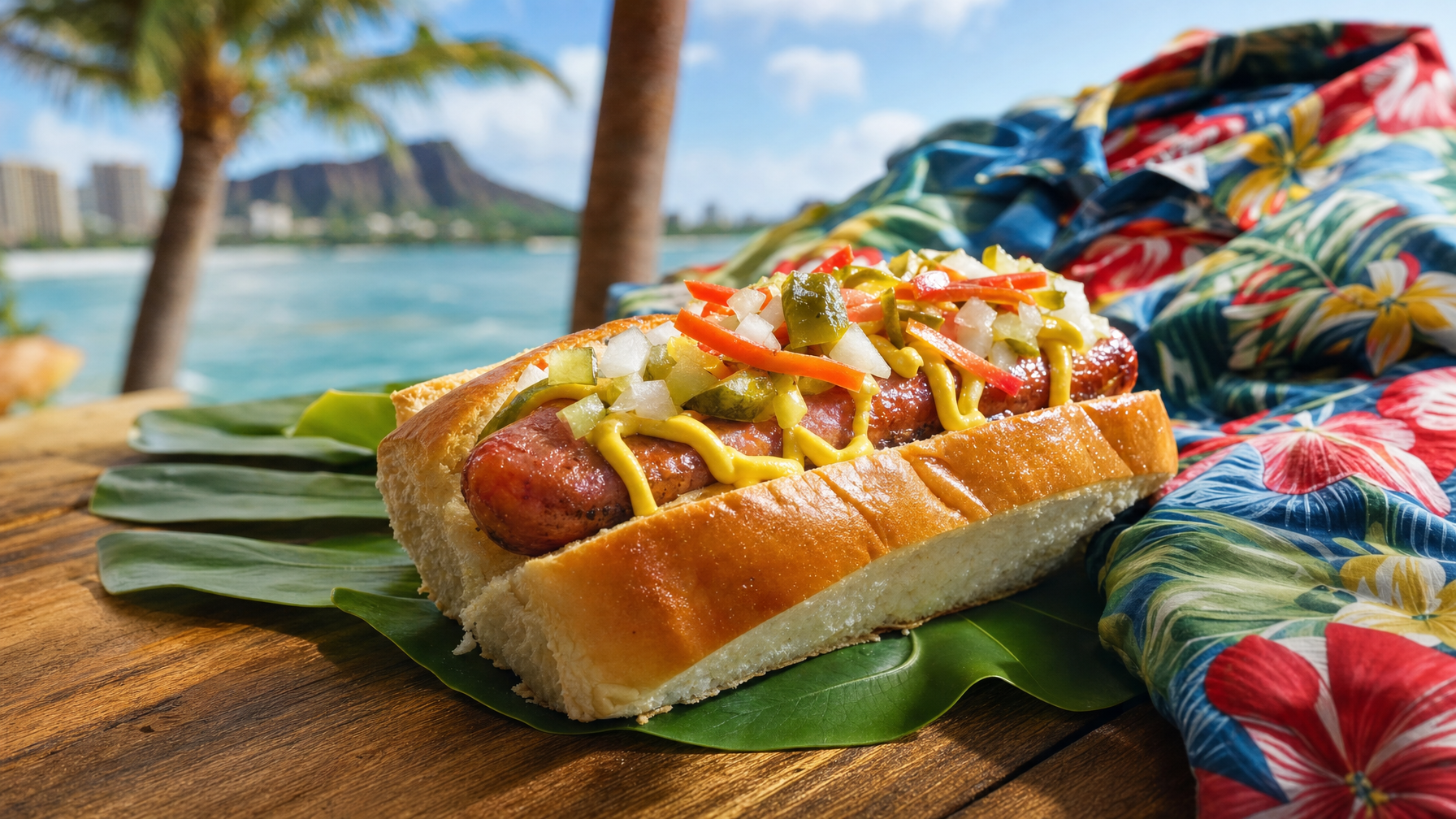
Wet toppings bring their own moisture and sweetness. Use a thinner mustard line underneath, then consider a tiny top finish if the build needs more bite. A large mustard underlayer plus a generous wet topping is a fast route to bun fatigue.
Big loaded dog: do not bury the flavor you bothered to add
On a loaded dog, mustard must remain reachable. A thin base layer can help with coverage, but a small top stripe may be necessary when a mountain of toppings would otherwise hide it completely.
Grilled or charred dog: choose support or a sharp elbow
For a smoky, charred dog, mustard first offers steady support across the bite. Mustard last gives a more aggressive cut through the smoky richness. Pick the first when you want harmony; pick the last when you want the mustard to throw an elbow.
Settle It With Three Bites, Not a Food-Court Brawl
If you genuinely care about this question—and you are still reading, so yes—you can test it. Build two otherwise identical dogs. Put mustard under the first dog and mustard over the second. Keep the bun, dog, amount of mustard, and toppings the same.
- Taste the tip, where many hot dogs begin their lives under unfair scrutiny.
- Taste the middle, where toppings and condiment distribution reveal their plans.
- Taste the final bite, where sloppy builds tend to unravel emotionally and structurally.
Compare four things:
- Mustard intensity: Is it quiet seasoning or the main event?
- Evenness: Does every bite get enough?
- Topping balance: Does mustard support or smother the rest?
- Bun mess: Did the build stay together, or did lunch become paperwork?
My call remains straightforward: mustard first wins for consistency. Mustard last wins for theatrical punch. Your preferred dog gets to cast the final vote.
Jason’s Grub Verdict: First for Balance, Last for Swagger
Mustard first is the everyday champion; mustard last is the special-effect finish. Start with a thin stripe beneath the dog when you want a reliable, balanced build. Finish on top when you want a brighter, more visible mustard moment—or use both positions, modestly, when the toppings demand diplomacy.
No ketchup is required for this decision, naturally. The mustard is already doing useful work.
For more specific hot-dog opinions, places, products, and recipes, follow @jasonsgrub on Instagram.
FAQ: Four Tiny Arguments Worth Having Over a Hot Dog
Should mustard go on the bun or the hot dog?
Put it on the bun first for more even coverage. Put it on top of the dog when you want a stronger, more immediate finishing hit.
Does mustard-last taste stronger?
It can feel sharper because the mustard remains exposed, but quantity and toppings matter just as much. A modest top stripe may feel more forceful than a larger amount tucked beneath the dog.
Should mustard go under onions?
Usually, yes. A thin layer under the dog—or beneath the onions in a simple build—gives mustard a stable home without coating every onion piece.
Can I use mustard-first and mustard-last together?
Yes. Divide one modest total amount between a light base layer and a small finishing stripe. The goal is range, not twice the mustard.
What is the best order for a loaded hot dog?
Put mustard where it will remain accessible: often a thin base layer plus a small top stripe. Then keep the topping stack from burying every flavor beneath it.
Enjoyed this? There's more from Jason's Grub.
Follow on Instagram →