Is This the Year Stadium Dogs Stop Pretending They’re Just Snacks?
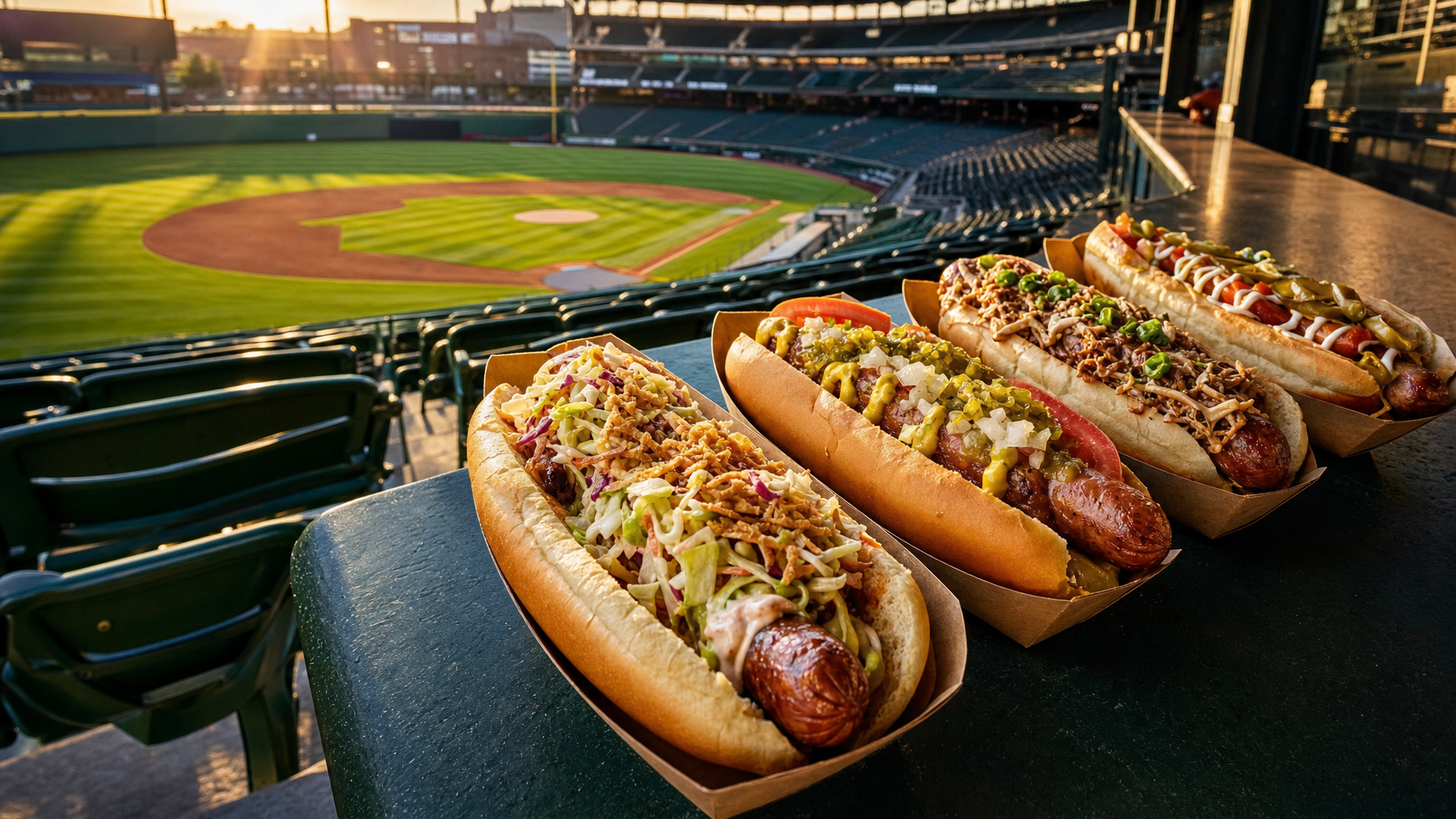
For hot-dog obsessives and food-culture readers, the answer is: maybe—but only if stadium dogs start acting like part of the event’s identity, not edible packing material between innings. A great one can carry local flavor, fan ritual and actual culinary thought in one hand; a bad one is a lukewarm interruption wearing a foam-finger-sized price tag. The interesting question is not whether every stadium has reinvented the frank. It plainly has not. It is whether more venues are giving the dog enough personality to be worth seeking out.
The Humble Stadium Dog Walks Into the Spotlight
A stadium hot dog has always had an unfair advantage: context. You are hungry, the crowd is roaring, somebody has just made a heroic catch or an extremely avoidable error, and the smell of grilled meat has drifted through the concourse like a tiny, delicious criminal. That setting can make an ordinary dog feel important.
But context alone cannot do all the heavy lifting. A stadium dog becomes more than a quick snack when it reflects the place, the fans and the food culture outside the gates. It has a point of view. Maybe it uses a locally recognizable style. Maybe the cooking method provides a real char or snap. Maybe its toppings make sense in the city rather than looking as though a menu committee spun a wheel labeled “regional-ish stuff.”
The shift under discussion is from standardized concession filler toward a deliberately designed food experience: one with choices about ingredients, construction, service and regional character. This is an opinion-led cultural read, not a declaration that every arena and ballpark has suddenly joined the hot-dog enlightenment. Plenty of dogs remain beige little deadlines in a steamed bun.
This is for people who plan a trip around a bite, who save food stops to a map, and who want to know whether adding a stadium to a food crawl is a brilliant move or merely a way to pay too much for mustard on logistics.
What Separates a Ballpark Dog From a Hot Dog-Shaped Interruption
Convenience is not a crime. A fast, hot, portable dog is doing honorable work when you have six minutes before the next inning and one friend has wandered off “for a drink” three sections away. But convenience and character are different jobs.
Character comes from deliberate choices that survive the first bite:
- Ingredients: A frank with seasoning, texture and a noticeable snap has a voice. A generic tube of salt and sadness does not.
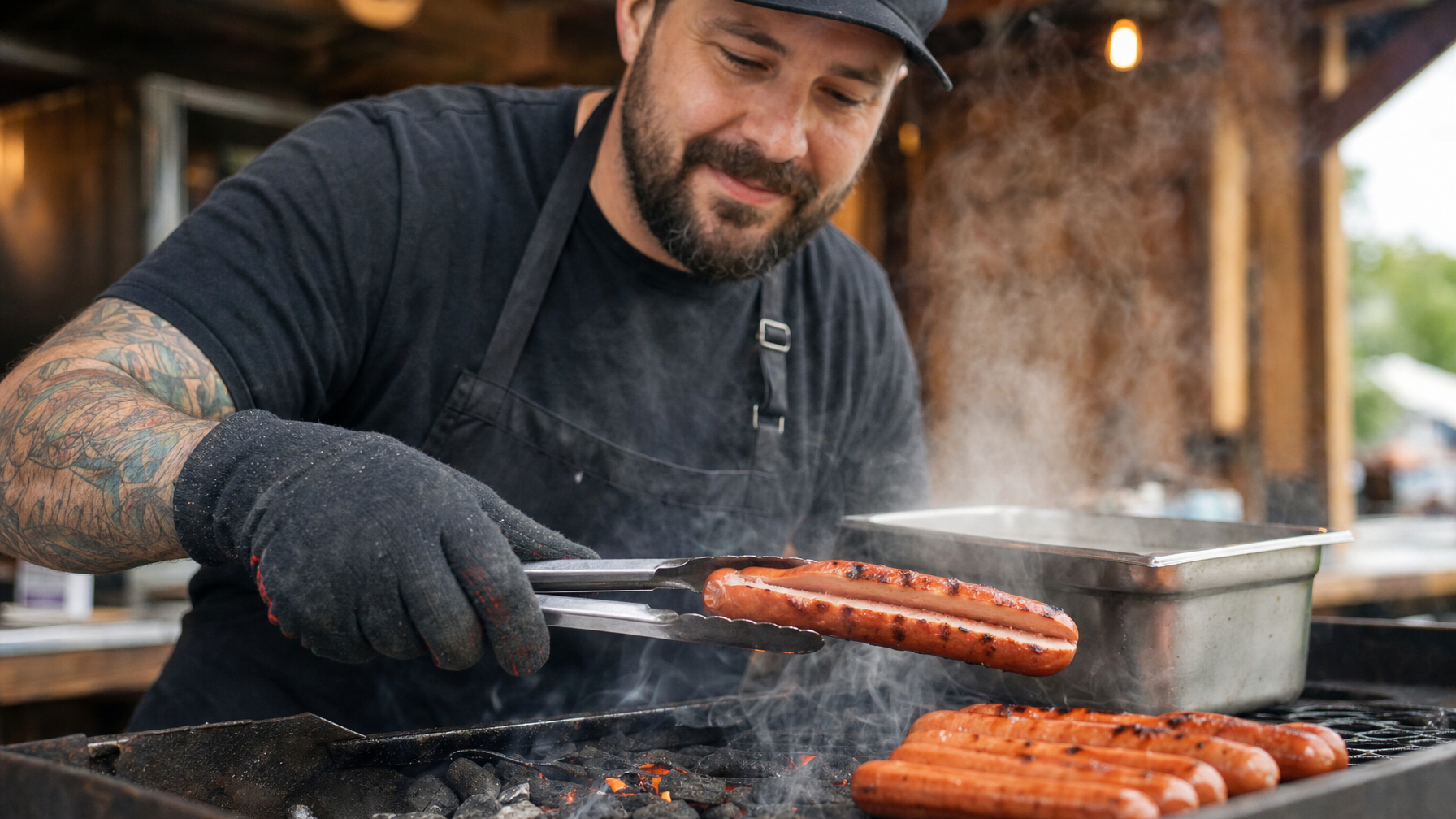
- Preparation: Grilling, griddling, steaming and other methods create different textures and aromas. The method should be more than backstage trivia.
- Regional identity: A dog built around a recognizable local style or food tradition can tell you where you are without making you read a souvenir mug.
- Presentation: It should be possible to eat the thing without requiring a poncho, engineering degree or emergency napkin summit.
- Memory: The useful question is whether you remember the bite afterward—or only remember that you were hungry.
A locally recognizable build, a genuinely house-made topping, a distinctive cooking method or a dog tied to the surrounding city can all give a menu item a reason to exist. None of these signals automatically proves quality. A fancy topping can be a disguise. A city reference can be a costume. But they create the possibility of a dog with a real point of view.
Ask the rude but useful question: would anyone seek this dog out if the game were not happening? If the answer is yes, the stadium has made food worth discussing. If the answer is “only because the line for fries was worse,” we have a snack, not a destination.
And no, more toppings do not equal more ambition. A crowded bun can still be a culinary traffic jam: everybody honking, nobody moving, and the frank trapped underneath wondering what it did to deserve this.
The Bun, the Snap and the Suspicious Mountain of Toppings
To judge a stadium dog, start with the boring-looking parts. They are rarely boring. A memorable dog is not a mountain of garnish balanced atop an anonymous base. It is a chain of decisions that holds together under pressure—literal pressure, because someone is trying to eat it while standing in Row 28.
The bun has to show up for work
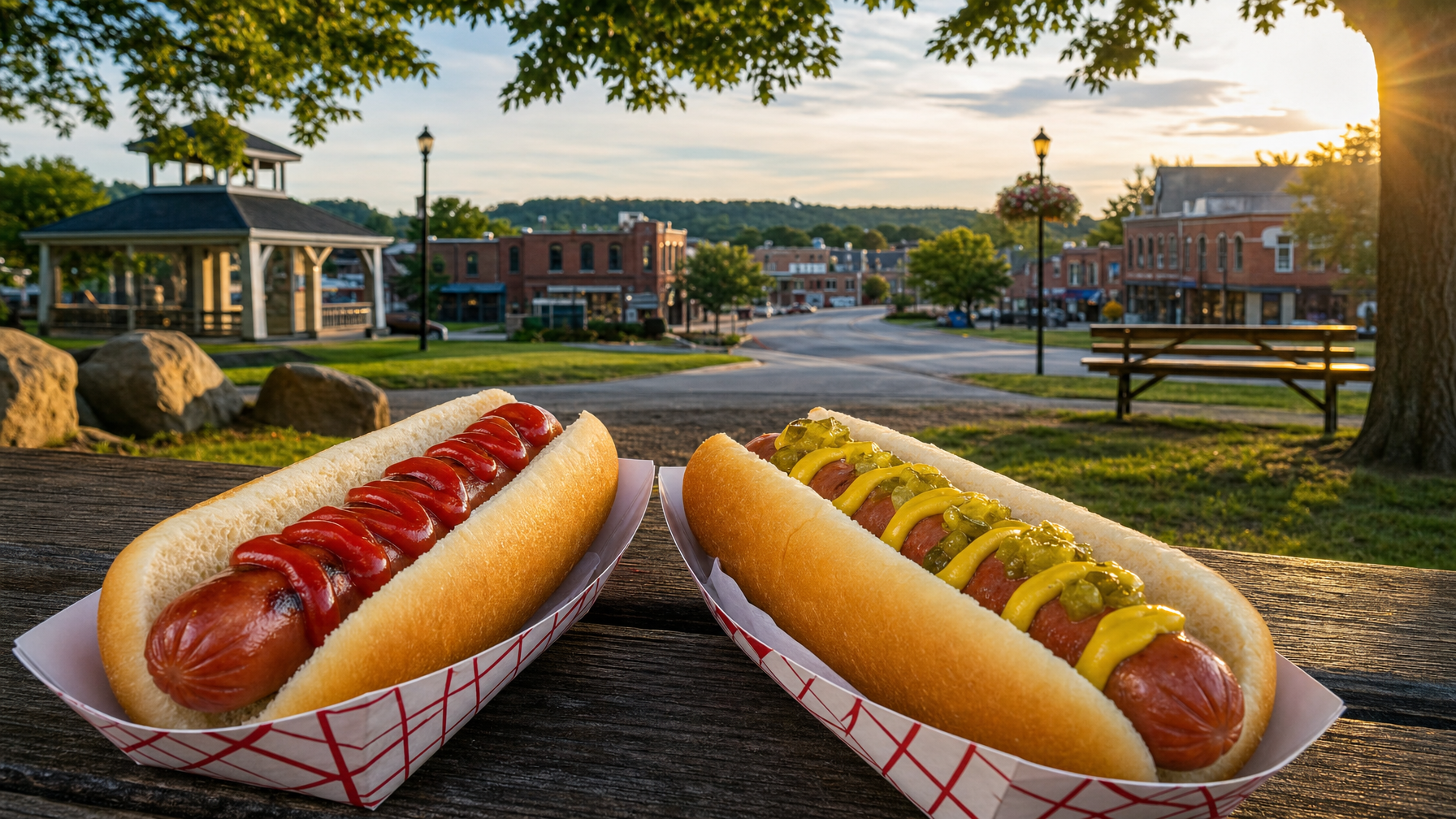
The bun should be soft enough to bite cleanly, sturdy enough to contain the fillings and proportioned to the frank. Too dry, and it turns every bite into a crumbly dispute. Too damp, and it becomes a sad paper towel with ambitions. A warm bun can make a straightforward dog feel cared for; that is not glamour, but it is competence.
The frank needs a personality
The sausage or frank should taste like something beyond its salt level. Seasoning, smoke, beefiness, spice, texture and casing all matter. A natural snap can add drama to an otherwise simple build. So can a proper char from a grill or a crust from a griddle. The frank is the lead actor. If it disappears under a wet avalanche of toppings, the production has cast the wrong star.
Temperature and contrast do not negotiate
Hot frank, warm bun, cool crisp toppings where appropriate, and sauces applied with enough restraint that flavor remains identifiable: this is not fussy restaurant language. It is the difference between a composed bite and a slippery argument. Crunch against richness, acid against fat, heat against sweetness or smoke—contrast gives a dog shape.
Stadium reality is part of the recipe
A stadium kitchen is serving crowds, moving quickly and trying to keep food consistent across many orders. Those constraints are real, and they should affect the judgment. A build that sounds thrilling but collapses after twelve feet of walking is not a triumph. Neither is a beautiful dog that takes so long to make that it causes you to miss the action.
Jason’s lens is uncomplicated: ten years, 50 states, zero ketchup. That is a stated personal research claim and a stance, not a law for your plate. The point is flavor structure. A dog should have enough smoke, salt, tang, spice, crunch and character that it does not need default sweetness to rescue a vague build. If ketchup is your joy, live your life. Jason will simply be over here, judging the architecture of the bun.
Regional Personality or Concession-Stand Cosplay?
Local food traditions can make a stadium dog feel rooted rather than interchangeable. The key word is can. Slapping a city name on a menu board is not regional identity. It is a nametag on a stranger.
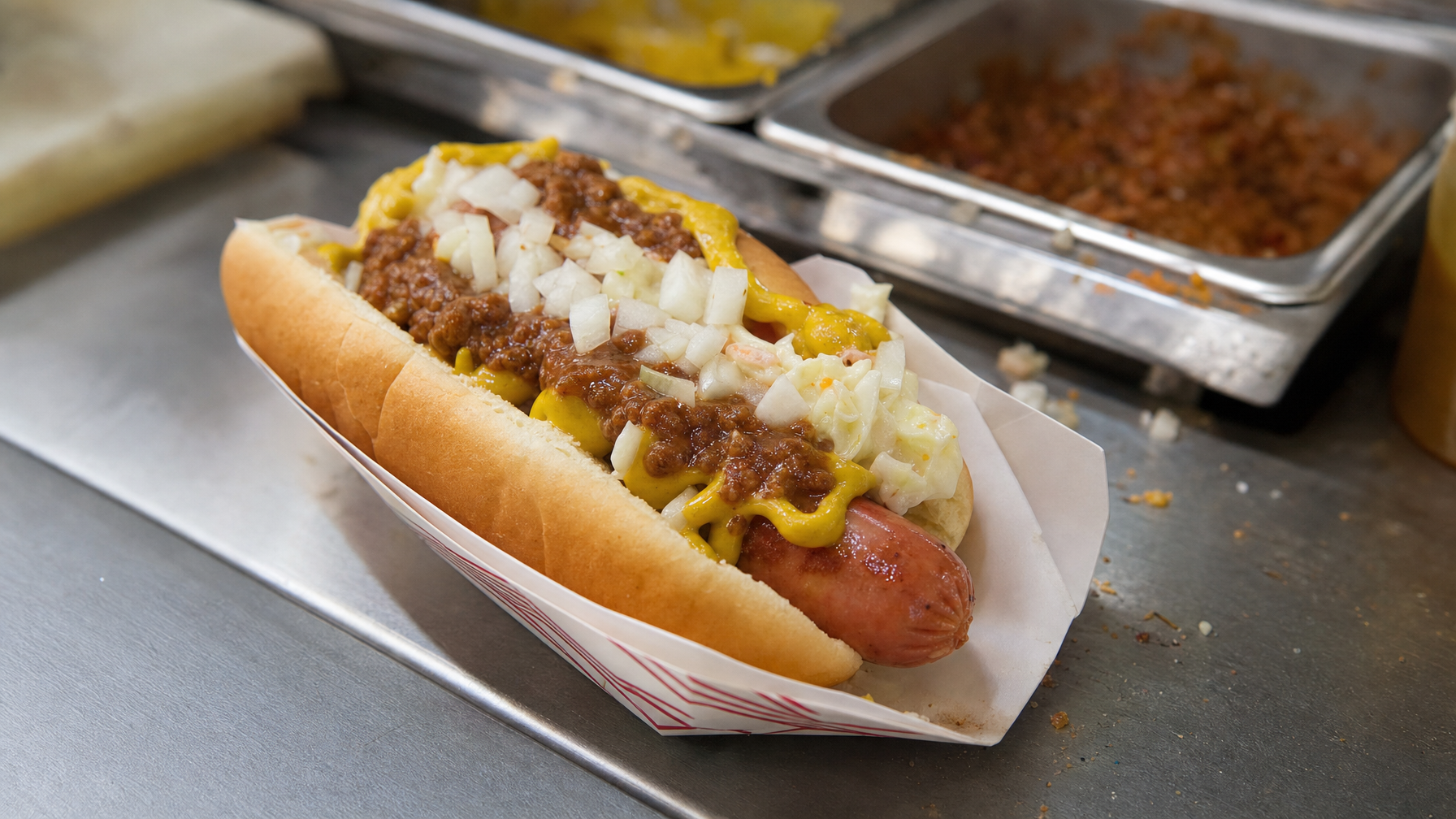
A regional cue earns its place when it changes the actual eating experience: the seasoning profile, the topping combination, the type of sausage, the bread, the cooking method or the balance of the whole dog. It should feel connected to a food language that exists beyond the concession stand.
That does not require historical pageantry at every counter. A stadium dog need not arrive with a lecture, a brass band and a laminated family tree. It simply needs to say something true—or at least recognizable—about where it lives. Is there a local flavor relationship? Does the build reflect what people nearby actually enjoy? Does it make a visiting eater curious about the city beyond the parking lot?
Generic branding does the opposite. It borrows the costume of a region while serving a dog that could appear anywhere with a different sign taped above it. The test is delightfully simple: remove the city name. Does the item still have a specific identity? If not, somebody may be selling scenery.
The best regional stadium dogs turn a game-day meal into a small piece of place. They give fans something to defend, visitors something to chase and food-crawl people a reason to linger after the ninth. That is a much better assignment than “please remain edible until the third inning.”
When the Stunt Dog Earns Its Ticket—and When It Needs an Usher
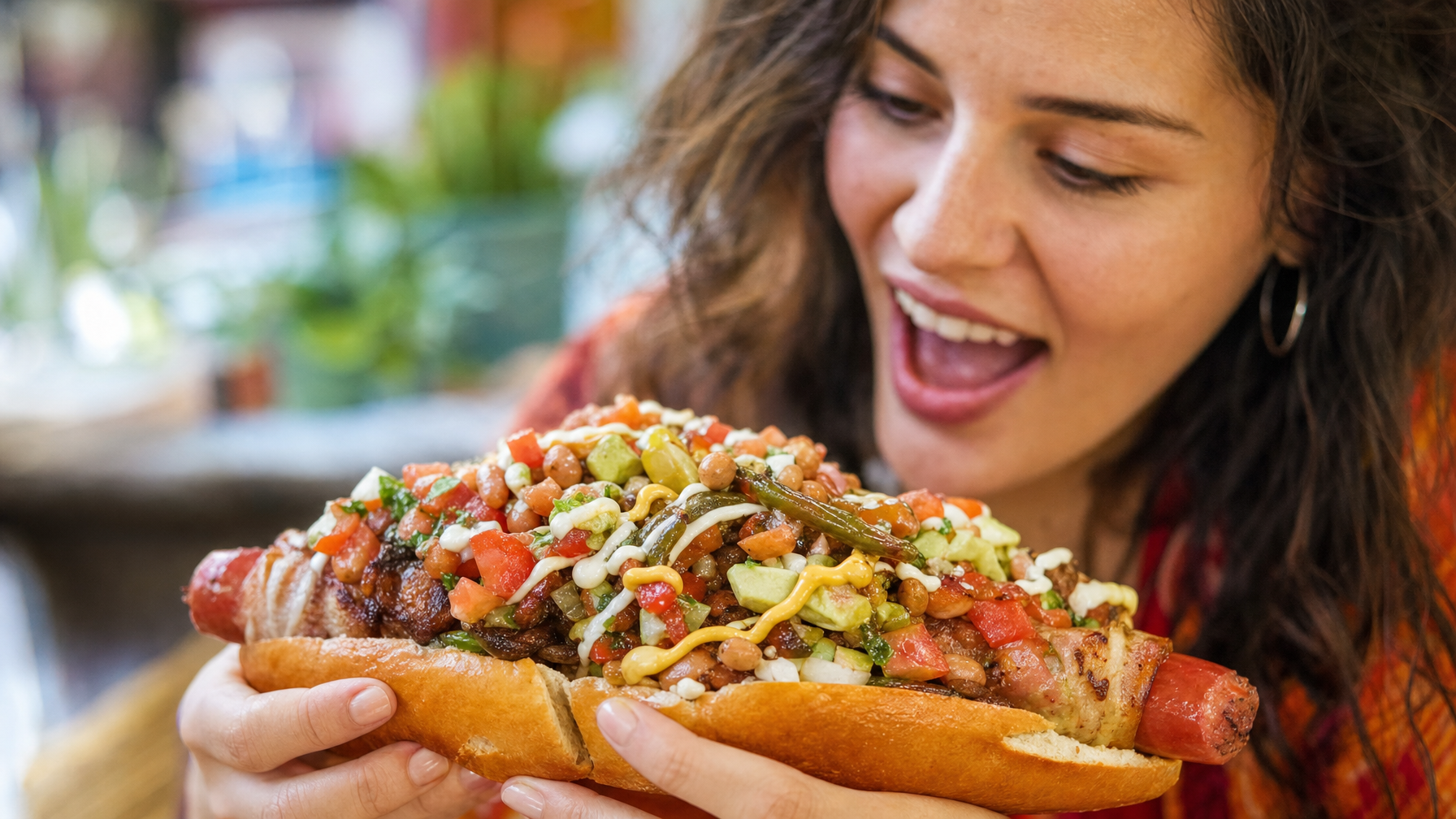
Spectacle is allowed. Spectacle is often fun. A hot dog is permitted to be ridiculous; it is, after all, a sausage in a bun attending a sporting event. But a stunt dog still has to taste good. A pile of expensive ingredients does not become a great meal merely because it can be seen from orbit.
When judging an extravagant or limited-time dog, use this reader-facing verdict scale. It is an opinionated eating tool, not an objective industry standard carved into concession-stadium granite.
| Verdict | What it means |
|---|---|
| Worth the trip | The frank remains central, the signature ingredient is noticeable, the build is balanced and the experience lingers after the game. |
| Fun once | It is tasty or entertaining enough to try, but the novelty does most of the work and a repeat order is not calling your name. |
| Bun-based betrayal | The dog is all stunt, no structure: hard to eat, poorly balanced, forgettable underneath or priced like a minor luxury good without delivering the pleasure. |
Four questions cut through the fog machine:
- Does it taste good? Start here. Always start here. Photographs do not have taste buds.
- Can it be eaten standing up? A little mess is part of the sport. Structural collapse is not.
- Can you identify the signature ingredient? If it is allegedly the whole point, it should not vanish into sauce and shredded clutter.
- Is the price justified by the experience? Not by the ingredient list alone, but by the finished bite, portion, execution and memorability.
A stunt dog earns its ticket when the weirdness has a job. Maybe a rich topping is cut by acid. Maybe a crunchy element protects against a soft-on-soft pileup. Maybe the build plays with a local food tradition in a way that makes you grin and then immediately want another bite. The frank still has to be the main character. Give it supporting actors, not a hostile takeover.
The Real Test Happens After the Final Out
Food becomes culturally sticky when people keep talking about it after the immediate occasion has passed. A stadium dog earns a place in memory when it becomes part of the day: the walk to the gates, the debate over toppings, the friend who ordered the weird one, the return trip that starts with “we have to get that dog again.”
That is where stadium food can overlap with destination eating. A dog does not need to be separable from the game to matter. In fact, its connection to the event may be exactly what makes it special. But it should contribute more than calories. It should add a chapter to the outing.
For food-crawl-minded readers, the smart move is to treat a stadium stop as one possible piece of a larger place-based day, not automatically the whole itinerary. Pair it mentally with the neighborhood, the local specialties and the other bites that explain the city. Existing destination and food-crawl coverage can provide that broader context; the stadium dog should earn its own spot rather than elbowing every other meal out of the lineup.
Can a stadium dog become a destination food in its own right? Yes—when the specific product is currently available, clearly distinctive and satisfying enough to stand on its own. Other dogs remain gloriously inseparable from the roar of the crowd, a cold drink and the fact that you have been sitting in the sun for three hours. That is not failure. That is ritual.
So, is this the year stadium dogs stop pretending they are just snacks? Maybe. The more expressive ones are worth watching, but nobody gets a trophy for menu copy. Judge each dog by the bite, not the branding, the towering garnish or the marketing fog machine. If it has real flavor, real structure and a real sense of place, it is no longer merely halftime fuel. It is part of the reason to go.
FAQ for Readers Who Refuse to Call Every Frank a Meal
What makes a stadium hot dog more than a snack?
It has a recognizable point of view through its ingredients, preparation, regional connection or role in the venue experience. Most importantly, it delivers satisfying flavor rather than relying on convenience alone.
Do elaborate toppings make a stadium dog better?
Not automatically. Toppings should support the frank, bun and overall balance. Excess can be entertaining without being especially delicious, which is a perfectly respectable fate for a photo but not a great lunch.
Should stadium dogs always reflect the local region?
No. A well-made classic dog has a place anywhere. But a meaningful local connection can give a stadium dog a reason to exist beyond interchangeable concession food.
Can a stadium dog be worth traveling for?
Yes, if the specific product and its current availability are verified, and if the eating experience has enough character to stand on its own. The game can be the occasion; the dog still needs to make the case.
Where can I follow Jason’s latest hot-dog finds?
Follow @jasonsgrub on Instagram for future discoveries, opinions and hot-dog culture coverage.
Enjoyed this? There's more from Jason's Grub.
Follow on Instagram →