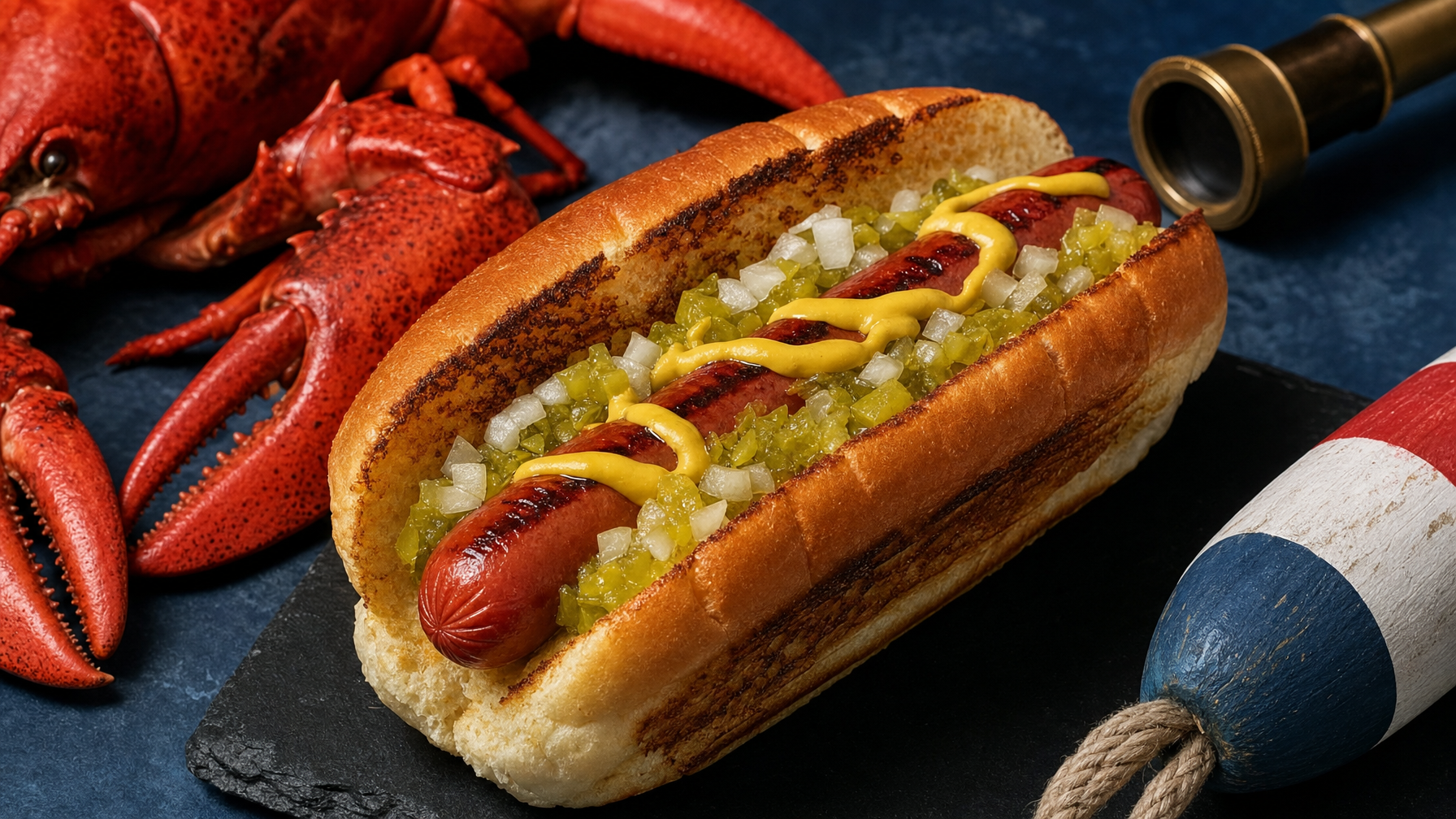
Toasting the Bun in Beef Drippings Turned Out to Be the Whole Point
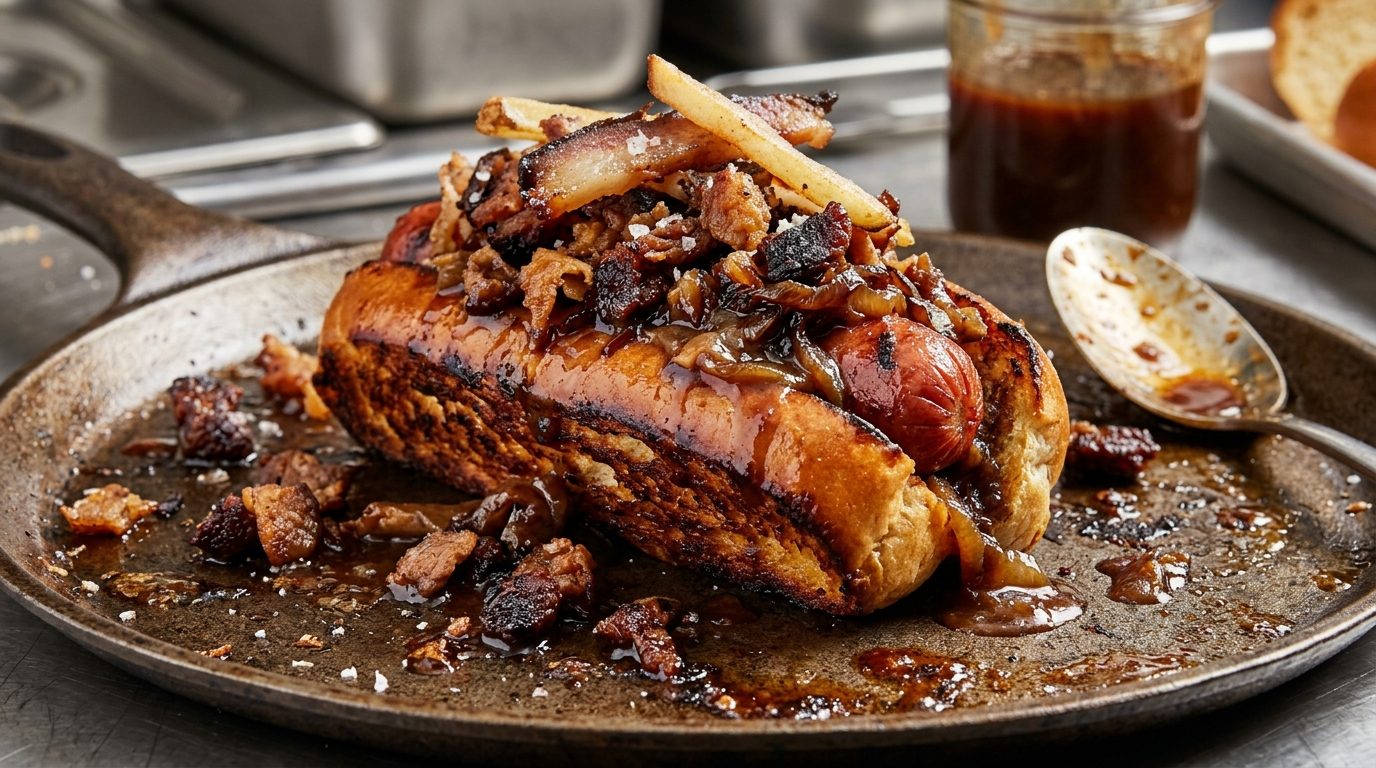
Yes, the bun can be a cooking surface and a flavor carrier, not disposable packaging with a sesame-seed pension plan. For hot-dog obsessives who treat bread as a beige handle, toasting the cut sides in a modest amount of beef drippings can make the bun part of the bite: browned on the outside, tender within, and tuned to the savory direction of the dog. This is Jason's opinionated no-ketchup move, not a law of nature. When you keep the topping pile restrained and skip the sugary sauce, the bun has to show up with texture and flavor.
The Bun Is Not a Napkin With Structural Ambitions
A hot-dog bun has three jobs, and merely existing in the general vicinity of a sausage handles only one of them.
- It holds the dog. This is the baseline. If the bun splits, sinks, or ejects dinner onto your shirt, it has failed its first assignment.
- It contributes texture. A good bun gives the bite contrast: a little crispness at the surface, softness where the dog rests, and enough give to eat without a wrestling license.
- It carries seasoning and cooking flavor. Bread is not neutral just because it is pale. It can bring butter, char, pan flavor, spice, or, here, a restrained beefy richness.
A warmed bun is pleasant. A bun with crisped cut sides and a savory edge is involved. That distinction matters most when the build is simple. With fewer toppings yelling over one another, every component becomes audible. The dog, the bread, and whatever supporting accents you choose have nowhere to hide.
Jason's position is simple: if the bun is going to touch every bite, it deserves more thought than a quick steam and a prayer.
Beef Drippings Give the Bread a Job
Used carefully, beef drippings are meant to create a browned exterior, a tender interior, and a savory note that connects the bun to a beefy filling. The point is not to turn the bun into a grease sponge. Nobody has ever improved a hot dog by making it feel like it was rescued from the bottom of a takeout bag.
What you can observe in the pan is straightforward: a lightly coated cut surface can brown and crisp as it toasts. The bread stays warmer and softer inside if you pull it before it dries out. The flavor intensity will vary with the drippings, the bread, and how much fat reaches the pan.
That last part is important. Drippings are not identical from one cook to another. Some are mild, some carry more seasoning, and some are intense enough to boss around a gentle hot dog. Taste and adjust like you are building one bite, because you are.
Crisp the Outside, Keep the Middle Alive
This move is simple enough to make on a weeknight and fussy enough to punish autopilot. The goal is a lightly toasted bun with warmth and flexibility still intact.
- Choose a bun with some backbone. Pick one that holds its shape when opened and can survive contact with a warm pan. A fragile bun is not forbidden. It is simply asking for a more delicate hand.
- Open the bun and get the cut sides ready. You want the surfaces that will cradle the dog facing the pan.
- Add a modest amount of beef drippings to a pan. You need enough to lightly coat the bread, not enough to create a shallow-fry situation.
- Set the bun cut-side down over moderate heat. Pressing gently can help the surface make even contact, but do not flatten it into a bread subpoena.
- Watch the bread, not a clock. Remove it when the cut surface has browned edges and a toasted look, while the bun still feels soft and pliable through the middle.
- Fill and serve promptly. A toasted bun waits for nobody. It will keep cooking from residual heat and soften as it meets the dog.
Four variables that decide whether this is glorious or greasy
| Variable | What to watch | Practical move |
|---|---|---|
| Heat | High heat can darken the outside before the interior is pleasantly warm. | Use moderate heat and let browning develop without panic. |
| Bun sturdiness | Thin, delicate bread can tear or flatten more easily. | Handle it gently and shorten the toast if it starts looking fragile. |
| Amount of drippings | Too much fat can make the bread heavy and slick. | Start modestly. You can add a touch more, but you cannot un-oil a bun. |
| Removal point | Maximum color can come with a dry, brittle bite. | Pull it when the cut sides are browned and the bun still bends without cracking. |
The main failure mode is predictable: too much heat or fat gives you a greasy exterior before the center is comfortably warm. If that happens, reduce the drippings, lower the heat, or both. Hot-dog engineering does not require a lab coat. It does require paying attention.
A No-Ketchup Dog Needs Texture, Not More Noise
Jason's no-ketchup stance is not a moral crisis. It is a preference and, for this particular build, a flavor decision. A toasted bun in beef drippings already brings savory richness. Adding a sweet sauce can pull the bite in a different direction and make the bread's work harder to notice.
Instead, build for balance:
- Crisp against soft: The toasted cut surface contrasts with the tender center of the bun and the dog.
- Rich against bright: If you add something bright, let it refresh the bite rather than bury the beefy note.
- Seasoned against plain: The bun can be flavorful without making every other component compete for the microphone.
Keep the toppings complementary and restrained. The exact preferred build is personal, and that is the point. Once the bun is treated as an ingredient, it earns a vote in the assembly. It is no longer just there to prevent your hand from becoming dinner.
Where This Goes Wrong, Besides the Usual Bun Betrayal
Toasting bread in drippings is not difficult, but it is not invincible. A few avoidable mistakes can turn a promising dog into a very small, very oily disappointment.
Delicate bread can surrender early
Some buns tear, flatten, or absorb too much fat before they have a chance to toast properly. If yours seems especially soft, use less drippings and gentler heat. The aim is a coated surface, not total bread saturation.
Strong drippings can bully a mild dog
Heavily seasoned drippings may dominate a mild hot dog. Taste the drippings if you can, then think about the finished bite. A bun and dog should read as one composition, not as a bread roll delivering a monologue over a quiet sausage.
More browning is not always better
Chasing deep color can leave the bun dry or brittle. A bun that shatters is not automatically a better bun. The useful target is browned edges, a toasted cut face, warmth, and enough softness to cradle the dog without turning every bite into crumbs.
Test before feeding a crowd
If you are making several dogs, toast one bun first. That small test lets you judge your pan, heat, drippings, and bread before every serving receives the same enthusiastic mistake.
The Real Discovery Is That the Bun Was Carrying the Argument
After ten years and 50 states of chasing hot dogs, Jason's view is not that every bun needs beef drippings. That would be tiresome, and hot dogs already have enough self-appointed constitutional scholars. The point is that a bun can be intentionally cooked, seasoned, and balanced as part of the finished food.
Toast it in beef drippings when the rest of the build calls for that savory connection. Keep it light. Keep it warm. Keep it soft enough to do its actual job. Then let the dog, the bread, and the toppings act like they agreed to be in the same meal.
A good bun should arrive with evidence of care, not merely survive the trip from plate to mouth.
Questions From People Who Still Trust Plain Bread
Can any hot-dog bun be toasted in beef drippings?
Many buns can work, but sturdiness and shape matter. Choose one that can hold its form under gentle heat and a light coating of fat. Very delicate buns may need less drippings and more careful handling.
Does the bun need to be soaked in drippings?
No. The goal is a lightly coated, toasted surface. A saturated bun can become greasy, heavy, and prone to collapse.
Will this make the hot dog taste like roast beef?
It is intended to add a savory beef note to the bun, not replace the hot dog's own character. The intensity depends on the drippings, the bun, and the amount you use.
Is ketchup completely off the table?
For Jason's no-ketchup approach, yes. For this build, it is not needed. That is a preference and a flavor choice, not a command issued to every hot-dog eater with a refrigerator.
What should I look for when the bun is done?
Look for browned edges, a toasted cut surface, warmth through the bun, and enough softness to cradle the dog. If it feels greasy, brittle, or likely to crack, pull back on the heat or drippings next time.
Enjoyed this? There's more from Jason's Grub.
Follow on Instagram →