Can a New England Dog Survive a Toasted Bun Without Becoming a Lobster Roll Impostor?
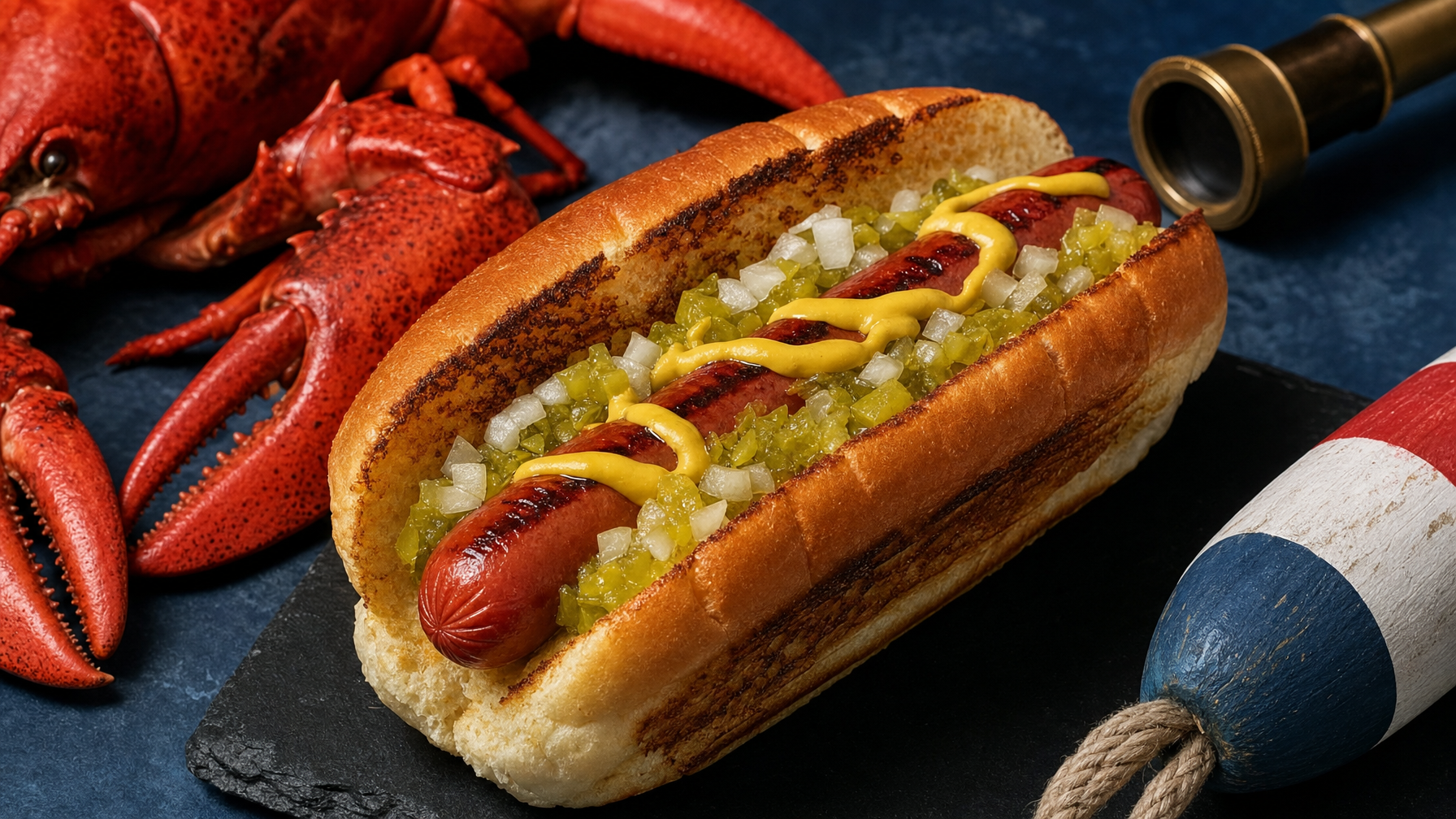
Yes—a New England-style hot dog can survive a toasted bun, provided the toast supports the dog instead of turning the whole thing into a butter-soaked seafood costume. This is for hot-dog obsessives and food-culture readers trying to locate the line between smart bun texture and lobster-roll cosplay. My ruling: toast is innocent. A bun that hijacks the bite is guilty.
The Bun Is Toasted—So Why Is Everyone Acting Like It Stole a Lobster Boat?
The central question is not whether toasted bread is allowed near a hot dog. Of course it is. The question is whether toasting changes a New England dog’s identity or simply makes its texture better.
“New England dog” is not one fixed, universally agreed recipe stamped onto a granite tablet. It can describe a hot dog served in a split-top, New England-style bun, then taken in any number of directions with cooking method, condiments, and toppings. That bun is distinctive, but it does not single-handedly decide what the sandwich is.
A toasted bun can add warmth, a little crispness, and enough backbone to keep a lively topping situation from becoming lunch soup. The dog, its seasoning, and the overall balance still do the identity work. Bread is scenery. The hot dog is the actor who had better know its lines.
Split-Top, Side-Loading, and Other Bun Geometry With Strong Opinions
A split-top bun opens along the top, allowing the dog to sit upright in a narrow cradle. A conventional side-split bun opens from one side, so the dog and toppings lean outward more readily. Neither arrangement is morally superior. But they behave differently once heat, butter, and ambitious toppings show up.
The split-top shape offers broad outer sides that can take on color in a pan or on a griddle. It also tends to hold a dog snugly and keep toppings nearer the center. A side-split bun has a softer, more open landing zone, which can be excellent for a simpler dog but can get unruly when the topping pile develops delusions of grandeur.
Light toasting gives a bun four useful things:
- Warmth, so the bread does not feel like it wandered in from a sad lunch counter.
- Light crispness, which makes a soft dog and creamy condiment more interesting.
- Structure, which helps the bun carry moisture without immediately surrendering.
- Contrast, especially when the interior remains tender enough to cradle the dog.
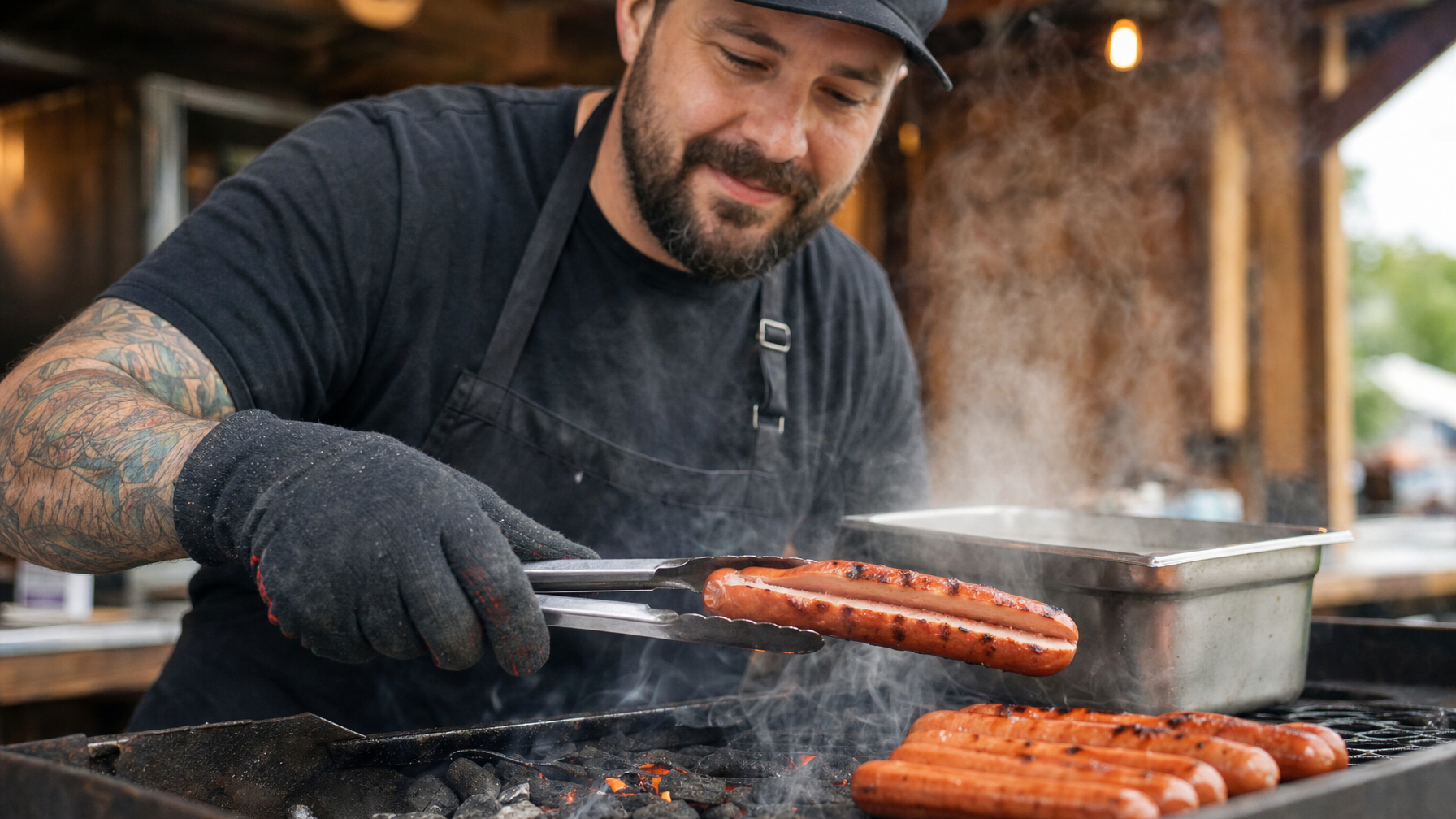
A lightly toasted split-top bun can frame either a grilled dog with char and snap or a steamed dog with a softer, gentler profile. Heavy browning is another beast. Once the bread tastes aggressively dark, dry, or crunchy, delicate toppings can disappear and the sandwich starts reading less like a hot dog and more like a different dish wearing a hot dog as an accessory.
The Lobster-Roll Impostor Test: When Does Butter Start Wearing a Tiny Disguise?
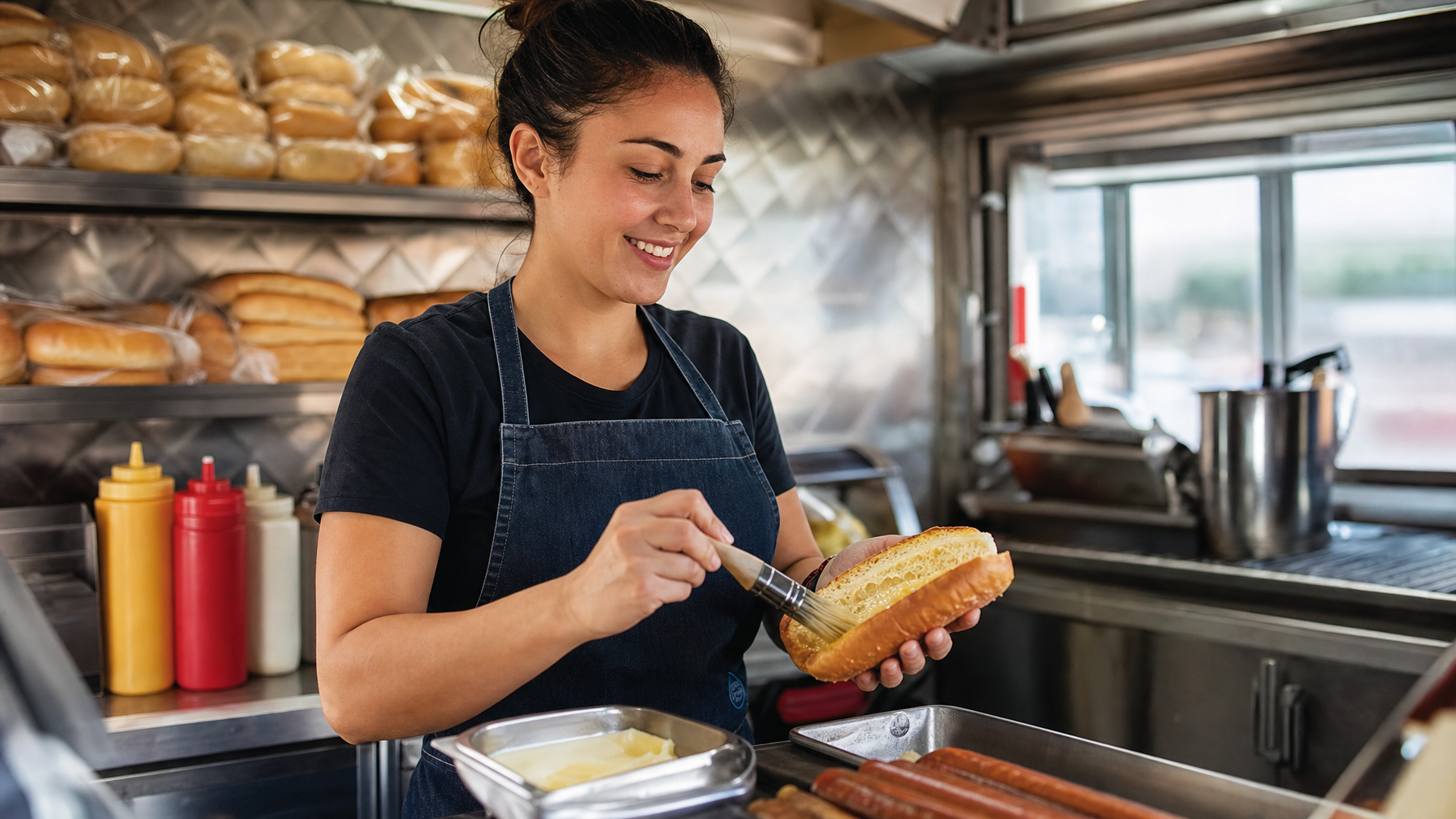
Butter is not the villain. Butter has done nothing wrong except be delicious and occasionally encourage bad decisions. A toasted, buttered bun does not automatically imitate a lobster roll. Resemblance is not identity.
The impostor problem starts when butter, seafood-style toppings, or a rich dressing become the dominant story. If the first impression is rich bread and creamy filling—and the dog is merely somewhere inside, filing paperwork—then the build has drifted away from hot-dog territory.
My opinion, not a culinary constitution: the hot dog should remain visible and flavorfully central. The bun should be a supporting actor, not demand an Oscar for Best Buttered Performance.
Ask one rude but useful question: Would this still clearly taste like a hot dog if I stopped admiring the bread? If the answer is yes, you are probably fine. If the answer is “well, it has a hot dog in it,” the lobster-roll costume department may have gotten too much budget.
Toast Level Is a Personality Test—Choose Your Crunch Carefully
There is no single authentic toast level. There are, however, toast levels with very different personalities.
| Toast level | What it does | Builds it suits |
|---|---|---|
| Warmed and barely crisp | Keeps the bun soft while adding a little warmth and stability. | Steamed dogs, creamy toppings, or a build with several moist elements. |
| Golden and structured | Provides gentle crispness and enough support for a more assertive dog. | Grilled dogs, bright relishes, pickled elements, and modest creamy toppings. |
| Deeply browned and aggressively crunchy | Creates a bold toasted flavor and a firm shell. | Use carefully; it works best when the rest of the build is simple and bold enough to answer back. |
The practical move is to inspect the edges and the interior separately. The outside can get golden while the inside stays soft. That is usually the sweet spot: enough crunch to make a point, not so much that the bun turns into a brittle little raft and launches the dog into your lap.
What Belongs on the Dog Before the Bun Starts Filing for Seafood Citizenship?
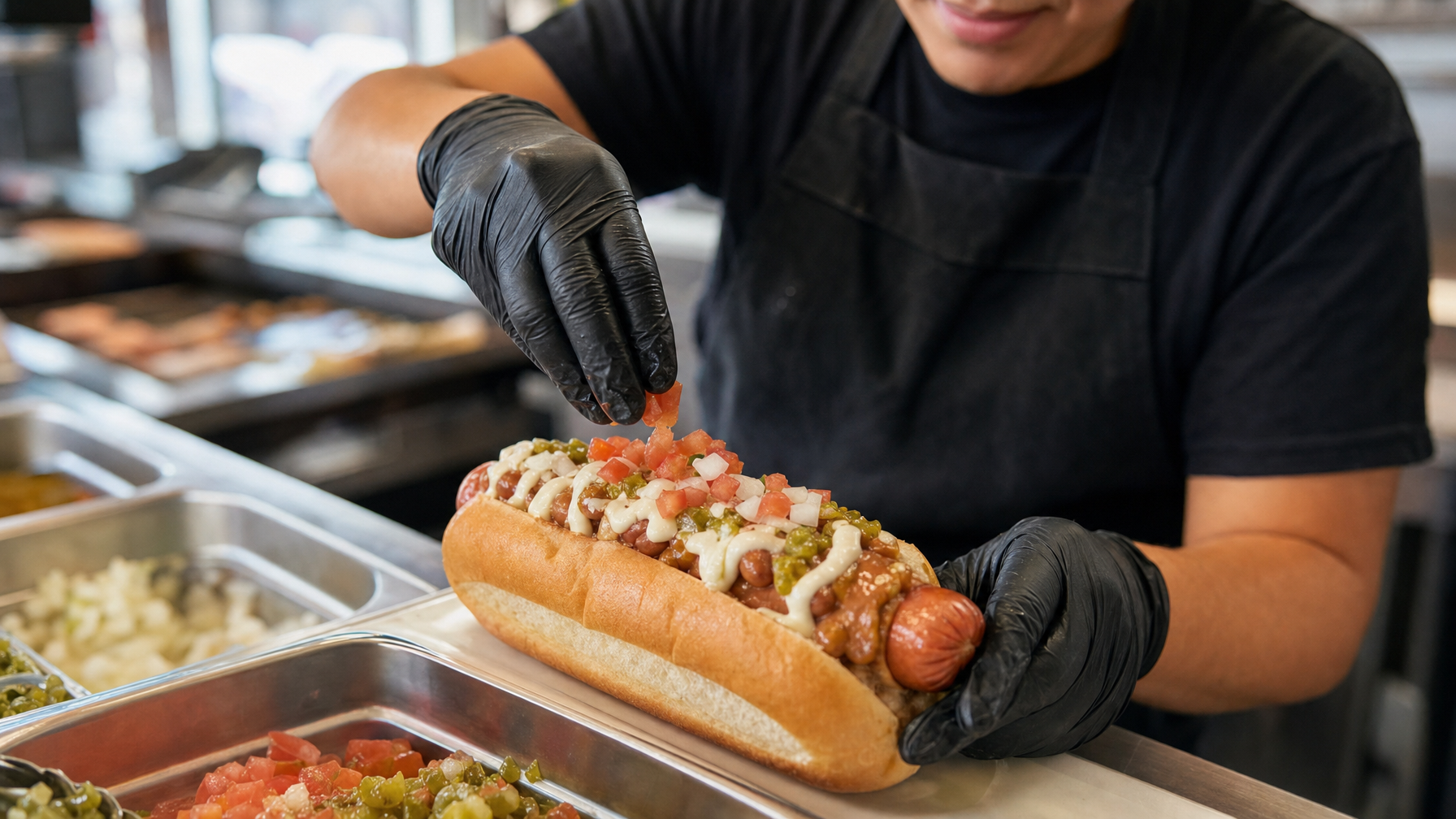
There is no need to invent a rigid New England topping canon just to make lunch feel like homework. Build with balance instead. A hot dog can carry bright condiments, sharp or pickled elements, creamy toppings, and savory garnishes. It does not need all of them at once, because restraint is what keeps a toasted bun useful rather than overwhelmed.
Wet and rich toppings are especially worth managing. Too much of either can soften the bun quickly and make butter the loudest flavor in the room. A toasted bun is there to buy you texture and time, not to host a condiment flood.
Use the one-plus-one-plus-one move
For a composed dog, choose:
- One main condiment or relish for the central flavor.
- One contrasting texture, such as something crisp, sharp, or pickled.
- One finishing accent, used sparingly for a final savory, spicy, or bright note.
For example, a grilled dog in a golden split-top bun could take a restrained relish as its main flavor, a crisp pickled element for snap, and a small finishing accent. The point is not the exact ingredients. The point is that every component has a job, and none of them gets to build a condo on top of the sausage.
A New England Dog Can Have Crunch Without Losing Its Hot-Dog License
Before taking the first bite, run a quick audit. Not a spreadsheet. We are still eating a hot dog.
- Is the dog still the first flavor and the first visual impression?
- Does the bun add texture instead of disguising the dog?
- Do the toppings bring contrast rather than a single wall of richness?
- Can the sandwich be eaten without structural chaos, emergency napkins notwithstanding?
The best version is not necessarily the darkest toast or the biggest butter application. It is the one where the bun texture, dog snap, and toppings cooperate. A grilled dog may welcome more bread crunch; a steamed dog may want a gentler bun. Let the actual dog make some decisions. Radical concept.
My lens comes from ten years, 50 states, and zero ketchup. That last part is a Jason opinion, proudly and loudly held—not a universal law of nature. You can disagree and still deserve lunch. Probably.
Verdict: Toast the Bun, Not the Identity
A New England-style hot dog can absolutely use a toasted bun without becoming a lobster-roll impostor. Toast is a supporting technique: it brings warmth, structure, and contrast. The impostor problem begins when seafood-style excess, heavy richness, or toppings that bury the dog seize control of the bite.
Keep the dog central. Keep the toast purposeful. Keep the butter from auditioning for the lead role. Follow @jasonsgrub on Instagram for more hot-dog opinions, places, products, and recipes.
Five Questions From Readers Who Refuse to Let a Bun Escape Scrutiny
Does a New England-style bun have to be toasted?
No. Toasting is a preparation choice, not a mandatory identity badge. It can add structure and texture, but a soft bun can also make perfect sense depending on the dog and toppings.
Is butter what makes a hot dog bun taste like a lobster-roll bun?
Butter can create that association, especially alongside a browned split-top bun. But the larger effect comes from the whole combination: toast level, richness, toppings, and whether the hot dog remains the main flavor.
Should the hot dog be grilled or steamed for this build?
Either works. Choose grilled for char and a firmer exterior, or steamed for a softer profile. In both cases, keep the dog prominent instead of treating the bun as the main event.
Can I use seafood-style toppings on a hot dog?
You can. The useful test is whether those toppings complement the dog or make the sandwich feel like it is borrowing another dish’s identity. If the hot dog becomes an afterthought, pull back.
Is ketchup forbidden?
Jason’s zero-ketchup stance is a defining brand opinion, not a claim that every eater must comply. Treat it as a strong recommendation from a man with opinions, not a culinary police report.
Enjoyed this? There's more from Jason's Grub.
Follow on Instagram →