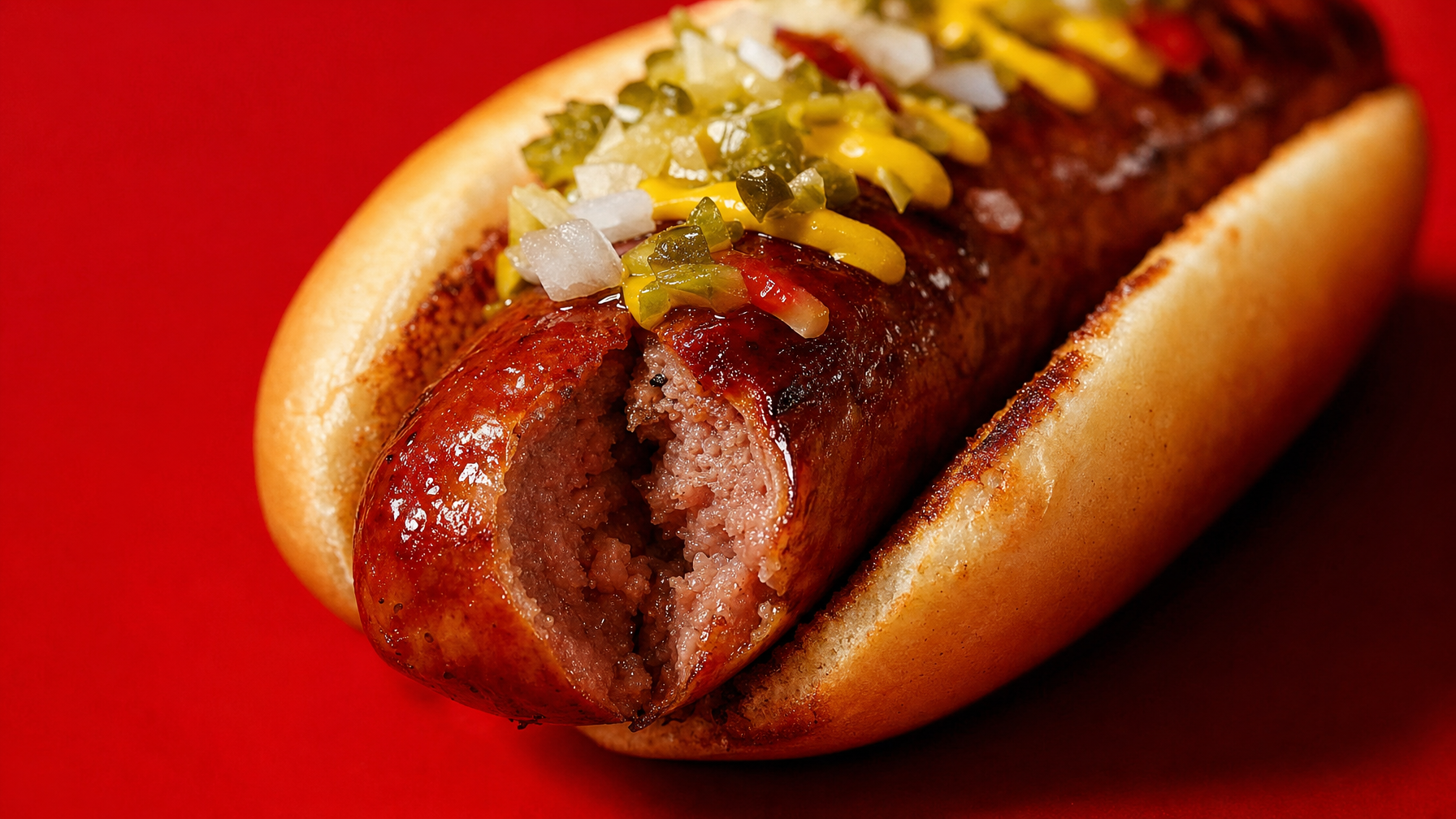
I Put Two Sonoran Dogs on the Grill and Lost a Bun to the Bean Avalanche
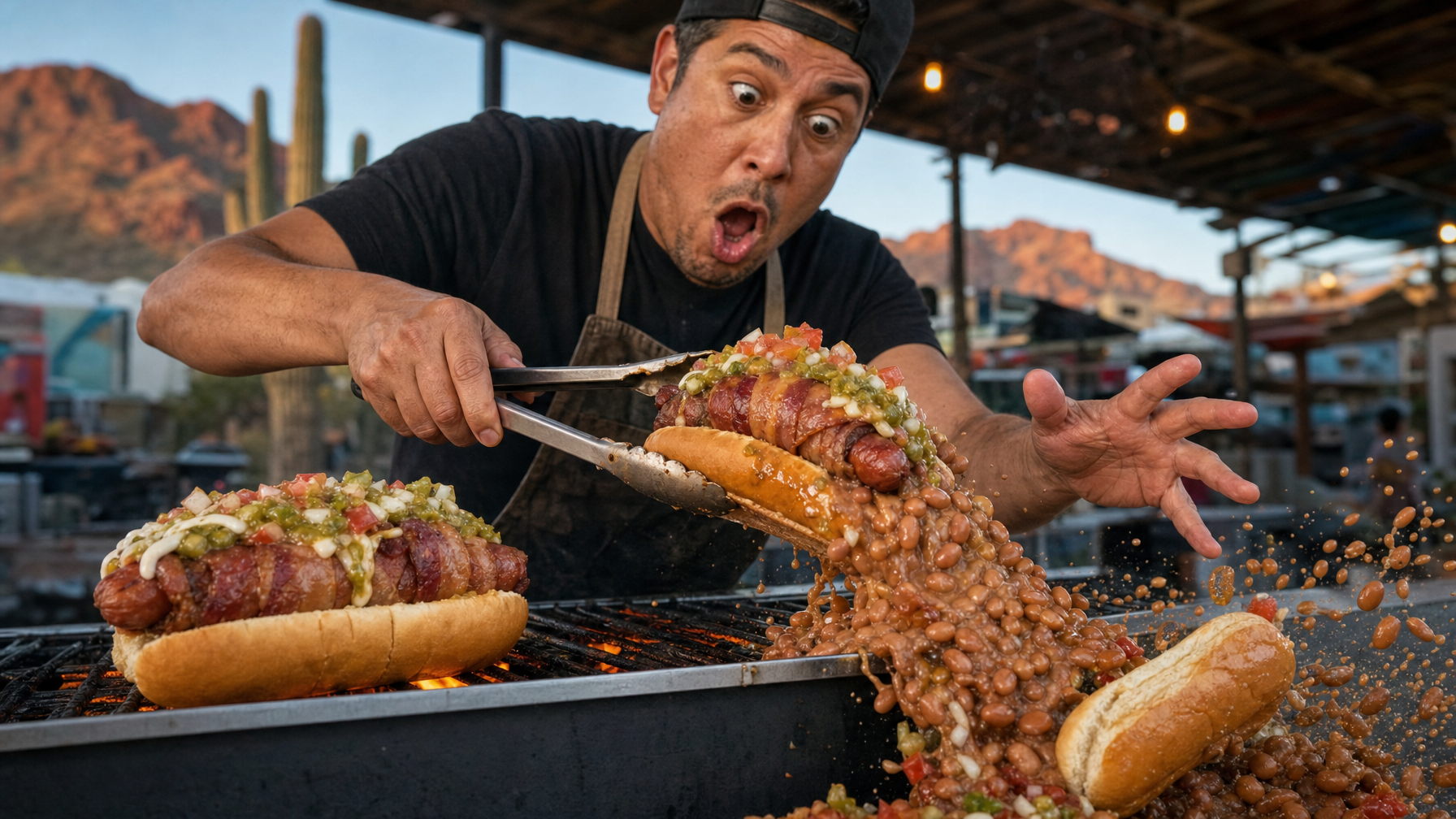
A Sonoran-style dog can survive the grill, but its bun may not survive the beans. For hot-dog obsessives who want a clear, messy, no-ketchup plan, the move is simple: grill the bacon-wrapped dogs, warm the buns separately, and load the beans only after the bun has some backbone. This is a two-dog kitchen experiment about heat, texture, and topping weight. In other words, dinner with structural engineering credentials.
Two Dogs Enter the Grill. One Bun Faces the Bean Avalanche.
The grill is excellent at making a bacon-wrapped hot dog smoky, browned, and a little dangerous around the edges. It is much less useful as a construction site for a fully loaded bun. Keep those jobs separate.
Prepare the toppings before the dogs hit the heat. Grill the bacon-wrapped hot dogs over controlled heat. Warm or lightly toast the buns away from the bean pot. Then assemble in stages, with enough restraint to keep your dinner from becoming a lap-based incident.
Jason's standing position comes from ten years of hot-dog research across all 50 states: ketchup is not invited to this party. That is a preference, not a commandment handed down from a mustard-yellow mountain. This particular build leans on bacon, beans, tomato, onion, mustard, mayonnaise, and jalapeño for its flavor and chaos.
Also, a useful line in the sand: this is a recipe-style experiment, not a declaration that every Sonoran dog in Arizona or anywhere else must look exactly like this. Cooks and places make their own calls. Good. Hot dogs should have local accents.
What Makes a Sonoran Dog a Sonoran Dog, Besides Looking Like It Packed for a Road Trip?
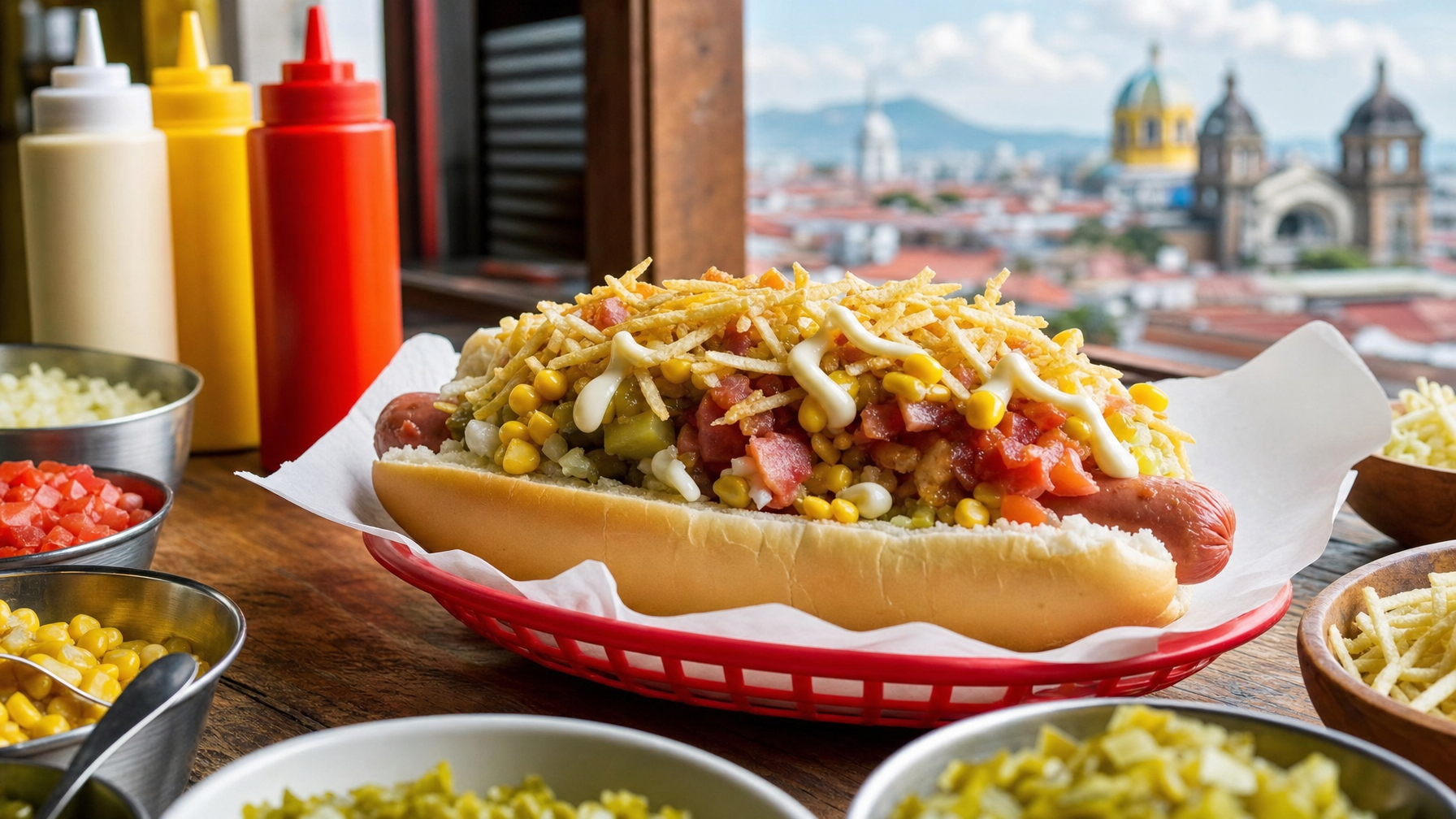
A Sonoran dog is commonly understood as a bacon-wrapped hot dog served in a bun with a substantial collection of toppings and condiments. It is a loaded dog by design. The exact lineup can vary from cook to cook and place to place, which is part of the fun and part of the reason sweeping declarations get silly fast.
For this two-dog build, the plan is specific:
- Bacon wrapped around each hot dog
- Warm beans, drained enough to stay put
- Diced tomato
- Finely chopped onion
- Mustard
- Mayonnaise
- Jalapeño, sliced or chopped
- Optional chosen additions, used sparingly rather than piled on like a dare
The no-ketchup decision leaves room for other flavors to speak at normal human volume. Tomato brings freshness and a little acidity. Mustard brings sharpness. Jalapeño brings heat. If sweetness is wanted, use a small amount of a chosen sweet or tangy addition only if it serves the dog, rather than automatically reaching for the red squeeze bottle. The point is balance, not purity theater.
The Grill Is for the Dog. The Bun Needs a Safer Neighborhood.
Start by doing all the tedious, glorious little tasks first: dice the tomato, chop the onion, prepare the jalapeño, set out mustard and mayonnaise, and warm the beans in a small pan. Drain excess bean liquid before it gets anywhere near a bun. Beans are delicious. Bean runoff is a hostile workplace condition.
Cook the bacon-wrapped dogs with a plan
- Wrap bacon around each hot dog, overlapping slightly so it stays in place as it cooks.
- Preheat the grill for controlled cooking, with a cooler area available for indirect heat.
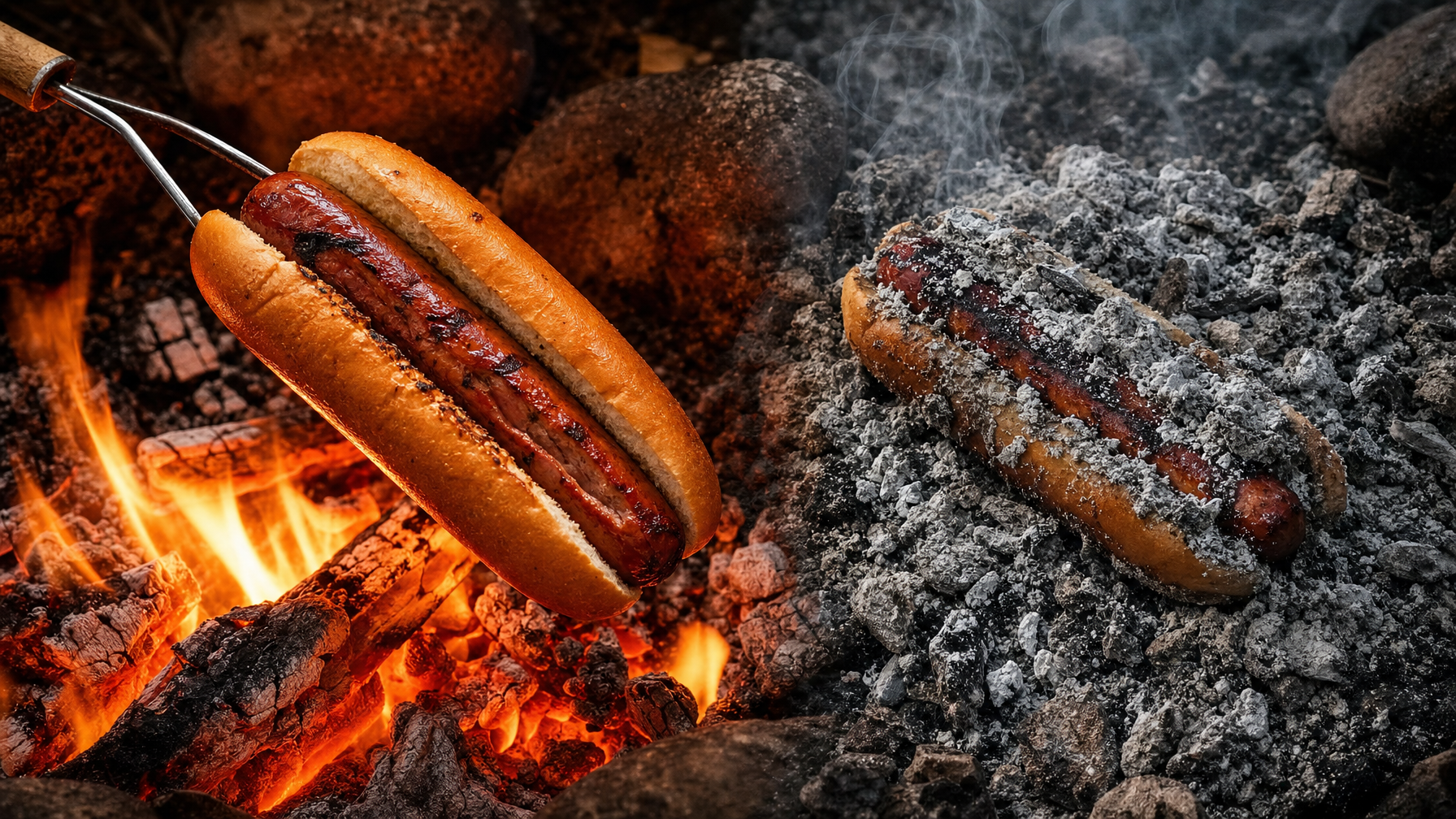
- Cook the dogs over moderate heat, turning them as the bacon renders and browns.
- If bacon fat causes a flare-up, move the dogs away from direct flame. Do not let fire turn your carefully wrapped dog into a tiny soot baton.
- Continue until the bacon is rendered and cooked to your liking and the hot dog is heated through.
Meanwhile, warm the buns gently. A brief toast can help them resist moisture, but do not take the idea too far. A bun that shatters under pressure has not solved the problem. It has merely become an expensive crouton.
Give the beans their own address
Keep the beans in a pan or other stable container, not loose on the grill grates and not balanced at the edge of a cutting board like they owe you rent. A separate warm spot gives you control over temperature and portion size, which is the whole ballgame here.
The Bean Avalanche Has Rules, Apparently
Bean control is not glamorous, but neither is wiping a bean off your elbow halfway through dinner. Use a restrained layer of beans, drain excess liquid, and support the bun before loading. If the bun is especially soft, set it in a tray or on a plate before you begin. This is not surrender. It is engineering.
Build each dog in stages, like you respect gravity
- Place the grilled bacon-wrapped dog in the warmed bun.
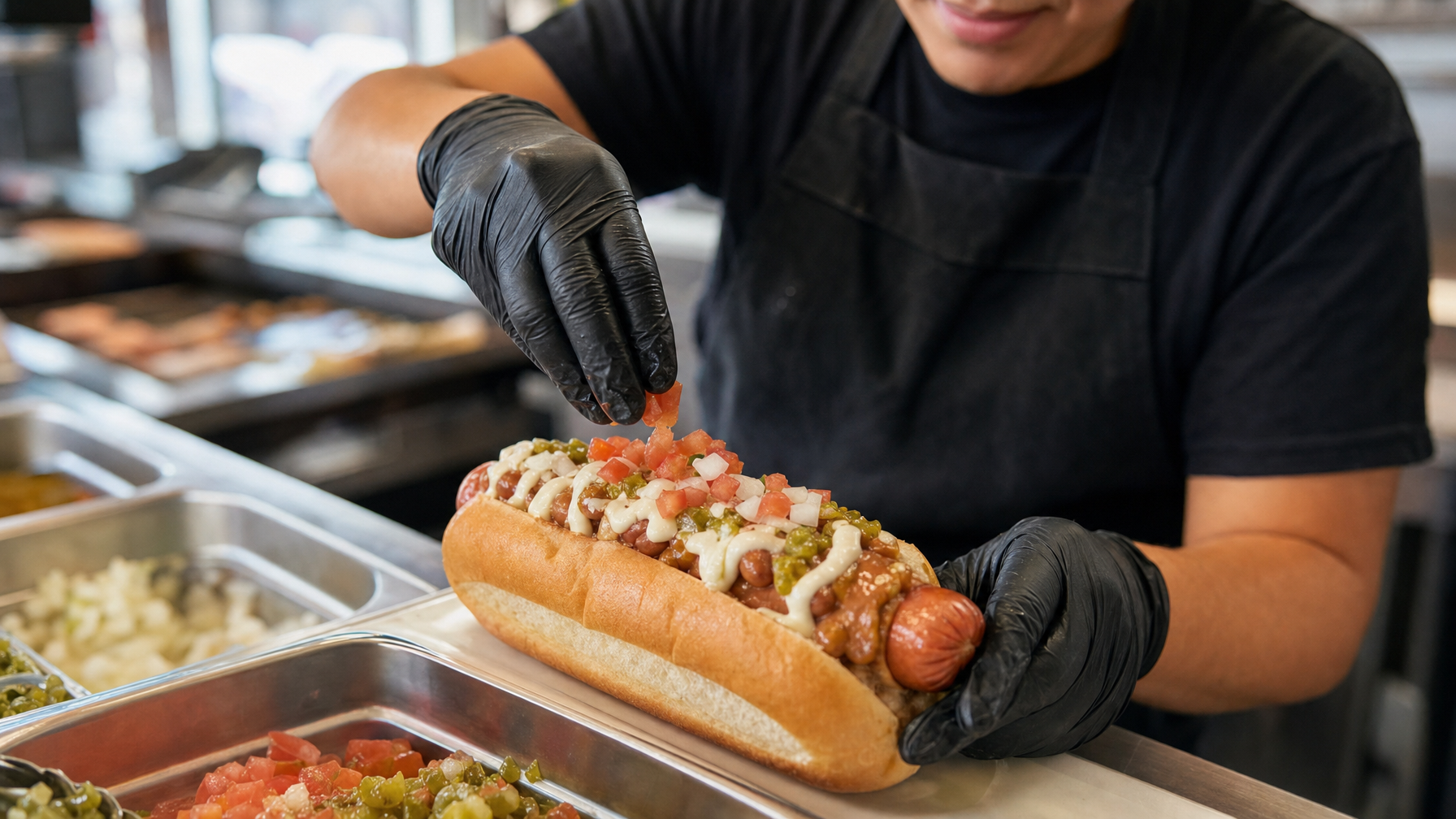
- Add a modest layer of beans along the dog, not a ladleful that obscures the entire project.
- Add mustard and mayonnaise in controlled lines.
- Add diced tomato and onion.
- Finish with jalapeño and any other light garnish.
Heavier ingredients belong low in the bun, where they have a chance of staying put. Lighter, fresher ingredients go higher. That order makes each bite more manageable and keeps the bun from absorbing every wet ingredient before the first bite.
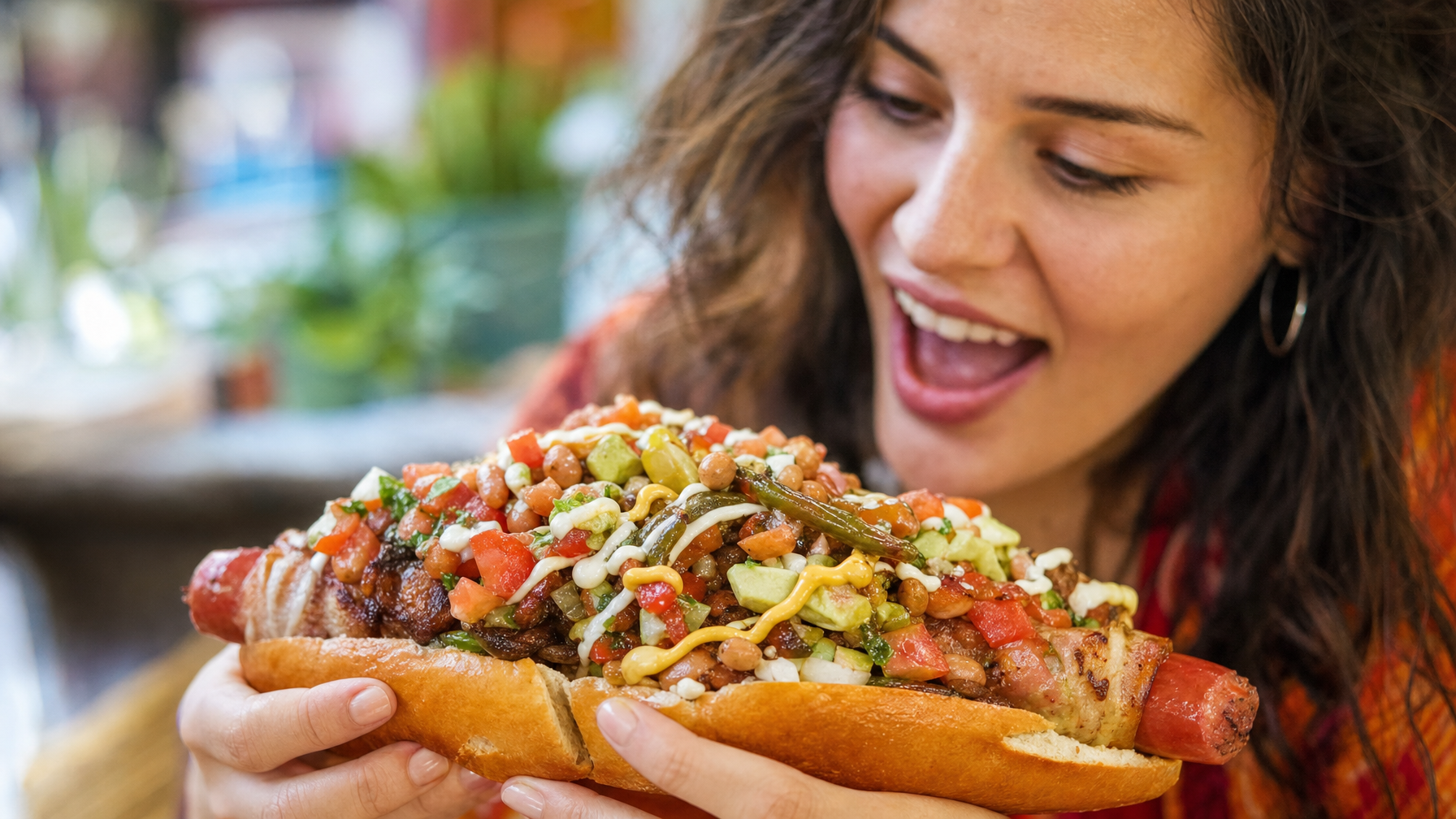
Here is the visual checkpoint: the finished dog should still look like a hot dog. If it resembles a toppings landslide with a faint rumor of sausage beneath it, remove a little before serving. Restraint is not cowardice. Restraint is how you get a second bite.
Two Identical Dogs, Two Chances to Get the Assembly Wrong
Cooking two dogs at once is useful because it exposes whether the process is repeatable or whether the first success was dumb luck wearing an apron. Wrap and grill both dogs as similarly as practical. Warm two buns the same way. Divide the toppings with something close to equal restraint.
| What to inspect | What a successful dog looks like | What to adjust on dog number two |
|---|---|---|
| Bun integrity | The bun bends but does not split or go soggy immediately. | Use less bean liquid, fewer wet toppings, or a gentler warm-up. |
| Bacon texture | The bacon is rendered and browned without being scorched. | Use more indirect heat or turn more often. |
| Bean control | Beans stay in the bun instead of flowing toward the plate's zip code. | Drain more thoroughly and use a smaller portion. |
| Topping balance | Each bite gets savory, creamy, sharp, fresh, and spicy elements. | Reduce whichever topping is shouting over the rest. |
| Ease of eating | You can pick it up without needing a spotter. | Build lower, serve in a tray, and stop adding things. |
Do not invent a winner before you eat. One dog may hold together better because its bun was sturdier. One may have crisper bacon because it spent a little longer near the hot zone. One may collapse with enough theater to deserve applause. Note what actually happened, then adjust the second assembly accordingly.
The verdict, pending the evidence on your plate
If the second dog improves after using fewer, better-drained beans and layering toppings with more discipline, assembly deserves the credit. If it still collapses dramatically, the bun may simply be underqualified for the job. Either way, the lesson is clear: more toppings are not automatically more dog.
The No-Ketchup Verdict: Let the Bacon and Mustard Do Some Work
This build is aiming for smoky bacon, savory beans, bright tomato and onion, sharp mustard, creamy mayonnaise, and a jalapeño kick. That is already a busy room. Ketchup is left out because this version does not need its extra sweetness, not because every hot-dog eater must be drafted into Jason's no-ketchup army.
If the dog is too rich, reduce the mayonnaise first or use a lighter hand with the beans. If it is too salty, reconsider the bacon portion or add more fresh tomato and onion. If it is too wet, drain the beans more thoroughly and cut back on any juicy topping. These changes preserve the central character: bacon-wrapped dog, warm beans, bright toppings, mustard, and mayo.
For the cleanest attempt, grill the dogs patiently, keep the buns warm and dry enough to function, and add beans like a person who plans to eat standing up. Serve the finished dogs on plates or in trays. Gravity is undefeated, but it can be managed.
FAQ: Questions Asked by People Standing Too Close to the Bean Pot
Can I cook the bacon-wrapped dogs entirely on a grill?
Yes. Use controlled heat and watch for flare-ups from rendered bacon fat. If flames jump up, move the dogs to indirect heat until the flare-up settles, then continue cooking until the bacon is rendered and the hot dog is heated through.
Should the beans go on before or after grilling?
After. Warm the beans separately and add them once the dog and bun are ready. You get better control over temperature, moisture, and portion size, which means fewer bean-related engineering failures.
How do I stop the bun from falling apart?
Drain excess bean liquid, warm or lightly toast the bun with care, and add toppings in smaller layers instead of one dramatic dump. Serving in a tray or on a plate also catches runoff before it reaches your shirt.
Is ketchup traditional on a Sonoran dog?
Sonoran dog builds vary by cook and place. This version deliberately skips ketchup because that is Jason's preference and because the bacon, beans, mustard, mayonnaise, tomato, onion, and jalapeño already provide plenty of flavor. It is not presented as a universal rule.
What should I serve with two fully loaded Sonoran dogs?
Keep it simple and practical. A crisp, acidic side can cut through the richness without competing with the main event. More importantly, choose something that can wait patiently while you deal with the dog that has become a toppings crime scene.
Enjoyed this? There's more from Jason's Grub.
Follow on Instagram →