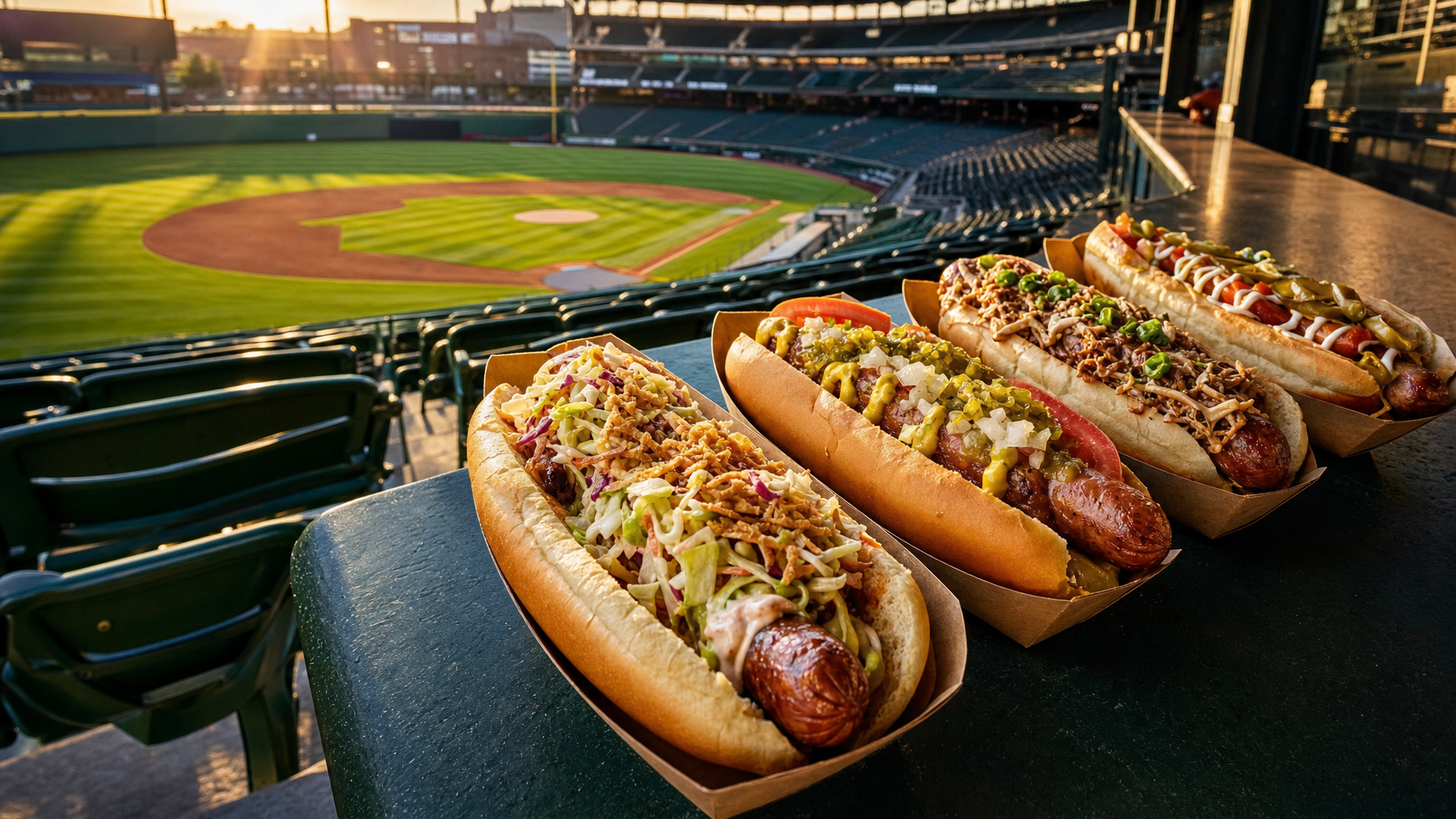
Colombian-Style Hot Dogs Are a Topping Avalanche—So Build the Mountain Carefully
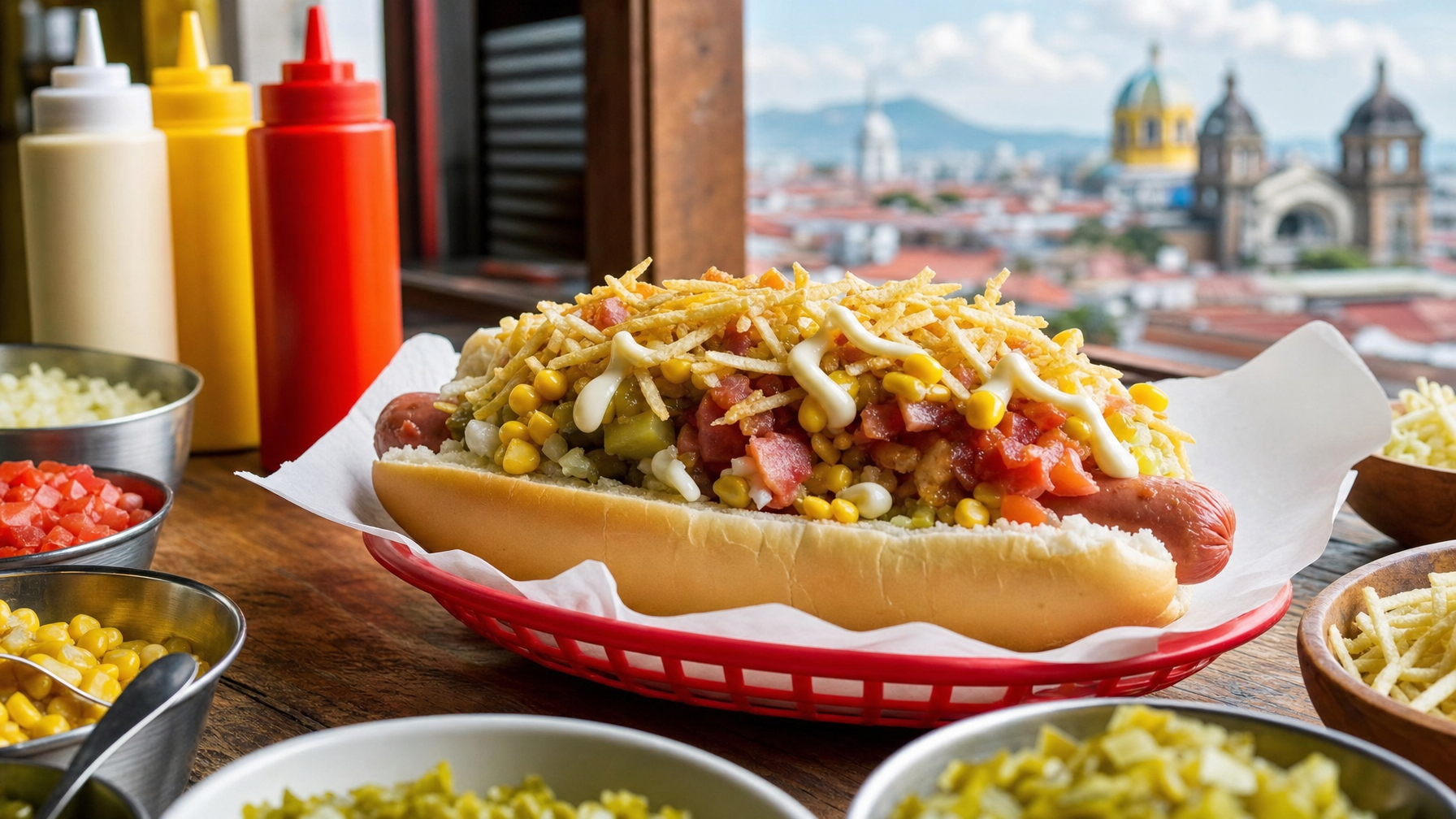
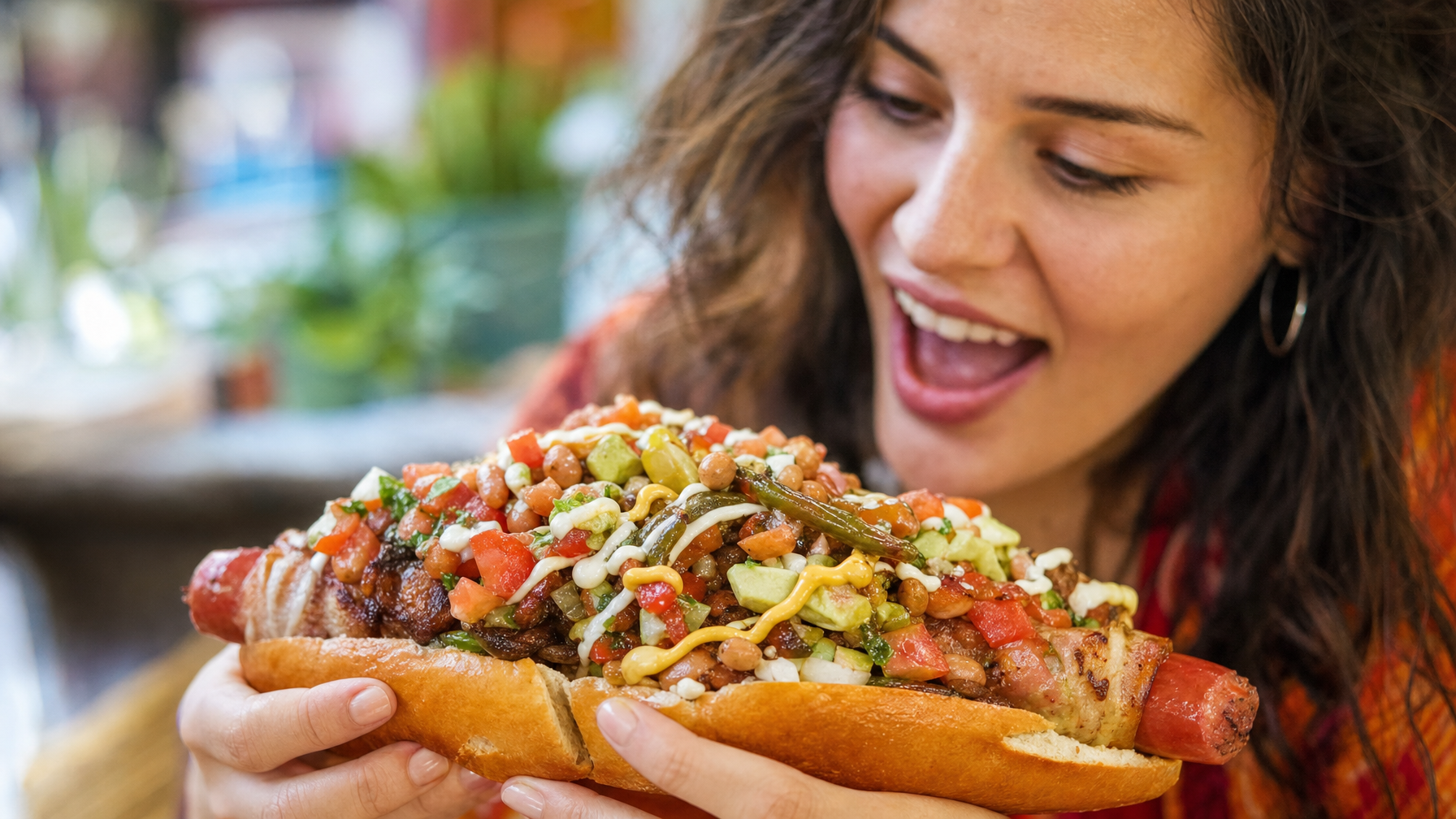
For hot-dog fans who want the Colombian-style experience without creating a toppled condiment landslide, build in controlled layers: a sturdy warm bun and properly heated dog first, then restrained sauces, creamy and cheesy elements, sweet contrast, and crunch at the end. This is a hot dog built for abundance and a little glorious mess, not for random pile-making. Every topping needs a job.
First, Accept That This Is Not a Neat Little Hot Dog
A Colombian-style hot dog is a contrast machine. It aims for savory, sweet, creamy, salty, and crisp in the same bite, which means a little mess is not a failure. It is practically part of the dress code.
This is for hot-dog obsessives and food-culture readers who want to understand the logic of the build, not merely photocopy a generic list of toppings. A loaded dog can be theatrical without becoming a food crime scene. The frankfurter still has to show up. The bun still has to function. The final bite should taste composed, even if it looks like it needs a seat belt.
There is no single topping formula that should be treated as universal. Ingredients and proportions can vary by city, vendor, and household. Any claim that a particular topping is traditional to a specific Colombian place should be checked against reliable culinary reporting or a verified local source before publication. What follows is a practical approach to the style's widely recognized spirit of contrast, plus Jason's clearly labeled opinions.
The Colombian Dog's Personality Is Sweet, Salty, Creamy, and Loud
Do not think of this as an ordinary frankfurter wearing extra garnish. Think of it as a layered snack with a hot dog at its center. Sauces provide seasoning and tang. Creamy condiments soften sharp edges. Cheese brings salt and richness. Sweet fruit-based components can add bright contrast. A final crunchy layer keeps the whole operation from becoming one long soft note.
The exact ingredients are not fixed. One seller may lean sweeter, another creamier, another heavier on cheese or crunch. That variation is part of the point, not a reason to crown one dog the only authentic specimen in the parade.
Jason's opinion: zero ketchup does not mean zero sweetness. A sweet note can be terrific when it has a reason for being there. The problem is not sweetness. The problem is a hot dog that tastes like every bottle in the refrigerator was granted voting rights.
Choose a Bun That Can Survive the Condiment Avalanche
The bun is not a napkin with ambitions. It is the load-bearing equipment. Choose one that is fresh, properly sized for the dog, and sturdy enough to flex around several toppings without splitting at the first whiff of sauce.
Warm it briefly so it stays soft and pleasant to bite, but do not steam it into a damp surrender flag. A warm bun is more accommodating. A sodden bun is an edible administrative error.
Use this visual test before assembling: if the bun looks nervous before the toppings arrive, it is not ready for the mountain. Swap it, toast it lightly if that suits your setup, or scale back the wet ingredients.
Build the Mountain in Layers, Not in a Panic
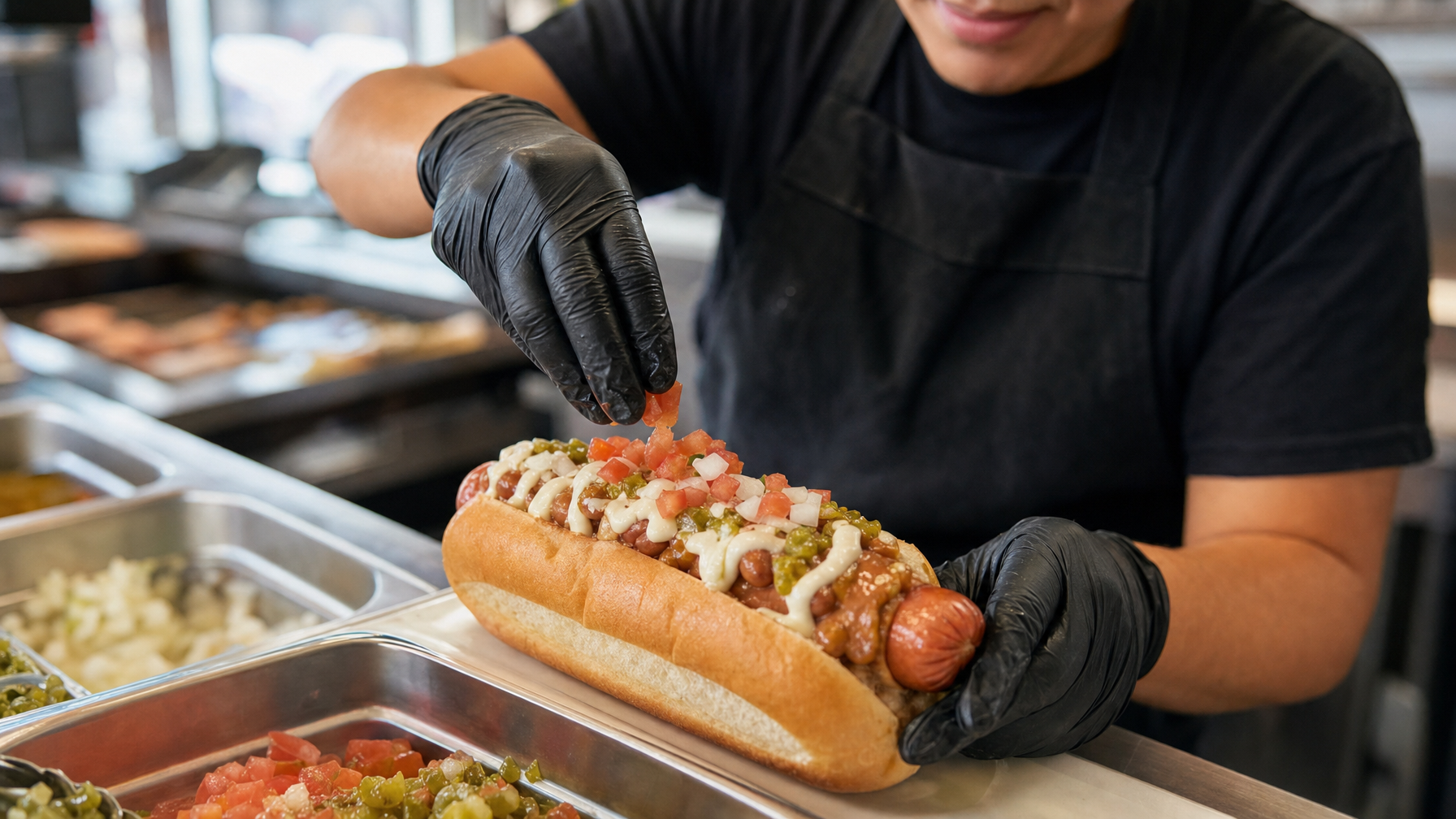
A repeatable Colombian-style-inspired build is less about strict rules than smart placement. Keep the wet stuff near the dog, keep delicate crunch away from early moisture, and resist building one heroic tower down the center.
- Start with the bun and hot dog. Heat the dog fully and set it securely in the warm bun.
- Add foundational sauces sparingly. Put wetter sauces where they can season the dog without immediately flooding the bread.
- Add creamy or cheesy components. These richer elements can help connect the dog and toppings, but they should not bury them.
- Add the sweet component. Use enough to create contrast, not enough to turn the entire bite into dessert wearing a bun.
- Finish with crunch. Add crisp toppings immediately before serving.
After each layer, ask a very useful question: is this bite getting sweeter, richer, sharper, or crunchier? If the answer is "all of the above, plus confusing," stop and taste. The target is a stack with repeatable bites, not a condiment avalanche requiring a fork and a legal waiver.
Sweet Toppings Need a Counterweight, Not an Apology
Sweetness is one of the style's exciting moves because it can make smoky, salty, and savory flavors feel more vivid. It should not need an apology. It does need a counterweight.
Pair a sweet element with something that pushes back: salt from cheese, acidity from a tangy sauce, heat from a spicy element, or texture from a crisp finish. This keeps the sweetness legible instead of letting it flatten every other flavor into background noise.
Jason's opinion: ketchup is not required to make a hot dog feel balanced. When a build already includes other sweet components, adding ketchup can be less like completing a sentence and more like shouting the last word twice.
Creamy Sauces Are the Mortar Holding the Whole Thing Together
Creamy sauces can bridge the gap between bun, dog, cheese, and toppings. Used well, they make the bite feel unified rather than compartmentalized. Used recklessly, they turn dinner into a slip-and-slide with sodium.
Spread or drizzle in small amounts. A good sauce adds flavor, moisture, and cohesion. A sauce that only adds volume is not helping. It is just taking up valuable real estate where crunch and sausage could have lived.
Test the finished build over a plate before serving. Some mess belongs here. A full structural collapse means the recipe needs adjustment, usually less wet sauce, better topping distribution, or a sturdier bun.
Crunch Goes on Last Because Texture Has a Short Attention Span
Crunch is the final spark. Put crisp toppings on immediately before serving so they stay crisp against the soft bun, snappy dog, creamy sauces, and sweet contrast. Once crunch sits in moisture too long, it stops being texture and becomes decorative gravel.
Specific crunchy ingredients vary among Colombian-style preparations and personal builds, so no single crisp topping should be declared universal without verification for the Colombian context being discussed. The principle is sturdier than any one ingredient: give the final bite a clean, audible finish.
Eat promptly. This is not a dog that improves through committee meetings on the counter.
The No-Ketchup Rule Gets More Interesting Here
Jason's stated hot-dog research claim is ten years, 50 states, zero ketchup. That is his position and palate, not independent proof that ketchup is forbidden or that one version of a Colombian-style dog is more authentic than another.
Still, skipping ketchup can be especially revealing in a build that already plays with sweetness. It makes room to taste the other elements on their own terms: the savory dog, creamy sauce, salty cheese, sweet component, and crisp topping. That is a more interesting conversation than automatically reaching for the red bottle.
For Jason's continuing hot-dog opinions and discoveries, follow @jasonsgrub on Instagram.
Three Tests Before the First Bite
Can it reach your mouth intact?
The structural test is simple: can the bun hold the dog and toppings long enough for a normal human eating motion? If not, reduce wet ingredients, spread toppings across the length of the dog, and rethink the bun.
Does every bite contain more than one idea?
The balance test asks whether you can taste dog, bun, sauce, sweetness, and crunch without one topping conducting a hostile takeover. If a single element dominates, adjust before adding anything else.
Is there still contrast?
The texture test is where loaded dogs live or die. You want soft bun, snappy dog, creamy elements, and a crisp finish. If everything has become soft and slippery, the crunch arrived too early or the wet layers got too generous.
Are you labeling certainty honestly?
The editorial test matters too. Call Jason's preferences opinions. Verify claims about traditional ingredients, local variations, named vendors, and specific places before presenting them as fact. Hot dogs are fun. Pretending a guess is a citation is not.
FAQ: Questions From People Wearing Napkins as a Safety Device
What makes a Colombian-style hot dog different from a standard loaded hot dog?
It is associated with a layered mix of contrasting flavors and textures, often bringing savory, creamy, sweet, and crunchy elements into one bite. Exact builds vary, so it is more accurate to describe a family of approaches than one universal formula.
Should ketchup go on a Colombian-style hot dog?
That is a personal choice. Jason's stated position is zero ketchup, and this style has plenty of room for sweet contrast from other components. Skipping ketchup can make it easier to taste the rest of the build clearly.
What goes on first?
Start with the bun and hot dog. Add foundational wetter sauces in moderation, then creamy or cheesy components, then sweet elements, and crunchy toppings near the end. Change the order if you are following a verified preparation with a specific method.
How do you stop the hot dog from falling apart?
Use a sturdy, properly sized bun, avoid excessive wet sauce, distribute toppings along the dog instead of building one tall pile, and serve immediately after the crunchy layer goes on.
Is there one authentic Colombian-style hot-dog recipe?
No single version should be presented as universal without careful sourcing. Preparations can vary by location, vendor, and personal preference. Distinguish documented local practice from a recommended home build, and let both be interesting without pretending they are identical.
Enjoyed this? There's more from Jason's Grub.
Follow on Instagram →