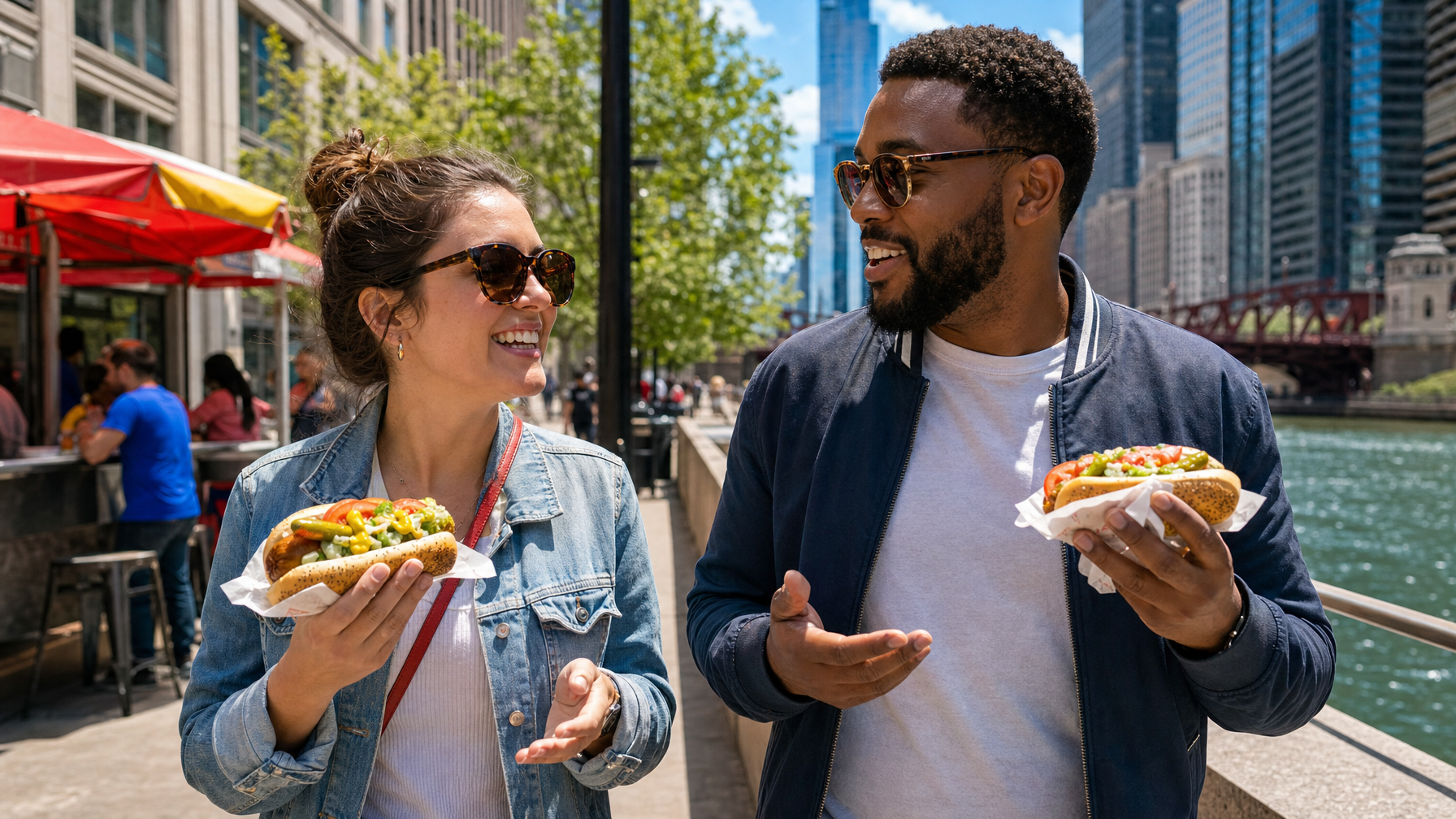
Hot Dog Influencers Are Collaborating—But Does the Dog Survive the Collab?
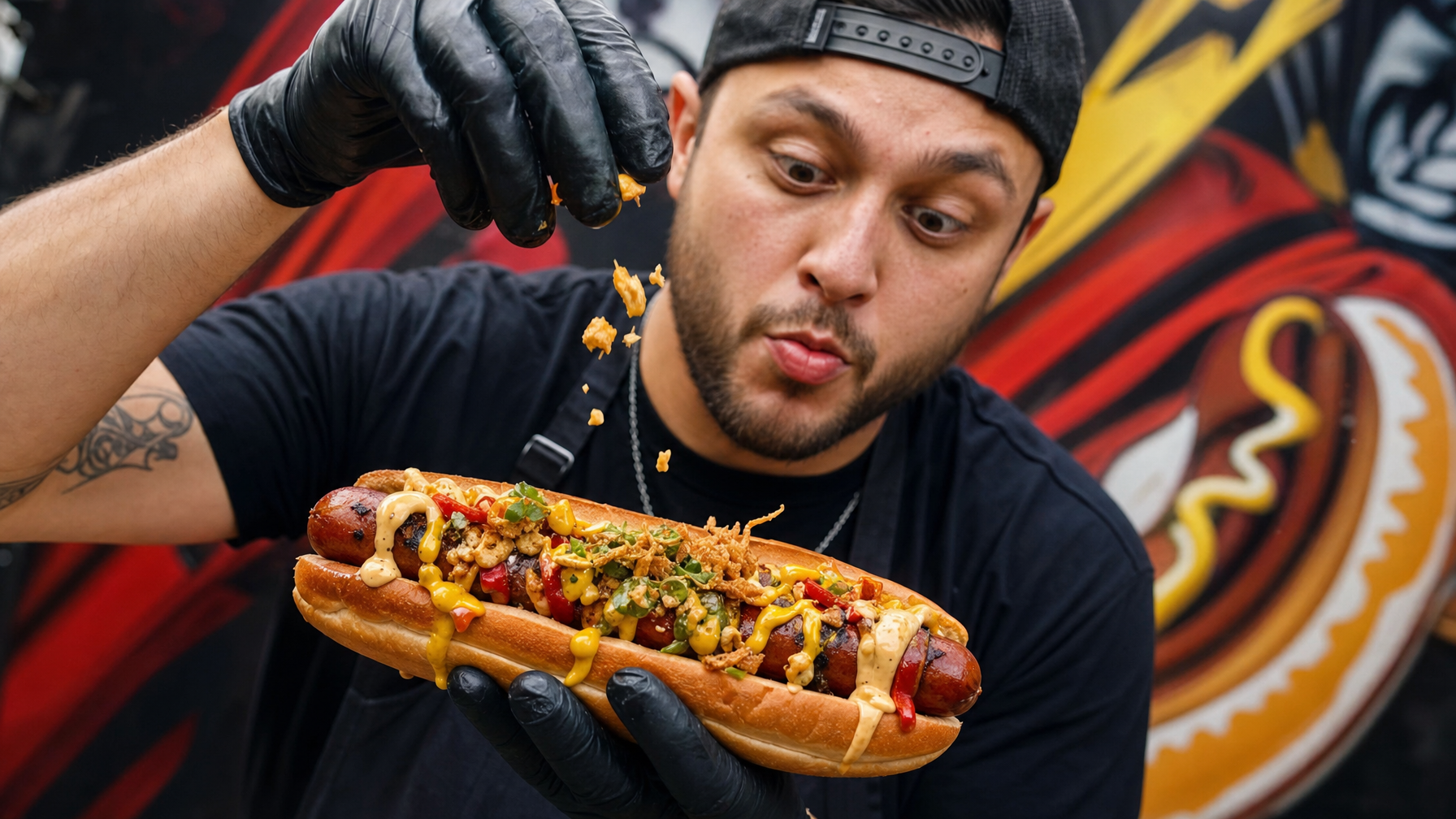
Collaboration can make a hot dog more interesting, but it can also turn a perfectly good dog into a committee meeting with mustard. This is for hot dog fans who want to judge influencer collaborations by the food itself: does the collaboration improve the frank, bun, toppings and overall bite, or is the dog merely wearing two famous names?
When Two Hot Dog Opinions Enter the Bun
A hot dog influencer collaboration is a jointly created, promoted or reviewed hot dog project involving two or more food personalities or hot-dog-focused creators. Sometimes that means a limited menu build. Sometimes it means two people documenting a shared stop or putting competing topping instincts on one bun. The format is not the point. The bite is.
The central test is beautifully unforgiving: does the collaboration serve the hot dog, or does the hot dog serve the announcement? A loud post can summon curiosity. It cannot make a soggy bun less soggy.
My editorial yardstick is flavor, texture, clarity of concept and whether the result sounds worth seeking out. Jason's stated perspective adds a useful bit of resistance to the hype machine: ten years, 50 states, zero ketchup. That is a personal rule, not a federal bun ordinance. But it does come with a firm belief that every ingredient needs to earn its seat on the dog.
Can You Still Taste the Dog Under All That Content?
Start with the frank. If a dog arrives under cheese, sauce, pickles, fried crunch, hot peppers and a small avalanche of mystery dust, take one bite and ask a rude but necessary question: can you identify the sausage?
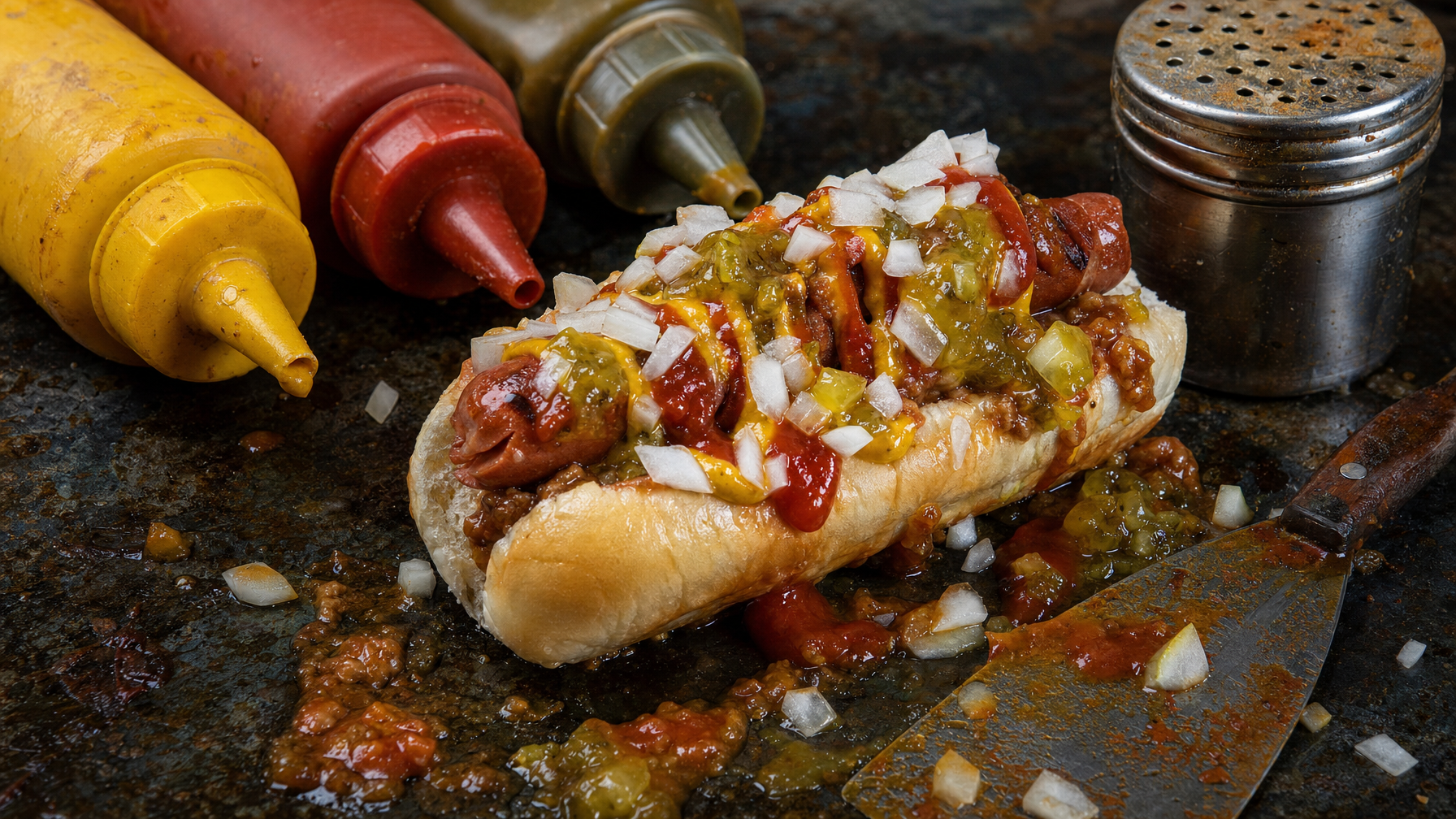
A loaded dog is not automatically a bad dog. Plenty of great hot dog traditions are generously dressed. The trouble begins when additions create volume without contrast, or when every topping is shouting through the same megaphone: salty, creamy, spicy, crunchy, louder, louder, louder.
Balance Is Not a Buzzword. It Is a Structural Requirement.
In practical terms, balance means:
- The bun can hold the build without collapsing into a damp napkin.
- The frank remains a distinct part of the flavor, not an accidental pipe beneath the toppings.
- Each addition has a job, such as acid, heat, crunch, richness or sweetness.
- No single sauce turns every bite into the same beige puddle.
- The final bite still feels like a hot dog, not a salad wearing a bun as a tiny hat.
Ask whether the toppings create contrast or merely create a photograph. A crisp pickle can cut a rich topping. Onion can bring bite. A pepper can add heat. Crunch can be terrific when it stays crunchy long enough to matter. But if four toppings perform the exact same job, one of them is probably just there for the camera.
And yes, ketchup belongs in this discussion because Jason's position is clear: zero ketchup. That is this site's editorial stance, not a universal commandment for every eater with a paper tray and free will. Order what you like. Just do not expect everyone to applaud when tomato sugar fog rolls over a carefully built dog.
Two Personalities, One Bun, Zero Room for Egos
The best collaborations have distinct contributions. One collaborator might bring knowledge of a local style. Another might know a cooking technique that changes texture or smoke. A third could introduce an unusual topping that sounds suspicious on paper but makes sense once it meets the fat, salt and snap of the frank.
That is collaboration. Everyone adds a useful sentence to the recipe instead of writing their name in enormous letters across the menu.
What a Real Creative Split Can Look Like
- Place plus technique: one person identifies a local topping custom, while another handles a preparation method that respects it.
- Classic base plus left-field accent: a recognizable dog gets one unusual element with a clear flavor purpose.
- Research plus restraint: one collaborator brings the story and the other has the good sense to stop adding ingredients at the right moment.
The warning sign is name-stacking. That is when the collaboration sounds thrilling because several recognizable people are attached, while the actual food idea is basically "a hot dog with stuff on it." Names are not seasoning. They do not add acid, texture or snap.
This is editorial judgment, not a universal formula. A chaotic mashup can be fun. A quiet collaboration can be brilliant. The question is whether the finished dog has a coherent point of view, not whether the creators have matching profile photos.
Does the Collaboration Smell Like Food, or Just Launch Graphics?
Scarcity can be real. A collaboration may genuinely be available only for a short run, at one location or during a particular event. But vague hype is not evidence of a real food experience. A dramatic caption, follower count or blurry teaser does not answer the questions that matter.
Before planning a detour, readers can ask:
- Is there a specific purchasable item, rather than just a concept or social post?
- Who made it, and where can it actually be found?
- Is there a current availability statement?
- Can someone explain what changed in the dog, beyond the fact that two names are involved?
- Does the description make the flavor logic clear?
A collaboration deserves judgment after the first bite, not before it. Launch graphics are allowed to be gorgeous. They are not allowed to be delicious on behalf of the food.
Also, not every worthwhile dog needs to be tidy, polished or universally adored. A playful, imperfect, divisive build can be worth trying when it has a clear idea. A peanut butter hot dog might sound like a prank until someone explains the salty, fatty and sweet logic. It might still be a bad idea. But at least it is a specific bad idea, which is more honest than a vague pile of premium toppings.
When the Collab Goes Full Food Crawl, Look Beyond the Paper Tray
A collaboration does not exist in a vacuum, even when its social post pretends the bun descended from the heavens fully hashtagged. Compare the special dog with the food culture around it. What does the local stand usually serve? What bun tradition is in play? Are onions, chili, slaw, peppers or mustard part of the local rhythm? How do people eat there, standing at a counter, grabbing lunch between errands, lingering after a game, arguing cheerfully over the correct topping?
Those details matter because place gives a dog a grammar. A collaborative build can bend that grammar, remix it or gleefully break it. It should at least know the grammar exists.
Jason's city coverage and food crawls are built around that kind of attention: the actual places, habits and edible arguments that make a destination worth the trip. A collaboration should add another reason to explore. It should not replace the stands, carts, counters and neighborhood rituals that gave hot dogs their personality in the first place.
Better Dog, Bigger Noise, or Beautiful Chaos?
Forget unexplained number scores. They often tell you less than a mustard stain. A useful verdict says what worked, what failed and whether a hungry person should care.
Dog-First Success
The frank is present, the bun does its job, toppings have distinct purposes and the collaboration creates a combination that neither person would likely have made alone. This is the rare moment when the announcement and the food both deserve attention.
Entertaining, But Unbalanced
The idea is lively and may be worth trying for the story, but one element overwhelms the rest. Perhaps the sauce smothers the frank, the crunch goes limp or the concept needs one fewer rich ingredient. Fun can still be real, even when the dog needs an editor.
Mostly Marketing With a Bun Attached
The names do the heavy lifting. The food lacks a clear concept, offers no meaningful change to the bite or exists mainly as a photo opportunity. No shame in being curious. Just do not confuse a branded napkin with culinary destiny.
Strong disagreement is welcome here. A hot dog can be delicious, ridiculous or both. The writer's job is to tell you which one they mean, and why. Follow @jasonsgrub for more hot dog opinions, finds and field research.
FAQ: The Questions That Arrive With Extra Mustard
What makes a hot dog collaboration successful?
A successful collaboration has a clear idea, balanced flavor and texture, and a frank that does not disappear beneath the toppings. The ingredients should work together rather than merely appearing together.
Is a collaboration automatically better than a standard hot dog?
No. Collaboration is a creative format, not a quality guarantee. A simple standard dog can be excellent, and an elaborate special can be a mess. The bite gets the final vote.
How can readers tell whether a collaboration is real and currently available?
Look for a specific creator, vendor or product, a current availability statement and a verifiable place to buy it. Treat social excitement as a clue to investigate, not proof that an item is still on the menu.
Should a hot dog collaboration be judged by authenticity?
Judge it by whether its choices are coherent, enjoyable and honestly presented. A new idea does not have to imitate a tradition to earn its place. It does need to taste intentional.
What is Jason's position on ketchup?
Jason's stated stance is zero ketchup. It is his personal hot dog rule and this site's editorial perspective, not an objective law of the bun.
Enjoyed this? There's more from Jason's Grub.
Follow on Instagram →