Can a Steamed Hot Dog Bun Survive the Sauce Parade Without Turning to Porridge?
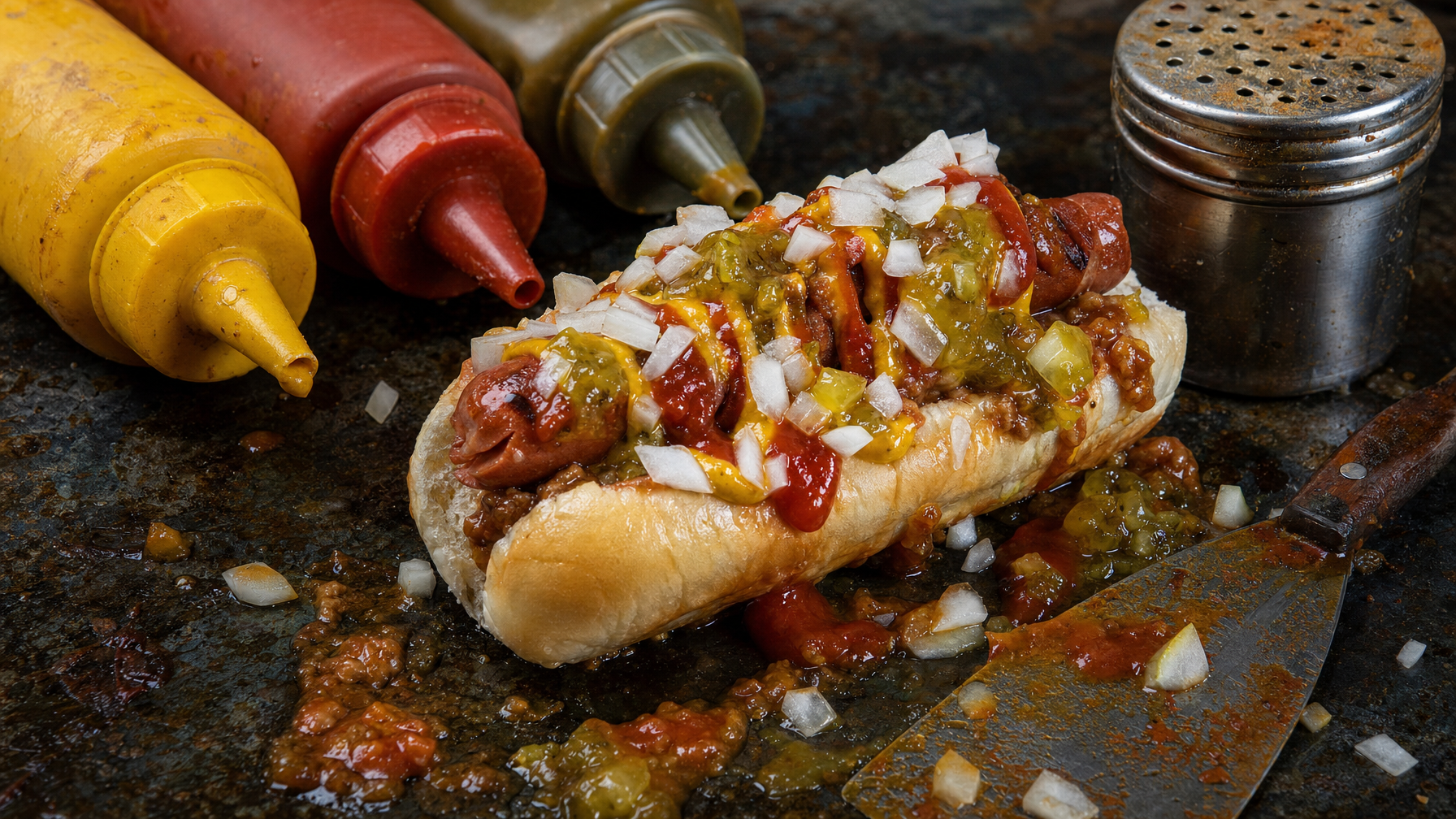
Yes—a steamed hot dog bun can survive a serious sauce parade, but only if you treat it like a delicate vessel instead of a sponge with a college degree. For hot-dog people chasing that soft, warm bun around mustard, relish, onions, chili, cheese, or other glorious trouble: steam lightly, choose a bun with a functioning spine, keep free liquid under control, and build the dog right before eating.
Soft, Not Sorry: What “Steamed” Actually Does to a Bun
A steamed hot dog bun is warmed with moist heat. The result is tender, flexible, and pleasantly squishy—not crusty, brittle, or toast-adjacent. It opens easily around the sausage and gives each bite that soft, cohesive feel many classic hot dog builds demand.
But softness has a price. Moisture relaxes the bun’s structure, which is wonderful until condensation and sauces start treating it as a public swimming pool. A steamed bun can hold sauce. It cannot hold unlimited free liquid—the watery runoff that pools under the dog, soaks the bottom seam, and turns dinner into an edible handling error.
Toasting takes the opposite route. A toasted or griddled bun develops a lightly crisp, drier surface that resists moisture longer. Steaming prioritizes softness and stretch. Neither is morally superior; they are tools. Pretending one bun treatment fits every topping pile is how porridge enters the chat.
The Porridge Problem Starts Before the First Drizzle
Most soggy buns are doomed before the mustard appears. The usual suspects are over-steaming, condensation, wet toppings, oversized portions, and a sauce puddle collecting in the bun’s fold like it paid rent there.
Condensation is especially sneaky. A bun that comes out visibly damp has already used up much of its moisture tolerance. Once it is soft and wet, another scoop of relish juice or loose chili has nowhere civilized to go.
- Steam only until the bun is warm and pliable.
- Do not keep steaming until it becomes limp, shiny, or wet to the touch.
- If moisture has collected inside, open the bun briefly and let excess steam escape before assembly.
- Steam close to serving time. A steamed bun left sitting around is not “resting”; it is slowly losing the will to live.
Short version: warm the bun, do not hydrate it into a new life form.
Pick a Bun With Some Backbone, Not a Pillow in Disguise
A sauce-friendly steamed bun should not be hard, but it should have enough structure to remain a bun after you look at it sternly. Very airy, fragile buns can be delightful for a plain dog and disastrous for a loaded one.
What structural traits actually help?
- A firmer exterior: Even after steaming, a modestly substantial outer surface buys you handling time.
- Real sidewalls: The sides should stand up around the dog rather than immediately flopping open.
- An intact hinge: The connected bottom of the bun is doing serious work. If it starts tearing when you open it, do not hand it a chili assignment.
- A sensible size: Match the bun to the dog and topping load. A small bun carrying chili, relish, cheese, and mustard is entering a hostile workplace.
Try a low-stakes test before making a full mess: gently open the bun, set in the hot dog, then add a modest spoonful of your wettest planned topping. If the sides still stay upright, you have a candidate. If it slumps immediately, choose a sturdier bun, reduce the load, or change the cooking method.
Sauce Order Is Engineering With Better Snacks
Good topping order is not fussiness. It is moisture management wearing a hot dog costume.
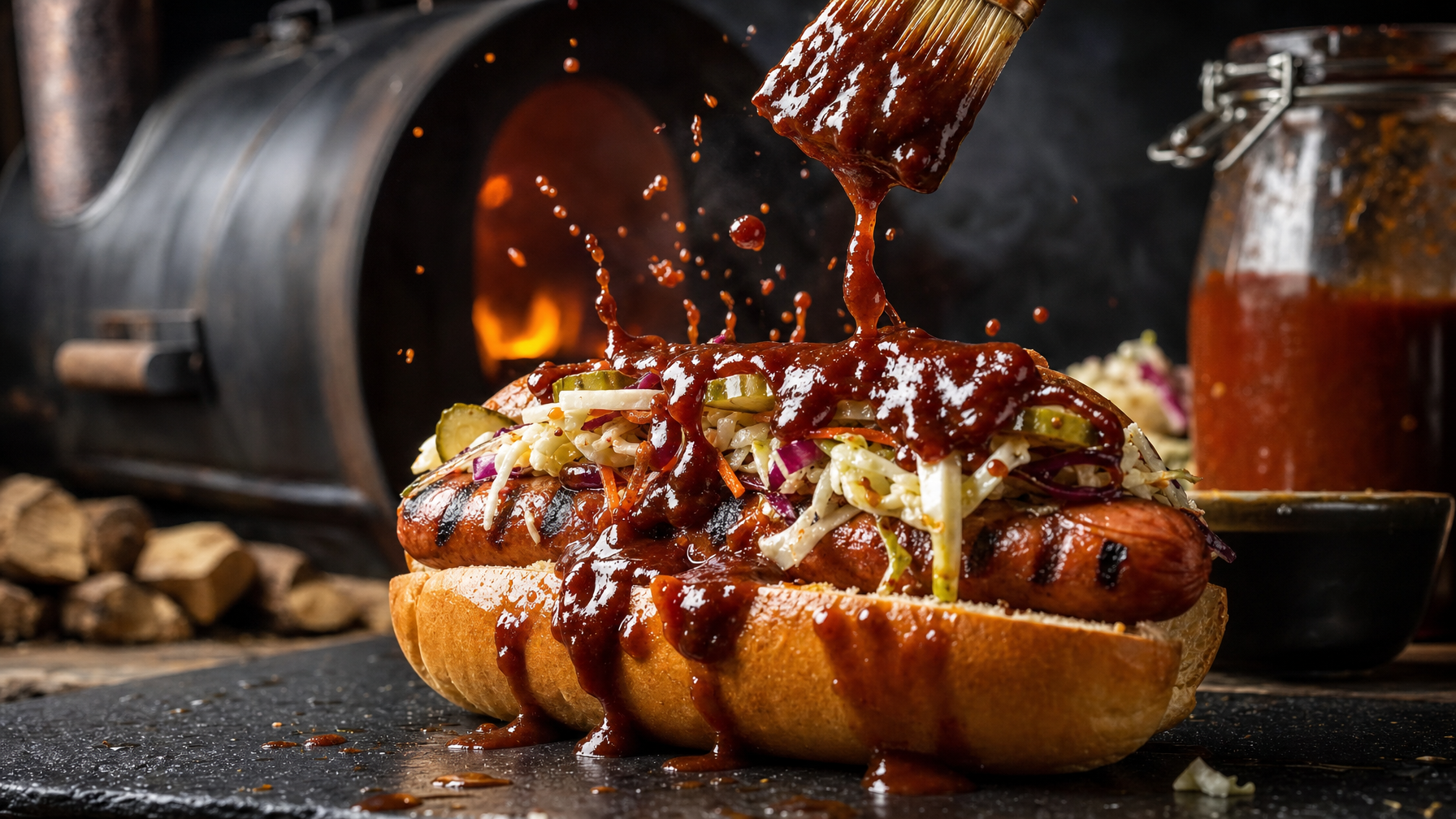
Start with toppings that are thick or relatively dry when they can sit between the sausage and bun without creating a puddle. Then apply thin sauces in controlled lines over the dog, not as a flood sent down into the fold. The point is to distribute flavor along the sausage while keeping the bun’s bottom from becoming a condiment reservoir.
Give wet toppings a little discipline
- Drain relish, salsa-like toppings, and watery chopped onions when appropriate.
- Use thin sauces in narrow stripes rather than broad, heavy pours.
- Keep especially wet ingredients near the top of the dog and add them close to serving.
- Spread toppings along the sausage instead of concentrating every wet element in one soggy trench.
A hot dog is not a bowl. If your sauce has migrated beneath the sausage and is marinating the bun from below, the architecture has failed.
The Sauce Parade Needs Traffic Rules
For a steamed bun carrying multiple toppings, use a simple sequence:
- Warm the bun until pliable, then let excess condensation escape.
- Add the hot dog.
- Add structural toppings in restrained portions.
- Apply sauces in separate, narrow lines.
- Finish with delicate or moisture-heavy toppings.
- Serve immediately.
Keep sauces from piling into the same exact strip of bun. A spoon, squeeze bottle, or narrow drizzle gives you control; pouring from a jar is the work of a condiment cowboy, and that cowboy is usually eating with a napkin bib.
My position: a sauce-heavy dog should be designed, not drowned. More sauce is not automatically more flavor. Sometimes it is just more laundry.
Can It Handle Mustard, Chili, Cheese, and the Rest of the Circus?
Usually, yes—if each ingredient understands it is part of a team and not auditioning for a solo.
Mustard
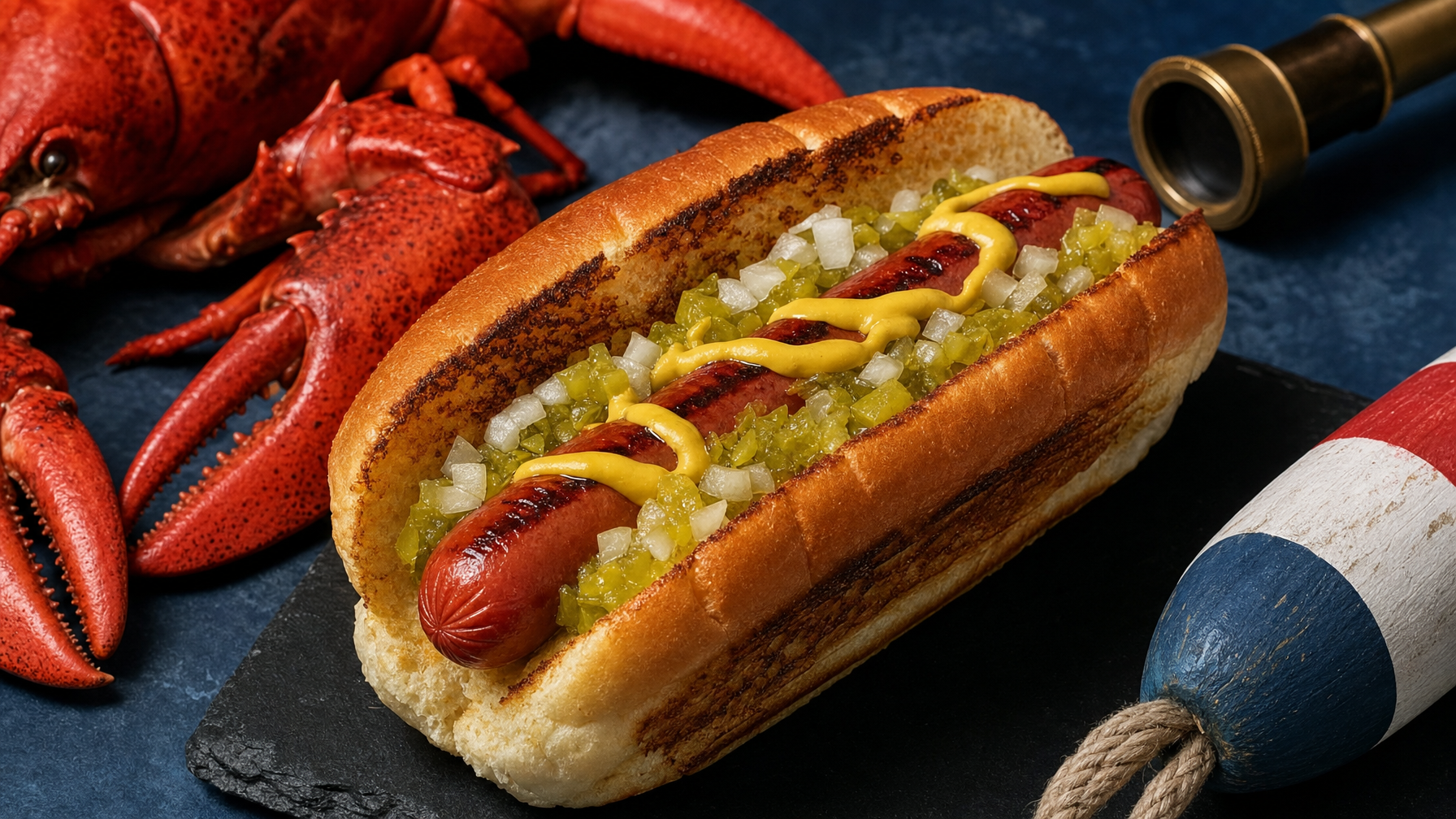
Mustard is generally very manageable on a steamed bun. Apply it in a narrow stripe over the sausage instead of bathing the bun from end to end. It brings big flavor without requiring a huge volume.
Relish
Relish can be wonderfully bright and can also bring more liquid than the bun signed up for. Drain off obvious excess liquid and use a measured spoonful. A little relish goes a long way; this is flavor, not landscaping.
Chili
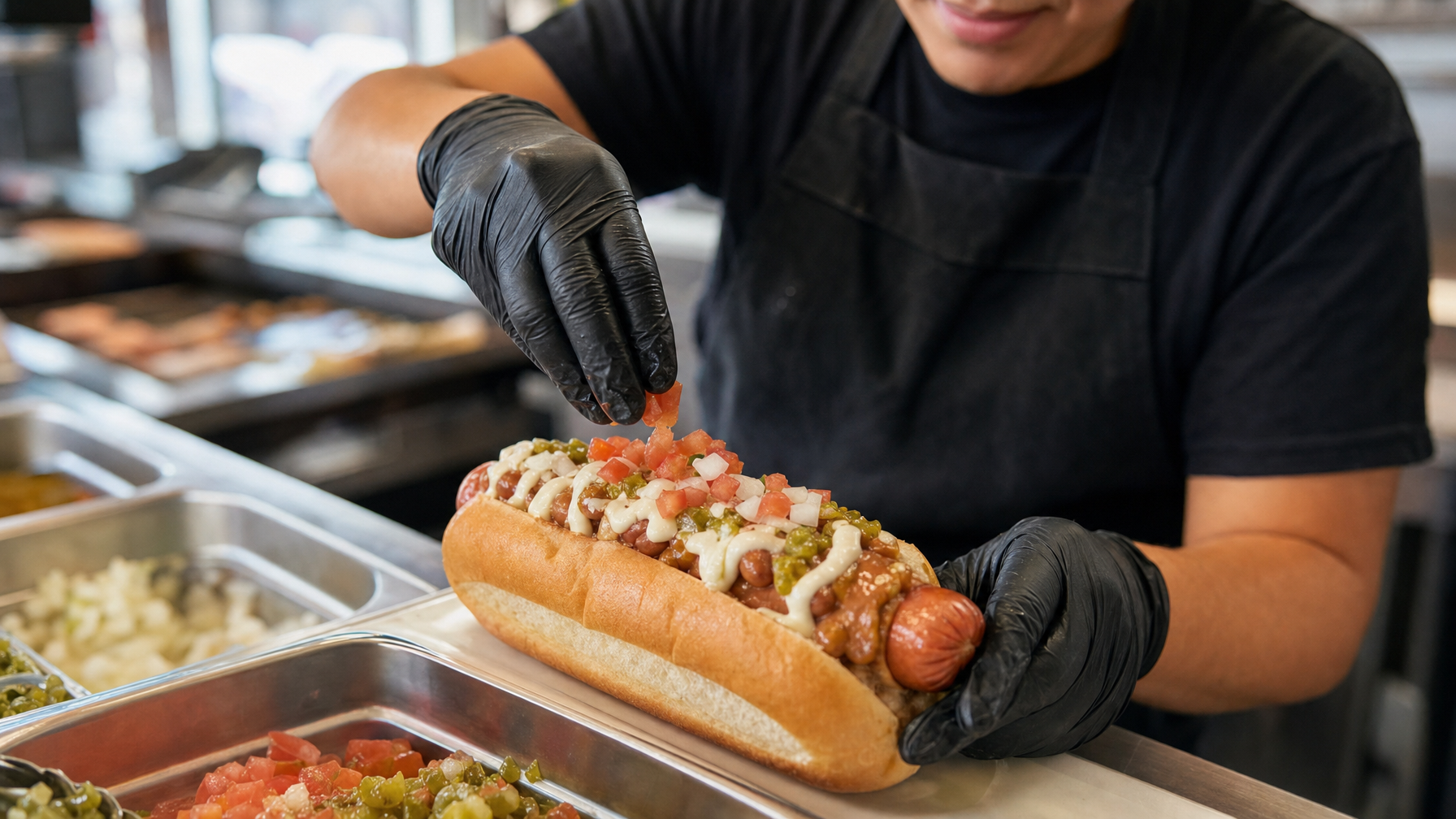
Chili is the serious structural test. A thicker chili in a modest layer is far easier to manage than a loose, watery chili piled high. Keep it on top of the sausage where possible, and avoid a pool beneath the dog. That bottom puddle is where buns go to surrender.
Cheese
Melted cheese can help hold toppings together, but it also adds weight. Use enough to bind and enrich, not so much that the bun tears when you pick it up. Cheese is a friend. Cheese behaving like wet concrete is not.
Onions and fresh toppings
Fresh onions, chopped vegetables, and similar toppings add crunch and contrast, but some release liquid as they sit. Keep portions balanced and assemble near serving time. These are general build principles, not a declaration about any one city’s hot dog style; specific traditions deserve their own rules and their own respect.
When Steaming Loses the Fight—and Toasting Should Enter the Ring
Some hot dogs simply ask too much of a steamed bun. If the build is exceptionally wet, heavy, or likely to sit while you chat, photograph it, find a fork, and reconsider your life choices, a toasted or griddled bun is often the smarter move.
Its drier, firmer surface gives sauces more resistance. That changes the texture, of course: you trade the soft stretch of a steamed bun for more crunch and a longer structural runway. This is not a universal rule. It is build design.
| Planned dog situation | Bun treatment that often fits |
|---|---|
| Soft toppings, modest sauce, immediate eating | Steamed bun |
| Thick chili, abundant cheese, or several wet toppings | Toasted or griddled bun may be safer |
| Dog likely to sit before eating | Toasted or griddled bun usually has more staying power |
| Soft, classic texture is the whole point | Steamed bun, with disciplined portions |
Use steaming when softness is part of the experience and the topping load is controlled. Bring in toast when the dog is headed for a long, wet, cheese-heavy evening.
A No-Porridge Assembly Test for Serious Hot-Dog People
Want to know whether your planned build works? Make one test dog. Steam the bun, use the actual topping portions you intend to serve, and let it sit for about as long as a real eater would take before the first bite. Then inspect the evidence.
Check these four things
- Hinge: Has the connected bottom split or started tearing?
- Bottom: Is liquid leaking through or pooling under the sausage?
- Topping stability: Do ingredients stay put, or do they slide out at first lift?
- Texture: Is the bun still soft and pleasant, rather than wet and fragile?
Change one variable at a time: shorten the steaming, cut back a sauce, drain a topping, revise the order, or choose a different bun. Do not alter every variable at once unless chaos is your preferred research method.
Judge the dog by texture and handling. A bun that technically survives but requires two hands, three napkins, and a towel has not exactly won.
FAQ: Five Questions Before the Bun Goes Softly Into That Good Night
Can I steam a bun and still use several sauces?
Yes. Use controlled portions, apply sauces in separate narrow lines, avoid pooling at the bottom, and assemble immediately before eating.
Should I steam the bun before or after cooking the hot dog?
Steam it close to assembly. The goal is a warm, pliable bun that has not spent a long time sitting damp.
Is chili too wet for a steamed bun?
Not automatically. Thick chili in a modest layer is much more manageable than thin, watery chili piled high. Keep it from pooling beneath the sausage.
How do I stop condensation from soaking the bun?
Steam only until warmed through, then check the inside for collected moisture. Briefly open the bun and let excess steam escape before building the dog.
When should I toast the bun instead?
Choose toasting or griddling when the dog will be especially wet, heavy, slow to eat, or loaded with chili and cheese. A steamed bun is soft on purpose; do not ask it to be a retaining wall.
Enjoyed this? There's more from Jason's Grub.
Follow on Instagram →