Can You Make a New Jersey Ripper Without Turning the Kitchen Into a Crime Scene?
Yes, you can make a New Jersey Ripper at home without turning the kitchen into evidence. The trick is controlled scoring, dry hot dogs, steady heat, and a healthy fear of hot oil. This is for hot dog obsessives who want those crisp, curled, deeply browned edges without giving the stovetop a horror-movie makeover.
What Makes a New Jersey Ripper Rip Instead of Just Split?
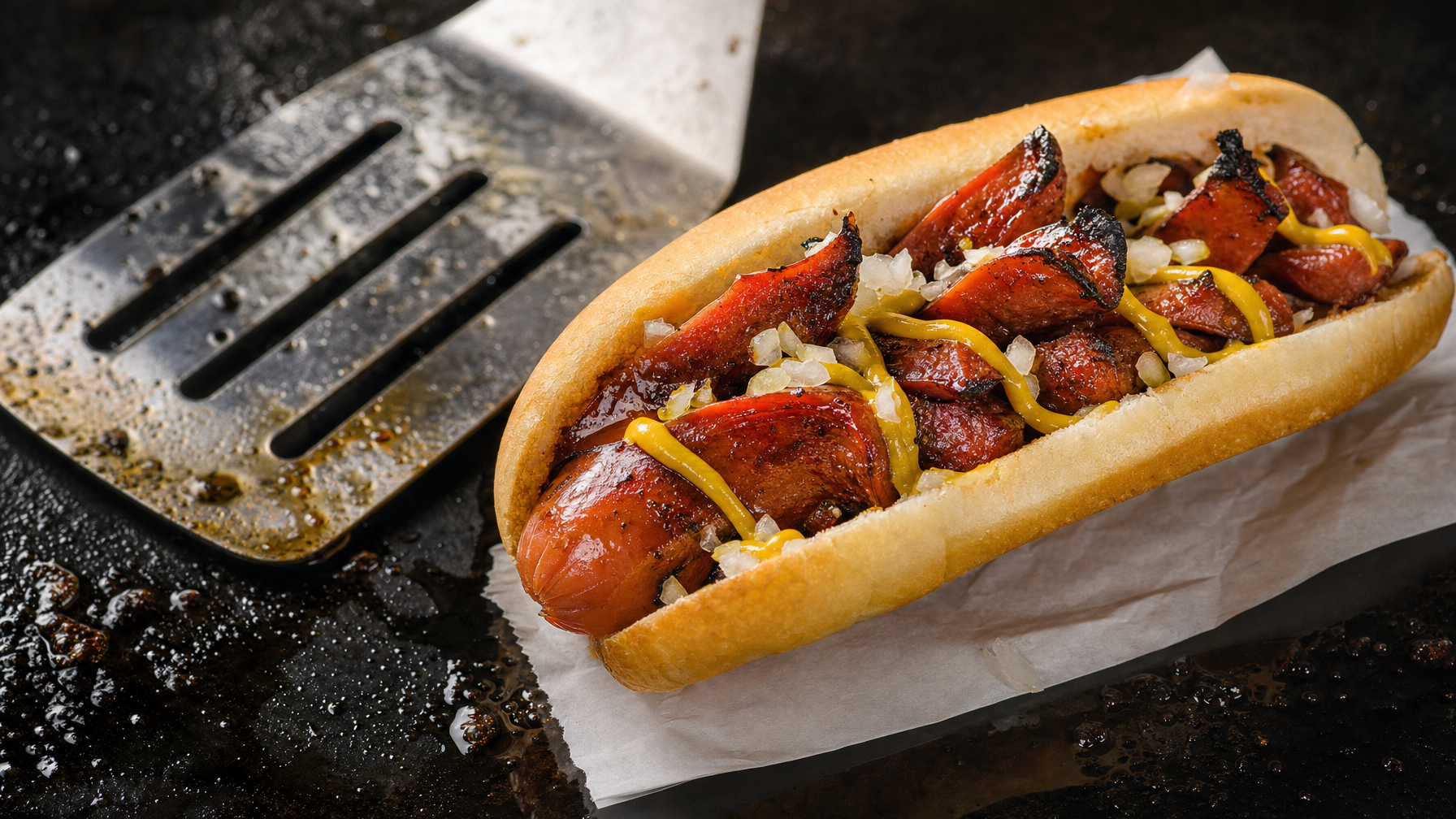
A New Jersey Ripper is a hot dog cooked until its casing and cut edges open, curl outward, and crisp up. It is not supposed to remain pristine. Pristine is for museum artifacts and sad desk lunches. A ripper should look a little wild, with browned fissures and a texture that moves from snappy to crunchy at the edges.
The important distinction is intentional opening versus accidental blowout. A controlled score gives the hot dog a planned place to expand. An accidental split happens wherever internal pressure finds a weak point, often leaving you with a crooked tear, a broken dog, or a hot oil tantrum.
Your goal is drama with supervision: browned edges, an opened shape, and a hot center. Do not chase an intact, photogenic cylinder. That is not the assignment.
Give the Dog a Game Plan Before It Meets the Oil
Start with a firm hot dog that holds its shape when handled. A soft or delicate dog can tear while you score it, which means it has already begun plotting against you.
Score shallowly and consistently
Place the hot dog on a stable cutting board. With a sharp knife, make a few shallow lengthwise cuts along one side. You are cutting into the surface, not performing a full excavation. Do not slice all the way through.
- Keep the cuts shallow.
- Space them consistently.
- Run the cuts lengthwise so the dog opens into crisp channels.
- Leave enough uncut structure for the hot dog to stay together.
Consistent cuts encourage predictable opening. Deep, jagged, uneven cuts invite random ruptures, which is less "ripper" and more "hot dog lost a bar fight."
Oil Safety: The Part Where Dinner Stops Being Funny
Hot oil deserves your full attention. It does not care that you were only trying to make a snack.
Use a deep, heavy pot with plenty of empty space above the oil. That headroom helps contain bubbling and reduces the chance of oil escaping over the rim. Avoid filling the pot too high, and do not crowd it with several dogs at once.
Dry the hot dog first
Pat the hot dog dry before it goes anywhere near the oil. Surface moisture can make hot oil splatter aggressively. Keep wet utensils, water glasses, rinsed hands, and damp towels away from the cooking area.
- Use a dry, heat-safe utensil to lower and lift the hot dog.
- Lower it gently instead of dropping it from above.
- Keep the pot handle turned inward and the cooking area clear.
- Do not lean over the pot to inspect your masterpiece at nose range.
If oil catches fire
Never use water on an oil fire. If it is safe to do so, turn off the heat. Move away and follow your household fire-safety plan. A suitable fire extinguisher or a properly fitting metal lid may be appropriate only if you can use it without putting yourself at risk. When in doubt, get out and call emergency services.
The Low-Drama Ripper Method
There is no prize for treating frying oil like a carnival ride. The calmer method usually produces the better ripper.
- Score the hot dog. Make your shallow, lengthwise cuts, then pat the dog dry.
- Heat the oil gradually. Use moderate heat and watch the oil. It should be hot enough to brown the hot dog without smoking. Smoking oil is not a sign of bravery. It is a sign to back off.
- Lower the dog gently. Use tongs or another dry, heat-safe utensil. Set it into the oil away from your body, rather than dropping it in.
- Watch the cuts open. As the casing expands and the scored sections curl, adjust the heat if the oil becomes overly aggressive or starts smoking.
- Cook for color and texture. The ripper is ready when the cuts have opened, the edges are crisp and deeply browned, and the center is hot.
- Remove and drain. Lift it out with a suitable utensil and let excess oil drain before placing it in a bun.
Temperature control matters more than blindly pursuing a single number. Different pots, burners, oils, and hot dogs behave differently. Watch for active but manageable bubbling and steady browning. If the exterior races toward black while the center still needs heat, the oil is too hot.
Want less oil in your life? Use a skillet or griddle.
Yes, a skillet or griddle can produce a very good ripper-adjacent dog. Add a modest amount of oil to a heavy skillet, cook the scored dog over controlled heat, and turn it carefully as the cuts open and brown. You will get browned, opened edges with less oil and less splatter risk, although the texture will differ from a fully fried ripper.
A griddle is equally useful for cooks who want more control and less bubbling theatrics. Let the scored side spend enough time against the hot surface to develop color before turning.
Toppings Should Support the Crime Scene, Not Obscure It
For the first ripper, keep it restrained. You just worked for those crackly edges. Do not bury them under a damp mountain of distractions.
A bun, mustard, and onions make a fine starting point. Potatoes can bring extra heft and crunch if that is your preferred direction. You can also build toward whatever combination makes you happy, because toppings are personal and hot dog rules are often written by people who fear joy.
- Mustard and onions: sharp, simple, and friendly to the ripper's crisp surface.
- Potato-forward build: for extra salt, crunch, and glorious carb-on-carb behavior.
- Your own preferred build: valid, provided it does not turn the dog into soup.
Jason's house position is emphatic: zero ketchup. That is a strong personal opinion, not a claim that the condiment police will confiscate your bottle. Make your own choices. Just know the house is watching.
Troubleshooting the Ripper That Went Rogue
It burst apart
Your cuts may have been too deep or too aggressive. Next time, score more lightly and keep the cuts even. Handle the dog gently while cooking, especially once it starts to open.
The edges stayed pale
The oil or cooking surface may not have been hot enough, the dog may have carried surface moisture, or you may have removed it before browning had time to happen. Pat it dry, give the cooking surface time to heat, and let color develop without rushing.
The outside browned before the center was hot
Lower the heat. A calmer cooking setup gives the center time to warm while the outside develops color. Also avoid crowding the pot or skillet, since overcrowding makes cooking behavior harder to control.
The oil splattered like it had a personal grievance
Stop and reassess safely. Moisture is a likely culprit, along with overcrowding or an overly full pot. Turn down or turn off the heat if it is safe, keep water away from the oil, and do not add another dog until the setup is under control.
Jason's Verdict: Crisp Edges, Calm Kitchen, Zero Ketchup
Jason's perspective comes from ten years, 50 states, and zero ketchup. That is a personal hot dog research habit and a proudly opinionated lens, not a plea for reckless frying. A good ripper should bring crisp edges, browned character, and a little chaos to the bun. It should not require a scorched backsplash or a panic sprint for the fire extinguisher.
Keep the scores shallow, the dog dry, the heat controlled, and the toppings focused. Then enjoy the kind of hot dog that looks like it has lived a little.
For more hot dog places, products, recipes, and culture coverage, follow @jasonsgrub on Instagram.
FAQ: The Questions Every Nervous Ripper Cook Eventually Asks
Can I make a New Jersey Ripper without deep-frying?
Yes. A skillet or griddle can create browned, opened edges with less oil. The texture will differ from a fully fried ripper, but it can still be deeply satisfying and substantially less splashy.
How deep should the cuts be?
Make shallow, controlled lengthwise cuts. They should be deep enough to encourage opening, but not so deep that the hot dog falls apart before it cooks. Think invitation, not demolition.
Why did my hot dog explode or split unevenly?
Common causes include cuts that were too deep or uneven, excess moisture, rough handling, and overly aggressive cooking conditions. Use lighter scoring, dry the dog thoroughly, and keep the heat manageable.
What oil temperature should I use?
Watch the oil rather than relying on an unverified single target. It should create steady, manageable bubbling and brown the edges without smoking. If the oil smokes or the outside darkens far too quickly, reduce the heat.
Is ketchup allowed?
Jason's answer is no. Readers can make their own condiment decisions, but the house position remains gloriously ketchup-free.
Enjoyed this? There's more from Jason's Grub.
Follow on Instagram →