Why Are People Filming the First Bite Like It’s a Crime Scene?
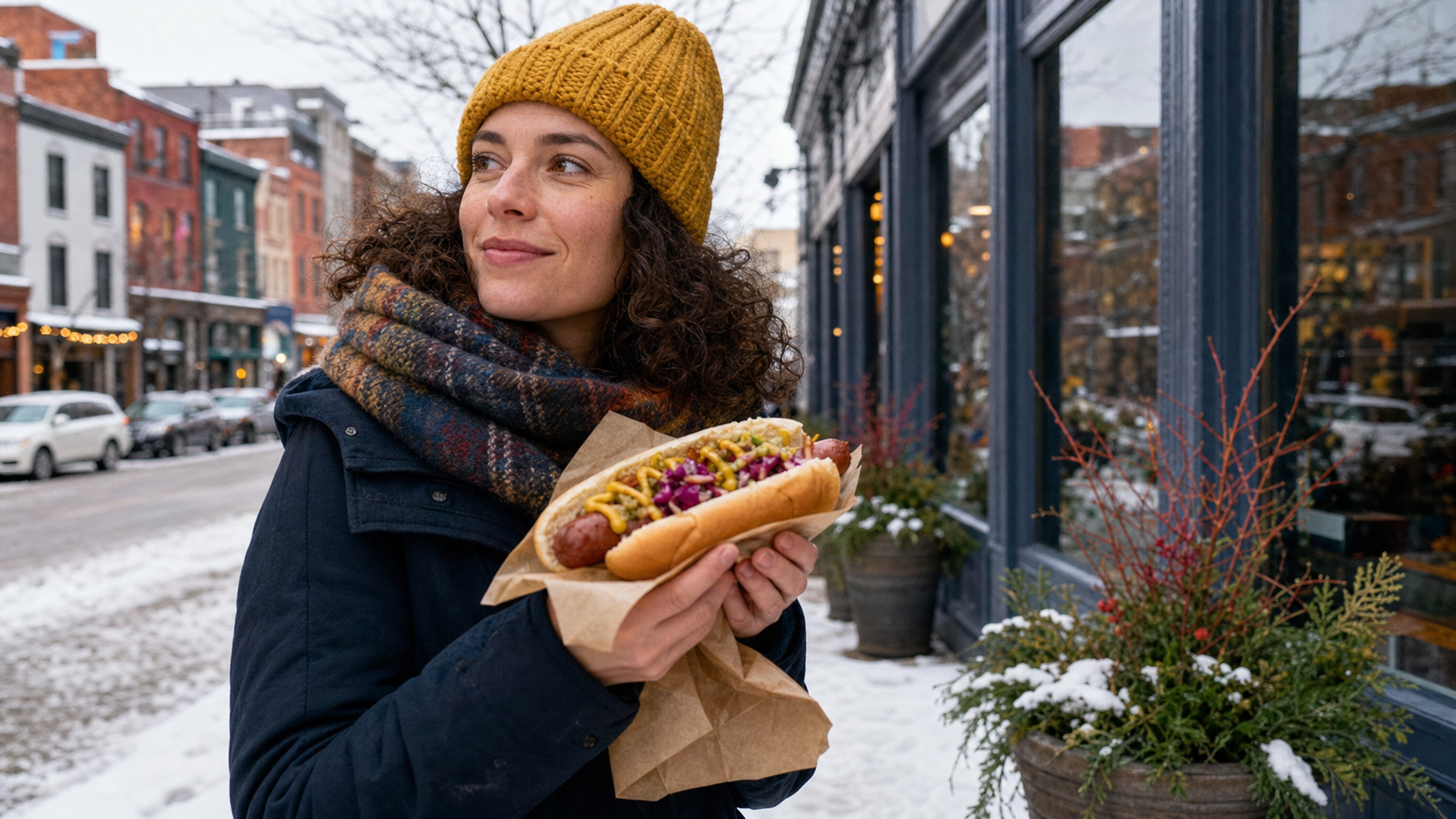
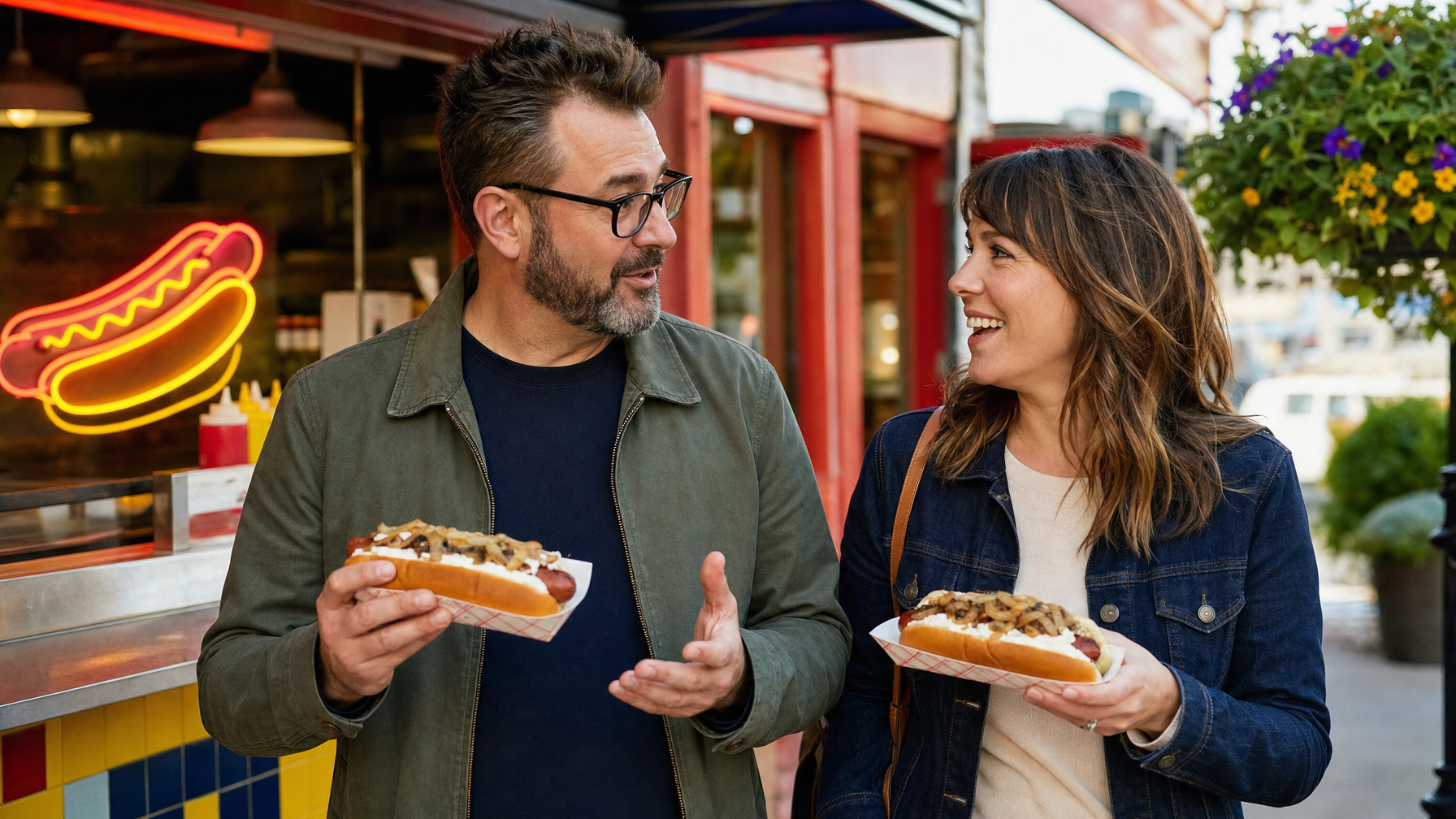
People film the first bite because it is the cleanest, funniest, most revealing moment in a hot-dog experience: one mouthful, one honest reaction, and no time to pretend the bun is doing fine. For hot-dog fans and food-culture readers, that tiny clip can capture taste, suspense, construction, and personality at once—though a phone parked beside the condiment tray is not proof that humanity has joined a single, mustard-scented movement.
The First Bite Has Better Drama Than the Menu
A first-bite video is a short recording centered on someone’s initial bite and immediate response, usually before a tidy explanation, a diplomatic review, or a rescue napkin can arrive. It is not a formal tasting method. It is a small piece of food theater with unusually good evidence.
One bite compresses expectation, flavor, temperature, texture, and ego into a few seconds. Did the casing snap? Did the toppings stay aboard? Did the eater pause because the dog is excellent, confusing, too hot, or structurally one breath away from becoming a lap situation? Viewers understand those stakes without needing a menu dissertation.
That is my interpretation, not a claim that every person with a camera is chasing the same thing. After ten years, 50 states, and zero ketchup, I am suspicious of food-pageantry for its own sake—but deeply sympathetic to documenting a dog with something to prove. A worthy first bite is not about the eater looking clever. It is about the hot dog surviving cross-examination.
A Hot Dog Is Already a Portable Little Disaster Movie
Hot dogs arrive with built-in visual tension. There is the bun, asked to be soft but not soggy; the sausage, ideally hot and properly proportioned; the toppings, which must contribute without forming a landslide; and the constant menace of sauce migration. This is edible engineering conducted at arm’s length.
A posed photograph can make nearly any dog look composed. The first bite has no such mercy. It reveals whether the casing has resistance, whether the bun grips the sausage, whether the onions belong there, whether the heat is real, and whether the whole construction remains recognizable after contact with an actual human mouth.
That distinction matters: documenting food is not the same thing as staging a theatrical reaction. A camera can capture discovery. It can also manufacture suspense by turning an ordinary bite into a one-person awards show. The useful question is simple: are we learning what the dog does, or merely watching someone prepare their eyebrows for battle?
When the Camera Treats Lunch Like Evidence
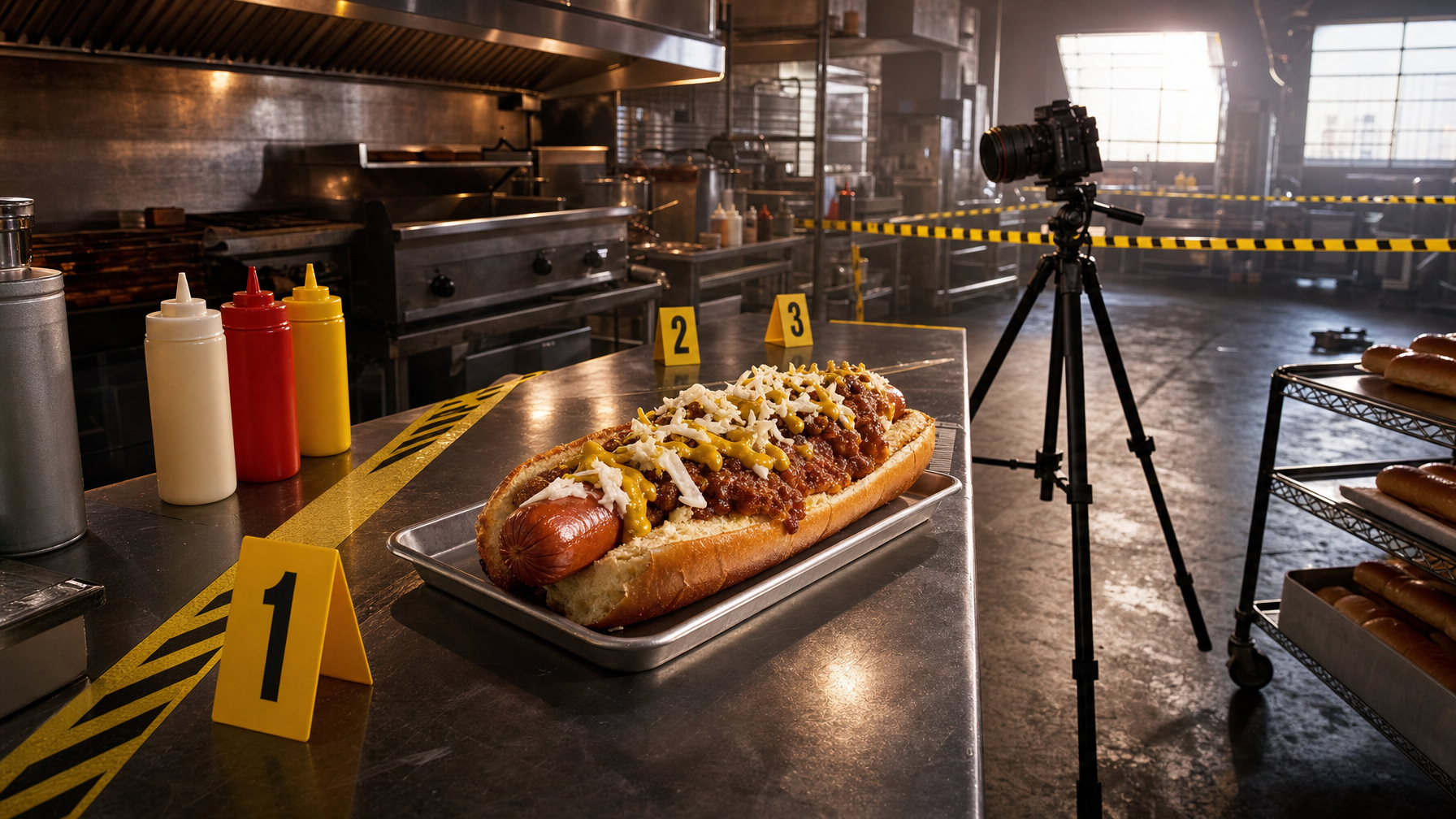
The crime-scene comparison is playful, but the visual grammar is real enough to recognize. The phone records the scene. The hot dog sits in frame, toppings exposed. The bite becomes Exhibit A. The face supplies a provisional verdict, occasionally followed by an inspection of the bun as if it has violated a zoning code.
- Close-up framing: enough detail to see the sausage, bun, and topping distribution.
- The hover: a brief pause before the bite, where expectation gets to sweat.
- Contact: the bite itself, including any snap, spill, or alarming silence.
- Immediate reaction: a grin, a pause, a wince, widened eyes, or the thoughtful stare of someone recalculating their lunch plans.
- Post-bite inspection: a glance at the remaining dog to see whether its architecture still holds.
This is a recognizable social-media behavior, not a verified universal trend with one tidy explanation. Plenty of people simply eat lunch without a cinematographer. But as an editorial lens, the first-bite clip is useful: it puts a food claim under pressure immediately.
Can a Slightly Awkward Chew Beat a Beautiful Review?
Sometimes, yes. A polished review can describe smoky, salty, tangy, crisp, rich, and balanced until the adjectives begin charging rent. An unguarded half-second—a thoughtful pause, an involuntary grin, a quick second bite—may feel more persuasive to a viewer because it appears less rehearsed.
Feeling authentic is not the same as being proven authentic. A camera can preserve an immediate reaction, but it can also invite performance. Once someone knows an audience is waiting, they may focus less on flavor and more on making their response readable from across the internet.
Visible uncertainty is often the good part. A person who says, “That first bite was overloaded, but the sausage has real smoke and the bun recovered,” is more helpful than someone delivering instant, frictionless ecstasy. Hot dogs are allowed to be complicated. In fact, they are frequently complicated by gravity.
What a Hot Dog Confesses Under Oath
A first bite cannot settle every question, but it can expose the details that a flattering mustard zigzag keeps secret. A hot dog should be judged as a built object and an eating experience, not merely as a photograph with excellent lighting.
The casing: snap, chew, or surrender?
A casing may offer a noticeable snap, a gentle resistance, or no distinct resistance at all. None of those observations requires a trumpet fanfare; they are simply useful facts for a hungry person deciding whether the sausage delivers the texture they enjoy.
The bun: teammate or sabotage artist?
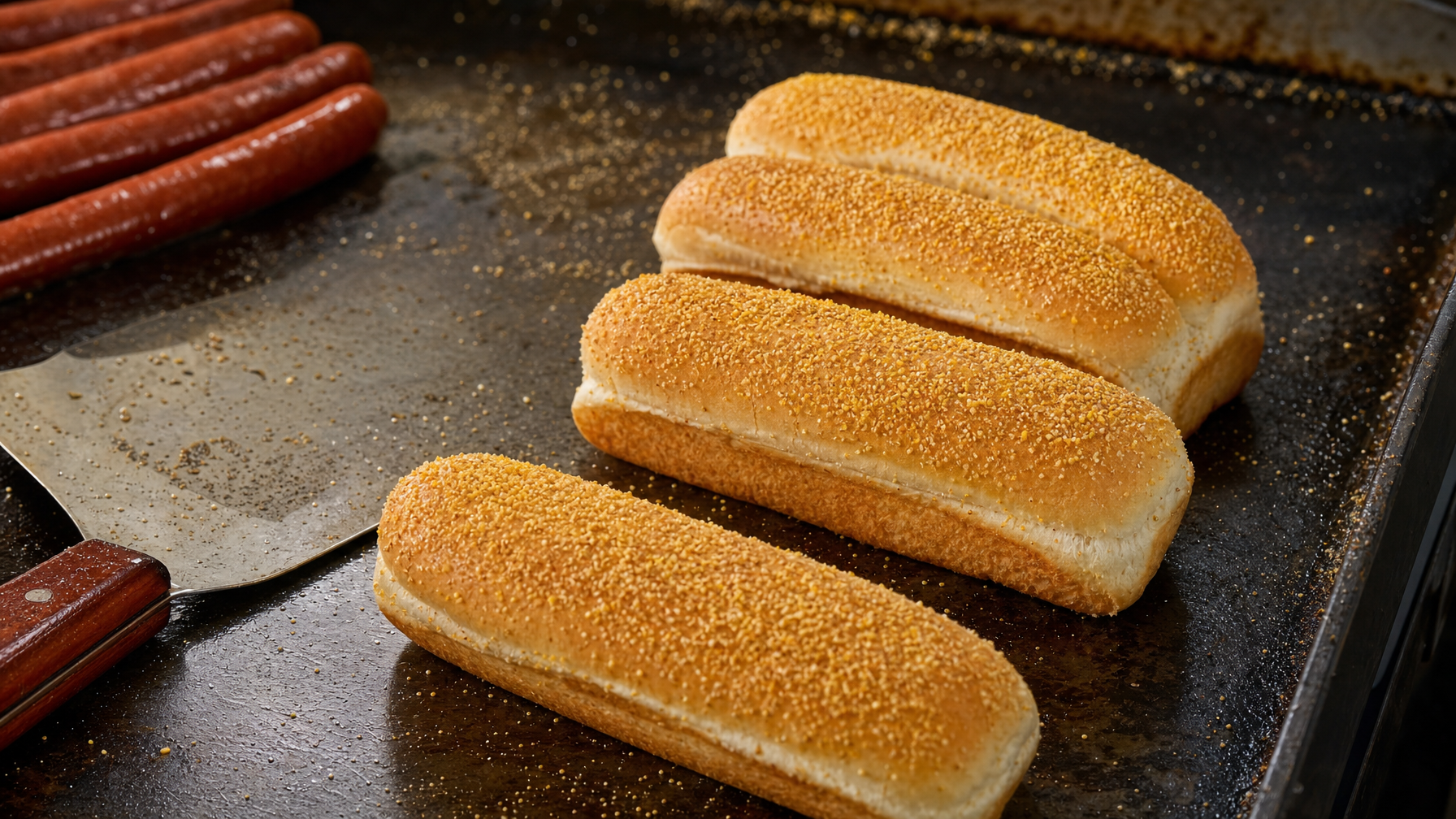
The bun has a job: hold the dog, absorb only what it can handle, and stay present through the bite. A bun that splits at the first encounter may still taste good, but it has entered evidence against itself. A bun that is too dense can also flatten the experience by turning every bite into a bread argument.
The toppings: supporting cast or coup attempt?
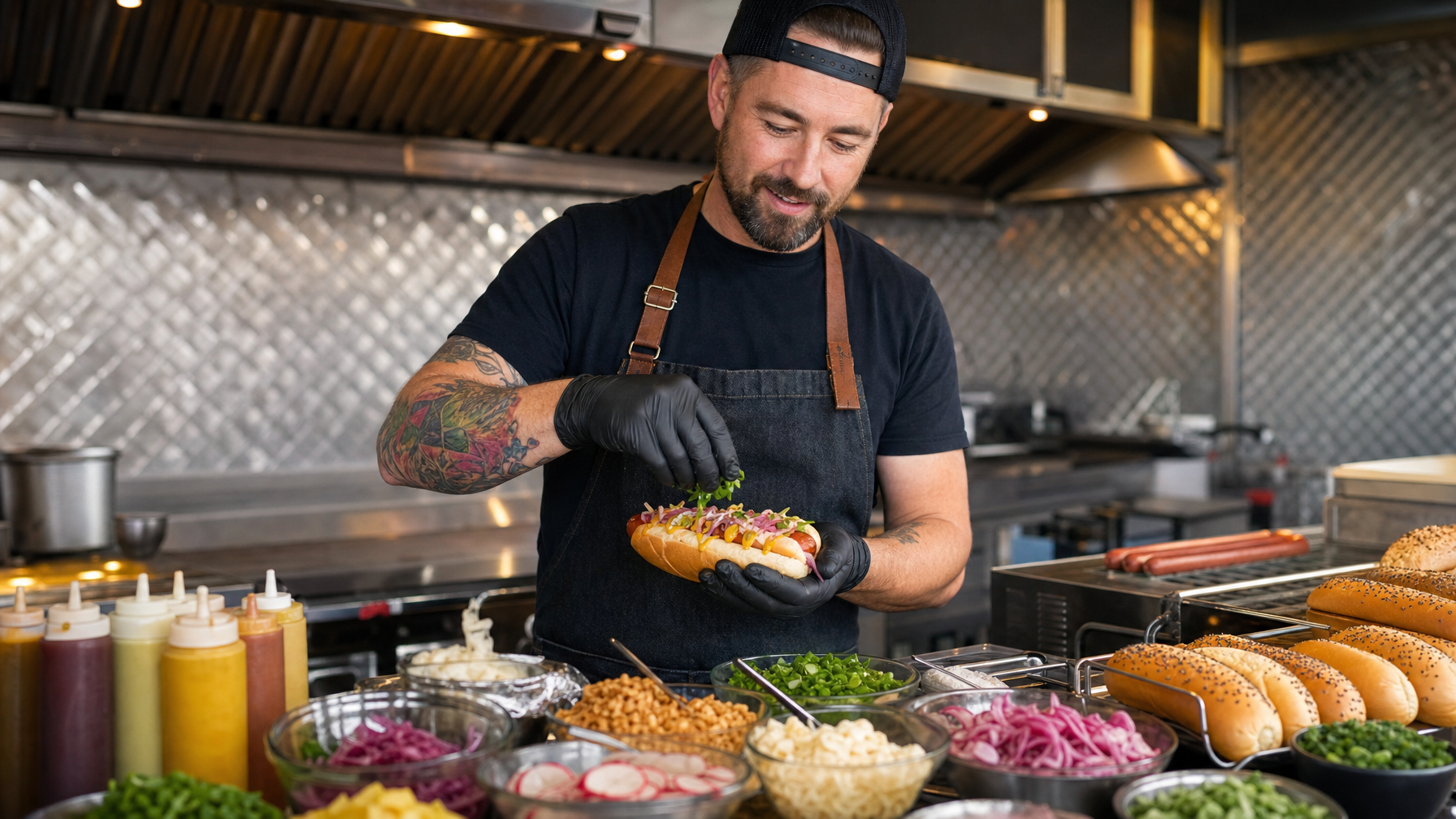
Mustard, onions, relish, peppers, slaw, chili, cheese, or any other topping can add contrast. They can also bury the sausage so thoroughly that the eater is reviewing a pile rather than a dog. Balance is not blandness; it is knowing which component gets the microphone.
The heat: flavor, temperature, or both?
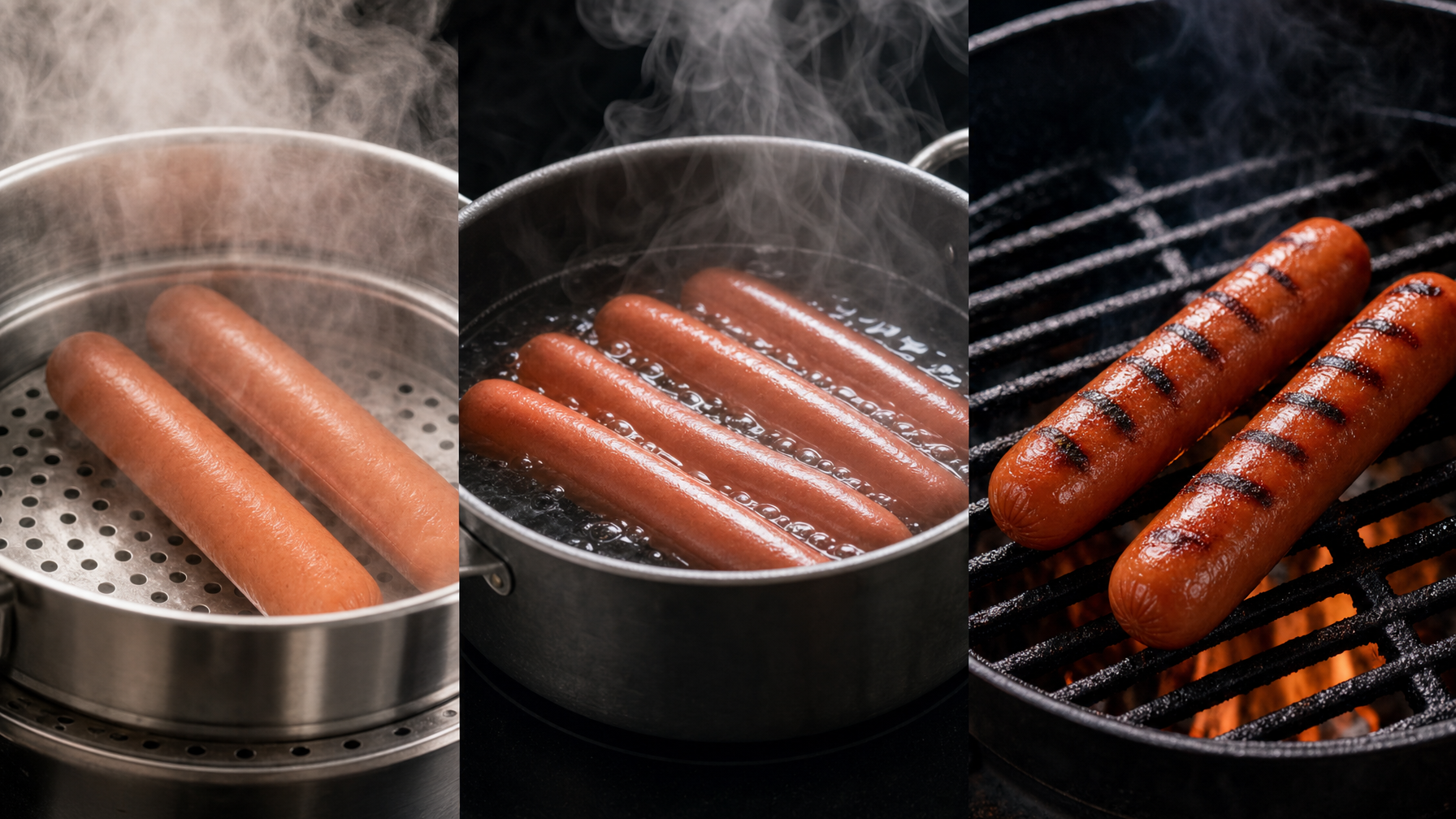
Heat can mean chile heat, serving temperature, or the delayed realization that both are happening at once. A first bite may catch that surprise, while a second bite can clarify whether the heat adds flavor or simply occupies the building.
And yes, my standing position is zero ketchup. That is Jason’s preference, not a universal law of lunch. Put ketchup on your own dog if you must; just do not ask me to call it a character witness.
When the Reaction Eats the Hot Dog
There is a line between useful food documentation and reaction content that uses the hot dog as a prop. It is not always easy to locate, but you can usually feel it. If all you remember is the eater’s face, the dog may have been demoted to wardrobe.
Surprise may be easier to share than nuance. Exaggerated delight or disgust may be more visually legible than a careful note about a salty sausage, soft bun, and too-sweet relish. Those are possibilities, not settled facts about why people make videos. Still, they explain why the loudest reaction is not necessarily the most informative one.
Are viewers watching for the food, the person eating it, or the suspense of whether the bite survives? Probably some mix of all three. My opinion: the best first-bite clip leaves you curious about the hot dog, not merely curious about the eater’s facial muscles.
Jason’s First-Bite Rules, Filed by a Hot-Dog Trial Lawyer
These are editorial preferences, not commandments delivered on a sesame-seed tablet. But if you are filming a first bite—or trying to decide whether a clip tells you anything—this is the checklist I would use.
- Show the whole dog first. Let people see the bun, sausage, and toppings before the evidence gets rearranged.
- Do not hide the construction. A tight beauty shot is lovely. A view that conceals a topping mountain is less useful.
- Capture the actual bite. Otherwise we are reviewing a pre-bite still life and a separate face. The connection matters.
- Allow the first reaction to happen. No need for a monologue while chewing. A short pause can say plenty.
- Explain what changed after tasting. Did the snap surprise you? Did the bun collapse? Did the sweetness overwhelm the smoke? Name the thing.
- Take a second bite before issuing a final verdict. The first bite can be awkward, overloaded, or structurally doomed by a topping that was never going to stay put.
Specific language beats “amazing” and “disgusting” every time. Try smoky sausage, soft steamed bun, sharp mustard, sweet relish, onion crunch, lingering chile heat, or a casing with a clean snap followed by a loose, salty interior. Those details let another person imagine the dog. Generic praise just waves from the parking lot.
Keep the Camera; Lose the Fake Testimony
Filming the first bite is compelling because it catches a compact moment of risk and judgment—not because every hot dog needs courtroom-level documentation. A little ceremony can make food culture more entertaining when it preserves curiosity instead of replacing taste with performance.
For hot-dog people, the standard is wonderfully basic: show us the dog, bite the dog, tell us what happened, and do not invent a legend around a mediocre bun. Expect real enthusiasm, strong opinions, specific places and products when they can be verified, recipes, and hot-dog culture without imaginary trends doing backflips in the condiment tray.
For more of that, follow @jasonsgrub on Instagram.
FAQ: Four Questions Before the Mustard Hits the Lens
Why do people film the first bite instead of the whole meal?
The first bite offers a clear beginning and a compact reaction. A full meal needs more context, more attention, and usually more napkins. That is a likely explanation, not a measured finding about everyone who films food.
Does filming make a food review more honest?
Not automatically. Video can preserve an immediate reaction, but it can also encourage performance. The useful test is whether the clip includes specific observations about flavor, texture, heat, or construction—not only a dramatic face.
What should someone show before taking the bite?
Show the hot dog’s construction: the bun, sausage, and toppings. Then show enough of the bite for viewers to understand what is being judged and whether the build holds together.
Is one bite enough to judge a hot dog?
It can reveal an important first impression, but texture, heat, balance, and structural trouble may become clearer after a second bite. My verdict belongs to the whole eating experience, not one heroic chew.
Where can I find more hot-dog opinions?
Follow @jasonsgrub on Instagram for more hot-dog places, products, recipes, and culture coverage.
Enjoyed this? There's more from Jason's Grub.
Follow on Instagram →