When a Hot Dog Gets a Cameo, Who Actually Wins: The Brand or the Bun?
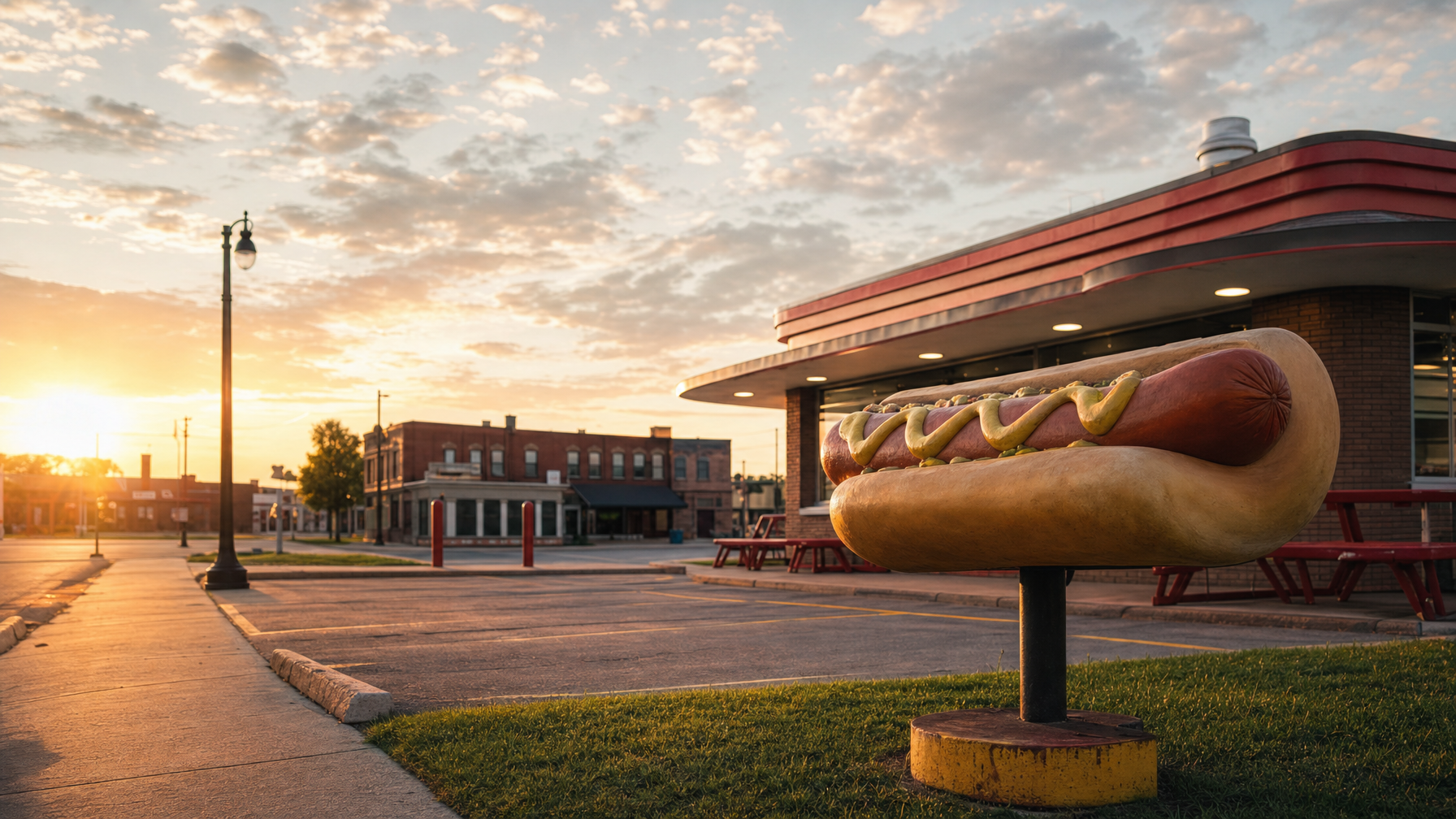
Usually, the bun wins the immediate applause; the brand wins the long game only if the cameo feels natural, memorable, and worth talking about afterward. This is for hot-dog fans and food-culture readers who want to unpack what happens when a dog pops up in a film, show, ad, social post, or celebrity moment—without pretending every mustard squiggle is cultural history.
The hot dog gets the close-up, but who gets remembered?
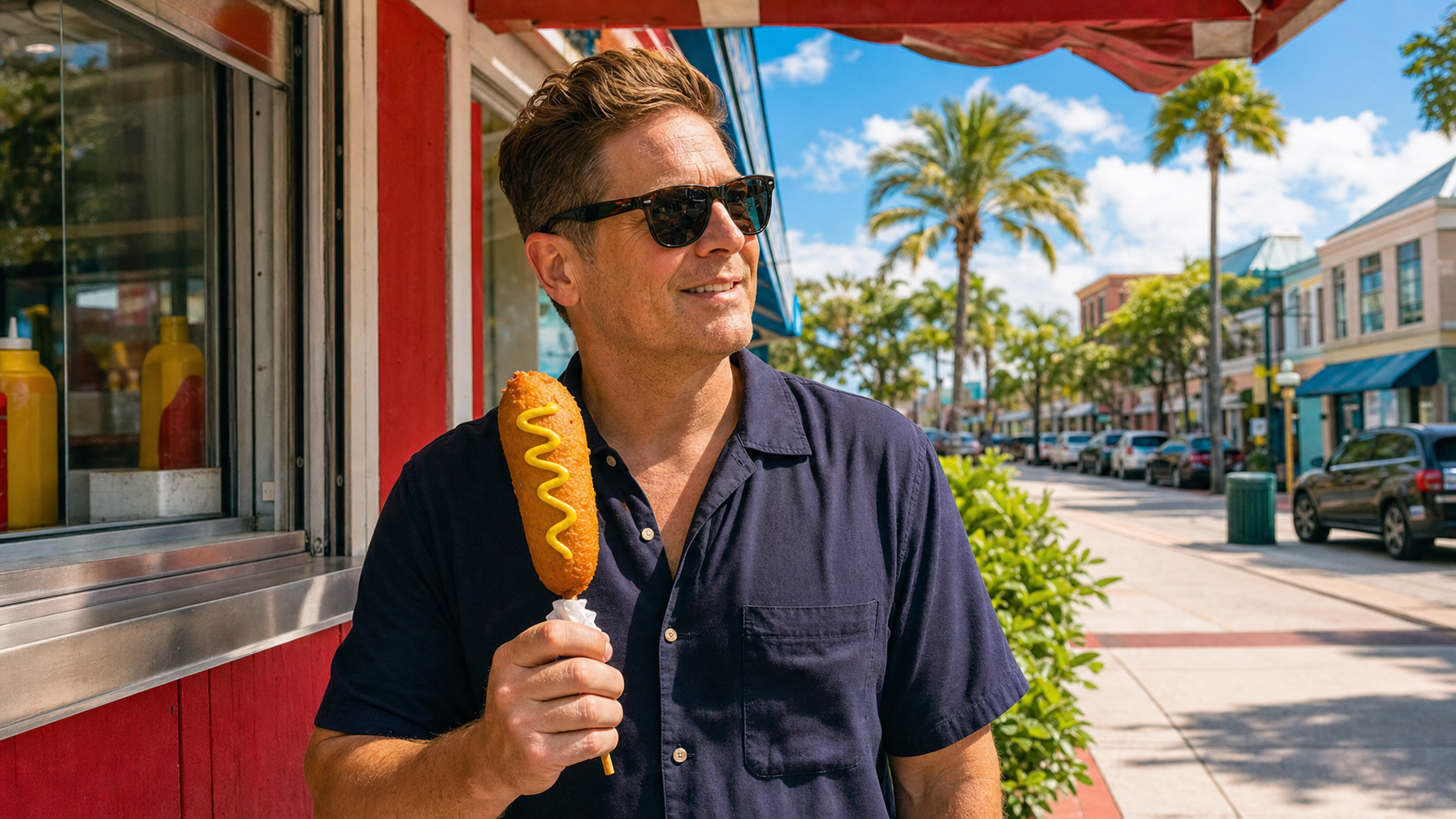
A hot-dog cameo is any brief, recognizable appearance that gives a hot dog, a package, a vendor, a restaurant, or a particular product its little turn under the fluorescent lights. It might be the hero of a joke, a hand-held lunch during a crucial conversation, a recognizable wrapper on a counter, or the glorious greasy punctuation mark at the end of a night out.
Both the food and the brand can benefit. But they are playing different games. The bun carries the visual joke, the appetite appeal, and the immediate “I would absolutely eat that” reaction. The brand hopes somebody retains a name, package, place, or attitude once the scene has moved on to car chases, breakups, aliens, or whatever else is demanding attention.
My verdict: if viewers remember a hot dog, the dog won. If they remember which hot dog, where it came from, or what made it specific, the brand may have won too. This is an opinionated look at attention, authenticity, and appetite—not a claim that every on-screen sausage produces a measurable rush at the register. Life is more complicated than a bun-to-sales pipeline.
Scene-stealing sausage or branded background extra?
There is a meaningful difference between a hot dog being part of a scene and a brand being identifiable within it. A character taking an enormous bite can make the food memorable even if the wrapper is invisible. A package can sit in perfect focus for two seconds and still vanish from the brain if it contributes nothing except corporate wallpaper.
Food tends to stick when it has a job to do. That job might be visual, comic, emotional, or geographic.
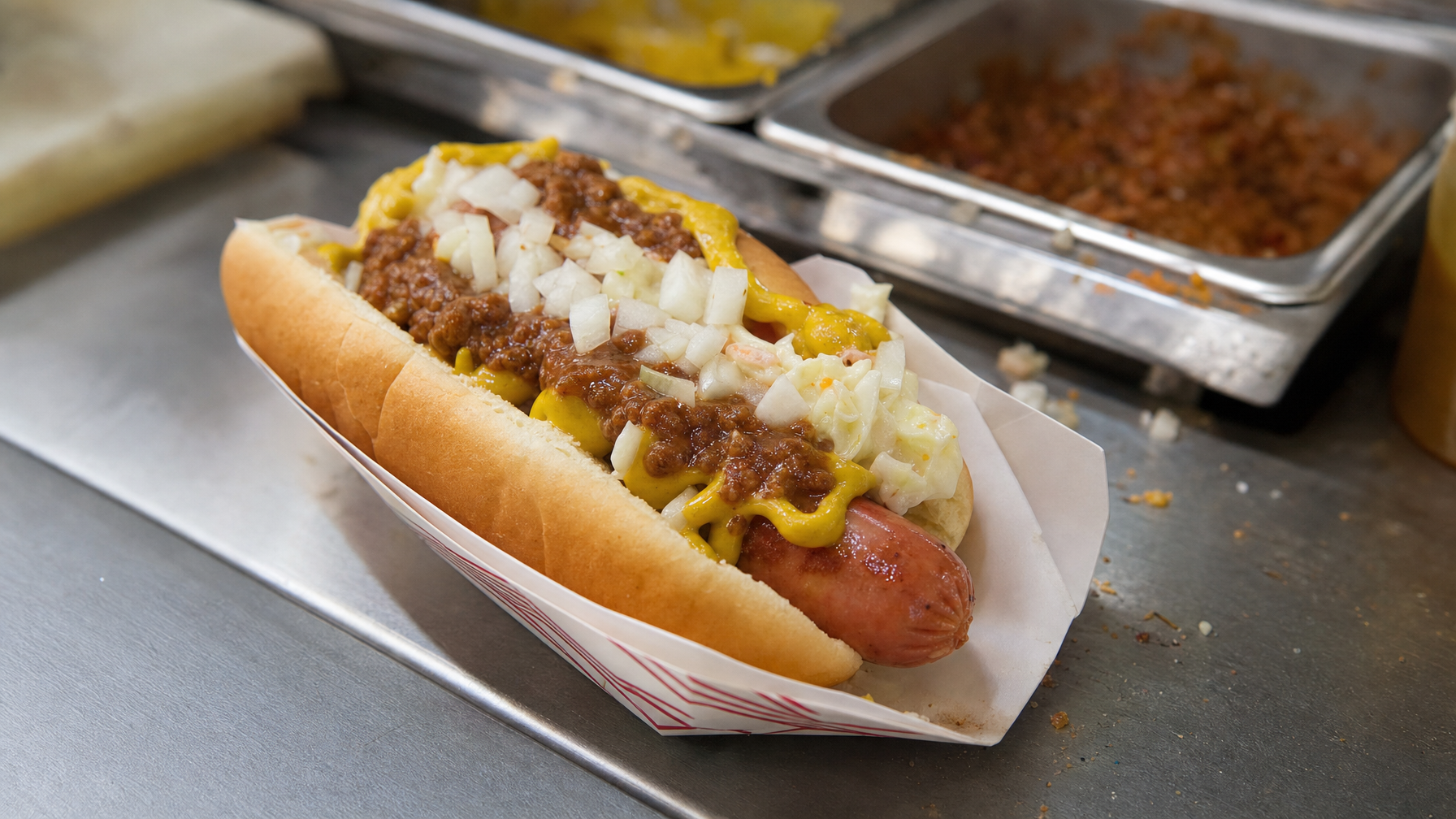
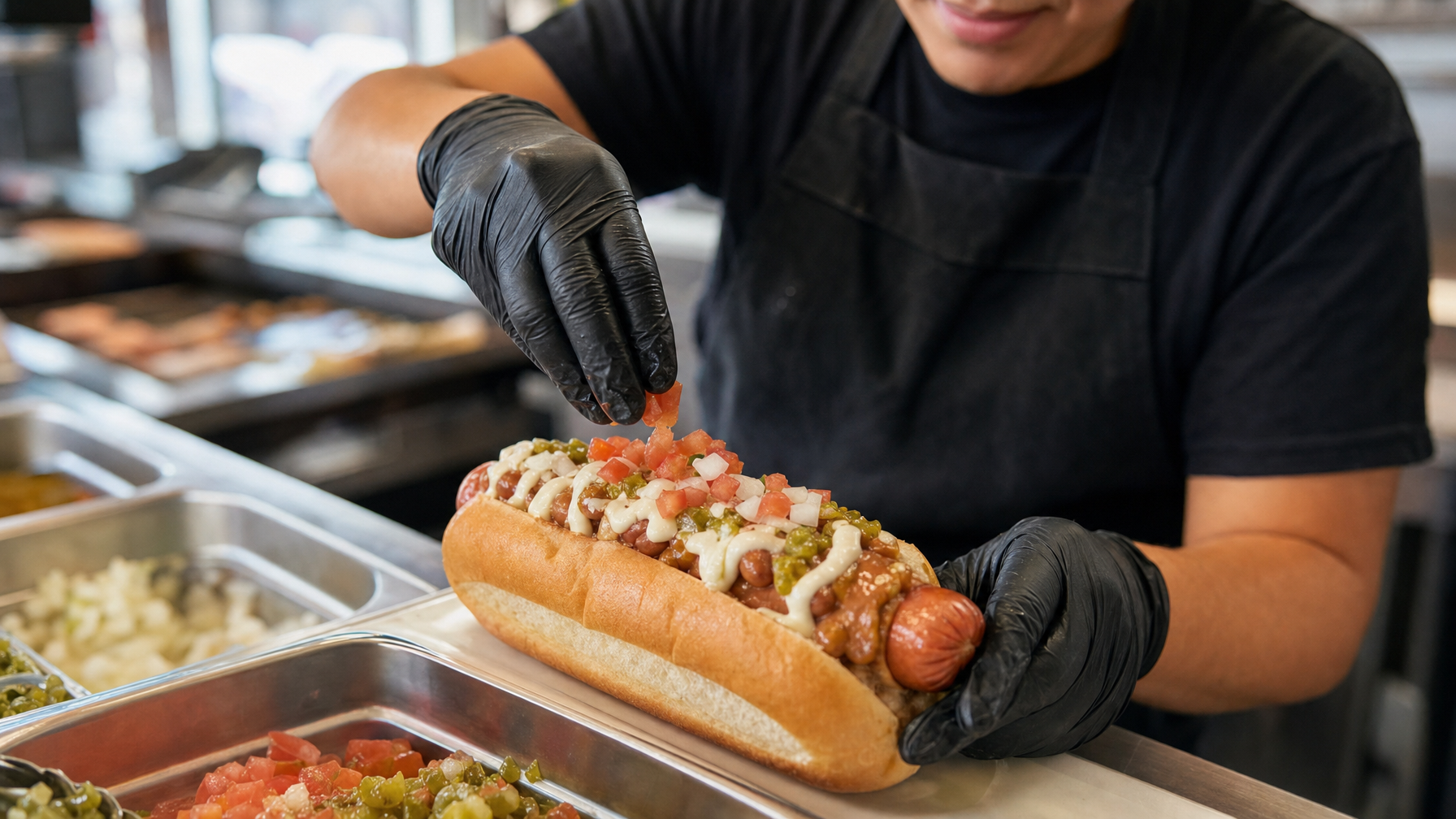
- A distinctive build: a pile of specific toppings, a dramatic char, a wildly regional look, or a presentation with actual personality.
- An exaggerated bite: a good bite is tiny theater. Snap, steam, crunch, mess—suddenly the food has a speaking role.
- A recognizable package: useful only if a viewer can see it and connect it to the moment.
- A funny line: dialogue can pin a dog to the memory far better than a logo parked in the background.
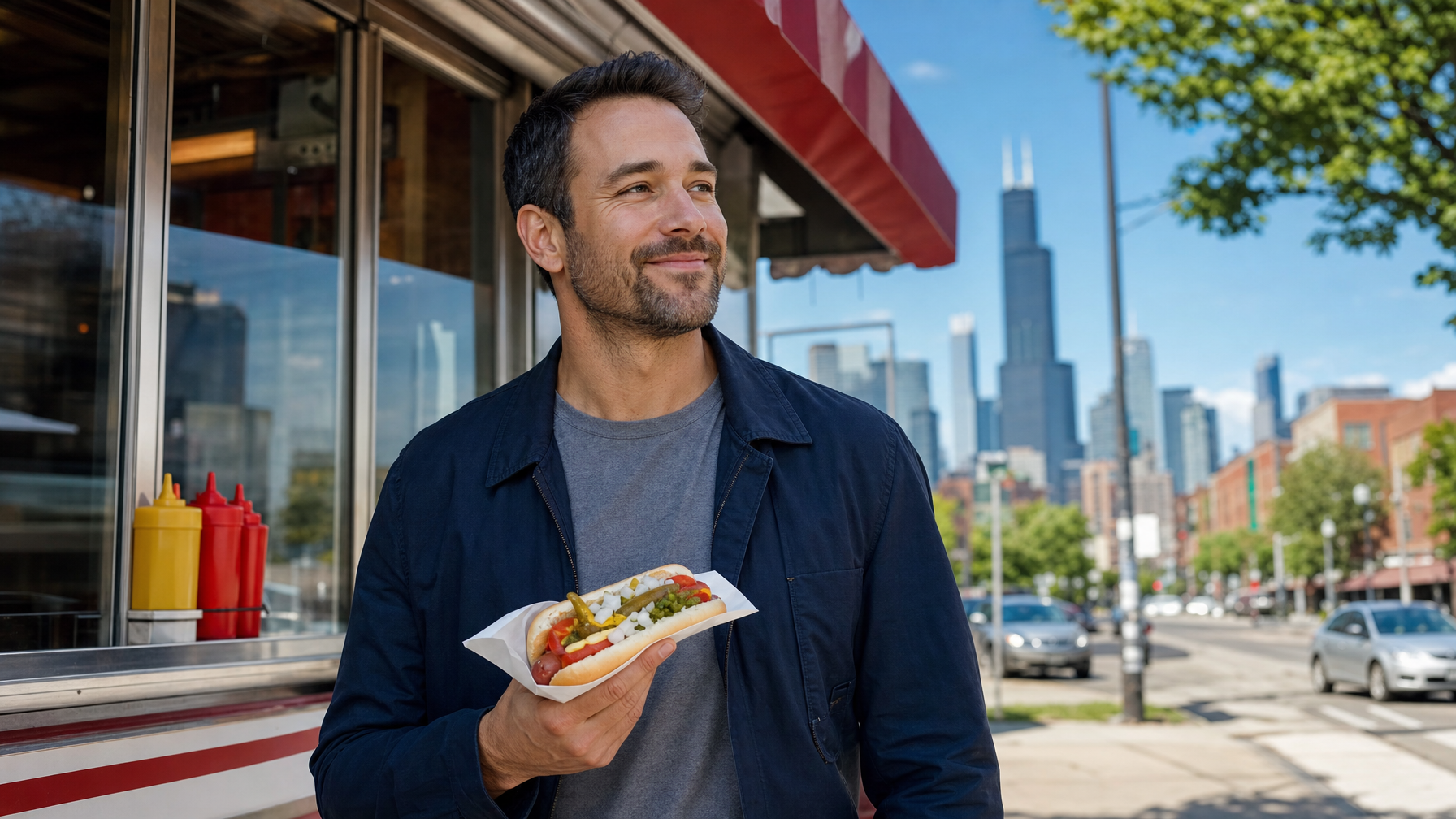
- A setting with food identity: a ballpark, a street cart, a neighborhood counter, a cookout—places where the dog belongs instead of looking like it was dropped from an advertising blimp.
Try this test: if someone describes the moment later and says, “Remember that absurd hot dog?” but cannot name the product, the bun took the trophy. That is not failure. An unnamed dog can become the image everybody remembers. It simply means no brand should swagger around claiming it owns a memory it never clearly entered.
The bun has one job: make the audience hungry
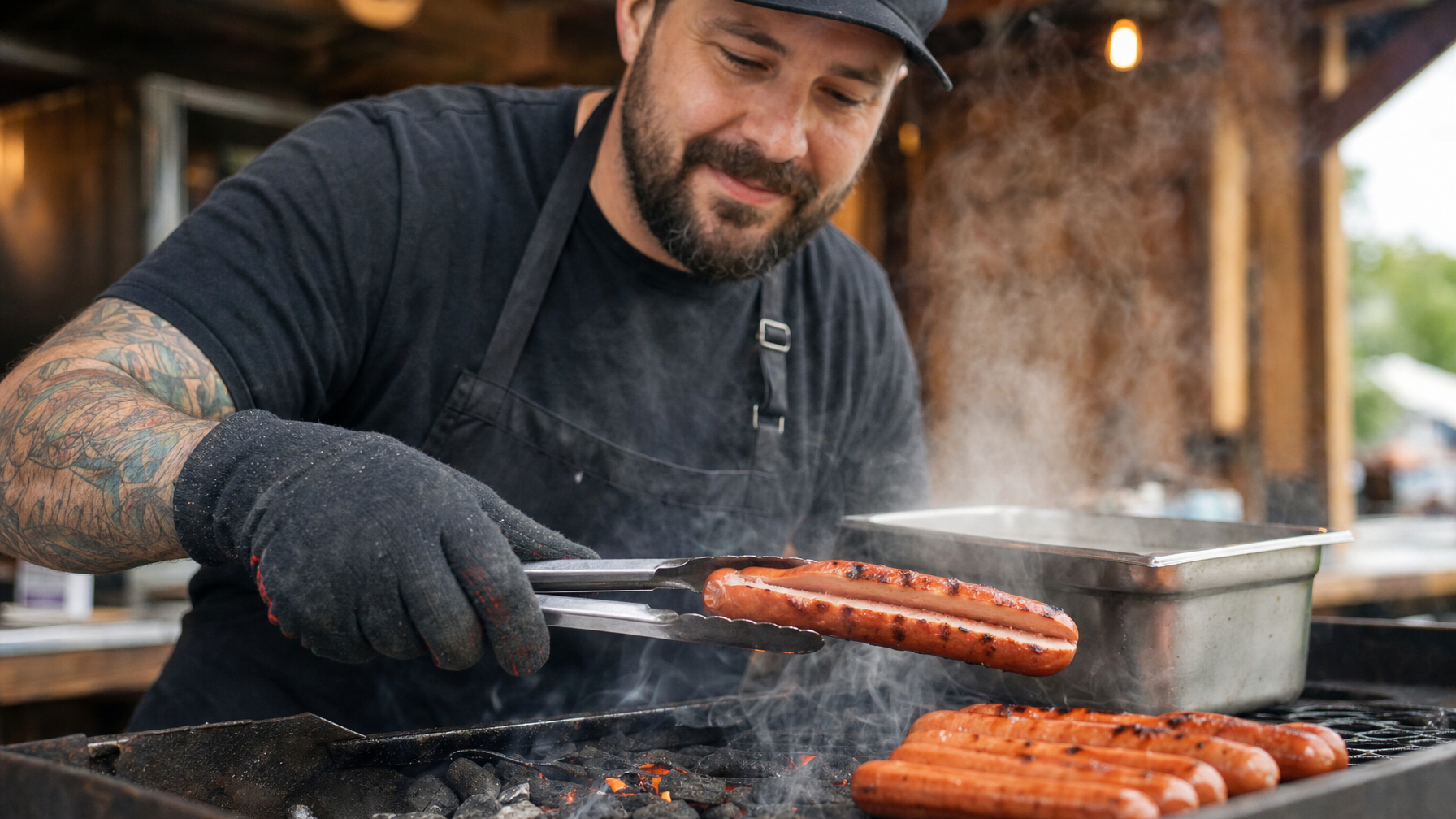
A hot dog is built for the camera. Its shape reads instantly. The bun frames it like a tiny edible stage. Steam suggests freshness; a crisp casing suggests snap; toppings promise texture; and the whole thing is portable enough to live naturally in a hand, on a lap, beside a stadium seat, or at the end of a bar counter.
That visual shorthand is powerful because the dog often says something about the person holding it. A careful, two-handed grip may signal that the build is serious business. A rushed bite can signal hunger, celebration, chaos, or a refusal to let manners ruin lunch. A late-night dog can make a city feel lived in. None of that requires a logo.
Food also works as scene texture rather than product placement. A dog can make a setting feel local, a character feel specific, or a joke land with more grease on it. The best food appearances do not pause the story to announce themselves. They belong there.
Presentation decides a lot. A lovingly shot dog with a toasted bun, a visible snap, and toppings that appear edible invites appetite. A cold, overloaded prop that looks impossible to pick up can trigger the opposite response. There is a fine line between “magnificent excess” and “somebody lost a fight with the condiment station.”
The brand wants more than a two-second mustard cameo
When an appearance is identifiable and fits the moment, a brand can gain recognition, association with a mood, and a reason for a curious viewer to search later. Maybe it becomes linked to a fun night, a specific place, a beloved character, or a style of dog that suddenly looks worth investigating.
But visibility is not ownership. A brand can occupy the frame without earning any credit for the emotion of the scene. People may remember the joke, the actor, the setting, or the hot dog itself—and forget the label entirely. A package is not a personality merely because it has achieved screen time.
The danger arrives when placement feels forced. If a character abruptly holds a product label toward the camera like a hostage negotiator presenting evidence, viewers notice the manipulation. It is an ad wearing sunglasses indoors: technically dressed, socially suspicious.
The useful question is brutally simple: does the brand add meaning to the moment, or does it merely occupy pixels? A name, package, or place should help make the scene more specific. If it does not, the dog would likely have done the work without it.
Authenticity is the secret sauce—and no, ketchup cannot save it
Hot-dog culture is touchy in the most entertaining possible way. Place matters. Preparation matters. Regional styles matter. People have opinions about onions, relish, casing, char, chili, celery salt, bun treatment, and whether a topping combination is inspired or needs to be escorted from the premises.
That makes context especially important. A cameo feels more convincing when the dog appears as something people actually eat, argue about, order, make, or seek out. Generic edible scenery can fill a frame, but it rarely creates the itch to know more.
Jason’s editorial filter is not shy: ten years, 50 states, zero ketchup. That is Jason’s stated research claim and personal stance, not a universal law handed down on a steamed poppy-seed bun. Jason can call a build sacrilege, genius, or gloriously chaotic. Other eaters and other regions are entirely free to disagree, preferably with strong feelings and a napkin nearby.
What matters for a cameo is honest food logic. Does this dog look like it belongs to this person, this place, and this moment? If yes, it gains texture. If no, no amount of glossy lighting can rescue the thing from looking like a plastic prop with career ambitions.
When the cameo becomes a scavenger hunt for the real dog
A brief appearance can send people looking for the product, vendor, restaurant, recipe, or regional style behind the image. That hunt is where a cameo can outlive its few seconds of fame. The viewer moves from “that looked good” to “what was that?”—and then, ideally, to a real place or a real thing worth trying.
Discovery is strongest when the scene leaves a usable clue:
- a clearly visible package or name;
- a named restaurant, stand, neighborhood, or city;
- a distinctive cooking method or topping combination;
- an unmistakable regional style;
- dialogue that gives the viewer something concrete to pursue.
Without a clue, the moment may still be deliciously memorable, but it is harder to turn curiosity into a real-world trail. And that trail needs honest reporting. No inventing vendors, claiming current availability without checking, or calling something viral because it had a nice afternoon online. A worthwhile lead should lead somewhere real.
That is where Jason’s Grub has a useful role: not simply cheering for exposure, but tracking down specific places, recipes, purchasable finds, and the odd corners of hot-dog culture that make the chase worthwhile.
The winner’s podium: bun, brand, or the person watching?
Every cameo has three possible winners.
| Winner | What victory looks like |
|---|---|
| The bun | The dog becomes the memorable object: the bite, the toppings, the mess, the mood. |
| The brand | Recognition and curiosity attach to a clear name, package, vendor, or product identity. |
| The audience | The food makes the scene more vivid and points toward a real discovery worth pursuing. |
To judge a cameo, ask four questions:
- Was it recognizable?
- Was it appetizing?
- Did it fit the scene?
- Did it leave viewers with somewhere or something real to investigate?
The best cameo does not holler, “Buy this!” It creates a tiny piece of food mythology: a moment so specific that people want to chase it, taste it, debate it, or recreate it at home. The bun earns the moment. The brand only wins if it can keep the memory after the scene cuts away.
FAQ: Four questions for people still thinking about that hot dog
Does a hot-dog cameo always help the brand?
No. It can create recognition or curiosity, but an unclear, poorly presented, or awkwardly inserted appearance may leave the food with all the attention. Or it may leave viewers with nothing useful to remember at all.
What makes a hot dog memorable on screen or in social content?
A distinctive visual, an appetizing build, a strong setting, a funny moment, or a detail that feels specific rather than generic. A logo can help recognition, but a hot dog does not need a visible brand to become memorable.
Is product placement the same as a food cameo?
Not quite. Product placement usually puts the identifiable product or brand at the center of the intention. A food cameo can simply let a hot dog contribute to the scene, even when no brand is highlighted.
Can a cameo send people looking for the real hot dog?
Yes, particularly when viewers get a clear clue about the product, place, preparation, or regional style. Any recommendation about where to buy a dog should be checked for real-world accuracy and current availability before it is presented as fact.
What does Jason’s Grub bring to this conversation?
A specific point of view: Jason’s stated ten-year, 50-state research claim, a zero-ketchup stance, and an appetite for real places, recipes, purchasable finds, and hot-dog culture. For more of the hunt, follow @jasonsgrub on Instagram.
Enjoyed this? There's more from Jason's Grub.
Follow on Instagram →