Tokyo-Inspired Hot Dog Night: Teriyaki Glaze, Scallions, and a Bun That Stays in the Fight
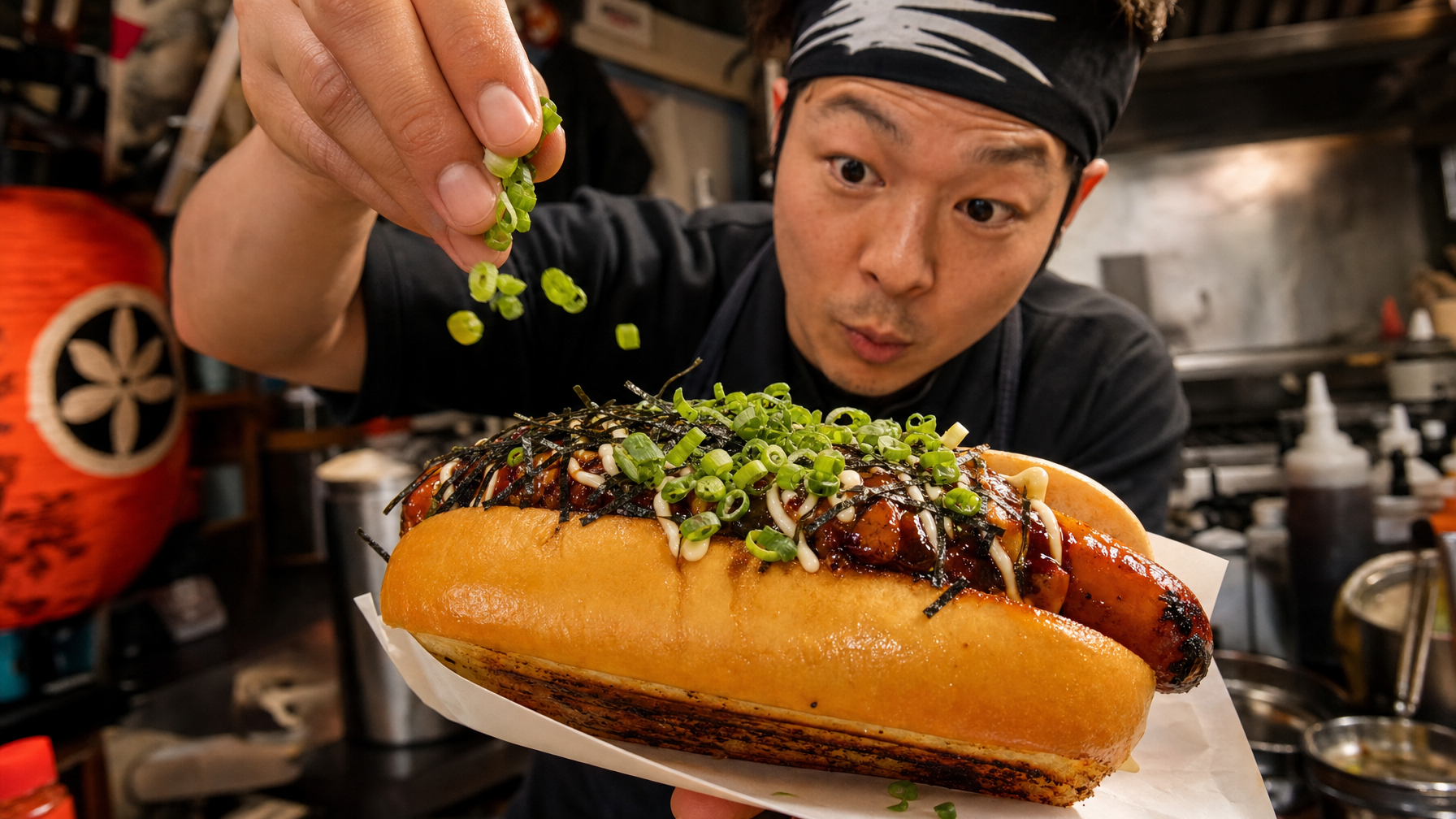
For hot dog obsessives and curious home cooks who want a bold, glossy dinner instead of a bland topping exercise, this Tokyo-inspired build is the move: brown a snappy dog, brush it with teriyaki glaze, pile on scallions, and put it in a bun with enough backbone to survive. This is not a claim about traditional Tokyo street food. It is a home-kitchen hot dog borrowing Japanese flavor cues with extremely good intentions.
What kind of hot dog survives a teriyaki situation?
Choose a hot dog with a pronounced savory flavor and a casing that gives you a proper snap. Teriyaki brings sweetness and salt, so a mild, soft dog can disappear under the glaze like it owes somebody money. A more assertive sausage keeps the center of gravity where it belongs: on the hot dog.
Grilling, griddling, and pan-searing all work. The non-negotiable bit is browning. Those browned spots bring a roasted, savory edge that keeps the glaze from reading like candy. Cook the dog through first, then introduce the sauce near the finish line.
- Grill: Great for smoky edges and a little char.
- Griddle: Great for broad, even browning and easy glaze control.
- Skillet: Great when the weather is rude or you simply own a stove.
The bun is not a napkin. Pick one that can fight back
A bun has a job beyond transporting the dog from plate to mouth. It must hold a hot sausage, sticky glaze, scallions, and perhaps one restrained extra without collapsing into sweet bread sludge.
Use a fresh, sturdy split-top bun or another substantial hot dog bun with a reasonably tight crumb. It should yield when bitten, but it should not surrender on first contact with sauce. Lightly toast the cut sides before assembly. That small step adds flavor and gives the interior a little more resistance to moisture.
A soggy bun can ruin a great dog faster than an overenthusiastic squeeze bottle. Nobody needs that kind of betrayal at dinner.
Teriyaki glaze: shiny, savory, and not dessert in disguise
The goal is a glaze that is salty, sweet, aromatic, and glossy enough to cling to the dog. It should coat, not drown. If the sausage is swimming, you have made a tiny bun-sized floodplain.
A simple teriyaki-style mixture often starts with a salty base such as soy sauce, a source of sweetness, ginger, garlic, and a small amount of water or acidity to keep the flavor from becoming heavy. Adjust to taste. The right balance is personal, but the finished sauce should still let the browned sausage taste like sausage.
Two sensible sauce routes
- Ready-made sauce: Use a teriyaki sauce you already enjoy. Warm it gently if it is thick, then brush on a modest amount.
- Quick homemade glaze: Simmer a soy sauce-based mixture with sweetness, ginger, garlic, and a splash of water or acidity until it lightly coats a spoon. Keep an eye on it. Reduction is powerful, and salt does not become shy just because it is glossy.
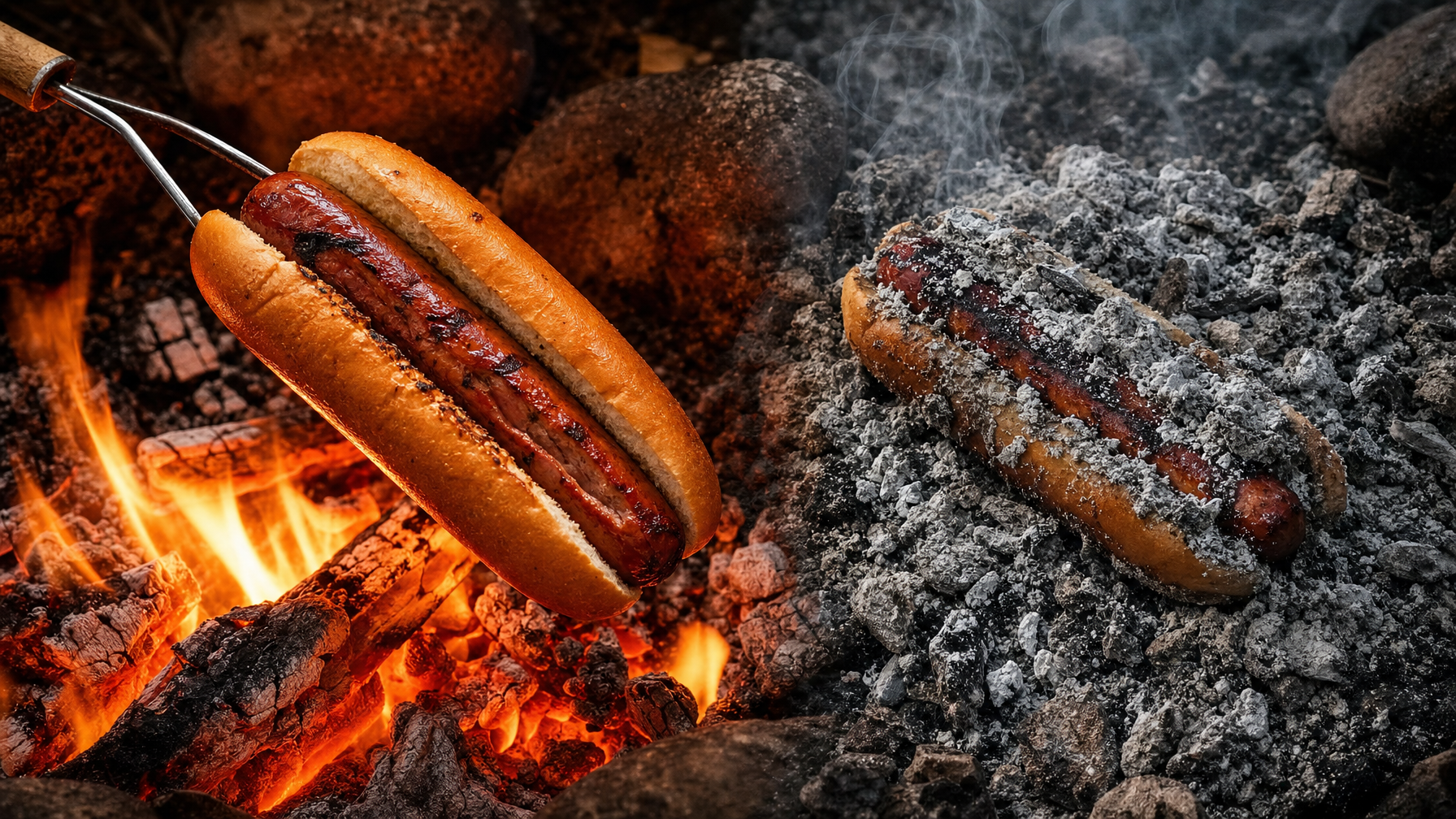
Brush or toss the dog with glaze near the end of cooking. Sugars can burn before the exterior has a chance to brown, which turns “savory-sweet” into “campfire regret.”
Scallions bring the green fireworks
Thinly sliced scallions are the main fresh topping here. Their crisp, sharp lift cuts through sticky glaze and rich sausage, while the green color makes the whole thing look deliberately assembled rather than rescued from a late-night refrigerator incident.
If you want more control, separate the white and light-green sections from the darker green tops. The white portions are sharper and more onion-forward. The green tops are milder and fresh. Use both, or lean toward the greens if you want the glaze to stay in the spotlight.
- Raw scallions: Clean bite, crisp texture, maximum contrast.
- Briefly charred scallions: Softer texture and deeper, lightly smoky flavor.
Keep the topping list disciplined. This is a teriyaki-and-scallion dog, not a kitchen-sink festival with a bun as its unwilling host.
Build the dog in the right order or face the sauce flood
- Toast the cut sides of the bun lightly.
- Cook the hot dog until browned and hot throughout.
- Brush the dog with glaze near the end of cooking, or immediately after it comes off the heat.
- Set the glazed dog into the toasted bun.
- Finish with sliced scallions.
- Add one optional finishing touch, if you must.
For a thicker glaze, brush it on before the dog enters the bun. For a looser sauce, place the dog in the bun first and use a very light drizzle. In either case, serve extra glaze on the side. Let people add more if they want it. Do not pre-soak the bun in the name of generosity.
The finished dog should be glossy, green-flecked, and visibly intentional. You should be able to see the dog. Radical concept, apparently.
Optional toppings that know when to leave the room
The base build does not need help, but a controlled variation can be fun. Pick one or two additions, not the entire condiment shelf.
- Toasted sesame seeds: Add a nutty crunch without changing the central flavor too much.
- A small handful of shredded cabbage: Adds cool crunch and makes the bite feel lighter.
- Pickled ginger: Brings acidity and a bright, sharp reset between rich bites.
- A touch of spicy mayo: Adds creaminess and heat, but use it sparingly because it can mute the glaze.
Adding every option at once is not creativity. It is a topping parade. This remains a Tokyo-inspired home recipe, not a canonical local style, and its charm is the focused contrast between browned sausage, glossy sauce, and fresh scallion.
What to serve beside this glossy little troublemaker
Give this dog a side that refreshes the palate instead of trying to become a second main event. Crisp vegetables, a lightly acidic salad, or something cool and simple all make sense. The point is contrast: a clean bite after the savory-sweet glaze, then straight back to the hot dog.
This is a strong candidate for casual hot dog night, a backyard cooking session, or a themed dinner at home. Keep the sides low-drama. The glossy little troublemaker has already secured the lead role.
Jason's verdict: sauce is welcome, ketchup is not invited
Jason's position is clear: teriyaki glaze earns its spot because it brings salty, sweet, aromatic depth to a browned dog. Ketchup has nothing useful to add to this particular conversation. That is an opinion, not a law of nature, but it is an opinion sharpened over ten years, 50 states, and zero ketchup.
For more hot dog places, products, recipes, and culture coverage, follow @jasonsgrub on Instagram.
FAQ: The questions that appear when the bun starts sweating
Can I use store-bought teriyaki sauce?
Yes. Choose one you enjoy, warm it gently if needed, and use enough to coat the dog without soaking the bun.
Should I grill or pan-sear the hot dog?
Either works. Choose the method that gives the dog good browning while letting you control the glaze near the end.
How do I keep the bun from getting soggy?
Toast the cut sides, avoid over-glazing, and assemble shortly before serving. Extra sauce belongs on the side, where it cannot commit structural crimes.
Is this an authentic Tokyo hot dog?
No. It is a Tokyo-inspired home recipe built around teriyaki-style flavor, scallions, and a sturdy bun.
What if I want heat?
Add a small amount of chili-based condiment or spicy mayo, then taste before adding more. Heat should sharpen the glaze, not flatten it.
Enjoyed this? There's more from Jason's Grub.
Follow on Instagram →