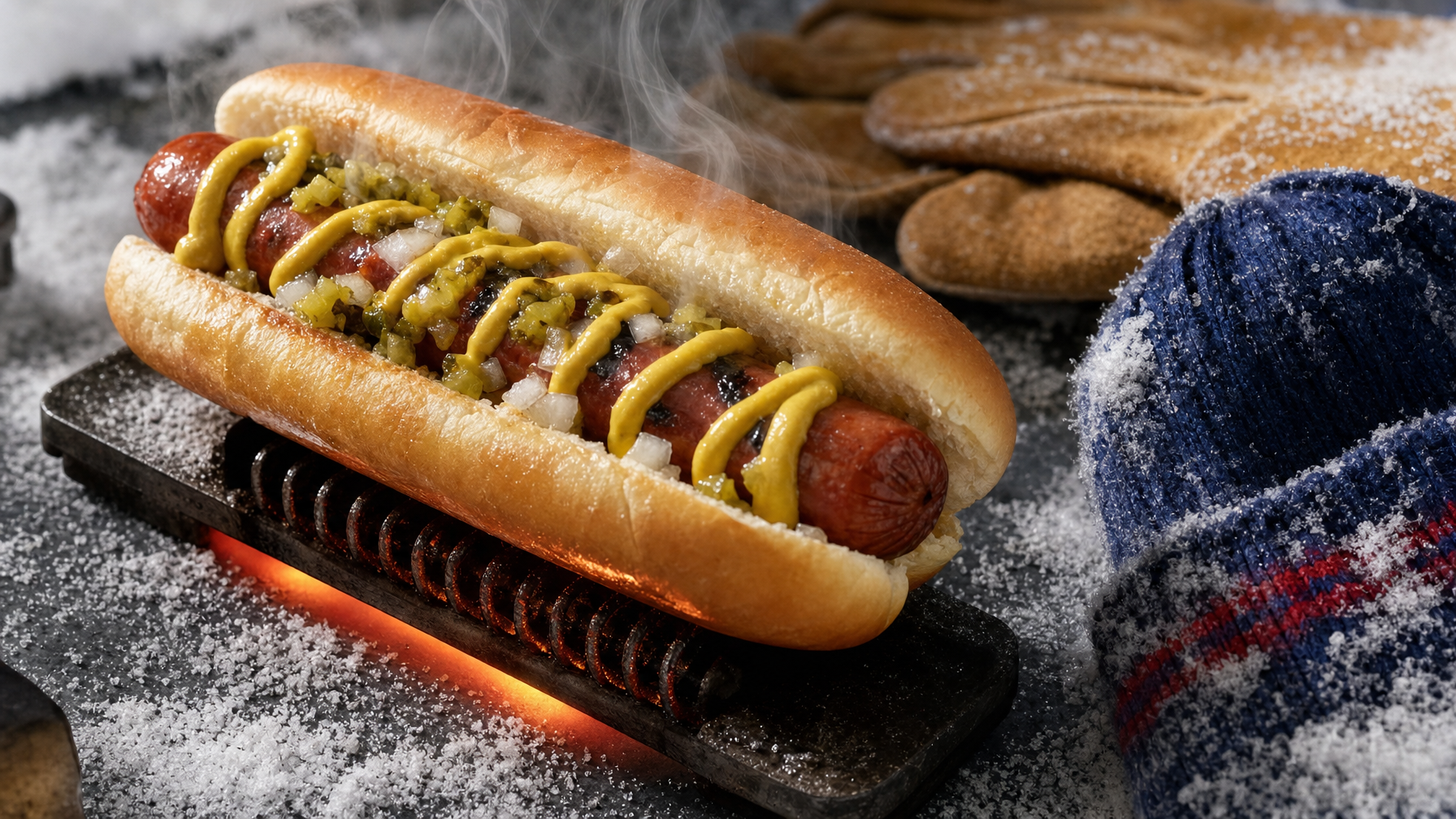
The Pickle-Brine Hot Dog Test: Can a Few Hours Change the Bite?
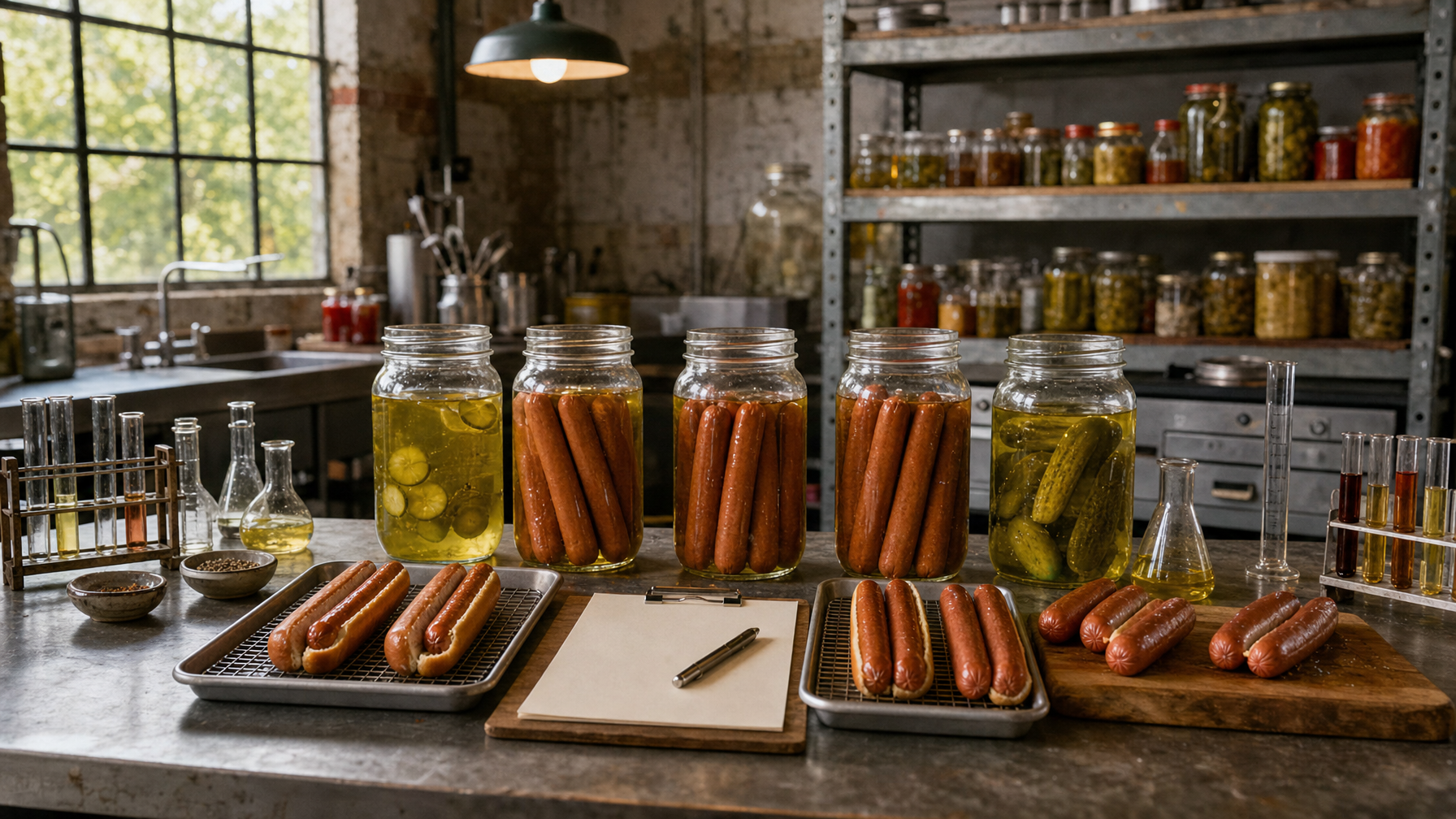
Yes, a few hours in pickle brine can noticeably change a hot dog’s bite. Expect extra tang and seasoning mostly at the surface, not a full pickle-flavored identity crisis from edge to center. This is for hot-dog obsessives willing to run a tiny, sensible kitchen experiment without producing a salty, mushy tube of regret.
The Brine Goes In First, the Grand Theory Comes Later
Pickle brine is the leftover seasoned liquid in a pickle jar. It commonly includes water, vinegar, salt, and spices, though the balance varies wildly from jar to jar. Some brines lean sharp and vinegary. Others are sweet, garlicky, dilly, spicy, or salty enough to make your lips file a complaint.
A short soak can season the outside of a hot dog and alter its surface texture. The biggest change will usually stay close to that exterior. Think of this as an experiment, not a magic trick with a guaranteed ending.
My no-ketchup position applies here with full force: a hot dog should still taste like a hot dog. Brine may bring a useful acidic snap, but it should not force the sausage to surrender its citizenship to a pickle jar.
A Few Hours Is Not a Full Pickle Personality Transplant
Time matters. With a short refrigerated soak, the brine has limited opportunity to affect more than the outer layers. A longer soak may drive a stronger overall impression, but it also raises the chance of excessive salt, pronounced acidity, and a softer surface.
For typical packaged hot dogs that are already cooked, this is a seasoning and texture test, not a method for curing or cooking raw meat. Check the package directions for the specific product you bought, especially if its handling instructions differ from the usual fully cooked dog.
Results can change with the dog and the jar. A thick dog may resist change more than a thin one. A denser casing may respond differently than a skinless dog. A fierce brine may announce itself immediately, while a mild brine may barely clear its throat.
Set expectations accordingly: a few hours may create a tangier bite. Chasing deeper flavor with more time can work against the qualities that made you want a hot dog in the first place, namely salt balance, juiciness, and snap.
Make the Control Dog the Unpaid Judge
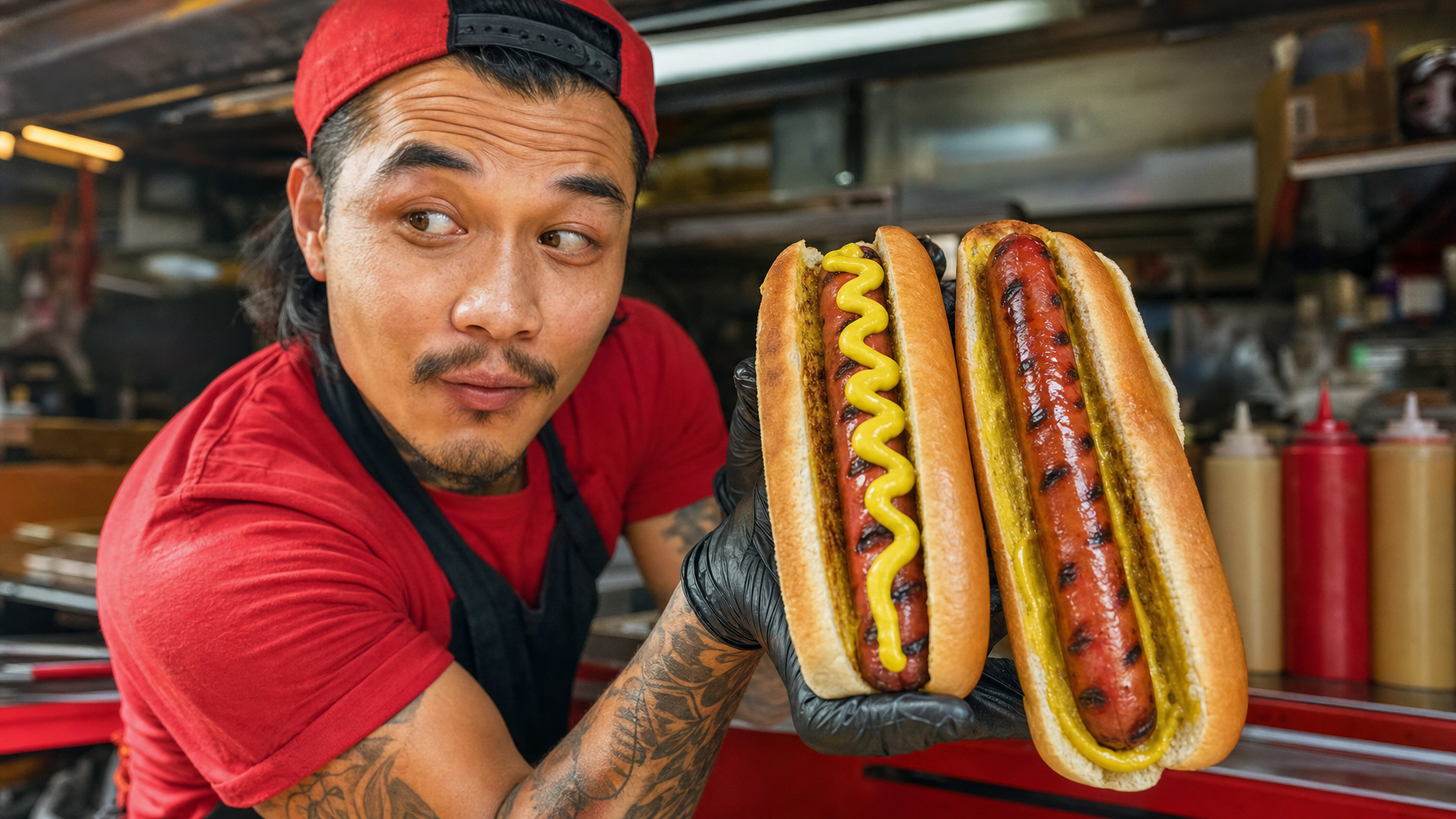
Do not taste one brined dog, nod solemnly, and declare science finished. Use at least two matching hot dogs: one untreated control and one brined sample. The control is the referee. Without it, you are comparing today’s memory to today’s snack, which is how hot-dog mythology gets written.
- Use matching hot dogs from the same package where possible.
- Use enough brine to cover the test dog in a clean, nonreactive container.
- Keep both samples refrigerated until cooking.
- Cook both with the same method and as similarly as practical.
- Taste the untreated control first, then the brined dog.
Write down what matters: the brine style, soak time, dog size, whether it has a natural casing or no casing, and whether you brined it before or after cooking. The point is not to build a laboratory with clipboards and a suspiciously expensive microscope. It is to know what actually changed.
Brine, Chill, Cook: Let the Order Have Its Say
For a straightforward test, place the hot dog in pickle brine, refrigerate it for a chosen short interval, then remove and pat it dry. Cook the brined sample and control using the same method. That could be grilling, griddling, pan cooking, or another method you can repeat consistently.
Patting the brined dog dry matters because a wet surface tends to steam before it browns. If one dog arrives dripping and the other dry, you are testing moisture management as much as pickle brine. That is a valid experiment, just not the one you meant to run.
You can also test whether brining before or after cooking changes your preference, but treat that as a separate variable. Keep the rest of the setup consistent rather than changing the brine, cooking method, and dog type all at once. That is not experimentation. That is a condiment riot.
Food safety still runs the room. Keep the hot dogs refrigerated during the test, use clean equipment, avoid cross-contamination, and follow the package storage guidance. Pickle brine does not make an unsafe product safe, and it does not replace normal food handling.
Taste More Than the Obvious Pickle Shout
“Yep, that’s pickle” is a fine first reaction. It is not the full verdict. Taste both dogs while they are prepared the same way and assess each part of the bite separately.
- Aroma: Does the brined dog smell brighter, spicier, or simply more acidic?
- Tang: Is the acidity lively, restrained, or face-puckering?
- Salt: Does it sharpen the savory flavor or bulldoze it?
- Snap: Has the casing or surface changed in a way you enjoy?
- Juiciness: Does it still eat like a juicy hot dog?
- Surface texture: Is the outside firmer, softer, slicker, or otherwise different?
- Interior flavor: Can you detect a change beyond the outside?
- Aftertaste: Does dill, garlic, spice, vinegar, or salt linger pleasantly?
Ask the only question that really matters: does the brine add contrast, or does it cover up the dog? The control helps separate texture changes caused by brining from those caused by your cooking method.
Use plain-language verdicts. “Better with mustard” is useful. “Good in a relish-heavy build” is useful. “The pickle jar has won” is also useful, although emotionally difficult.
Your Brine Is a Loud Little Chaos Agent
Not every pickle brine is interchangeable. Salt, acidity, garlic, dill, sugar, chile, and other seasonings can all steer the final bite. A comparison between a vinegar-heavy brine and a milder brine can be revealing, but only if you clearly identify the real jars you are using and keep the rest of the test steady. Do not invent a flavor profile after the fact because you wanted a better story.
Natural-casing and skinless hot dogs may behave differently in brine, but that is a question worth testing rather than a universal law to announce from atop a bun. The same goes for beef, pork, poultry, and blended dogs. Different products can take the same liquid in different directions.
One batch can reveal your preference. It cannot settle all of hot-dog physics. If a particular dog and brine combination works, repeat it before declaring yourself the prophet of pickle soaking.
So, Is This a Tangy Upgrade or a Fridge-Door Gimmick?
A few hours in pickle brine can be a tangy upgrade when the outside gets brighter and more seasoned without overwhelming the meat, salt balance, or snap. It is a gimmick when the dog becomes aggressively salty, oddly soft, or so vinegary that every other flavor has left the building.
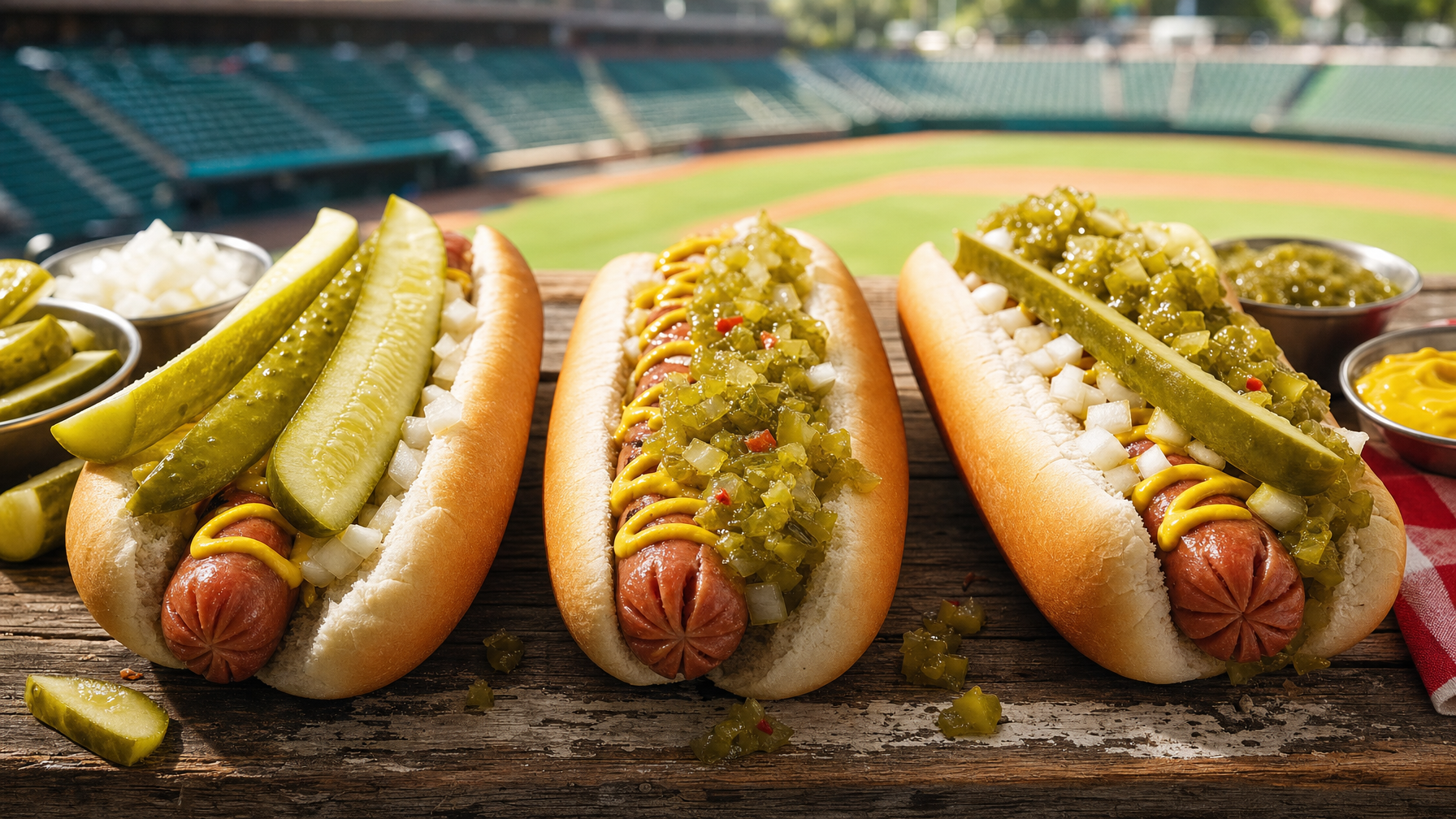
If your test lands on the good side, serve it simply at first. Mustard makes sense. A fresh pickle can reinforce the idea without burying it. A restrained topping lets you decide whether the brine earned its place. Do not immediately throw on six competing toppings and call the result nuanced.
For more hot-dog experiments and strongly held opinions, follow @jasonsgrub on Instagram.
FAQ: Five Questions Before You Put a Dog in a Jar
Will pickle brine fully flavor a hot dog in a few hours?
Probably not. Expect the most noticeable change near the surface. The final result depends heavily on the brine’s salt, acidity, and spices, as well as the size and structure of the hot dog.
Should the hot dog be cooked before it goes into the brine?
Treat that as a test variable rather than a mandatory rule. Keep the batch refrigerated, follow package handling guidance, and compare methods consistently if you test more than one order.
Can pickle brine make a hot dog mushy?
It can affect texture, particularly with longer soaking or a strongly acidic or salty brine. Compare it with an untreated control to decide whether the change is an improvement or culinary sabotage.
Is every pickle brine interchangeable?
No. Brines vary in acidity, salt, sweetness, and seasoning. A good result from one jar is evidence for that jar and that dog, not proof that every pickle brine deserves a role in your refrigerator theater.
What is the fairest way to judge the experiment?
Taste an untreated control beside the brined dog. Use the same cooking method, then judge aroma, tang, salt, snap, juiciness, surface texture, interior flavor, and aftertaste separately.
Enjoyed this? There's more from Jason's Grub.
Follow on Instagram →