Pickle Spears, Relish, or Both? A Tangy Hot Dog Build-Off
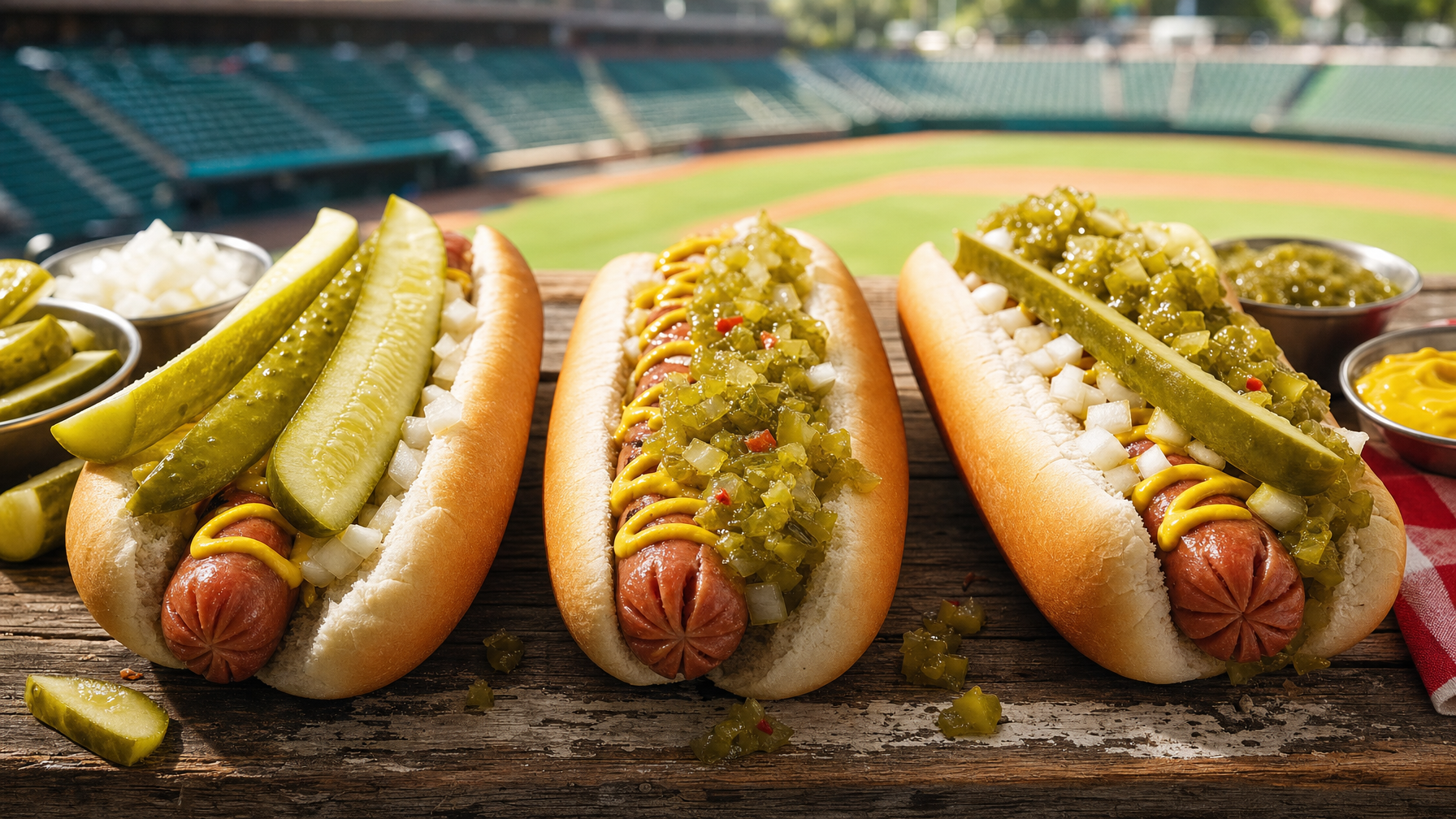
Both can work, but they do different jobs: a pickle spear brings a cold, crunchy punch, while relish spreads sweet-tangy flavor into every bite. This is for hot-dog people who care whether a topping helps the sausage or hijacks it. Keep the dog and bun simple, test each contender separately, and only let both into the final round if they do not turn lunch into a vinegar swamp.
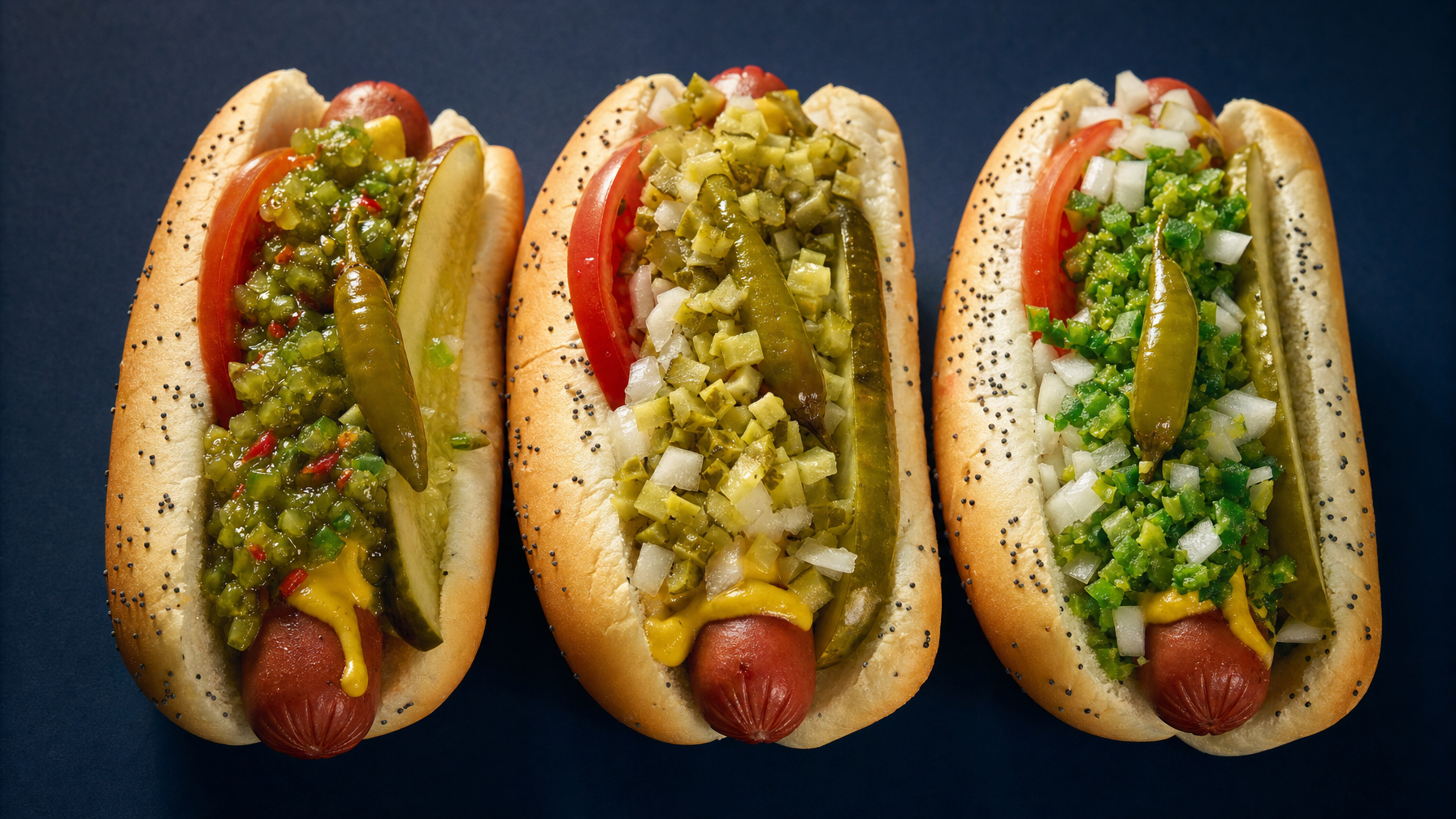
The pickle spear has crunch—and refuses to blend in
A pickle spear is not merely “pickle flavor.” It is a distinct, crisp sidekick: cold, acidic, juicy, and determined to announce itself. Instead of coating every bite, it gives the hot dog intermittent flashes of snap and brine. That separation is its whole charm.
Size matters because hot dogs are not sandwiches with a mortgage. A giant spear on a small dog can become the main event, leaving the sausage to play backup in its own bun. Use a smaller spear, trim one to fit, or cut a spear lengthwise when you want acidity without a full cucumber coup.
Placement matters too. Set the spear alongside the sausage where it can be bitten naturally. If the eater has to pull it out, relocate it, and perform minor bun surgery, the build has already lost.
When the spear earns its keep
The spear is especially good beside a juicy, smoky, charred, or richly seasoned dog. Fat and smoke welcome something cold and sharp. The contrast keeps a rich bite from feeling heavy, and the crunch gives a soft bun and tender sausage a needed bit of attitude.
For a fair test, use the same dog, same bun, same cooking method, and same base condiments in every version. Mustard and onions are reasonable companions if they appear on all three dogs. Ketchup is not invited. This is Jason’s Grub territory: ten years, 50 states, zero ketchup. Some boundaries make civilization possible.
Relish is the loudmouth in the condiment drawer
Relish is chopped pickle topping, usually carrying tang plus a degree of sweetness, depending on the jar. Unlike a spear, it distributes itself across the dog. Every bite gets some. That can be excellent—or it can become an enthusiastic little bully that makes a mild sausage taste like background scenery.
Texture is the honest dividing line. Relish has tiny pops and a pleasant chopped texture, but it does not replace the full, clean snap of a spear. Calling it equal crunch is like calling confetti equal to a parade float.
Drain it before it turns your bun into a sad sponge
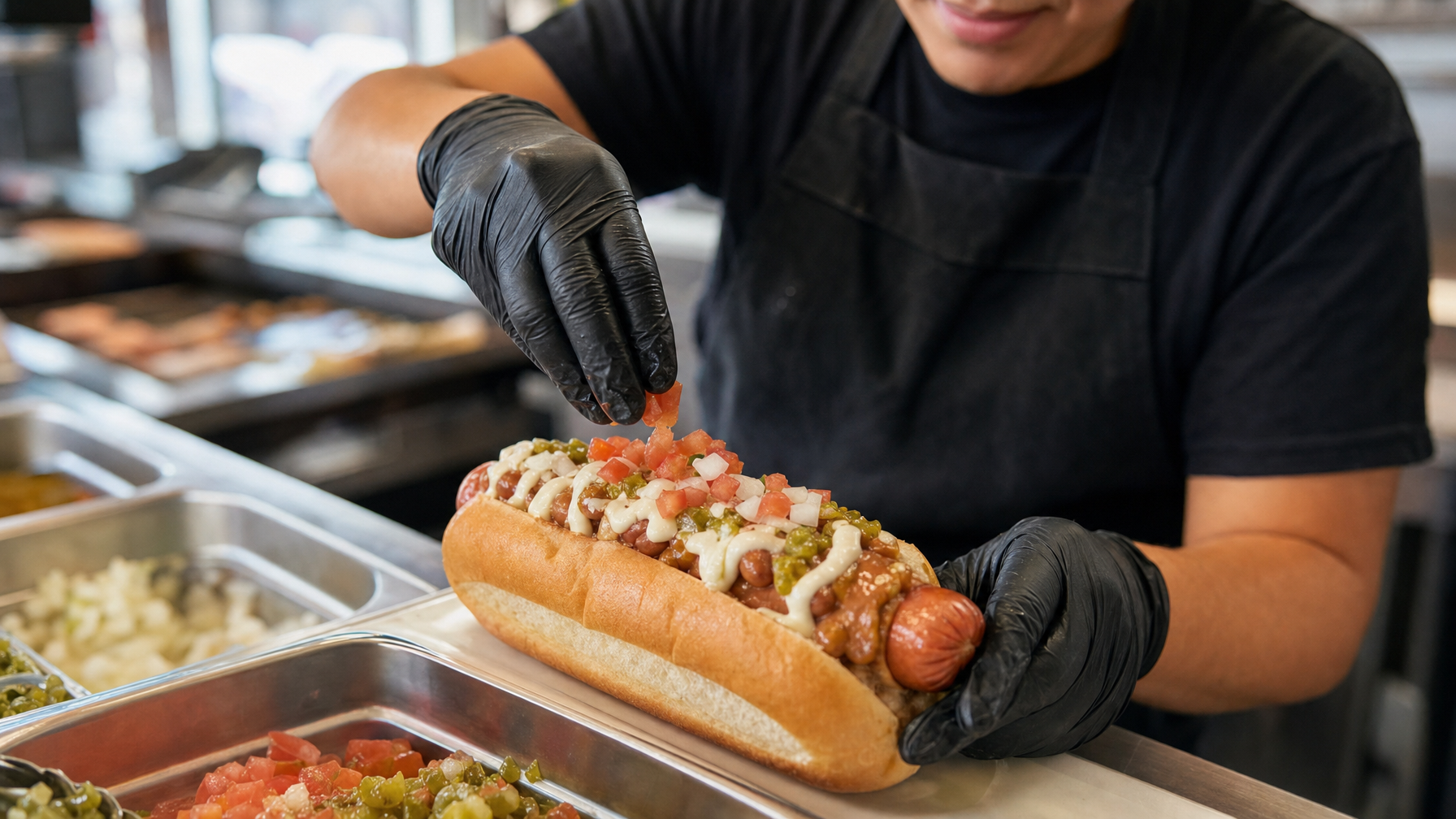
Spoon relish into a small strainer or press it lightly against the side of its container before using it. The goal is not to dry it into pickle gravel; the goal is to lose excess liquid. A wet bun slides, tears, and gives up on life long before the final bite.
Then ask the important flavor question: does that sweetness support the sausage, or does it flatten it? A deeply seasoned, salty, smoky dog can often handle relish’s broader sweet-tangy layer. A mild dog may need a smaller amount—or may be better off with a spear’s cleaner, more isolated acidity.
Round one: same dog, three tangy contenders
Do not conduct this build-off by changing six things at once and then claiming the pickles told you a story. Make three otherwise identical hot dogs.
- Spear dog: one appropriately sized pickle spear.
- Relish dog: a modest layer of drained relish.
- Both dog: a modest layer of drained relish plus a smaller spear.
Keep the bun, sausage, cooking method, mustard, onions, and every other topping exactly the same. The pickle choice deserves the credit—or the blame.
A judging grid that prevents condiment propaganda
| What to judge | Ask yourself |
|---|---|
| Crunch | Did the topping add a real textural snap? |
| Acidity | Did the tang brighten the dog, or jab it in the eye? |
| Sweetness | Did sweetness help the savory flavors, or take over? |
| Mess | Did the topping stay put and preserve the bun? |
| Meat support | Did the sausage taste better, or merely quieter? |
Taste in this order: spear, relish, then both. Start with the cleanest contrast, move to all-over flavor, and finish with the deliberately excessive option. Write a quick verdict before moving on. Your mouth has a short memory and a long history of making excuses for toppings.
Your dog already has a personality. Do not hand it a megaphone.
Smoky or charred dogs want contrast
For a smoky or charred dog, the spear is often the best first move. Its cold crunch cuts through richness without spreading sweetness over every bite. Relish also works when you want a wider sweet-tangy layer, especially if the dog’s seasoning can stand up and be counted.
Mild dogs need a lighter relish hand
With a milder sausage, use relish carefully. A small amount can add welcome lift; too much can make the dog disappear beneath sweet pickle flavor. A smaller spear is often a safer way to add brightness while preserving the meat’s identity.
Heavily topped dogs do not need another committee meeting
If the dog already carries several bold toppings, choose one tangy pickle element. Adding relish, a spear, wet onions, and every condiment within arm’s reach is not abundance. It is poor editing. Pick one source of acidity and let the rest of the build breathe.
My call: choose the spear when texture is the mission. Choose relish when even coverage is the mission. Choose both only when you use restraint—the least glamorous condiment skill, and one of the most useful.
A build-off needs rules, or the condiments will riot
- Keep the pickle topping visible. Do not bury it under unrelated extras until the test becomes meaningless.
- Drain relish before it hits the bun.
- Place the spear where it can be bitten with the dog, not excavated from it.
- Remember that sweetness, acidity, and crunch are separate tools. They are not interchangeable just because they all happen near a pickle jar.
- Use mustard if you want a sharp partner for the experiment. It brings savory bite without pretending to be dessert.
And no ketchup in Jason’s version. The point is to taste pickle texture and tang clearly, not hide the evidence beneath a red sugar blanket. If ketchup is your personal truth, live your life—but it belongs outside this particular courtroom.
Pick your pickle personality and commit
Here is the decision tree. Pick the spear for crunch. Pick relish for even tang across the bite. Pick both when you want a knowingly over-the-top dog but can keep the relish modest and the spear small enough that the sausage still gets to speak.
For the cleanest at-home comparison, cook three identical dogs and taste them in this order: spear first, relish second, both last. Keep your mustard, onions, bun, and cooking method unchanged. Then decide which version made the actual hot dog better—not which topping shouted the loudest.
There is no universal pickle law, because every sausage arrives with its own salt, smoke, seasoning, and level of swagger. But I will be decisive about this: a good spear is the superior move when a dog needs texture. Follow @jasonsgrub on Instagram for more hot-dog arguments, builds, and opinions with absolutely no intention of becoming less opinionated.
FAQ: five questions before the pickle drawer opens
Can I use both a pickle spear and relish on one hot dog?
Yes. Use a modest amount of drained relish and a spear small enough to add crunch without flooding the bun or overpowering the dog. Both is a feature, not a dare.
Which is better for crunch?
The pickle spear. It remains a distinct piece with a full snap instead of being chopped into smaller, softer bits.
Which is better for even flavor?
Relish. Its small pieces spread tangy flavor across more of the bite, while a spear delivers flavor in concentrated encounters.
Should relish be drained before topping a hot dog?
Usually, yes. Removing excess liquid helps protect the bun’s texture and keeps toppings from sliding around.
Does this build need ketchup?
Not for Jason’s version. This build-off is about comparing pickle crunch and tang without covering them in ketchup. Mustard is a much more useful partner if you want another layer.
Enjoyed this? There's more from Jason's Grub.
Follow on Instagram →