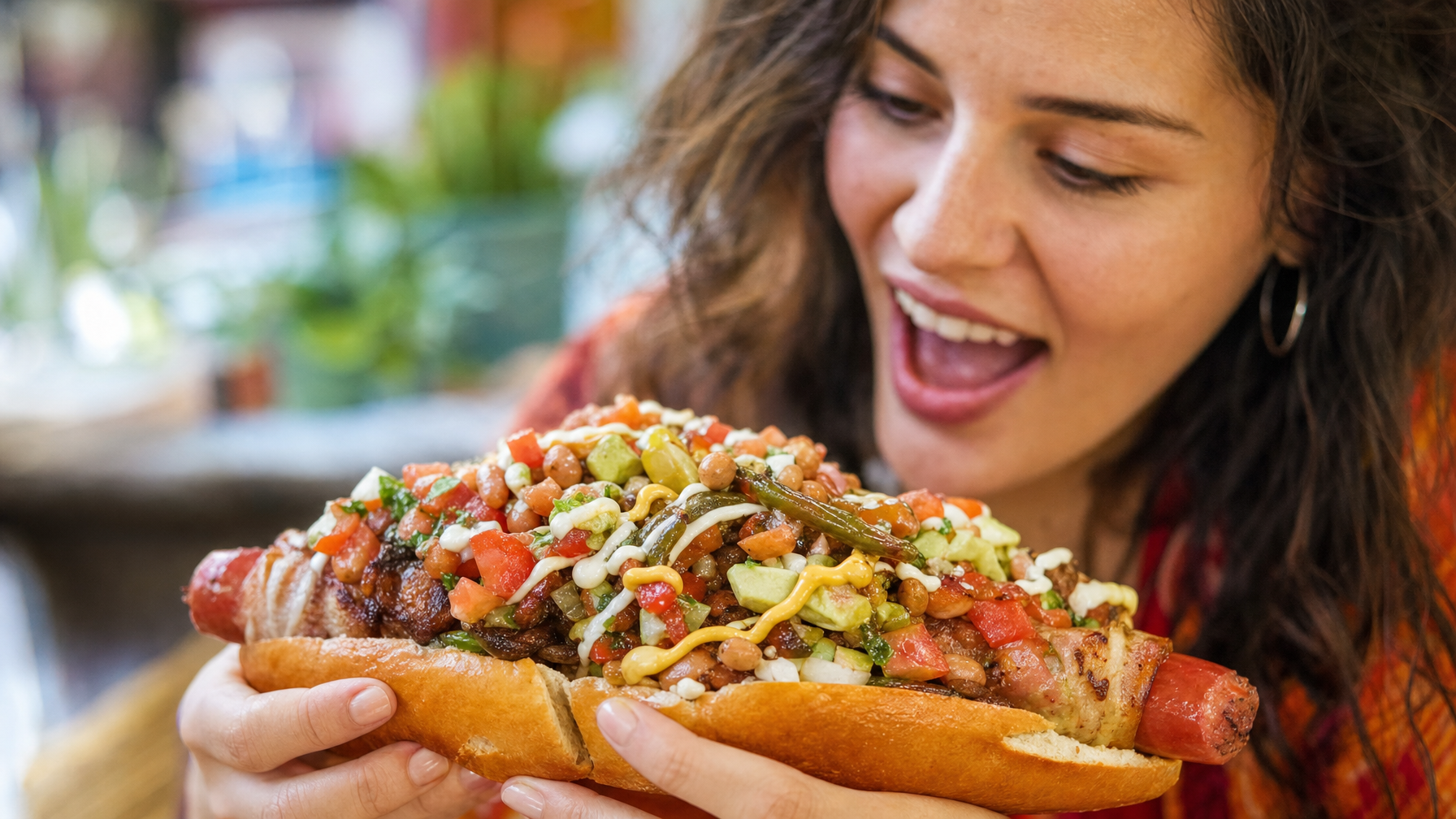
Did TikTok Just Turn the Hot Dog Into a Personality Test?
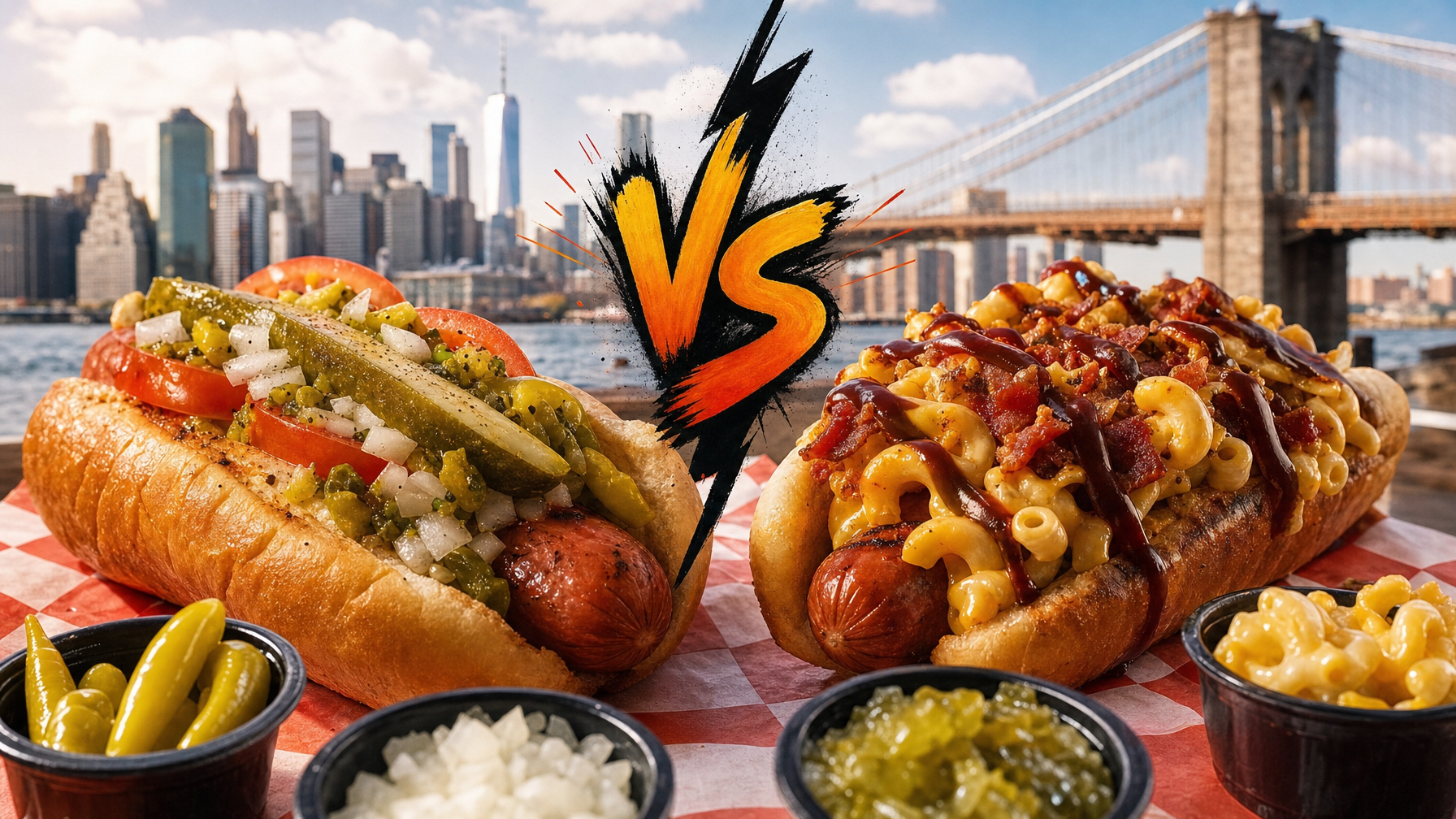
Maybe—but not because TikTok invented hot-dog opinions. The platform has made every topping choice, cooking method, bun preference, and ketchup fight feel like a tiny public declaration of who you are. This is for hot-dog obsessives and food-culture readers trying to separate the joke from the genuine tradition: your order is not a scientific personality profile, but it can reveal what flavors, memories, and local rules you are willing to defend with absurd intensity.
Choose Your Dog, Reveal Your Alleged Flaws
Short-form food posts love a clean little dare: “What does your hot-dog order say about you?” Or: “Pick one topping and I’ll judge you.” It works because a hot dog is fast to identify, fast to assemble, and apparently fast to prosecute.
The internet’s usual fictional diagnoses look something like this:
- Ketchup loyalist: Sentimental, unrepentant, and prepared to turn a cookout into an appeals hearing.
- Mustard purist: Claims to want simplicity; may own unusually strong feelings about vinegar.
- Chili maximalist: Believes a bun is merely structural engineering for a glorious mess.
- Grilled-snap devotee: Here for casing texture, smoke, and the satisfying little crack of a properly cooked sausage.
- Minimalist with suspicious confidence: Orders a plain dog and makes it sound like a moral achievement.
None of this is psychology. No topping can diagnose your childhood, your attachment style, or whether you return shopping carts. These are playful stereotypes—tiny comic costumes people put on while talking about lunch. But they catch because food preferences can act as identity signals. They tell people what camp you are joining, what flavor balance you value, or which culinary argument you have already prepared in the notes app.
The Topping Debate Was Loud Before TikTok Entered the Bun
TikTok did not create hot-dog tribalism. Families, neighborhoods, ballparks, counters, grills, and roadside stands had already spent generations establishing their own rules. Social video gave those rules a brighter stage, a quicker setup, and a comment section full of volunteer prosecutors.
A person can simply prefer a condiment. A local build is something else: a repeated combination shaped by a place, its vendors, its ingredients, and the people who keep ordering it. Treating every established tradition as merely “content” misses the point. A good local dog is often an edible record of what that community has made available, argued over, and kept alive.
That is the useful distinction: TikTok can accelerate a debate without inventing the tradition being debated. The picnic-table argument was already simmering. The phone just gave it ring lighting.
Jason’s position is straightforward: ten years, 50 states, zero ketchup. That is a personal, long-running hot-dog stance—not a universal law handed down from the sacred condiment cabinet. Strong opinions are required; pretending every dog is interchangeable is not.
A Hot Dog Is a Tiny Stage for Where You Come From
A hot dog can signal more than taste. The bun, the sausage, the casing, the cooking method, the topping order, and even the required napkin strategy can point toward a food tradition someone recognizes as home.
Consider the questions hiding inside one order:
- Is the sausage grilled, steamed, fried, or cooked another way?
- Does it have a snappy natural casing or a softer bite?
- Is the bun soft, toasted, steamed, split on top, or split on the side?
- Are toppings there for acid, heat, sweetness, crunch, richness, or pure chaos?
- Is this a quick counter snack, a ballpark ritual, a backyard meal, or a destination worth leaving the highway for?
Those details deserve more attention than broad declarations about what an entire state eats. Food culture gets interesting when it names the actual dog, the actual preparation, and the actual place serving it. That is also more useful for a hungry reader. A destination profile or food crawl should send you toward something specific, not hand you a vague stereotype in a paper tray.
Jason’s Grub already covers places and food crawls, including Delray Beach. Those stories are the better companion to a condiment brawl: go see what is on the counter, ask what the house does well, and judge the snap with your own teeth.
The Algorithm Loves a Condiment Fight Because It Takes Eight Seconds
Hot dogs are practically built for short-form video. There is the bare bun, the sausage drop, the zigzag of sauce, the topping avalanche, the final cross-section, and then—most importantly—the invitation for somebody to declare it illegal.
The format has obvious strengths:
- Ingredients are recognizable at a glance.
- Assembly creates a satisfying before-and-after reveal.
- Cooking provides sound and motion: sizzle, char, steam, snap.
- A single topping can trigger an immediate opinion.
- The stakes are low enough to be funny and high enough for people to pretend they are not.
That makes hot dogs excellent comment-section bait. It does not make a topping choice evidence of someone’s actual personality. An entertaining argument is an argument, not a behavioral study wearing yellow mustard.
Claims about a particular TikTok trend, creator, restaurant, date, or view count need verification before they belong in a serious food story. Without that, it is better to discuss the observable format: fast food videos, reaction-heavy comments, recurring ketchup fights, and identity-based prompts that invite viewers to pick a side.
Your Hot Dog Probably Says Nothing About You, and That Is Fine
Maybe someone puts ketchup on a hot dog because they enjoy ketchup. Wild concept. Maybe they grew up with it. Maybe it was the only bottle within reach. Maybe they are making a decision entirely unrelated to their character, horoscope, or capacity for meaningful friendship.
Jason remains firmly, joyfully, unnecessarily committed to zero ketchup. That is this site’s point of view and part of its flavor. It is not a claim that every ketchup user has committed a crime against the bun. Food opinions should be sharp enough to be fun, but not so self-important that they turn lunch into a courtroom.
The best hot-dog content does three things: it gives people something concrete to notice, something worth trying, and something delightfully petty to argue about afterward. It does not pretend a condiment packet contains your entire soul.
The Real Personality Test: Can You Defend the Order?
If a dog must become a personality test, at least make it a useful one. Do not lead with “Is this controversial?” Lead with whether the order earns its own mess.
- What is the sausage? Is it flavorful, properly cooked, and worth putting at the center of the bun?
- Does it have a good snap? If snap is the promise, the bite should deliver it—not merely make a polite squish.
- Does the bun help? A bun has a job: hold the dog, support the toppings, and avoid dissolving into edible paperwork.
- Are the toppings balanced? Crunch, tang, heat, richness, and sweetness can coexist. They should not wrestle for custody of the sausage.
- Would you order it again? This is the final vote. Not “Would it provoke comments?” Would you happily eat another?
Thoughtful preference is not the same as performative contrarianism. A mountain of toppings is not automatically a better dog, and a plain dog is not automatically a more enlightened one. Defend the order with flavor, texture, context, and an honest answer about whether it worked.
So name the hot-dog choice you will defend forever. Then explain why. “Because it annoys strangers online” is funny, but it is not yet a food argument.
Turn Comment-Section Chaos Into a Dog Worth Eating
The productive outcome of all this bickering is discovery. Let the video send you toward a specific stand, a product you can actually buy, a regional build, or a recipe with a reason behind it. Let the argument make you curious rather than merely louder.
For home cooking, Jason’s recipe work is a good next stop, including the existing charcoal-snap approach. For eating out, the site’s city coverage and food crawls can help turn abstract hot-dog discourse into an actual route, an actual counter, and hopefully an actual excellent bite. Those pages complement the conversation; they do not prove that an algorithm created it.
For more opinions, finds, recipes, and place-based hot-dog coverage, follow @jasonsgrub on Instagram.
FAQ: Five Questions Before You Put Ketchup on Trial
Is there proof TikTok has literally changed how people eat hot dogs?
Not from the information discussed here. It is fair to say short-form video makes hot-dog preferences more visible, more performative, and easier to debate. It is not responsible to claim broad changes in eating behavior without reliable evidence.
Does a topping choice really reveal someone’s personality?
Not in a scientific sense. It can be a playful identity signal, a regional marker, a family habit, or simply a preference. Sometimes mustard means mustard. The plot is allowed to be that simple.
Is ketchup actually wrong on a hot dog?
Jason’s answer is zero ketchup. That is a personal stance and a core piece of the site’s voice, not a universal law. You may proceed with ketchup at your own culinary risk and with full awareness that someone will have an opinion.
How can I tell a real food tradition from an online joke?
Look for specific places, consistent local practice, historical context, and details that can be checked now. A single dramatic video can be entertaining; it is not enough on its own to establish a tradition.
What should I do if I want more hot-dog arguments and discoveries?
Follow @jasonsgrub on Instagram for ongoing hot-dog opinions, recipes, purchasable finds, and place-based food coverage.
Enjoyed this? There's more from Jason's Grub.
Follow on Instagram →