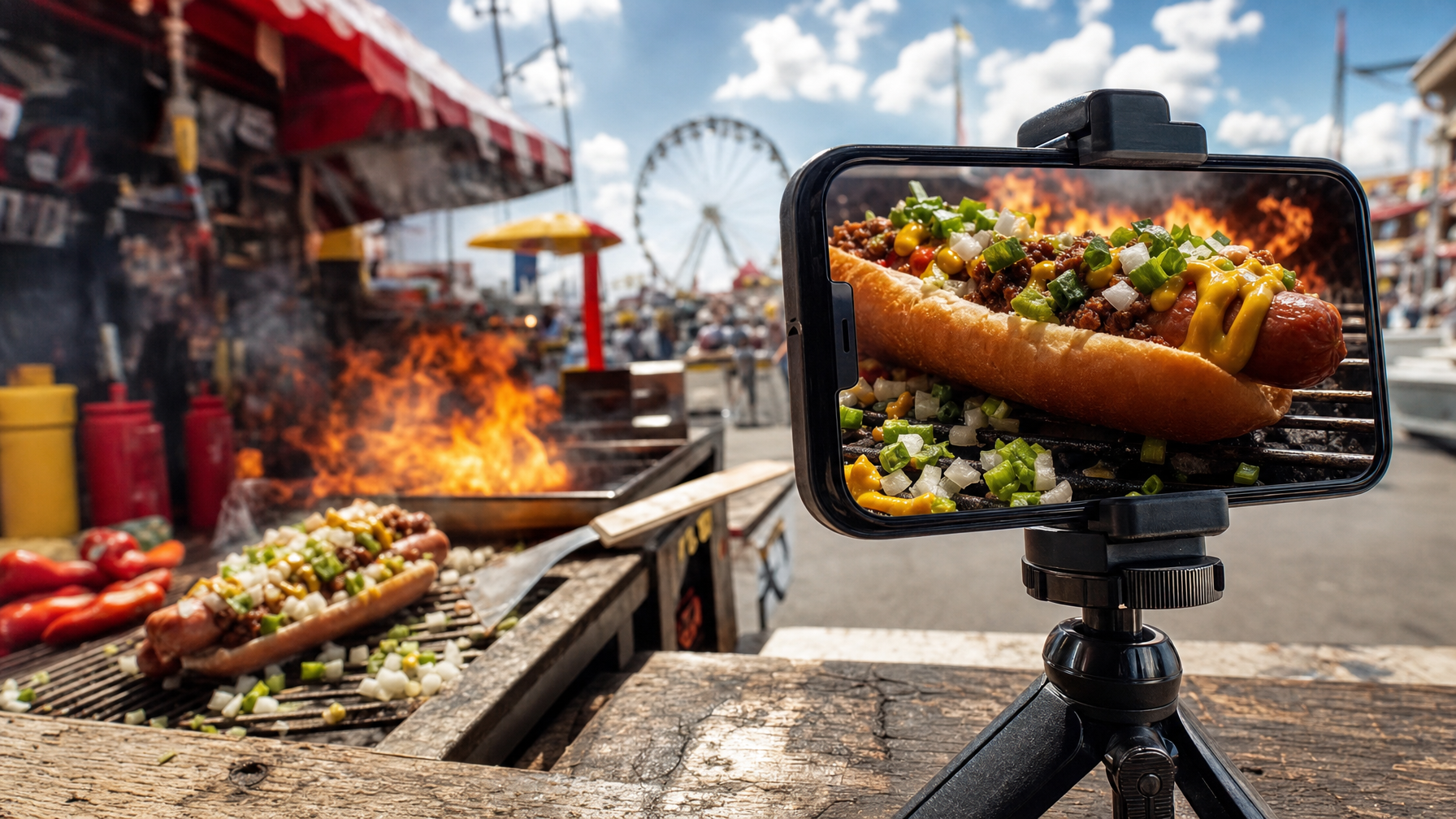
The Leftover Hot Dog Hash That Deserves Better Than a Midnight Apology
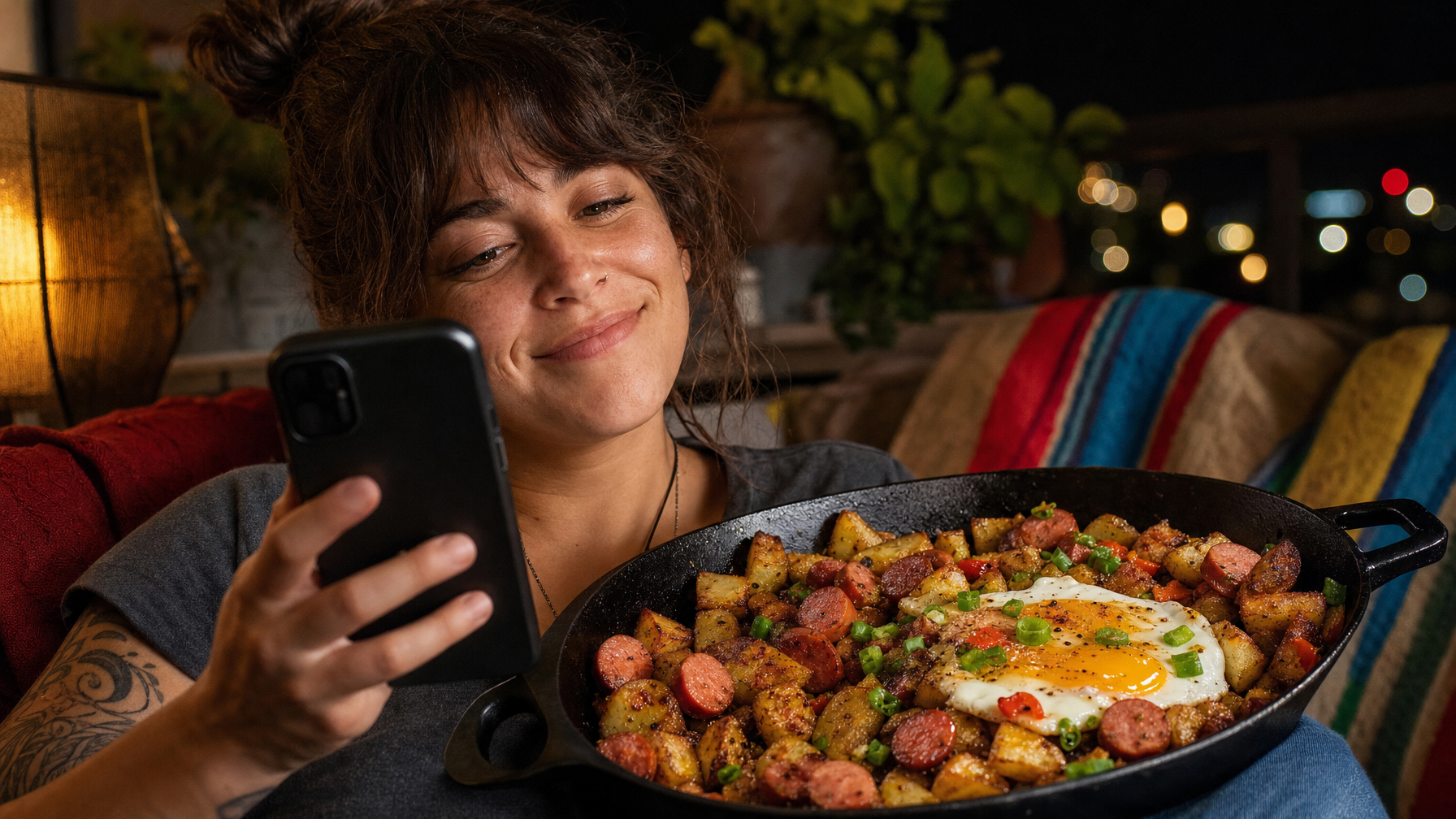
Leftover hot dog hash is worth treating like a real skillet dinner, not a guilty 12:47 a.m. experiment. For hot dog obsessives and practical home cooks with yesterday's dogs, potatoes, and crisper-drawer stragglers, the move is simple: build crisp edges, tender vegetables, and enough seasoning to make the whole thing feel intentional.
The Hot Dogs Have Returned, and They Brought Potatoes
Leftover hot dog hash is a skillet dish made from chopped cooked hot dogs, browned potatoes, and whatever useful vegetables or aromatics are hanging around. Think onion, peppers, scallions, or a small scoop of already-cooked vegetables that deserve one final good deed.
My position is not subtle: leftovers deserve contrast, texture, and seasoning. They do not deserve a sad microwave encore where every ingredient becomes the same damp temperature and emotional color.
This is particularly handy after a cookout, when a few cooked dogs are left in the fridge and nobody wants to stage a full second cookout just to give them a purpose. Potatoes give the dogs a crisp, substantial partner. Vegetables bring sweetness or bite. A sharp topping keeps the whole skillet from becoming an all-brown monument to poor planning.
Start With the Potato Situation, Not the Panic
Cooked potatoes are the cheat code here. Leftover roasted, boiled, baked, or steamed potatoes are already tender, so they can head straight for the skillet and concentrate on their real job: developing a browned crust.
Dry them first when possible. Patting potatoes dry with a clean towel or paper towel removes surface moisture, which helps them brown instead of steam. This is not glamorous work, but neither is eating pale, soggy hash.
If fresh potatoes are what you have, they will work. Cut them into small, even pieces so they cook at the same pace. Cook them until tender before the hot dogs go in. You can use a covered phase with a splash of water to soften them, then remove the cover and let the moisture cook away before browning.
A sensible skillet starting point
- Cooked potatoes, diced or chopped into bite-size pieces
- Cooked leftover hot dogs
- Onion, pepper, or another vegetable that needs a job
- Cooking oil or another suitable fat for the skillet
- Black pepper and salt, added carefully
- One smoky or savory accent, if wanted
There is no sacred quantity. Give potatoes and hot dogs roughly equal attention, then let the vegetable drawer make its case.
Chop the Dogs Like You Mean It
Your knife work changes the personality of the hash more than anyone wants to admit.
| Cut | What it does in the skillet | Best mood |
|---|---|---|
| Small coins | Creates lots of exposed surface and plenty of crisp edges. | Maximum sizzle, more potato-and-dog mingling. |
| Half-moons | Offers a little more chew while still browning well. | A balanced, familiar hash bite. |
| Rough chunks | Keeps the hot dog notably meaty and distinct from the potatoes. | When the dog has a good snap or a substantial texture worth preserving. |
Use small coins if you want the hot dog to get crispy and weave through the potatoes. Use chunks if the dog itself has a texture you want front and center. Either way, the hot dog is the star. Onions and peppers are supporting actors. They may steal a scene, but they do not get the trailer.
Give the Skillet a Few Minutes Alone
Hash rewards patience, a quality that becomes mysteriously scarce when someone is hungry and holding a spatula.
- Heat a roomy skillet over medium to medium-high heat and add enough fat to coat the cooking surface.
- Add the potatoes in a reasonably even layer. Let them sit long enough to brown before turning them.
- Add onions, peppers, or other vegetables once the potatoes have begun to color. Cook until the vegetables soften and any excess moisture has cooked off.
- Add chopped hot dogs near the end. Toss and cook until heated through with lightly browned edges.
- Season, taste, and finish with your chosen toppings.
Do not crowd the pan. A packed skillet traps steam, and steam is the sworn enemy of crispy potatoes. Cook in batches if necessary. It is less dramatic than serving a skillet full of soft beige regret.
Stir occasionally, not constantly. The potatoes need contact with the hot pan, not emotional supervision.
Season It Without Committing a Pantry Crime Scene
Start with black pepper and a restrained hand with salt. Hot dogs are usually seasoned already, and other leftovers may bring their own salt along for the ride. Taste before adding more.
Then choose one or two directions, not every spice jar that has ever made eye contact with you.
- Smoky: A little paprika or another smoky seasoning can underline a grilled or charred hot dog.
- Savory: Garlic, cooked onion, or a small spoonful of mustard can deepen the skillet without taking it hostage.
- Spicy: Hot sauce, chopped pickled peppers, or a pinch of chile seasoning adds useful heat.
- Herby: Scallions or a modest handful of herbs can lighten a rich batch.
- Cheesy: Add shredded cheese at the end and let it melt over the hash. This is never a bad idea, only occasionally a heavy one.
Mustard is especially welcome because it brings tang and familiarity without turning the hash into a wet mess. Add it sparingly in the pan or serve it at the table.
Is This Breakfast, or Did a Barroom Legend Just Happen?
The finishing move decides the identity of the dish. Put a fried egg on top and breakfast has arrived wearing sensible shoes. Add melted cheese, pickled peppers, mustard, and hot sauce, and the skillet begins to look like it has stories it should not tell before noon.
- Fried egg for a rich, yolky finish
- Chopped scallions for freshness and bite
- Pickled peppers or another acidic pickle for contrast
- Mustard for tang
- Hot sauce for heat
- Shredded cheese for obvious reasons
Acidic toppings matter because hot dogs and potatoes can be rich and salty. A little pickle brine, a pickled pepper, or mustard wakes up the whole pan.
And no, Jason's version does not need ketchup. Zero ketchup is a position, not a cry for help. Your finishing sauce is your business, of course, but mustard, hot sauce, pickled toppings, or no sauce at all bring plenty of personality to the party.
A Leftover Hash Is a Formula, Not a Courtroom Transcript
Do not wait for the exact approved number of hot dogs to make this. A useful framework is roughly equal parts cooked potato and chopped hot dog, then enough onion, peppers, or other vegetables to use what needs using.
Have one leftover dog? Make a personal skillet with a small potato and half an onion. Have several? Scale up, preferably using a wide skillet or cooking in batches so the potatoes can still brown.
Small amounts of roasted vegetables, sautéed onions, or other cooked vegetables can join the pan if they are safe to eat and not excessively wet. If something is slick with sauce or carrying a lot of water, drain it or add it late. The goal is a hash, not a tiny skillet soup.
The Midnight Apology Ends at the First Crispy Bite
The finished target is straightforward: browned potatoes, crisp-edged hot dog pieces, tender vegetables, and a sharp finishing note that cuts through the richness. It should taste like deliberate comfort food, not leftovers wearing a fake mustache.
Give the skillet enough heat, enough space, and enough restraint to do its work. Yesterday's dogs can absolutely earn dinner status tonight.
For more hot dog-focused recipes, places, and food culture, follow @jasonsgrub on Instagram.
FAQ for People Who Still Have Questions and One More Hot Dog
Can I make hot dog hash with uncooked potatoes?
Yes. Cut the potatoes into small, even pieces and cook them until tender before adding the hot dogs. A covered skillet phase can help them soften, then uncover the pan and let the potatoes brown before the hot dogs join the action.
Which leftover vegetables work best?
Onions and peppers are natural choices, and already-cooked vegetables can work nicely too. The important part is moisture control. Drain or cook off excess liquid so the potatoes brown instead of steam.
How do I stop the hot dogs from drying out?
Add them after the potatoes have developed color. Cook the chopped hot dogs only until they are heated through and lightly browned, rather than leaving them in the skillet through the entire potato-cooking process.
Can I reheat hot dog hash?
Yes. Reheat it in a skillet when possible to bring back some crispness. Handle stored leftovers according to ordinary food-safety practices, and do not keep food that seems questionable just because it contains a hot dog.
Does hot dog hash need ketchup?
Absolutely not for Jason's version. Mustard, hot sauce, pickled toppings, or no sauce at all can provide plenty of personality without inviting ketchup to the party.
Enjoyed this? There's more from Jason's Grub.
Follow on Instagram →