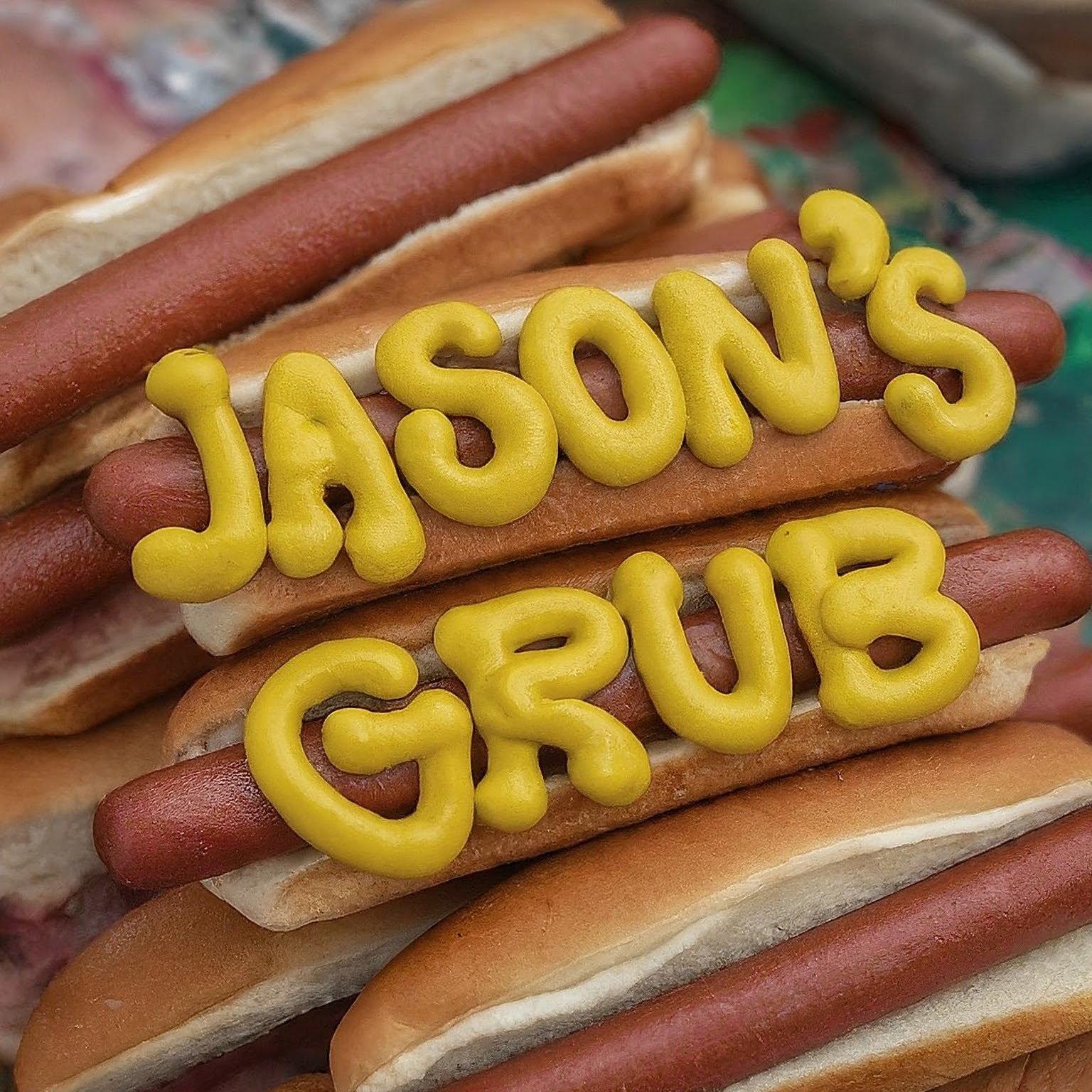
The Hot Dog Post That Made Everyone Suddenly Become a Food Critic
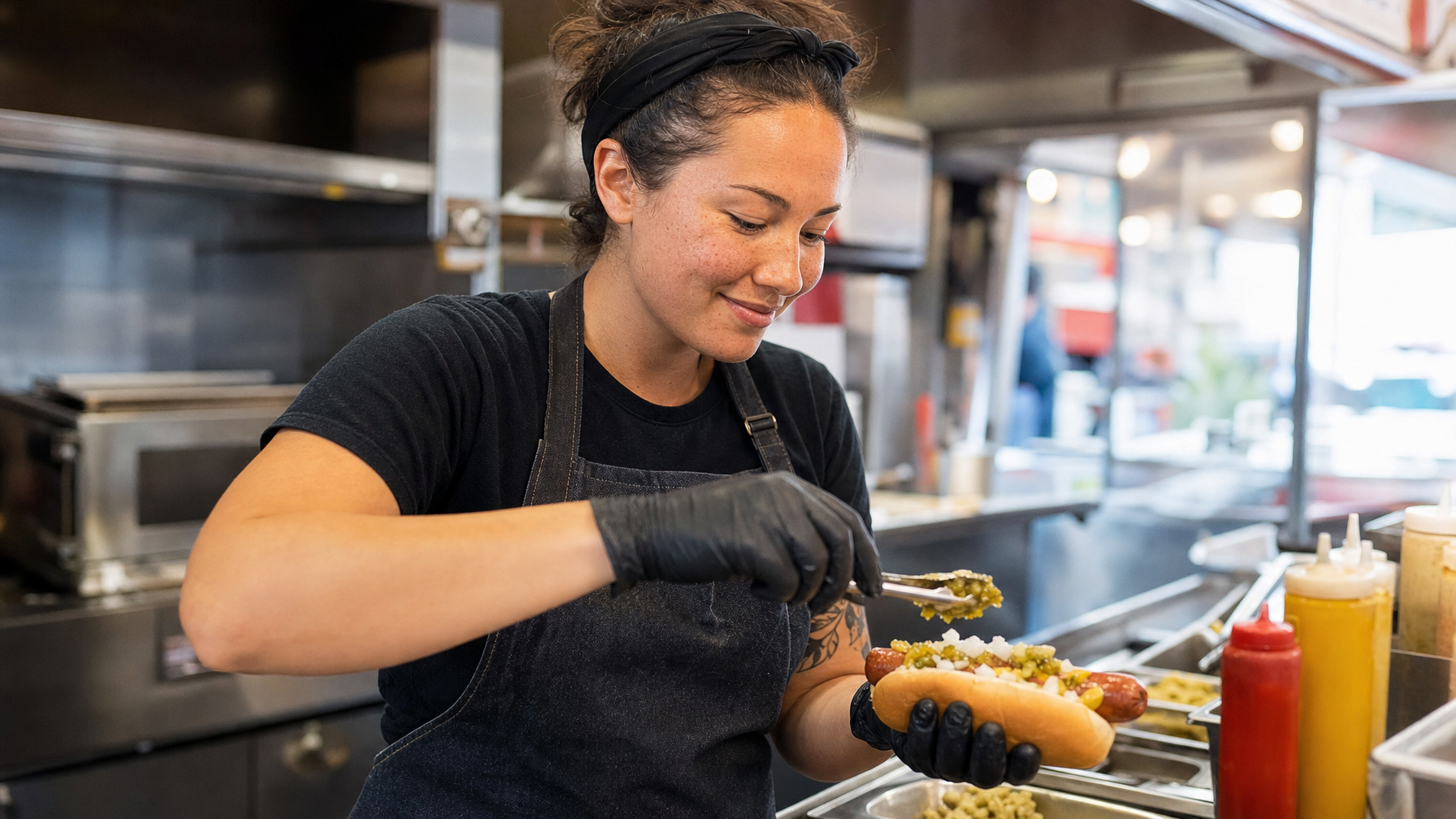
A single hot dog post can turn a quiet scroll into a full-blown panel discussion because everyone has an opinion about the bun, the snap, the toppings, and—naturally—the ketchup question. This is for hot dog enthusiasts and food-culture readers who want to understand why ordinary diners suddenly start writing judicial opinions about a sausage in a roll. One important housekeeping note: the specific post, creator, platform, date, and URL behind this headline have not been verified in the material available for this article, so no particular post is named or linked—and no claims about its reach, comments, or reaction are being invented. The larger phenomenon, however, is very real: hot dogs are tiny, familiar opinion machines.
Why a Hot Dog Post Can Hit a Nerve
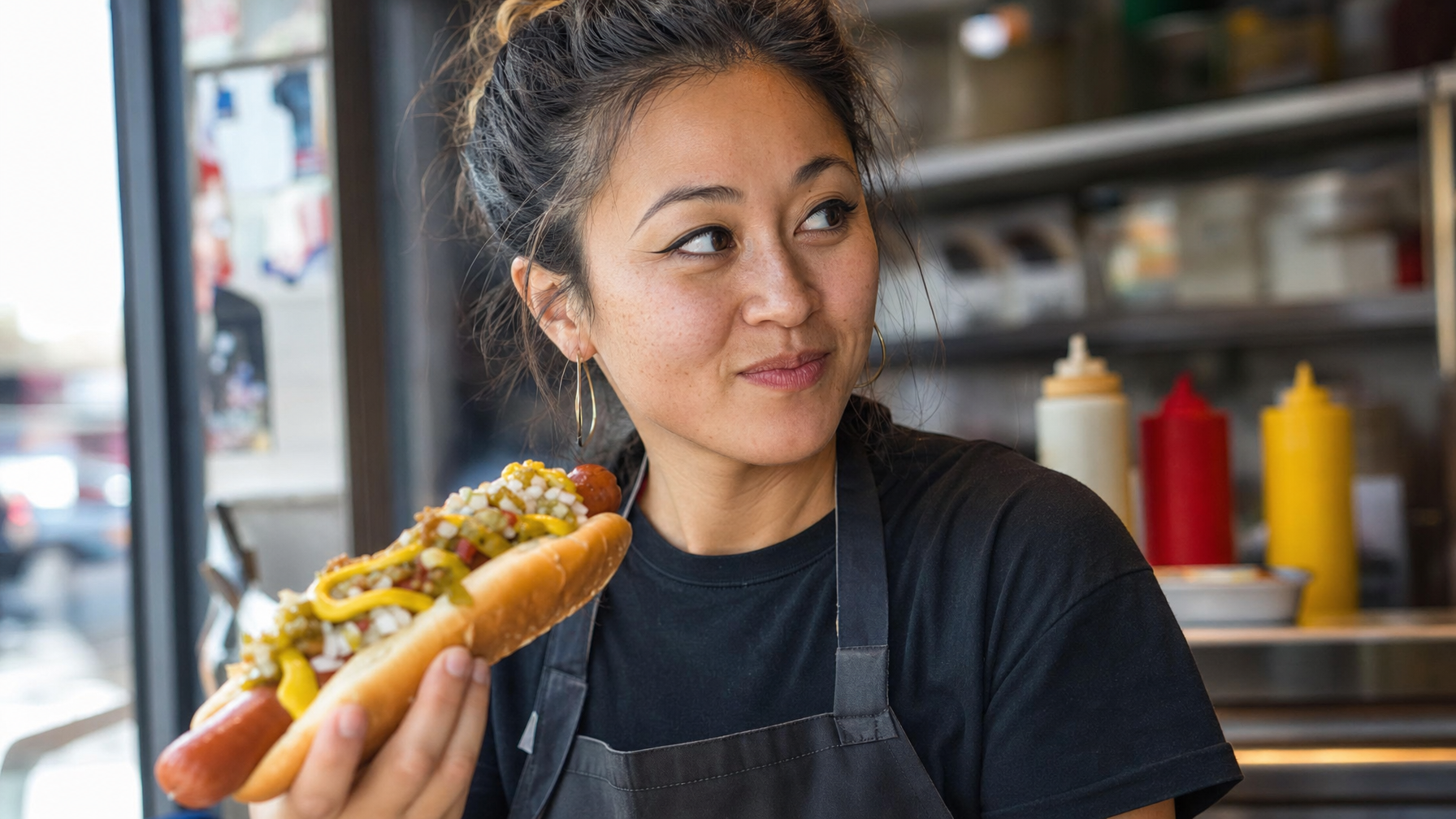
A hot dog is visually legible in about half a second. People can see a pale bun, a hard char, a suspicious flood of sauce, a mountain of onions, or a sausage that appears to have been buried alive beneath toppings. That speed invites a verdict before anyone has taken a bite.
A post becomes especially discussable when it puts one recognizable choice in the foreground: ketchup, a regional topping arrangement, a toasted versus steamed bun, a deeply charred sausage, a high price, or a build that seems to ignore the usual local rules. None of those choices automatically makes the dog good or bad. They do make it easy for viewers to announce that they have been personally wronged by lunch.
The missing verified-post details matter. Without an identified source, it would be dishonest to say a post was viral, widely shared, or responsible for some grand culinary uprising. What can be said is simpler: a visible hot dog gives people a precise target for their preferences, and specificity is rocket fuel for comments.
The Hot Dog Is a Tiny Opinion Machine
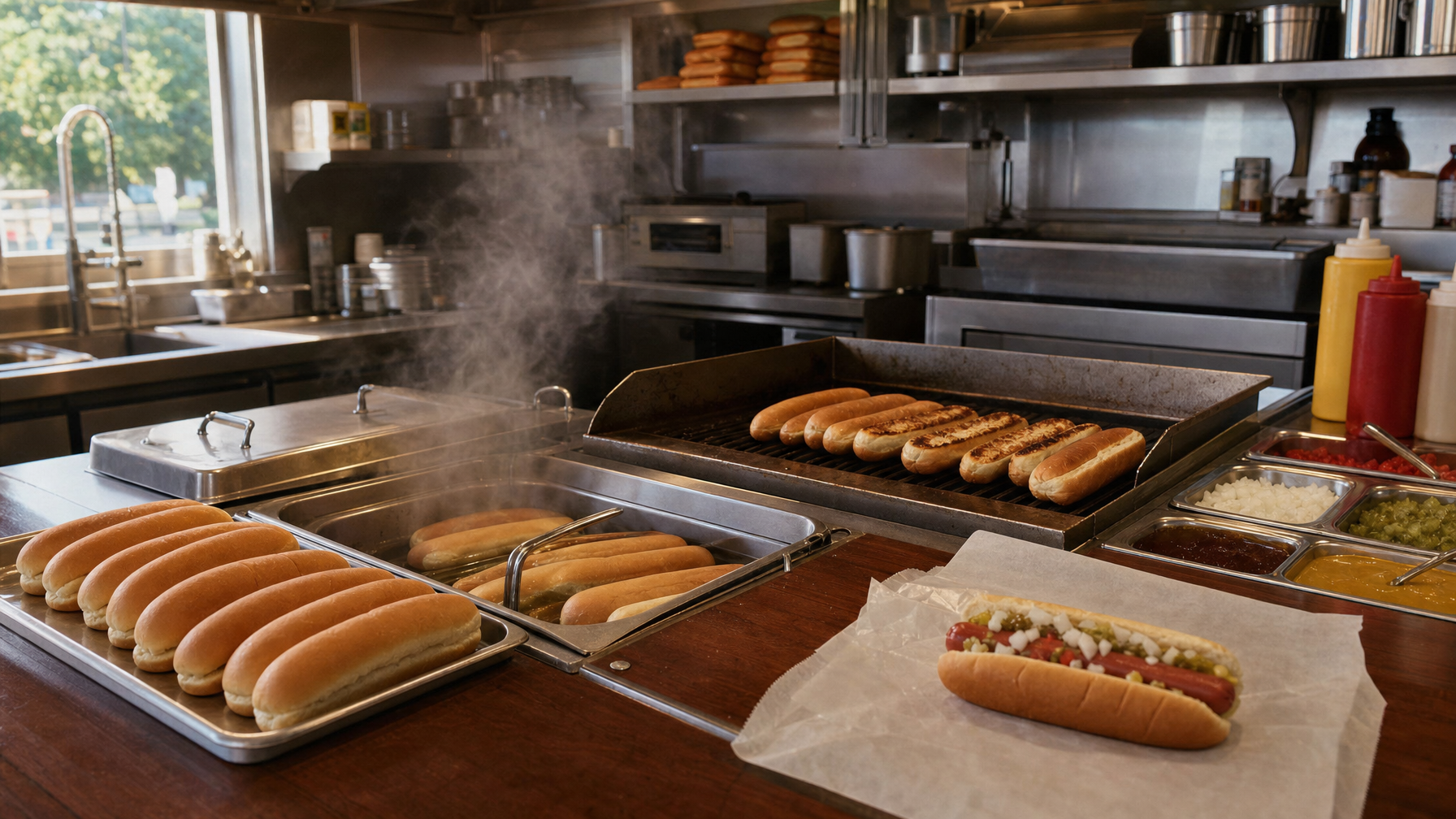
A hot dog is an easily recognizable food with a surprising number of moving parts. The sausage has flavor, casing, size, temperature, and texture. The bun can be soft, toasted, steamed, split-top, oversized, undersized, fresh, or structurally doomed. Then come the condiments and toppings, each with its own agenda.
- Bun: Does it cradle the sausage or turn into a damp surrender flag?
- Sausage: Is there a satisfying snap, a juicy interior, and enough heat?
- Condiments: Do they add contrast, or do they turn the whole thing into wet paperwork?
- Toppings: Do they support the sausage, or conceal it?
- Proportion: Can a person eat it without needing structural engineering credentials?
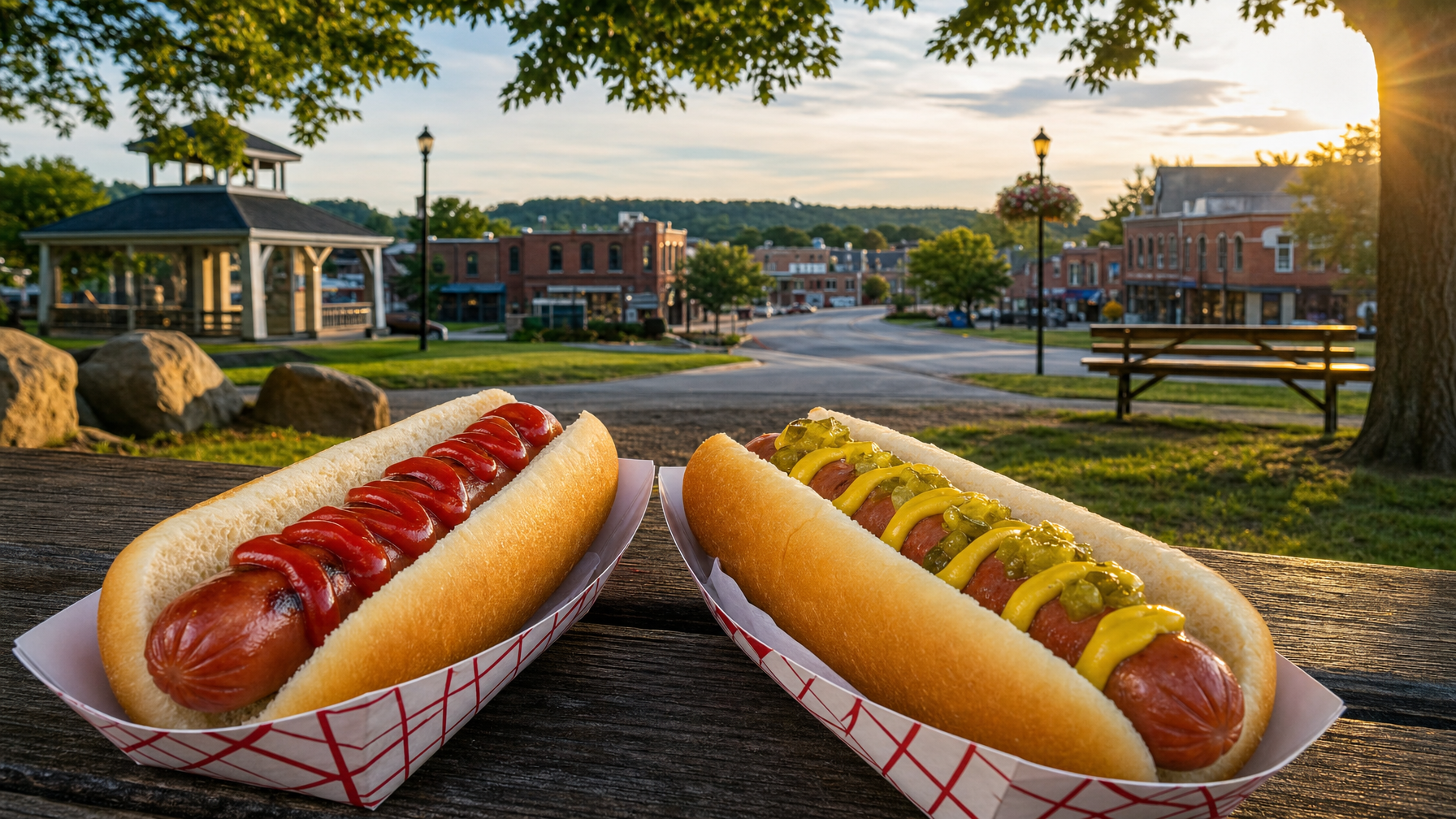
A small swap can produce a large argument. One person sees a toasted bun and thinks essential texture; another sees it and worries the bread will shatter on contact. Mustard may read as sharp and classic to one diner, while someone else wants ketchup for sweetness. Those are preferences, not courtroom exhibits.
Jason’s stated position: ketchup does not belong on his hot dogs. That is a proudly held brand opinion, not a universal law of physics. Plenty of people will disagree, and the republic will survive.
How the Comments Turn Everyone Into a Critic
Food posts reward immediate judgment. A viewer does not need a reservation, a tasting menu, or a glossary to recognize a hot dog. Familiarity makes people feel qualified to weigh in—and, on this subject, they often are qualified to describe what they personally enjoy.
The usual members of the tribunal
- The regional traditionalist: “That is not how we do it where I’m from.” This can be useful context when it explains an actual local style; it becomes less useful when it treats every other style as a crime scene.
- The texture obsessive: “That bun is too soft,” or “There is no way that casing snaps.” This person is asking a legitimate question, though a photo cannot settle it.
- The ingredient purist: “Too many toppings.” Usually translated: “I want to taste the sausage.” A reasonable position, delivered at varying levels of drama.
- The budget referee: “I would not pay that much.” Value is personal, but price, portion, setting, and ingredient quality all shape the judgment.
- The onion maximalist: “Needs more onions.” Often impossible to disprove. Also occasionally correct.
Imagine a photo of a grilled dog under a thick blanket of chili and cheese. A purist might complain that the sausage has disappeared; a comfort-food fan might call that the whole point. Neither response establishes an objective winner. The image shows the pile. It does not show the seasoning, temperature, freshness, balance, or how the thing behaves after bite one.
Useful criticism versus performative outrage
Useful criticism names a preference or asks a fair question: “I prefer a less crowded dog because I want more sausage flavor,” or “I would want to know whether the bun stayed intact.” Performative outrage declares a visual disagreement to be evidence of culinary collapse. The first helps a reader understand the food. The second mostly helps a commenter stretch before typing.
The Real Arguments Hiding Under the Toppings
Arguments about hot dogs are rarely only about hot dogs. They are often arguments about memory, hometown habits, value, and the comforting belief that one’s preferred lunch order is also the correct lunch order.
Authenticity versus experimentation
Authenticity is a claim that a food follows a recognized tradition or cultural expectation. It is not a universal scorecard that automatically makes every traditional dog better than every new one. A regional style can deserve respect, while a cook can still make a thoughtful variation. Trouble begins when “not the version I know” gets mistaken for “invalid.”
Value versus indulgence
A simple dog at a modest price and a loaded specialty dog can both make sense in their own settings. The better question is not merely, “How much is it?” It is, “Does the experience, portion, ingredient quality, and execution justify what this particular eater expected to pay?” A photo alone cannot answer all of that.
Regional identity versus personal taste
Regional hot dog traditions differ, sometimes dramatically. That variety is the fun part, not a clerical error. Jason’s stated ten-year, 50-state hot dog research claim offers a useful lens here: travel makes it hard to pretend that one hometown formula is the only possible truth. It is personal field experience, not scientific research and not proof that every preference dispute has a final answer.
Appearance versus eating experience
A dramatic photograph may favor height, color, or excess. Eating favors grip, temperature, balance, and the ability to get the whole bite into your mouth without wearing the toppings. These goals overlap sometimes. Other times, the camera gets a monument and the eater gets a napkin emergency.
A Better Way to Judge the Dog
Before delivering a sweeping verdict from one image, use a basic framework. It leaves room for strong opinions without pretending that eyesight is taste.
- Check bun-to-sausage balance. Is the sausage dwarfed, exposed, or sensibly supported?
- Assess the likely texture questions. A close-up may suggest char or casing, but only tasting can confirm snap, juiciness, and tenderness.
- Consider temperature and contrast. Hot sausage, cool toppings, crisp elements, and soft bread can work beautifully. A photo cannot reliably establish whether they arrived at the right temperature.
- Ask whether toppings support or bury the sausage. A loaded dog is not automatically excessive; it should still have an intelligible center of gravity.
- Separate preference from execution. “I would not order this” is honest. “This is badly made” requires firsthand tasting or clearly attributed reporting.
An image can show presentation and visible ingredients. It cannot reliably prove flavor, texture, freshness, portion weight, service, or current availability. Definitive verdicts belong to firsthand tasting or reporting that clearly identifies its source.
What Hot Dog Arguments Reveal About Food Culture
Hot dog discourse is not driven by culinary complexity alone. It is driven by identity, place, memory, and small personal rules that people carry around like condiment packets. Familiar food invites participation from diners who would never call themselves critics. They may not know the vocabulary for emulsion or fermentation, but they know exactly how they feel about a steamed bun.
That is why hot dogs remain fertile ground for real food culture: the useful questions lead back to actual places, actual products, actual recipes, and regional traditions worth trying—not generic rankings assembled from thin air. A comment section may be noisy, but curiosity can turn it into a travel idea, a cooking experiment, or a reason to seek out a style someone else swears by.
The best hot dog argument is one that makes people hungry enough to investigate for themselves. Anything else is just mustard-colored weather.
Where Jason Stands
Jason’s perspective: after a stated ten years and 50 states of hot dog research, regional variation deserves attention, toppings deserve scrutiny, and ketchup remains off the dog. That is an on-record stance, not a demand that every eater join the no-ketchup republic.
The more interesting question is not “Which person in the comments wins?” It is “What does this dog claim to be, and does it deliver on that promise?” Strong opinions are welcome. So is the humility to admit that another region may have figured out something delicious.
For ongoing hot dog coverage and more firmly held sausage opinions, follow @jasonsgrub on Instagram.
FAQ
Was this post actually viral?
That cannot be claimed here. The specific post, its creator, platform, date, reach, and coverage were not verified for this article. It is more accurate to discuss the general way a hot dog post can invite visible discussion than to invent a scale of reaction.
What makes people argue so intensely about hot dogs?
Hot dogs are familiar, customizable, regional, and easy to judge visually. Personal preference can therefore get dressed up as a culinary verdict very quickly—especially when ketchup, onions, or a questionable bun are visible.
Is there one correct way to build a hot dog?
No. There are traditional styles and strong opinions, but region, context, and taste matter. Jason’s no-ketchup rule is his stance, not a universal law.
Can you judge a hot dog from a photo?
You can comment on presentation, proportions, and visible ingredients. You cannot reliably judge flavor, texture, temperature, freshness, or current availability from an image alone.
How can readers find more of Jason’s hot dog opinions?
Follow @jasonsgrub on Instagram for ongoing coverage of hot dog places, products, recipes, and the occasional entirely warranted condiment dispute.
Enjoyed this? There's more from Jason's Grub.
Follow on Instagram →