Hot-Dog Rankings Are Not Science, but the Arguments Are Magnificent
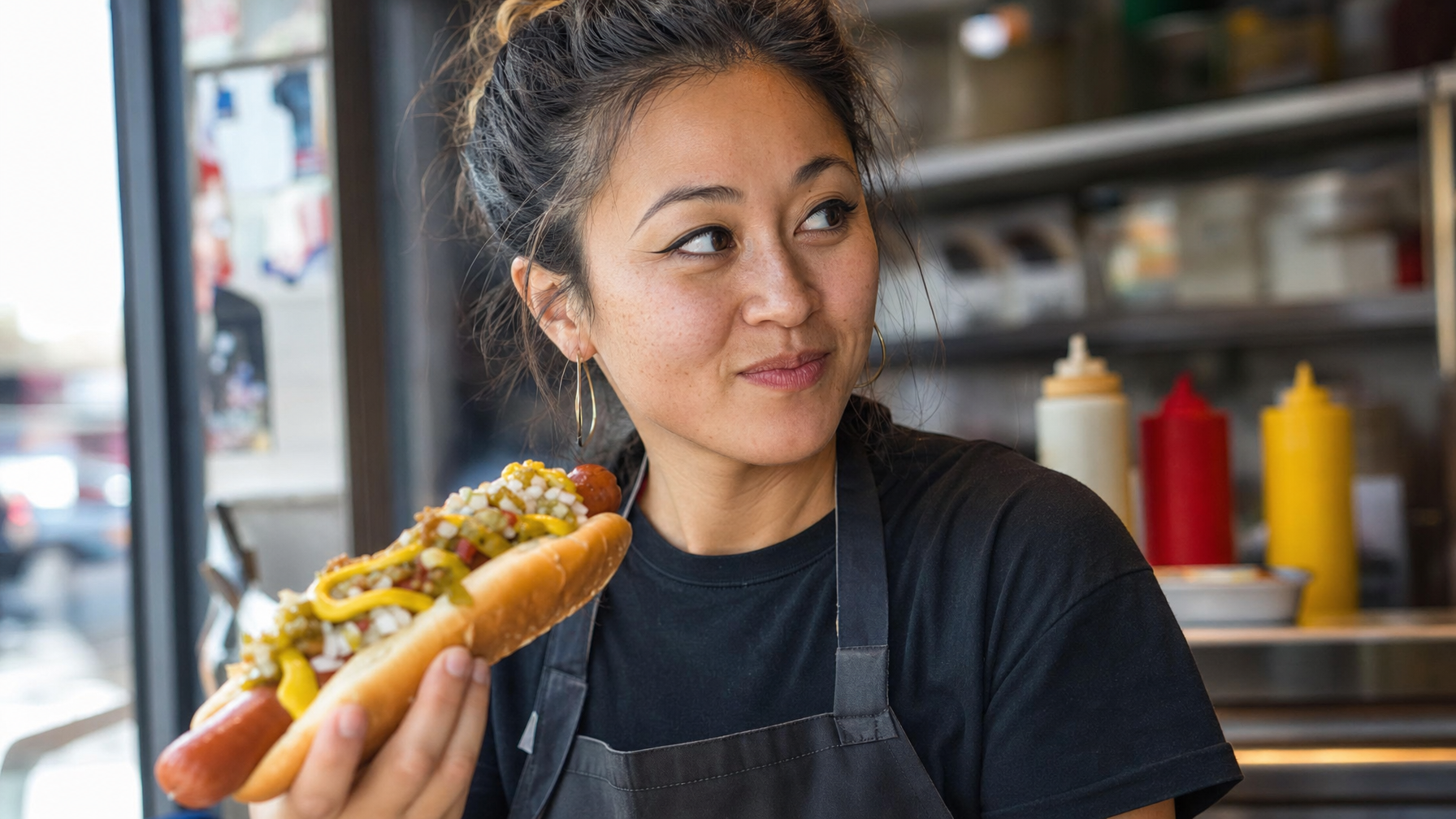
Hot-dog rankings are not science because taste, texture, toppings, nostalgia, and regional style cannot be measured like rainfall or blood pressure—but that does not make them pointless. For hot-dog enthusiasts and food-culture readers, a good ranking is an honest argument: clear standards, specific examples, strong opinions, and enough detail to make someone hungry enough to investigate.
Why Hot-Dog Rankings Get So Heated
A hot dog is not just a sausage in a bun, despite the best efforts of people who treat lunch like a spreadsheet. It is a complete experience: the sausage’s flavor, the casing’s snap or lack thereof, the bun’s texture, the toppings, the temperature, the balance, the construction, and sometimes the setting in which the whole magnificent mess is eaten.
That is why two reasonable people can eat the same dog and arrive at wildly different verdicts. One person may prize smoke, char, and a casing that fights back a little. Another may want a soft steamed bun, a spoonful of chili, chopped onions, and the particular comfort of a regional style they have loved for years. Neither person is necessarily wrong. They may simply be asking the dog to do different things.
Disagreement is not a defect in a ranking. It is the entire fun part. Nobody has ever started a passionate argument over a spreadsheet ranking printer paper. A hot dog, meanwhile, can make a hometown loyalist deliver a closing statement worthy of a courtroom drama.
This is for readers seeking specific, memorable hot-dog experiences—not bland lists that pretend every opinion is objective fact and every entry is tied for first place in the great municipal cuddle pile.
The Difference Between a Ranking and a List
A list is a collection of options. A ranking is an ordered judgment. The difference matters.
A list can say, “Here are several places or products to consider.” Useful enough. A ranking has to say why one dog belongs above another, and that requires a point of view. If a writer will not explain the order, they have assembled a phone book with condiments.
Vague phrases such as something for everyone often drain the flavor from the exercise. A ranking should tell readers what it values. Maybe one dog rises because its casing has better snap. Maybe another falls because its toppings overwhelm the sausage. Maybe a third wins because the bun stays intact through the final bite instead of collapsing at first contact like a damp cardboard canoe.
None of that makes the order a universal law. A ranking is a documented opinion: readers can agree with it, challenge it, or use it as a very hungry starting point.
What Can Actually Be Judged
Subjective does not mean random. A useful ranking begins with practical things a person can notice, describe, and weigh.
Core categories for judging a hot dog
- Sausage flavor: Is the meat savory, smoky, peppery, garlicky, beef-forward, mild, or bland? Does it taste like the central ingredient or merely a delivery device for toppings?
- Casing texture: Does the casing provide a clean snap, a gentle bite, or an unpleasantly tough chew? Skinless dogs can work beautifully too, but their texture should still suit the style.
- Bun quality: Is the bun fresh, appropriately soft or toasted, and proportioned to the sausage? Can it hold the dog together?
- Topping balance: Do the toppings support the sausage, or do they bury it under a condiment landslide?
- Temperature: Is the dog served hot enough for its fat, seasoning, and texture to register properly? Is a chilled topping doing useful contrast work or just cooling the whole bite into sadness?
- Construction: Can the item be eaten without structural failure? Some glorious mess is allowed. A total collapse is not automatically charming.
- Memorability: Does the dog leave a clear impression after the napkins are gone? This is subjective, but it is still worth discussing honestly.
Observation versus interpretation
Good judging separates what happened from what it meant. “The bun split down the side” is an observation. “The bun ruined the dog” is an interpretation. Both can belong in a review or ranking, but they are not the same kind of statement.
The distinction keeps opinions sturdy. Readers may agree that the split bun was fatal, or they may decide the sausage and toppings were worth the mess. At least they know what they are disagreeing with.
Cooking method and intended experience matter
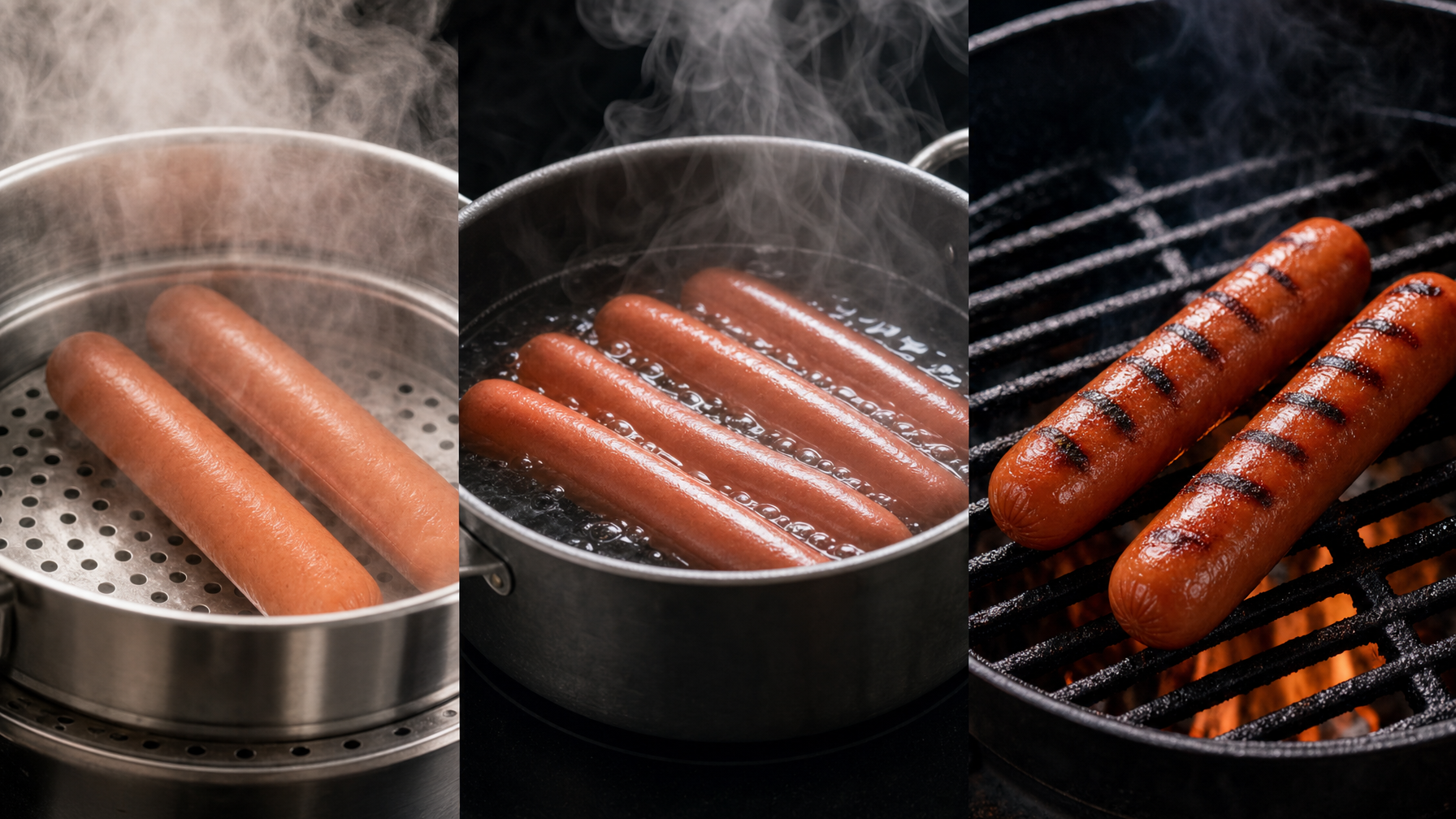
Preparation changes the dog. A grilled frank may earn points for char and rendered flavor. A steamed dog may be judged for softness and cohesion. A boiled dog can fit a tradition where the toppings and bun are meant to carry a different kind of bite. Charcoal cooking brings its own smokier argument to the table.
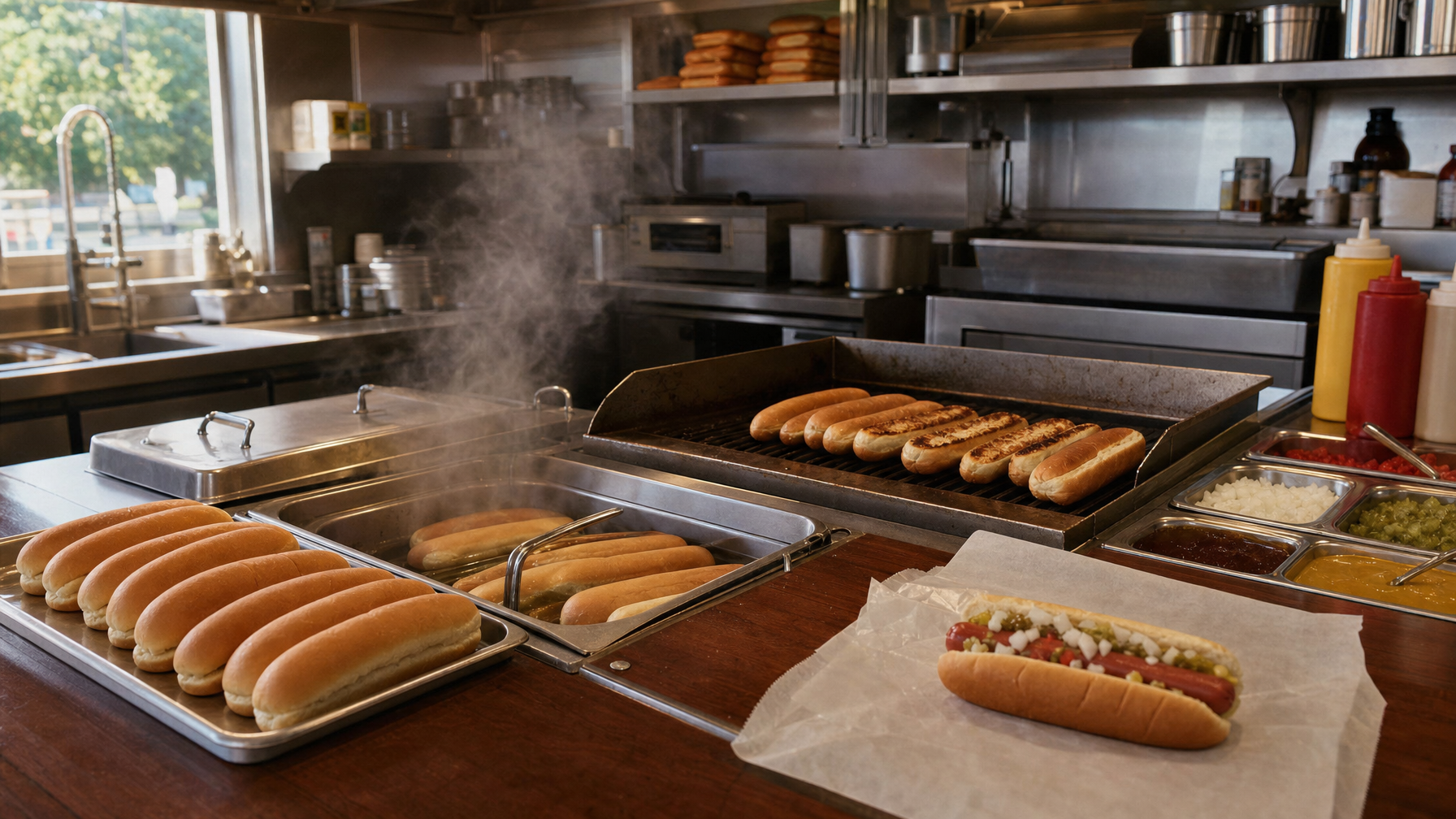
Context also includes timing. Some dogs are designed to be eaten immediately, while the bun is warm and the toppings are where they belong. Judging a just-made dog against one that has spent too long in a closed container is not exactly a fair fight.
And no, every category does not deserve equal weight. A standout sausage may matter more than decorative toppings. In a topping-driven regional style, the balance may be central. The standard should fit the dog being judged.
Why Context Can Beat a Scorecard
A numerical score can be tidy. A hot dog often is not. Eating a dog at a particular stand, in a particular region, after a long drive, can shape the experience in ways a scorecard cannot fully catch. That does not make the food objectively better by magic. It means the eater should be honest that setting, anticipation, tradition, and memory can influence the verdict.
Compare like with like when possible. A classic mustard-and-onion dog should not automatically lose to a loaded chili dog because it has fewer ingredients. Minimalism is not a shortage when the point is a clean, balanced sausage-and-bun bite. Likewise, a chili dog should not be punished merely for being gloriously untidy if that is the style’s whole operation.
Jason’s editorial frame is clear: ten years, 50 states, zero ketchup. That is a long-running personal research perspective and a useful lens for making judgments. It is not laboratory proof that every ranking has been scientifically settled, nor does it erase the value of styles built around traditions different from his own preferences.
How to Build a Ranking People Can Trust
Trust does not require everyone to agree. It requires readers to see the route that led to the verdict.
State the standards before revealing the order
Tell readers what the ranking values: sausage quality, regional fidelity, bun integrity, topping balance, value, or a combination of these. The criteria do not need to be an elaborate formula with tiny decimal points pretending to be NASA. They do need to be clear.
Describe the dog, not just the feeling
“Amazing” and “the best ever” are emotional smoke bombs. Replace them with useful detail. Explain whether the sausage is smoky or mild, whether the casing snaps, whether the chili is meaty or loose, whether the onions bring crunch, and whether the bun survives the job.
Specific description gives readers a mental bite. It also lets them decide if the thing that thrilled the writer is likely to thrill them.
Keep facts and preferences in separate lanes
A ranking can say, “I prefer a firmer casing,” without presenting that preference as a fact about all human beings. It can describe a stated regional tradition while avoiding grand claims about what every resident thinks. Before publishing claims about a place, product, recipe, or current availability, verify the details. Restaurants change, products disappear, and yesterday’s special can become today’s ghost story.
Explain the awkward bits
Ties, honorable mentions, and painful omissions are not signs of weakness. They show that the writer took the comparison seriously. If two dogs excel for different reasons, say so. If one nearly made the cut but lost on bun quality, say that too. The order did not descend from a mountain engraved in mustard.
Invite disagreement, but keep the standards visible. A reader may reject the verdict with the intensity of a person defending a beloved hometown counter stool. Fine. They should still understand how the verdict was reached.
The Case for Strong Opinions—and the Limits
A timid ranking is rarely useful. Readers come for judgment, not a hostage-negotiation transcript where every dog is declared “pretty good in its own way.” Put the dogs in order. Say what works. Say what does not.
Strong opinions need sensory detail and a stated standard, not cheap shots at businesses or people. “The bun could not contain the toppings” is a critique. “This place is terrible” is usually lazy, unhelpful, and suspiciously short on information.
There are limits to the swagger. A personal ranking should not pose as definitive national truth, particularly when it compares distinct regional styles and serving traditions. The right question is often not “Which dog is objectively superior?” but “Which dog delivers its intended style with the most flavor, balance, and satisfaction?”
The no-ketchup stance is a recognizable Jason’s Grub editorial position. It is a preference, not a scientific finding. People may put ketchup on their own hot dog; they will simply have to live with their choices, their conscience, and the consequences at the cookout.
What Makes a Ranking Worth Arguing About
A worthwhile ranking makes readers want to seek out a new dog, revisit an old favorite, or defend their hometown with suspicious intensity. It leaves a picture in the mind: the casing’s snap, the bun’s give, the toppings’ placement, the moment the bite either comes together or goes off the rails.
The best rankings are also revisable. New places, products, recipes, and experiences can change the order. A revised verdict is not an admission that rankings are fake; it is evidence that the person doing the ranking is still paying attention.
That is the deal: the ranking is subjective, but the observations and reasoning should be sincere, specific, and entertaining. If readers who enjoy this kind of hot-dog investigation want more opinions and discoveries, they can follow @jasonsgrub on Instagram.
FAQ
Are hot-dog rankings completely subjective?
They are subjective, but they do not have to be arbitrary. Clear criteria and specific observations—such as sausage flavor, casing texture, bun condition, and topping balance—make a ranking more useful and much easier to debate.
What should matter most when judging a hot dog?
Start with the sausage, casing, bun, topping balance, and overall construction. The right weighting depends on the style. A plain dog puts more pressure on the sausage and bun; a topping-heavy regional dog needs its additions judged as part of the complete build.
Should different regional hot dogs be ranked together?
They can be, but the comparison needs context. Ranking similar styles together often produces a fairer and more informative result. If different styles share one ranking, explain what standard is being used and avoid treating ingredient count as an automatic victory.
Why do hot-dog rankings cause so many arguments?
Hot dogs combine personal taste, regional identity, memory, and powerful preferences about toppings. People are rarely neutral about lunch, especially when lunch reminds them of home.
Can a ranking change over time?
Yes. New experiences, changed recipes, different preparation, or a better understanding of a style can justify revisiting the order. A ranking should be confident enough to make a call and curious enough to change it when the evidence is delicious.
Enjoyed this? There's more from Jason's Grub.
Follow on Instagram →