The Hot Dog Comment Section Has Declared War on Ketchup. I Read the Evidence
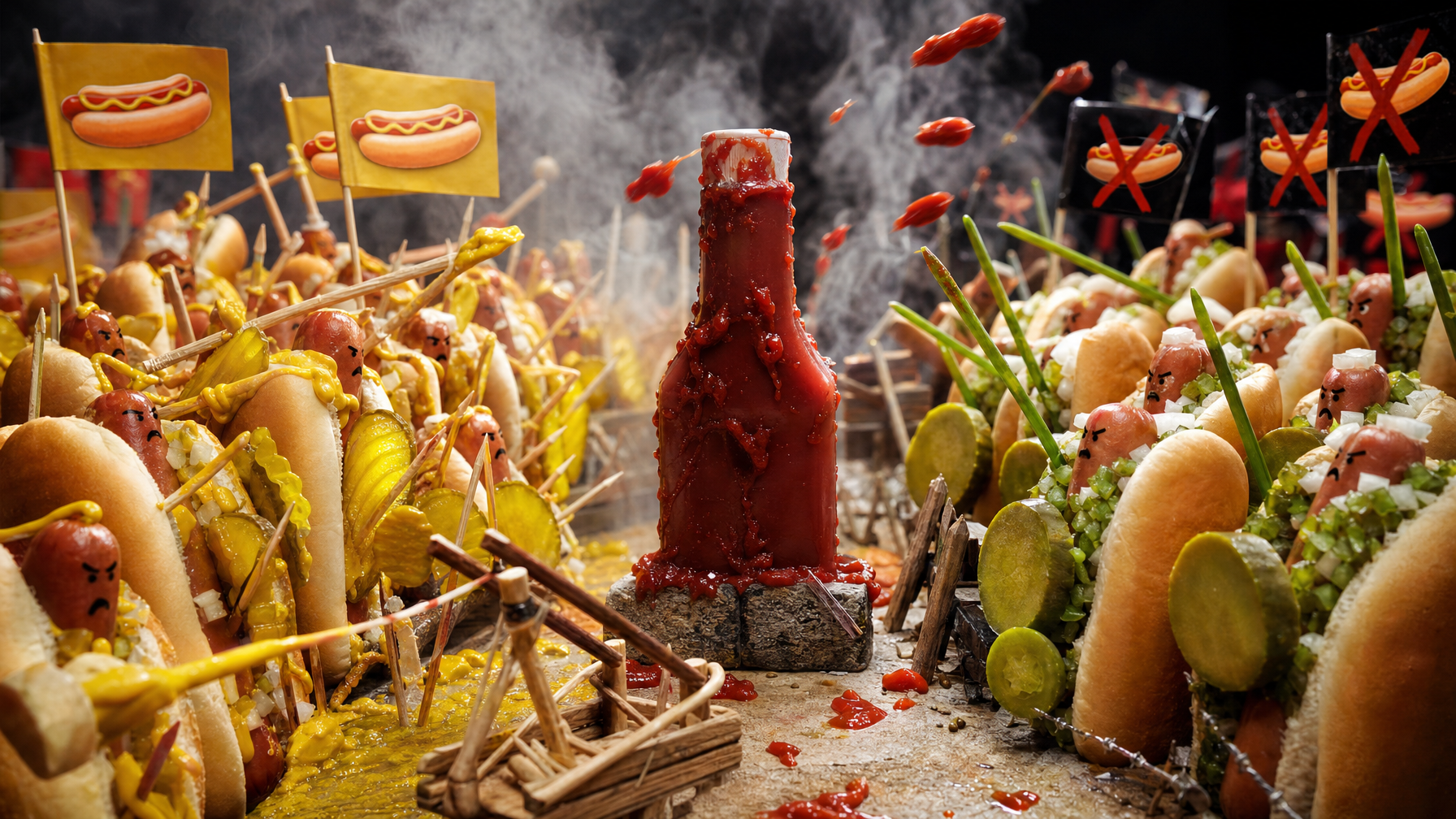
Ketchup is not universally banned from hot dogs. But in hot-dog-obsessed comment sections, squeezing it onto a bun can produce the emotional weather of a bar fight over a parking space. This is not a poll, a scientific study, or a condiment law handed down from a mysterious sausage court. It is a look at the arguments, jokes, loyalties, and loud personal convictions behind the backlash, for hot-dog enthusiasts and food-culture readers who take toppings seriously. Jason's own position is plainly on the record: ten years, 50 states, zero ketchup.
The Verdict Arrives Before the First Bite
The anti-ketchup position is a powerful hot-dog culture opinion, not an objective rule every eater must obey. Nobody is coming to confiscate your red bottle. At least nobody with legal authority.
Still, the reaction is real. In many hot-dog conversations, ketchup is treated less like a condiment and more like an uninvited guest who puts their feet on the coffee table. The argument usually starts with flavor, then quickly swerves into hometown pride, childhood memories, vendor customs, and the eternal human urge to announce that lunch has rules.
Jason's no-ketchup stance is personal, long-running, and unapologetic. After ten years and hot dogs across all 50 states, his record remains zero ketchup. That is a tasting philosophy, not a demand that every reader surrender their childhood cookout plate at the door.
Exhibit A: Ketchup Turns the Dog Into a Sweet Red Blanket
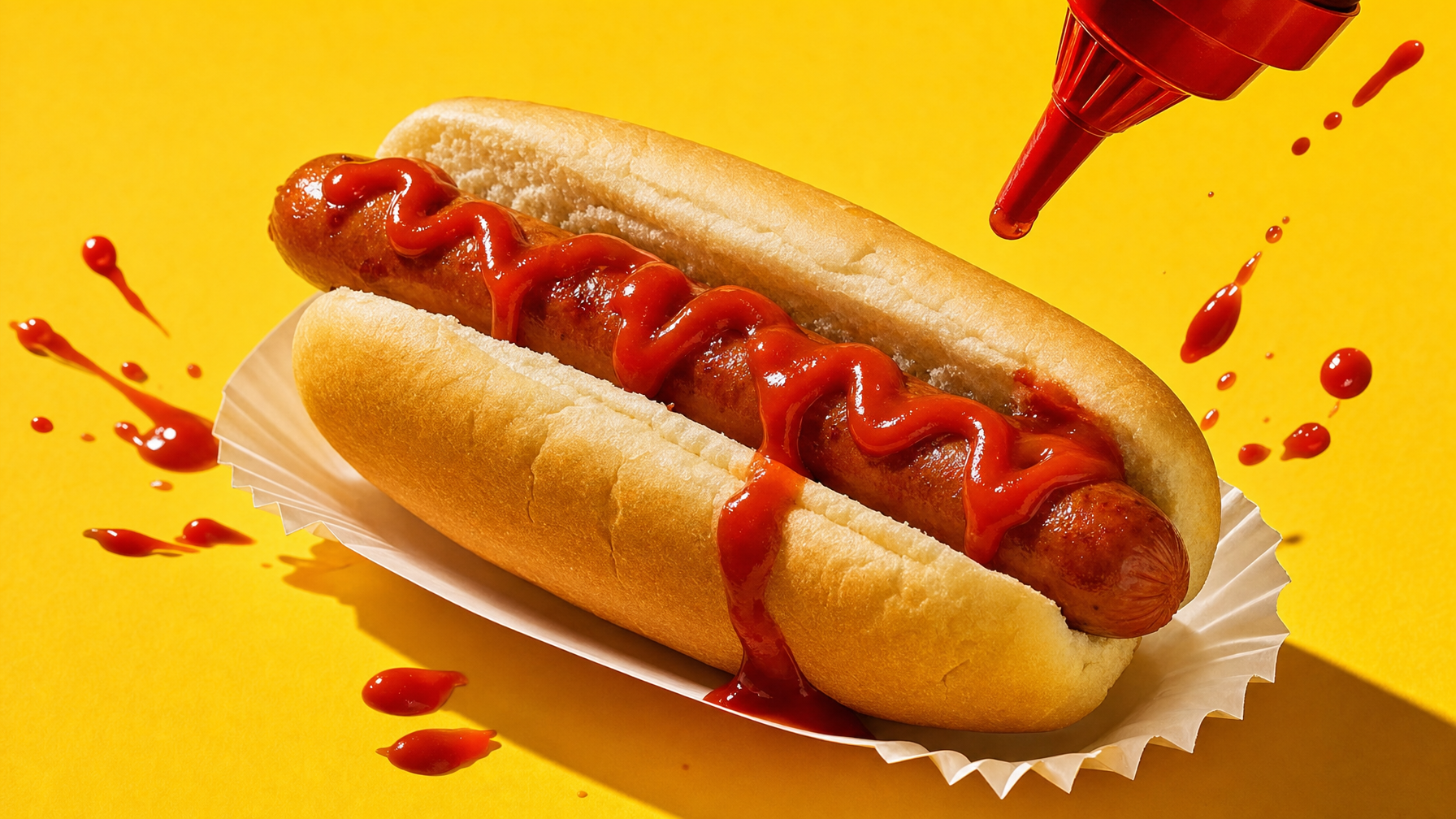
The central anti-ketchup case is simple: ketchup is loud. It is sweet, tangy, wet, and extremely recognizable. A generous squeeze can put its flavor in front of the sausage, bun, and every other topping like it has been handed a microphone and no time limit.
That is a matter of taste and texture, not a universal culinary law. Some people want that sweetness. Others think it makes a good hot dog taste like it has been tucked into a red sleeping bag.
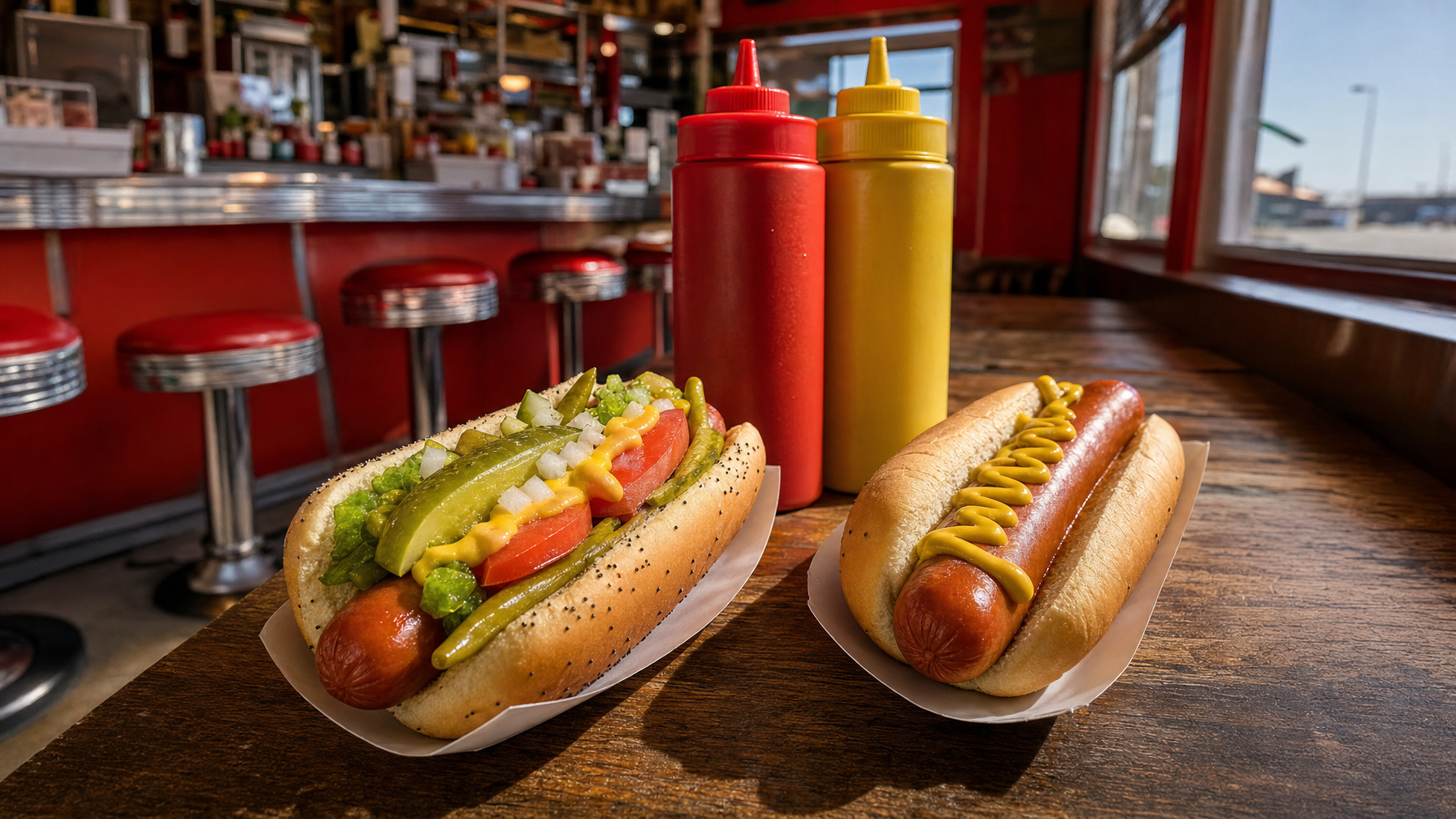
Consider a dog with a firm snap, sharp mustard, chopped onions, and relish. The mustard brings bite, the onions bring crunch and sulfurous edge, and the relish can add sweetness without becoming the entire headline. Cover that same dog in ketchup and the balance changes. The sausage may still be there, technically, but it now has to fight for speaking time.
Jason's position is blunt: if a hot dog is good enough to seek out, it deserves more than burial beneath one loud condiment. A great dog should get a chance to introduce itself before ketchup starts narrating.
Exhibit B: This Is Usually a Tradition Fight Wearing a Tomato Costume
Ketchup debates are rarely only about ketchup. They are often proxy battles over local food customs, family habits, childhood cookouts, and who gets to define a proper build. One person sees ketchup and remembers a backyard grill. Another sees it and hears an alarm bell from a favorite stand.
There is no honest way to claim every city, neighborhood, vendor, or family follows one fixed rule. Topping customs vary enormously. A hot dog can be a local specialty, a personal ritual, a quick lunch, or an edible memory of somebody's dad burning the buns slightly every July.
That is also why place matters. The point of city profiles and food crawls is not merely to collect ingredient lists like baseball cards. A topping means something different when it is part of a particular shop's rhythm, a street cart's regular order, or a family's standing argument. The setting is part of the bite.
Choosing a topping can signal allegiance, sure. It does not automatically prove expertise. Plenty of people can recite a hot-dog rule with courtroom confidence while missing the more important question: does this particular dog taste good right now?
The Defense Rests: People Like What They Like
Ketchup deserves a fair hearing, even if Jason would prefer it wait outside. It brings sweetness, acidity, moisture, and familiarity. For many eaters, it is the taste of the hot dogs they grew up with, which is not a small thing. Food memories do not need permission slips from the condiment police.
Personal preference is not the same as factual proof. Loving ketchup does not make it the correct topping for every hot dog. Hating ketchup does not make its fans culinary criminals. It makes them people having lunch, perhaps with alarming confidence.
The setting also changes the conversation.
- A backyard dog can be casual, nostalgic, and built around whatever is on the folding table. Ketchup has a perfectly understandable role here.
- A fast-food dog may need moisture or sweetness depending on its bun, sausage, and available toppings.
- A carefully built destination dog deserves a little more attention. If a vendor has chosen a particular sausage, preparation, topping order, and bun, taste that arrangement before rewriting the plan in red.
None of this makes ketchup forbidden. It just means not every dog needs the same treatment.
The Real Offense Might Be Bad Ketchup Strategy
The smarter argument is not whether ketchup is allowed. It is whether ketchup overwhelms the dog. A little is one decision. A flood is another. We have all seen the bottle applied with the confidence of someone painting a barn.
Several details change the result:
- The sausage: A heavily seasoned frank may stand up to more sweetness than a mild one.
- The bun: A soft, fresh bun behaves differently from one that is dry, toasted, or steamed.
- The toppings: Relish, onions, mustard, chili, slaw, and pickled ingredients all bring their own volume.
- The cooking method: Grilling, steaming, boiling, and charring create different flavors and textures. A charred dog may have smoky notes worth preserving. A steamed dog may invite a different balance.
- The amount: This is where many peaceful lunches become condiment incidents.
Try a simple test. Take one bite plain. Then add a small amount of any condiment. Ask whether it makes the sausage clearer, brighter, or more satisfying. If it merely covers the sausage, the condiment has staged a coup.
These are editorial tasting principles, not experimentally proven rules. Your mouth gets the final vote. It is, after all, doing the work.
A No-Ketchup Trial for the Brave and Slightly Dramatic
If you are ketchup-curious but not ketchup-ready-to-quit, run a small side-by-side tasting. This is curiosity, not conversion therapy for your squeeze bottle.
- Take one bite of the hot dog plain. Notice the sausage, bun, salt, seasoning, smoke, char, or snap.
- Take a bite with mustard. Pay attention to acidity and sharpness.
- Take a bite with relish or onions. Compare sweetness, crunch, and texture.
- Take a bite with your usual ketchup amount. Be honest. Is it complementing the dog or turning every other flavor into background music?
For a no-ketchup alternative, borrow the spirit of Jason's charcoal snap dog without recreating its full recipe: use a well-cooked dog with a satisfying snap, lean into a little char, and add mustard with onion or relish in measured amounts. The idea is contrast. Smoke, tang, crunch, and sausage should all get a seat at the table.
You may conclude that ketchup wins for you. Fine. The goal is to taste the dog, not win a condiment election through caps lock.
What the Comment Section Gets Right, and What It Gets Hilariously Wrong
Passionate hot-dog people often notice things worth noticing. Texture matters. Flavor balance matters. Preparation matters. Local traditions matter. A boiled frank, a charcoal-charred dog, and a griddled sausage are not interchangeable just because they all arrived in buns.
Where the comment section loses the plot is turning preference into a universal commandment. A person adding ketchup has not announced their moral character, their intelligence, or their eligibility to enjoy lunch. They have picked a condiment.
Strong opinions are part of hot-dog culture. They make the subject fun. But claims about a particular place, vendor, or tradition should not be treated as fact without support. A loud declaration is still just a loud declaration, even if it is typed beneath a photo of mustard.
So here is the actual verdict: ketchup is controversial because hot dogs are culturally loaded, personally remembered, and aggressively defended. It has not been scientifically convicted of ruining every dog. Jason remains ten years, 50 states, zero ketchup. You may disagree. Just make your case with a bite, not a megaphone.
FAQ: Five Questions From the Condiment Jury
Is ketchup actually forbidden on hot dogs?
No. No universal rule makes ketchup forbidden. The anti-ketchup stance is a strong opinion tied to taste, tradition, and hot-dog culture.
Why do some hot-dog fans dislike ketchup?
They often feel its sweetness and acidity overpower the sausage and other toppings. That is a flavor judgment, not an objective fact.
Is ketchup ever a good choice?
Yes, if the eater enjoys it and the amount works with the rest of the build. Personal preference is allowed, even when the comment section objects loudly.
What should I try instead of ketchup?
Start with mustard, then test toppings such as onions or relish based on the style of dog and your own taste. Taste the sausage first so the condiment has something to complement.
What is Jason's position?
Jason's stated record is ten years, 50 states, zero ketchup. Readers can disagree, but they should be prepared to defend their condiment choices with snacks, not just volume.
Enjoyed this? There's more from Jason's Grub.
Follow on Instagram →