The Bun-Splitting Incident That Took Over Everyone’s Feed
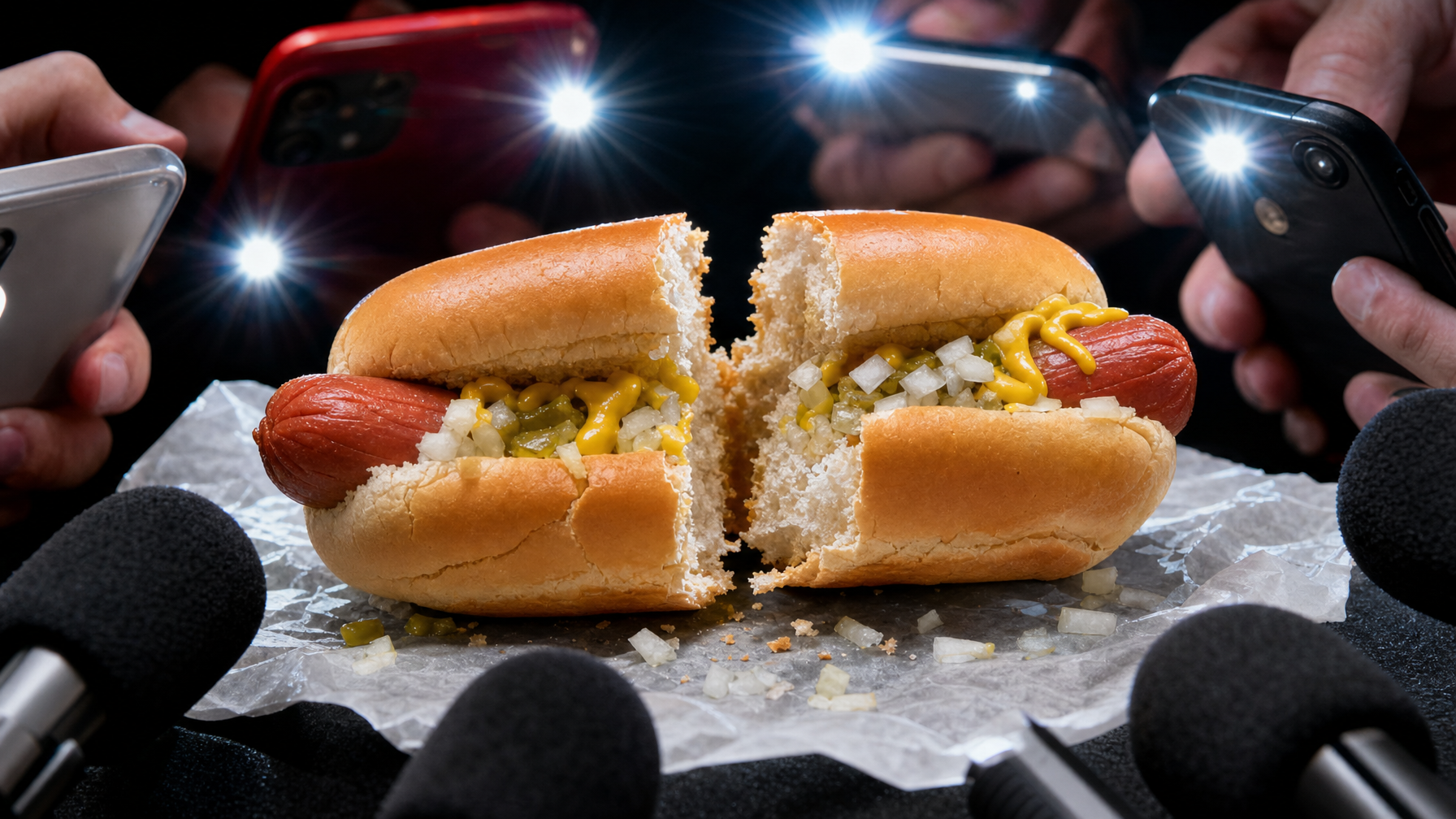
Short answer: no verified original post, date, location, account, or footage has been supplied for this alleged bun-splitting incident, so nobody should pretend to know whether it was bad preparation, bad packaging, rough handling, or a hot dog fulfilling its chaotic destiny. Before this runs as coverage of a real event, confirm the source material and current status. The underlying food question, however, is gloriously clear: when a bun splits under a loaded dog, lunch has become a tiny structural-engineering hearing.
The Bun Split Heard Around the Internet—Or Maybe Just a Missing Receipt
The claimed incident needs its paper trail before it gets a verdict. To report it cleanly, the published version should identify the original post or video; state exactly what visibly happened to the bun; name the confirmed place and poster; and distinguish what the footage shows from what a caption, comment section, or repost claims.
Without that evidence, the honest answer is: unconfirmed. A split bun might result from an uneven cut, a frail roll, too much filling, too much moisture, a squeeze during transport, or several minor indignities teaming up like a condiment-based heist. It is not responsible to assign blame to a vendor, manufacturer, cook, or customer from an unsourced description.
Likewise, there is no basis here to say the moment “took over” any feed, let alone everybody’s. If platform evidence shows reposts, remixes, or broad discussion, that can be described once checked. Until then, this is a report awaiting its hot-dog-shaped exhibit A—not a permission slip to turn rumor into lunch lore.
A Bun Is Not a Decorative Pillow for a Sausage
A hot dog bun has a job. It must cradle the sausage, contain the toppings, and give the eater a fighting chance of reaching bite three without looking like they lost a bet with chili. When its side wall tears or its bottom gives way, toppings slide, sauces escape, and the dog becomes a napkin-based rescue operation.
That failure does not automatically mean the bun was defective. Several ordinary problems can produce the same spectacular result:
- Weak side walls: A soft or thin bun may not have enough support for a heavy build.
- An uneven cut: One shallow wall and one deep wall make the dog lean like it has heard troubling news.
- Overstuffing: More toppings create more weight and more leverage against the bun.
- Excess moisture: Wet toppings and sauces can soften bread fast, especially if the dog waits before serving.
- Rough handling: A tightly wrapped, squeezed, or jostled dog can arrive with hidden damage already underway.
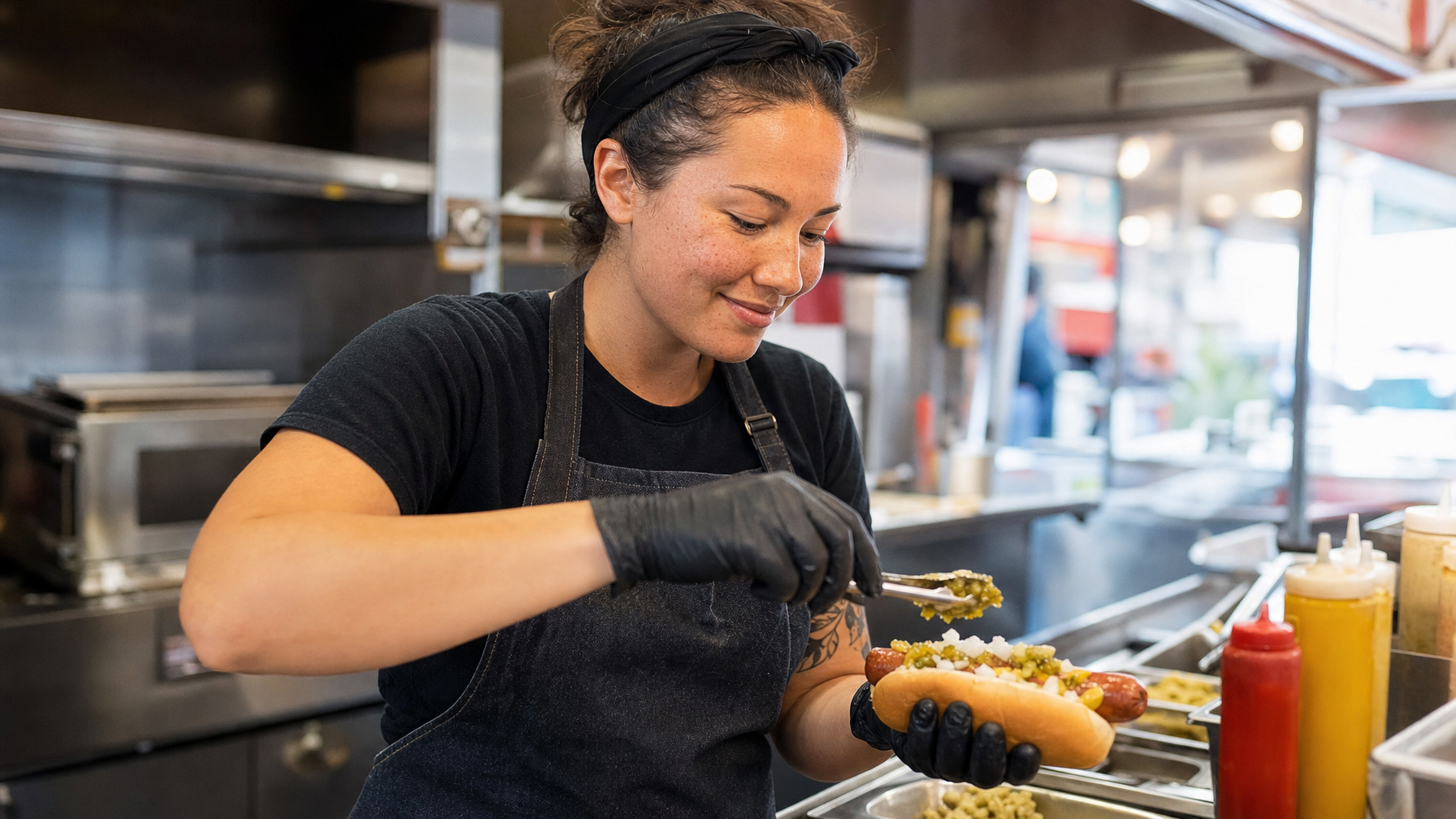
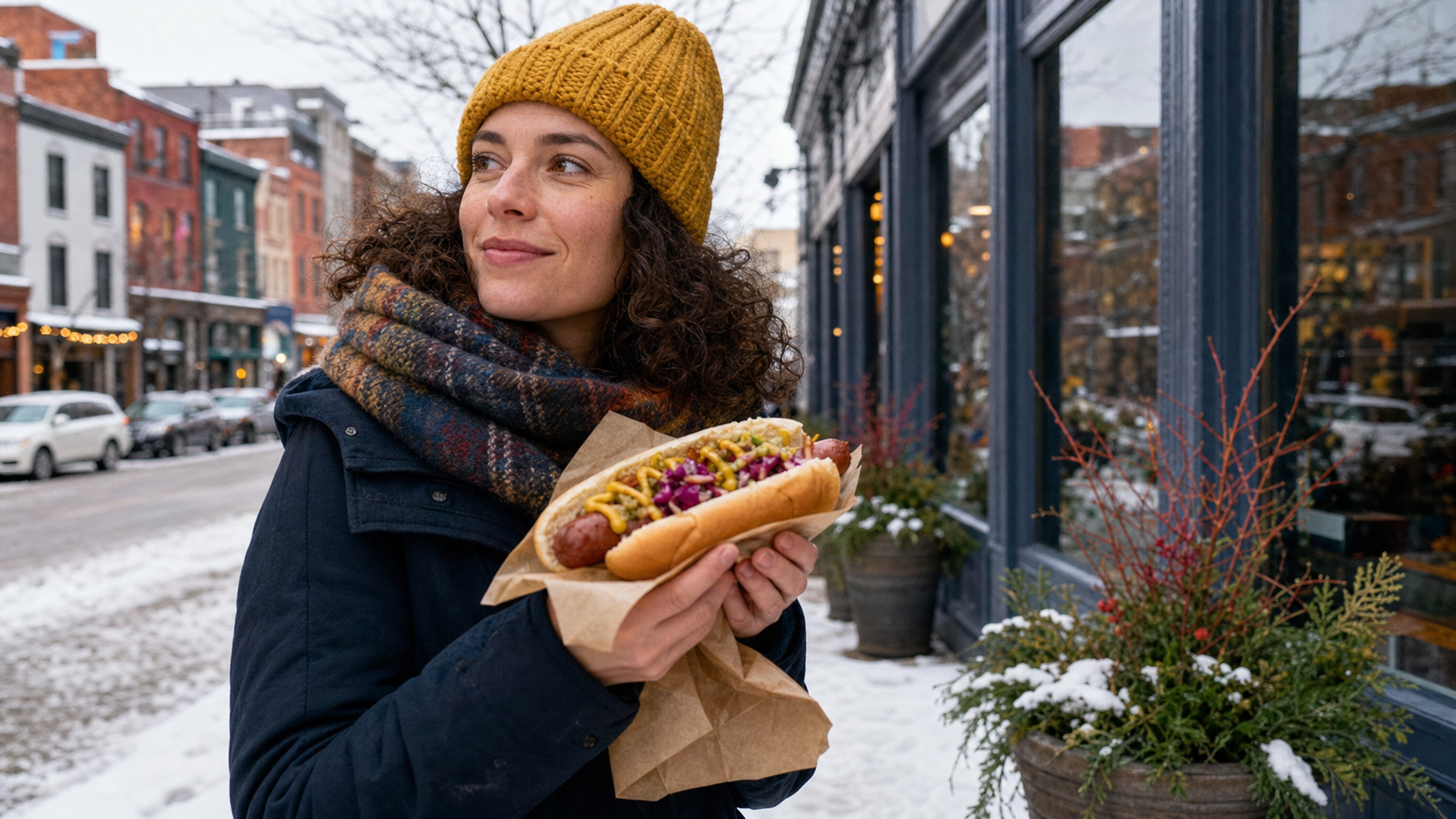
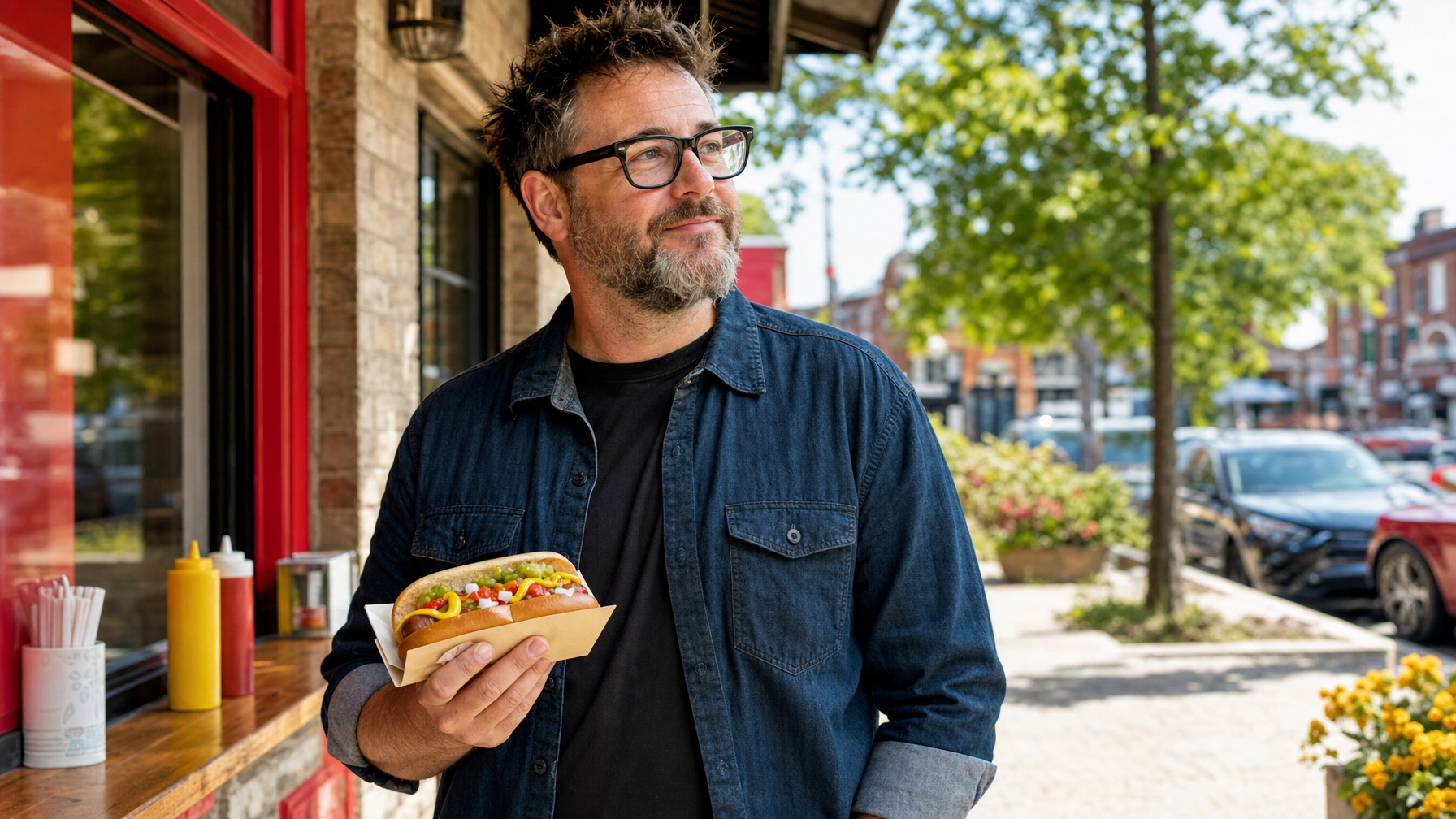
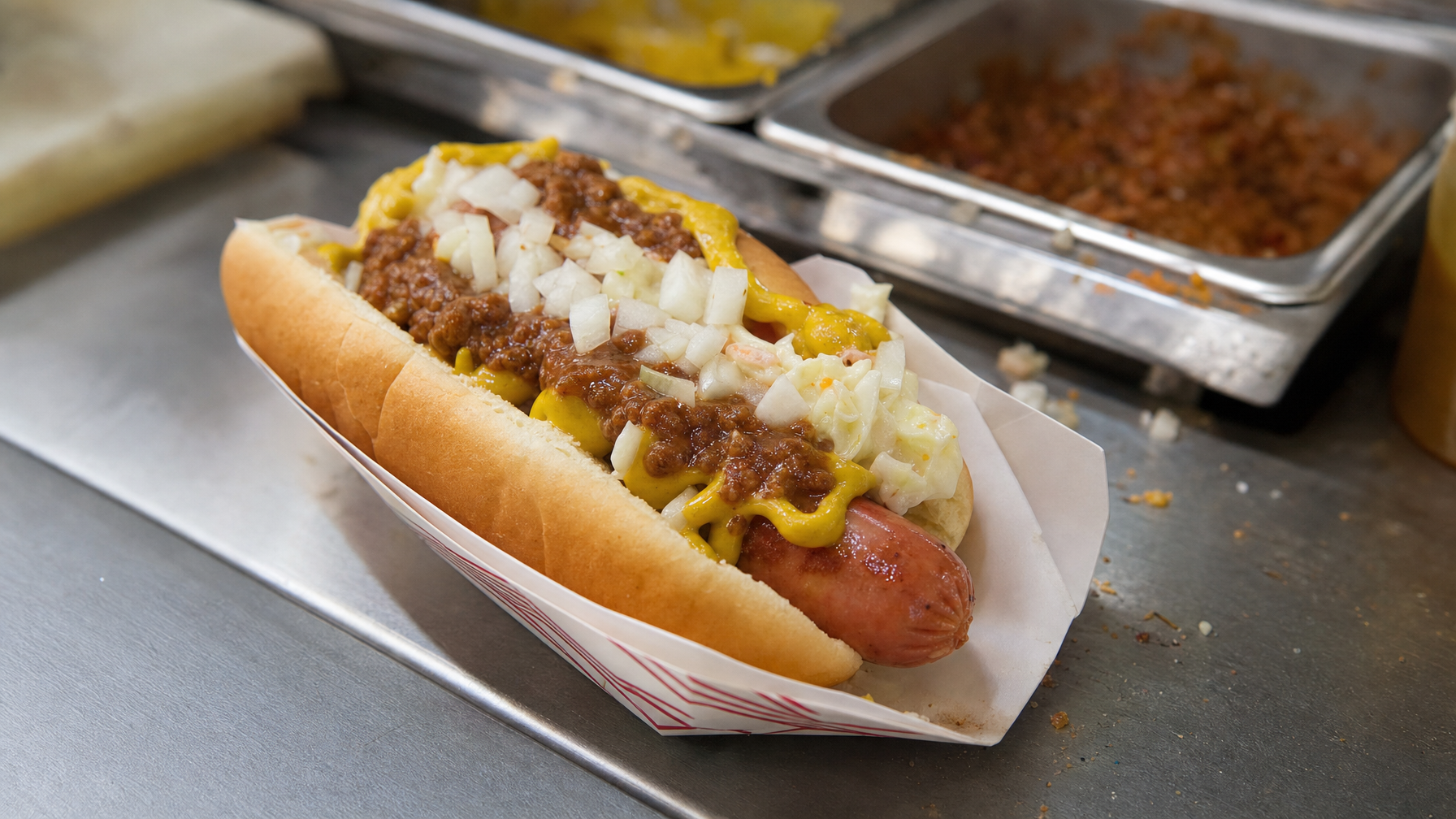
Picture a loaded dog with onions, relish, mustard, pickled vegetables, and a serious sauce situation. It looks magnificent for three seconds. Then the seam opens, the toppings migrate, and the whole thing collapses like a tiny edible bridge designed by a genius who never met gravity.
Why a Lunch Mishap Can Turn Into Feed Fodder So Fast
When food footage does become a social-media conversation, the usual sequence is simple: an original post shows a memorable moment; viewers react; reposts and remixes add jokes or theories; then the argument abandons the specific meal and starts debating all hot dogs everywhere. The bun, formerly a humble carbohydrate, becomes the main character.
That cycle is worth describing carefully. The original clip or photo is evidence of what is visible. A reaction comment is a reaction. A parody is a parody. A confident stranger announcing “this always happens at that place” is not suddenly a food-safety inspector because they own a keyboard.
Hot dogs invite this kind of argument because they are familiar, customizable, and tangled up with hometown loyalties. One person sees a masterpiece; another sees a bread-management failure. A third has arrived solely to object to mustard. Nobody needed to summon them, but here they are.
For this particular alleged incident, any claim about reach, engagement, public figures, remixes, or audience reaction should wait for verified platform records or reliable reporting.
Was the Bun Guilty, or Did the Toppings Commit the Crime?
Readers looking at a split-bun clip will generally encounter four theories: the bun was flawed; the dog was overloaded; the preparation was sloppy; or the whole thing was arranged for the camera. Those are interpretations, not conclusions, unless the source provides enough context to support one.
A fair review compares the visible evidence with the caption and surrounding material. Is the tear along the cut or underneath? Are wet toppings pooled against the bread? Is the bun visibly compressed? Does the footage show assembly, transport, or only the final collapse? A short clip is often a dramatic ending with the first three acts missing.
Jason’s Grub opinion: a dramatic split is funny. A bun that cannot carry its toppings has failed its only major assignment.
That is an editorial standard, not a factual finding about this unverified dog. A messy hot dog can still be delicious. A structurally defeated hot dog may still taste terrific. But if the bread turns into edible paperwork at first contact, the build deserves questions.
The No-Ketchup Court Reviews the Evidence
Jason’s stated position is ten years, 50 states, zero ketchup. That is a point of view earned through committed hot-dog wandering, not a universal law handed down from the bun gods. This alleged incident does not prove ketchup guilty, innocent, or even present.
It does underline a useful principle: wet, bulky, and slippery toppings demand more from the bun. Sauces, juicy chopped toppings, piled vegetables, and loose chili can all make a soft roll work harder. That does not mean a dog must be stripped down to a sad sausage in bread. It means the build should respect capacity.
Mustard, onions, relish, peppers, slaw, chili, cheese sauce—each can be excellent in the right quantity and placement. The question is not whether toppings are allowed to have fun. The question is whether the bun can survive that fun without filing for emergency assistance.
Build a Dog That Does Not Immediately Seek Witness Protection
These are practical takeaways inspired by the kind of failure described here, not verified facts about how the original dog was made. There is no sacred hot-dog architecture; there is simply a difference between generosity and geological instability.
- Start with a bun that has some spine. Choose one with intact sides and enough depth for the dog and toppings.
- Check the cut. An even split leaves support on both sides instead of creating one brave wall and one breadcrumb.
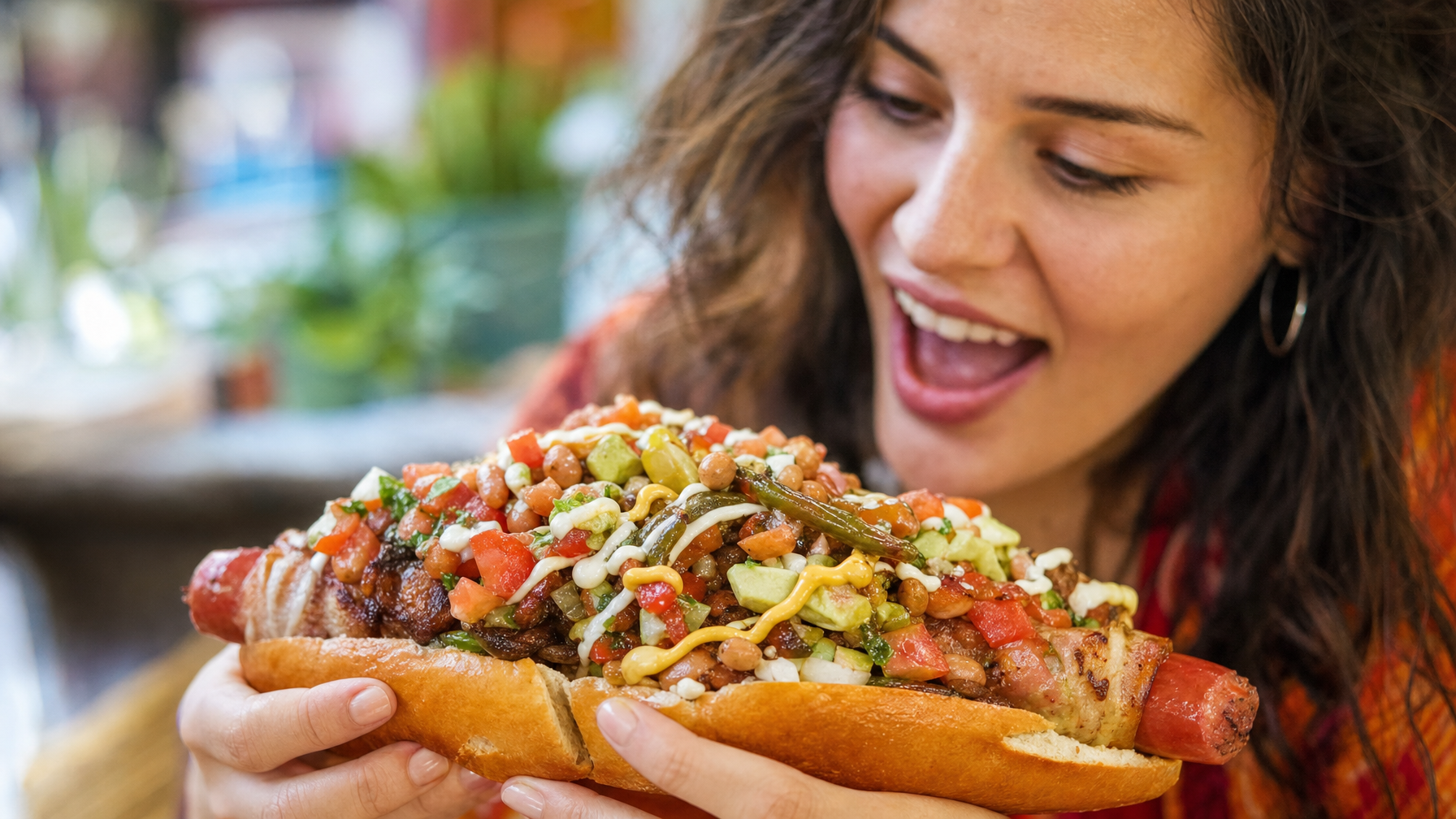
- Match topping volume to bun capacity. A loaded dog is welcome; a dog wearing a whole salad as a hat is asking for trouble.
- Manage wet ingredients. Use sauces and juicy toppings thoughtfully so they do not soak the bread before the first bite.
- Serve promptly. A well-built dog can still get soggy while it waits around posing for photos.
- Use a wrapper or tray intelligently. It will not repair a bad bun, but it can keep a minor wobble from becoming a sidewalk incident.
Caption for the structurally minded: Strong bun. Sensible pile. Eat before gravity develops an opinion.
Verdict: Tragedy, Technique Problem, or Beautiful Internet Nonsense?
The verified conclusion, given the material currently available, is not that a particular vendor, bun, or eater caused an internet-famous collapse. The verified conclusion is that there is not enough source information yet to establish that event’s basic facts. Confirm the original post, date, location, people involved, and any follow-up before publishing a specific account.
Editorial verdict: a split bun is usually a technique or materials problem, not a moral failure. It can be hilarious, photogenic, and completely recoverable with a tray and a healthy respect for napkins. But a hot dog that cannot remain a hot dog long enough to be eaten has a real design problem, however delicious the ingredients may be.
That is the line: a messy hot dog can be marvelous; a bad hot dog cannot survive its bun.
For more hot-dog places, purchasable finds, recipes, and culture coverage, follow @jasonsgrub on Instagram.
FAQ: Five Questions Before You Blame the Bun
What was the bun-splitting incident?
No verified post or event record was provided for this draft. Before publication, identify the original source and describe only what it visibly shows: where the bun split, what happened to the toppings, and whether the dog was being prepared, served, transported, or eaten.
Where did it happen, and who posted it?
Those details remain unconfirmed in the material provided. Do not name a location, business, account, or person until the original source has been checked and the attribution is clear.
Why did the moment attract so much attention?
If the source confirms significant reaction, the likely appeal is easy to understand: a collapsing hot dog is instantly legible, mildly catastrophic, and tailor-made for arguments about toppings, bread, and technique. Reaction content can amplify a small food mishap quickly, but the scale of this specific conversation should not be claimed without evidence.
Was the hot dog actually badly made?
Not enough verified evidence is available to say. A visible split may point to a weak bun, uneven cutting, excess moisture, overloading, or handling damage. Those are plausible causes, not a verdict on a specific cook or vendor.
How can readers avoid a split bun?
Use an intact, supportive bun; keep topping volume sensible; manage wet ingredients; and serve the dog promptly. Then accept one hard truth: some hot dogs are simply born dramatic.
Enjoyed this? There's more from Jason's Grub.
Follow on Instagram →