I Used a Cast-Iron Skillet, a Grill Pan, and a Grill on One Hot Dog and Lost My Alibi
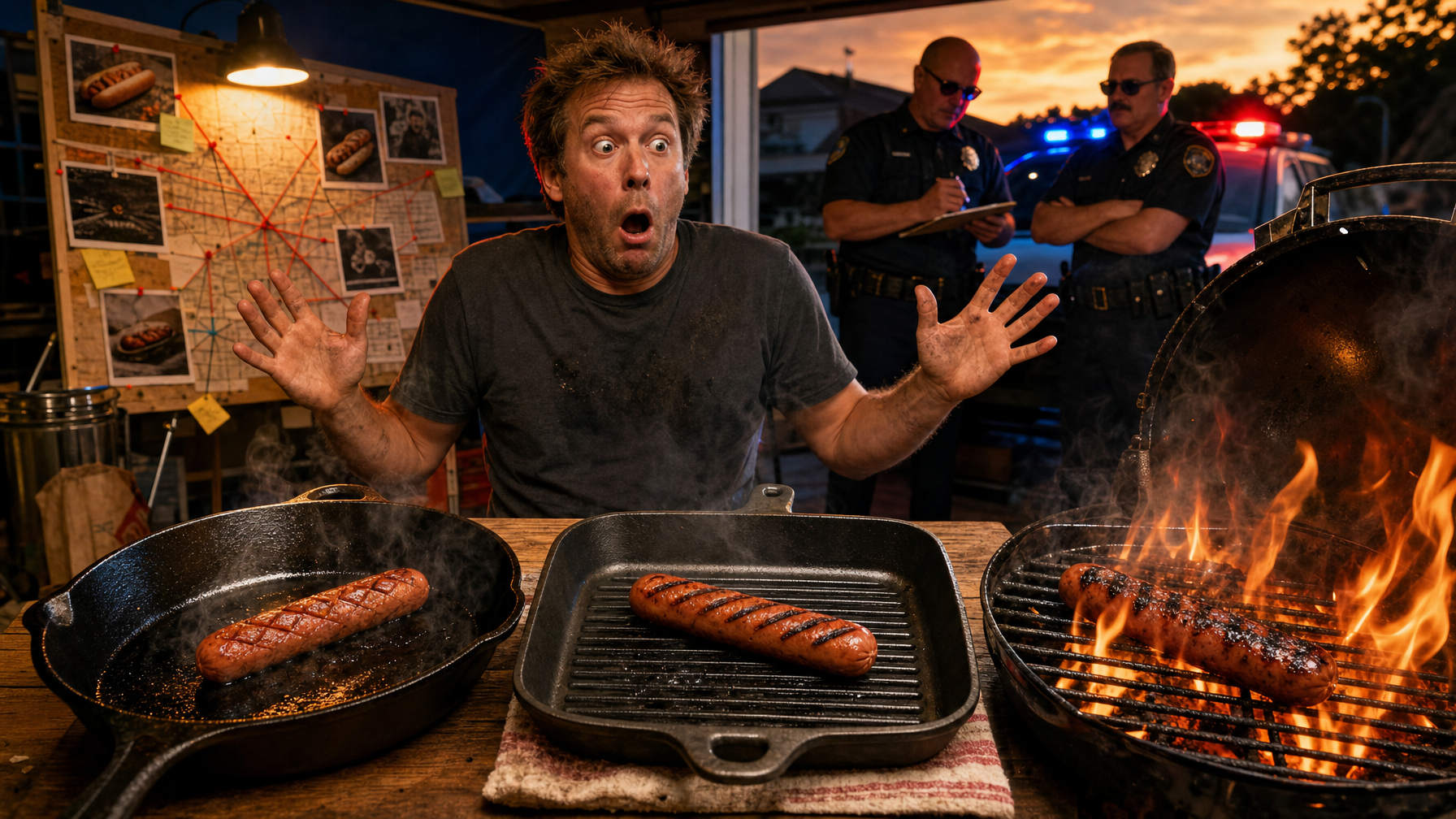
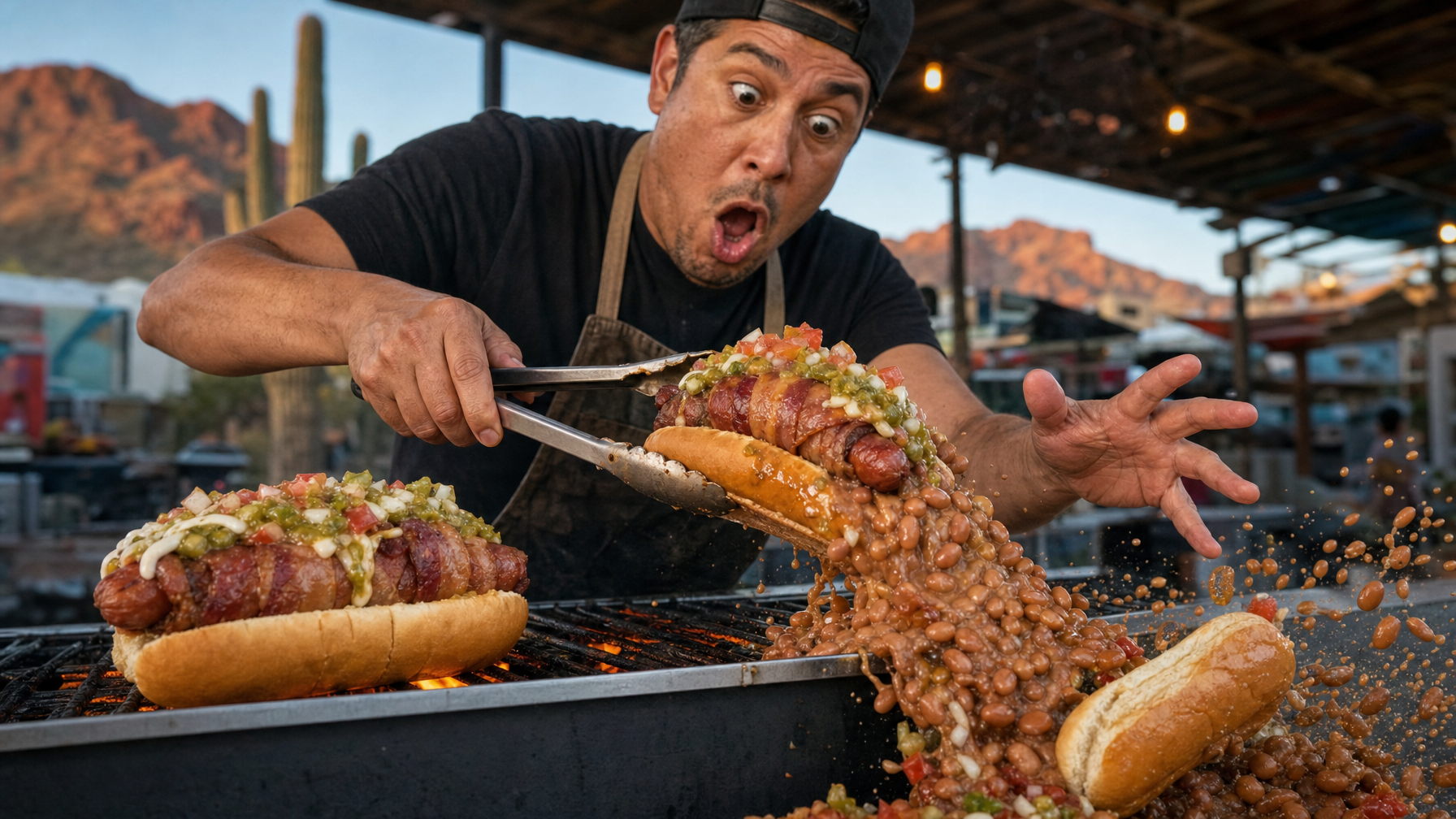
1. The Suspiciously Elaborate Crime Scene
This is for hot-dog obsessives who care about snap, browning, juiciness, smoke, and the tiny rituals that separate dinner from a proper hot-dog event. The short answer: cast iron is the indoor browning machine, a grill pan is the convenient mark-maker, and an outdoor grill earns its keep when smoke and fire-kissed flavor are the point.
To find your own winner, give one hot dog three separate trials. Yes, choosing dinner equipment has somehow become a backyard engineering project. That is the price of caring about a casing with standards.
Keep it fair: use the same style and size of hot dog for each surface, cook over comparable medium to medium-high heat, and serve each in the same kind of bun. Taste them first with no toppings. And, naturally, no ketchup. We are investigating the dog, not hiding the evidence under sweet red paste.
2. The Defendant: One Hot Dog, Three Very Different Alibis
This is a controlled kitchen comparison, not a white-coat laboratory situation. Record what you can, such as burner setting, grill setting, approximate cook time, and whether the casing split. Then use your mouth, which remains the least annoying piece of measuring equipment in the house.
What stays the same
- Hot dog: Use three identical hot dogs from the same package.
- Bun: Use the same bun style for all three, warmed or toasted by one consistent method for the first tasting.
- Fat: Use no added fat, or use the same light coating of a neutral cooking fat on every cooking surface that needs it.
- Toppings: Hold them until after the first bite. Bring out mustard, onions, relish, or other non-ketchup companions only after the comparison.
- Heat and time: Aim for a similar heat level and cook each dog until heated through with a browned, blistered exterior.
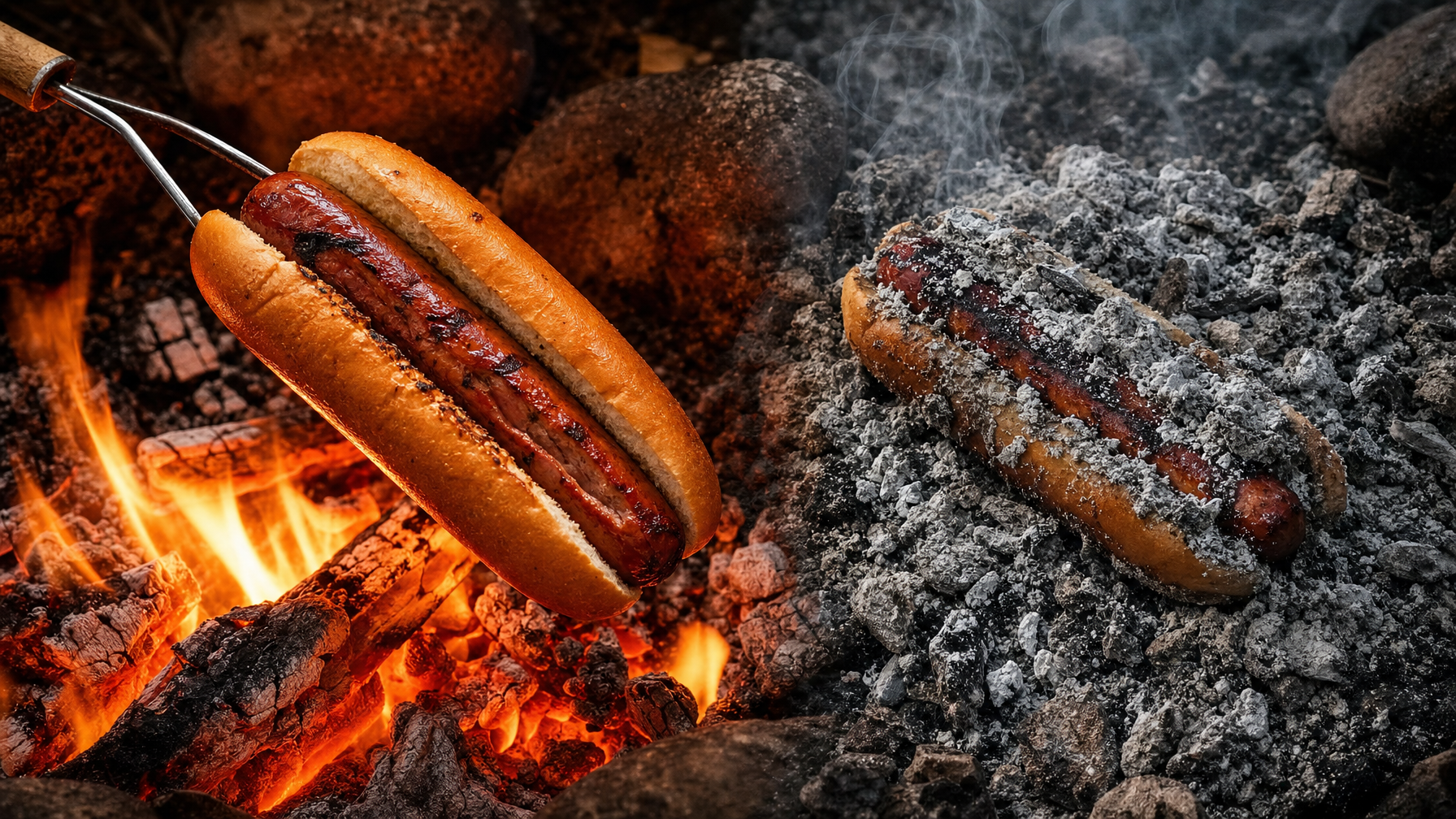
Each surface has a different job. A cast-iron skillet delivers broad, direct contact for deliberate browning. A grill pan uses raised ridges to create stripes while keeping the whole affair indoors. An outdoor grill exposes the dog to open heat, smoke, and the occasional flare-up that arrives like a tiny culinary ambush.
If you have an infrared thermometer, use it. If not, write down the heat setting and pay attention. The goal is repeatability, not a peer-reviewed paper called Proceedings of the Sausage Tribunal.
3. Cast Iron: The Heavyweight Champion With a Napkin Problem
Cast iron is the choice for people who want serious browning without checking the weather, locating propane, or negotiating with a grill that has developed emotional needs.
- Preheat a cast-iron skillet over medium to medium-high heat until it is properly hot.
- Add a very light coating of fat only if the pan and dog need it. Many hot dogs will release enough fat as they cook.
- Lay in the hot dog and rotate it every minute or so.
- Keep turning until the exterior is browned in several places and the dog is heated through.
- Warm or toast the bun separately, then assemble after the base tasting.
Inspect the exterior. A skillet can create concentrated, savory browning because so much of the casing touches hot metal. That contact can produce a deeply seared surface with a tender, juicy interior, especially if you resist the urge to blast it on maximum heat until it resembles a forgotten campfire marshmallow.
The tradeoff is not a failure. Cast iron does not bring the same smoke or open-air aroma as an outdoor grill. It gives you browned flavor, control, and a few grease spatters for your trouble. Keep a napkin nearby. Cast iron believes consequences are part of dinner.
4. Grill Pan: The Hot Dog's Fake Mustache
A grill pan promises grill-style marks from the safety of the kitchen. It is not lying exactly. It is simply wearing a fake mustache and hoping nobody asks where the smoke went.
- Preheat the grill pan over medium to medium-high heat.
- Lightly oil the ridges or the hot dog if sticking is likely.
- Set the dog across the ridges and let it make contact long enough to brown.
- Rotate it a quarter turn for crosshatch marks, or turn it from side to side for more even cooking.
- Do not press it down. You are cooking a hot dog, not trying to extract a confession.
The ridges create visible stripes, but inspect what they actually changed. Because less of the dog touches the metal, a grill pan may produce less overall browning than a flat cast-iron skillet. The marks can be handsome, sure. A stripe is not automatically a personality.
Turn the dog frequently enough to avoid a burned ridge line beside a pale, undercooked side. For buns, use a flat pan, oven, or gentle residual heat instead of parking them directly on aggressive ridges. Otherwise, the bun may emerge looking like a tiny piece of modern art, and not the expensive kind.
This is often the most contained indoor route to a grill-adjacent presentation. Whether the flavor payoff justifies the extra ridges is exactly what your tasting should settle.
5. Outdoor Grill: Where the Hot Dog Starts Telling Stories
An outdoor grill changes the aroma before the first bite. It can blister the casing, add char in little pockets, and introduce the smoky, open-fire character that a pan cannot fake with confidence.
- Preheat the grill and clean the grates.
- Set up a moderate heat zone. If your grill has hotter and cooler areas, use both rather than treating every inch like a volcano.
- Place the hot dog over heat and turn it frequently.
- Move it away from flare-ups if fat drips and the casing begins darkening too quickly.
- Remove it when heated through and blistered to your preferred degree, before an accidental split turns it into a meat flute.
Watch for smoke, blistering, char, and casing texture. The grill can give a dog an exterior that smells as bold as it tastes, with a slightly drier or firmer surface than a pan-cooked version. That can be glorious when balanced by a juicy center and a bun that has not been neglected.
But the grill does not receive a free victory lap because it lives outside. It requires setup, cleanup, fuel or charcoal, cooperative weather, and more active heat management. Its heat can be less precise than a skillet's. Make it earn the effort bite by bite.
6. The Three-Way Taste Trial, Minus the Food-Critic Fog
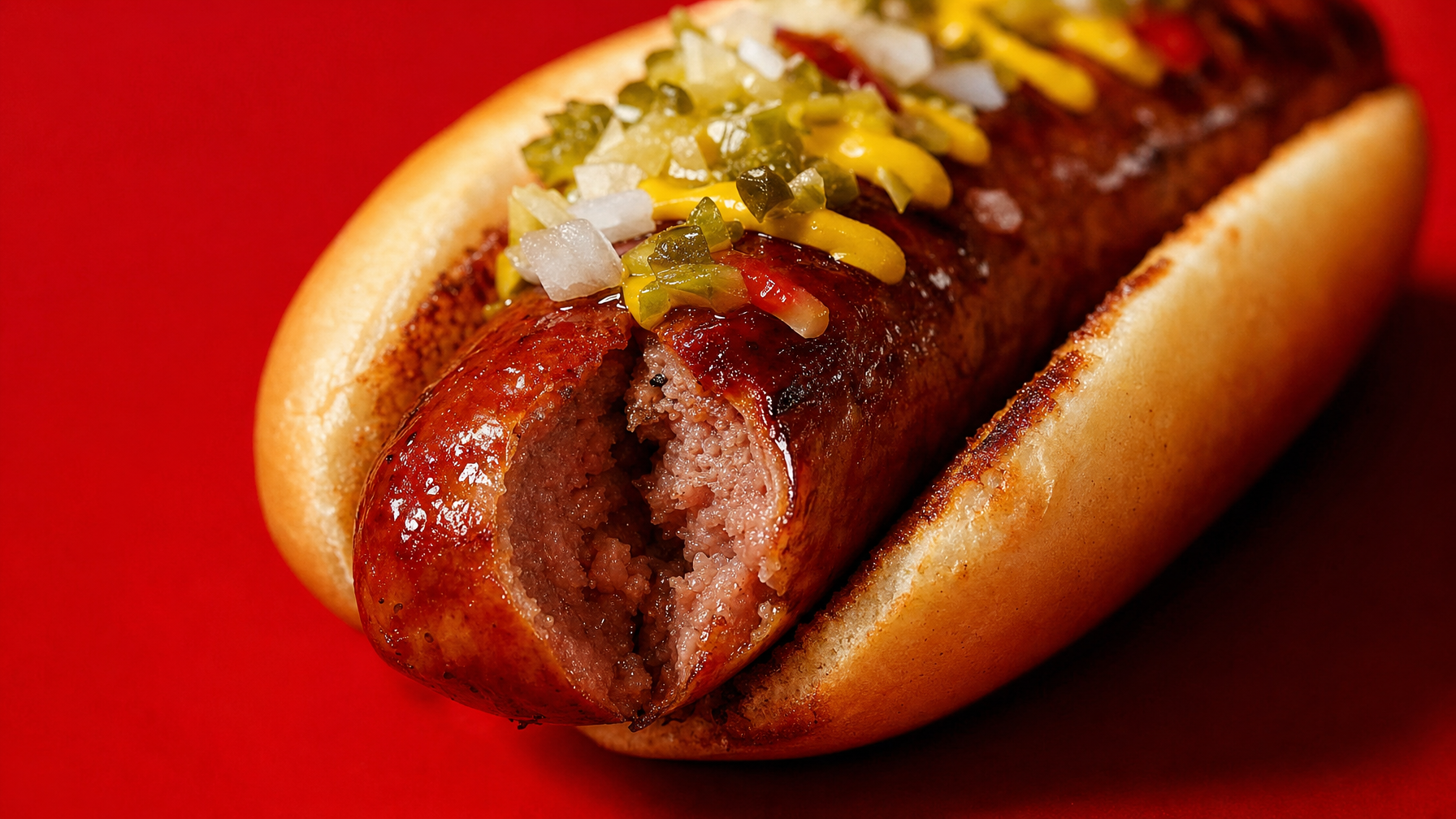
Put the three dogs on a plate, label them if possible, and taste each one before adding toppings. Take a bite from the middle and then one near an end. You are looking for patterns, not composing poetry for a menu board.
| What to inspect | What to notice |
|---|---|
| Snap | Does the casing resist cleanly before giving way, or is it soft, tough, or split? |
| Browning | Is the color broad and savory, limited to stripes, lightly blistered, or charred? |
| Juiciness | Does the interior stay succulent, or did high heat tighten the casing and push moisture away? |
| Smoke | Is there an obvious live-fire aroma, or is the flavor driven mainly by seared meat and rendered fat? |
| Bun condition | Does the bun support the dog, or does it crumble, scorch, or become a soggy hostage? |
| Topping compatibility | Does the cooking style welcome sharp mustard, onions, relish, or a little extra texture without losing its own voice? |
| Effort and cleanup | How much setup, attention, splatter control, and washing did the result demand? |
My personal preference leans toward cast iron when I want controlled, full-surface browning indoors, and the outdoor grill when smoke is worth leaving the kitchen. The grill pan is useful when its indoor convenience matters more than chasing maximum sear or true fire flavor. Your favorite may depend on whether the meal is a Tuesday night rescue operation or an excuse to stand outside holding tongs.
7. The Bun Gets a Vote and It Is Not Being Polite
A bun is not packaging. It is a structural partner, and it can either make a hot dog feel finished or turn the whole thing into a bread-based collapse.
For a fair first test, prepare each bun the same way. A lightly toasted bun adds a little crispness and stands up well to a juicy dog. A soft, gently warmed or steamed bun can be especially good with a deeply browned or charred exterior because it adds contrast rather than competing crunch on crunch.
There are practical differences, too. Cast iron can toast buns in a clean area of the pan after the dogs come out, though it may pick up some rendered-fat flavor. A grill pan can scorch bread on the ridges with alarming speed. An outdoor grill can toast a bun nicely, but it demands close attention because bread is always one distracted conversation away from becoming charcoal.
Bring on the toppings after the evidence is logged
Once you have tasted the plain dogs, build one or two in the style you actually enjoy. Mustard brings sharpness. Onions contribute crunch or sweetness, depending on how they are prepared. Relish adds tang and texture. Pickles, sport peppers, sauerkraut, chili, or cheese can all make sense when they complement the cooking rather than bury it.
And no ketchup. Jason's position is clear: the hot dog has already done enough work.
8. The Verdict: Pick Your Weapon, Then Eat the Evidence
There is no single universal winner because these tools are chasing different kinds of deliciousness. Here is the honest decision guide:
- Choose cast iron for controlled indoor cooking, broad browned contact, and a savory seared exterior. It is the best bet when texture and dependable browning are the mission.
- Choose a grill pan for indoor convenience and grill-style marks. It is a useful compromise, especially when the look matters, but test whether the stripes deliver flavor you can actually taste.
- Choose an outdoor grill when smoke, blistering, char, and live-fire aroma justify the setup and cleanup. This is the outdoor flavor champion when you are willing to babysit the heat.
So name several champions if your plate demands it: cast iron for best controlled texture, grill pan for kitchen-friendly grill vibes, and the outdoor grill for fire-and-smoke drama. A hot dog does not need one monarch. It needs to be cooked with intent.
Keep the ketchup bottle in exile, keep turning the dog, and follow @jasonsgrub on Instagram for more specific hot-dog places, products, recipes, and culture worth arguing about.
Enjoyed this? There's more from Jason's Grub.
Follow on Instagram →