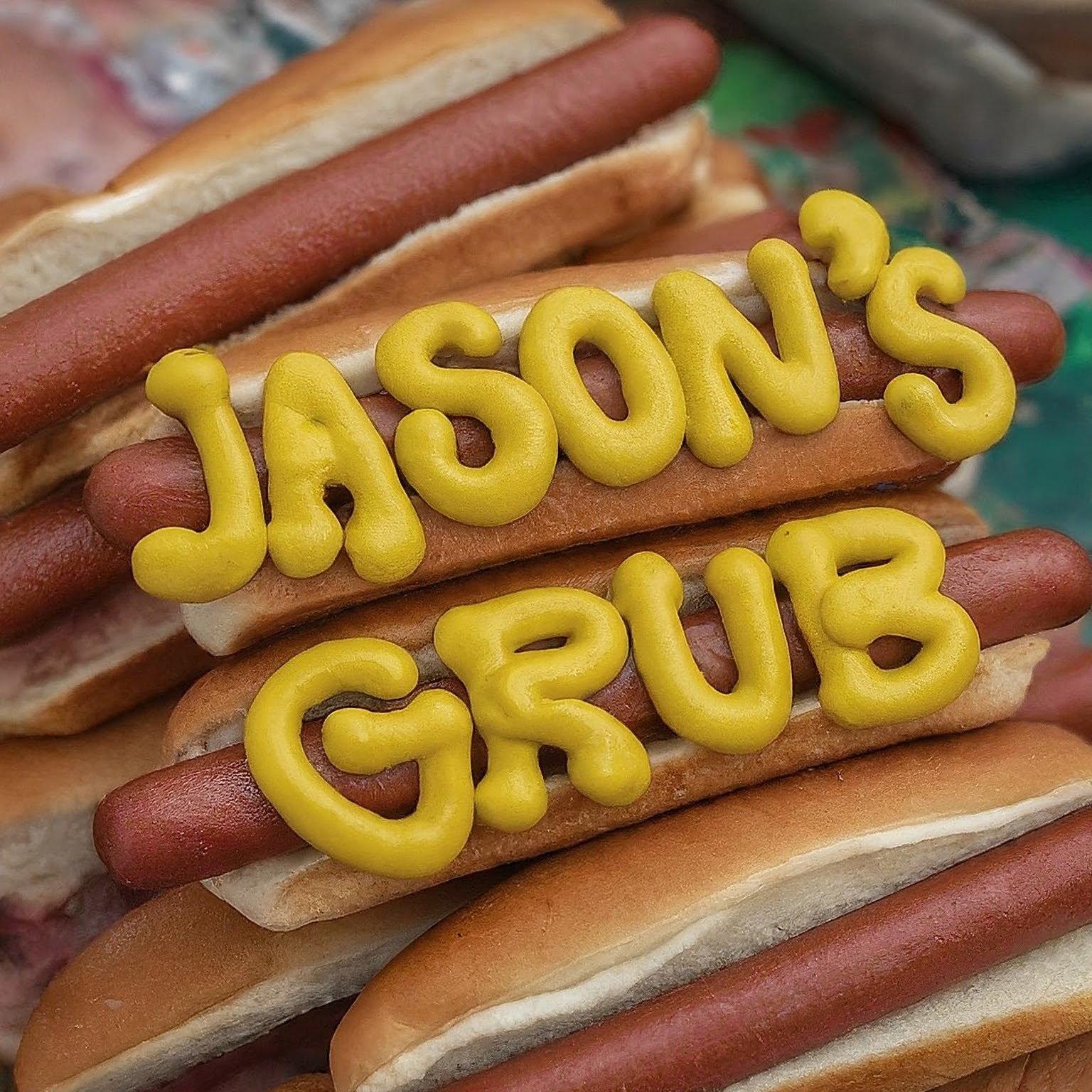
From Food-Influencer Post to Grocery-Aisle Hunt: How a Hot Dog Idea Travels
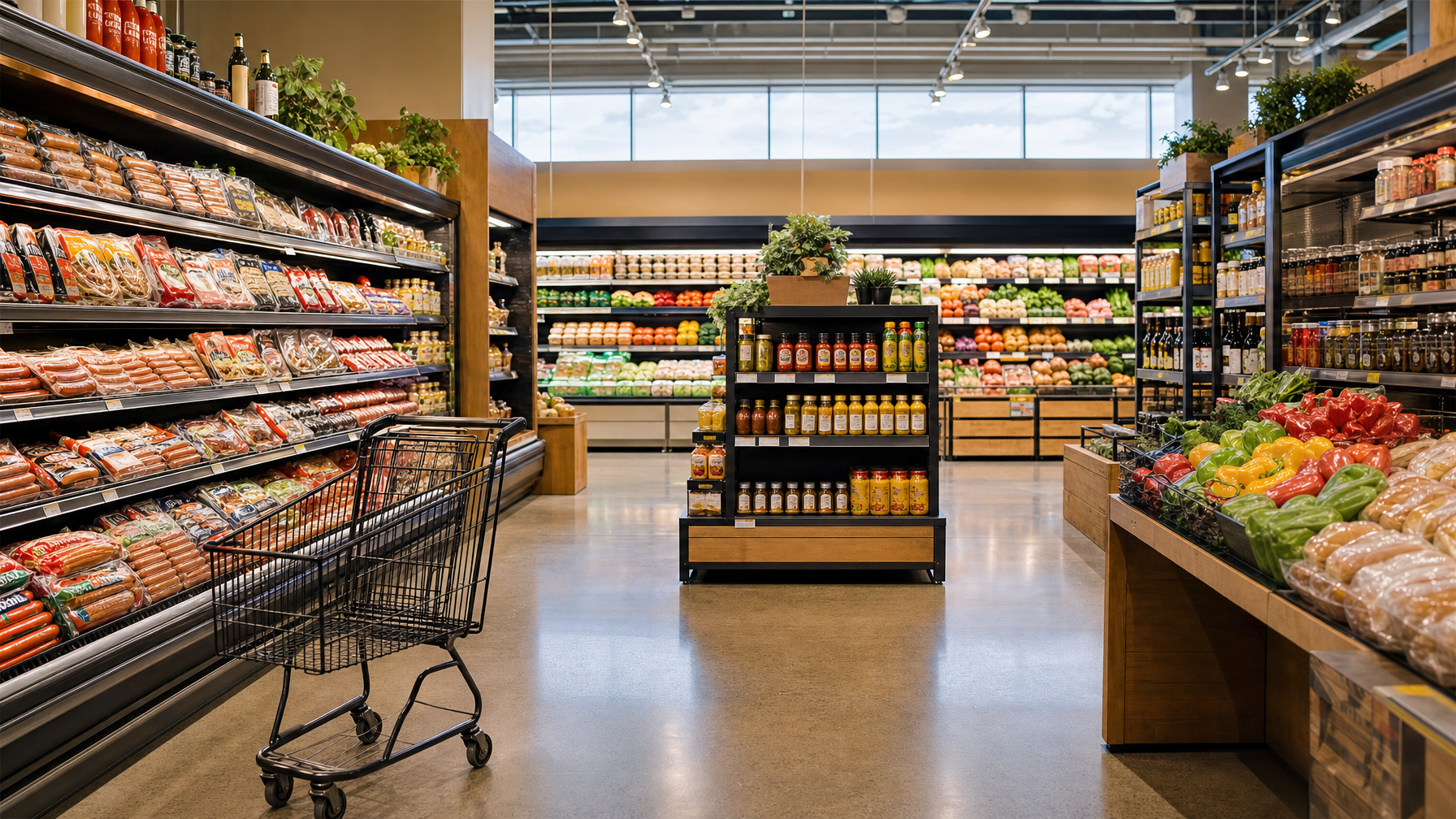
For hot dog obsessives and food-culture readers, the trip from an influencer’s post to a grocery-aisle hunt usually follows a simple chain: a striking idea sparks curiosity, curiosity demands receipts, and the hunt becomes part of the fun. A camera-ready dog is a lead, not proof that its ingredients are real, nearby, or worth your lunch money—because mustard can be trusted, but the internet deserves supervision.
The Spark: Why One Hot Dog Post Starts a Hunt
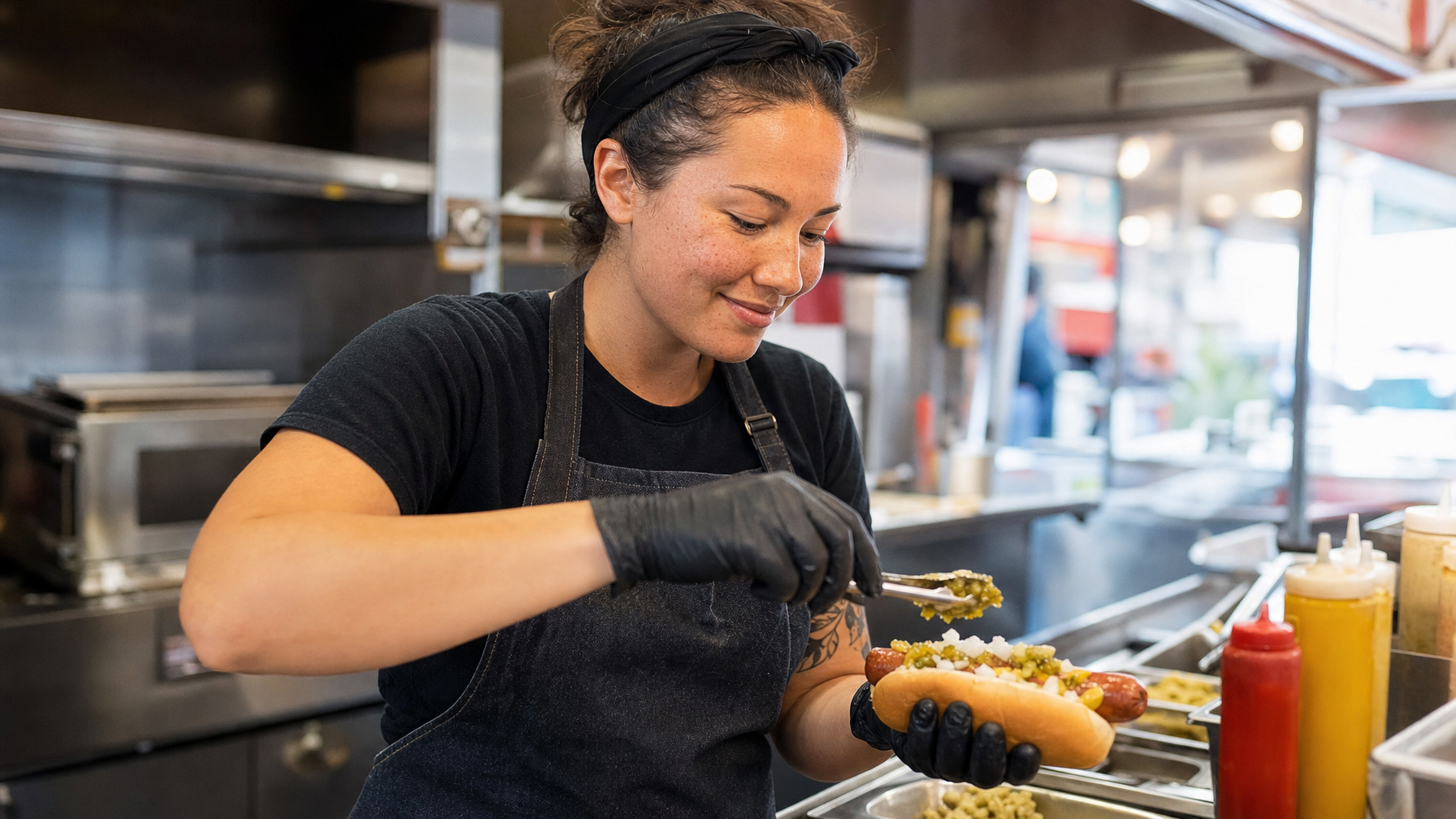
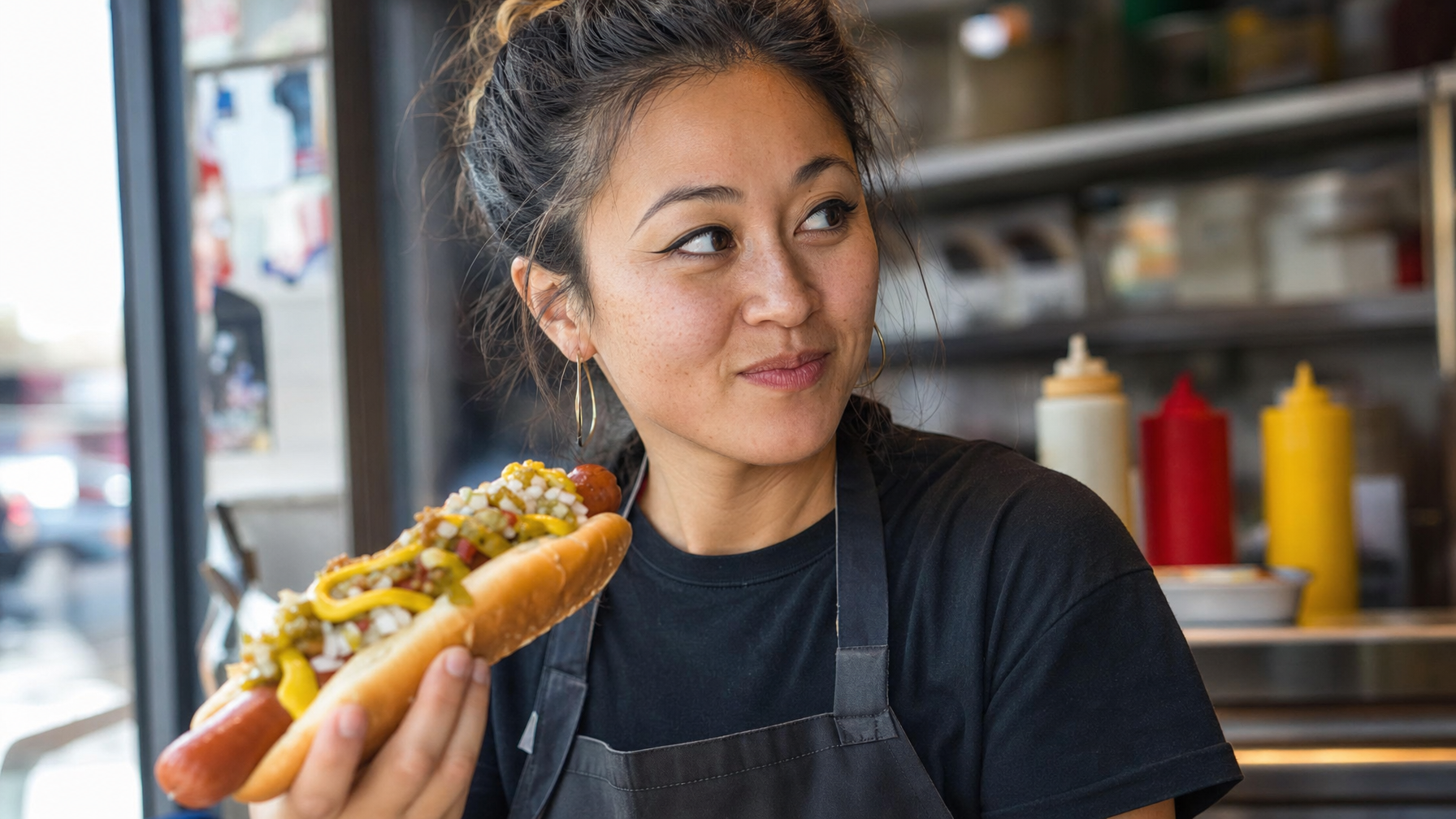
A memorable post can make an ordinary-looking hot dog suddenly very specific. Maybe it is a regional topping arrangement, an aggressively overstuffed bun, a strange-but-plausible cheese situation, a specialty sausage, or a package glimpsed in the background like a delicious little clue.
That is the appeal: the post does not merely show food. It proposes a question. What exactly is that dog, and can I get my hands on it?
But inspiration and proof are different animals. A beautiful photo can establish that someone made a compelling hot dog. It cannot, by itself, establish that the sausage is currently sold, that the restaurant still serves the dish, that the product is available outside one region, or that the final result is anything more than excellent lighting doing unpaid labor.
Be an investigator, not a passive scroller. Save the post, note the details, write down names that appear on packaging or menus, and start separating what is known from what is merely looking extremely good on your phone.
From Screen to Search Bar: Identify the Actual Product
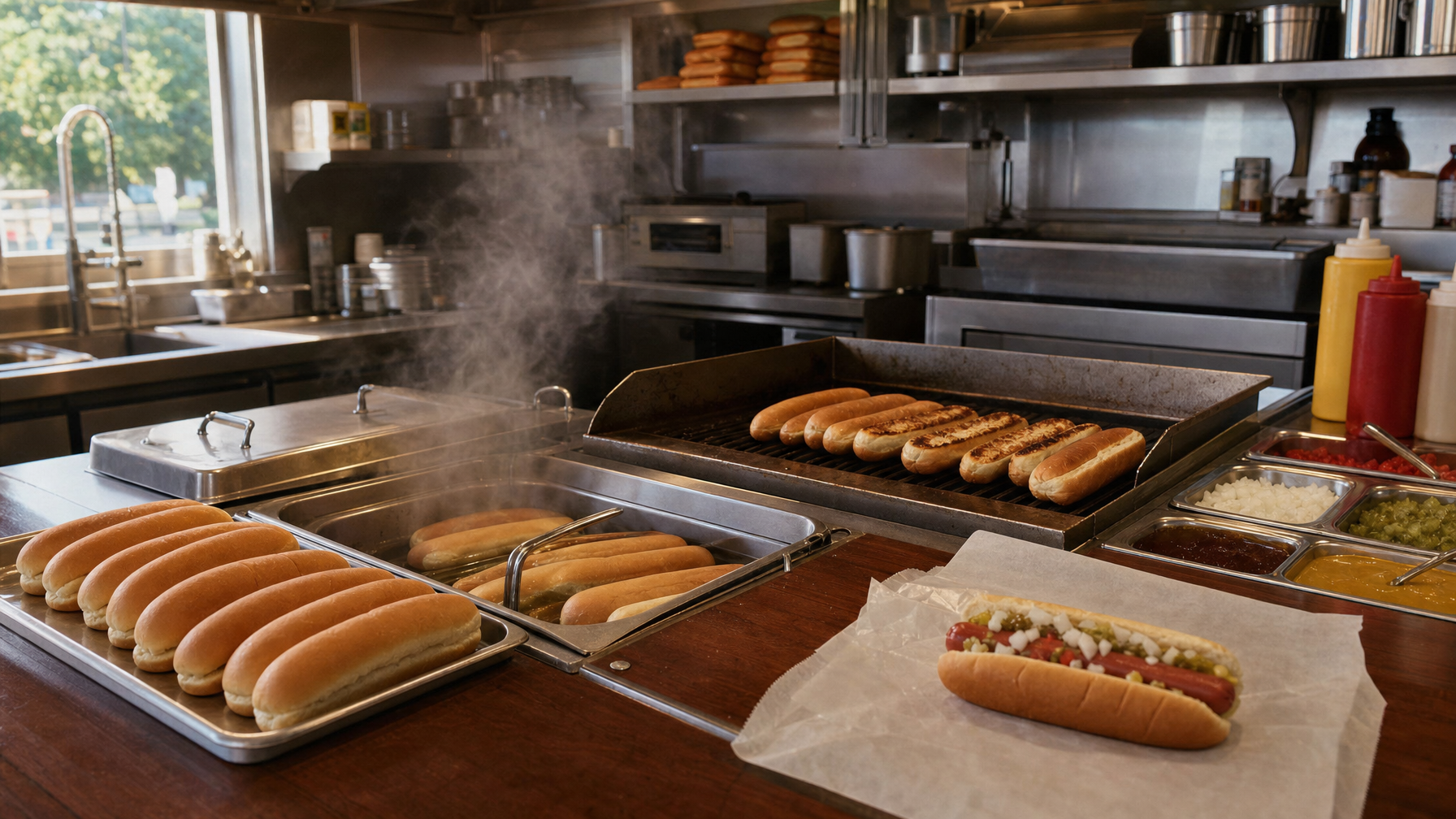
The first practical move is to take apart the assembled dog—at least mentally. A finished hot dog may contain several things worth tracking:
- the sausage or frank itself;
- the bun and its size or style;
- condiments, relishes, sauces, and seasonings;
- cheese, onions, peppers, or other toppings;
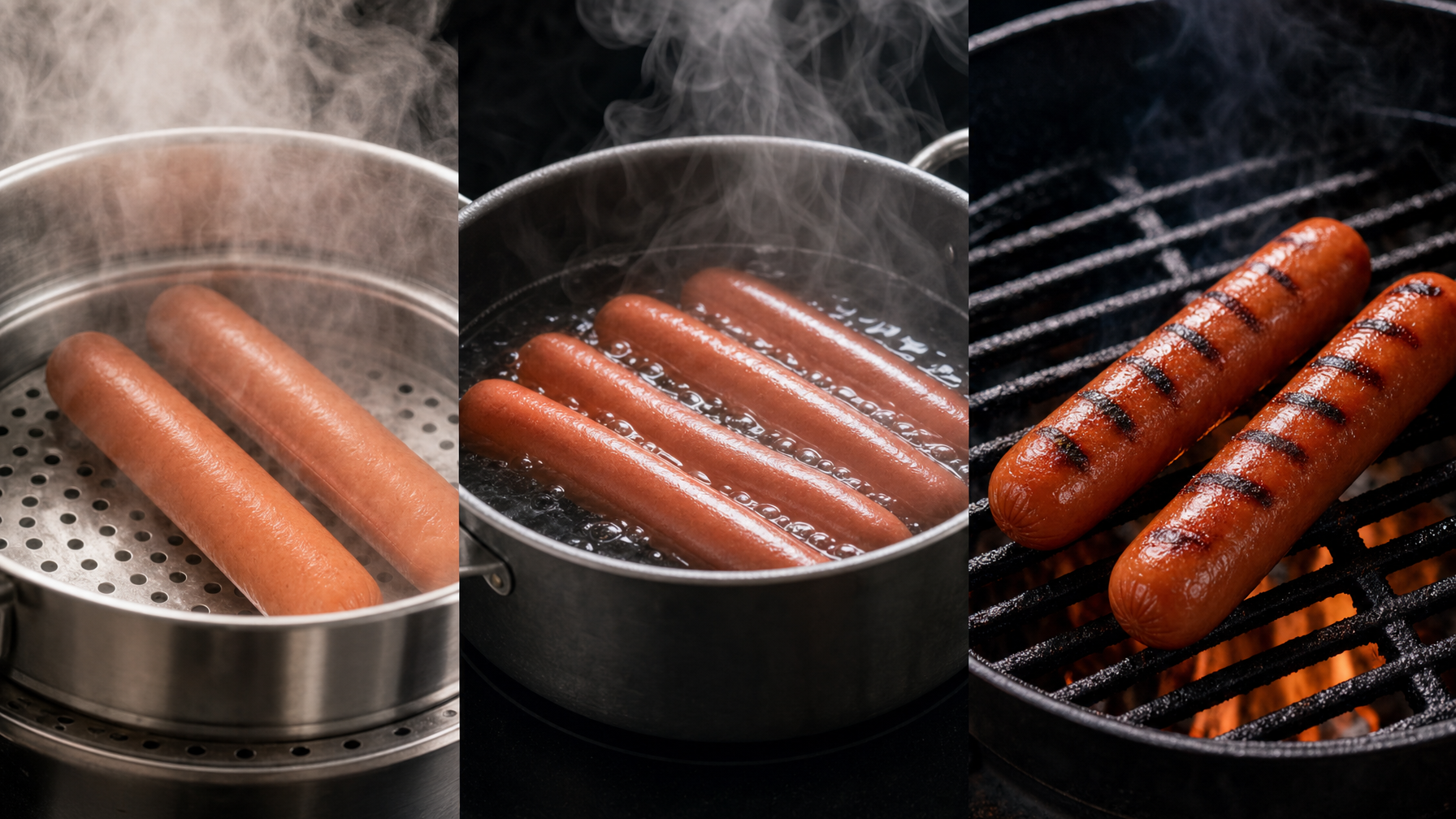
- the cooking method, such as grilling, steaming, frying, or charcoal cooking.
This matters because the post may be celebrating the build, not one purchasable item. The sausage might be a common grocery product while the real magic is a toasted bun and a particular pepper topping. Or the reverse: the toppings may be easy, but the whole point could be a frank from a restaurant, butcher, or limited release that is not sold for home cooking.
Where to look for usable clues
Check the caption, product tags, location tag, comments, and any linked information. Look for an exact brand name, restaurant name, manufacturer, menu description, package label, or preparation note. If the creator says where it came from, treat that as a useful lead—not a carved-in-stone inventory report.
A food post can feature a restaurant dish, a homemade build, a promotional sample, a temporary menu item, or a product that was available when the post went up and vanished from shelves later. When a claim has no clear source, keep it in the “interesting, needs checking” pile.
The Grocery-Aisle Reality Check
Before turning a casual craving into a special trip, verify the boring details. Boring details are how a hot dog mission avoids becoming a disappointed lap around a fluorescent supermarket.
- Exact product name: Similar names can hide very different styles and sizes.
- Package size: A post may show a large-format sausage while the local package contains standard franks.
- Store availability: Confirm with the retailer or the manufacturer’s current information when possible.
- Storage location: Find out whether it belongs in refrigerated meat, frozen foods, a deli case, or somewhere more obscure.
- How it is sold: Check whether it comes individually, in a multipack, or only as part of a prepared meal or restaurant order.
Grocery availability varies by region and changes over time. An online mention is not a promise that the product is sitting on a shelf five minutes from your house, staring bravely into the void beside the turkey kielbasa.
Practical rule: confirm the store or aisle first, then bring the mustard. The mustard is not negotiable; the trip is.
What Makes a Product Worth the Hunt?
“Worth it” is partly personal taste, but a serious hot dog evaluation needs more than a glamorous wrapper. Judge the product in the finished dog, where it has to coexist with heat, bun, toppings, and your own completely reasonable opinions.
Useful things to evaluate
- Texture and snap: Does the casing or exterior provide the bite you want, or does the sausage eat soft and uniform?
- Seasoning: Is the flavor clean, peppery, garlicky, salty, spicy, or otherwise distinctive?
- Smoke character: Is smoke a major flavor, a subtle note, or absent?
- Size and shape: Does it fit a standard bun? Does it need a split-top roll, a larger bun, or a knife-and-fork intervention?
- Ingredient profile: Read the package when ingredients, dietary needs, or style matter to you.
- Cooking behavior: Does it brown, blister, split, render, or dry out easily?
- Whole-dog compatibility: Does it stand up to the toppings, or do the toppings turn it into an expensive passenger?
Compare the creator’s method with the package directions. A frank that looks heroic over open flame may perform differently in a skillet, on a gas grill, or under a broiler. That is not a betrayal. It is cooking. Heat has opinions.
Package details and current availability are facts to verify. “Best” and “must-buy” are opinions, including Jason’s. Strong opinions are welcome at the hot dog counter; they just should not disguise themselves as inventory data.
Rebuild the Idea Without Copying the Hype
The goal is not to recreate every post with laboratory-level precision. The goal is to understand why the idea works and build a version you can actually test at home.
- Choose the closest available sausage or frank based on the original product’s style, size, seasoning, or texture.
- Match the cooking method as closely as practical.
- Reproduce the central topping combination before adding extra chaos.
- Change one variable at a time: sausage, bun, cooking method, or topping.
- Take notes on what improved the dog and what was merely photogenic nonsense.
Technique matters as much as the ingredient list. A well-browned frank, a properly warmed bun, and toppings added in the right order can do more for a dog than a cabinet full of novelty condiments. That is the same spirit behind Jason’s existing recipe work, including the Signature Charcoal Snap Dog: heat, texture, and assembly earn their keep.
Jason’s editorial position is clear: no ketchup. Zero. This is not a negotiation table. Readers can build their own dogs however they please, but this site’s point of view is that mustard belongs in the conversation and ketchup can wait outside with the hedge fund managers.
When the Hunt Becomes Hot Dog Culture
A single post can kick off a much bigger conversation. People search for a product, compare local substitutes, recreate the topping build, argue about the proper bun, and discover that a regional style means something very different a few states away. Suddenly, a grocery run becomes a discussion about scarcity, branding, nostalgia, and what people think a hot dog ought to be.
That social momentum is not automatically a verified trend. A busy comment section does not prove broad demand, sales success, or permanent availability. It does show that a particular food idea has given people something to chase, debate, and remake—and that is plenty interesting without inventing a victory parade.
Jason’s perspective comes from a stated decade of hot dog research across all 50 states, with zero ketchup. That firsthand editorial judgment can help sort a sturdy idea from a flimsy stunt. It is not a substitute for checking current product details, local stock, or a restaurant’s present menu. The dog may be timeless; the shelf tag is not.
A Better Way to Follow the Trail
Use this repeatable checklist the next time a post sends you toward the meat case.
- Capture the original idea. Save the post and note the visual details that made it compelling.
- Identify the components. Separate the frank, bun, toppings, condiments, and cooking method.
- Verify what is current. Confirm the exact product and local availability before making a special trip.
- Choose a realistic substitute if needed. Match the key qualities, not just the logo on the package.
- Test the preparation. Start with the creator’s basic method, then adjust one variable at a time.
- Record what actually happened. Note where you found it, how you cooked it, what changed, and whether it deserves another round.
Useful reporting beats vague praise. “Found in the refrigerated case, grilled until lightly blistered, better with a softer bun, topping needed less salt” tells the next curious eater far more than “OMG needed this.”
For more hot dog finds, experiments, and strongly held anti-ketchup opinions, follow @jasonsgrub on Instagram.
FAQ
Does an influencer’s post mean the product is available near me?
No. Treat the post as a lead. Verify the exact product name and current local availability before making a trip.
What should I do if I cannot find the exact product?
Identify what defines it: style, size, seasoning, texture, or cooking method. Then test the closest available alternative and make a note of what changed in the finished dog.
How can I tell whether a grocery product is worth buying?
Check the ingredient information and product format, consider how you plan to cook it, and judge it in a complete hot dog rather than from the package alone. A good-looking label has never toasted a bun.
Is copying a social-media hot dog the point?
Not necessarily. The useful part is understanding the idea, testing the technique, and deciding what deserves a permanent place in your own hot dog rotation.
Where can I find more of Jason’s hot dog perspective?
Follow @jasonsgrub on Instagram for additional hot dog coverage and discoveries.
Enjoyed this? There's more from Jason's Grub.
Follow on Instagram →