After the Nathan’s Contest, Can a Ghanaian Kelewele Dog Steal the Spotlight?
Yes, a Ghanaian inspired kelewele dog can steal the spotlight on flavor. It is not trying to outshout Nathan’s Famous contest spectacle. It is bringing sweet plantain, ginger, chile and a pepper sauce with enough personality to make a plain topping pile look positively underdressed.
- Caramelized plantain, warm spice and chile give a kelewele dog more contrast than a standard contest style dog.
- Balance is the whole game: browned plantain, bright hot pepper sauce and a bun that does not surrender immediately.
- Nathan’s brings speed and spectacle. This build brings aroma, crunch and actual bite by bite drama.
- Jason’s verdict: keep ketchup out, let pepper sauce in, and give kelewele the attention it deserves.
The contest brings the noise. Kelewele brings the flavor.
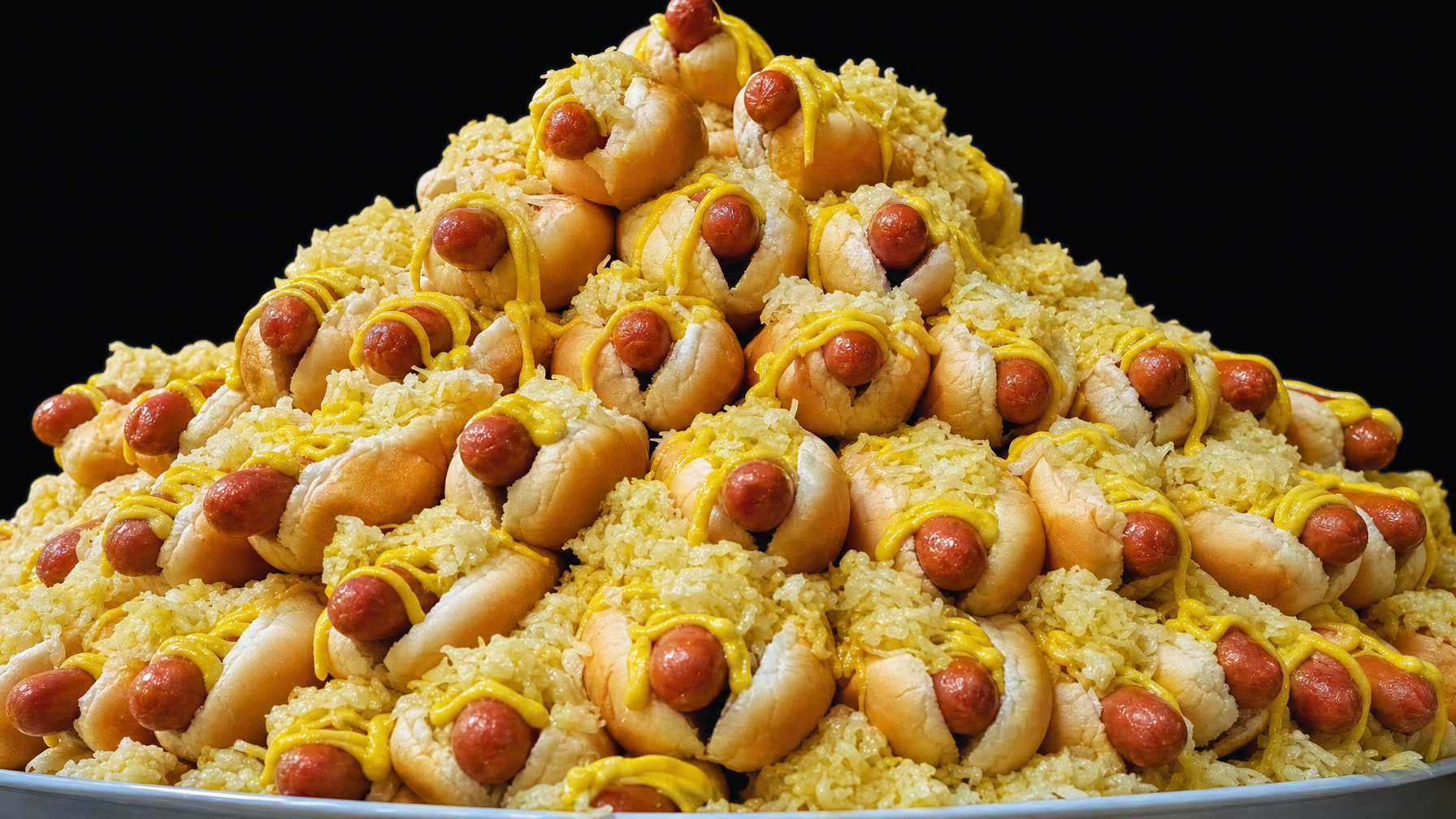
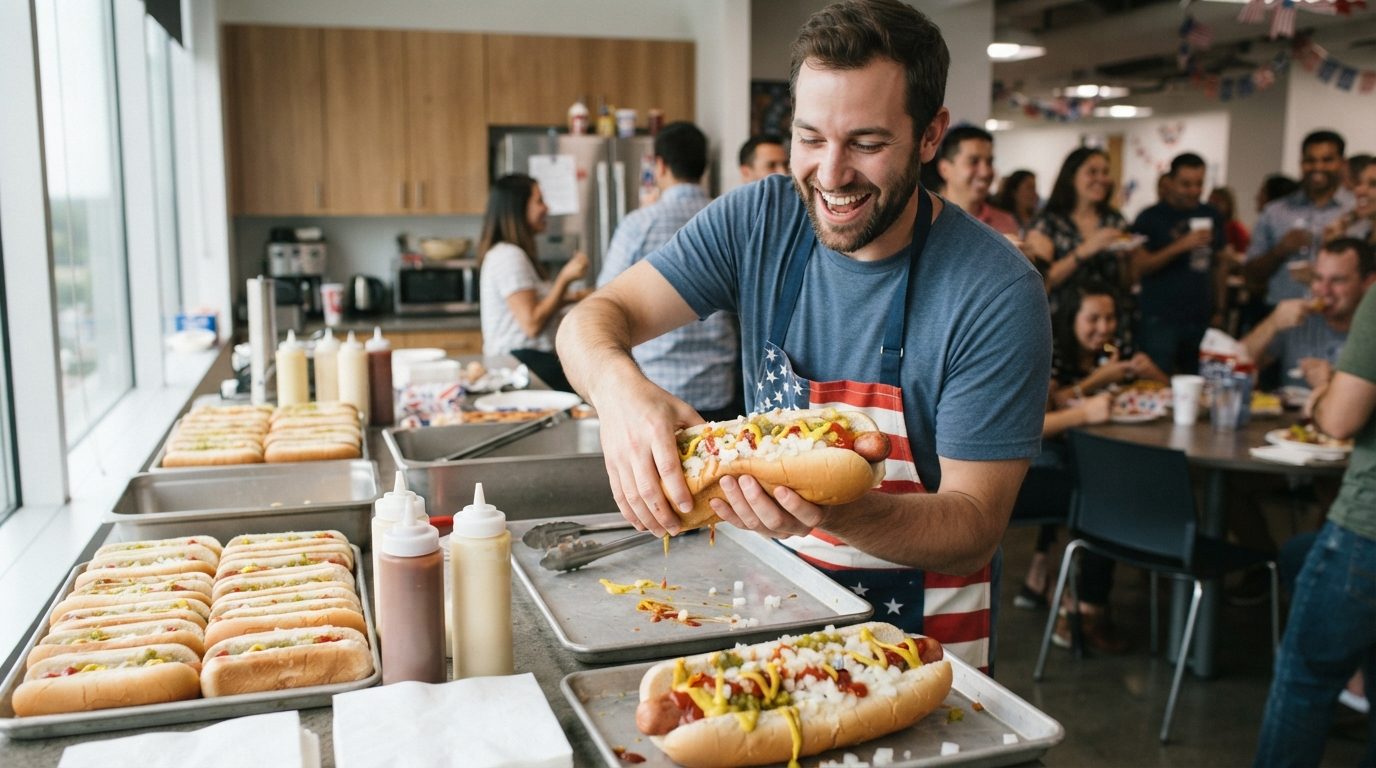
Yes, this dog can compete for attention, but it is competing for the food spotlight rather than trying to replace an eating contest. Nathan’s Famous contest culture is built around a big public spectacle and repetition. A kelewele dog works on a different frequency: the smell of ginger and chile, the browned edges of plantain, a savory frank, and a sauce that wakes up the whole bun.
Kelewele is seasoned fried plantain associated with Ghanaian street food. The exact seasoning can vary, but ginger, chile and warm spices are central to the idea. That makes it a brilliant starting point for a hot dog, because a good dog needs contrast. Sweet against savory. Soft against crisp. Heat against richness. Nobody wrote a law saying a frank must spend its life under yellow mustard and a sad little squiggle.
This is a Ghanaian inspired hot dog concept, not a claim that kelewele dog is a traditional Ghanaian dish or a menu item at a specific vendor. The point is to treat kelewele with respect, not toss a few plantain coins beside a frank and declare a cultural breakthrough.
What belongs on a Ghanaian inspired kelewele dog?
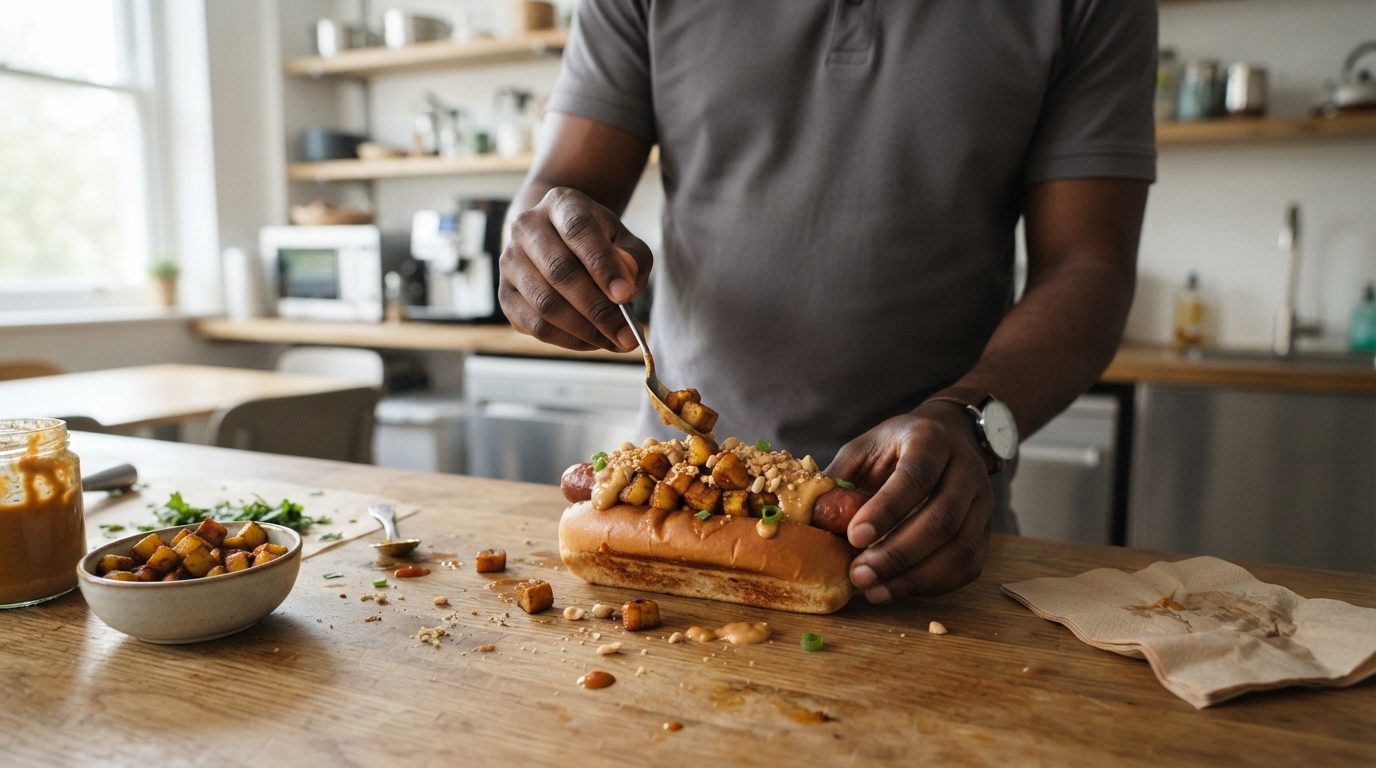
A proper kelewele dog needs a savory frank, caramelized pieces of seasoned plantain, Ghanaian style pepper sauce, fresh onion or herbs, and a sturdy toasted bun. Every piece has a job, which is more than can be said for most novelty toppings.
Give each topping one clear assignment
- The frank: brings salt, savor and enough snap to hold its own.
- The kelewele: brings tender sweetness, browned edges and warm spice.
- The pepper sauce: brings acidity, chile heat and brightness.
- Fresh onion or herbs: bring crunch or freshness, depending on the choice.
- The bun: keeps the operation edible instead of becoming a sweet, spicy napkin.
Cut the plantain into small, bite friendly pieces rather than thick slabs. The pieces should sit across the frank and nestle into the bun. Huge chunks create a topping avalanche, and no one has ever looked elegant chasing plantain across a plate.
The no ketchup ruling is not negotiable.
Jason’s answer is no: ketchup would flatten the useful tension between sweet plantain and bright pepper sauce. This is personal hot dog doctrine, not a universal commandment for every bun on Earth, but this particular build has enough sweetness already.
The dog needs sharpness and heat, not another sugary layer. A fresh pepper sauce, a squeeze of lime, chopped herbs, crisp onion, or a restrained savory sauce can sharpen the plantain without turning the whole situation sticky. The exact pepper sauce recipe should be settled through cooking and tasting, not guessed from across the internet.
Jason’s ruling: Sweet plantain gets pepper sauce, not ketchup. The court is adjourned and the bun is toasted.
Sweet heat needs structural discipline.
A kelewele dog stays delicious when the bun is toasted, the plantain is well drained, and the sauce is used with restraint. The goal is one composed bite with frank, bun, plantain and sauce, not four unrelated ingredients taking turns falling into your lap.
Build it in layers that behave themselves
- Toast the bun until its interior has some resistance.
- Set the browned frank in the bun.
- Add a modest layer of drained kelewele pieces so they touch the frank rather than perching on the rim.
- Drizzle pepper sauce gradually instead of flooding the bun.
- Finish with fresh onion or herbs where they can stay put.
Use a simple texture test before calling the build finished. The plantain should keep crisp edges, the frank should stay juicy, the bun should remain soft but intact, and the sauce should taste fresh rather than disappear into bread. If every texture has melted into one damp blur, the dog needs less sauce or better drainage.
Image plan
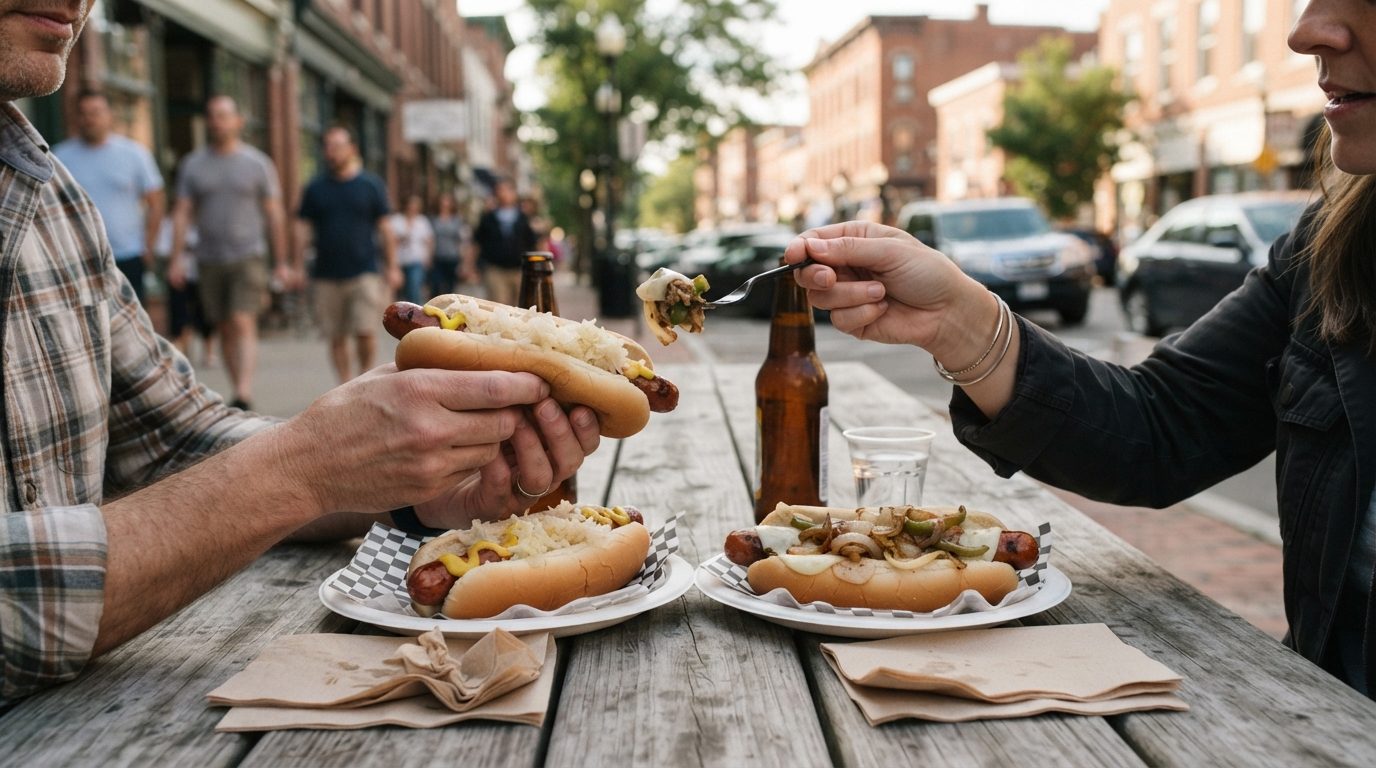
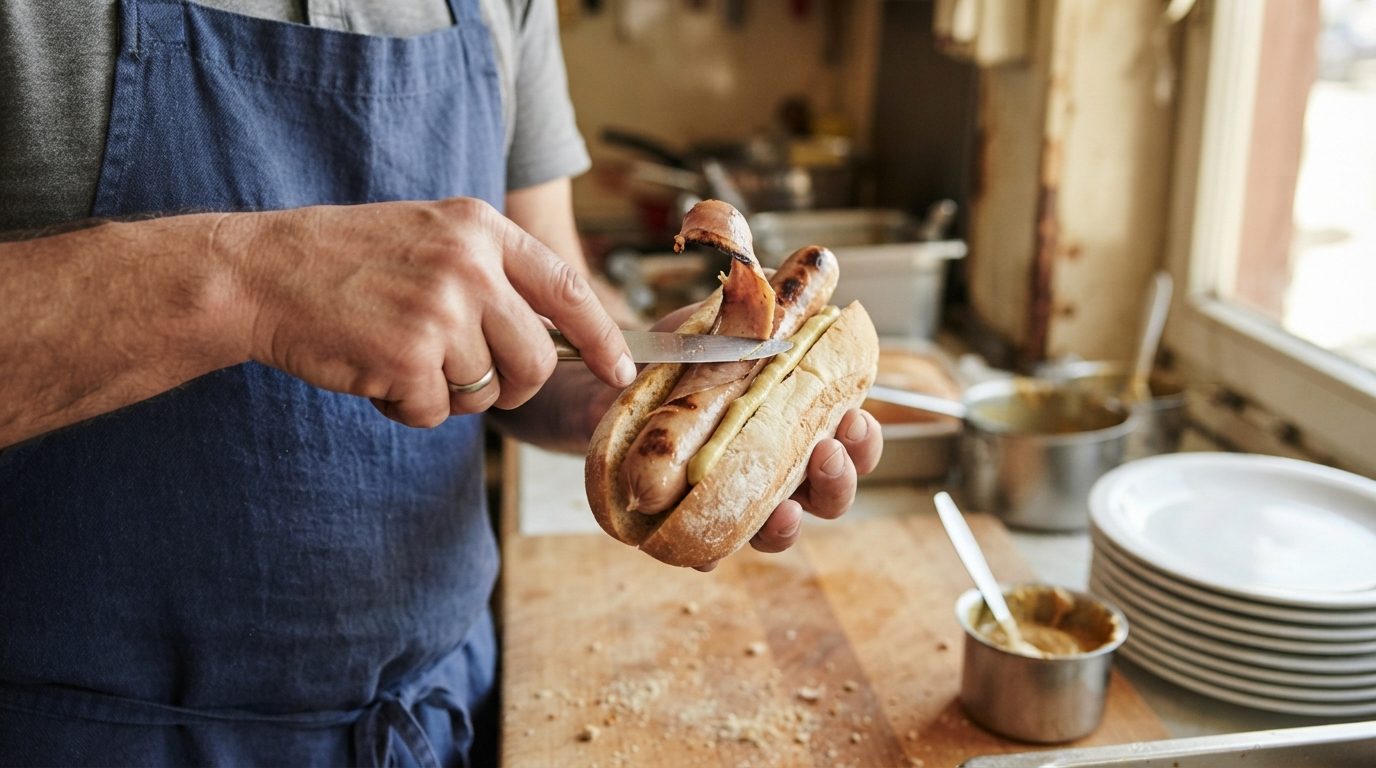
Show the finished dog in a close, honest frame: a toasted bun with visible golden plantain pieces, red pepper sauce and fresh herbs on a plate. A process shot can show seasoned plantain browning in a pan beside a bowl of bright Ghanaian style pepper sauce. Do not use a generic hot dog photo here. The plantain and pepper sauce are the whole argument.
Can it steal the spotlight from Nathan’s spectacle?
It can steal the food spotlight, but it cannot and need not replace the event’s spectacle. One is about crowd scale, speed and a countdown clock. The other is about aroma, layering and the very reasonable urge to take another bite before you have finished the first.
Jason’s stated ten years of hot dog research across all 50 states informs the opinion here, not a pretend scientific ranking. A dog earns attention when its toppings make sense together and give the frank a real challenge. Kelewele can do that. It brings sweetness with character, heat with purpose and texture that does not feel like a stunt.
The contest has the countdown clock, but the kelewele dog has the better argument for a second bite.
What should the first test plate prove?
The first test plate should prove that browning, seasoning and sauce restraint can make the dog feel coherent from first bite to last. Start with a frank cooked until it has enough browning to stand up to plantain and pepper sauce.
Cook, taste, then make the call
- Cook the seasoned plantain until the edges brown while the center stays tender.
- Add pepper sauce gradually and taste for sweetness, heat, salt and acidity.
- Assemble one dog with restrained sauce and another with a more forceful pepper finish.
- Compare texture and balance before deciding which version belongs on the final recipe card.
Neither version gets crowned before it has been cooked and eaten. Hot dog certainty is admirable. Untested hot dog certainty is just loud.
More dogs worth chasing
Follow @jasonsgrub on Instagram for more hot dog places, recipes, products and food culture worth chasing.
FAQ: Kelewele dog questions before the first bite
What is kelewele?
Kelewele is Ghanaian street food made from seasoned fried plantain. It is commonly associated with warm spice and chile heat, and it can bring sweetness, browned edges and fragrance to a hot dog build.
Is a kelewele dog a traditional Ghanaian dish?
No claim is being made that it is traditional. This is a Ghanaian inspired hot dog build that uses kelewele as its flavor and texture foundation.
Should ketchup go on a kelewele dog?
Jason’s verdict is no. Pepper sauce, acidity and fresh toppings give the sweet plantain more useful contrast than another sweet condiment.
What kind of hot dog works best?
Choose a savory frank with enough flavor and snap to stand up to sweet plantain and spicy sauce. A specific brand recommendation should wait until that product has been tested in the finished build.
Is this meant to compete with Nathan’s contest?
No. It competes for attention on the plate through flavor and texture, not through speed or spectacle.
Sources
- Nathan’s Famous
- Ghana Tourism Authority
- Food and Agriculture Organization of the United Nations, Ghana country profile
Enjoyed this? There's more from Jason's Grub.
Follow on Instagram →