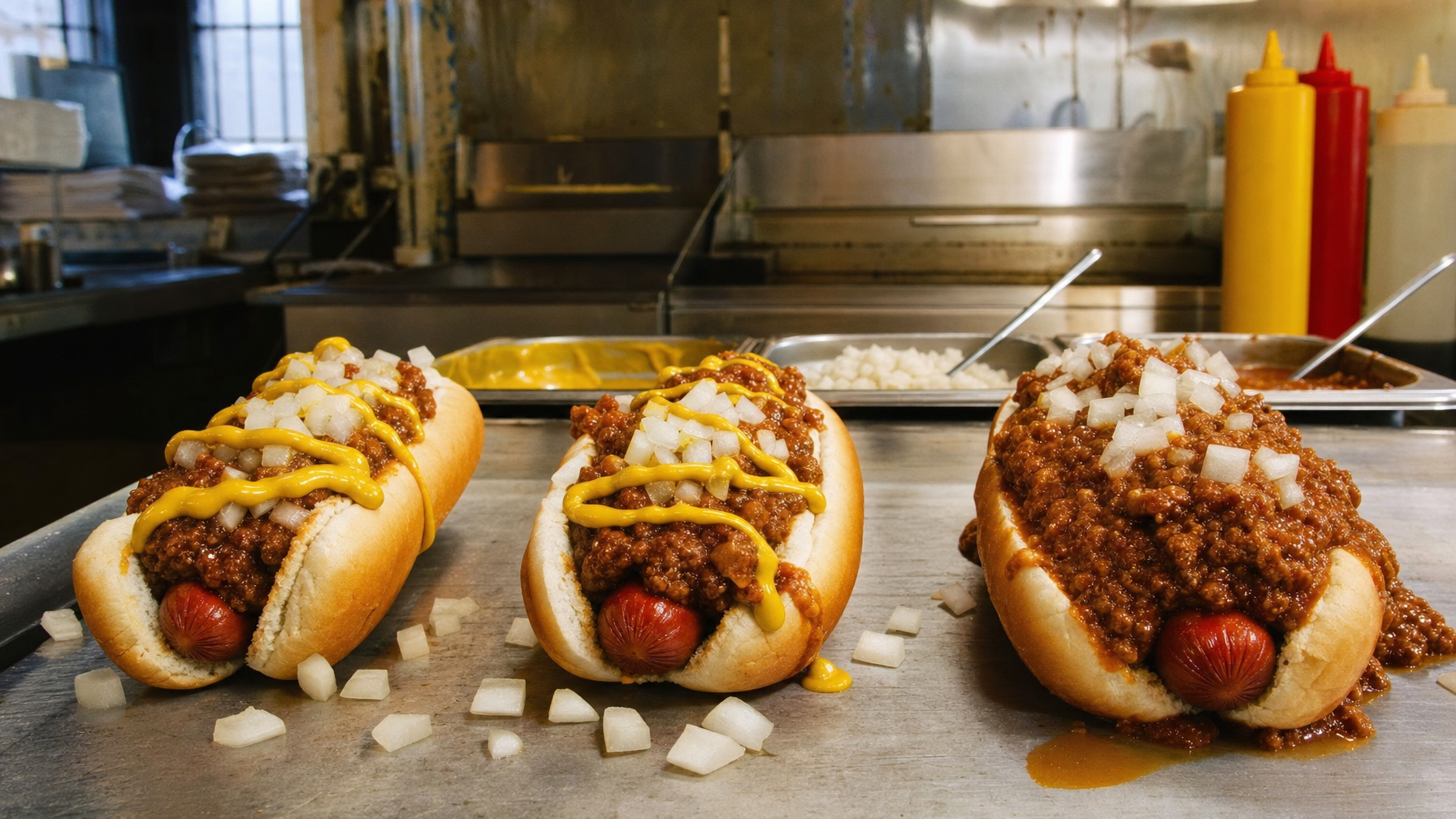
The 3-Second Hot Dog Clip That Made Me Reconsider Slow Food Reviews
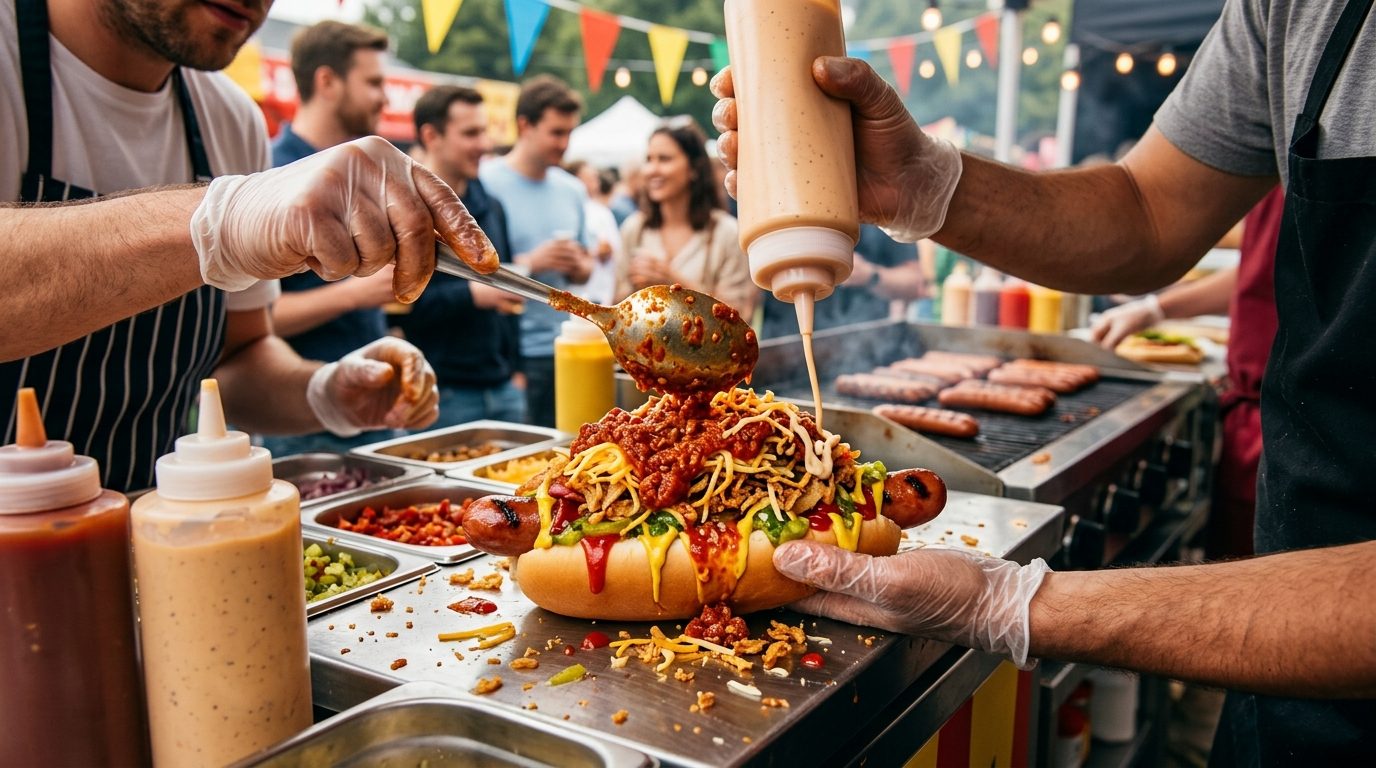
A three-second hot dog clip can deliver a sharp first impression, but it cannot tell the whole story. For hot dog enthusiasts and food-culture readers, the useful question is not whether ultra-short video is good. It plainly can be. The question is whether a flash of bun, casing, toppings, and bite can carry the burden of a review. My answer: it can make a dog look urgent. It cannot tell you whether that urgency survives the bite.
That Hot Dog Was Gone Before the Condiment Argument Started
Three seconds is barely enough time to form an opinion about mustard, let alone settle one. That is precisely the trick. A micro-clip arrives, makes one visual or sonic point with zero throat-clearing, then vanishes before the viewer can ask for a receipt.
Without verified information about the source, vendor, location, product, price, or reaction, the footage should be treated as footage, not a witness statement. If a clip visibly shows a close bite, a topping sliding sideways, a bun giving way, or an audible crack from the casing, those are fair observations. Anything beyond what appears or is heard is a leap in a very small pair of shoes.
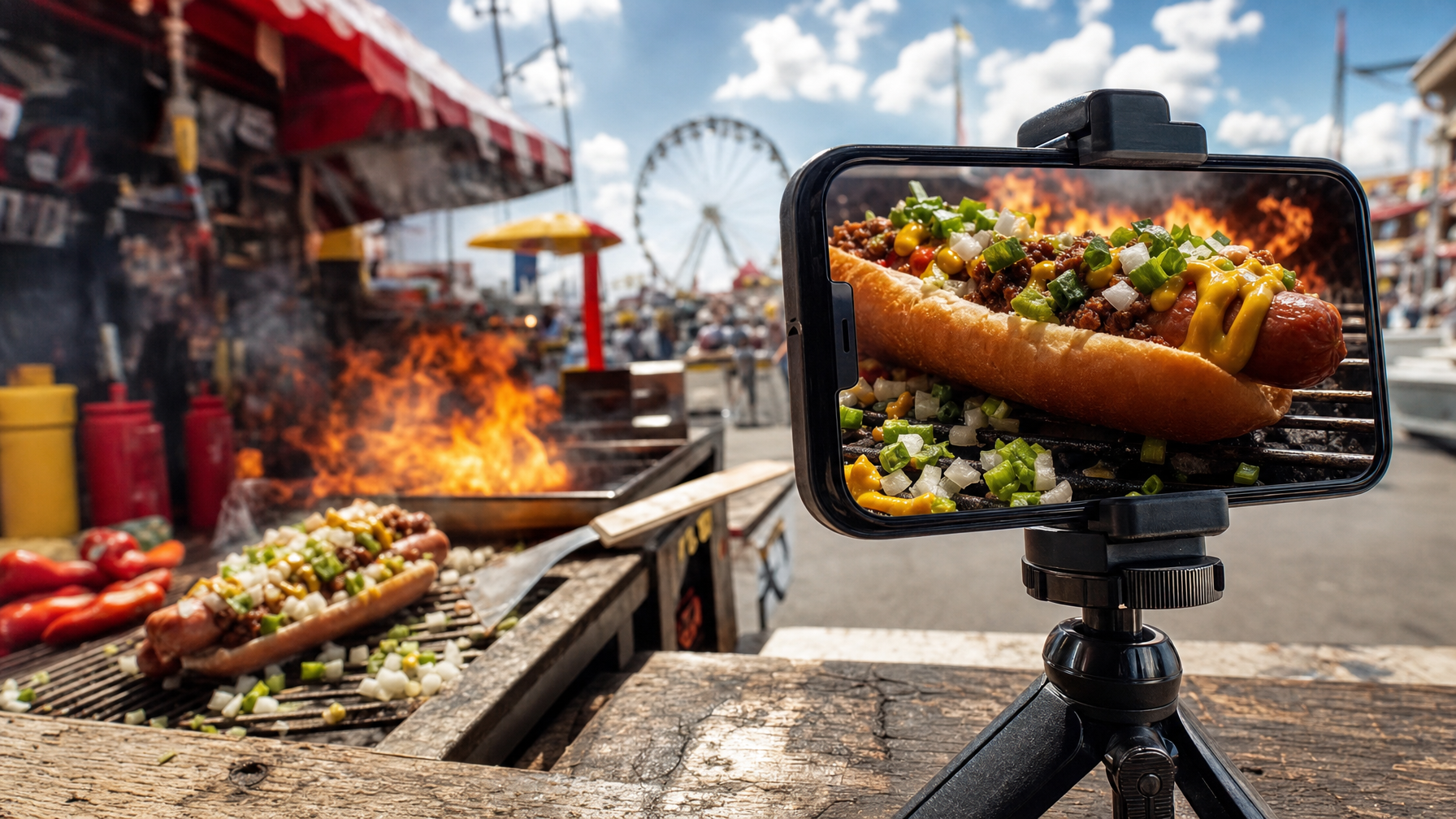
My opinion is that this economy can be genuinely electric. A tight food clip can make a single detail feel enormous: a glossy sauce, a rough char, a precarious mound of onions, the tiny rebellion of a bun that has seen too much. But fast does not automatically mean useful. A review has to do more than make me pause mid-scroll and briefly consider eating dinner at 10:42 a.m.
What Three Seconds Can Actually Tell You
A micro-clip is excellent at communicating a narrow set of facts, especially when the image and sound are clear. It is a spotlight, not a courtroom transcript.
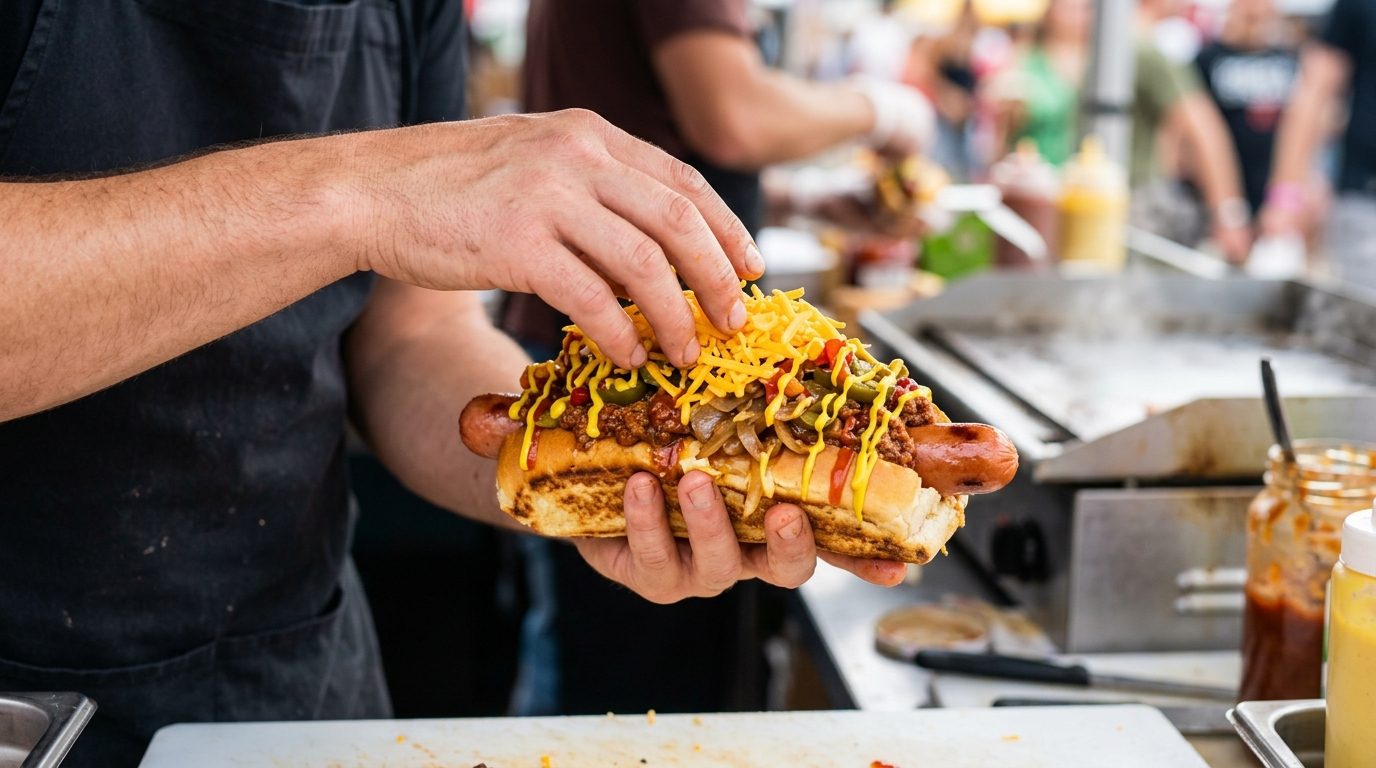
- Visible texture: A close-up may reveal a browned surface, a wrinkled casing, a soft bun, or a pile of chopped toppings.
- The bite's snap: If the audio is clean and the bite is audible, viewers may hear evidence of a casing with some resistance.
- Construction: A clear frame can show whether the dog overwhelms the bun, whether toppings are piled high, and whether the whole thing appears manageable or gloriously doomed.
- Editing rhythm: The creator's pace, cuts, and framing reveal what they think deserves attention. That is a creative choice, not proof of quality.
Compression has real charm because it deletes the ceremonial preamble. No extended table pan. No monologue about a parking lot. No dramatic pause before someone says a hot dog is “insane.” One sensory detail gets the whole stage.
Still, a close-up of a crisp-looking casing cannot establish flavor. An overloaded topping shot cannot establish balance. A slow-motion sauce drip cannot establish temperature, value, consistency, or whether anyone should make a special trip. The camera can see the dog. It cannot taste the salt.
The Missing Minutes: Flavor, Context, and the Awkward Wait
Once the clip ends, the questions begin behaving like hungry pigeons. Was the dog smoky, salty, sweet, spicy, or bland? Did the bun stay intact through the last bite? Did the topping complement the sausage or bulldoze it? Was the food properly hot? Did the sauce brighten the thing, or was it just there for dramatic lighting?
Then come the practical questions, which are less cinematic but often more useful:
- Where did the food come from?
- What, exactly, was ordered?
- Is the item currently available?
- Was this a standard serving or a special?
- How much did it cost?
- Was the wait reasonable for what arrived?
- Did the full experience justify seeking it out?
A short video may omit all of that, and omission is not a crime. It is simply a limitation of the format. Visual evidence can show a moment. Editorial judgment has to explain what that moment means. Those are different jobs, and confusing them is how a pretty food clip becomes a very confident rumor.
Slow Reviews Are Not Dead. They Just Need to Stop Waffling
A slower review earns its plate space only when it adds information. Preparation details, texture comparisons, a clear drawback, an honest assessment of balance, and a reason to care are all welcome guests. Generic scene-setting that takes three paragraphs to arrive at the first bite can wait outside.
Length is not a badge of seriousness. A short review with specific observations beats a long review that treats a hot dog like an ancient prophecy. If the casing was crisp but the bun was too dry, say that. If a topping dominated the sausage, say that. If the dog looked better than it ate, that is not cruelty. That is the assignment.
After ten years and all 50 states of pursuing hot dogs, I am inclined to look past the first bite. That experience gives me comparisons, questions, and a healthy suspicion of anything that photographs better than it chews. It does not make every conclusion automatically correct. It does mean the review should account for more than the first glorious frame.
The Best Review May Start at Three Seconds and Refuse to End There
The smart version is not clip versus article. It is a two-layer operation. Let the clip do what it does best: stop the scroll, isolate a sensory detail, and create appetite. Then let the written review supply the context nobody can taste through a screen.
Before a finished article names a dog, a product, or a place, it should verify the basics:
- The real source of the clip.
- The identity of the food, product, vendor, or location shown.
- Current availability when that detail matters to readers.
- Whether any reported detail comes from firsthand observation or from confirmed information.
If those facts cannot be confirmed, the honest move is to discuss the clip as an example of the format without pretending it reveals more than it does. Mystery can be fun. Made-up certainty is just stale garnish.
Short-form video is excellent at making a hot dog look urgent. A considered review decides whether that urgency survives the bite. Follow @jasonsgrub on Instagram for future hot dog observations.
FAQ: Four Questions After the Clip Ends
Can a three-second hot dog video count as a review?
It can function as a vivid impression or a recommendation signal, but it usually lacks enough evidence to stand as a full review on its own. It can show a compelling moment. It rarely explains flavor, value, context, or consistency.
What should viewers look for in an ultra-short food clip?
Look for visible texture, construction, toppings, sound, and any identifying context that is plainly present. Treat everything outside those details as unconfirmed, no matter how persuasive the slow-motion cheese pull may be.
Why spend time on a slow food review when short videos are more entertaining?
Entertainment and useful evaluation do different jobs. A clip can create appetite in seconds. A fuller review can explain flavor, value, availability, drawbacks, and whether the food is actually worth pursuing.
Is Jason against short-form food video?
No. The point is to praise its economy while questioning what gets lost when compression becomes the entire review. A great clip is a terrific opening argument. It is not always the full case.
What should a finished article verify before naming the hot dog or place?
It should verify the clip's source, the identity of the food or vendor, and any current availability details. If those facts cannot be confirmed, the article should discuss the format without pretending to know more than the footage shows.
Enjoyed this? There's more from Jason's Grub.
Follow on Instagram →