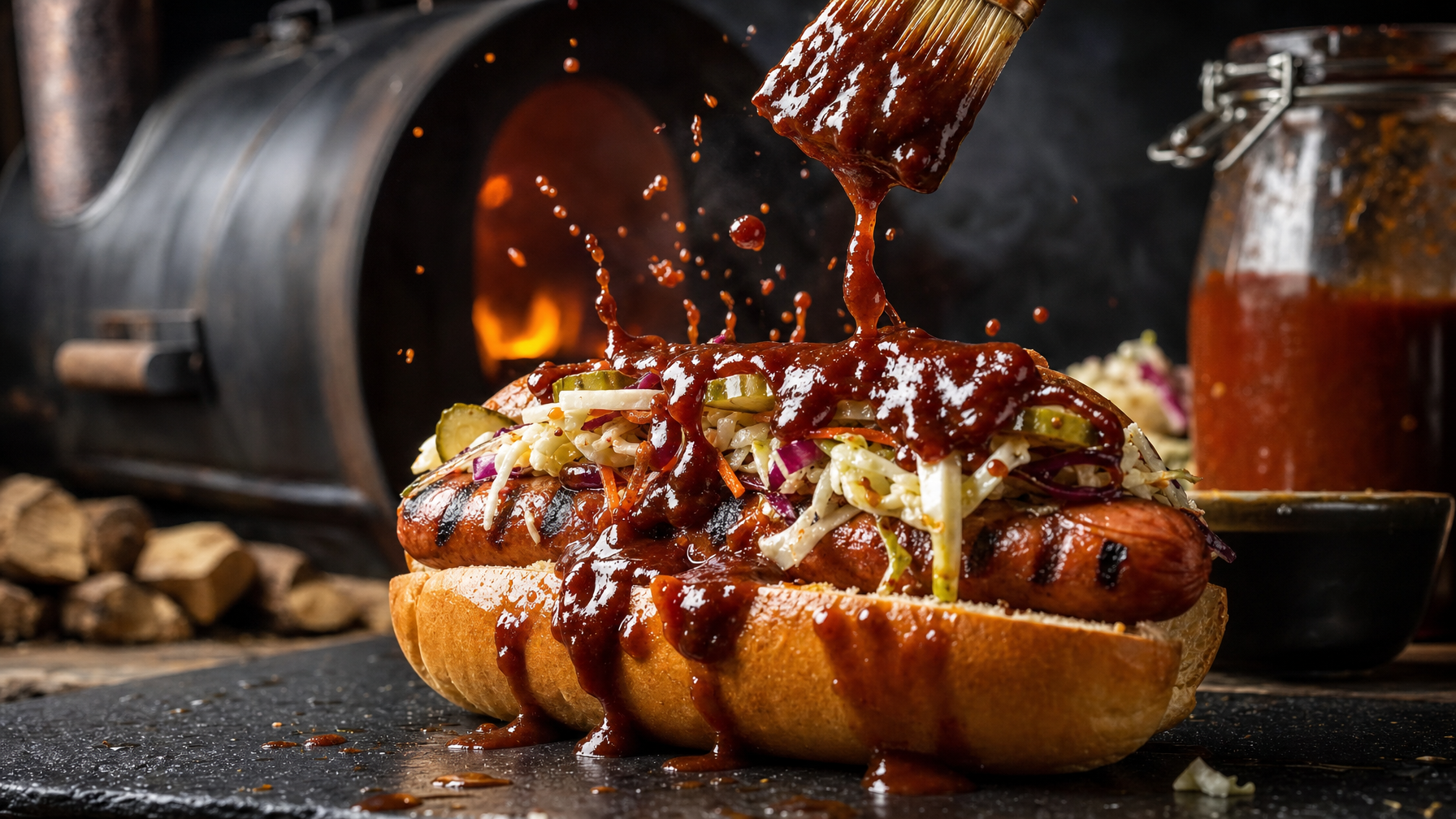
Mustard Without Regret: Three Ways to Finish a Hot Dog When the Sauce Is the Whole Plot
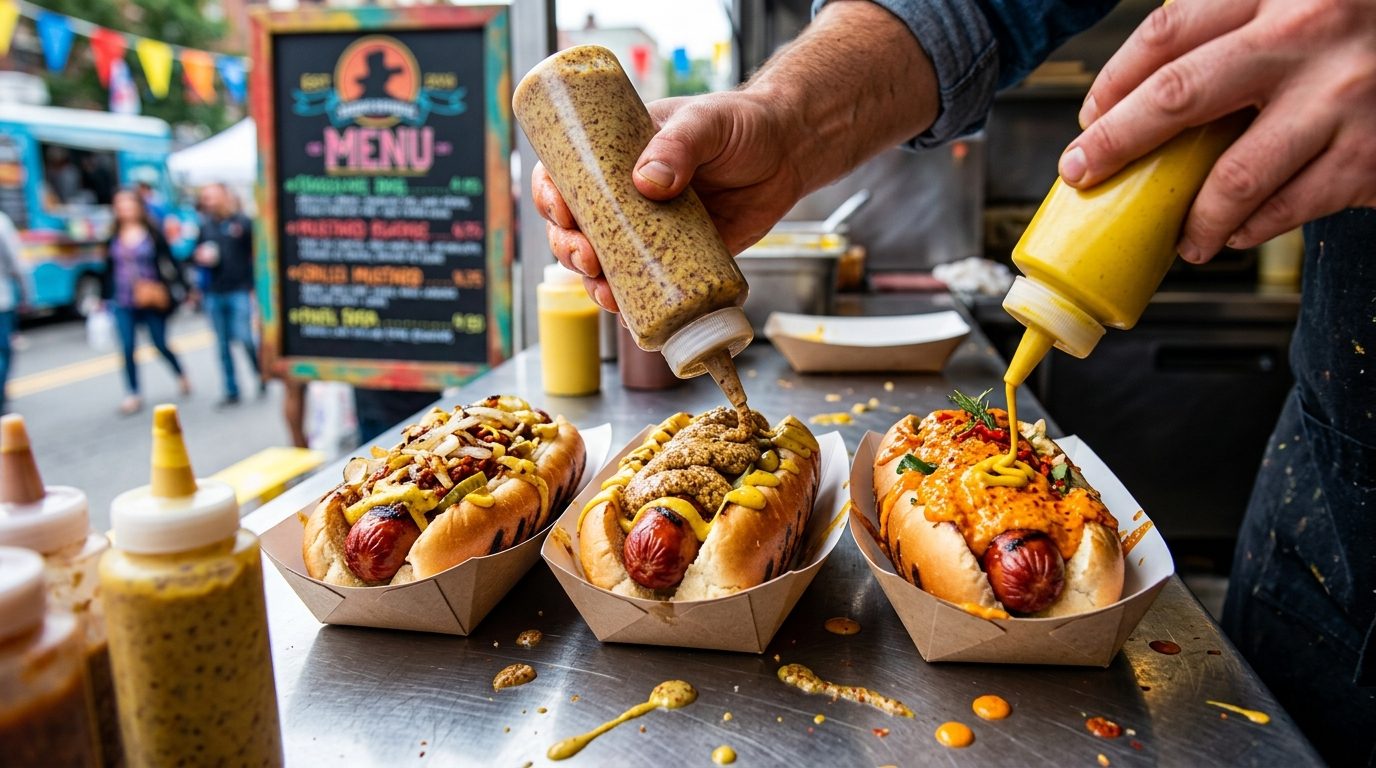
For hot dog enthusiasts who want sauce to do more than sit there looking yellow, make these three mustard-led builds with the same dog and bun, then taste them side by side. You are judging sweetness, acidity, heat, and texture, not assembling a condiment witness-protection program.
House opinion: mustard gets the lead role today. Ketchup is not invited to this particular experiment. That is not because ketchup is incapable of joy. It is because it would turn a clean comparison into a red, sugary plot twist.
Start with three identical cooked hot dogs and three identical buns. Use a dog and bun you already like. The point is not to crown a universal champion from your kitchen counter. The point is to learn which mustard finish makes your chosen dog taste most like itself, only louder and better dressed.
1. The Yellow-Line Classic Has Nowhere to Hide
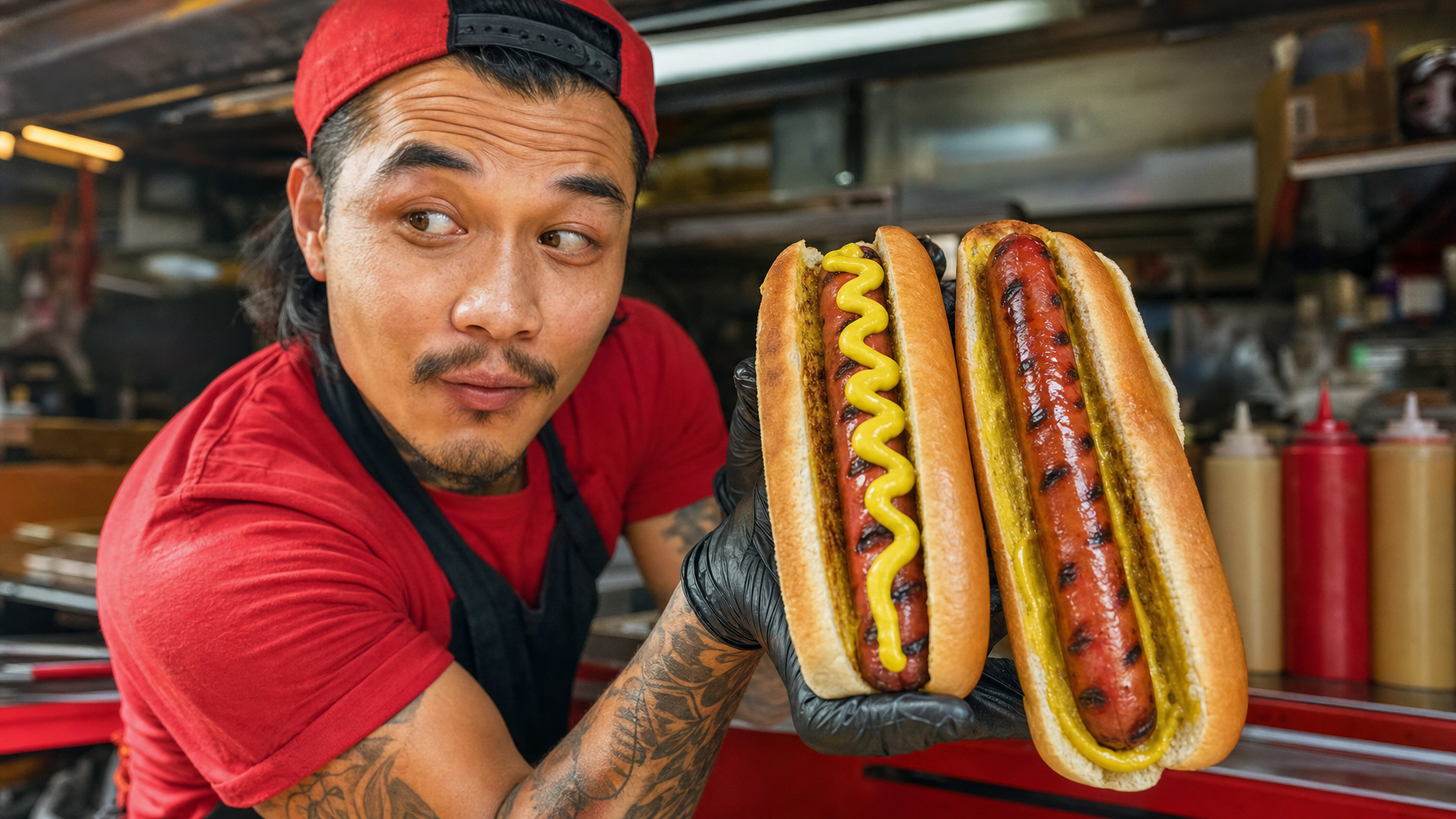
Begin with the control dog: one cooked hot dog in one bun, finished with plain yellow mustard. Nothing else. No onions, no relish, no sporty little pile of mystery vegetables. This is the version that tells you whether your mustard is bright, pleasantly tangy, too sweet, aggressively sharp, or mostly coasting on childhood memory.
What goes on it
- 1 cooked hot dog
- 1 bun
- Yellow mustard, applied in a deliberate stripe or zigzag
Taste before you declare it basic. Yellow mustard often brings a clean acidic snap with a little sweetness and a smooth texture. Its job is to brighten the richness of the dog without trying to become the entire meal. If it overwhelms the meat, it is yelling. If it vanishes, it is merely present for attendance.
This dog is your baseline. Simple toppings are where weak mustard starts sweating, because there is nowhere to hide behind a mountain of crunch or a pickle parade.
2. Brown Mustard Walks In With a Better Argument
Now switch to brown or deli-style mustard and add exactly one crisp supporting topping. Chopped onion is the cleanest choice. Relish can work too, but choose it only if you want its sweetness in the comparison. Do not add both. We are tasting a hot dog, not building a salad with a bun-based alibi.
What goes on it
- 1 cooked hot dog
- 1 bun
- Brown or deli-style mustard
- A small spoonful of chopped onion or relish
Apply the mustard first, then add the crunchy topping. That order matters. Mustard should coat the dog, not disappear underneath a damp pile of onion bits like it owes somebody money.
Brown mustard usually reads sharper and more savory than yellow mustard, though brands vary. Take a bite and look for two things: whether its acidity cuts through the dog’s richness, and whether the onion or relish adds actual contrast. Good crunch wakes up the bite. Watery crunch turns the bun into a regrettable sponge.
If you use relish, pay attention to sweetness. It may make this build more playful, but it can also blur the mustard’s edge. Onion keeps the argument more direct.
3. Mustard Brings the Heat and Refuses a Press Conference
For the third dog, use hot mustard, or make your own adjustable version by mixing mild mustard with a small amount of a heat source you enjoy. The goal is not to prove toughness to a room full of strangers. The goal is to find out whether heat makes the mustard more interesting or simply runs over the whole dog with a tiny steamroller.
What goes on it
- 1 cooked hot dog
- 1 bun
- Hot mustard, or mild mustard mixed with a small amount of hot sauce or minced hot pepper
- Optional: finely chopped pickle or crisp chopped onion
Start cautiously with the heat source. You can always add more. You cannot un-spice a dog after the first bite unless you have access to time travel, which remains inconveniently unavailable in most kitchens.
Taste mustard character first. Then notice the heat: does it arrive immediately, creep in after the chew, linger pleasantly, or bulldoze every other flavor? A spicy finish earns repeat status when you can still identify the tang, savor the dog, and enjoy the texture.
Add pickle or onion only when it supports the bite. Pickle offers cool, briny contrast. Onion brings dry crunch. Either can help, but neither is mandatory. This is a hot dog, not a condiment hostage situation.
4. The Four-Bite Scorecard That Keeps This From Becoming Vibes
Give each build four deliberate bites. Eat them in the same order, and take a sip of water between dogs if your palate needs a reset. Informal ratings are enough because the useful comparison is happening on the same plate, with the same dog and bun.
- Bite one: opening flavor. What hits first? Mustard tang, meatiness, sweetness, onion, pickle, or heat?
- Bite two: sweetness. Is there a subtle roundness, a relish-driven sugar note, or nothing sweet at all? Does it help?
- Bite three: acidity and heat. Does the mustard cut the richness cleanly? If heat is involved, does it add flavor or seize control?
- Bite four: texture and finish. Is the mustard smooth, grainy, sticky, or thin? Does the topping stay crisp? What flavor remains after the bite?
| Build | Sweetness | Acidity | Heat | Texture | Overall balance |
|---|---|---|---|---|---|
| Yellow-line classic | |||||
| Brown mustard with one crisp topping | |||||
| Spicy mustard finish |
Use any rating system you like. A simple 1 to 5 works. So does “again immediately,” “good but complicated,” and “absolutely not, officer.” The winner may not be the loudest dog. A mustard that makes the hot dog taste more like itself deserves serious respect.
5. Pick Your Mustard Champion, Then Make It Again
Choose the yellow classic when you want clarity and familiar tang. Choose brown mustard with onion or relish when you want a firmer acidic bite and crunch. Choose the spicy version when you want a sharper finish that still lets mustard be mustard.
Then repeat the winner with your preferred dog and bun. Change only one variable at a time: try a different mustard, swap onion for pickle, or adjust the heat in small steps. That keeps the tasting useful instead of turning dinner into condiment archaeology.
Jason’s standing bias is on the record: ten years, 50 states, zero ketchup. For more specific hot dog places, recipes, products, and culture coverage, follow @jasonsgrub on Instagram.
Enjoyed this? There's more from Jason's Grub.
Follow on Instagram →