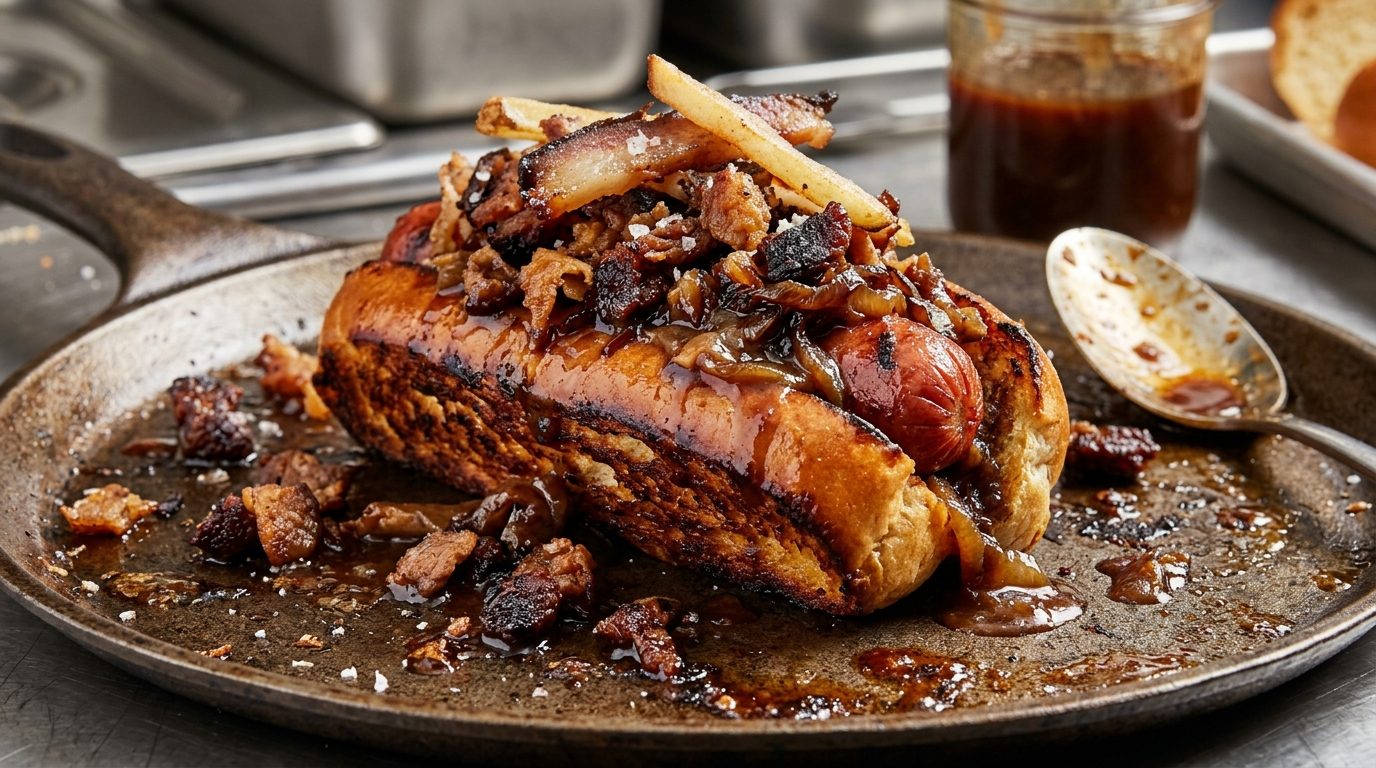
Nathan's July 4 Hot Dog Contest, Watched So You Don't Have to Pretend It Is a Normal Breakfast
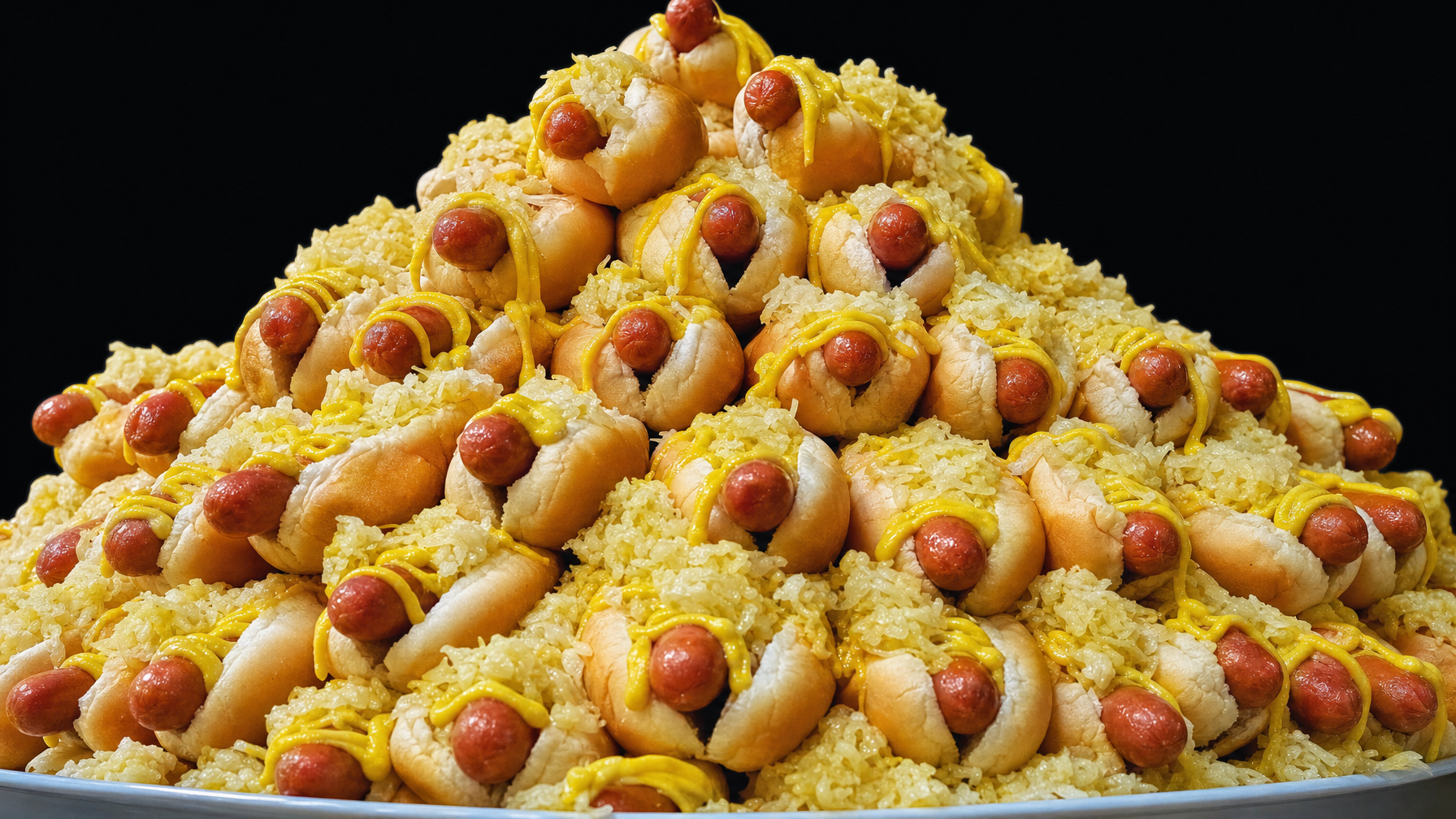
No, Nathan’s July 4 hot dog contest is not a normal breakfast, and pretending otherwise misses the point. It is public spectacle built around hot dogs: a stopwatch, a crowd, a pile of buns, and the annual proof that an ordinary food can become extremely weird when competition gets involved. This is for hot dog fans and food-culture readers who want to look past the eating and toward the ritual. After ten years, 50 states, and zero ketchup, Jason’s verdict is simple: watch the circus, respect the nerve, then go find a dog with enough character to be eaten at human speed.
The Breakfast Has Officially Left the Building
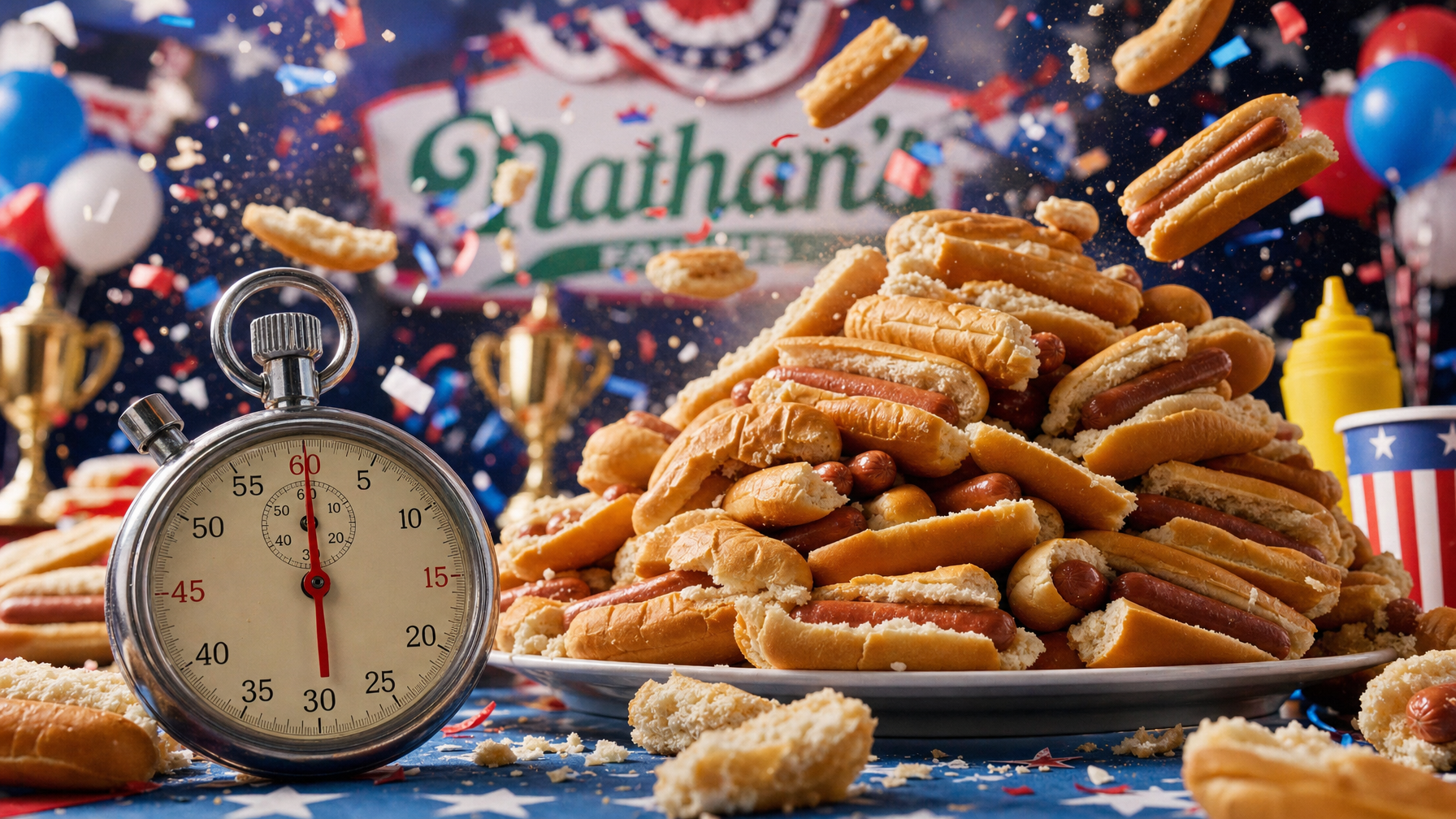
A sensible breakfast asks very little of you. Coffee, perhaps eggs, maybe something toasted if the day is feeling ambitious. Nathan’s July 4 contest asks a hot dog to become a stage prop, a stopwatch target, and a source of genuine suspense before many people have finished locating their sunglasses.
That is exactly why it endures as a ritual. The contest takes a food associated with ballparks, cookouts, street corners, and casual happiness, then puts it under bright lights and treats every bite like a deadline. Nobody should confuse this with a recommendation for a leisurely morning meal. It is a ceremonial interruption to normal eating.
Jason’s ruling from the no-ketchup bench: this is not breakfast. It is hot dog theater with a patriotic calendar appointment.
Nathan’s Turns a Hot Dog Into a Performance Object
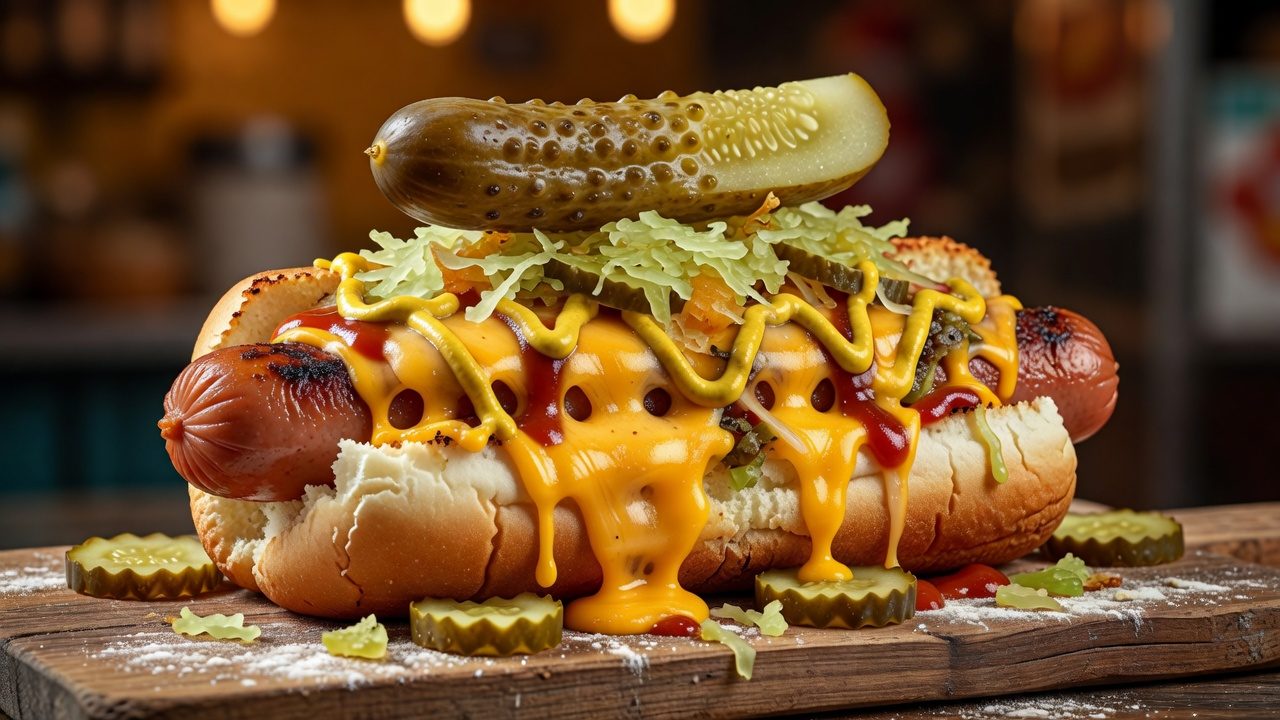
In ordinary life, a hot dog is judged by delightfully fussy things. Does the sausage have snap? Is the bun soft without becoming a damp little tragedy? Are the toppings in balance? Did someone have the good sense to keep ketchup away from it?
Competition changes the assignment. The hot dog stops being lunch and becomes a test of speed, endurance, technique, and nerve. The competitor is not pausing to admire the seasoning or considering whether the bun supports the sausage with emotional maturity. They are trying to maintain control while the clock turns every bite into a decision.
That transformation is the whole show. Viewers can be fascinated by it while having absolutely no desire to eat that way themselves. A person may love a long, slow meal at a stand and still be unable to look away when food becomes athletic equipment.
- Normal hot dog eating rewards flavor, texture, and restraint.
- Contest eating rewards pace, focus, and the ability to keep moving under pressure.
- Both involve hot dogs, but they are not remotely the same activity.
Zero Ketchup Walks Into the Fourth of July Circus
Jason’s zero-ketchup stance is not a claim that one topping settles every argument across every city and every tradition. Hot dogs are gloriously local, and people have strong feelings for good reason. But the contest raises a stranger question: what remains of a hot dog’s identity when speed and volume drown out the details?
Its bun, seasoning, snap, heat, toppings, and construction still exist. They are just no longer the stars. The contest reduces the hot dog to a recognizable unit of challenge, which is useful for theater but terrible for anyone trying to savor a meal.
That does not make the event meaningless. It makes it a different kind of memorable. A great hot dog has character. The contest has characters, pressure, ritual, and absurdity. One belongs in your hands at a stand. The other belongs on a screen while you wonder whether breakfast has become too competitive.
Nobody Ordered a Normal Breakfast, Apparently
The odd timing is part of the appeal. A hot dog contest staged as the day is getting started is funny because it refuses to act like a regular meal. It arrives with the energy of a holiday parade and the culinary logic of a dare.
Most people meet hot dogs under calmer circumstances:
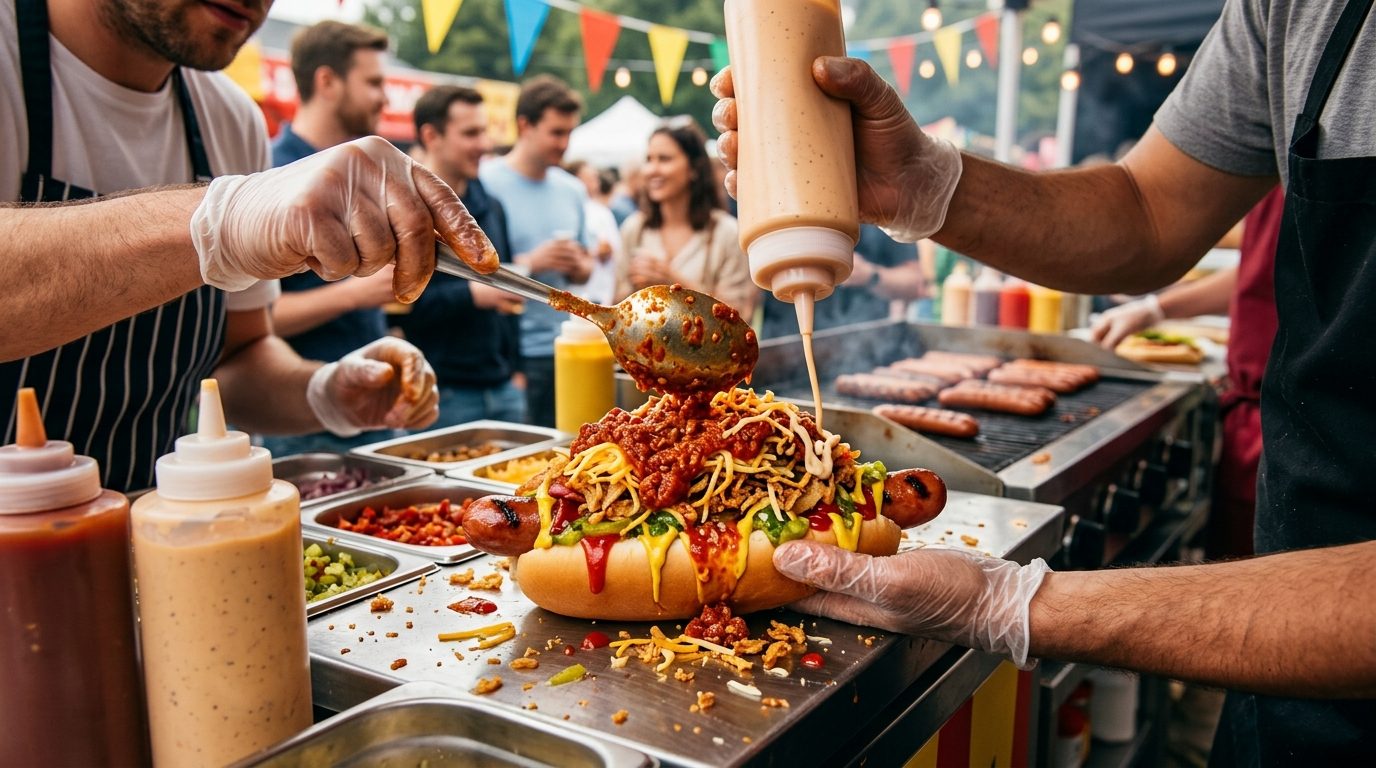
- At a stand where the person behind the counter knows exactly what belongs on the dog.
- At a ballpark, where one bite somehow makes the game feel more official.
- At a cookout, where somebody is managing the grill and somebody else is definitely hovering too close to it.
- On a food crawl, where a hot dog is one delicious decision among several.
- At a casual lunch, eaten slowly enough to notice whether the sausage actually delivers.
The contest is not better than those moments because it is bigger or louder. It is culturally important because it is so deliberately abnormal. Food can matter as spectacle even when nobody is evaluating it as a conventional dish.
The Part Worth Watching Is Not Just the Speed
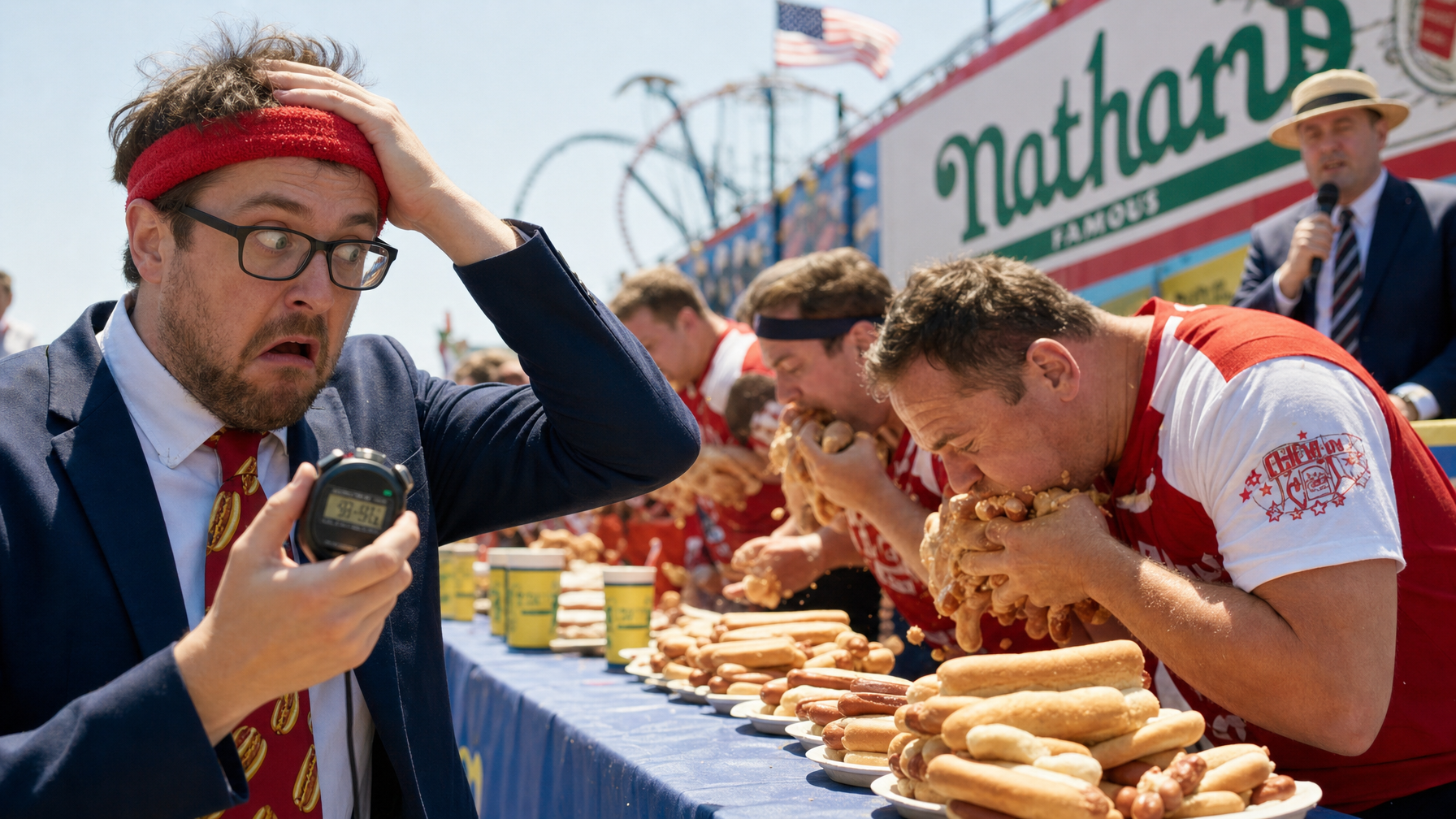
The clock gets the headline, but the drama lives around it. Anticipation gathers before the action begins. Pressure changes body language. Crowd energy rises and falls. Each competitor has to project some version of control while doing something that looks designed by a committee of daredevils and bakery interns.
That is where the event earns its place as food culture rather than merely a counting exercise. The broadcast or recording is compelling when it captures the tension of the room, the personalities in motion, and the uneasy question hanging over every attempt: can this person stay composed long enough to finish?
Still, entertainment value is not eating value. A contest can be riveting without proving anything about whether the hot dog itself is delicious. A stopwatch is not a flavor meter. If it were, every good lunch would come with a referee, and nobody needs that kind of pressure near mustard.
A Great Dog Must Survive a Normal Bite
Jason’s preferred standard is blessedly less chaotic. A memorable hot dog needs balance: a sausage with flavor, a bun that does its job, texture that keeps the bite interesting, enough heat when heat belongs, toppings that support rather than bury the main event, and a place that gives the whole thing a sense of occasion.
Place matters. A dog from a beloved stand, a ballpark counter, a neighborhood grill, or a properly focused recipe carries context along with the condiments. That is not generic hype. It is the difference between a hot dog that is merely assembled and one that feels native to where you found it.
Ten years and 50 states offer plenty of evidence that memorable dogs are specific. They have a point of view. They do not need to be swallowed against a clock to make an impression. In fact, the best ones punish impatience. Eat too fast and you miss the snap, the seasoning, the contrast, and the reason someone keeps coming back.
A contest makes hot dogs unforgettable as symbols. A great destination or recipe makes one unforgettable as food. Keep both categories. Just do not confuse them.
Final Bite: Respect the Spectacle, Then Find a Better Breakfast
Nathan’s July 4 contest works because it knows it is abnormal. Its appeal is ritual, stakes, personality, crowd energy, and the glorious absurdity of treating hot dogs like a competitive event before lunch has even had a chance to defend itself.
Watch it for the theater. Judge a hot dog by how it tastes when someone is actually trying to make one delicious. That means a good bun, a great sausage, purposeful toppings, and, from Jason’s corner of the universe, zero ketchup.
For more hot dog places, products, recipes, and culture coverage, follow @jasonsgrub on Instagram.
FAQ: Five Questions From People Who Still Want Breakfast
Is Nathan’s July 4 hot dog contest meant to be a normal meal?
No. It is best understood as a competitive spectacle and annual ritual, not a model for everyday eating. Normal hot dog enjoyment has room for flavor, texture, conversation, and occasionally sitting down.
Does Jason approve of ketchup on hot dogs?
Jason’s stated position is zero ketchup. That is his lens, not an attempt to pretend every hot dog tradition has one universal rule. Local styles deserve their own arguments, preferably held after everyone has eaten.
What should viewers notice besides how fast people eat?
Watch the anticipation, pressure, crowd energy, personality, and the effort to stay composed while food becomes theater. The speed is the mechanism. The drama around it is the reason people keep watching.
Is the contest a fair way to judge whether a hot dog is good?
No. Speed and quantity measure competition performance, not the qualities that make a hot dog satisfying at a stand, cookout, ballpark, or restaurant. A good dog should win at a normal bite.
Where can readers find more of Jason’s hot dog coverage?
Follow @jasonsgrub on Instagram for destination profiles, recipes, purchasable hot dog finds, and more hot dog culture coverage.
Enjoyed this? There's more from Jason's Grub.
Follow on Instagram →