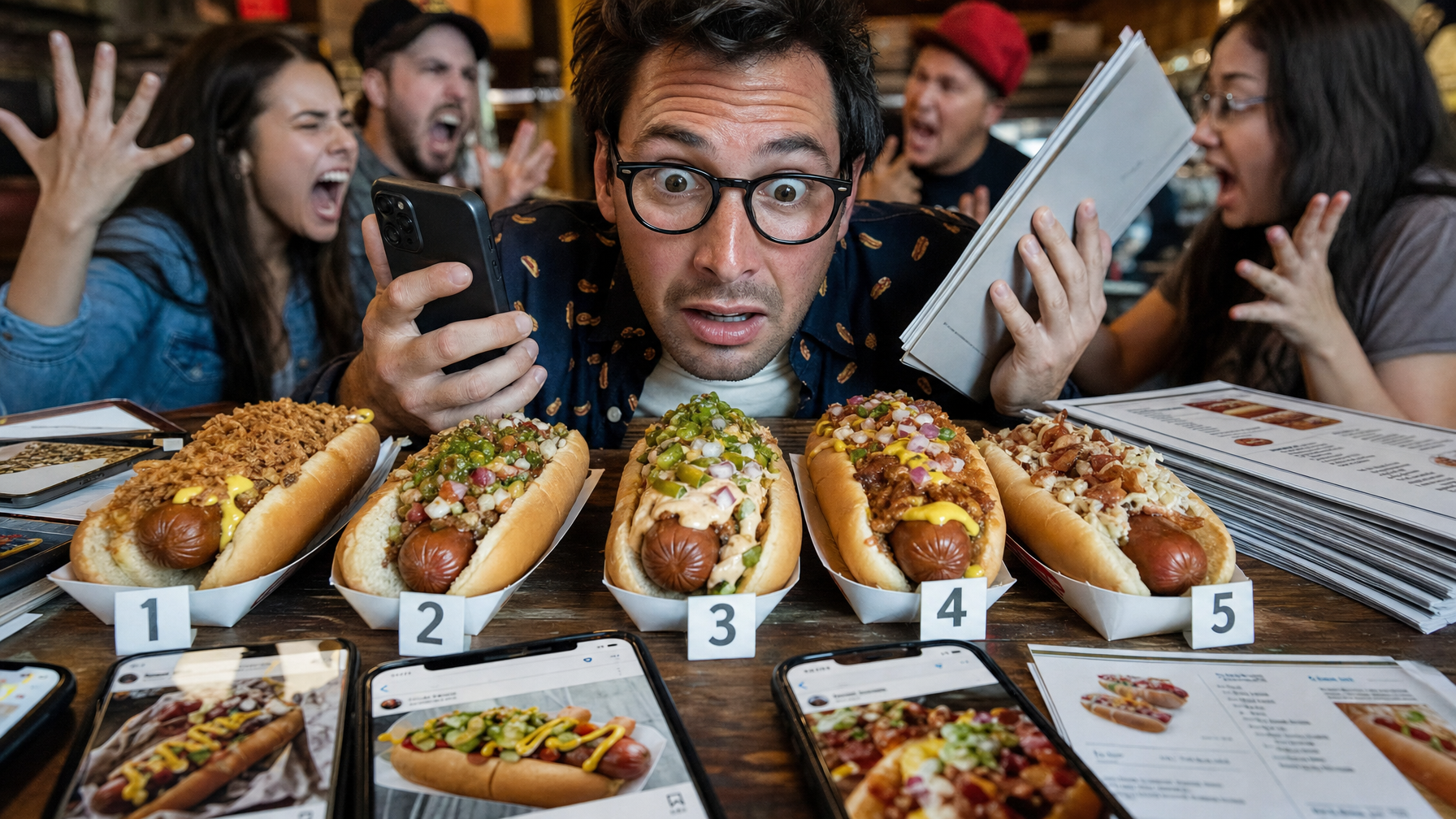
I Tried to Explain the Chicago Dog Rules to a New Yorker and Lost the Room at Ketchup
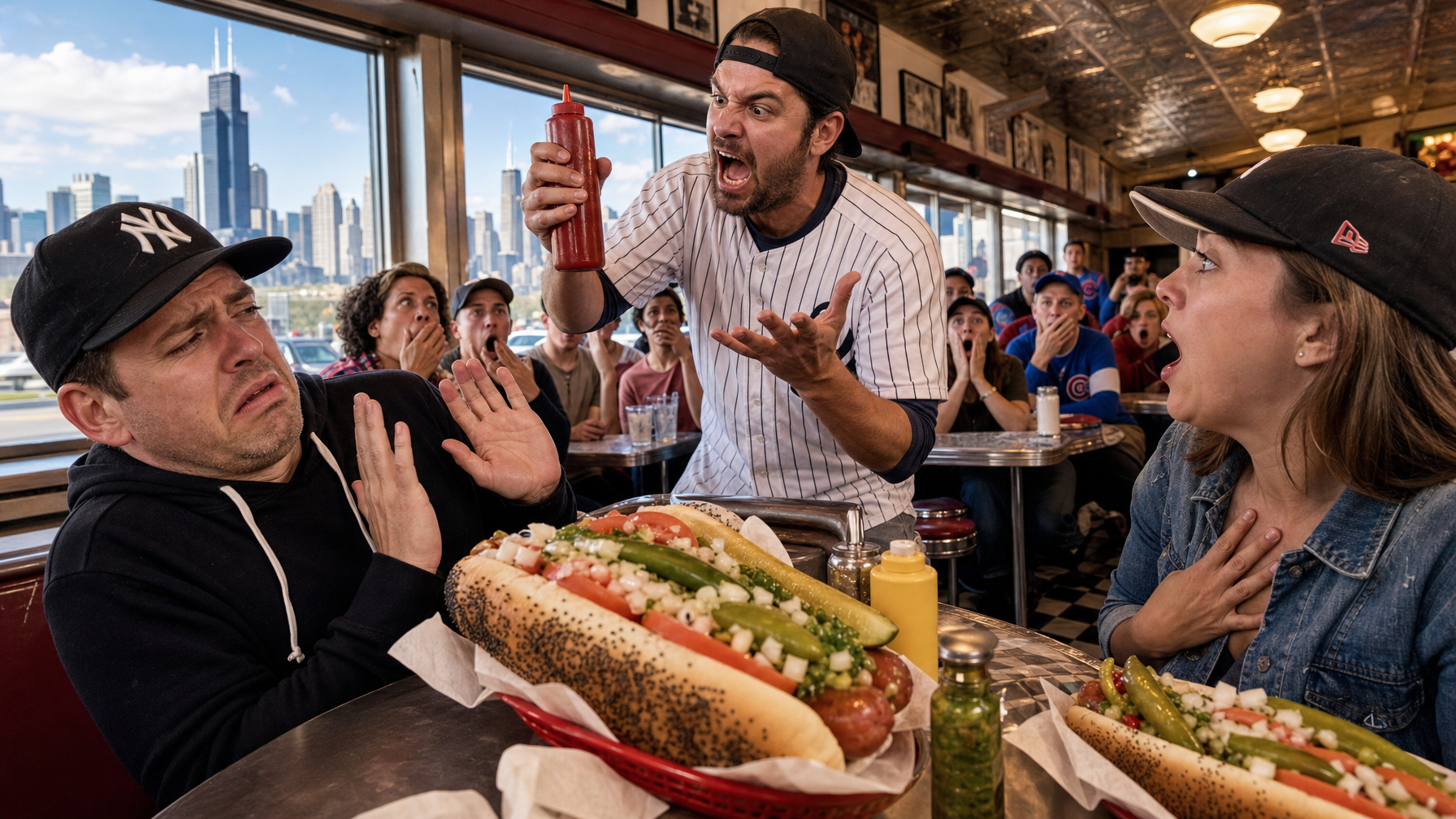
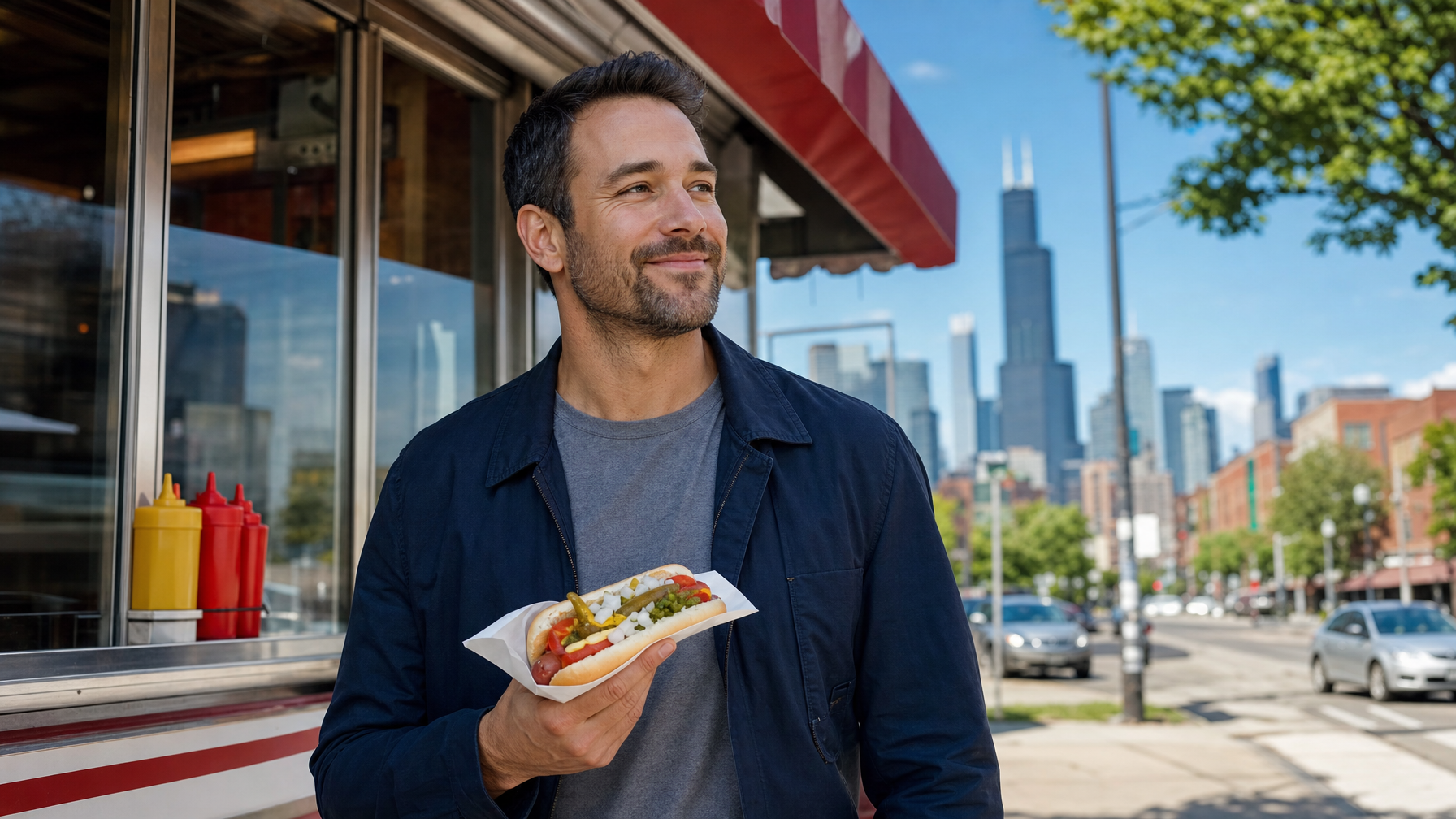
A Chicago-style hot dog is defined by its carefully argued lineup: an all-beef dog on a steamed poppy seed bun, traditionally dressed with yellow mustard, sweet pickle relish, chopped onion, tomato, a dill pickle spear, sport peppers, and celery salt. For New Yorkers and other ketchup loyalists, the real shock is not the toppings. It is discovering that Chicago treats ketchup less like a condiment and more like a courtroom exhibit.
The Chicago Dog Has a Lineup, and Ketchup Did Not Make Bail
Picture trying to explain this to a New Yorker. You say, “It has mustard, relish, onion, tomato, pickle, peppers, celery salt, and no ketchup.” They hear the first seven items, nod politely, then get to the last one as if you have announced that oxygen is optional.
This is for hot dog obsessives, food-culture readers, and anyone delighted by regional food arguments with emotional stakes wildly disproportionate to the size of the meal. A Chicago-style dog is not merely a dog with a lot of stuff on it. It is a recognizable, deliberate arrangement with its own flavor logic.
Important caveat before somebody summons the Condiment Police: this is about Chicago-style tradition and etiquette, not a claim that every diner, stand, or Chicago resident patrols every order. People can eat what they want. They may even put ketchup on things. Jason's position is less diplomatic: ten years, 50 states, zero ketchup. That is a stated personal standard, not universal law. Still, on a classic Chicago dog, ketchup is a very loud guest who was not invited.
Put the Dog on Trial: What Makes It Chicago Style?
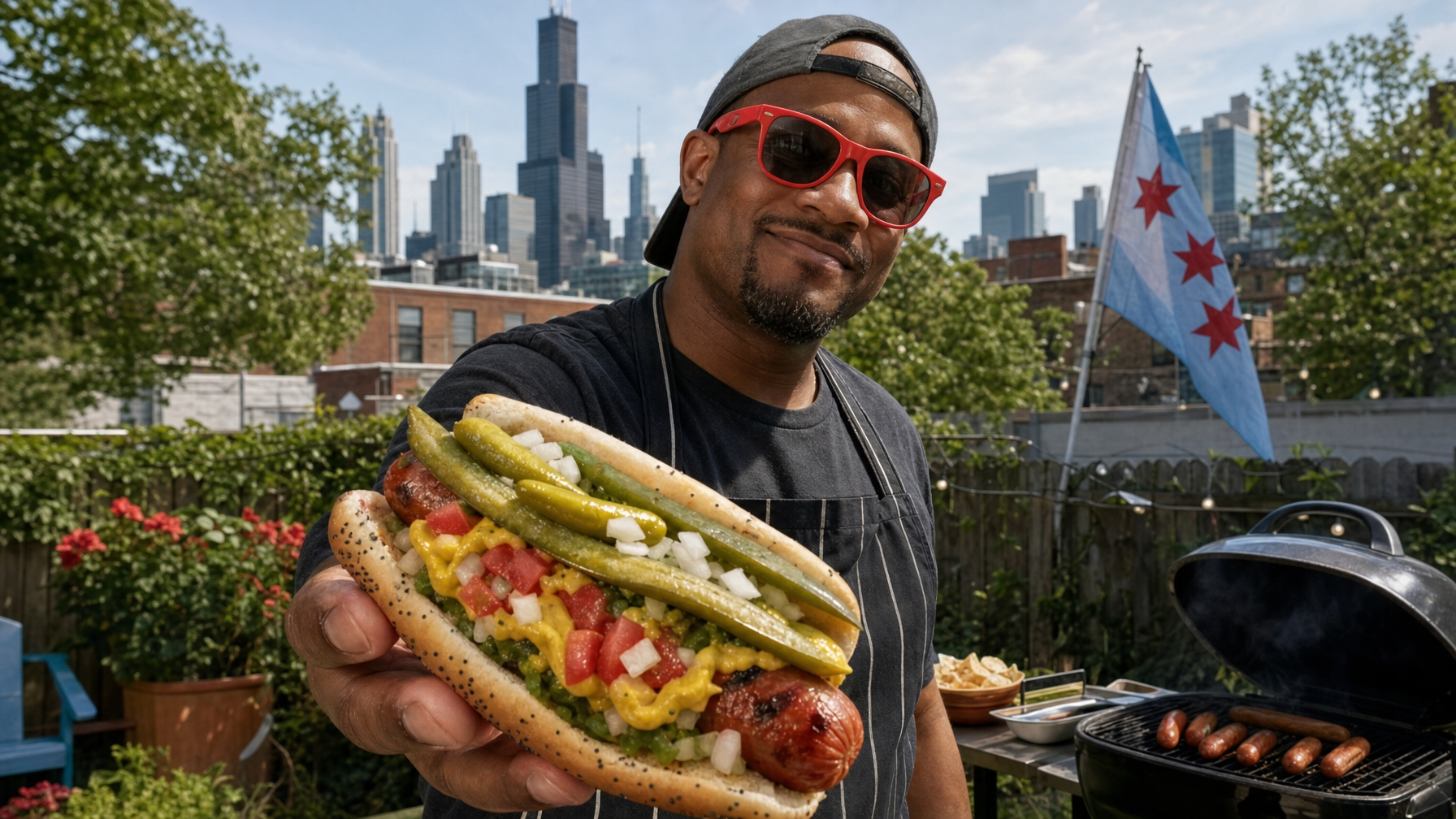
The classic description starts with an all-beef hot dog in a steamed poppy seed bun. It is traditionally finished with yellow mustard, bright sweet pickle relish, chopped onion, tomato, a dill pickle spear, sport peppers, and celery salt.
No one topping carries the whole case. Mustard alone does not make a Chicago dog. Neither does a pickle spear doing its best on a random sausage. The identity comes from the combination: tangy, sweet, sharp, salty, fresh, spicy, and gloriously overcommitted.
Picture the finished build
Take a plump all-beef dog in a soft steamed bun. Add a stripe of yellow mustard and a scoop of sweet relish. Scatter chopped onion. Tuck in tomato and a dill pickle spear. Add sport peppers, then finish with celery salt. It should look less like a minimalist snack and more like a tiny edible parade.
That description captures the commonly recognized style, not an ironclad assembly decree for every counter in Chicago. Individual stands and restaurants can differ in portion, placement, or exact ingredients. Tradition can have a clear face without requiring every pickle to file paperwork.
Why Is Ketchup the Villain in Chicago's Condiment Drama?
The objection is mostly about balance and tradition. A Chicago dog already has sweetness from relish and juicy tomato flavor from the tomato itself. Ketchup adds more sweetness and more tomato, which can blur the sharper roles played by mustard, onion, pickle, peppers, and celery salt.
A classic Chicago dog is built around contrasts. Yellow mustard brings tang. Relish supplies sweet crunch. Onion delivers bite. The pickle brings sourness and snap. Sport peppers offer heat. Celery salt gives the whole operation its strange, savory final stamp. Ketchup does not necessarily make the dog inedible. It simply changes the conversation, and not in a way traditionalists enjoy.
To be precise, ketchup is frowned upon in the classic Chicago-style build. That is very different from claiming that Chicago has an enforceable ban on ketchup everywhere. Ketchup is not being arrested. It is, however, being judged from across the room.
New York Has Its Own Dog Grammar, and That Is the Problem
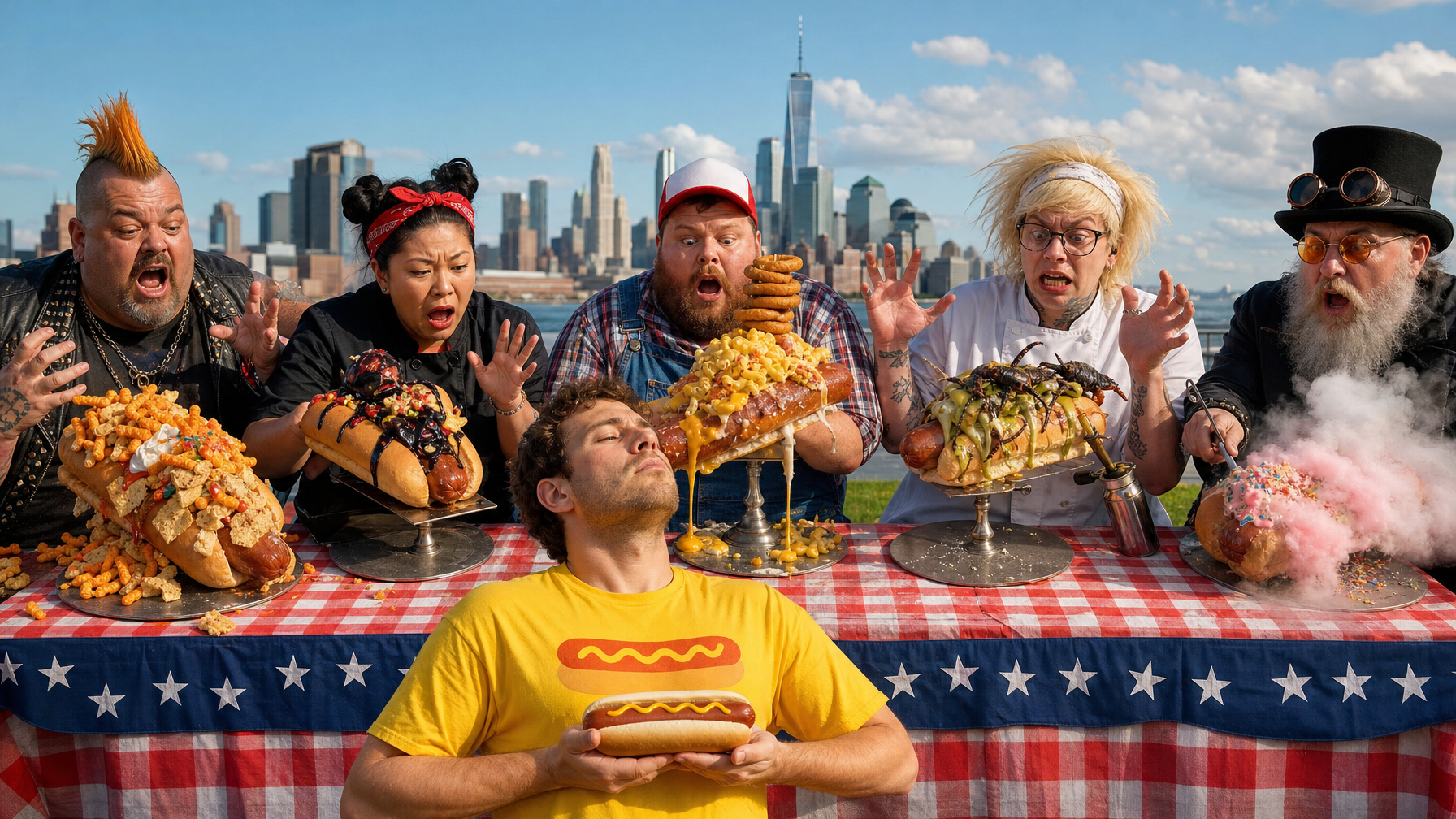
The Chicago versus New York clash is not really about whether one city understands hot dogs and the other has wandered into a bun by mistake. It is about two food cultures using the same phrase, “hot dog,” while quietly carrying different assumptions.
A New Yorker may reasonably approach a dog as a simpler platform, with mustard, sauerkraut, or other familiar additions chosen according to appetite and habit. That does not mean every New York vendor or customer follows one exact formula. It means the expectation can be more open-ended than Chicago's famous fully dressed signature build.
Chicago hears “hot dog” and often sees a specific composition in its mind. New York may hear “hot dog” and see an invitation to choose. Both approaches have a logic. The fight starts when one person thinks they are requesting a condiment and the other thinks they are editing a small civic monument.
Those Toppings Have Jobs, Not Just Good Headshots
The Chicago dog looks chaotic only if you assume every topping is decoration. It is not. Each one has an assignment.
| Topping | What it brings to the dog |
|---|---|
| Yellow mustard | Sharp tang that cuts through the richness of the sausage. |
| Sweet pickle relish | Sweetness, color, and a little crunch. |
| Chopped onion | Fresh bite and pungency. |
| Tomato | Juiciness and freshness. Also a credible threat to bun stability if overloaded. |
| Dill pickle spear | Sourness, cold crunch, and a strong pickle presence rather than a polite suggestion. |
| Sport peppers | Heat and tang. |
| Celery salt | A savory, distinctive finishing note that ties the build together. |
Remove one piece and the dog changes personality. Skip the sport peppers, and the heat retreats. Lose the onion, and the sharpness softens. Replace the pickle and celery salt with a blanket of ketchup, and you have made a personal choice. You have also left the classic Chicago script.
Explain It Without Starting a Condiment War
If you are introducing someone to Chicago-style hot dogs, do not lead with a scolding lecture. Lead with flavor. Say this:
Chicago's classic dog is a balance of mustard, sweet relish, onion, tomato, pickle, sport peppers, and celery salt. Ketchup is traditionally left out because the dog already has sweetness and tomato in the mix.
That gives the newcomer a reason, not just a rule. It also leaves room for personal preference. If somebody wants ketchup, they are allowed to want ketchup. The Constitution remains intact. But a ketchup-topped dog is no longer the classic Chicago-style build being discussed.
The argument should be aimed at the condiment, not the person. Ketchup has had a fine run. It does not need to audition for every sandwich role.
What Counts as a Chicago Dog, and What Is Just Wearing the Hat?
A classic Chicago-style dog is more specific than a general hot dog with mustard, relish, and a vegetable vaguely nearby. The recognizable build includes the all-beef dog, steamed poppy seed bun, yellow mustard, sweet relish, onion, tomato, dill pickle spear, sport peppers, and celery salt.
Change the sausage, skip several toppings, add extra sauces, or swap major components, and you may still have a very good lunch. You may even have a hot dog that nods toward Chicago. But it is more accurate to call it a variation or a personal build than to insist it matches the traditional description exactly.
This is not fake precision for its own sake. Food traditions are allowed to be recognizable while still varying from counter to counter. The point is to know what the name usually promises before turning it into something else.
Verdict: Order It the Chicago Way, Then Start Your Own Argument
Ketchup is commonly excluded from a classic Chicago-style hot dog because it disrupts the intended flavor balance and breaks with the tradition surrounding the style. That is a cultural preference with a very strong voice, not a universal law enforced by every resident holding a mustard bottle.
Order one in the classic form at least once. Taste what the mustard, relish, onion, tomato, pickle, sport peppers, and celery salt are trying to do together. Then argue about your home city's dog habits with full confidence and only a medium amount of shouting.
For more hot dog places, products, recipes, and culture coverage, follow @jasonsgrub on Instagram.
FAQ: The Questions People Ask Right Before Adding Ketchup
Is ketchup actually forbidden on a Chicago-style hot dog?
No universal law forbids it. The classic Chicago tradition leaves it off, and many enthusiasts strongly disapprove of adding it to that specific build.
What toppings belong on a classic Chicago-style hot dog?
The commonly recognized build includes an all-beef hot dog, poppy seed bun, yellow mustard, sweet pickle relish, chopped onion, tomato, dill pickle spear, sport peppers, and celery salt.
Can I order ketchup in Chicago?
You can ask for it. Whether it appears, and how warmly the request is received, depends on the vendor and the people nearby.
Is a hot dog with ketchup still a hot dog?
Absolutely. It simply is not the classic Chicago-style build Jason is defending here.
What if I dislike sport peppers or onions?
Leave them off if you want. The result becomes your personal variation rather than a strict version of the traditional lineup.
Enjoyed this? There's more from Jason's Grub.
Follow on Instagram →