I Took the Internet’s Favorite Stadium Dog Arguments to One Baseball Game and Lost to the Condiments
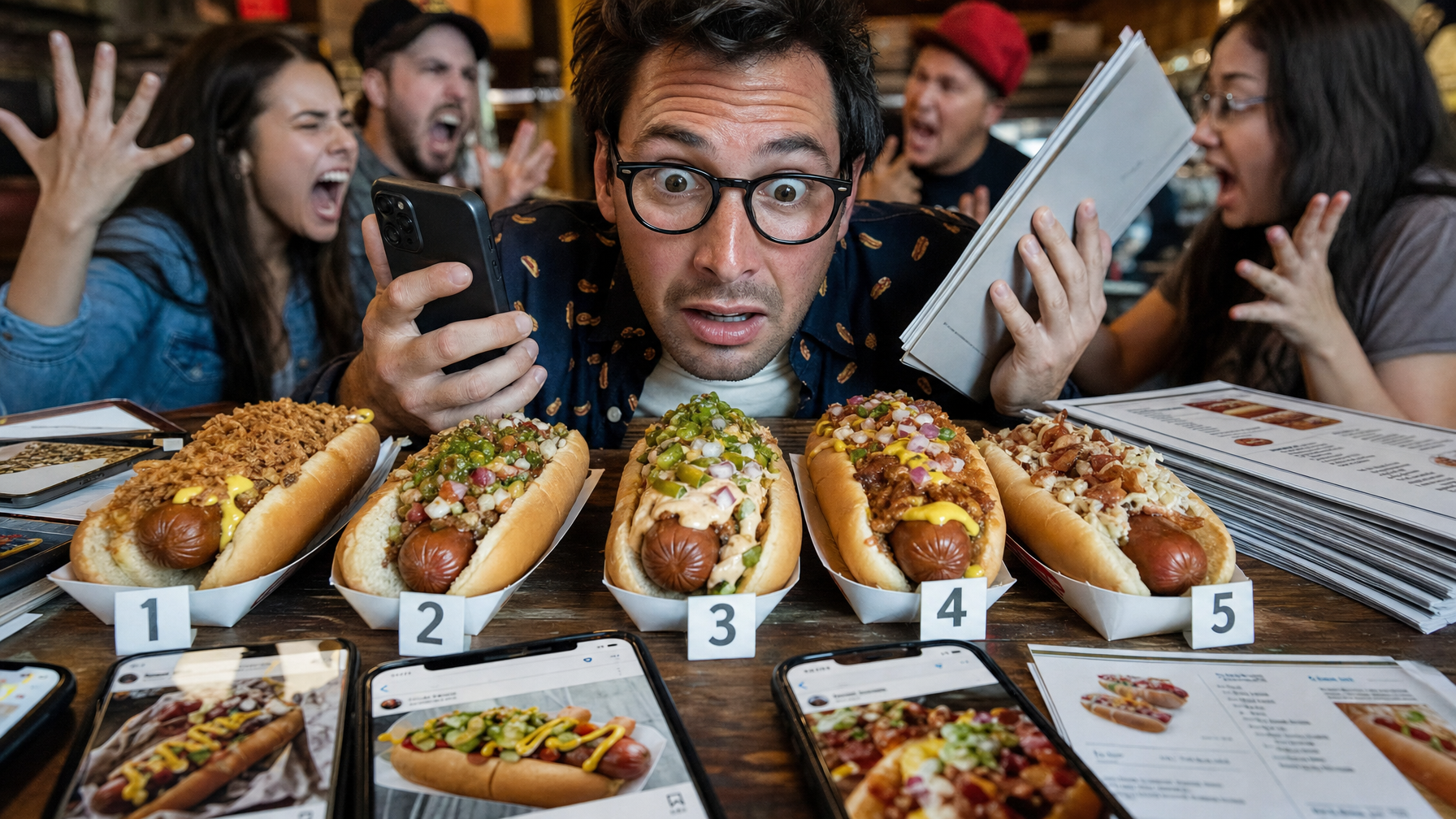
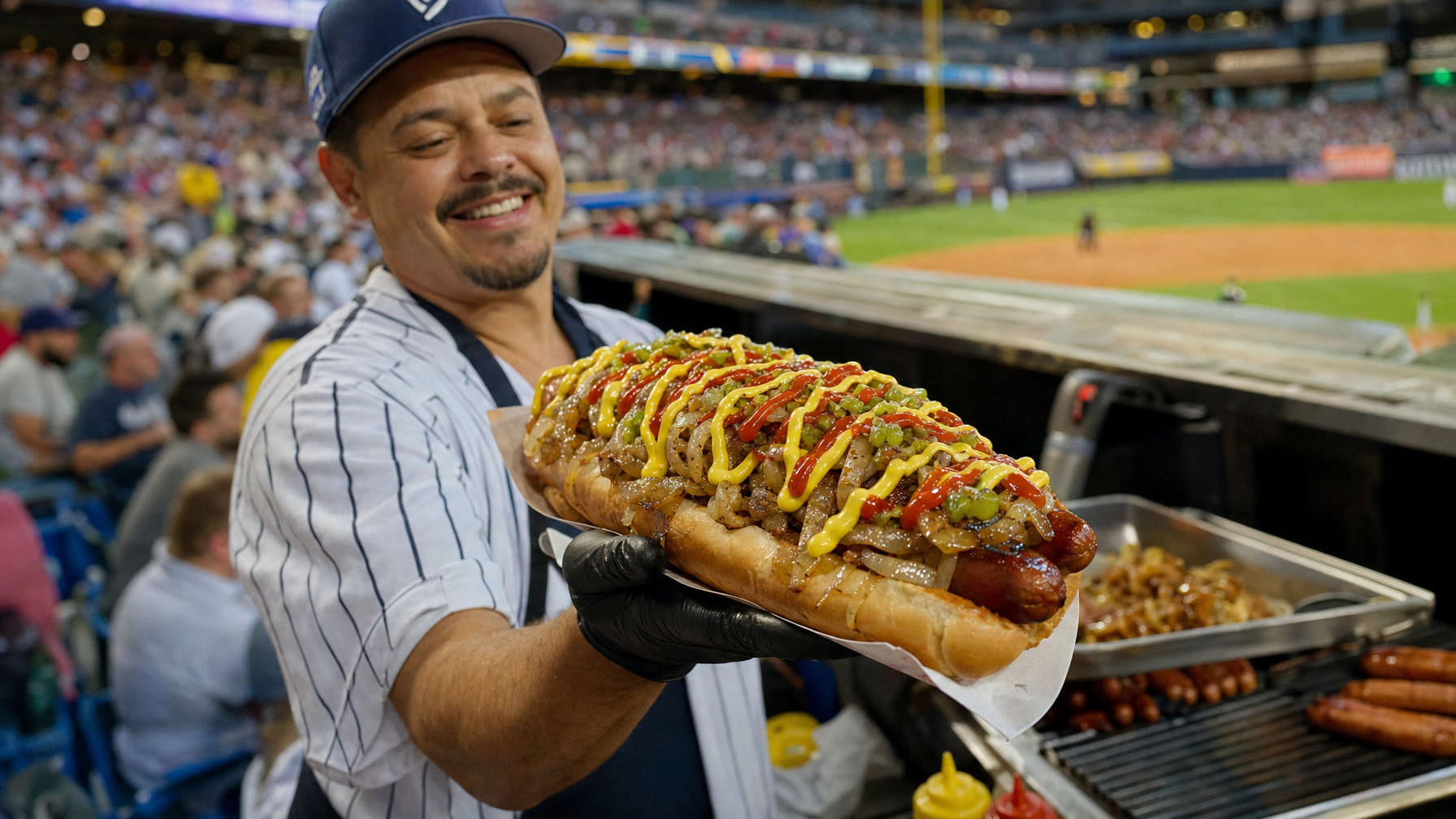
A stadium hot dog argument gets much harder the moment you leave the internet and enter the concourse. Suddenly the sausage is competing with a flimsy bun, a moving crowd, a mustard packet that opens like a crime scene, and your own questionable between-innings judgment. This is for hot-dog obsessives and baseball-goers who want an honest way to judge the thing in their hand, not another grand proclamation from someone who has never balanced lunch on one knee.
I Thought the Hot Dog Was the Problem. Then the Condiment Station Appeared
Here is the honest limitation: no verified reporting details for a specific ballpark, game date, dog, price, or topping setup are available for this article. So there will be no fictional box score, no imaginary line at a made-up stand, and no heroic tale of ketchup being dramatically defeated in Section Whatever. A hot dog deserves better than fan fiction.
My baseline is simple: ten years, 50 states, zero ketchup. That is my stated position and my personal baggage, not a federal baseball regulation. One documented game can deliver a sharp verdict on one dog in one seat under one set of conditions. It cannot settle every stadium dog argument from here to the end of civilization.
Still, the core finding holds up before the first pitch: stadium dogs are not judged on sausage alone. They are stress tests for bun quality, topping discipline, mustard judgment, condiment logistics, and whether a human being can eat lunch while strangers keep standing up to find their seats.
Does a Stadium Dog Need to Be Great, or Merely Ready Before the Pitcher Throws?
It needs to be good enough to survive reality. A stadium dog should arrive quickly, stay warm long enough to be eaten, fit in one hand, and avoid turning its owner into a walking napkin emergency. Restaurant standards still matter, but the stadium adds its own rude little obstacle course.
A useful practical standard has five parts:
- Speed: Can you get it without missing half an inning?
- Temperature: Is the sausage hot when it reaches the seat?
- Structure: Does the bun contain the dog and toppings?
- Portability: Can it be eaten without a tray, a table, or a prayer circle?
- Balance: Does it still taste like a hot dog after the condiments show up?
The sausage itself still has to show some backbone. A snappy natural casing, a juicy interior, and honest seasoning can make a simple dog memorable. A skinless sausage can also work if it is hot, properly cooked, and paired with a bun that has not given up on life. But no one should confuse convenience with absolution. Fast service earns forgiveness for minor flaws. It does not excuse a cold dog in a damp bun that tastes like it watched a hot dog from across the room.
My judgment: convenience is part of stadium value, but it is not a pardon from the governor. Baseball is slow enough. The food line does not need to be.
The Bun Started the Fight, but the Toppings Brought Lawyers
Every stadium dog debate eventually becomes a bun debate, because the bun is where optimism goes to get soggy. A good stadium bun should be soft enough to bite easily, sturdy enough to hold the sausage, and dry enough to remain a bun after mustard, relish, onions, movement, and gravity begin collaborating against it.
There are three basic bun outcomes:
- The useful bun: It bends, holds, and lets the sausage remain the main event.
- The dry bun: It is structurally sound but brings the charisma of packing material.
- The surrender bun: It absorbs moisture, tears at the seam, and transforms a meal into evidence.
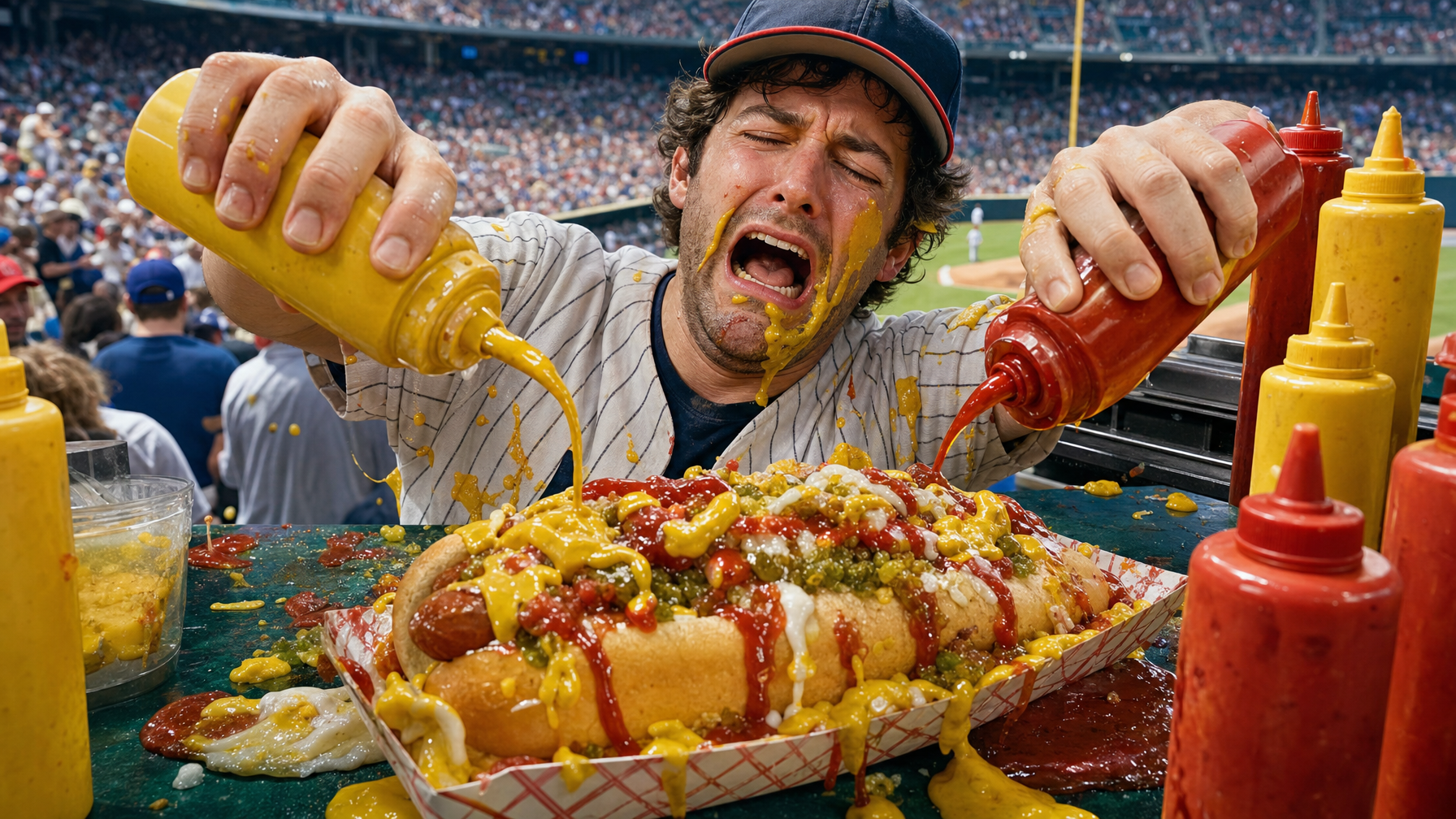
Because no specific venue has been documented here, I cannot list its current toppings or claim whether they are self-serve, packet-based, or applied by staff. Those details matter enormously and should be checked at the ballpark on the day of the game. A squeeze bottle gives a person freedom. It also gives a person the means to commit crimes against proportion.
Restrained toppings should sharpen the dog. Mustard can bring tang. Relish can supply sweetness and acidity. Onions can add crunch and bite. Peppers can contribute heat. An overloaded build can bury the sausage, flood the bun, and turn a perfectly edible dog into an edible wardrobe malfunction.
There is a difference between a condiment that improves a dog and one that hides a weak dog. The first makes you want another bite. The second makes you wonder what it is trying to distract you from.
Mustard, Relish, and the Ketchup Border Dispute
Hot dog people do not merely have preferences. We have tiny constitutions, disputed borders, and emotional treaties that collapse near condiment pumps.
Mustard purists want sharpness and restraint. Relish loyalists enjoy sweetness, acidity, and a little color. Onion enthusiasts want crunch and sulfurous swagger. Ketchup defenders want ketchup, and they have made peace with the fact that some of us will stare silently into the middle distance.
My no-ketchup position is firm. It is also mine. I treat it as a matter of hot dog culture and personal taste, not as proven universal law. People are allowed to eat their own lunch. I am allowed to have opinions about it, preferably while holding mustard.
| Topping | What it can contribute | What can go wrong |
|---|---|---|
| Mustard | Acidity, tang, and a clean contrast to richness | Too much can dominate mild sausage |
| Relish | Sweetness, acidity, and texture | Excess liquid can soften the bun |
| Onions | Crunch, bite, and savory intensity | Large pieces can escape at the first bite |
| Peppers | Heat, brightness, and character | They can overwhelm a delicately seasoned dog |
| Ketchup | Sweetness and familiar tomato flavor | In my opinion, it can flatten the sausage and make the whole bite taste generic |
No ketchup incident is described here because none was documented during reporting. Inventing a condiment showdown would be easy. Being honest is more useful, even if it is less cinematic.
The Internet Wanted a Verdict. The Ballpark Served Variables
The internet likes binary questions because binary questions fit neatly into comments. Steamed or grilled? Natural casing or skinless? Soft bun or toasted bun? Simple build or topping mountain? Real eating is less tidy, because a good answer depends on the particular dog and the particular moment.
From one game, you can judge whether a dog arrived hot, whether its bun held together, whether the available condiments helped, and whether it was worth the time and money in that specific setting. You cannot honestly declare one preparation method superior everywhere, or rank all stadium food from a single seat.
Consider the variables:
- How long the dog sat before purchase
- Whether it was eaten immediately or carried across the venue
- Weather and humidity
- Line length and crowd movement
- Seat location and available space
- The current condiment setup and whether supplies are stocked
- Whether staff or the customer applies the toppings
My opinion, stated as opinion: a grilled dog with real snap is usually more exciting than a steamed one. But a properly steamed dog can be exactly right when the bun is fresh, the sausage is hot, and the operation moves at baseball speed. Toasting can add welcome texture, unless the bun becomes too rigid for a crowded-seat bite. Maximum toppings can be glorious, unless they turn the sausage into a minor character in its own lunch.
What Actually Deserved the Win?
A stadium dog should be scored for the conditions it actually faces, not graded like it arrived at a quiet table with a knife and fork. This compact scorecard keeps the argument honest.
| Category | What to assess |
|---|---|
| Sausage | Flavor, texture, seasoning, juiciness, and any casing snap |
| Bun | Freshness, grip, moisture resistance, and whether it supports the dog |
| Toppings | Quality, proportion, and whether they complement rather than conceal |
| Temperature | Whether the dog is hot when eaten, not merely warm in theory |
| Mess factor | Whether the build can be eaten in a seat without requiring a cleanup crew |
| Portability | Whether it survives stairs, crowds, cup holders, and a distracted bite |
| Value | Whether price feels fair for the portion and experience, when the current price is verified |
No overall score belongs here because no documented stadium dog details were supplied. That is not a dodge. It is the whole point of taking food seriously. A score without a named dog, observed condition, and verified price is just a number wearing a foam finger.
The Condiments Won, but They Did Not Get a Parade
The condiment station changes the meal because it reveals whether a stadium dog has a usable foundation. Good mustard, onions, relish, or peppers can wake up a plain dog. They can add contrast, texture, and personality. They cannot reverse time, reheat a cold sausage, or persuade a disintegrating bun to become a classic.
The strongest lesson for baseball-goers is gloriously unglamorous: order the dog that looks easiest to eat fresh, choose toppings with a purpose, and do not build a condiment avalanche just because the pumps are unsupervised. Start light. Taste the sausage. Add more only if the dog asks for help.
My final opinion is simple: toppings can rescue a mediocre stadium dog, but they cannot turn every bun into a classic. Follow @jasonsgrub on Instagram for more real-place, real-food hot dog opinions.
Four Questions Asked Before the Seventh-Inning Stretch
What makes a stadium hot dog worth ordering?
A worthwhile stadium dog has a flavorful, properly heated sausage; a bun that stays intact; toppings that improve the bite; and enough portability to survive an actual game. Speed and convenience count, but they do not erase bad food.
Is ketchup actually wrong on a hot dog?
I take a firm no-ketchup position. That is a brand of personal conviction, not a scientifically proven rule for every person and every dog. The dispute is part taste, part tradition, and part the fun of having a harmless food argument with stakes wildly larger than lunch deserves.
Should stadium hot dogs be judged differently from restaurant hot dogs?
Yes. Stadium dogs must contend with lines, seats, crowds, timing, and condiment access. Those conditions belong in the evaluation. The food should still be assessed honestly, but a dog eaten between innings lives a different life than one served at a table.
Can one baseball game settle the stadium hot dog debate?
No. One game can provide a vivid verdict on one purchase under specific conditions. It cannot establish a universal ranking of ballparks, preparation styles, or every hot dog ever handed across a counter.
What should readers verify before repeating an order?
Check the venue's current menu, price, topping availability, stand location, and any relevant policies before you go. Ballpark menus and operations can change, and the exact dog that inspired an argument may not be served the same way on your game day.
Enjoyed this? There's more from Jason's Grub.
Follow on Instagram →