Hot Dog Emoji, Real-World Arguments: Why a Tiny Icon Gets So Much Flavor
You fire off the hot dog emoji in a group chat about lunch and instantly someone replies asking why there is no mustard visible on it. That single cartoon sausage becomes a battlefield because it compresses every personal rule about toppings into one pixelated judgment call.
This is not a history of Unicode. This is about why a tiny bun can still start a real fight, and whether you are allowed to judge an emoji for mustard placement. Spoiler: you are. I have been doing it for years.
Is this icon a Rorschach test or just a bun with opinions?
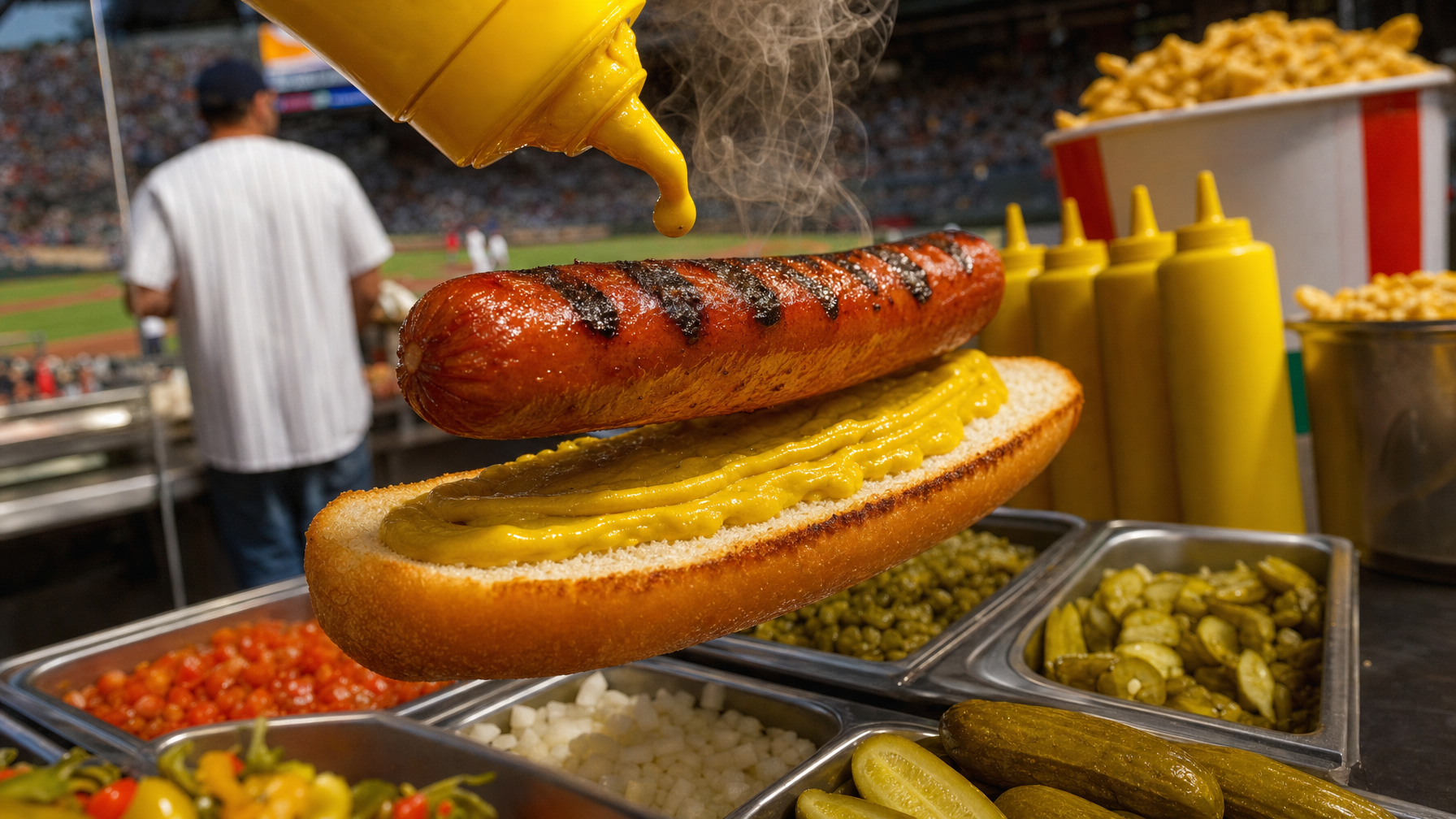
Look at the official design long enough and it stops being cute. You get a sausage in a bun, mustard on the job, ketchup nowhere in sight. For the no-ketchup crowd, that is not a coincidence. That is a tiny, silent endorsement of civilization.
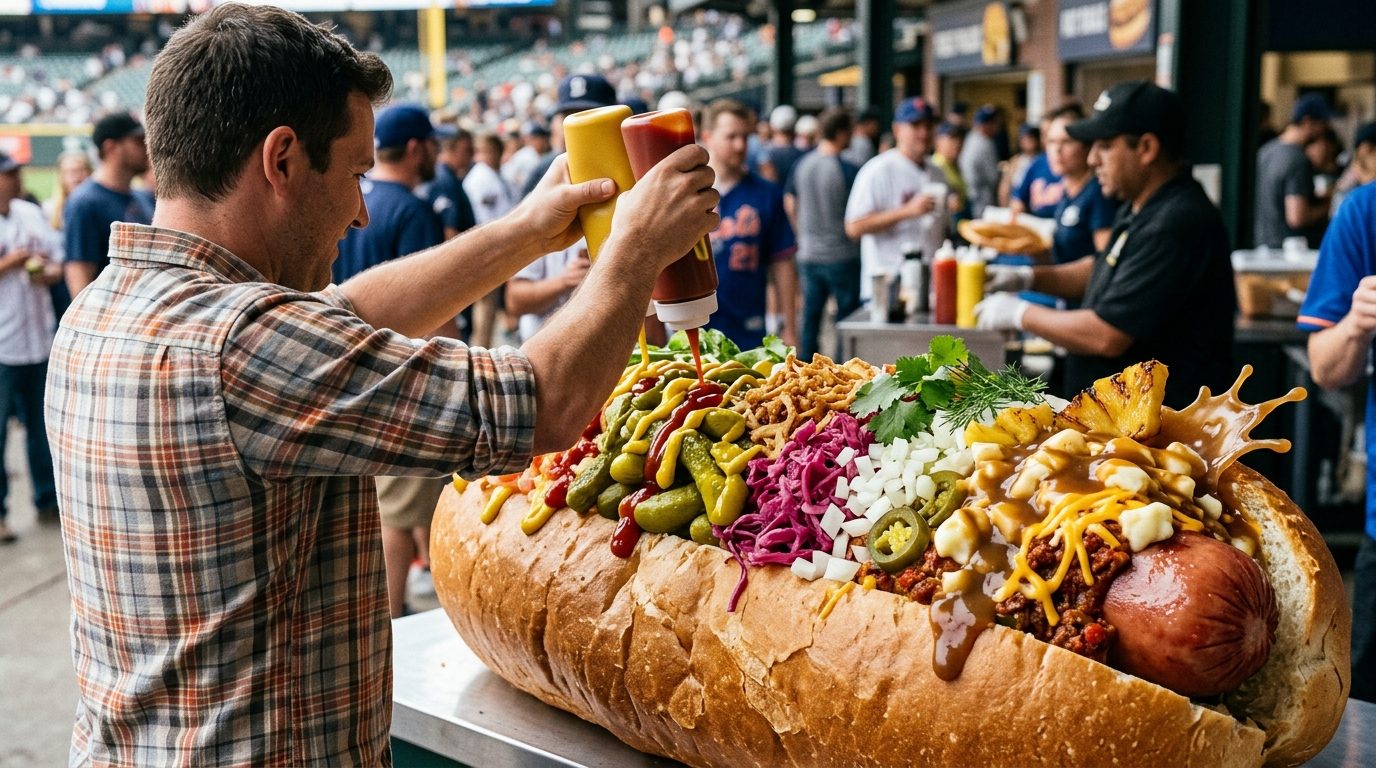
People still treat the icon like a blank canvas. They argue over what it should include, as if the committee owed them relish, sport peppers, or a New England split-top. The symbol becomes shorthand for real hot dog identity. If your mental picture of a correct dog does not match the pixels, the pixels are wrong, not you.
The shorthand works because everyone already carries a specific picture of how a hot dog must look before it counts. I have a ten-year, fifty-state research claim and a public no-ketchup stance. I am not projecting a vibe. I am projecting a standard. The emoji just happens to be the size of a thumbnail.
Why does a cartoon sausage start a genuine argument?
Emojis smash complicated food culture into one image. Any mismatch with your personal rules feels like a challenge, not a font choice. You did not ask for a debate. You asked who wanted lunch. Then the sausage arrived, and now you are on trial.
The hot dog emoji lives in the same texts and posts where people already fight about the real thing. It is not sitting in a museum of symbols. It is sitting next to "you coming?" and "no ketchup, I swear." Once it appears, the conversation slides from plans to defending or attacking the implied build.
That shift is the proof. Decoration does not make people defend mustard placement. Culture does. If the icon carried no weight, nobody would care whether the yellow stripe looked like stadium mustard or a mustard-adjacent accident.
Can you grade an emoji for mustard?
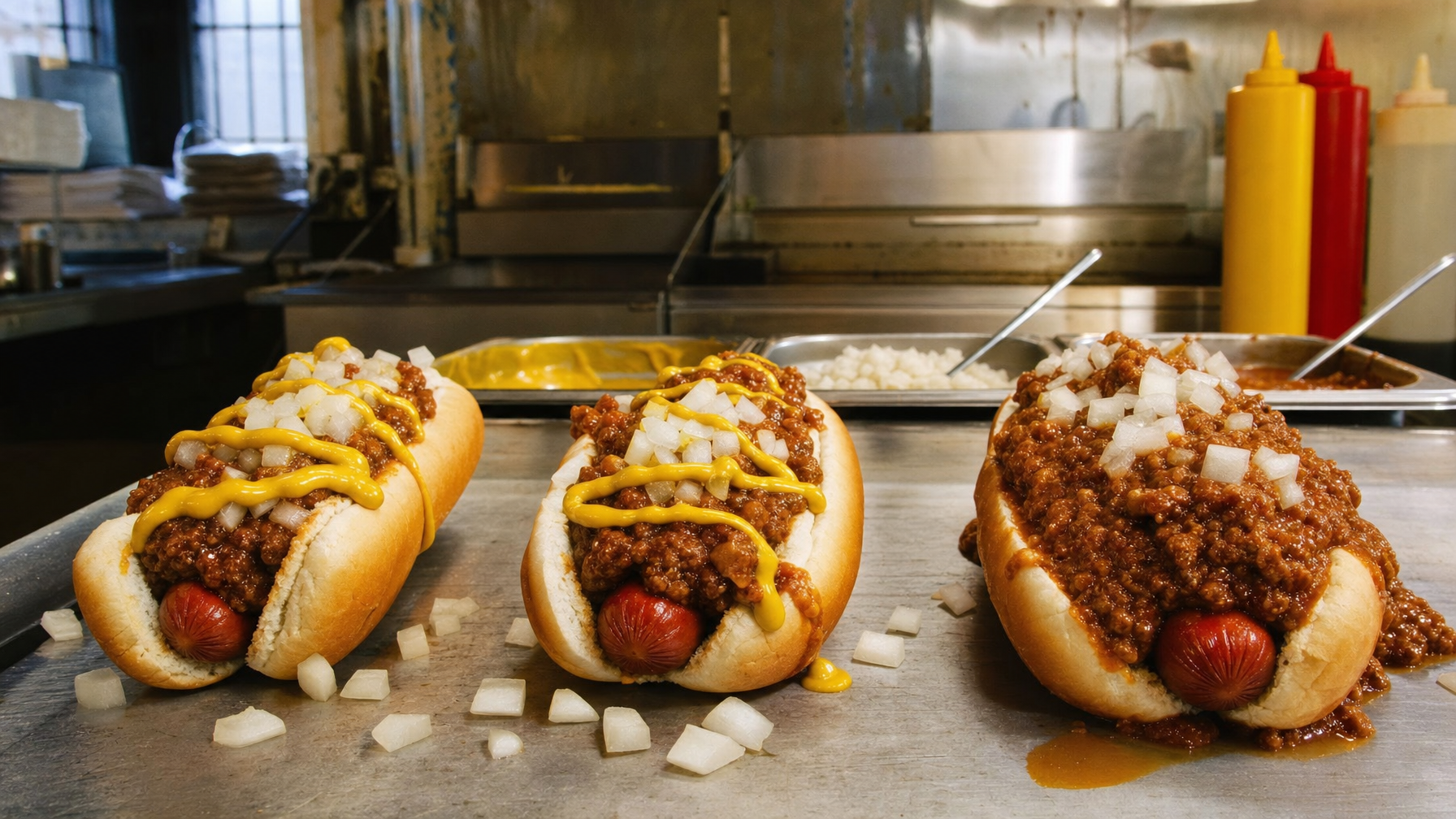
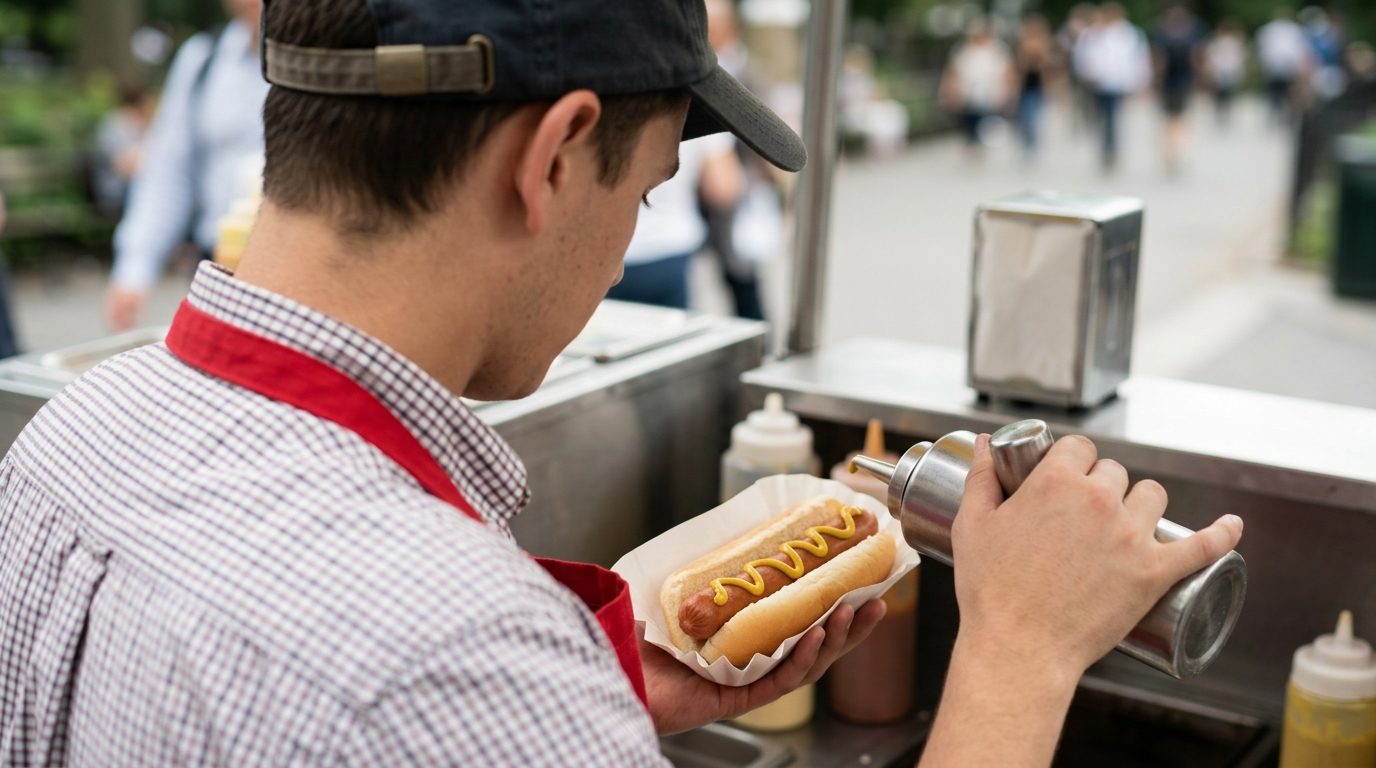
Yes. If you can grade a cart in Delray Beach by what is missing before the first bite, you can grade a cartoon. Mustard visible, ketchup absent: that is a build with a point of view. Relish not shown: that is either restraint or a crime, depending on who you are texting.
If your group chat can argue about a pixel of yellow, your group chat is ready for an actual stand. Follow @jasonsgrub on Instagram if you want more of that energy in the feed, not in a link farm.
Does the emoji fight copy the rules at real carts?
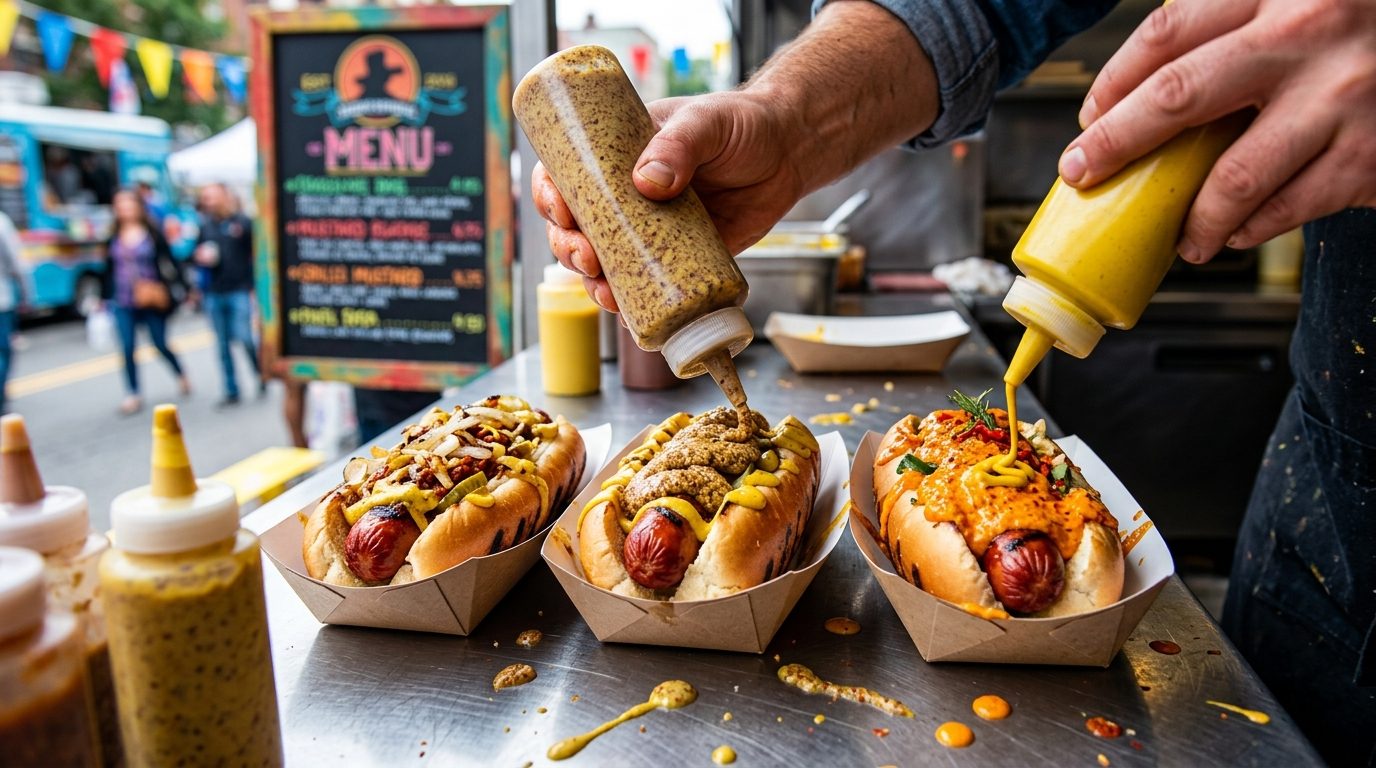
It copies them almost too well. Arguments over the icon replay the same regional and personal lines drawn at stands and carts across the country. Chicago people see a missing garden of toppings. Someone from a ketchup-friendly town sees a moral lecture. Someone who only cares about snap sees a bun and shrugs.
The mustard question in the icon is the same move enthusiasts make in real life: judge the dog by what is present or missing before anyone takes a bite. You do not need a tasting note. You need a visual audit. The emoji is just a tasting note with fewer calories.
It will not settle anything. That is the point. The icon stays useful because everyone can dump their own rules onto one image, including a long-running personal research claim that ketchup does not belong on the dog, the bun, or the cartoon. The flavor is not in the pixels. The flavor is in the argument you cannot stop having.
Enjoyed this? There's more from Jason's Grub.
Follow on Instagram →