I Gave the Hot Dog Emoji Three Jobs in One Week and It Finally Earned Its Lunch
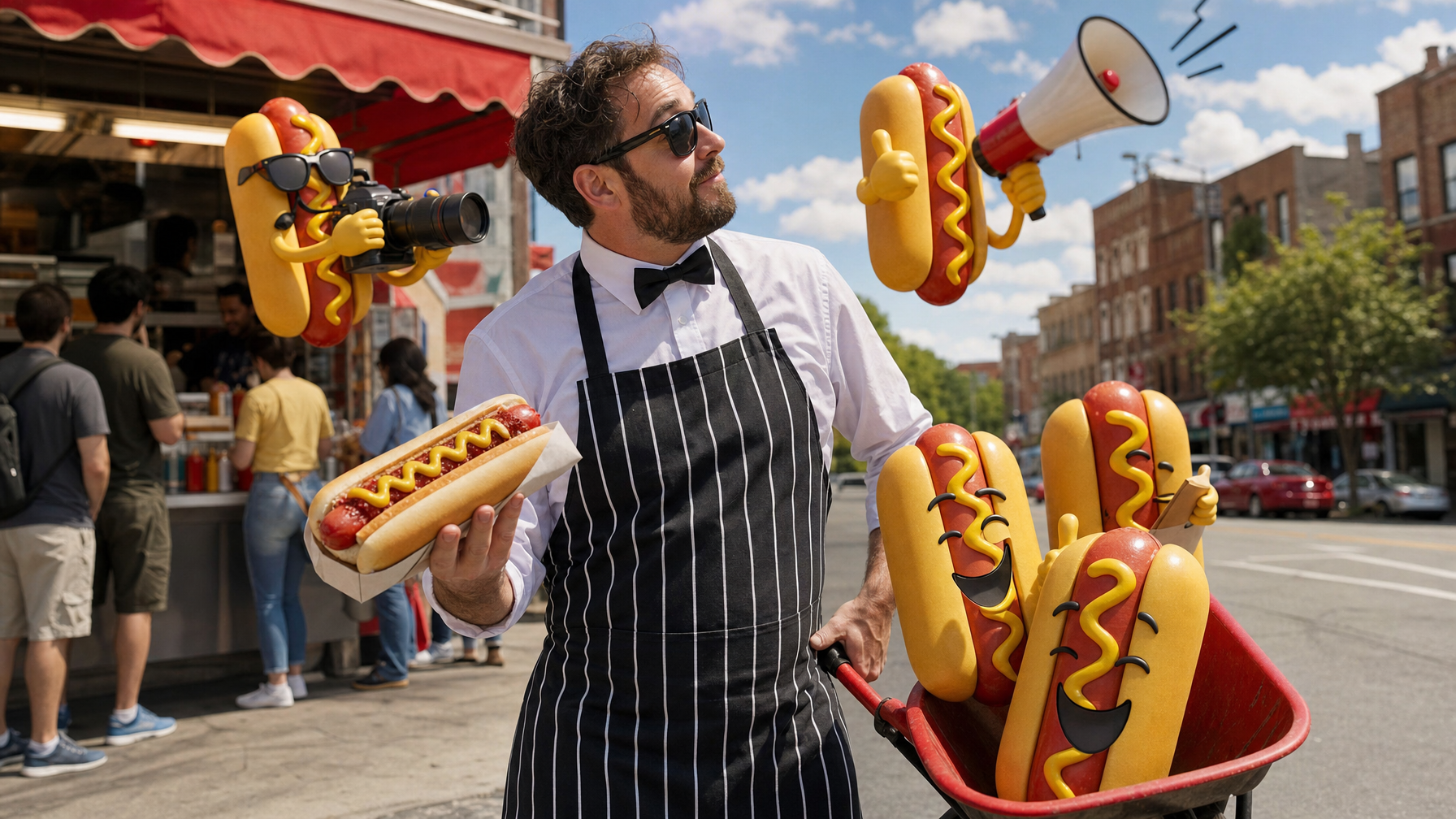
The hot dog emoji earns its keyboard real estate because it does useful cultural work, not because anyone mistakes it for a convincing lunch. For hot dog fans and food-culture readers, it is quick shorthand for eating, a cheerful bit of visual garnish, and occasionally a cheeky little troublemaker. Its real talent is getting a whole hot-dog mood into a message before your thumbs have time to overthink it.
Three Jobs, Four Personalities, One Very Busy Little Sausage
This is not a courtroom trial about whether the hot dog emoji looks appetizing. It is a workplace evaluation for a tiny digital frankfurter that keeps getting invited into group chats.
Its three main jobs are straightforward: shorthand, decoration, and innuendo. Actual food communication lives inside that first job, because the emoji is often standing in for a meal, a craving, a cookout plan, or a recommendation somebody should probably take seriously. It can also be celebratory, goofy, and faintly suspicious depending on where it lands.
From Jason's perspective, after ten years of hot-dog research across 50 states and zero ketchup, the emoji is no substitute for a proper dog. It cannot provide snap, steam, char, onion placement, or a bun worth respecting. Still, this is not an attempt to prove some sweeping cultural trend. It is an honest appraisal of a symbol that keeps showing up for work.
Job One: It Turns “I Ate a Hot Dog” Into a Tiny Frankfurter
The emoji's practical day job is food shorthand. It tells someone that a hot dog is involved without requiring a full sentence, a menu description, or a dramatic monologue about mustard. That economy is useful when the message is simple.
- “Running late, grabbed a 🌭” communicates lunch with admirable efficiency.
- “Cookout at six 🌭” signals the basic culinary direction of the evening.
- “That recipe needs a grilled dog 🌭” flags the ingredient under discussion.
- “Try the dog at that spot 🌭” adds a little edible enthusiasm to a recommendation.
- “Thinking about hot dogs again 🌭” is a craving announcement, and frankly, relatable.
In these cases, the emoji carries meaning about eating or serving food. It is not merely standing at the end of the sentence wearing a party hat. It can help a menu note, grocery list, recipe chat, or lunch text feel immediate and legible.
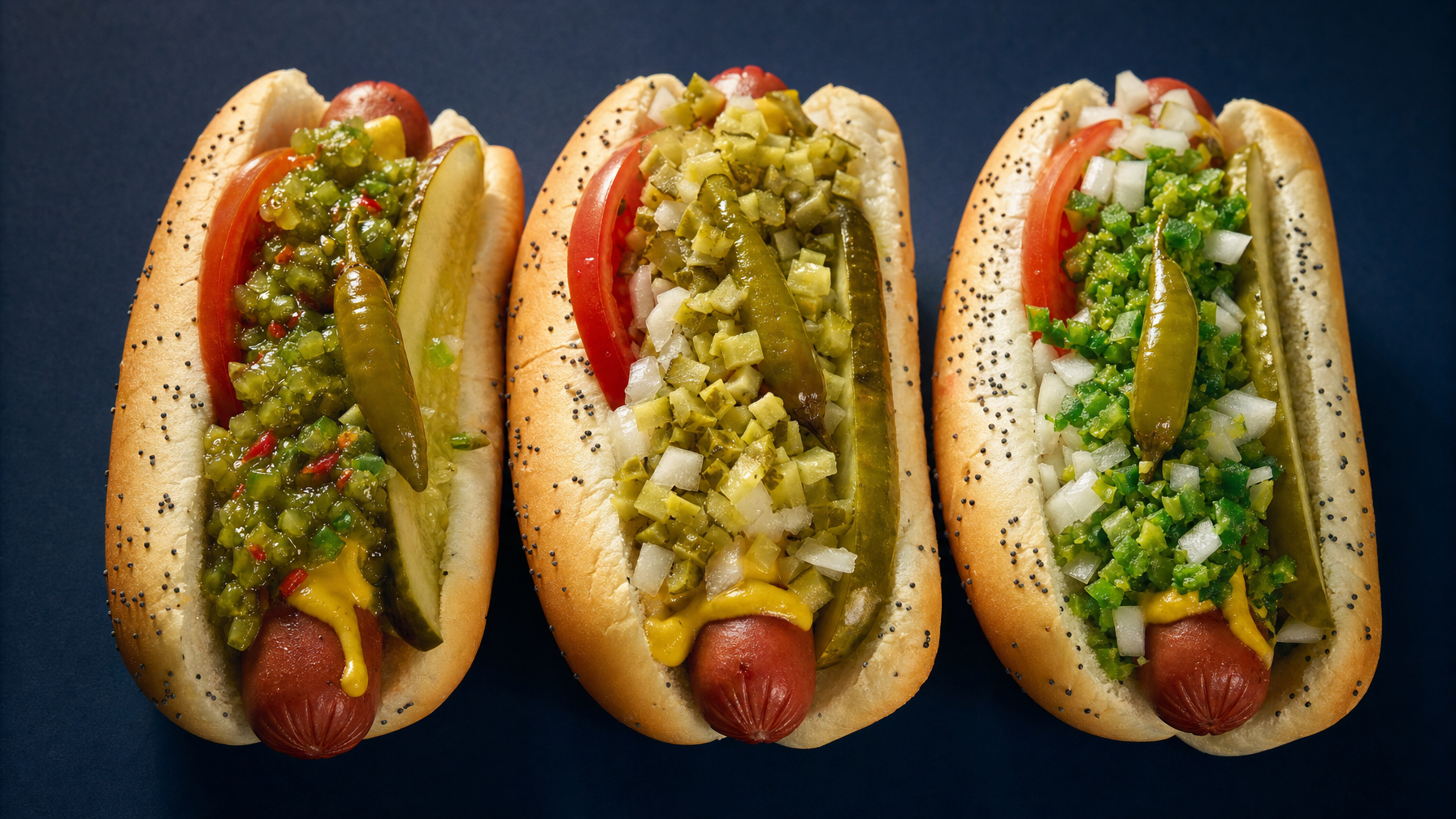
But the little icon has limits, and they are not subtle. It cannot tell you whether the sausage is beef, pork, plant-based, or some glorious regional oddity. It cannot identify a split-top bun, a poppy seed bun, a griddled bun, or a bun that has given up on structural integrity. It cannot explain the toppings, the cooking method, the neighborhood, or whether ketchup has been rightly banished from the premises.
A hot dog emoji says, “hot dog happened.” It does not file the incident report.
Job Two: It Shows Up to Decorate the Party and Steal the Bun
Decoration is the emoji's easiest assignment. Drop it beside a cookout caption, a food-crawl post, a party menu, or a photo caption, and the message instantly feels more casual, more celebratory, and more food-centered. The familiar shape does a lot of visual work without asking readers to process another sentence.
Someone might write “Saturday cookout, bring your appetite 🌭” or “Three stops, one very committed lunch 🌭.” The symbol is not adding critical information there. It is adding seasoning. That is a legitimate service. Not every message needs a dissertation when a tiny sausage can set the mood.
It also works in playful branding language, event posts, and menu-adjacent copy because it is recognizable at a glance. Even readers who are skimming can see that food is part of the conversation. The emoji turns up like a bright condiment packet in a jacket pocket.
My ruling: decoration is valuable, but it is the emoji's least ambitious job. A tiny sausage can accessorize a sentence. It should not receive credit for writing the sentence. If the caption says nothing, adding a hot dog emoji does not suddenly make it a feast of ideas.
Job Three: It Enters the Chat Wearing a Suspiciously Small Hat
Yes, the hot dog emoji can be innuendo. Its shape and its long history in jokes make that interpretation available before anybody has ordered lunch. The symbol can carry a wink, a tease, or a deliberately silly double meaning.
That does not mean every hot dog emoji is secretly auditioning for a bad joke. Context runs the entire operation. “Want to grab a hot dog for lunch? 🌭” is probably about lunch. Put the same emoji into a flirtatious conversation with a knowing comment, and the reading may change quickly. Surrounding words, tone, timing, and the relationship between the people messaging all matter.
The useful part is the ambiguity. The emoji can wink without forcing every message to become a stand-up routine. It gives people room to be playful, or to be completely innocent, which is more range than most condiment dispensers can claim.
Still, read the room. A work chat, a family thread, and a message between two people flirting are not the same room, even if all three contain somebody arguing about buns.
The Emoji’s Real Promotion: From Digital Prop to Actual Lunch
Can a hot dog emoji communicate genuine hot-dog enthusiasm? Absolutely. It can signal interest, invite a conversation, announce a craving, or point toward a meal worth discussing. But it is an invitation, not evidence.
It cannot answer the questions that turn a symbol into a useful food recommendation:
- Where can someone buy the dog?
- What style of hot dog is it?
- Is the place open when the reader gets there?
- Which toppings are available?
- Is it worth crossing town, or crossing a state line, to eat it?
That is where grounded hot-dog coverage earns its mustard stains. Specific destination profiles, recipes, purchasable hot-dog finds, and culture coverage can provide the details a glyph cannot. They can name the place, describe the build, explain the technique, and give the reader something sturdier than digital enthusiasm.
The emoji can point toward the hot dog. It cannot do the eating, the research, or the ketchup refusal. Those remain deeply human responsibilities.
Performance Review: Three Jobs, No Forklift Certification
Here is the scorecard. The hot dog emoji is strong at shorthand, reliable as decoration, and mischievously capable of innuendo. It is limited but useful for actual food communication, provided nobody expects it to replace a real description.
Its visual ambiguity is the reason it travels so well. In one message it is informative. In another, it is festive. In another, it is a joke with its eyebrows raised. There is no universally fixed meaning, and that is not a flaw. The words around it decide whether it is lunch, decoration, a wink, or all three before noon.
Verdict: it did not earn its lunch because it looks realistic. It earned its lunch because it keeps finding new ways to get invited to the conversation.
For more real hot-dog places, recipes, products, and culture coverage, follow @jasonsgrub on Instagram.
FAQ: Questions the Little Sausage Refuses to Answer Directly
Does the hot dog emoji always mean food?
No. It can signal an actual meal or craving, but context can turn it into decoration, a joke, or innuendo.
Can the hot dog emoji replace a food description?
No. It cannot tell readers what kind of hot dog they are seeing, where it came from, how it was prepared, or which toppings landed on it.
Why use the emoji instead of writing “hot dog”?
It is faster, more visual, and often more playful. A word states the fact. The emoji can add tone, enthusiasm, or a little cookout energy to the same thought.
Is using the emoji suggestive?
Sometimes. The meaning depends on the surrounding message, the conversation, and the people involved. In a lunch text, it may simply mean lunch.
What would a serious hot dog fan pair with the emoji?
Specific information: a real place, a recipe, a product, or a food-crawl destination. The emoji is the wink, not the evidence.
Enjoyed this? There's more from Jason's Grub.
Follow on Instagram →