Mayo on a Hot Dog Became a Social Media Argument Again
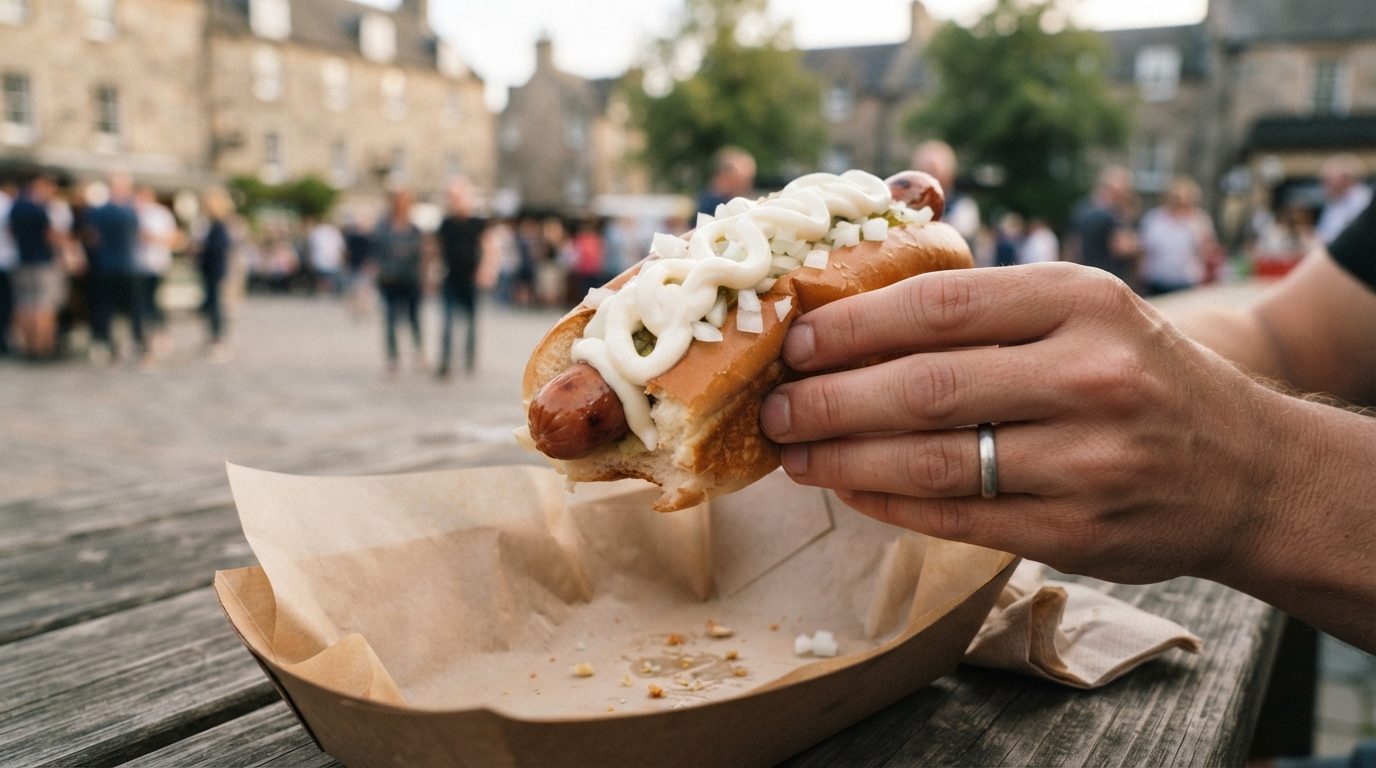
Mayo on a hot dog is not automatically brilliant or criminal. It works when the sausage, bun, and toppings give that creamy layer something useful to do, rather than letting it turn lunch into a slippery little disaster.
- Mayonnaise can work especially well with crisp, acidic, spicy, or smoky toppings.
- The real argument is usually about the full build, not the mayo by itself.
- Judge the sausage, bun, temperature, texture, and topping order before delivering a verdict.
- Jason's zero ketchup rule is a personal hot dog position, not a lunch commandment for the rest of civilization.
Mayo Did Not Arrive Alone. It Brought a Whole Topping Argument
The honest verdict on mayo starts with the entire hot dog, because a condiment is only as good as the mess or balance it creates around it. A creamy sauce on a charred sausage with mustard and pickled peppers is a different creature from a giant cold squirt on a pale frank in a damp bun.
Use a simple editorial test before calling any dog genius or garbage: identify the sausage style, bun, toppings, texture, temperature, and serving context. Is the sausage smoky, snappy, or mild? Is the bun toasted, steamed, or soft? Are the toppings crisp and sharp, or are they all soft and wet? Those answers matter more than mayo's reputation.
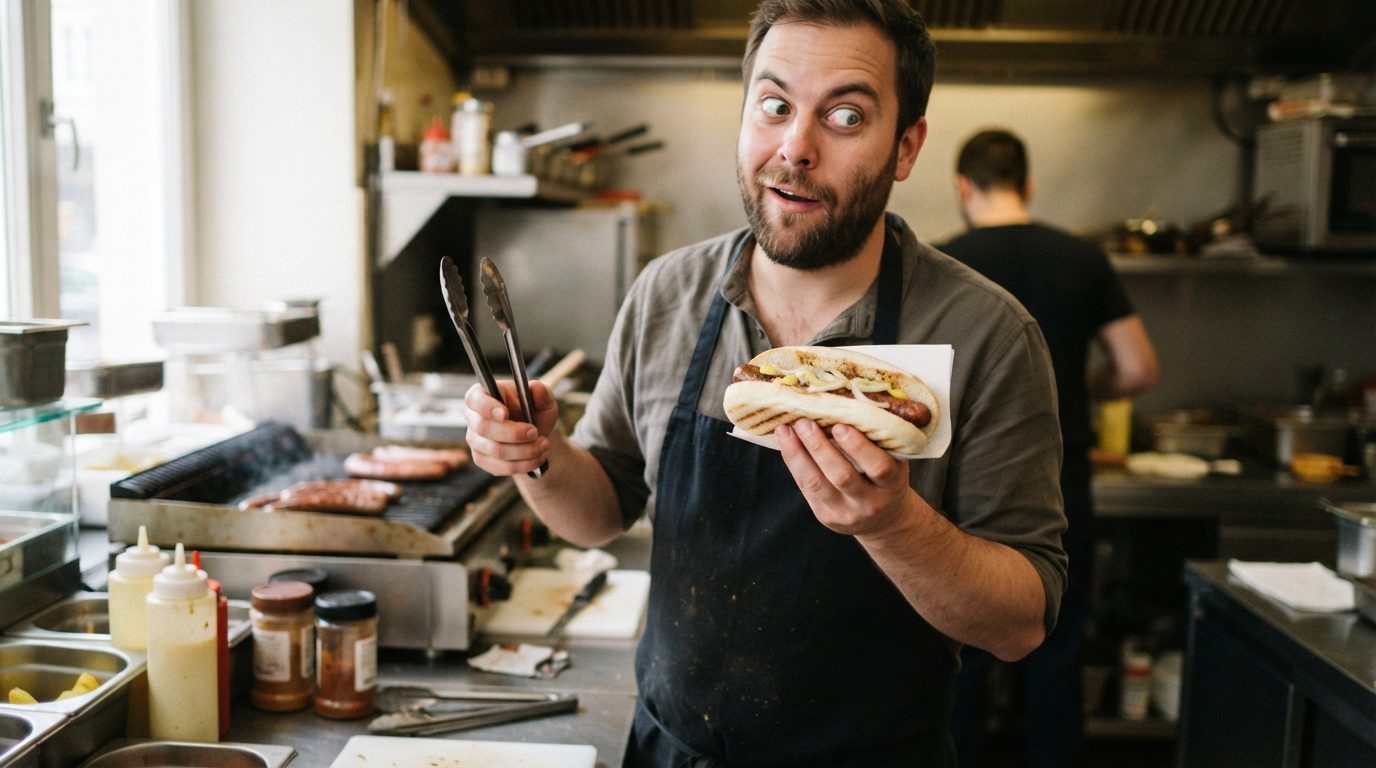
Jason's position is deliberately personal: ten years, fifty states, zero ketchup. That is a long running hot dog research claim and a point of view, not a demand that every reader surrender their condiment drawer at noon.
The Creamy Topping Needs Something to Fight
Mayo earns its spot by bringing richness, coolness, and a smooth texture that can calm sharper ingredients. On its own, it can taste mild and feel heavy. Give it mustard, pickled vegetables, raw onion, jalapeño, cabbage, crisp chips, or a smoky grilled topping, and it has an actual opponent in the ring.
A useful side by side tasting
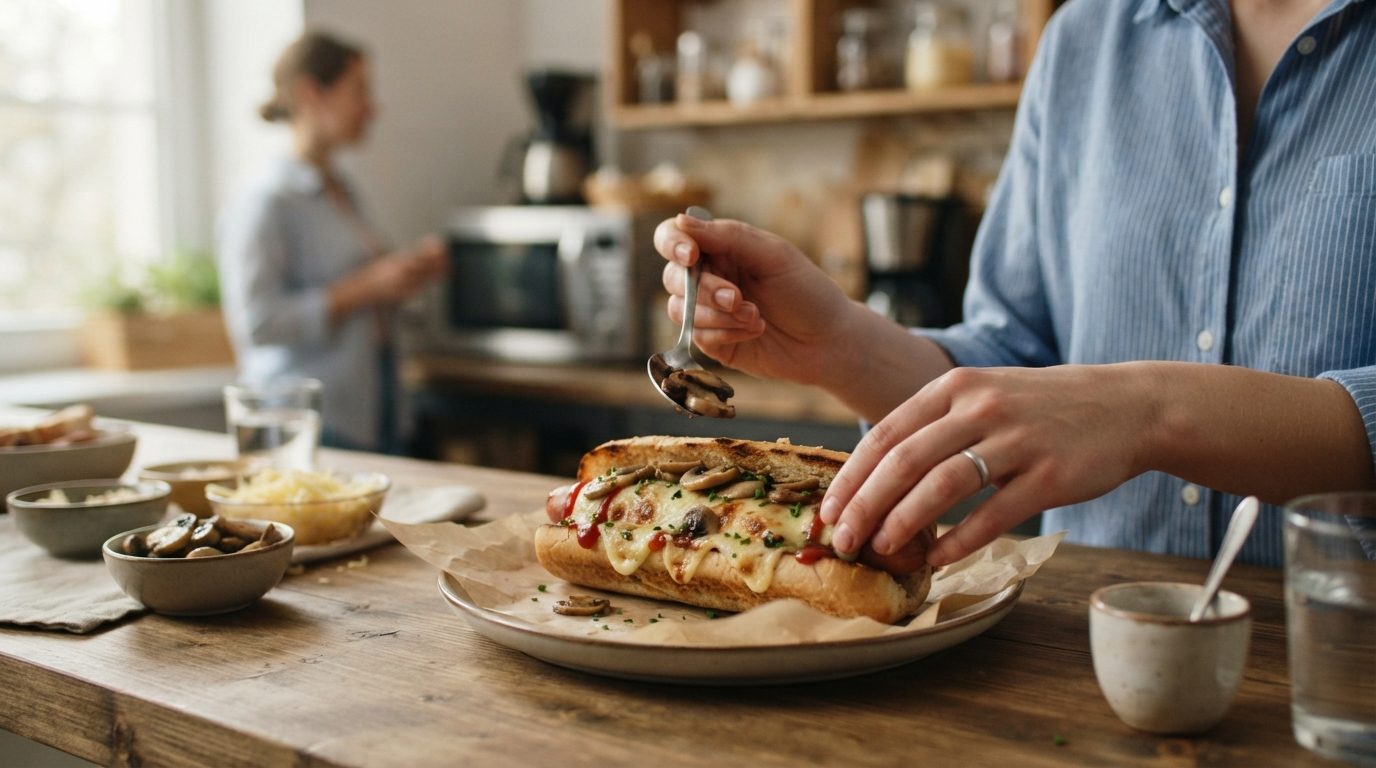
Try a thin layer of mayo with mustard and pickled peppers on one dog. Try mayo on a plain dog with the same sausage and bun on another. The first build gives the mayo acid, spice, and tang to soften. The plain version tells you whether you enjoy mayo's flavor with that sausage at all. Neither result is a moral referendum on your character.
There is no need to pretend every successful pairing is a national tradition. Some combinations are tied to a particular city or shop. Others are simply a good idea on a Tuesday.
Regional Hot Dog Traditions Make the Internet Argument Messier
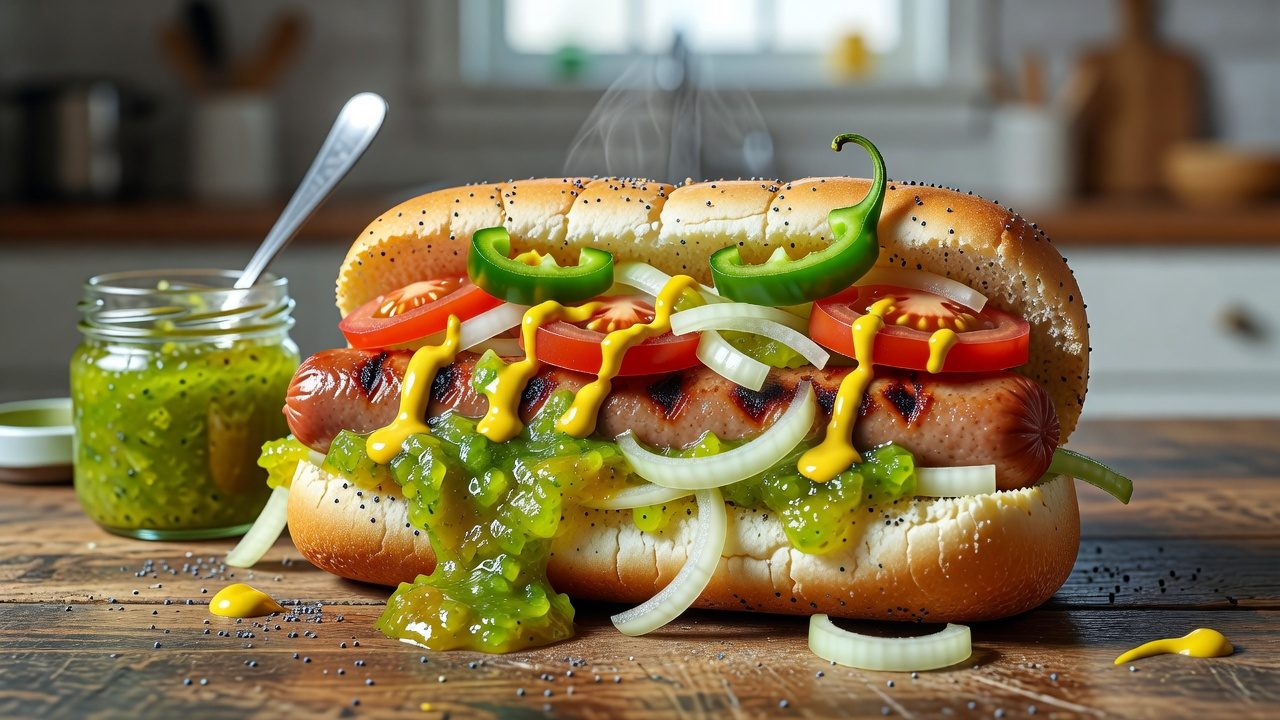
Local hot dog traditions matter because a familiar build can carry real food identity, but no city gets to issue a universal condiment passport. Chicago style hot dogs are widely recognized for an assembled set of toppings that includes yellow mustard, onion, relish, tomato, sport peppers, pickle, celery salt, and a poppy seed bun. Adding mayo changes that specific composition, which explains why the question can feel bigger than one spoonful of white sauce.
That does not make mayo forbidden everywhere else. It means that when you order or recreate a named Chicago style dog, the established build is part of what you are choosing. A hot dog made in your own kitchen with char, pickles, and mayo is not trying to pass a citizenship test. It is trying to be delicious.
For a documented discussion of common hot dog serving conventions, see the National Hot Dog and Sausage Council's hot dog etiquette page.
The Bun Is a Structural Engineer With Feelings
Bun design decides whether mayo feels luxurious or whether it slides beneath the sausage and turns the whole operation into a napkin emergency. A soft bun absorbs moisture quickly, while a toasted bun has a little more resistance and a steamed bun brings its own soft, warm character.
For a sturdy home build, spread a thin layer of mayo inside the bun, add a crisp or acidic topping, then set in the sausage. Put wetter toppings above the sausage when possible, rather than creating a sauce pond underneath it. The bun is not a plate, but it is doing more work than people admit.
Keep the layers from going squish first
- Use mayo sparingly at first. You can add more, but you cannot uncollapse a bun.
- Put crisp toppings close to the mayo so they stay put and provide texture.
- Keep pickled vegetables drained enough to taste bright without flooding the bread.
- Choose a bun that fits the sausage instead of forcing a wide, loose bun to do acrobatics.
Three Mayo Builds That Can Defend Themselves
These builds give mayo a clear job, which is the bare minimum before inviting it onto a hot dog.
Smoky mustard pickle dog
- Sausage style: A grilled or charred frank with visible smoky flavor.
- Bun choice: A lightly toasted bun.
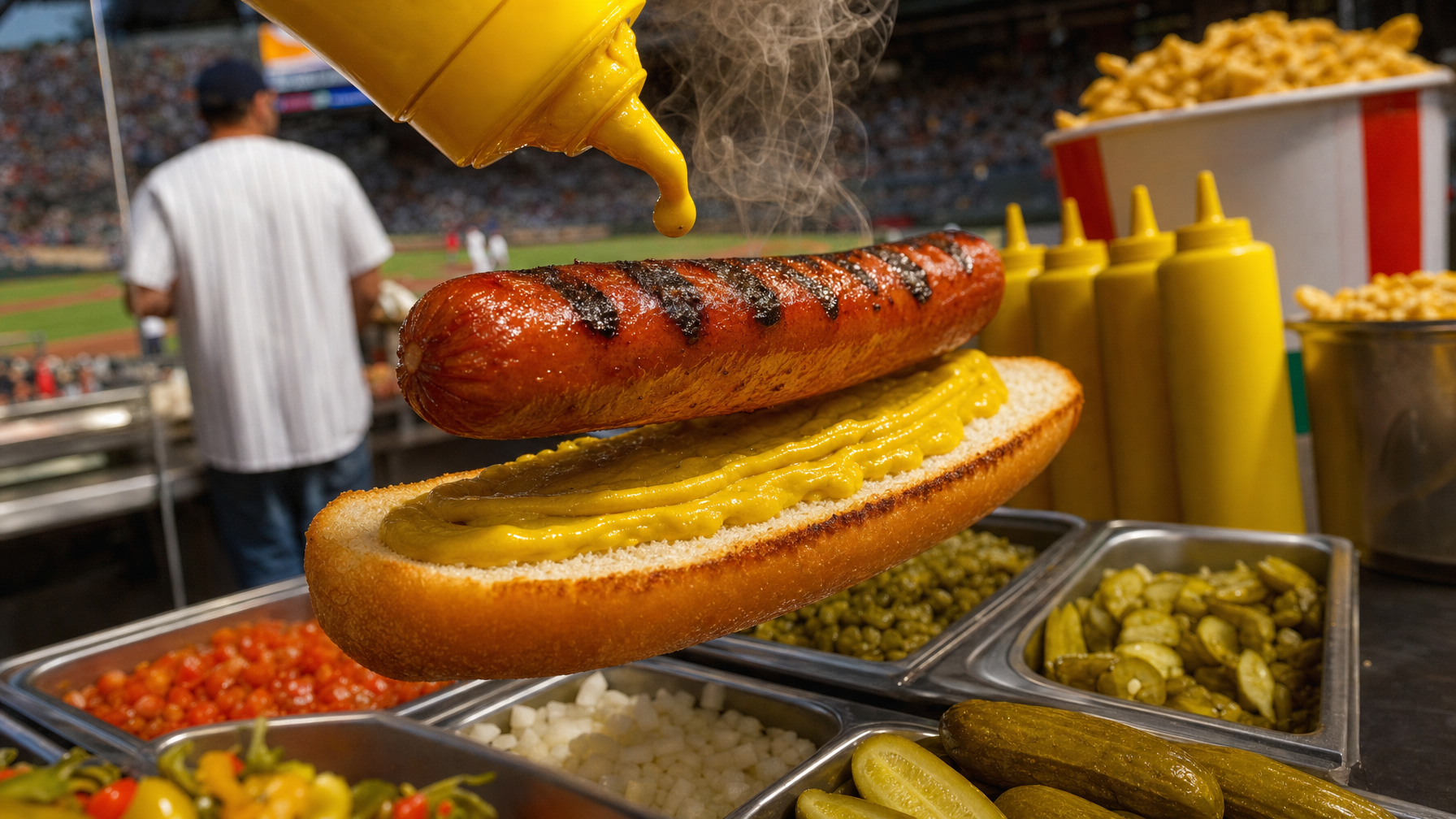
- Topping order: Thin mayo layer, sausage, yellow or brown mustard, then chopped pickles or pickled peppers.
- Texture goal: Warm snap against cool creaminess and sharp crunch.
- Why mayo belongs: It rounds out the smoke and mustard without erasing either one.
Bright pickle and herb dog
- Sausage style: A simply seasoned frank.
- Bun choice: A soft bun that is fresh and dry inside.
- Topping order: Thin mayo layer, sausage, chopped pickled vegetables, fresh herbs, then a small amount of a sharper sauce such as mustard.
- Texture goal: Cool, crunchy, tangy, and fresh.
- Why mayo belongs: It gives the herbs and pickles a creamy base without claiming some costume of regional authenticity.
The no camouflage mayo test
- Sausage style: Choose a frank you already enjoy plain.
- Bun choice: A warm bun with enough structure to hold the sausage.
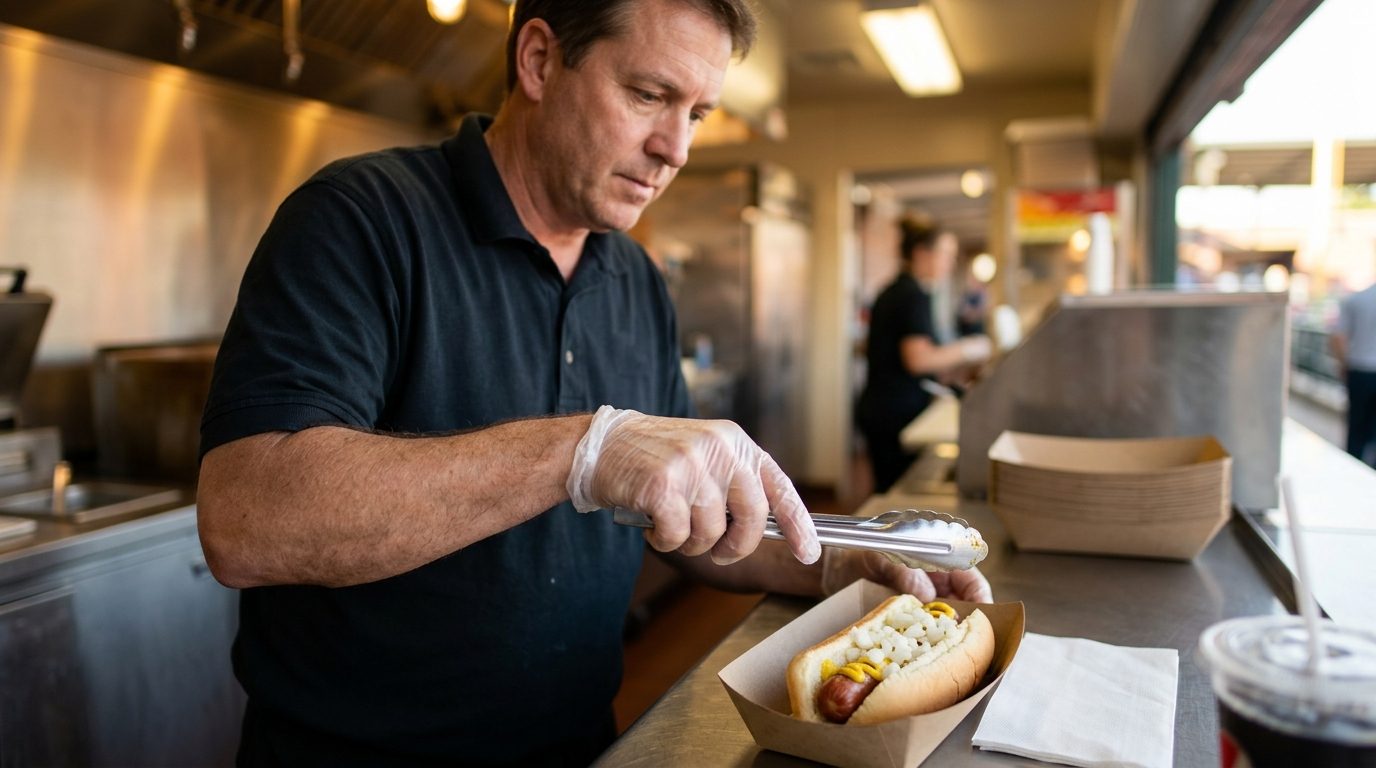
- Topping order: Spread a very thin line of mayo, then add the sausage. Stop there.
- Texture goal: Let the sausage, bun, and mayo speak without a brass band of toppings.
- Why mayo belongs: This is the cleanest way to decide whether you like the pairing before giving it a pile of decorative excuses.
When Mayo Turns the Dog Into a Slippery Argument
Mayo fails when there is too much of it, the bun is already wet, several soft toppings arrive at once, or the sausage lacks enough smoke, salt, or snap to stand up to the sauce. What reads as hatred of mayonnaise may actually be a valid objection to portion and texture.
Jason's verdict: Mayo is not forbidden, but it has to earn its real estate on the bun. If it makes the hot dog richer while preserving contrast, fine. If it turns every bite into cold beige mush, send it back to the sandwich department where it can think about what it did.
The Social Media Fight Needs a Better Question
The better question is not whether mayo is allowed. Ask what it adds to this particular hot dog. Condiment debates easily become identity debates because people often connect familiar food combinations to home, routine, and local pride. That feeling is real, even when the argument is happening over a frankfurter wearing too much sauce.
Use this tasting prompt when a build looks controversial:
- Name the dog and its sausage style.
- Identify the dominant texture: crisp, soft, juicy, smoky, or creamy.
- Remove one topping in your mind.
- Decide whether the mayo adds contrast, cohesion, or only bulk.
Bad hot dog construction deserves criticism. Mayo deserves an actual trial before the jury starts throwing pickle spears.
Try the Build Before You Start a Condiment War
Make one mayo based hot dog at home with a smoky sausage, a thin mayo layer, mustard, and one crisp or pickled topping. Then follow @jasonsgrub on Instagram for Jason's ongoing hot dog finds, recipes, and food culture coverage.
Photo brief
Show one real hot dog in a bun with a visible thin mayo layer, mustard, and crisp pickled toppings. Keep the sausage and toppings large in the frame so the mayo based combination is obvious. Do not use a generic condiment jar as the subject.
FAQ for People Holding the Mayo Jar Over the Bun
These are the useful questions to settle before the squeeze bottle gets involved.
Is mayonnaise traditionally used on hot dogs?
Mayonnaise appears in some combinations and serving contexts, but personal preference is not the same thing as a documented local tradition. If you are ordering a named style from a particular place, respect the established build. If you are making a dog at home, build with intention.
What toppings balance mayonnaise on a hot dog?
Crisp, acidic, spicy, smoky, or sharply seasoned toppings can give mayo contrast. Mustard, pickled vegetables, raw onion, jalapeño, cabbage, and charred sausage are useful starting points. Several soft and wet toppings can make the build feel heavy.
Should mayo go on the bun or the sausage?
A thin layer on the bun gives even coverage and helps hold crisp toppings in place. A drizzle over the sausage creates a more obvious visual and textural hit. Choose based on whether the rest of the toppings need an anchor or a finishing touch.
Does Jason think mayo belongs on every hot dog?
No. Jason's no ketchup stance is part of his personal point of view. Mayo is a conditional choice, not a universal commandment. It belongs when it improves the build.
What should I try first if I am skeptical?
Start with a smoky dog, a thin layer of mayo, mustard, and one crisp or pickled topping. Each ingredient has a distinct job, so you can tell whether mayo helped rather than blaming it for a crowded mess.
Sources Worth Checking Before You Open the Condiment Drawer
These sources provide broad hot dog background, documented serving conventions, and food safety information for condiments.
Enjoyed this? There's more from Jason's Grub.
Follow on Instagram →