I Opened Instagram on National Hot Dog Day and Lost 47 Minutes to Bun Technology
For hot dog enthusiasts and food-culture readers, Instagram's most persuasive hot dog content is not necessarily attached to the biggest audience. It is the post where the bun, snap, toppings, texture, and setting look so good that you begin plotting a food crawl before remembering you opened the app for one quick scroll.
I Opened Instagram on National Hot Dog Day and the Bun Started Showing Off
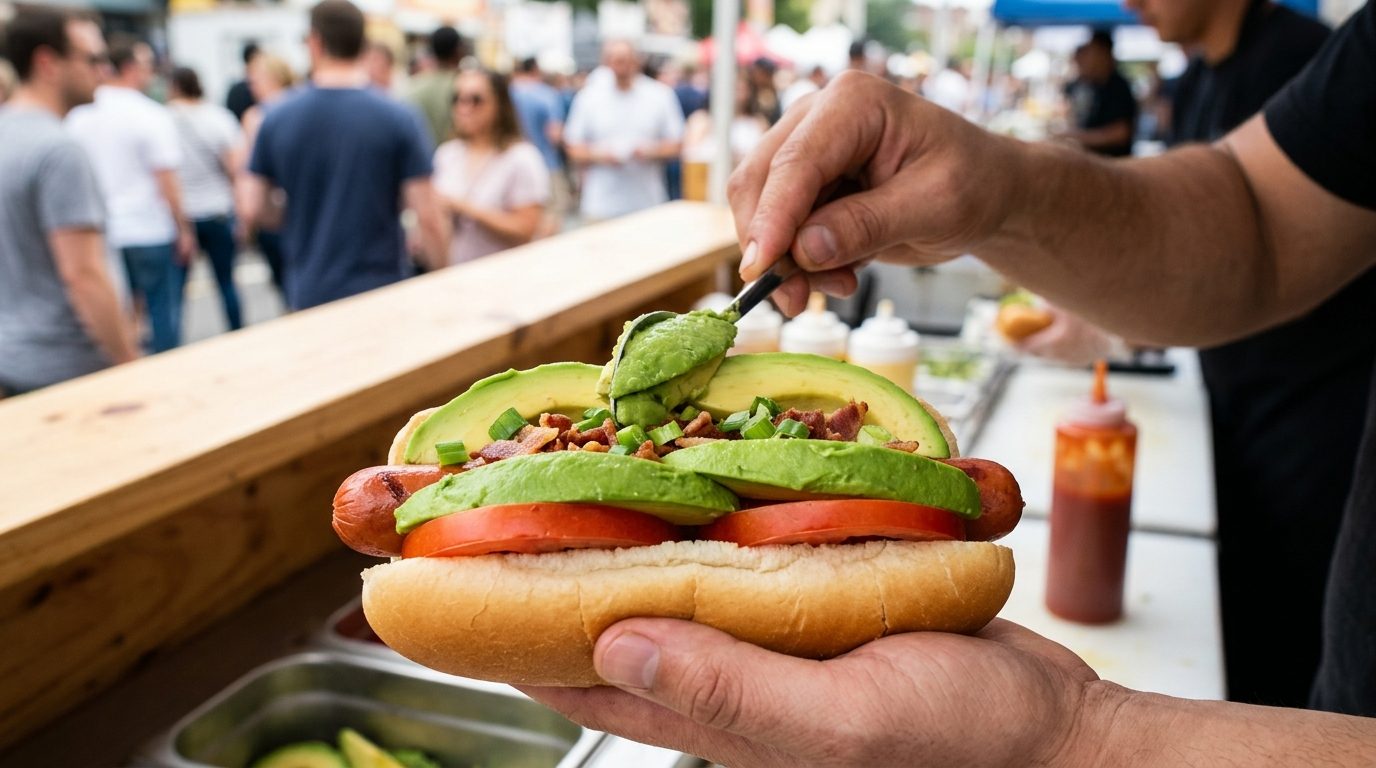
Let us be clear: the 47-minute scroll is a premise, not a platform-wide trend report, a ranking, or a cry for help. It is what happens when a hot dog photo gets the important stuff right. Not merely a sausage under a landslide of toppings, but a readable little construction project with enough personality to make dinner plans feel suddenly inadequate.
Jason comes at this with ten years, 50 states, and zero ketchup. That is a stated personal research habit and an editorial position, not a laboratory credential. His preference is for hot dogs that look carefully built: a sausage you can see, toppings with a job, and a bun behaving like it paid rent to be there.
This is for people seeking specific hot dogs, products, recipes, and places worth pursuing. It is not social-media growth advice. Nobody needs another sermon about posting schedules while a toasted bun is trying to tell a compelling story.
The Follower Count Can Sit This One Out
A large audience may indicate that lots of people saw a post. It does not automatically mean the hot dog in that post looks delicious, distinctive, or worth crossing town for. That is not a scientific assessment of Instagram performance. It is Jason's editorial lens, and it has very little patience for popularity as a substitute for appetite.
A beautifully framed dog from a small account can be more persuasive than a crowded feed that never shows whether the sausage has any texture at all. If the photo makes the toppings look like wet confetti and the bun like an afterthought, the audience size is beside the point.
Ask better questions before you save the post
- Can you see the texture? A good image makes room for char, casing, steam, toasted crumb, or the rough edge of a properly chopped onion.
- Does the bun look intentional? It should suit the dog rather than merely contain the evidence.
- Is the build distinctive? There should be a reason this particular combination exists beyond adding every available condiment.
- Does it create curiosity? The useful question is not, “Would this get likes?” It is, “What is that, and where do I get one?”
That last question is the whole ballgame. The best food image starts a small investigation.
Bun Technology Has Entered the Chat
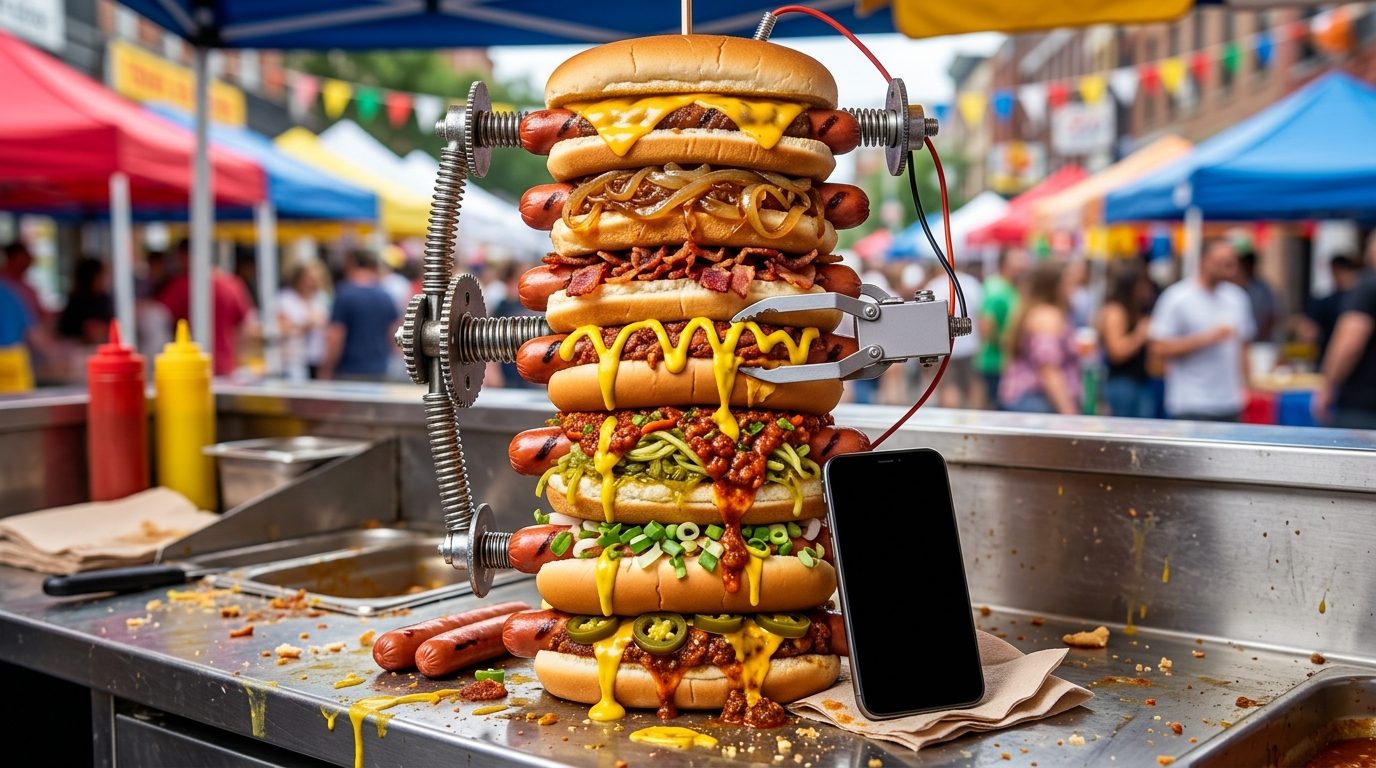
Bun technology is a playful name for the visual and physical decisions that make the bun part of the hot dog experience. Its shape, split, softness, toast level, structure, and relationship to the sausage all matter. Calling it technology may sound dramatic, but so does watching a limp bun surrender halfway through a bite.
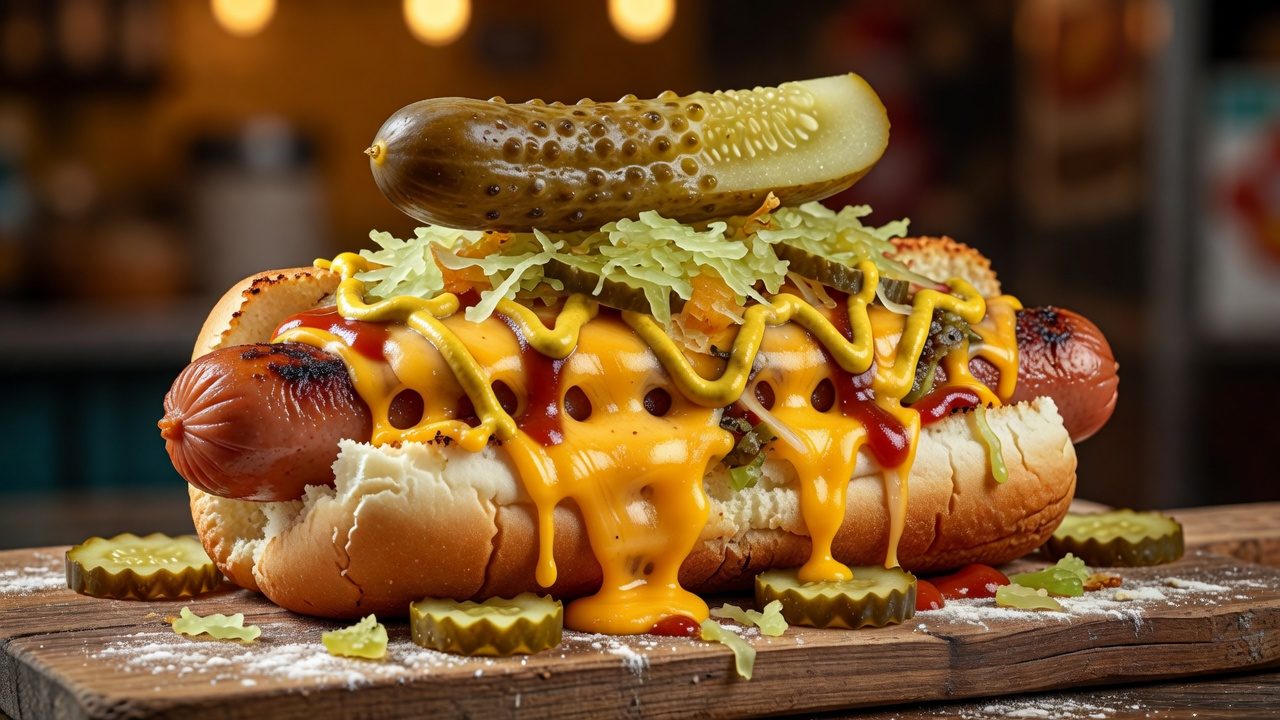
A New England-style split-top bun can hold a different posture than a side-split bun. A toasted interior can add color and a little structural confidence. A sturdier bun can support a generous build. A soft bun beside a snappy sausage can create deliberate contrast. None of these choices is automatically superior. They are choices, which is already more exciting than bun nihilism.
What a bun close-up can reveal
- A narrow split that keeps the sausage visible rather than hiding it.
- Golden toast marks that suggest crunch or warmth without turning the bread into a crouton.
- A soft, compressed edge that promises a properly messy bite.
- A substantial cradle for toppings that would otherwise escape and begin their own food crawl.
Jason's opinion is uncomplicated: the bun is not packaging. It is a co-star. On a good day, it is shamelessly stealing the scene.
The Five-Second Hot Dog Test: Would You Actually Go There?
Give a hot dog post five seconds. Not to judge its creator's worth as a human, obviously. Just to decide whether the image offers enough evidence to make you seek out the address, recipe, or product name.
- First impression: Does the dog look appealing at a glance, or is it visually exhausted before you zoom in?
- Bun detail: Can you tell whether the bread is soft, toasted, split-top, sturdy, or trying to escape the assignment?
- Sausage texture: Is there visible char, a taut casing, a clean bite, or another clue that this is more than a blurry tube?
- Topping logic: Do the toppings provide contrast and purpose, or have they formed an indistinguishable pile?
- Sense of place: Does a counter, tray, wrapper, grill, street scene, or dining-room detail make the food feel connected to somewhere real?
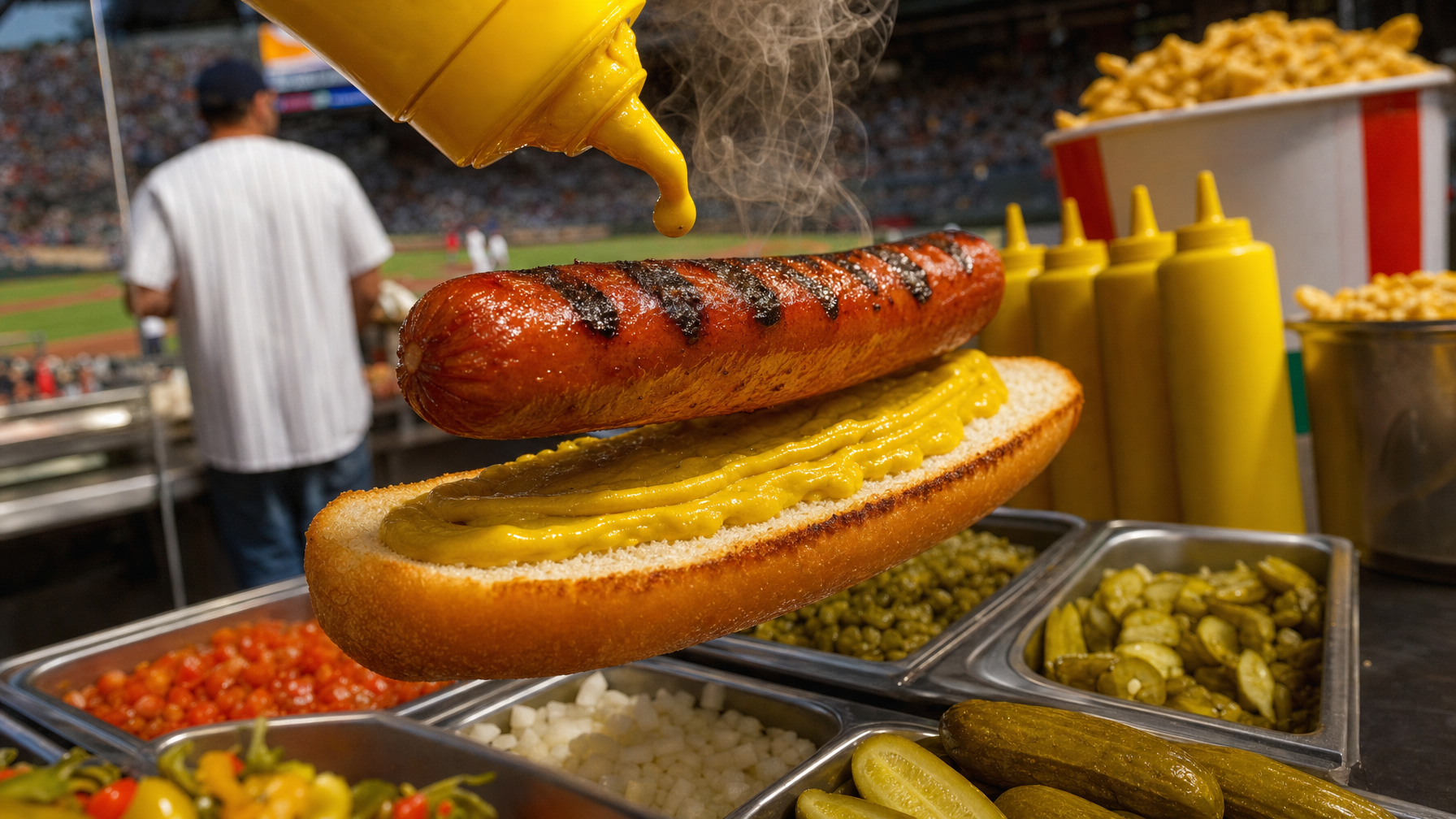
Useful images show more than toppings. They let you imagine scale, structure, and the first bite. A clean cross-section can reveal bun-to-sausage proportion. A close view of a casing can suggest snap. Steam can make a photo feel immediate. Restrained mustard can draw a bright line across the build. A counter in the background can signal that this is a destination, not a mystery object floating in beige light.
The winning image is not the one that chases likes. It is the one that makes you want the coordinates.
No Ketchup, No Apologies, Better Contrast
Jason's zero-ketchup stance is the editorial spine here. It is not a universal topping law, and nobody is being issued a condiment citation. It is simply a clear preference: a dog often looks more defined when mustard, relish, onions, char, toasted bread, and other contrasting elements get room to speak.
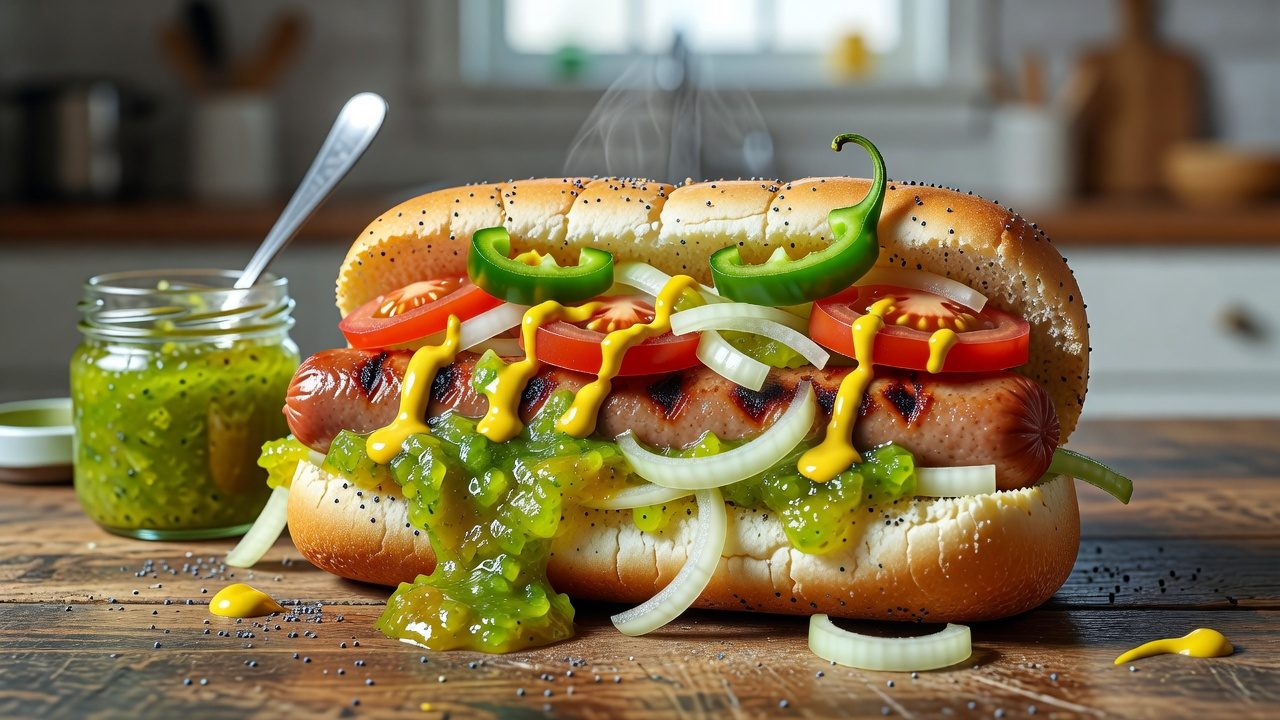
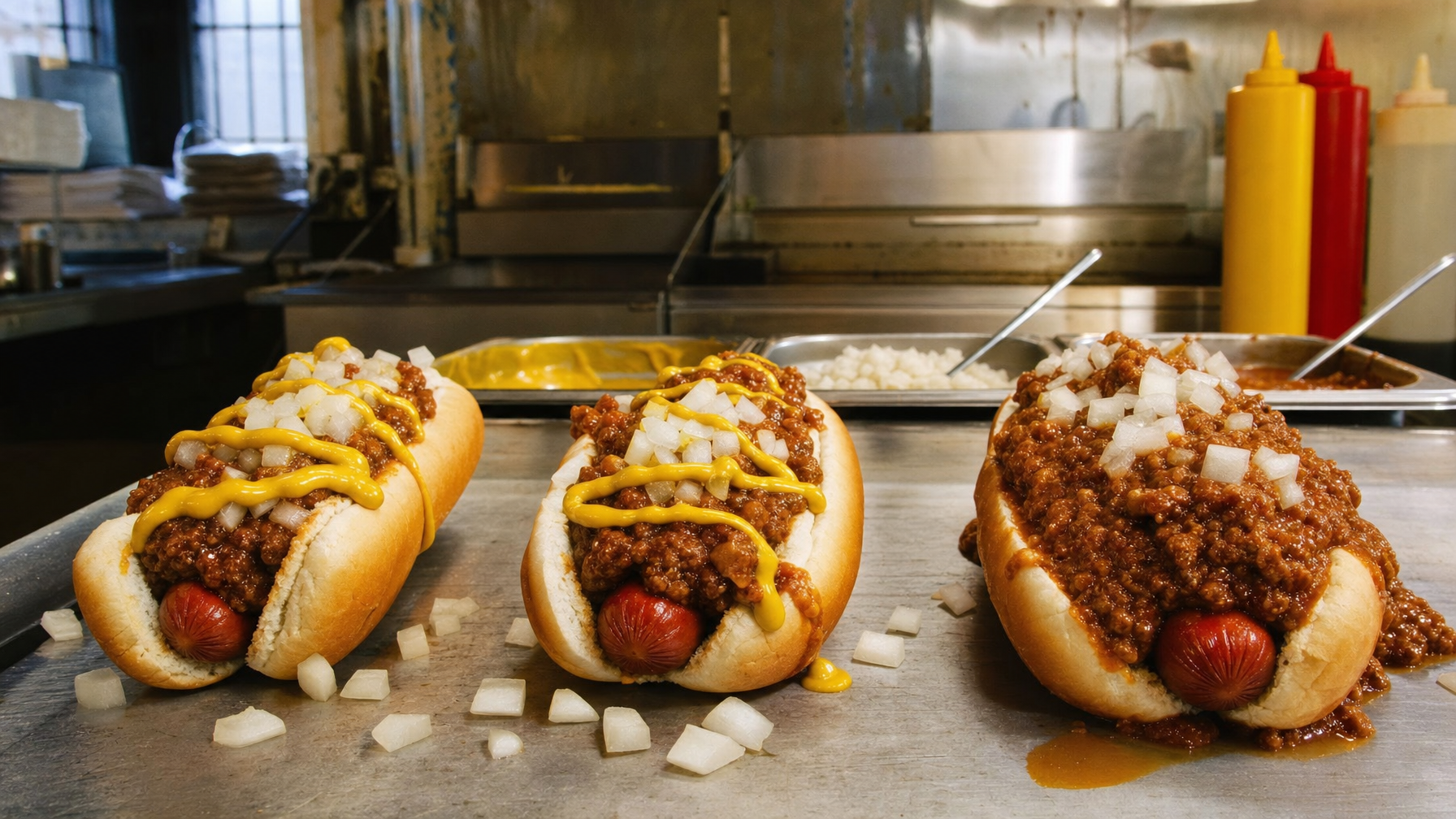
Contrast works visually and at the bite level. Bright mustard can make a photograph feel awake. Relish can provide color. Chopped onions add texture. Char adds depth. Toasted bread gives the whole thing a border and a point of view. The goal is not to force every dog into a single style. The goal is to avoid the visual fate of becoming one glossy, unidentifiable mound.
Topping preferences are opinion, full stop. Some readers will disagree with the no-ketchup rule, and that is fine. Debate is part of the fun. Jason's position is specific, debatable, and much more memorable than pretending every squeeze bottle deserves equal billing.
The Posts That Made the Scroll Worth Losing
Forget account rankings. The images worth lingering on tend to fall into a few visual categories, each with a different job. For any imagined post, use the same editorial prompt: What is this dog? Where is it? What makes it different? Why should I care before the next scroll?
Bun close-ups that refuse to be background scenery
These shots should show the bread's split, softness, toast, or structure. They should prompt a useful question: Is that bun built for this sausage, or could it be swapped for any other piece of bread without anyone noticing? A good bun photo makes the answer obvious.
Dramatic cross-sections with actual evidence
A cross-section can reveal the sausage, the bun's thickness, the topping distribution, and whether the build holds together. The question it creates is simple: What will that first bite be like? If the cut reveals a crisp casing or a thoughtful proportion of bread to filling, even better.
Place-driven shots that include the room
A tray on a counter, a paper wrapper, a grill in motion, or a recognizable bit of a dining space can give the dog context. The question becomes: Is this somewhere I want to visit, not just something I want to stare at? Food is more persuasive when it belongs somewhere.
Ingredient contrast that knows when to stop
These images make color, texture, and shape legible. Think a stripe of mustard against a browned sausage, crisp onion against a soft bun, or a deliberate topping layer that does not conceal the main event. The question: Can I identify what is happening here, and do I want that combination?
Build demonstrations that earn the extra second
A sequence showing the dog moving from grill to bun to toppings can reveal intention. It should answer: What is the order, and why does it matter? This is especially useful for a recipe or a build readers might try at home, because a finished glamour shot cannot explain every structural decision.
A Great Hot Dog Image Needs a Destination, Not Just a Tan Line
A bronzed sausage looks nice. A bronzed sausage connected to a real next step is better. The most compelling hot dog post can lead a reader toward a place to eat, a product to buy, or a recipe to attempt at home.
Destination content points toward somewhere a person can visit for the full experience: the counter, the grill, the neighborhood, the particular meal. It belongs naturally alongside food-crawl thinking, where the dog is part of a real outing rather than a detached beauty shot.
Product content answers a different question: what can I actually acquire? A packaged sausage, bun, condiment, or other hot dog ingredient can be useful when its current availability is verified. Recipe content offers a third path, giving readers enough practical detail to recreate a style at home.
Any finished recommendation should use only verified, current details about places, products, and availability. Appetite is wonderful. Sending someone on a wild goose chase for a vanished dog stand is not.
Jason's Final Verdict: Give Me the Bun Close-Up
The best hot dog post makes the food legible, distinctive, and worth pursuing without a follower-count scoreboard. Show the texture. Show the construction. Show enough personality that a viewer can understand why this dog exists and what they should do about it.
Visual craft beats empty hype. A bun close-up, a little char, a visible snap, and toppings that know their lines will do more work than a giant audience ever can.
For more of Jason's hot dog observations, follow @jasonsgrub on Instagram.
Forty-seven minutes is a reasonable sacrifice when the bun has this much to say.
FAQ: Before You Lose Your Own 47 Minutes
Is this article ranking Instagram hot dog accounts?
No. It is an editorial look at visual ideas and what makes a hot dog image persuasive. It does not rank accounts by follower count or name accounts without verified examples.
What does bun technology mean here?
It is a playful term for the bun's structure, texture, toast, shape, split, and role in the overall build. The bun affects both the look of the dog and the bite.
Does Jason's no-ketchup stance mean other toppings are required?
No. It is Jason's stated editorial position, not a mandatory topping rule. The larger point is that visible contrast and intentional construction usually make a hot dog more interesting to look at and eat.
What makes a hot dog photo worth saving?
It should reveal enough detail to make the dog distinctive: the bun, sausage texture, topping logic, scale, and ideally some clue about the place, product, or recipe behind it.
Where can I see more of Jason's hot dog commentary?
Follow @jasonsgrub on Instagram for more hot dog culture, places, products, recipes, and visual observations.
Enjoyed this? There's more from Jason's Grub.
Follow on Instagram →