Char, Steam, or Griddle? Pick the Right Heat for the Dog You Actually Bought
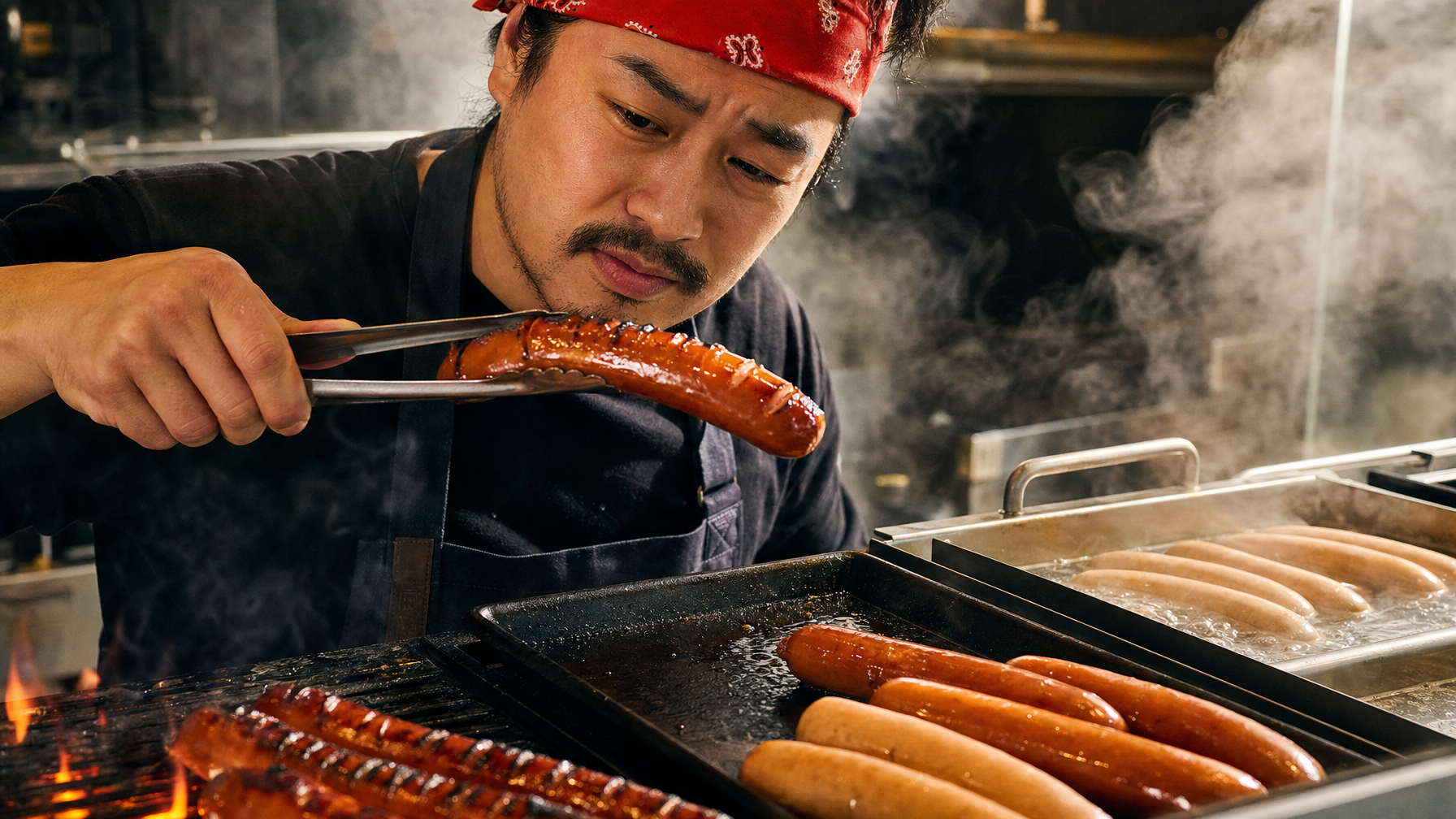
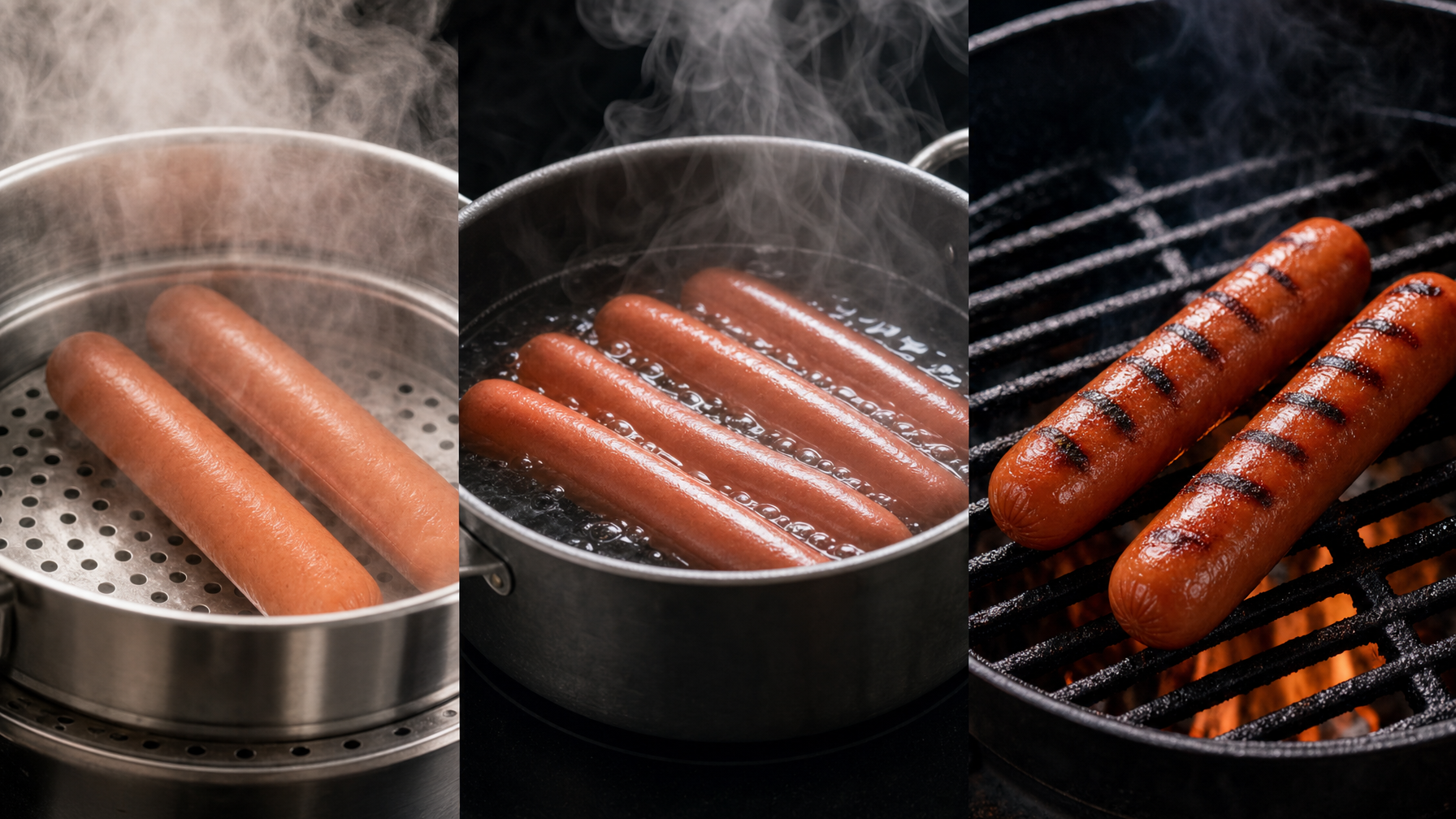
The short answer: steam for a plump, delicate dog; griddle for browned edges and a crisp snap; char for smoke, blistering, and maximum backyard drama. Pick heat based on the hot dog you actually bought—its casing, size, fat, seasoning, and whether it is already cooked—not because a grill is standing there looking smug.
For anyone staring at a hot-dog package like it contains a personality test
This is for hot-dog obsessives and food-culture civilians who want a particular product to taste better, not another one-method-fits-all sermon. A skinny skinless frank and a hefty natural-casing beef dog do not need the same pep talk from a grill.
Jason’s position comes from ten years, 50 states, and zero ketchup: let the dog’s texture and flavor choose the heat. That is not a universal law handed down from Mount Mustard. It is a very useful opinion, backed by the obvious fact that gentle heat, a hot griddle, and live fire create genuinely different dogs.
Use the decision tree below to choose steam, griddle, or char without forcing every frank into the same tiny pair of grill marks.
Steam is for the juicy introvert who hates unnecessary drama
Steaming means warming a hot dog with gentle, moist heat—above simmering water or in a steamer—rather than browning it in a pan or exposing it to flame. It heats evenly without adding smoke, crust, or dark color.
Steam is a strong choice for standard-sized, plump, delicate, or aggressively seasoned dogs when moisture and a clean, uncluttered flavor matter more than a bronzed exterior. It is also friendly to dogs whose casing you would rather not rupture in pursuit of theater.
The result is soft casing, a juicy center, and an easy path to warming the bun at the same time. That last part is not trivial. A steamed dog in a cold, cottony bun is an avoidable little tragedy.
Give steam a job, not an eternity
- Bring a small amount of water to a simmer; do not stage a rolling-boil cage match.
- Set the dogs in a steamer basket or otherwise hold them above the water.
- Warm until heated through, following package guidance for the product and its starting state.
- Warm the buns briefly near the steam if a soft bun suits the build.
- Serve promptly rather than leaving the dogs submerged or steaming indefinitely.
Steaming is not boring. It is the method that refuses to put charcoal-flavored eyeliner on every hot dog.
The griddle is where a mild-mannered dog discovers a crispy little ego
Griddling cooks the dog by direct contact with a hot, flat surface, usually with a small amount of cooking fat or fat rendered by the dog itself. That contact builds browning and gives the exterior more bite.
This is the dependable move for classic beef, pork, and mixed-meat dogs; thicker franks; and products that need a little surface swagger. A griddle can turn an otherwise plain dog into something nutty, savory, and audibly more interesting.
The tradeoff is straightforward: browning concentrates flavor, but it does not produce the soft, uniformly juicy effect of steam. Push the heat too hard and the casing can split before the middle is warm. Congratulations: you have made a tiny meat volcano.
Brown it with intent
- Preheat a skillet, plancha, or griddle over moderate heat.
- Add only enough fat to prevent sticking if the dog is lean or the surface needs it.
- Place the dogs on the hot surface and turn them regularly for even color.
- Keep the heat moderate enough that the center can warm before the casing fails dramatically.
- Remove once heated through and browned to your preferred level.
Whole dog or lengthwise split?
- Whole: preserves the casing and gives a more traditional bite, with browning around the outside.
- Lengthwise split: creates a broad browned face and extra crisp edges, but changes the bite and exposes more interior to drying.
Neither choice is morally superior. Whole is better when you care about a clean snap; split is for the days when browned surface is the point.
Char is for sturdy dogs with enough personality to survive the flames
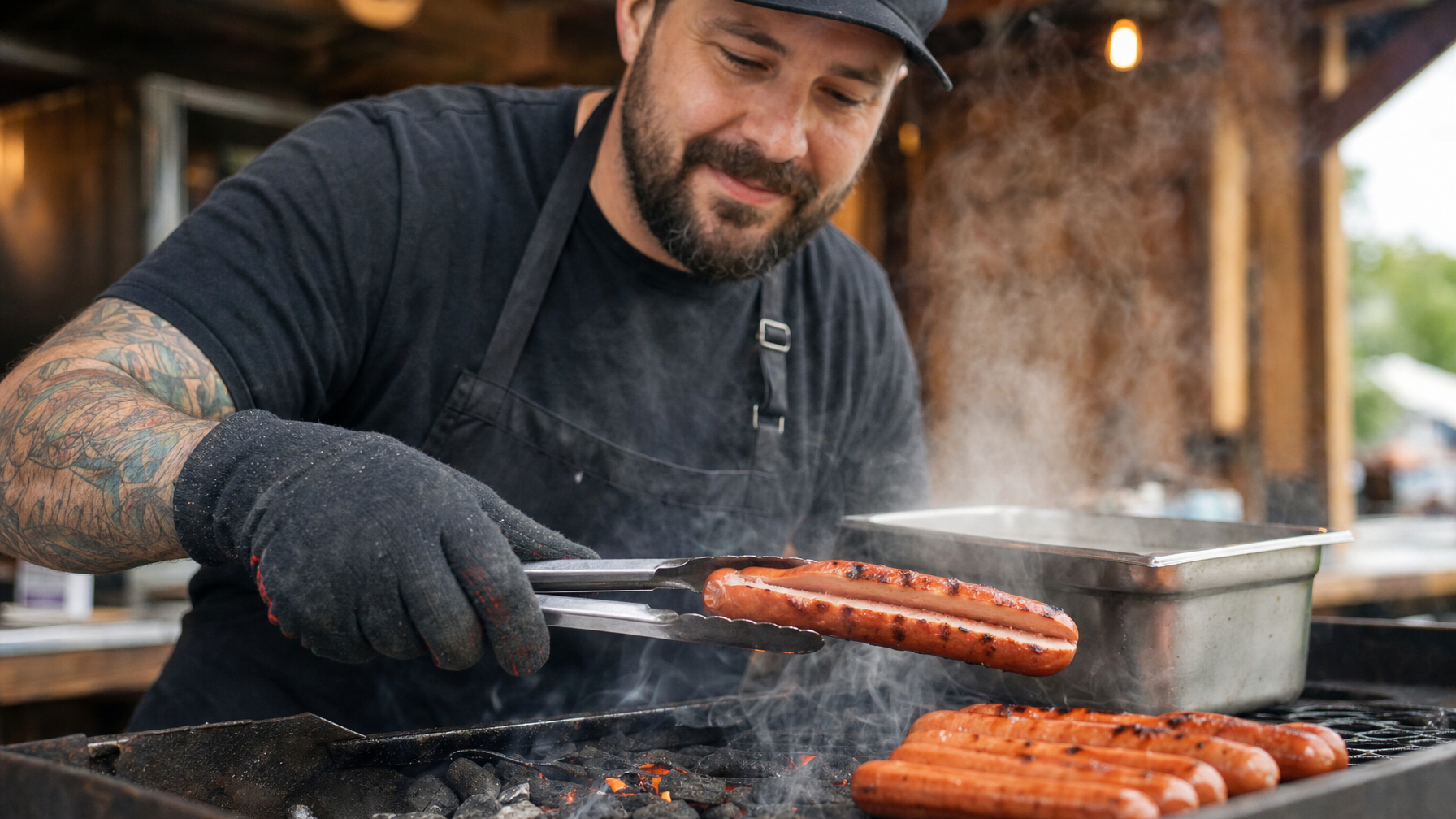
Charring uses high, dry heat from a grill or open flame to add smoke, blistering, and darkened surface flavor. It is the loudest method on the list, which is precisely why it is wonderful when the dog can take it.
Reserve char for robust dogs with assertive seasoning, firmer casings, or enough fat to stay appealing under intense heat. A sturdy beef dog may welcome that smoky edge. A delicate, lightly seasoned frank may emerge tasting less like itself and more like someone dropped it behind a campfire.
Char offers the biggest flavor payoff and the biggest opportunity for self-sabotage: burnt casing, dry edges, flare-ups, and a center that gets overheated while you chase photogenic black stripes.
Use a hot zone and an escape route
- Heat the grill so there is a hotter direct-heat area and a cooler area.
- Start the dog over direct heat only long enough to begin blistering and browning.
- Rotate it often; a hot dog is small, and neglect moves fast.
- Move it to the cooler zone if the exterior darkens faster than the center warms.
- Serve when heated through, smoky, and savory—not when it tastes like a campfire filing a complaint.
Dramatic black marks are not automatic evidence of a better dog. Char is a seasoning decision, not a scoring system.
The casing is the real boss of this whole operation
If you remember one thing, make it this: the casing has opinions.
- Casing-on dogs: Often reward gentler handling when a clean snap is the goal. Aggressive heat can split the exterior and spill juices before the first bite.
- Skinless dogs: Can brown quickly on a griddle, but need attention because they lack a casing’s protective barrier.
- Thicker dogs: Need time for the center to heat before the outside overbrowns. Moderate griddle heat, steam, or a grill’s cooler zone can help.
- Thinner dogs: Travel from ready to wrinkled with alarming speed. Stay nearby.
If the package provides cooking instructions, use those as the baseline for safe preparation. Then choose steam, griddle, or char to shape the texture and flavor. The label handles the product-specific reality; your heat choice handles the deliciousness.
Ask three questions before the pan, pot, or grill gets involved
1. Is this dog delicate or strongly flavored?
A plump, subtly seasoned dog generally points toward steam, where its own flavor stays in focus. A strongly seasoned, meaty, or rich dog can stand up to griddle browning or smoke from the grill.
2. Do I want softness, browning, or smoke?
| What you want to eat | Best starting method | What it delivers |
|---|---|---|
| Juicy and soft | Steam | Gentle warmth, tenderness, clean flavor |
| Browned and snappy | Griddle | Caramelized notes, crisp exterior, more texture |
| Smoky and blistered | Char | Grilled flavor, darkened spots, backyard drama |
3. Is the casing fragile, firm, or absent?
A fragile casing suggests gentler heat. A firm casing can tolerate more contact and may welcome the griddle. A skinless dog can brown beautifully, but it does not have much armor, so do not wander off to debate pickle philosophy while it cooks.
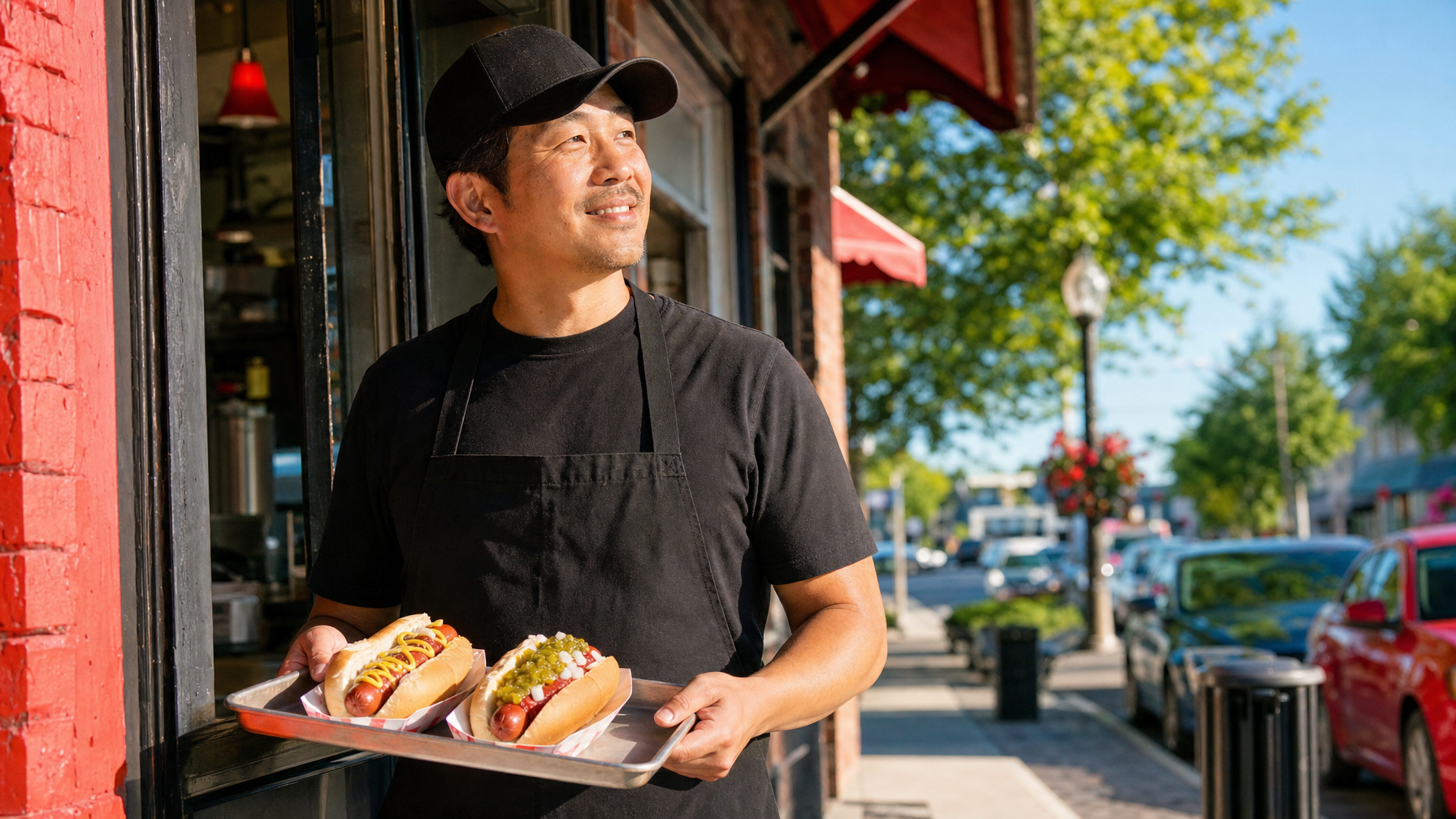
The serving style also gets a vote. A heavily dressed dog can benefit from steam’s cleaner, softer foundation. A minimal build—perhaps mustard and onions—leaves room for griddle browning or grill smoke to do some actual talking.
Heat does not get to excuse a bad bun or a topping pileup
Match the bun to the dog you made. Steam calls for a soft, lightly warmed bun. A griddled or charred dog can handle a more toasted bun, which brings enough structure to meet the extra texture.
Keep toppings proportional. If you worked for a crisp casing or a smoky surface and then bury it under a wet mountain of miscellaneous crunch, you have not built a hot dog; you have started a small excavation project.
Taste the dog with minimal toppings first. Then make the final build around what is already there: mustard, relish, onions, or another appropriate topping can support the product’s flavor rather than erase it. Jason’s zero-ketchup stance is firm, famous in this corner of the internet, and absolutely a brand opinion—not a binding international treaty.
Final ruling: let the dog choose its outfit
Steam when moisture and tenderness lead the agenda. Griddle when browned edges and a crisp exterior are the prize. Char when the dog can handle smoke and you specifically want a grilled flavor profile.
The best cooking method is not a loyalty test. It is the one that makes this particular hot dog taste most like itself, only better. Start gentle when a product is unfamiliar; you can always add more aggression next time, but you cannot un-burn a casing.
For more specific hot-dog finds, recipes, and place-based opinions, follow @jasonsgrub on Instagram.
FAQ: questions from the person already holding the tongs
Should I boil a hot dog instead?
A gentle simmer can warm a hot dog, but a rolling boil is more likely to rough up the casing and dilute the flavor. If you want a softer result, steaming is the cleaner recommendation.
Do I need to cut slits in the dog before grilling?
Not usually. Slits create extra browned edges, but they can also let juices escape and change the snap. Start whole unless extra surface browning is specifically what you want.
Which method gives the best snap?
A properly heated casing-on dog has the best chance of a pronounced snap when it is not split or overcooked. Griddling can add exterior crispness; steam is better at preserving tenderness. The dog’s casing and construction still decide the ceiling.
Can I use the same method for frozen and refrigerated dogs?
Follow the package directions for the product’s starting state. Frozen dogs generally need more time to heat through, so avoid scorching the exterior while waiting for the center to catch up.
What if I still cannot decide?
Griddle a sturdy dog, steam a delicate one, and char only when you actively want smoke. If the product is unfamiliar, begin with gentle heat so you can learn what it tastes like before giving it the campfire treatment.
Enjoyed this? There's more from Jason's Grub.
Follow on Instagram →