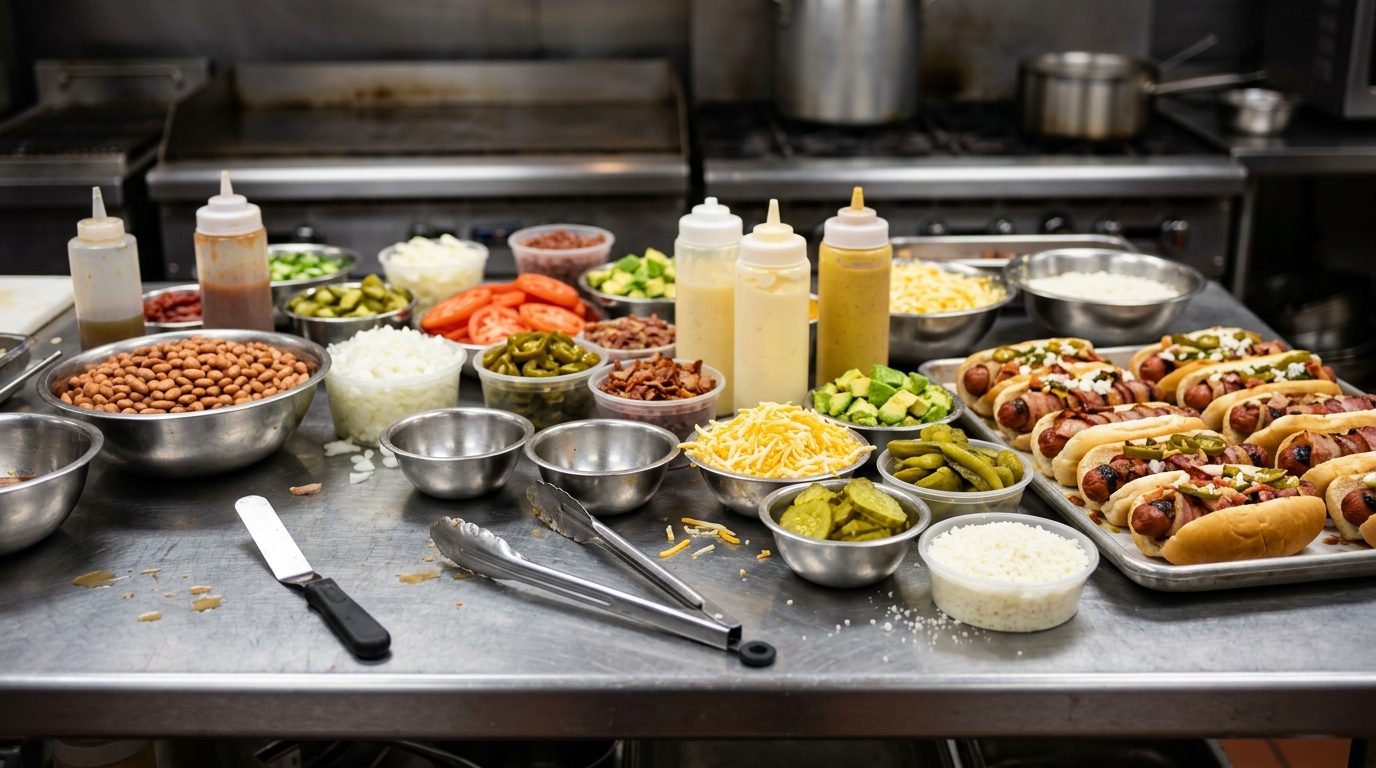
Beer Brat Night Without the Watery Bun
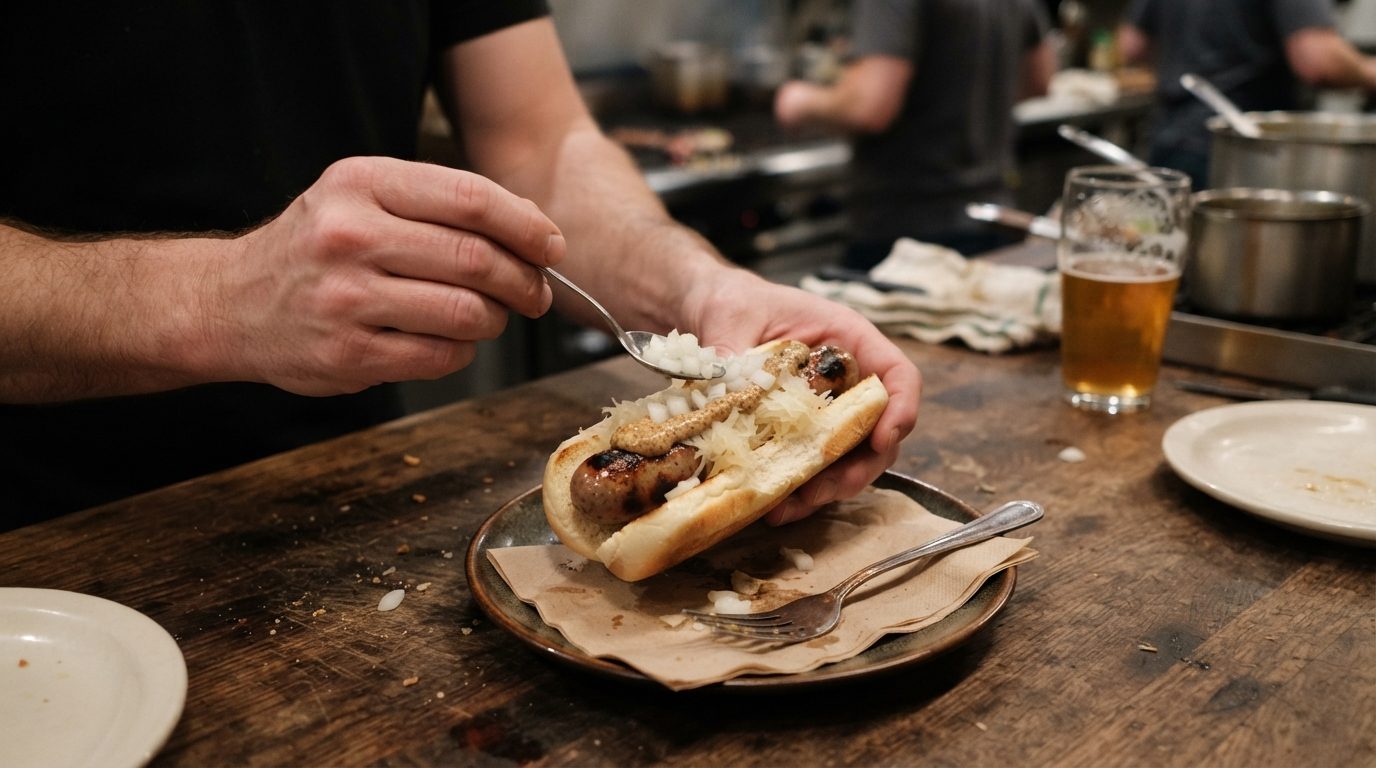
Beer brats stay flavorful without wrecking the bun when beer is a short, gentle heating step followed by serious browning. This is for hot dog fans who want a snappy casing, sweet cooked onions, proper mustard coverage, and absolutely no beige beer puddle lurking in the bread.
- Use beer to season and gently heat the brat, not to drown it into submission.
- Lift the brat from the liquid and dry its surface before the high heat finish.
- Cook onions in the beer bath, then cook off their extra liquid before they meet the bun.
- Spread mustard directly on the bun so every bite gets some tang.
- Keep loose broth out of the finished build. The bun has suffered enough.
Beer brat night, with a bun that survives the assignment
The whole point is moisture control: beer gives the brat and onions flavor, while browning and draining protect the casing and bun from going soft. A good beer brat is not a soup delivery system with a sausage floating in it. It is a browned brat in a lightly toasted bun, with onions that are tender rather than drippy and mustard that does more than pose for a photo.
Jason's Grub is firmly in the no ketchup camp here. Mustard, onions, and the brat have plenty to say. Ketchup can wait outside with the damp bun.
The real trick is leaving the beer bath
A beer simmer is useful for gently heating the brat and softening the onions, but the brat must leave that liquid before its final browning. Leave it soaking or send it straight from wet broth to timid heat, and the casing steams instead of colors.
Lift the brat out with tongs and let excess liquid fall away. Pat it dry with a clean paper towel, then move it to a properly hot grill, skillet, or griddle. This is the moment where the sausage stops being merely warm and starts becoming dinner.
The beer broth still has a job, but that job is not being poured into the bun. Let it flavor the onions while they soften, then reduce or drain away excess liquid before assembly.
Build a beer bath, not brat soup
Choose a balanced beer and keep the liquid at a gentle simmer, not a hard boil. A lager brings a clean malt profile, an amber ale offers more toast and caramel character, and another balanced beer can work if it does not bully the sausage with aggressive bitterness.
Set sliced onions in the cooking vessel with the beer and brat so they can soften and pick up flavor. The liquid should come up around the ingredients without turning the pan into an Olympic swimming pool. Keep the heat calm enough that the casing is not battered by a rolling boil.
Use a thermometer rather than trusting color, wishful thinking, or one suspiciously confident uncle. USDA guidance says ground meats, including sausage, should reach an internal temperature of 160°F. Check the center of the brat without pushing the thermometer through the casing and out the other side. USDA Food Safety and Inspection Service.
Brown the brat like it has somewhere to be
Drying the brat and finishing it over stronger heat creates the deep color and light snap that a beer bath alone cannot deliver. Heat a grill, skillet, or griddle until the brat will sizzle on contact, then add the drained sausage.
- Pat the surface dry before it hits the hot cooking surface.
- Turn the brat carefully as it colors so the casing browns evenly.
- Use enough heat to brown, but do not treat the sausage like it insulted your family.
- Keep it out of the bun until the exterior is deeply colored and lightly crisp.
If the casing starts splitting, lower the heat a touch and turn with a gentler hand. A split brat is still edible, obviously, but it leaks its juicy swagger all over the pan.
The onion is not confetti
Beer softened onions are a cooked part of the build, not a decorative handful tossed on at the last second. Once the brat comes out of the bath, keep cooking the onions until they are tender and their excess liquid has evaporated.
If they need more color, move them to the grill or skillet and let them catch a few browned edges. For a sharper finish, add a small handful of briefly browned onion slices to the softer onions. That contrast brings bite without pretending every onion move is an ancient culinary tradition carved into stone tablets.
Before the onions touch bread, use tongs or a slotted spoon to leave loose liquid behind. Sweet onions belong on the brat. Onion broth belongs in the pan.
Mustard gets a front row seat
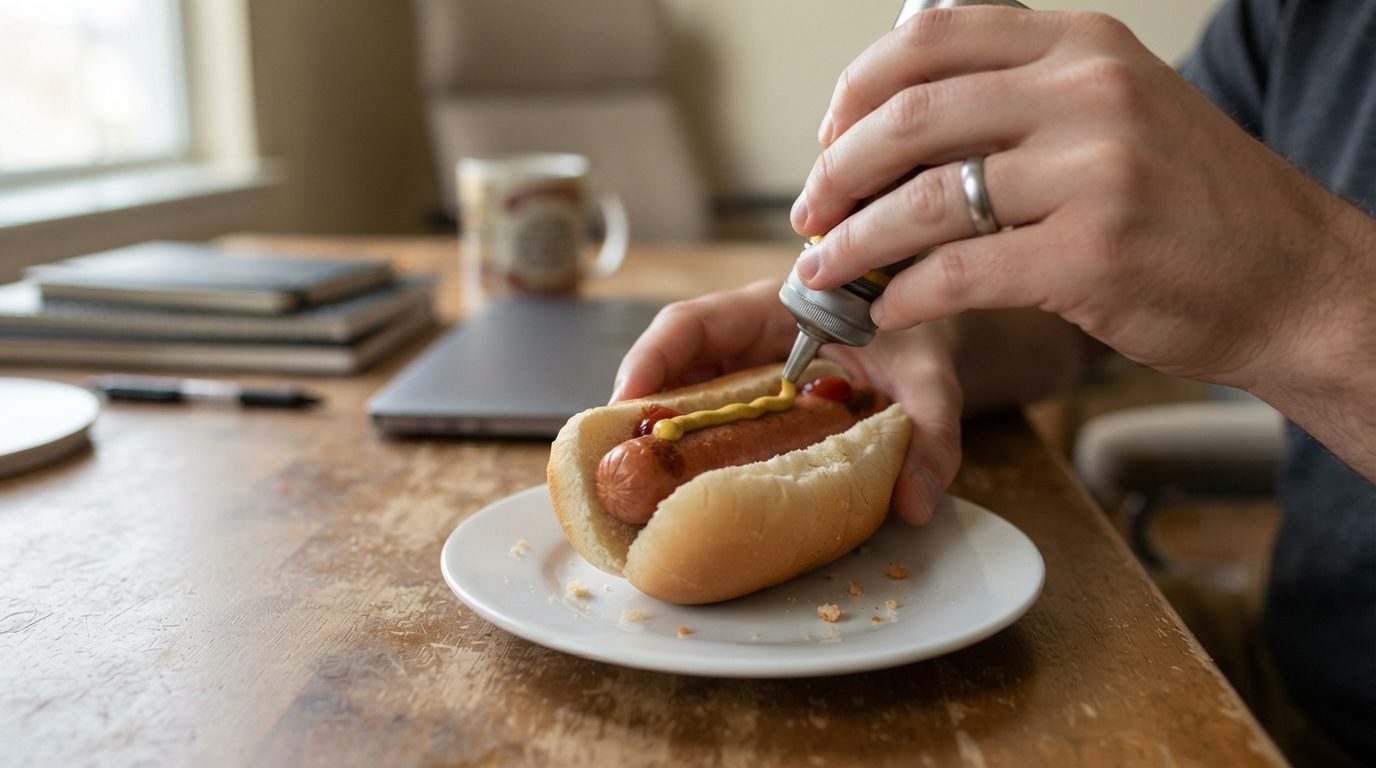
Mustard belongs directly on the bun before the brat goes in, because it should season the whole bite rather than appear as a timid final stripe. Its tang and heat cut through the rich sausage and play beautifully with beer cooked onions.
- Yellow mustard: bright, direct, classic, and not here to write a dissertation.
- Deli style mustard: sharper and more assertive, especially useful with a richer brat.
- Whole grain mustard: textured, mellow, and pleasantly poppy against soft onions.
There is no universal mustard champion. Choose the one that suits the brat and the beer. Just do not bury it under ketchup. Jason's Grub has standards, and they are yellow, brown, and occasionally grainy.
The bun is a structural engineer
A lightly toasted bun holds its shape because the cut sides are dried and strengthened before the brat and onions arrive. Toast the interior just enough to add warmth and a little resistance, not enough to turn it into a crusty baguette audition.
- Spread mustard across the toasted cut sides of the bun.
- Set in the fully browned brat.
- Lay the drained, cooked onions over the brat.
- Serve immediately, while the casing still snaps and the bun remains soft but sturdy.
Do not ladle beer broth over the finished sandwich. That move has never solved a problem that a properly cooked onion could not solve better.
A practical beer brat flow for your next cookout
The reliable sequence is simmer, drain, dry, brown, reduce the onions, toast, then assemble. This method leaves room to choose your preferred brat, beer, mustard, and bun without pretending one untested quantity fits every sausage in every pan.
- Pour beer into a cooking vessel and add sliced onions.
- Add the brats and hold the liquid at a gentle simmer until the sausage is safely cooked through.
- Lift out the brats, drain them, and pat their surfaces dry.
- Continue cooking the onions until tender and no longer watery. Drain them if needed.
- Brown the brats over higher heat on a grill, skillet, or griddle.
- Toast the bun interiors lightly.
- Spread mustard on the bun, add the browned brat, and finish with the cooked onions.
For a charcoal focused cousin of this approach, see Jason's Signature Charcoal Snap Dog on the site. It is a different build, but it shares the important principle that a casing deserves a proper finish.
When the bun goes soggy, interrogate the pan
Most beer brat disasters come from moisture that was never given a chance to leave. Diagnose the problem before blaming the bun, which was merely standing there doing its job.
| Problem | Likely cause | Fix |
|---|---|---|
| Pale brat | The brat went from the beer bath to low heat while still wet. | Drain and dry the surface, then use stronger finishing heat. |
| Watery bun | Broth or wet onions made it into the bread. | Drain the brat and cook off excess onion liquid before assembly. |
| Split casing | Heat was excessive or the brat was handled too aggressively. | Use controlled heat and turn carefully. |
| Bland bite | The beer bath did all the seasoning work. | Season the onions to taste and choose a mustard with character. |
| Invisible mustard | It was added as a tiny finishing stripe. | Spread it across the bun before adding the brat. |
A Jason's Grub finish worth following
For more hot dog recipes, places worth seeking out, and products that deserve room in the cart, follow @jasonsgrub on Instagram. The mission remains simple: chase the snap, respect the bun, and keep ketchup out of this particular conversation.
Questions from the bratwurst battlefield
Can I skip the beer simmer?
Yes. The beer simmer is a flavor and gentle heating step, not a requirement. You can cook the brat through on a grill or skillet, then brown it and assemble it with cooked onions and mustard.
Should the brat be boiled in beer?
No. Use a gentle simmer for this method. Aggressive boiling can split the casing and works against the pleasantly firm texture you are trying to keep.
How do I keep the onions from soaking the bun?
Drain them and cook them briefly until their excess liquid evaporates. Add them with tongs or a slotted spoon rather than pouring from the pan.
Which mustard works best with a beer brat?
Choose based on the brat and beer. Yellow mustard is bright and straightforward, deli style mustard brings sharper bite, and whole grain mustard adds texture.
Can I use nonalcoholic beer?
Yes. Use it as the flavoring liquid, then follow the same simmer, drain, dry, brown, and assemble sequence.
Sources
Enjoyed this? There's more from Jason's Grub.
Follow on Instagram →