July Fourth Turns the Hot Dog Into a Competitive Sport Again
The July Fourth hot dog contest becomes a cultural argument because it turns an everyday food into a public test of speed, appetite, identity and rules. This is for people who care about hot dogs as food, not merely as ammunition for a scoreboard.
- The contest works because a hot dog is familiar, inexpensive and guaranteed to inspire loud opinions.
- A timed result is measurable. Whether speed eating is sport, spectacle or both is the much messier question.
- Jason’s no ketchup position is a personal rule, not a federal topping ordinance.
- Salt Lake City style flavor thinking, with pastrami and fry sauce in the picture, makes the plain contest dog feel almost suspiciously naked.
Why does a hot dog contest become a national argument every July Fourth?
It becomes an argument because it pairs a familiar food with a huge public ritual, a visible result and an endless fight about taste, tradition and excess. A hot dog is not a neutral object. It arrives carrying memories of ballparks, cookouts, street carts, family rules and the person who insists their topping choice is civilization itself.
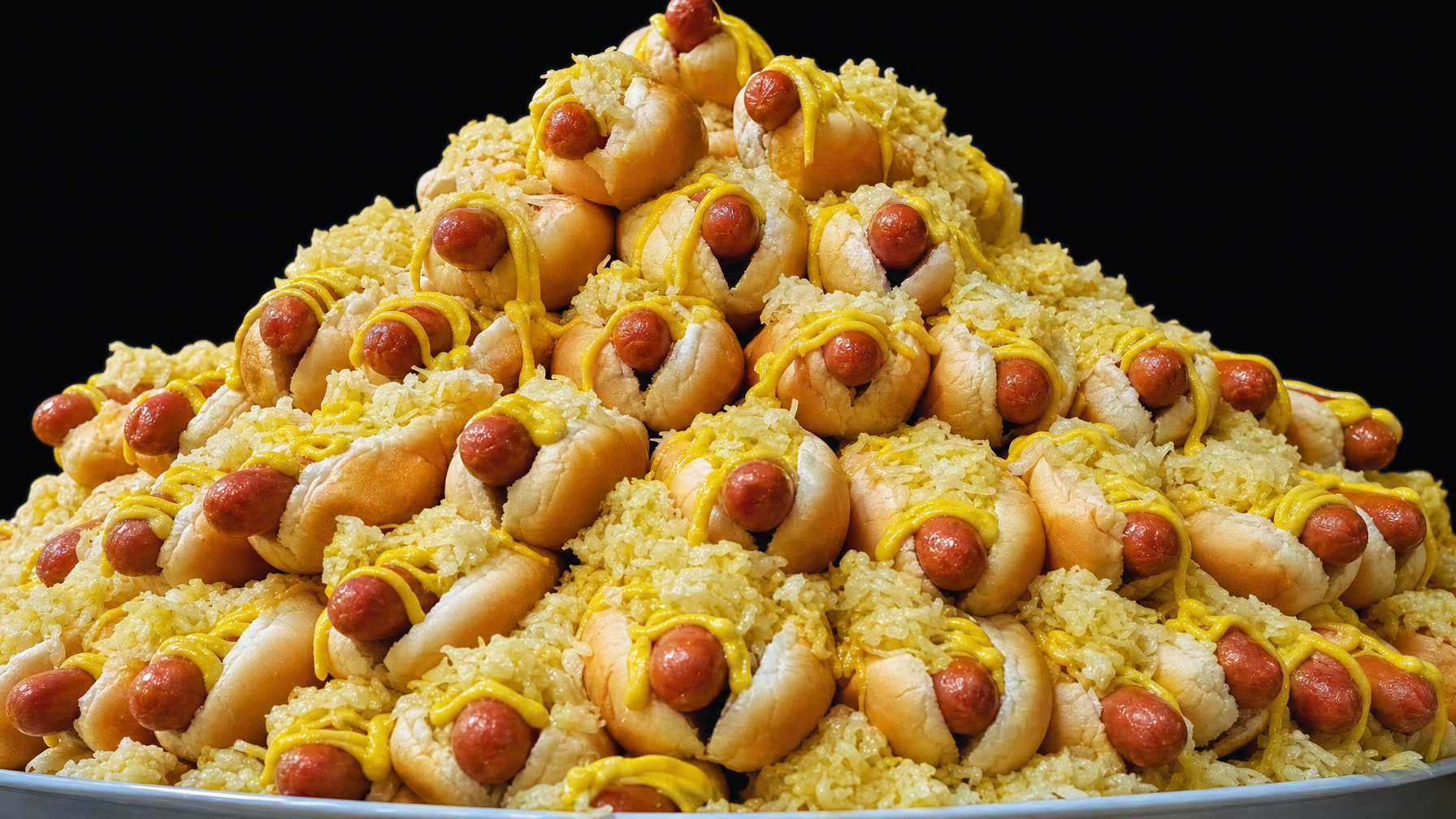
Nathan’s Famous Fourth of July International Hot Dog Eating Contest in Coney Island provides the annual stage most people mean when they invoke a July Fourth hot dog contest. The event has a clock, judges, competitors and a total at the end. Those are facts the scoreboard can handle.
The bigger questions do not fit neatly beside the final count. Does speed prove discipline? Does a bun softened for pace still belong to the same food universe as a carefully built lunch? Is the whole thing patriotic theater, athletic competition or a beautifully absurd combination of both? The answer depends on whether you came for the numbers or for the argument afterward.
The scoreboard is only the loudest part of the story
The numbers create the hook, but the lasting debate comes from what those numbers seem to say about appetite, discipline and entertainment. A contest result can tell us who finished with the highest official total under that event’s rules. It cannot settle whether anyone should call the performance elegant, appetizing or athletic.
Before treating any annual contest recap as gospel, check the organizer’s current event page for the official format, time limit, food and beverage rules, competitor list, judging method and final result. These details can change, and a stray social post is not a rulebook. The event organizer is the proper starting point for the scorecard.
The case for sport is easy to see. Competitors prepare, perform under a fixed clock, follow rules and produce repeatable results that judges can measure. The case for spectacle is equally sturdy. The event is built for a crowd, a camera and the bizarre joy of watching an ordinary lunch get launched into another dimension.
My ruling: it can be both. Calling it a sport does not require pretending it resembles a marathon. Calling it entertainment does not erase the preparation and pressure involved. A hot dog can survive that ambiguity. It has survived far worse.
Jason’s no ketchup rule walks into the arena
Jason’s no ketchup stance turns a contest recap into a question of hot dog identity and personal standards. It is a brand opinion and a personal line in the mustard, not an objective culinary law enforced by helmeted condiment police.
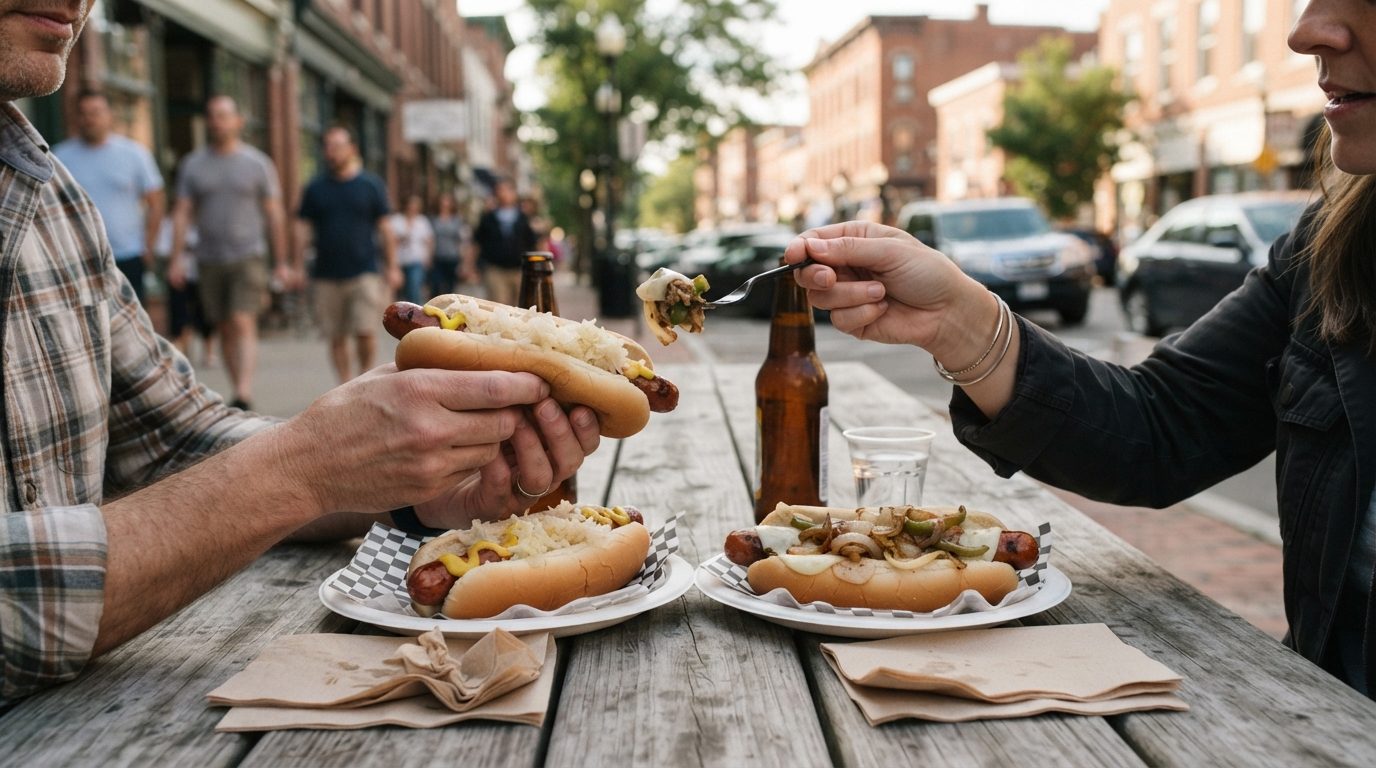
In ordinary life, toppings are part of the conversation. A dog might be judged by its snap, bun, mustard, onions, relish, chili, slaw, peppers or whatever local magic has earned a permanent place on the counter. In a contest, flavor is deliberately subordinated to pace. The hot dog becomes standardized equipment.
That is precisely why the contest is fascinating. It takes a food people normally customize with fierce confidence and removes much of the personality. Jason’s answer remains no ketchup. Your answer may involve ketchup. We can still share a table, although the bottle may need to sit at the far end.
Salt Lake City brings pastrami and fry sauce to the argument
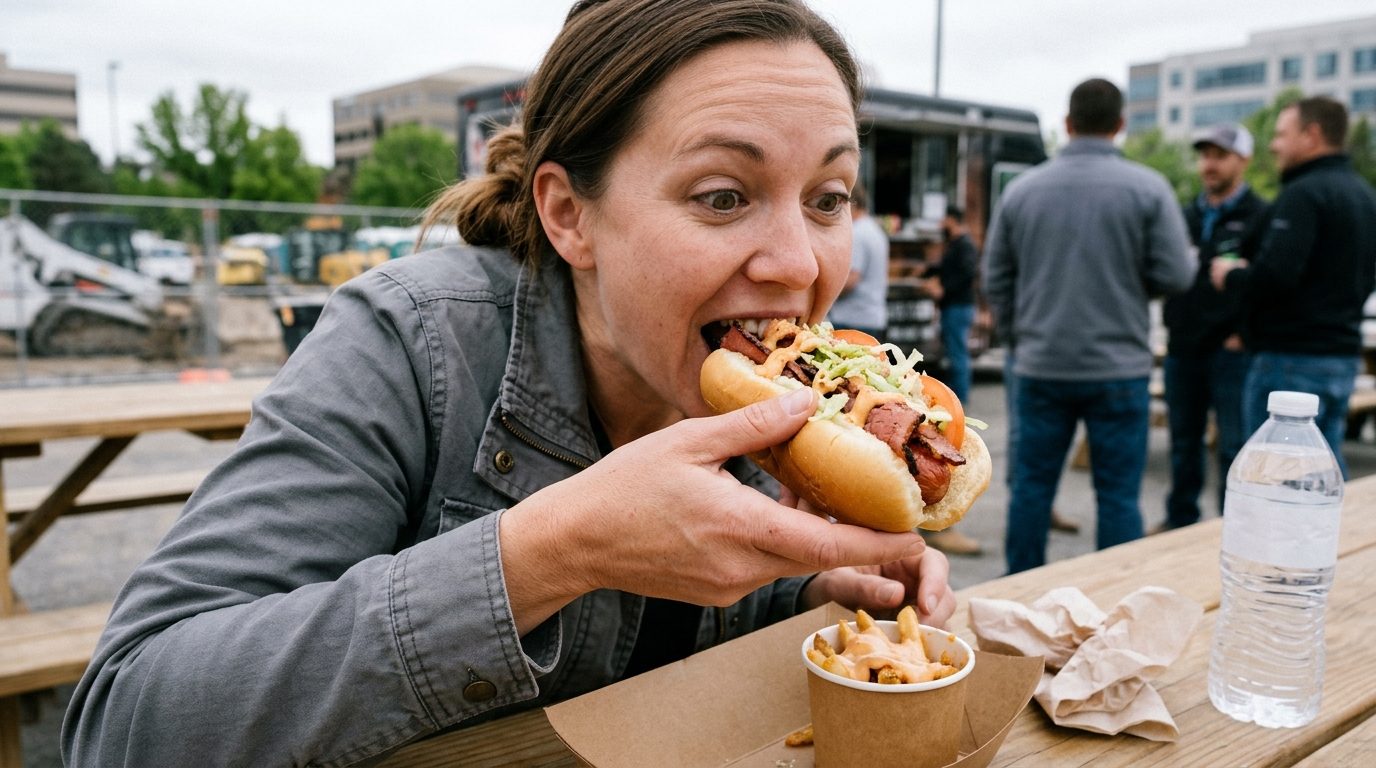
Salt Lake City flavor logic shows how a hot dog can carry local identity through combinations that would look strange inside a standardized contest arena. Pastrami and fry sauce are deeply associated with Utah food culture, especially alongside burgers and fries, and they offer a useful contrast to the contest dog’s stripped down purpose.
Important distinction: this is not a claim that every Salt Lake City hot dog arrives topped with pastrami and fry sauce, nor is it an attempt to invent a citywide official dog. It is a delicious thought experiment built from recognizable Utah food touchstones. Put a hot dog beside sliced pastrami and fry sauce, and you are not chasing a total. You are building a plate with decisions.
Pastrami brings smoke, salt and chew. Fry sauce brings creamy tang. A hot dog contributes its own savory snap. The point is not to make a universal rule out of the combination. The point is that place based eating rewards flavor, texture, timing and local habit in ways a countdown clock has no reason to care about.
A contest asks, “How many?” Salt Lake City lunch logic asks, “What else is on this plate, and why is there not more of it?” Frankly, the second question has better prospects.
Is competitive eating really a sport, or is that the wrong fight?
Competitive eating is a contested label, and pretending otherwise would be sillier than arguing that a bun has no role in a hot dog. Supporters can point to rules, timing, judging, preparation and repeatable performance. Those are recognizable ingredients of organized competition.
Skeptics can reasonably say that the activity is designed first for entertainment and does not resemble conventional athletic competition in every respect. They are not wrong. A ticketed spectacle can contain genuine skill without becoming identical to baseball, wrestling or track.
Jason’s opinion: the sport argument is less interesting than the hot dog argument. Competitive eaters test capacity and technique. Cooks, stands and home grillers test taste. One asks how much can happen before the clock expires. The other asks whether the next bite earns its place. Give me the second contest, plus mustard.
The hot dog matters because almost everyone thinks they know it
The hot dog works as a cultural argument because readers recognize it instantly, then disagree about what makes it good. That disagreement is not a glitch. It is the whole glorious machinery.
| Question | Contest arena | Place based hot dog eating |
|---|---|---|
| Bun | Built for consistency and pace | Chosen for softness, toast, split style or local habit |
| Sausage | Standardized for judging | Judged for snap, seasoning, char and proportion |
| Toppings | Kept simple to serve the format | Where local identity often gets loud |
| Temperature | Managed for the event | Part of the pleasure and the complaint if it goes wrong |
| Pace | Fast enough to make the clock nervous | Slow enough to notice whether the cook knew what they were doing |
| Setting | Stage, crowd and judges | Counter, curb, grill, ballpark or a table full of napkins |
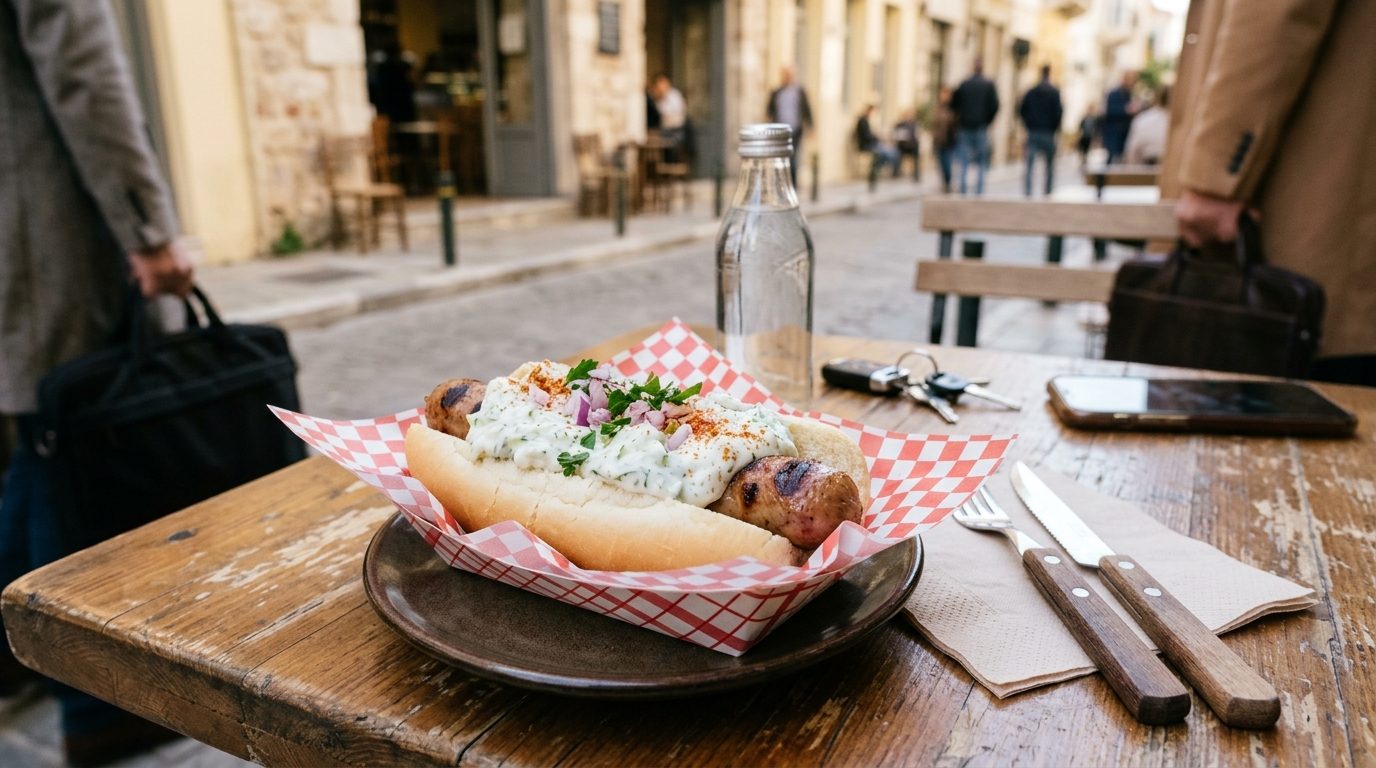
No version cancels the other. The contest turns the hot dog into a measuring device. A great local dog turns it into a map. The first is loud. The second usually tastes better.
Follow Jason’s next hot dog argument
Want more hot dog disputes, destination finds, recipes and product discoveries? Follow @jasonsgrub on Instagram.
Expect personal standards, actual food curiosity and zero ketchup enthusiasm. The condiment bottle has had enough public relations already.
FAQ: The questions people ask after the mustard hits the table
These questions get at the event, the sport debate and the topping fight that refuses to die quietly.
What hot dog contest is associated with July Fourth?
The event commonly associated with the holiday is Nathan’s Famous Fourth of July International Hot Dog Eating Contest, held in Coney Island, New York. Confirm the current event details through Major League Eating and Nathan’s Famous before relying on a specific year’s schedule, field or result.
Why is competitive eating considered a sport by some people?
Some people use the label because organized contests have rules, time limits, judges, preparation and repeatable performances. Others see it primarily as entertainment. Both descriptions can apply, which is why the label remains debatable.
Does Jason approve of ketchup on hot dogs?
No. Jason’s stated position is no ketchup. It is his personal hot dog rule and brand perspective, not a demand that every other eater surrender their condiment choices.
What is the Salt Lake City pastrami, fry sauce and hot dog combination?
It is a flavor comparison, not a claim of a single official Salt Lake City hot dog. The idea combines a hot dog with Utah associated pastrami and fry sauce to highlight the difference between a locally expressive plate and a speed focused contest format. Check a current local menu before seeking any particular version, because restaurant offerings change.
Is this article about who won the contest?
The result matters as the event’s measurable outcome, but the main subject is why the contest produces a yearly argument about food, spectacle and identity. The winner gets the total. Everyone else gets the topping debate.
Sources
Use these sources to check current event details and Utah food context before making claims about a particular contest or menu.
- Major League Eating, for official competitive eating event information and rules.
- Nathan’s Famous, for brand and event information.
- Visit Salt Lake, for current Salt Lake City dining context and local restaurant research.
Enjoyed this? There's more from Jason's Grub.
Follow on Instagram →