Part of the Hot Dog Products hub
Why Are Hot Dog Brands Suddenly Talking About the Bun?
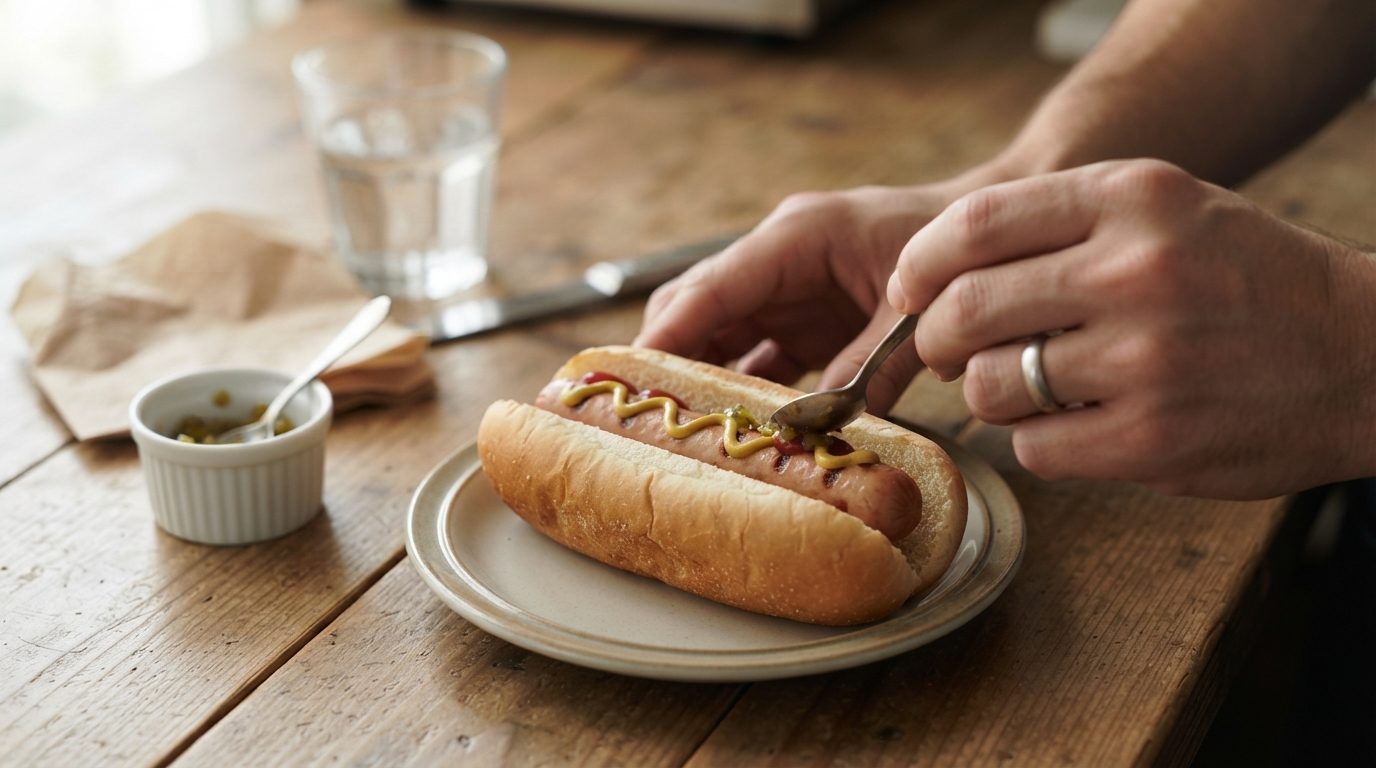
Hot dog brands are talking about the bun because it changes the eating experience, the product promise, and the package photo. The useful question is not whether a bun sounds premium. It is whether it does its job once a hot dog, toppings, heat, and gravity show up.
Quick answer
- A bun is part of the hot dog build, not merely the edible seatbelt.
- Words such as soft, sturdy, toasted, split top, and brioche can describe a real design choice, or they can be packaging copy with a microphone.
- Judge the claimed use against the actual dog, toppings, texture, and bite.
- Keep stated product details separate from Jason's personal ruling.
- Follow @jasonsgrub for future hot dog finds and bun related arguments.
Why the bun is suddenly getting top billing
The bun has moved into the spotlight because it affects how a hot dog is held, dressed, photographed, and eaten. This is for hot dog obsessives and food culture readers who want specific product observations, not a bag of slogans doing jazz hands.
A package can promise softness, strength, bakery style, or toastability. That is the brand's positioning. Jason's job is different: identify the stated promise, inspect the prepared build, then decide whether the bun earned all that chest beating.
Brand language is not Jason's opinion, and a good sounding phrase is not proof that a bun performs well. The bite gets the final vote.
What bun language is really trying to sell you
When brands talk about buns, they are usually making a promise about texture, structure, serving style, or perceived quality.
Softness without structural collapse
A soft bun should feel tender without tearing apart when the dog and toppings arrive. Softness can suit a simple grilled frank especially well, but it becomes less charming when the bottom seam gives up before the second bite.
Look for whether the crumb compresses pleasantly, whether the cut stays open for filling, and whether the bun rebounds or turns into a damp sponge. A pillowy bun is delightful. A bun that evaporates on contact is a magic trick nobody ordered.
Strength without turning lunch into construction work
A sturdy bun should hold a loaded dog without becoming so dense that it overwhelms the frank. Claims about resisting sogginess or carrying toppings point to a practical question: can the bun contain the build while remaining pleasant to bite?
Strength is especially relevant for chili, onions, relish, slaw, saucy meat, or any topping pile that has ambitions beyond municipal limits. It matters less on a plain dog, where a heavy bread shell may simply steal the scene.
Toastability and texture
Toastability matters only if heat improves the bun's crust, interior, or grip for the intended build. A toasted exterior can add contrast and help a bun stay composed. A steamed bun offers a different experience, with a softer surface and more yielding bite.
Neither treatment wins by default. The question is whether the service method fits the dog, toppings, and desired texture. Room temperature, toasted, grilled, and steamed are serving decisions, not personality tests.
Shape is a serving decision
Bun shape changes where the dog sits, how toppings are held, and which part of the bite reaches your mouth first. A standard side split bun opens along one side. A top split bun holds the frank upright with bread on both sides. A hinged bun can keep one side connected more firmly while still opening for the dog.
No format is automatically superior. A top split shape can present toppings neatly, while a side split shape can feel natural for a wide, heavily dressed build. The right shape is the one that serves the particular dog instead of asking the dog to serve the bun.
Premium signals hiding in plain sight
Words such as brioche, bakery style, artisan, and handcrafted often signal a mood before they prove a performance. They may describe a real ingredient approach or production detail, but they are still positioning language until the package information and actual bun support the claim being implied.
Jason's opinion: a fancy word earns its keep only when it changes the eating experience in a useful way. If the bun tastes sweet, rich, or unusually soft, that can be a deliberate match for some dogs and a bizarre interruption for others.
A bun has one job, and it is not posing for the camera
A bun succeeds when it supports the dog, toppings, temperature, and intended way of eating. A beautiful package photo is nice. So is a hot dog that survives the walk from plate to face.
- Grip: Can you hold the build without squeezing toppings out the far side?
- Bite: Does the bread yield cleanly with the frank, or does it pull the whole dog forward?
- Split resistance: Does the cut stay useful once the bun is filled?
- Topping control: Do onions, relish, chili, or other toppings stay where they belong?
- Texture: Does the bun add a useful contrast or become an unnecessary mouthful of bread?
- Sauce management: Can it handle moisture without immediately becoming soggy?
- Compatibility: Does the bun suit the size, snap, seasoning, and cooking method of the dog?
A heavily topped dog needs more support than a plain grilled frank. A steamed bun may make sense when tenderness is the point, while a toasted bun can bring welcome texture to a softer dog. Context is the boss. The bun is on the payroll.
When the promise meets an actual hot dog
The only fair test is to compare what the packaging says the bun is for with how it behaves in a prepared hot dog. This keeps the review anchored to the plate instead of floating off into adjective fog.
Claimed use versus observed use
First, record the exact promise. Is the bun presented as soft, sturdy, made for grilling, designed for a particular cut, or intended for a specific serving style? Then prepare a hot dog that fits that use and note what happens at the first bite, the middle, and the last messy stretch.
Observed details should be concrete: the bun browned at the edges, the split widened, toppings slid, the crust crackled, or the bottom softened. Those are useful descriptions. Calling a bun revolutionary because its package used a confident font is not.
The bun to dog relationship
A good bun gives the frank room to be the main character while contributing its own useful texture and structure. If the bread is too thick, sweet, dense, or oversized, it can drown out the dog. If it is too thin or fragile, it can disappear beneath the toppings.
The goal is balance, not bun worship. Even a very good roll can be wrong when paired with the wrong dog.
Topping compatibility
Test a bun first with restrained toppings, then with a more ambitious build when that comparison fits the stated purpose. A plain or lightly dressed dog reveals the bun's own texture. A loaded dog reveals its ability to manage moisture, weight, and escape routes.
Jason's no ketchup stance is relevant only when the build calls for a condiment comparison. This is bun court, not a chance to reopen every condiment case in the nation.
The photograph test
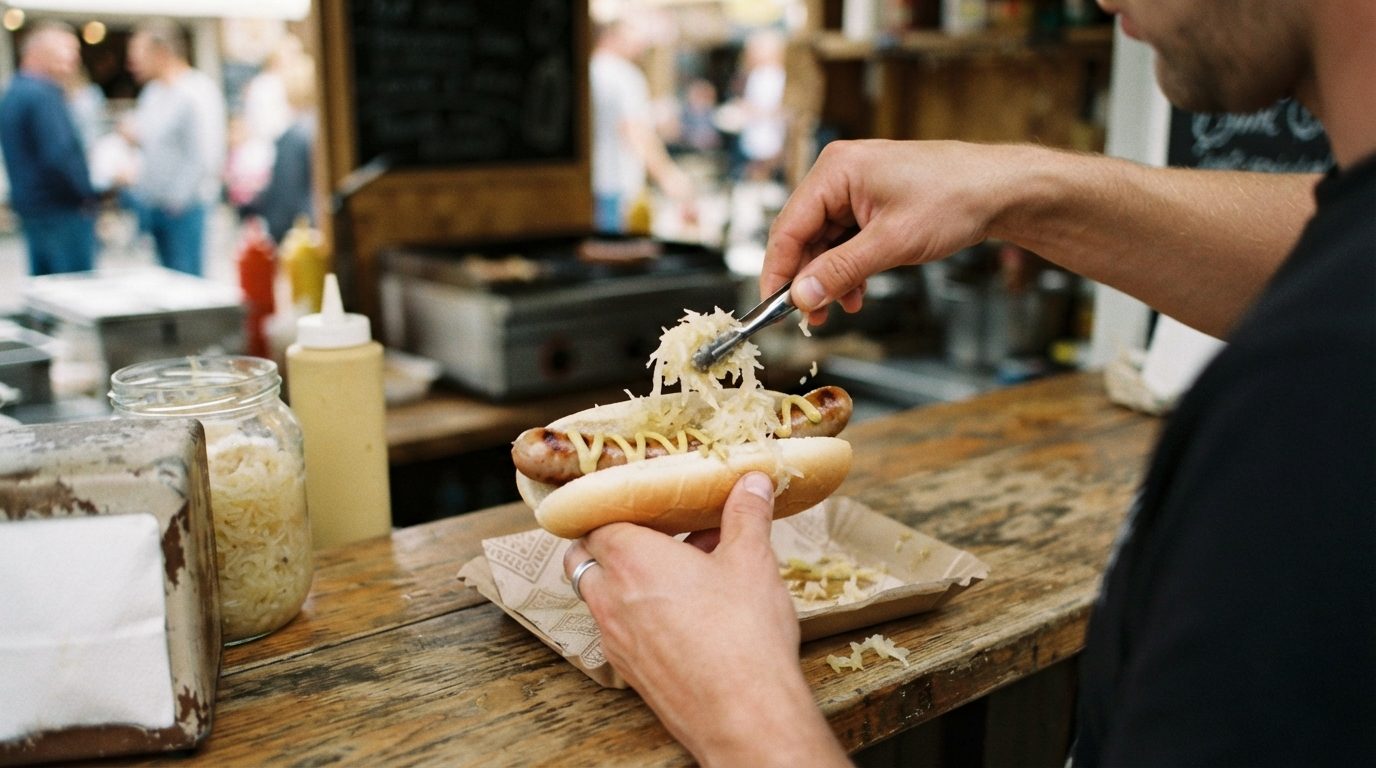
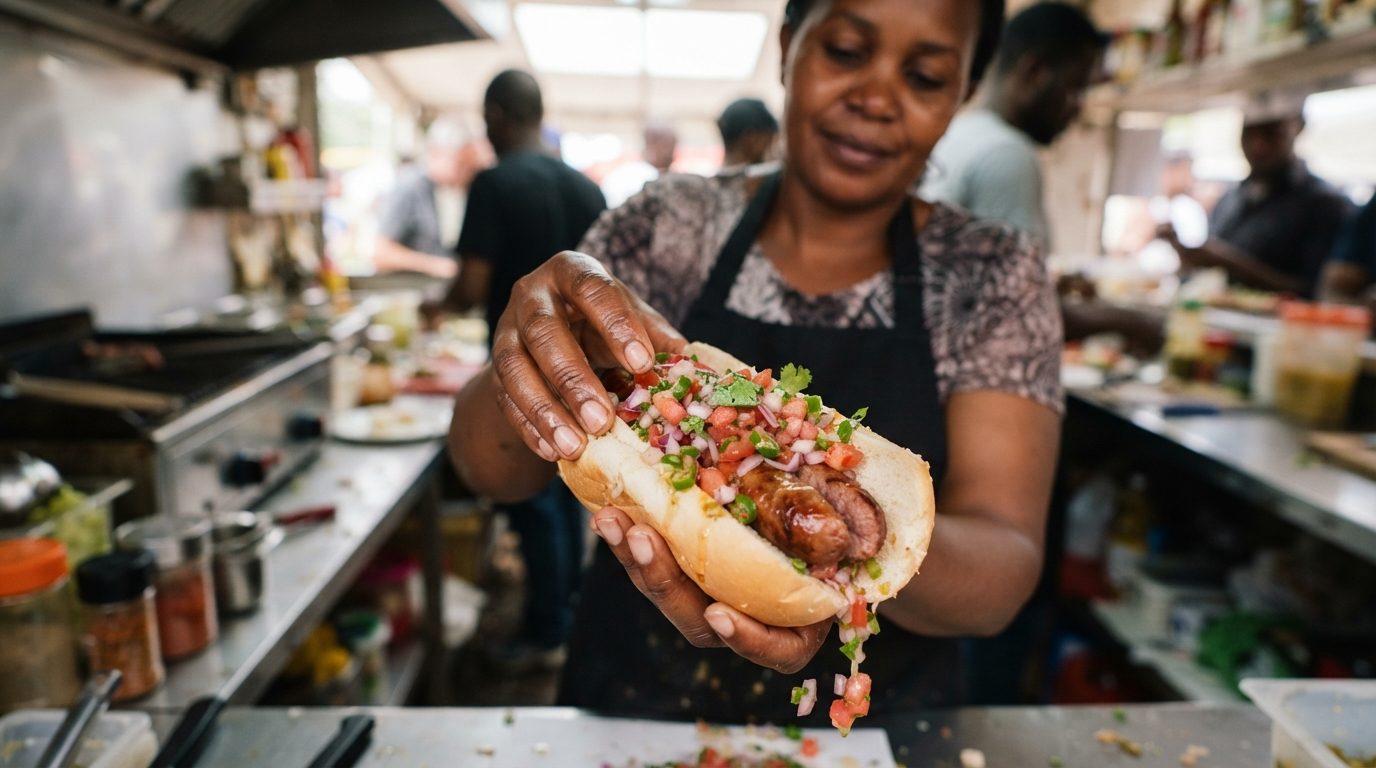
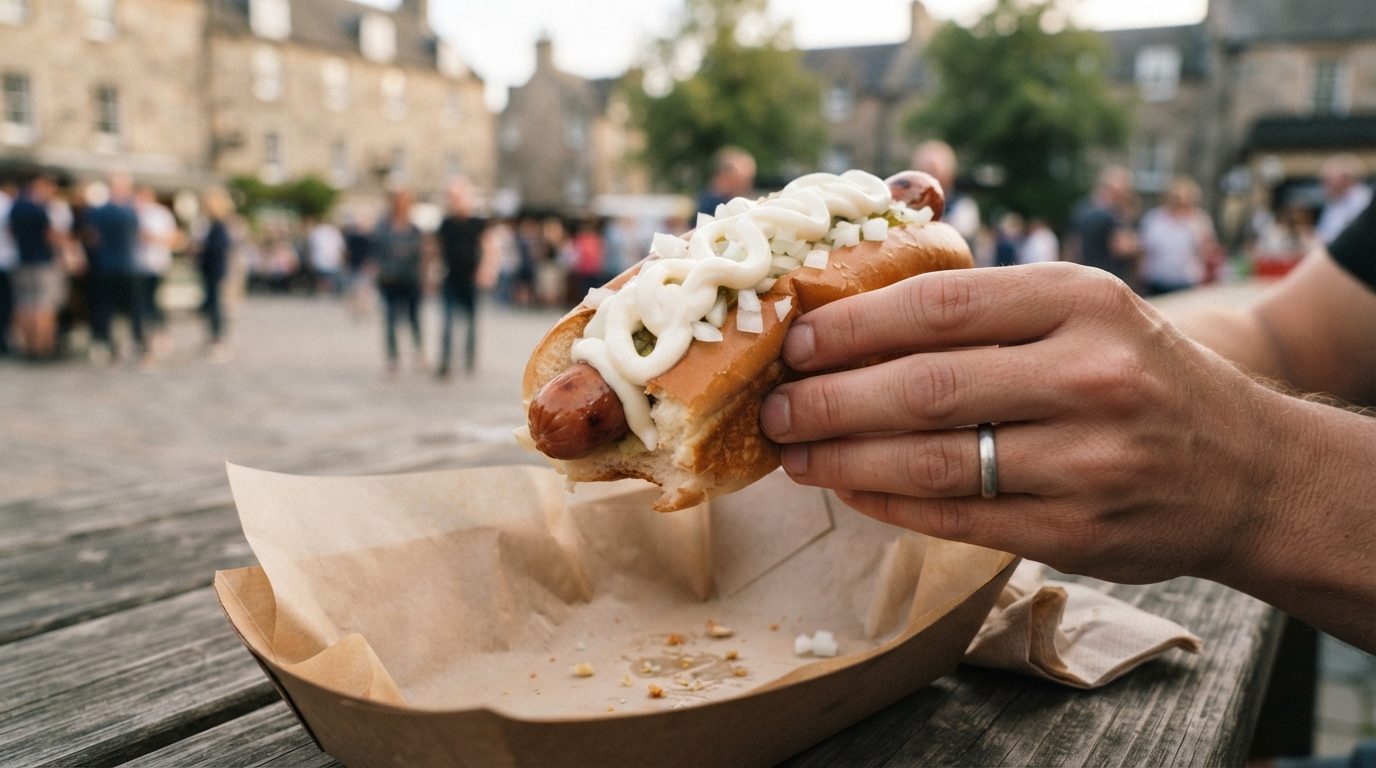
A useful photo should show the bun clearly enough to inspect its cut, thickness, toasted edges if present, interior texture, and relationship to the dog and toppings. If reporting centers on a particular brand, the identifiable branded product belongs in the image. A generic hot dog cannot do the evidence work for a branded claim.
Jason's ruling: useful design, package theater, or a self made problem
Jason should give each bun one of three verdicts, and the verdict is his opinion rather than a fact supplied by a brand. The point is to make the judgment legible, specific, and tied to the actual build.
- Genuinely useful bun design: The cut, texture, and structure clearly suit the dog and intended toppings.
- Attractive but ordinary package language: The bun is perfectly fine, but the grand claims add more drama than the bite does.
- A problem disguised as a solution: The bun claims to fix strength, softness, or topping control while creating a new issue, such as excess density, splitting, or a bread heavy bite.
My standing opinion is simple: a bun should make a hot dog easier and better to eat. If it demands applause for not collapsing under one modest squiggle of mustard, it may be auditioning for a job it has not earned.
What to check before the next bun announcement arrives wearing a tiny crown
Look past words such as premium, sturdy, soft, and bakery style, then ask what the bun actually does during a bite. Check the cut, thickness, response to toasting or steaming, topping capacity, and fit with the specific dog you plan to serve.
A bun can be excellent for one build and completely wrong for another. That is not a contradiction. It is the whole point of treating the bun as food rather than scenery.
More hot dog reconnaissance: Follow @jasonsgrub for future hot dog finds, product observations, and bun opinions.
Image plan
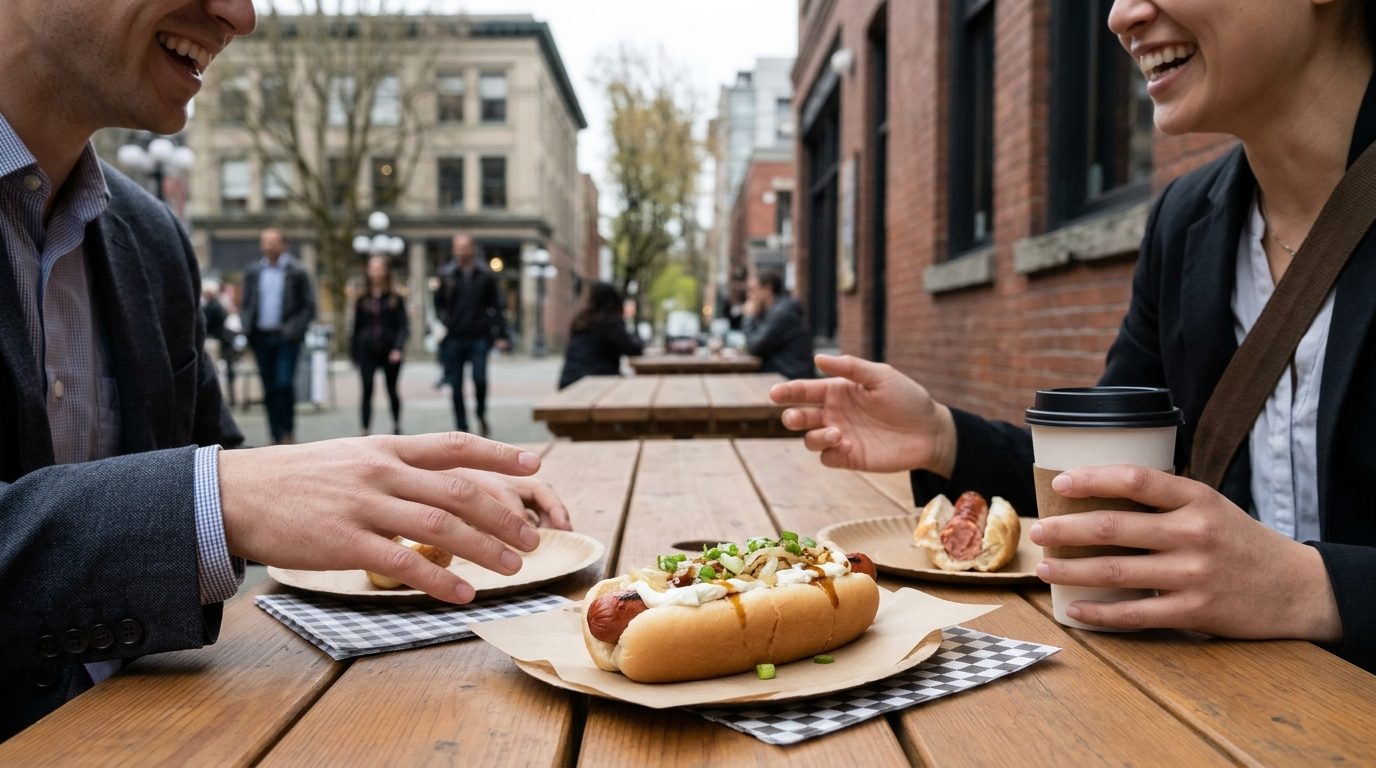
The primary image should be a close view of a hot dog with the bun visibly supporting the dog and toppings. Photograph the cut and texture clearly enough that readers can inspect the bun rather than merely admire a blur of mustard.
Optional comparison image: two clearly labeled bun styles beside comparable hot dogs, but only after both products and labels are verified. If a future version names a brand, show the brand or its identifiable product in the image.
Alt text: Close view of a grilled hot dog resting in a split bun with visible toasted edges and toppings.
FAQ: bun questions that deserve a better answer than "because premium"
The short answers are that the bun controls the bite, softness needs structure, and shape should match the build.
Why does the bun matter so much on a hot dog?
It controls grip, texture, topping support, and the balance between bread and frank. A poor bun can turn a good dog into a two handed rescue operation.
Is a softer bun always better?
No. Softness works only when the bun still suits the toppings and stays together through the intended serving method. A soft bun may be excellent for a simple steamed dog and less useful under a wet, heavily topped build.
What should I look for in a hot dog bun?
Check the cut, texture, structural support, toast response, and fit with the dog and toppings. Consider what you are actually serving, not just what sounds good on a package.
Are top split and side split buns interchangeable?
They can serve similar purposes, but their shapes change how the dog sits, how toppings are contained, and how the bite feels. Choose the shape that helps the intended build stay composed.
Where can I see more of Jason's hot dog finds?
Follow @jasonsgrub for future finds and hot dog coverage.
Sources
These resources provide general reference material for food labeling and safe food preparation. Product specific bun claims should be checked against the current official package or product page before publication.
- United States Food and Drug Administration: Food Labeling and Nutrition
- United States Department of Agriculture Food Safety and Inspection Service: Food Safety
Enjoyed this? There's more from Jason's Grub.
Follow on Instagram →