Part of the Hot Dog Products hub
TikTok Put the Hot Dog in a Tortilla. Did the Internet Finally Improve Lunch?
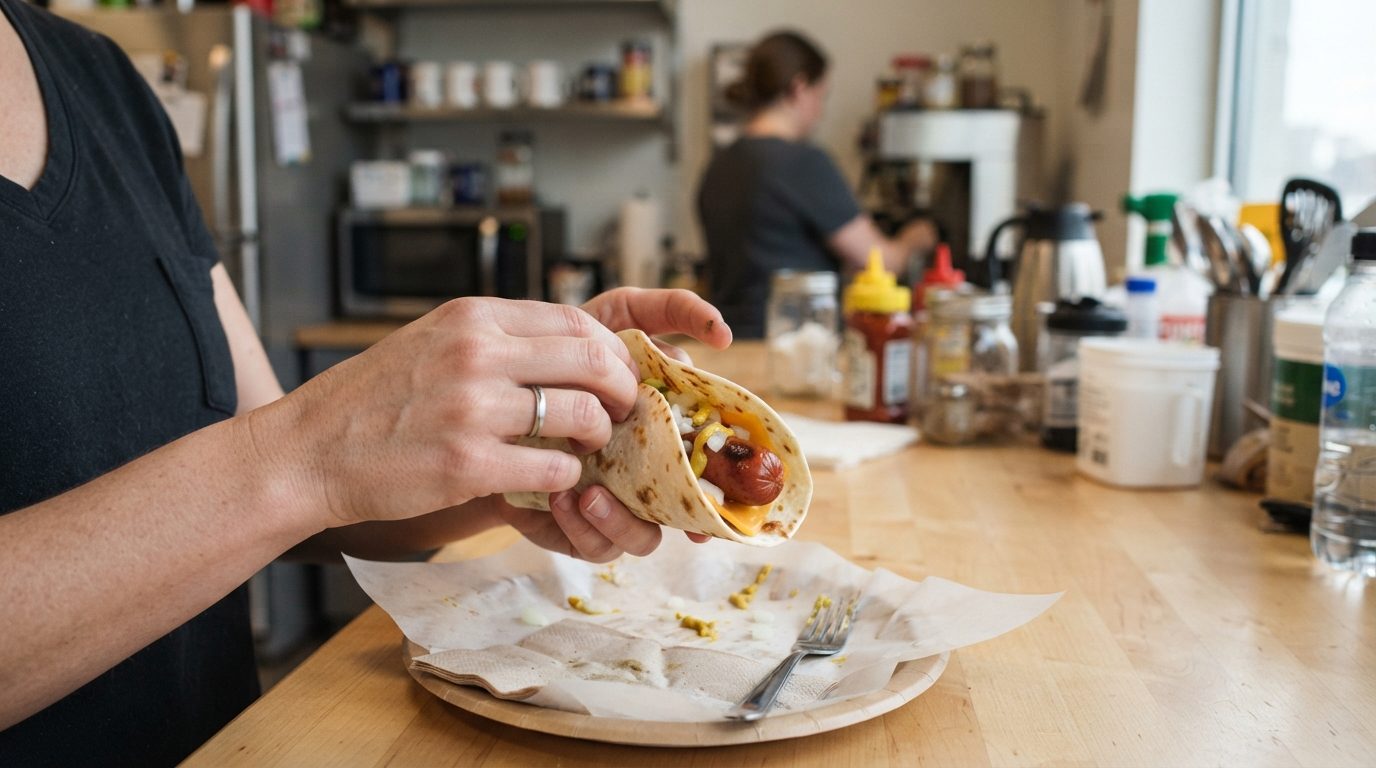
A hot dog in a tortilla can improve lunch, but only when the wrap improves the bite instead of disguising a hot dog beneath a stunt pile. For hot dog obsessives and food culture readers who want an actual verdict, not a parade of weird clips, the tortilla earns consideration as a serious carrier.
- A tortilla can be easier to fold, toast, slice, and carry than a heavily loaded bun.
- Its camera appeal is obvious: fold, sizzle, cut, reveal, collect applause.
- The best version keeps the frank recognizable and the fillings under control.
- A tortilla gets a bunless pass when it improves texture or portability, not when it merely changes the costume.
TikTok Put the Hot Dog in a Tortilla. Did Lunch Get Better or Just More Photogenic?
Lunch got better only when the tortilla solves a real eating problem: loose toppings, fragile bread, or a dog that needs a crisp edge. Social media spectacle can show a glorious cheese pull, but cheese behaving like lava is not proof that the finished thing is pleasant to eat.
The test is brutally simple. Does the tortilla improve portability, texture, topping control, or flavor balance? If the answer is no, it is a hot dog wearing a novelty hat.
Jason’s standard is equally simple: the frank must remain recognizable, the wrap must stay closed long enough to do its job, and every topping must earn its square inch. A tortilla is not a witness protection program for a mediocre frank.
Why the Tortilla Travels Better Than a Bun in the Scroll Economy
A tortilla suits short form food video because it gives the cook a visible sequence from loose ingredients to compact lunch. Put down the frank, add fillings, fold, toast, slice, and expose the cross section. That is a tidy little drama with a sizzling ending.
A standard bun has a fixed cradle shape. It can deliver a terrific classic hot dog bite, especially when it fits the frank and toppings properly, but it does not naturally contain every sauce, vegetable, or crunchy garnish someone decides to fling at it. A flexible tortilla can wrap irregular fillings and can be toasted on more than one surface.
That said, visual convenience is not eating quality. A beautifully sliced wrap may still be soggy, overloaded, or impossible to bite without firing onions into low orbit. The cutaway is evidence, not a verdict.
The Fold Is the Content
The fold is what makes a tortilla dog legible on camera, but it must also survive contact with a human hand. When assessing a public food clip, look for the filling placement, the fold pattern, the browning, the cutaway, and proof that the wrap remains closed.
- Good evidence: the tortilla is folded snugly, browned evenly, and shown being lifted or bitten without collapse.
- Warning sign: the cook cuts away just before the wrap splits, then relies on a slow motion cheese pull to change the subject.
- Another warning sign: the frank is invisible beneath so many toppings that it could be a burrito, a quesadilla, or a minor construction project.
Real Tortilla Dogs Deserve a Real Scorecard
A creator specific ranking should only name original public posts after the creator, preparation, ingredients, and post context have been checked. Until that evidence is attached, the honest move is to judge the technique categories, not pretend an unverified clip settled lunch forever.
| Test | What passes | What fails |
|---|---|---|
| Frank visibility | The frank is clearly present in the bite and cut end. | The hot dog becomes anonymous filling. |
| Tortilla texture | Pliable and warm, or crisp without shattering. | Rubbery, wet, or brittle. |
| Topping balance | Each topping adds contrast without flooding the wrap. | A wet heap that overwhelms the frank. |
| Portability | It can be held and carried without a rescue plate. | It leaks before the first bite. |
| Repeatability | An ordinary kitchen can produce the same basic result. | The result depends on camera angles and miracle timing. |
| Camera appeal | The browning and cutaway reveal useful texture. | The shot hides structural chaos. |
The Crisped Tortilla Build
A crisped tortilla build is the strongest version when browning adds a crackly exterior while the fold stays intact. A pan, griddle, or grill can do the work, provided the heat is controlled and the tortilla has enough flexibility to bend before it sets.
For a practical home version, start with a warmed tortilla and a fully cooked hot dog. Add a modest melting ingredient, fold it snugly, then toast the seam side first so it has a chance to seal. Crisping is useful when it adds contrast. It is foolish when it turns the wrap into a flaky tube of sharp little consequences.
The Loaded Cheese and Topping Build
A loaded tortilla dog works when the cheese helps bind the filling and the toppings stay in a narrow, controlled strip. Cheese can act like edible mortar, but too much turns the frank into a supporting actor in a snack wrap with an identity crisis.
The exact failure point is usually moisture plus height. A heavy line of sauce, juicy vegetables, and a tall mound of crunchy toppings create a slippery interior that pushes the fold open. Keep wet ingredients restrained and use crunch as an accent, not a confetti cannon.
The Minimalist Tortilla Build
A minimalist tortilla dog is the fairest test because there is nowhere for a weak frank or limp wrapper to hide. A tortilla, a hot dog, one flavorful accent, and a little texture will tell you whether the format has actual legs.
Jason’s no ketchup stance remains a personal line in the sand, not a law of physics. A mustard based sauce, chopped onion, pickled pepper, or crisp cabbage can bring acid or crunch without drowning the hot dog. More important than any condiment loyalty is whether the tortilla and frank taste like they arrived at the same party on purpose.
What Makes a Tortilla Hot Dog Actually Work
A tortilla hot dog works when the tortilla suits the job, the frank is properly heated, moisture is controlled, the fold is deliberate, and browning adds contrast. The tortilla should support the frank, not bury it beneath a blanket of fillings.
A soft tortilla creates a compact, pliable hand held wrap. It is the better choice when you want a clean fold and a less brittle bite. A toasted tortilla creates crisp edges and deeper flavor, but it demands more care because overcooking can make the wrapper crack at the exact moment you feel smug about it.
Moisture Is the Quiet Lunch Killer
Moisture is the main structural enemy because sauces, juicy vegetables, and trapped steam can soften the tortilla until it leaks. Use sauce sparingly, keep wetter ingredients away from the seam, and avoid sealing a steaming hot wrap so tightly that condensation turns the interior into a damp apology.
If using cheese, place it where residual heat can melt it without forcing an aggressive second cook. If using crunchy toppings, add enough to create contrast, not enough to build a roof rack.
The Frank Still Needs a Point of View
The frank still needs character because a tortilla cannot rescue a bland center. Grilling can add char, pan searing can add direct browning, and steaming can keep the texture soft and classic. None is universally superior. The right method is the one that suits the dog and the finished bite.
Ask a rude but useful question before adding another topping: can you still taste the frank’s snap, smoke, salt, or spice? Jason’s perspective comes from a decade spent eating hot dogs across all fifty states with zero ketchup. That is an editorial point of view, not a commandment carved into a griddle.
Tortilla Versus Bun: The Uncomfortable Scorecard
Neither carrier wins every category, because the toppings decide whether a bun or tortilla is doing the better work. A bun excels at the familiar clean bite of a straightforward hot dog. A tortilla excels at containing irregular fillings and becoming crisp on a hot surface.
| Question | Bun | Tortilla |
|---|---|---|
| Stable classic bite | Excellent when properly sized. | Good when folded tightly. |
| Loaded topping control | Can struggle with wet or tall fillings. | Usually stronger with restrained fillings. |
| Crisp exterior | Possible, but not its main trick. | Easy to achieve in a pan or on a griddle. |
| Frank visibility | Usually obvious from the top. | Best at the cut end or open edge. |
| Portability | Good for a simple build. | Strong for a compact wrapped build. |
| Repeatability | Very forgiving. | Requires attention to filling and fold. |
The bun deserves respect. It is a purpose built cradle, not an outdated little mattress. But when the fillings want to escape or the goal is a crisp sealed package, the tortilla has a persuasive argument.
Jason’s Bunless Pass: Earned, Denied, or Sent Back to the Scroll?
The tortilla earns a bunless pass when it is pleasantly pliable or properly crisp, keeps fillings controlled, and leaves the frank prominent. That is the whole case. No fireworks needed.
It gets denied when the tortilla tears, the sauce makes everything slippery, or the hot dog disappears beneath a mountain of cheese and toppings. At that point, it may be tasty, but it is no longer making a serious case for itself as a hot dog.
- Most convincing: a lightly crisped wrap with a visible frank, a melting element, and a modest crunchy accent.
- Strong but risky: a loaded wrap whose cheese and toppings are measured closely enough to preserve the fold.
- Most camera dependent: any build where the cheese pull is more memorable than the hot dog.
Try the Format Without Building a Food Video Set in Your Kitchen
A home test should be simple enough to reveal whether the format works, not elaborate enough to require a lighting crew and an emotional support spatula.
Try Jason’s tortilla hot dog test at home: Wrap a heated hot dog in a tortilla with one melting ingredient, one crunchy ingredient, and a restrained sauce. Toast it until the fold holds. Judge it after one hand held bite, one cutaway, and one attempt to carry it across the kitchen without leakage. Then follow @jasonsgrub on Instagram for more hot dog fieldwork.
If it stays together, tastes like a hot dog rather than mystery filling, and makes you want a second bite before you reach for a napkin, the tortilla did its job. If it requires a plate, fork, and a legal team, go back to the bun.
FAQ: Questions the Tortilla Needs to Answer
These answers settle the practical objections before the tortilla starts acting like it invented lunch.
Is a hot dog in a tortilla better than one in a bun?
It can be better when portability, crispness, or contained loaded toppings are the goal. A bun remains the better choice for a straightforward classic build when its size and texture suit the frank.
What kind of tortilla works best for a hot dog wrap?
A flexible tortilla is best for a compact hand held wrap. A tortilla toasted in a pan can add crisp edges, but it needs careful folding and controlled heat so it does not split.
Should the tortilla be toasted before or after wrapping?
Toasting after wrapping usually gives the finished package more structure and browning. Warm the tortilla first if needed for flexibility, then toast the assembled wrap gently enough that the center warms before the exterior becomes brittle.
What toppings work best in a tortilla hot dog?
Toppings that create contrast without flooding the wrap work best. Use a modest amount of sauce, one crunchy element, and one flavorful accent before adding anything else.
Does a tortilla hot dog count as a hot dog?
Yes, if the frank remains the main event and the tortilla replaces the bun as the carrier. If the wrap overwhelms the frank, it becomes a different snack wearing hot dog credentials.
Sources
These outside references support general food handling context. This article does not make food safety temperature claims.
- USDA Food Safety and Inspection Service: Hot Dogs and Food Safety
- U.S. Food and Drug Administration: Are You Storing Food Safely?
Enjoyed this? There's more from Jason's Grub.
Follow on Instagram →