Reddit's Hot Dog Arguments Are a Better Cultural Archive Than They Have Any Right to Be
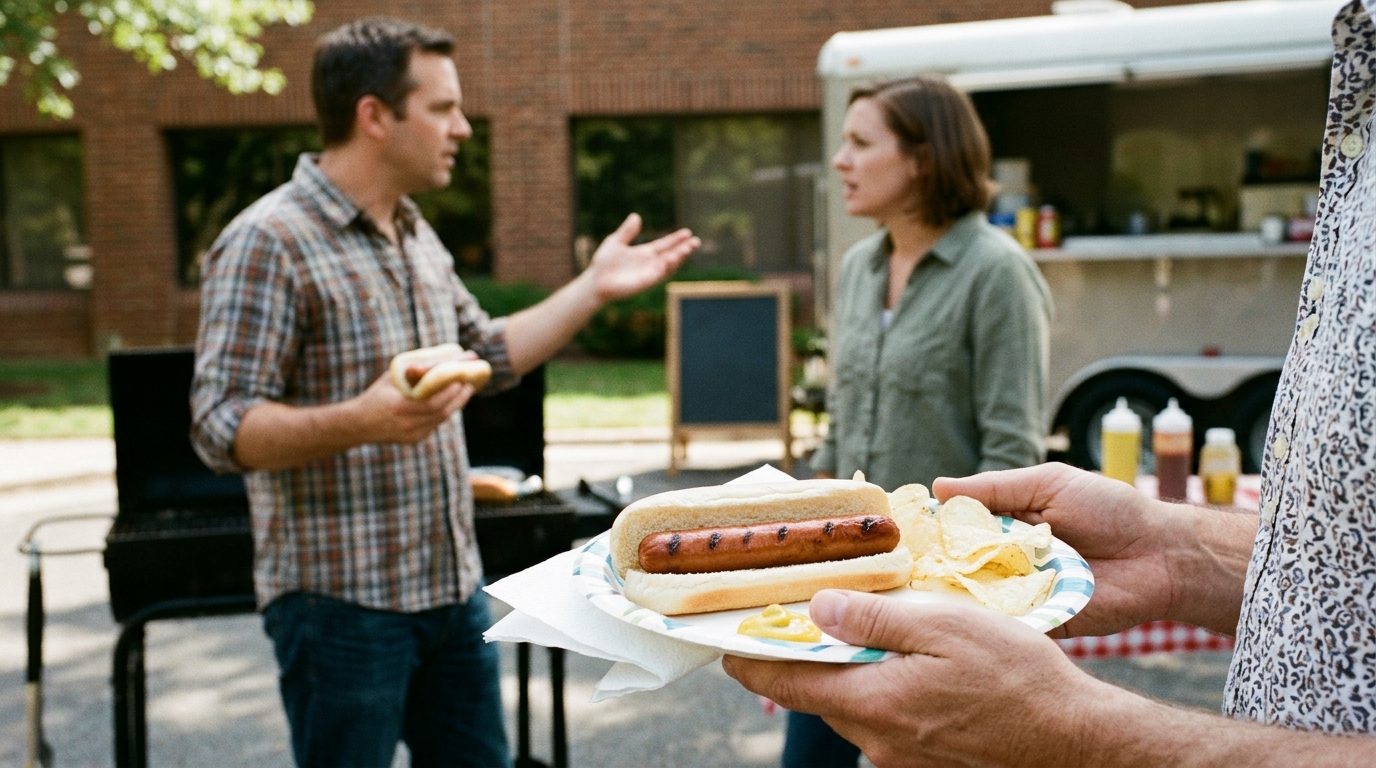
Reddit hot dog arguments can function as a cultural archive because they show what people protect, reject, and inherit when lunch turns into a courtroom drama. This is for hot dog obsessives and food culture readers who want to examine the meaning inside the argument, not crown a topping champion.
- These debates are most useful for the anxieties beneath the verdicts: memory, place, status, taste, and belonging.
- The recurring pressure points are ketchup, authenticity, toppings, cooking texture, price, and the very definition of a hot dog.
- No specific Reddit threads, screenshots, dates, or comments were supplied for this draft, so it does not invent any.
- Jason's opinions are labeled as opinions. A loud comment is evidence of one person's view, not a referendum from Hot Dog Nation.
- A hot dog argument is often a tiny, gloriously overcooked fight about tradition and who gets to name it.
What can a hot dog argument actually preserve?
A hot dog argument can preserve everyday ideas about identity, belonging, taste, memory, and authenticity, even when the food itself is gloriously trivial. It is an archive of feeling, not an archive of settled fact.
That distinction matters. A thread may show that a participant connects mustard with a childhood cookout, sees ketchup as comfort food, or guards a hometown preparation like a family heirloom. It cannot, by itself, prove what an entire city eats, believes, or permits at the grill.
Reddit is especially useful when read as messy personal testimony. It gathers corrections, jokes, bravado, nostalgia, genuine expertise, confident nonsense, and somebody typing in all caps because a stranger mentioned sweet relish. That is not a scientific sample. It is still revealing.
Editorial note: No verified Reddit discussion was supplied with this assignment. Specific thread links, dates, screenshots, usernames, vote totals, and quotations belong here only after they can be checked directly. Until then, treating imaginary commenters as evidence would be cultural malpractice with a paper hat.
Why is ketchup never just ketchup?
The ketchup fight is rarely about tomato condiment alone. It is about childhood, authority, seriousness, and whether anyone should be allowed to police a private lunch.
One person may experience ketchup as familiar and harmless. Another may treat it as a flavor that buries the sausage, tangles with the bun, and announces that nobody was paying attention when mustard was available. A third person may reserve it for a particular style or for a particular memory. None of those positions needs to be inflated into a universal law.
Jason's opinion: Jason's stated position is no ketchup. That is a personal stance, backed by long running hot dog travel and tasting, not a decree from the International Court of Wieners. If ketchup makes your dog happy, you remain free. Jason will simply look concerned from a respectful distance.
When a verified thread is available, the useful question is not merely who won. Ask what each person thinks ketchup threatens. Is it the balance of the dog? A local custom? Adult taste? A memory of family meals? That is where the argument starts saying something beyond the squeeze bottle.
Who gets to call a hot dog authentic?
Authenticity arguments usually expose competing ideas about birthplace, family tradition, local ownership, and who has authority to describe a style. The word can explain a food's context, but it can also become a very efficient megaphone for telling strangers they are wrong.
A family version can be meaningful even if it differs from a version sold by a famous stand. A cook who learned a preparation at home may be preserving something real. A visitor who loves a local dog may be having a real experience too. Neither fact automatically settles the historical record.
Verified discussions should name the actual city, neighborhood, stand, or style at issue. Vague claims about what people do somewhere are where food writing begins to wobble like a dog rolling off an overstuffed bun.
Jason's opinion: Authenticity should provide context, not ammunition. Tell people where a style comes from, what it traditionally includes, and why it matters. Then stop using mustard as a weapon.
When did toppings become identity cards?
Toppings become identity cards when people use a combination of ingredients to announce where they are from, what they value, and what flavors they believe belong together. An onion is never only an onion once somebody's grandmother, neighborhood, or favorite counter enters the chat.
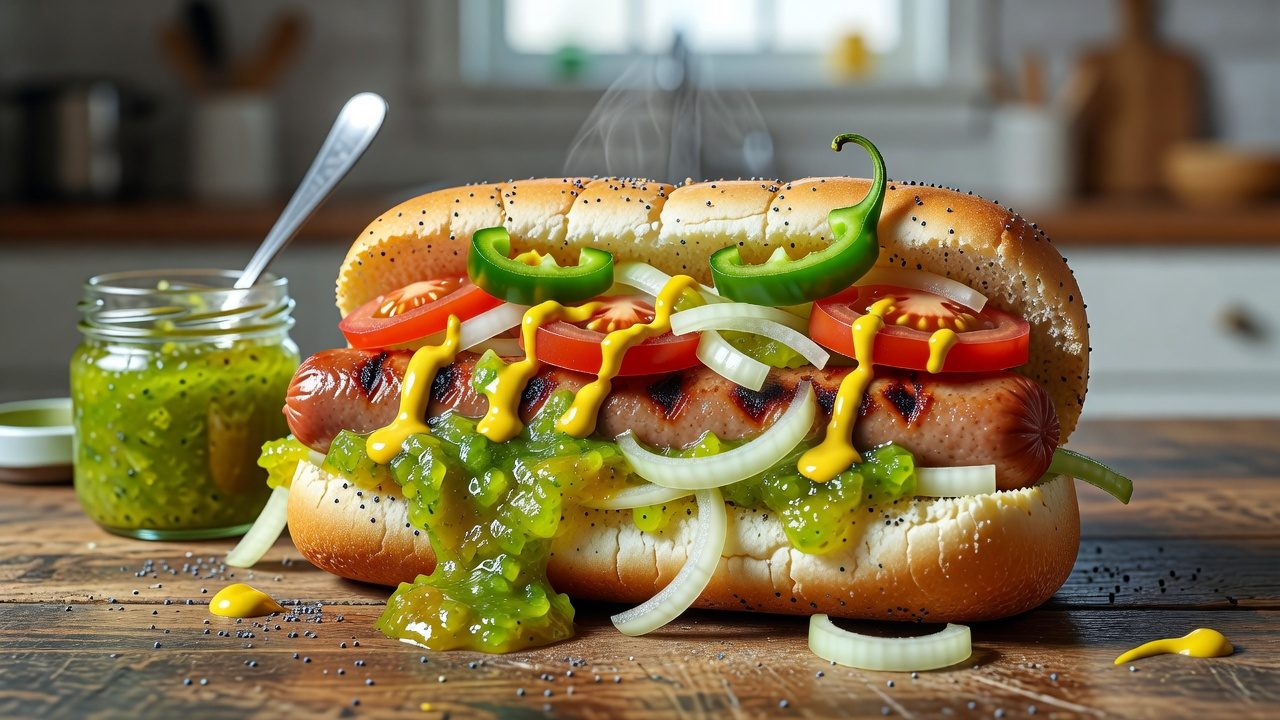
Mustard, relish, chili, slaw, peppers, potatoes, cheese, and onions all carry different meanings in different named places and households. The important reporting work is to attach a claim to a verifiable place and source, rather than dumping ingredients into a generic inventory and calling it culture.
A strong analysis of a verified thread would identify the topping under dispute, the named tradition attached to it, the personal memory offered as evidence, and the sensory case being made. Does the topping cut richness? Add heat? Bring crunch? Turn the whole thing into a wet tragedy? Those details are more interesting than a simple declaration of right or wrong.
Jason's opinion: A topping argument earns my attention when it has a place, a history, or a convincing reason to be there. Random abundance is not personality. It is a cry for help with shredded cheese on it.
Is cooking method really a fight about equipment?
Cooking method debates are arguments about texture and ritual disguised as discussions of grills, pans, steam, and fire. What people often mean is that they want a specific bite, aroma, casing behavior, and relationship between sausage and bun.
Charcoal cooking can bring smoke and surface browning. A flat top can create direct contact and a different kind of sear. Steaming and simmering can prioritize tenderness. Each method has a different sensory logic, but no method should be treated as the subject of a verified Reddit dispute unless the thread actually discusses it.
Jason's existing Jason's Signature Charcoal Snap Dog recipe is the right companion for readers who want the charcoal side of this argument. This article is not repeating the recipe. Its cultural point is simpler: people often defend a technique because the resulting texture feels like the version that taught them what a hot dog should be.
Jason's opinion: The snap matters. By snap, Jason means a casing that gives a distinct bite before the interior yields. Browning brings savory depth. Juiciness keeps the dog from becoming a salty tube of disappointment. The bun has to support that whole operation without dissolving into surrender.
Why does price turn lunch into a moral trial?
Price arguments expose conflicting ideas about value, labor, nostalgia, portion size, and what a hot dog should be allowed to cost. People are not only comparing a bill. They are comparing the meal in front of them with their memory of what a hot dog is supposed to represent.
A cheap dog, a good value dog, and an expensive dog someone considers worth it are different claims. Price alone cannot settle quality, and nostalgia alone cannot settle value. A carefully made dog at a destination may feel worthwhile to one visitor and absurd to another. Both reactions can be honestly held.
Specific restaurant prices should appear only when checked directly at the time of publication. Without that verification, the useful cultural observation is that price arguments often contain a hidden question: is this everyday food still allowed to be special?
Why do the hot dog boundary police arrive so early?
People argue over chili dogs, corn dogs, sausages, plant based versions, and elaborate sandwiches because categories help them protect meaning. The stakes are low, which is precisely why the performances can become so wonderfully intense.
Our working category for this conversation
For this article, a hot dog means a sausage served in a bun or another recognizable hot dog format, plus closely related variations when the argument itself is about the edge of that category. This is an editorial choice for discussion, not an objective ruling engraved on a grill lid.
Boundary disputes are entertaining because they reveal what participants think is essential. Is it the sausage? The bun? The shape? The ritual of eating it? Once someone says a corn dog does or does not count, they are really describing the rule they use to keep the category coherent.
Jason's opinion: Make the category argument specific, then eat the thing before proposing a constitutional amendment. A food label should clarify the conversation, not prevent lunch.
How should you read Reddit food arguments without getting played by the loudest comment?
Read each thread as a cluster of claims, memories, corrections, jokes, and status performances, not as a vote. The loudest comment may be funny, persuasive, or wildly confident. It is not automatically representative.
A useful reading checklist
- What is being argued? Identify the actual disagreement before interpreting the drama.
- What place or tradition is named? Record specific locations and styles only when the source supports them.
- What personal memory appears? A memory can explain an opinion without proving a broad historical claim.
- What does each side fear losing? Look for concerns about flavor, respect, affordability, family, place, or status.
- What does Jason think? Keep that conclusion separate from reported evidence.
Platform limits matter. Participation is selective. Material can be deleted. Sarcasm can be mistaken for sincerity. A pile on can turn a minor disagreement into theater. Treat direct comments as evidence of what those commenters said, then seek additional reporting before making claims about a city, a tradition, or a wider public.
What is Jason's verdict on the hot dog table?
Jason's verdict favors informed partiality over fake neutrality: skip ketchup, respect named local traditions, care about texture, distrust purity tests, and judge the actual dog in front of you. That is the brand's point of view, not a disguised claim that every hot dog eater agrees.
Reported evidence and opinion have different jobs. Verified thread details can show that particular people made particular claims. Jason can then say whether those claims make culinary sense, historical sense, or the sort of sense produced after midnight near a stadium parking lot.
Hot dog arguments matter because they are ordinary, personal, and slightly ridiculous. They turn a bun, a sausage, and a handful of toppings into a small stage for memory, pride, class, place, and the ancient human need to be correct about lunch.
Want to keep following the argument?
For more real hot dog places, recipes, products, and food culture arguments, follow @jasonsgrub on Instagram.
FAQ: questions readers still have
Reddit can be useful evidence of food culture, but its limits are part of the story.
Is Reddit representative of hot dog culture?
No. It records what participating users chose to post, defend, joke about, or argue over. Read it as a lively set of perspectives, not a population wide survey.
Can one Reddit thread prove that a city eats hot dogs a certain way?
No. A thread can document specific claims and memories. Claims about a city or tradition need additional verification from reliable sources or named local evidence.
Does Jason agree with every opinion discussed?
No. Jason's opinions should be labeled clearly, allowing him to disagree without presenting that judgment as neutral reporting.
Why study arguments instead of ranking the best hot dogs?
Because the point here is cultural meaning. The question is not which dog wins. It is what people are defending when they argue about lunch.
What should happen if a thread has been deleted?
Do not quote it or present its claims as verified unless the material can be checked through a reliable, lawful archive or another accessible source.
Sources
These sources provide context for reading online material and digital collections. They do not verify any specific Reddit hot dog thread for this article.
Enjoyed this? There's more from Jason's Grub.
Follow on Instagram →