One Kelewele Dog, Three Ways to Judge a Hot Dog Trend Before It Takes Over Your Feed
This article judges a Kelewele Dog by context, eatability, and whether the camera is doing all the chewing. It is for hot dog fans and food culture readers who want a firm opinion before a photogenic dog starts making suspicious promises.
- Context first: Kelewele is Ghanaian spiced fried plantain, not a generic pile of golden crunch.
- Bite second: A dog must survive a bite without becoming a plantain landslide.
- Camera third: Height, drips, and vivid color are not proof that lunch is good.
- Verdict: The idea earns attention when it still makes sense after the phone goes away.
The feed is not a food critic
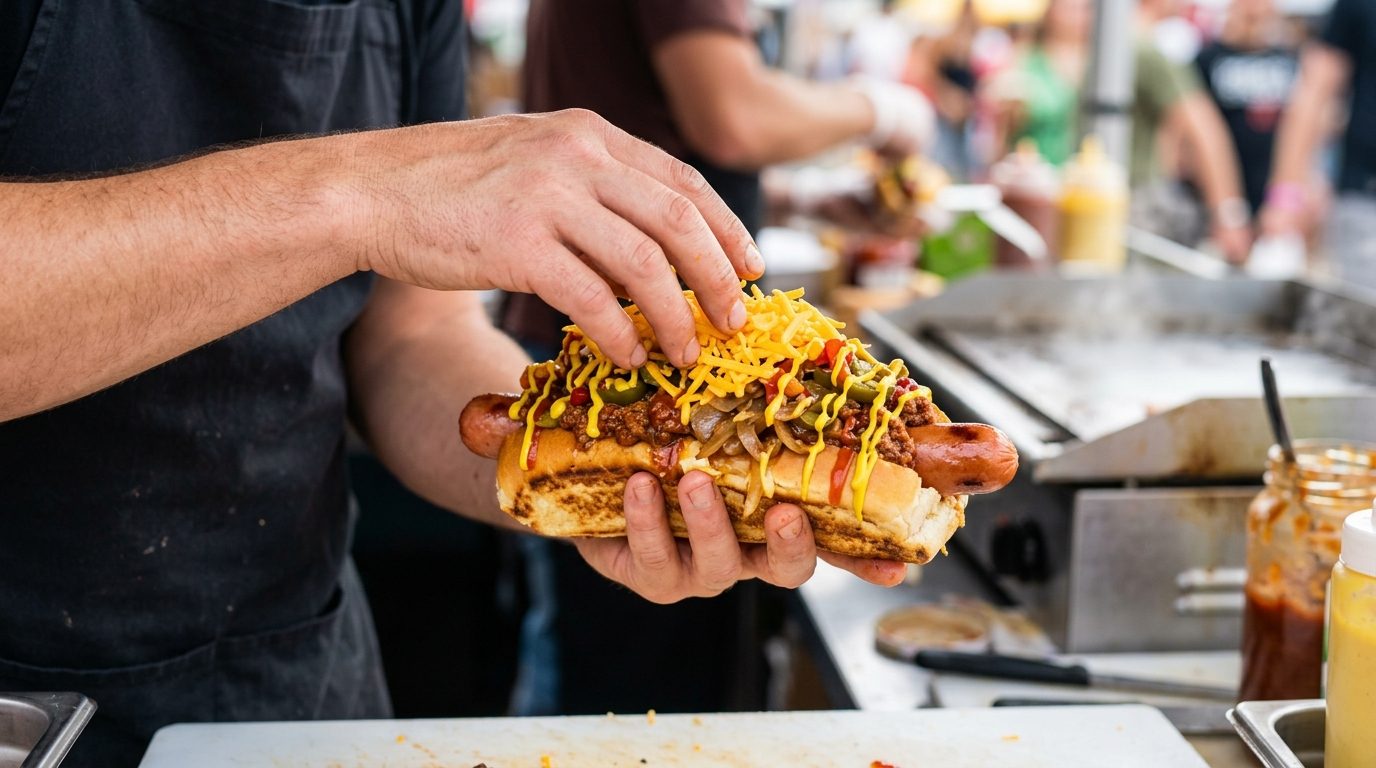
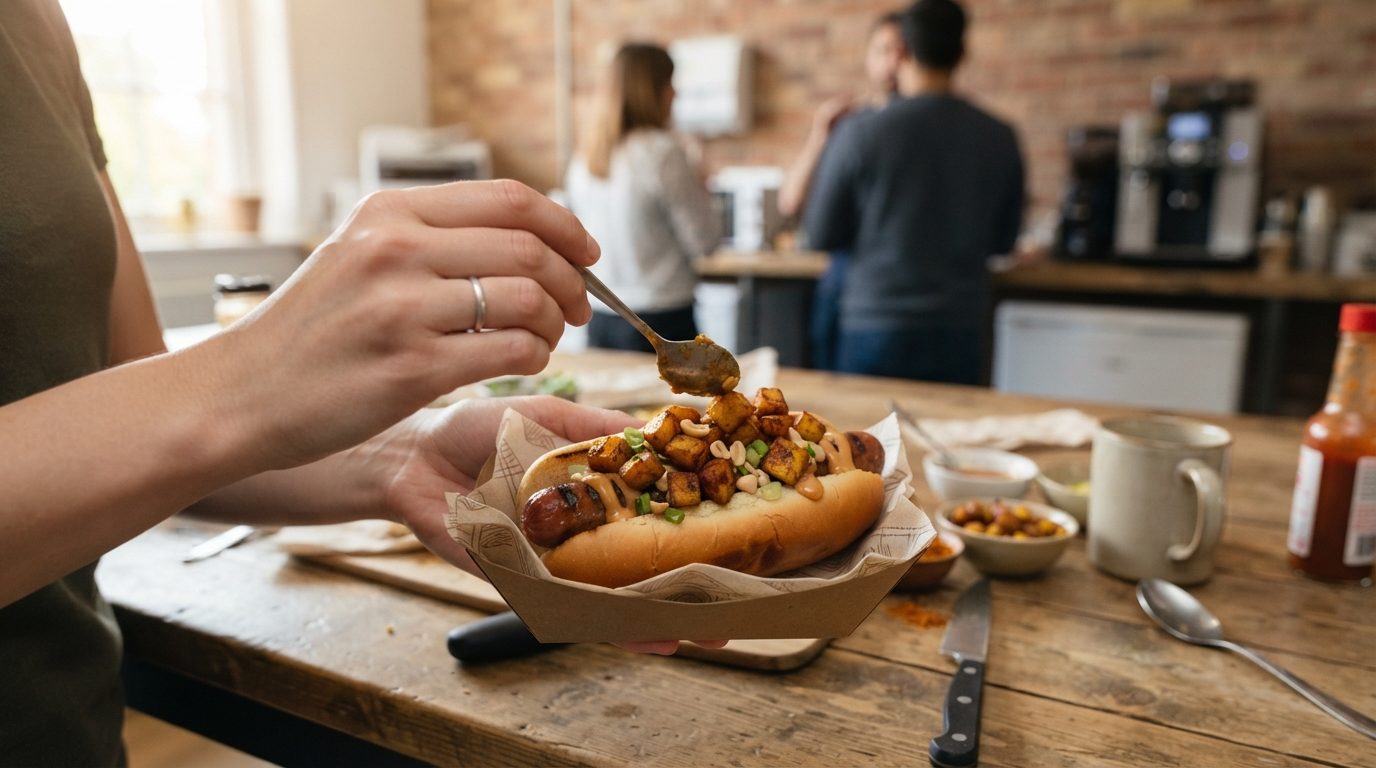
A hot dog trend should be judged by context, eatability, and staying power, not by how aggressively it performs in a photograph. The Kelewele Dog is a useful test case because its visual appeal is obvious: ripe plantain brings color, shine, and a dramatic heap to the bun.
But a hot dog wearing an exciting ingredient is not automatically an exciting hot dog. This is not a claim that one fusion build represents Ghanaian food, nor is it a report on public reaction or online popularity. It is a way to inspect an adaptation before declaring it brilliant because it looked excellent in a close up.
Jason brings his stated personal research claim of ten years, 50 states, and zero ketchup to this sort of judgment. The no ketchup part is a preference, not a law of nature. The larger point is simpler: novelty gets a hearing, but it does not get a trophy for arriving in bright colors.
Three tests for a Kelewele Dog
1. Cultural context: Is the dog borrowing with its eyes closed?
The Kelewele Dog needs cultural context because kelewele is a Ghanaian spiced fried plantain dish, not just a colorful topping. Kelewele is generally made with ripe plantain that is seasoned and fried, and recipes can vary in their spice choices and proportions.
That distinction matters. The dish is the reference point. The hot dog is an adaptation that borrows plantain, seasoning ideas, and the sweet spicy contrast. Calling the finished dog “Ghanaian” would flatten that difference. Calling it a Kelewele Dog can be useful when the menu or cook makes the inspiration clear and does not pretend the bun and sausage were always part of the original dish.
My standard is blunt: name what you borrowed, keep the ingredient recognizable, and do not reduce a Ghanaian dish to decorative heat, color, and crunch. A thoughtful adaptation says, “this is inspired by kelewele.” A lazy one says nothing and hopes the plantain will do public relations.
2. Eatability: Can the toppings survive the first bite?
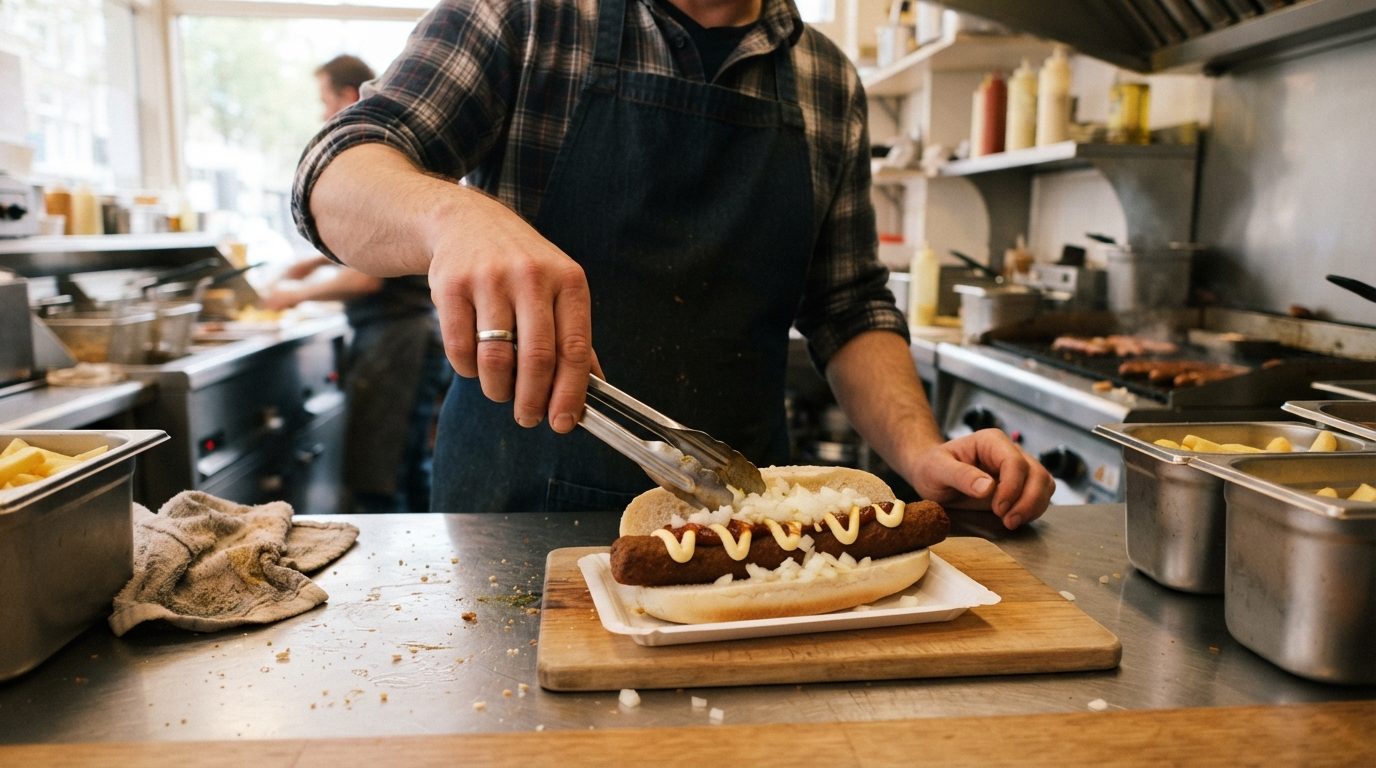
The Kelewele Dog works as food only if the bun, sausage, and plantain can be eaten together without becoming a slippery pileup. A beautiful topping mound that abandons ship on the first bite is garnish with a publicist.
The flavor logic is promising. Ripe plantain can bring sweetness and a caramelized edge. Seasoning can bring warmth and heat. A savory sausage supplies salt and fat, while a bun provides a soft place for the whole argument to sit down. Those parts can complement one another, but only if the dog avoids excess in every direction.
Texture is the real bouncer at the door. Plantain pieces should be small enough to stay put and substantial enough to register. A sausage with some snap gives the bite a center. A sturdy but tender bun keeps the dog from splitting open under the toppings. Sauce, if there is sauce, should bind rather than drown. Ketchup is not invited to this particular meeting, in my opinion.
Use the practical test: can you take a normal bite without losing most of the plantain, tearing the bun, or reaching for a fork? If yes, the build has earned another bite. If no, the dog is serving architecture more than lunch.
3. Social media theater: Is the camera eating better than you are?
A photogenic hot dog deserves skepticism when its height, color, or messiness hides whether the flavors actually work. A close crop can make any pile look heroic. It cannot show whether the bun is soggy, the sausage has vanished, or the topping is headed for your shirt.
Watch for visual tricks that are not necessarily bad, but are definitely not evidence. Towering toppings can hide an awkward eating route. Sauce drips can suggest indulgence while making the bread collapse. Tight framing can conceal portion size and the actual ratio of sausage to garnish. The camera is a talented little liar when given enough cilantro and a dramatic angle.
The Kelewele Dog has a repeatable idea when its sweet spicy plantain and savory sausage are in conversation, rather than merely sharing a plate. That is the difference between a dish with flavor logic and a one frame stunt. I can admire the spectacle. I simply refuse to confuse spectacle with lunch.
The three test verdict
The Kelewele Dog passes the trend test only when its cultural reference is clear, its bite is coherent, and its visual appeal is not carrying the entire argument.
| Test | Verdict | What strengthens or weakens it |
|---|---|---|
| Context | Promising when kelewele is identified as the Ghanaian inspiration. | It gets stronger when the plantain and seasoning remain recognizable. It gets weaker when the reference is used as an exotic sounding label with no explanation. |
| Bite | Potentially excellent, but structurally fussy. | It gets stronger with a restrained plantain portion and a bun that holds. It gets weaker when the topping becomes loose rubble. |
| Camera | Very capable of making an entrance. | It gets stronger when the same flavor balance works in an ordinary hand held bite. It gets weaker when the photograph is the most satisfying part. |
My final ruling: a Kelewele Dog can be a thrilling detour from standard dog territory, but it does not become the future of hot dogs just because plantain knows how to pose.
Keep the arguments coming: Follow @jasonsgrub on Instagram for Jason's next hot dog finds, food crawls, and arguments with ketchup.
FAQ: The questions worth asking before the first bite
What is kelewele?
Kelewele is a Ghanaian dish of ripe plantain that is seasoned and fried. Seasoning choices vary by cook and recipe, so there is no single mandatory formula. The important part for this discussion is that kelewele is a dish with its own identity, not a catchall name for fried plantain on whatever happens to be nearby.
Is a Kelewele Dog traditional Ghanaian food?
No. A Kelewele Dog is a hot dog adaptation inspired by kelewele. The honest description keeps the distinction visible: Ghanaian kelewele is the source dish, while the bun and sausage build is a separate interpretation.
What should kelewele taste like on a hot dog?
The intended contrast is ripe plantain sweetness, seasoning warmth or heat, savory sausage, and a bun that keeps the bite organized. Sauce can contribute moisture or tang, but it should not erase the plantain or turn the bun into a damp napkin with career ambitions.
How can I tell whether a food trend is actually worth trying?
Ask three questions. Does the dish acknowledge and explain its cultural reference? Can you eat it as intended without structural chaos? Does the flavor idea still sound good after you ignore the lighting, the close crop, and the sauce drip? If all three answers are yes, it has a fighting chance.
Does Jason recommend ketchup on a Kelewele Dog?
No. Jason's stated position is zero ketchup. That is an editorial preference with plenty of volume behind it, not a universal command issued from the condiment mountaintop.
Sources
- BBC Good Food: Kelewele spiced plantain
- Eat Well Abi: Kelewele
Enjoyed this? There's more from Jason's Grub.
Follow on Instagram →