Fundraiser Sausage Sizzle: Why Australia’s White Bread Hot Dog Keeps Owning the Crowd
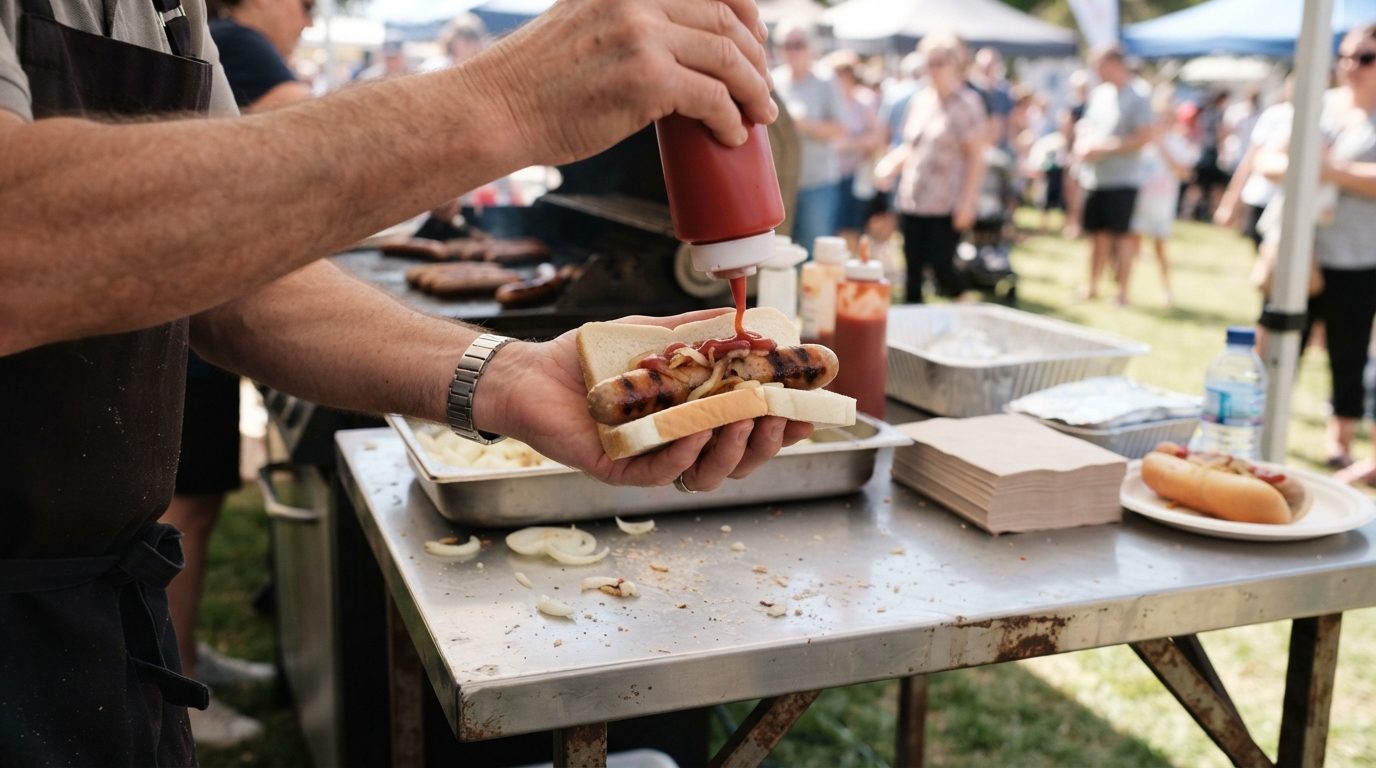
Australia’s fundraiser sausage sizzle keeps owning the crowd because it turns a cheap, handheld meal into an easy act of showing up for a local group. The white bread is not a culinary mistake. It is the soft, foldable piece of equipment that carries the sausage, catches the onions and sauce, and gets lunch into a moving queue with minimal drama.
- A fundraiser sausage sizzle is food, fundraising and public ritual in one low fuss transaction.
- White bread is soft, affordable, quick to serve and unusually good at containing the juicy chaos.
- The narrow menu matters: people know the deal, order quickly and keep the line moving.
- Sydney is a useful cultural reference, but this is an Australian gathering tradition rather than a city owned recipe.
- Jason’s opinion is simple: white bread is doing heroic structural work and deserves a little respect.
Why does Australia keep lining up for sausage on white bread?
Australia keeps lining up because the sausage sizzle combines a hot meal, a fundraiser and a familiar public ritual in one easy exchange. A fundraiser sausage sizzle is a temporary food service event where sausages are served in bread, often with onions and sauces, with proceeds intended to support a community group or cause.
This is for hot dog enthusiasts and food culture readers who want to understand why a deliberately plain build can have serious staying power. The power is not hidden in some chef’s secret condiment drawer. It comes from participation, familiarity and a format that tells everyone exactly what to do.
You approach the table, make a fast choice, accept a hot sausage in bread and walk away with lunch that is also a small public nod to the people running the event. That is a lot of cultural mileage for a slice of white bread.
The sausage sizzle is a meal with a mission
A sausage sizzle gives a public gathering an immediate reason to pause, eat and support the group doing the work. The meal creates a visible exchange: a customer gets fed, volunteers take on manageable jobs and the organizing group gets a straightforward way to invite support.
It fits naturally at community gatherings, school activities and public retail events because the format is legible from across a parking area. You can see the grill, smell what is cooking and understand the menu before anyone hands you a clipboard or a brochure. The food does not need a speech. It is already making its case.
Fundraising rules and food service requirements can vary by Australian state or territory and by event location. Organizers should check the applicable local requirements, along with food safety guidance from Food Standards Australia New Zealand and charity information from the Australian Charities and Not for profits Commission.
White bread is not the boring part. It is the equipment
White bread earns its place because it holds the sausage, catches moisture, folds around the filling and keeps service fast. A crusty roll can be lovely in the right setting, but it asks for a more deliberate bite and can send onions on an escape mission.
A soft slice gives the eater a flexible grip. It bends around the sausage, gives sauce somewhere to land and acts as an edible napkin when the handoff has to be quick. Soft bread, hot sausage, sharp onion and sauce create a useful contrast without requiring a culinary thesis written in tiny type.
Jason’s hot dog obsessive verdict: white bread is the unsung hero of this plate. Calling it a lesser substitute for a bun misses the assignment completely. The bread is not trying to be fancy. It is trying to get lunch from grill to hand without turning the pavement into a condiment crime scene.
The fold is part of the ritual
The fold matters because it makes the meal visible, adjustable and easy to carry. The sausage sits in the center, the bread comes up around it, and the eater can see the onions and sauce before committing to a first bite.
This is not a commandment about topping order. People and events can make their own calls on onions, sauces and assembly. The point is that the open fold keeps the meal recognizable at a glance while giving the customer a little control over the mess.
Speed turns a snack into a crowd ritual
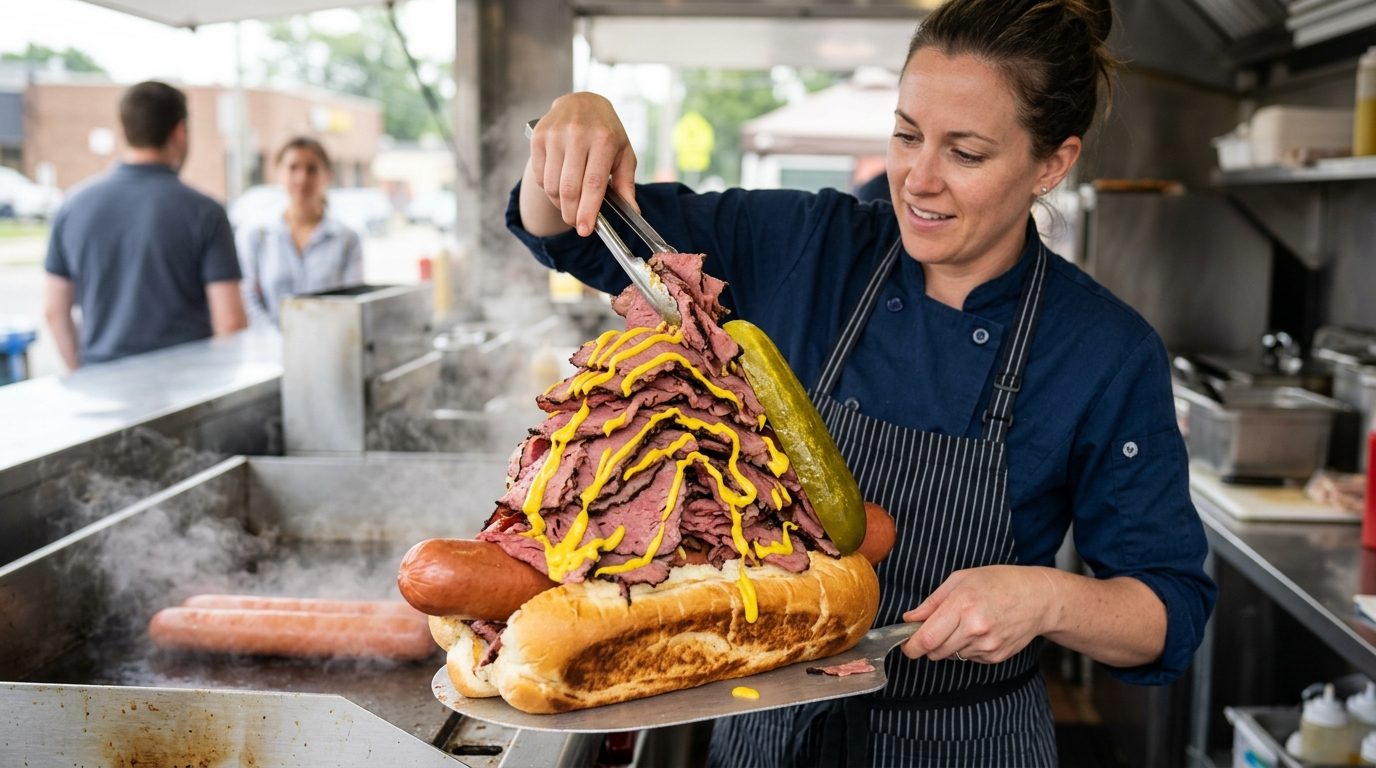
A sausage sizzle becomes a crowd ritual when the menu stays narrow, the assembly stays visible and the handoff stays quick. Its magic is not complexity. Its magic is that a queue full of people can all understand the system without needing a briefing document.
A small menu reduces the tiny panic of choice. Sausage, bread, possible onions, possible sauce. Done. That directness makes the line feel less like waiting for a restaurant order and more like joining a shared local habit.
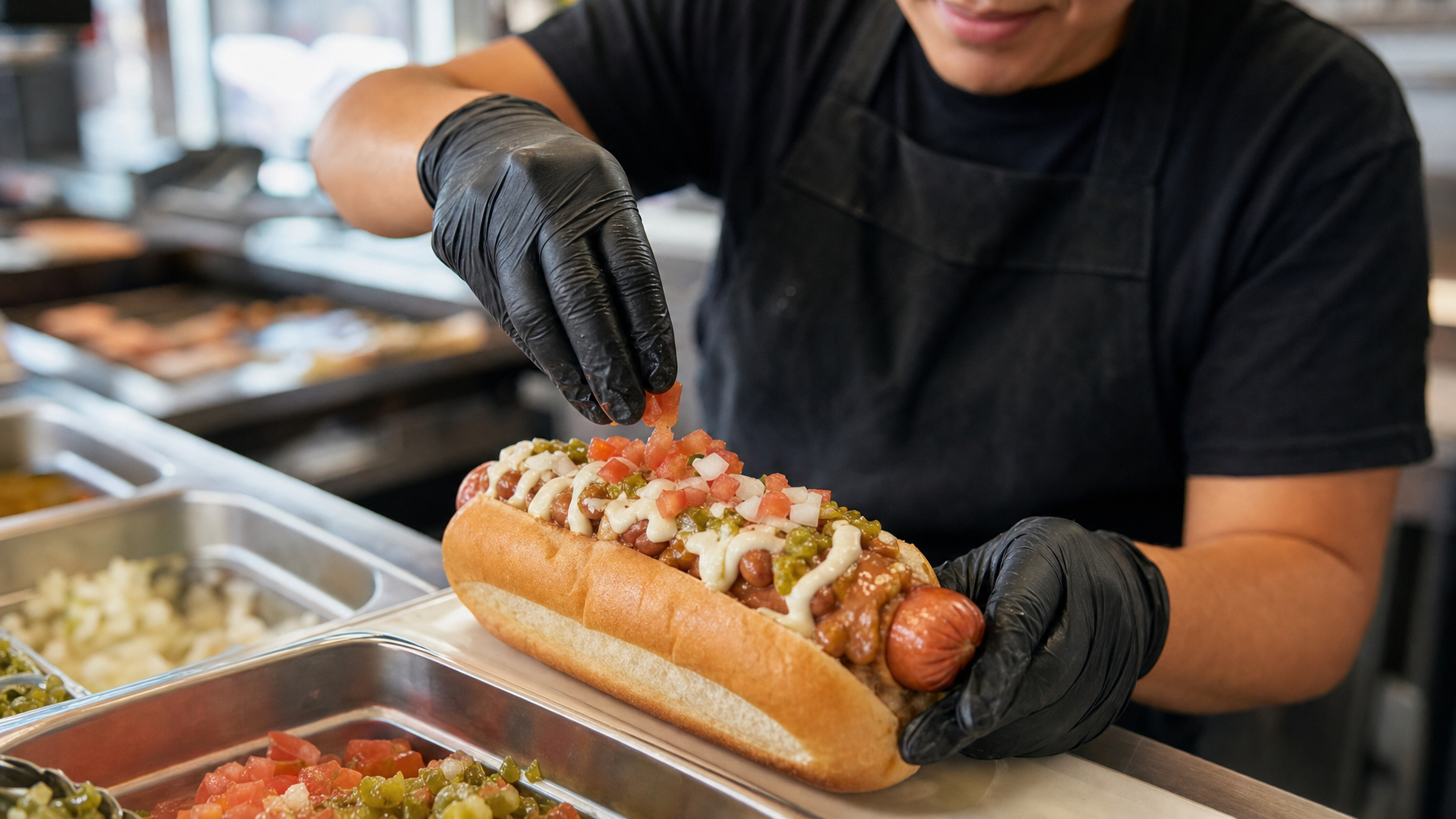
A chef driven hot dog build can be a glorious thing, especially when it has a point of view and a bun capable of handling the job. The sausage sizzle has a different ambition. It wants to feed people briskly, visibly and without making anyone pronounce an ingredient they cannot spell.
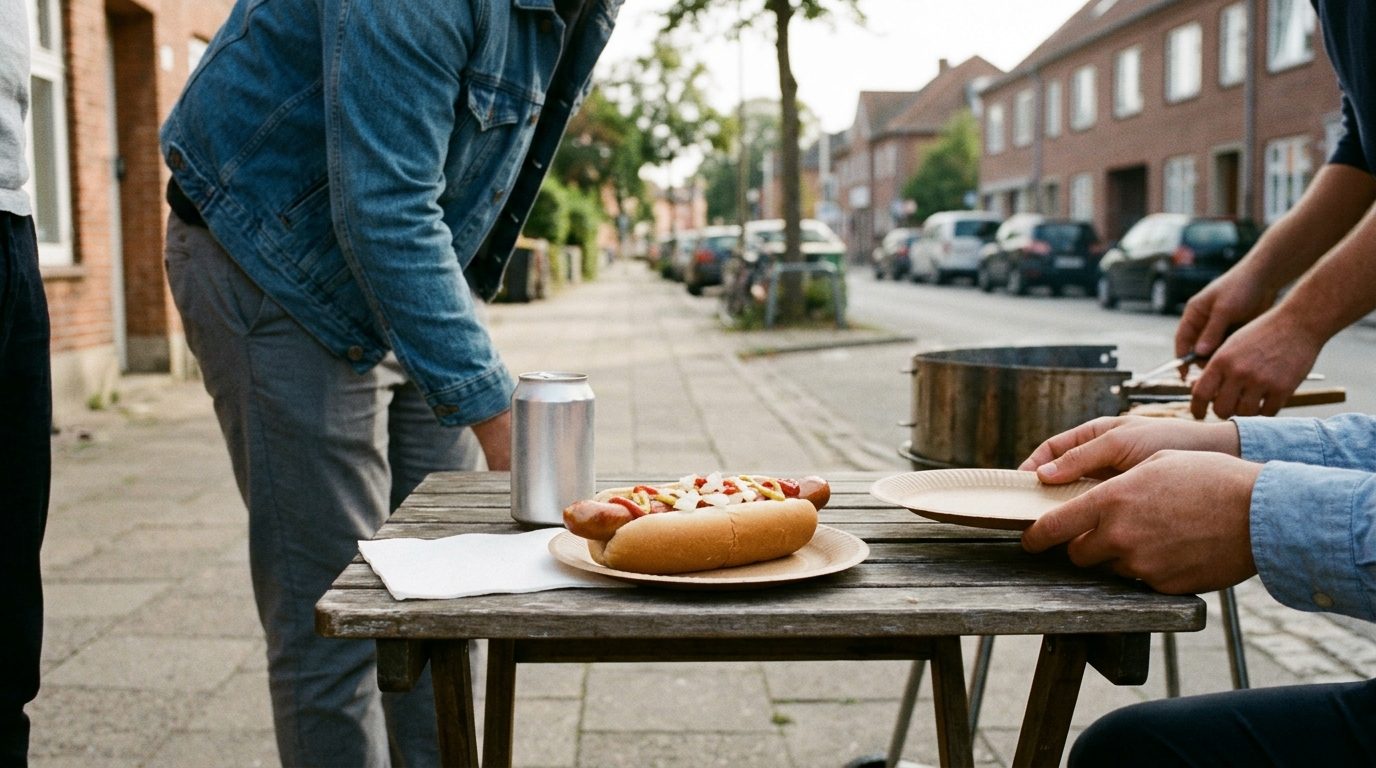
Specific details such as paper plates, sauce bottles, volunteer stations and the smell from the grill belong in reporting from an actual event. When those details are present, they are not decoration. They are the machinery of the ritual.
What Sydney adds to the story without taking over
Sydney can illustrate Australian public food culture, but it does not own the sausage sizzle. The useful Sydney reference is the city’s role as a recognizable setting for public gatherings and everyday food culture, not a claim that one local topping formula defines the whole country.
A Sydney reference is not the same as a Sydney recipe. This story is about a format that travels because it is easy to recognize and repeat: sausage, bread, a quick transaction and a gathering with somewhere to be.
Claims about a particular suburb’s customs, an iconic venue or a local terminology dispute need event specific reporting before publication. Sausage culture has enough sauce bottle politics already. It does not need invented folklore piled on top.
The volunteer behind the tongs is part of the flavor
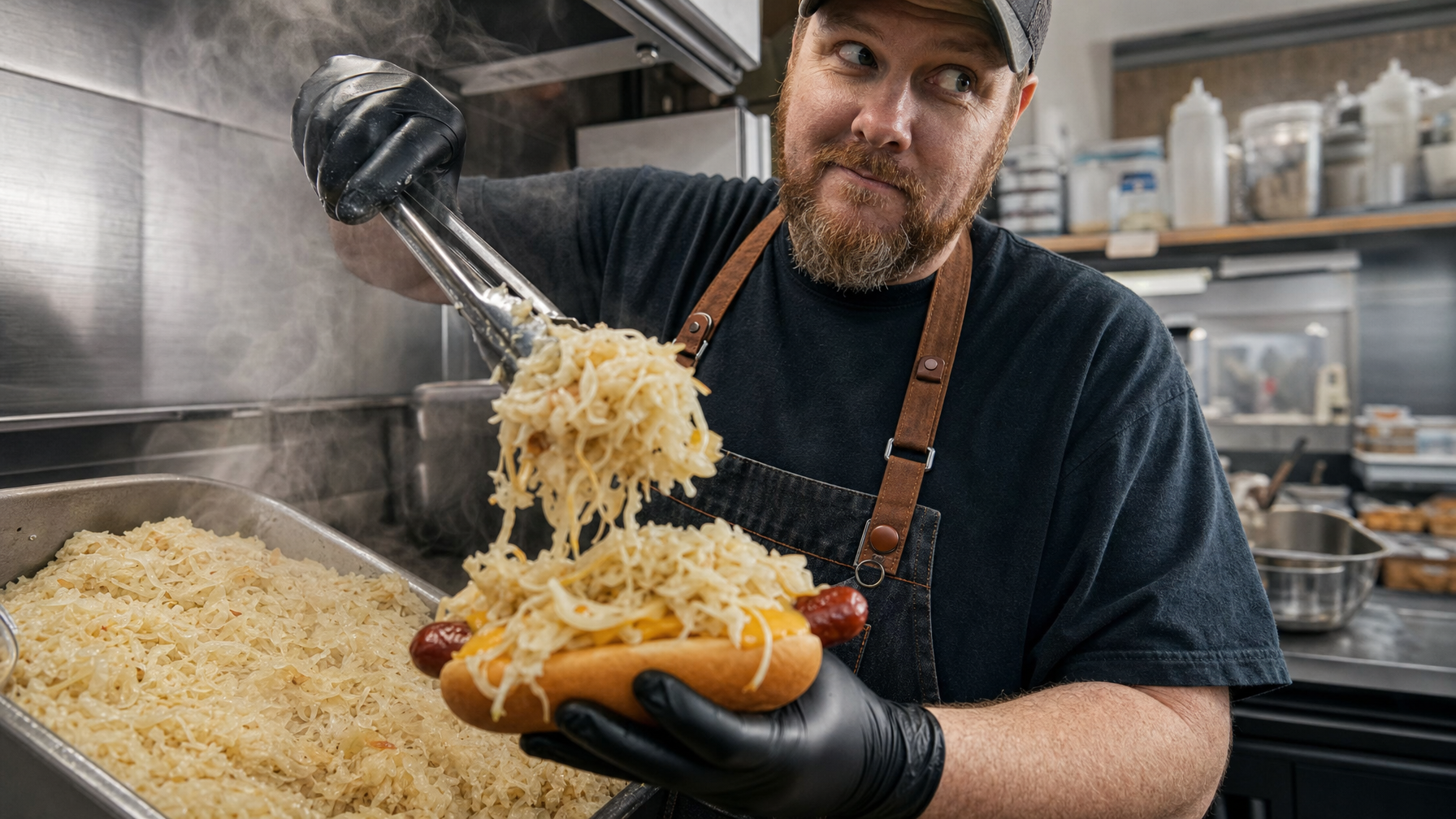
The volunteer matters because a sausage sizzle is made by people performing small, visible jobs together. One person may prepare the serving area, another may cook, another may take payment, another may manage sauces and another may clean as the crowd moves through.
That division of labor gives the food its social value. The customer is not only buying something hot to eat. They are acknowledging the work of a group that has chosen a very public, very practical way to ask for support.
Any future event reporting should be permission based and specific. Direct quotes should be quoted accurately, and observations about turnout or public reaction should only appear when they have actually been collected. The real story is strong enough without imaginary characters waving tongs at the sunset.
Where the format gets tricky
The format gets tricky when queues, weather, food handling, dietary needs and sauce related mess collide at the same folding table. Nostalgia is not a food safety plan, and a beloved tradition still needs careful event management.
Food Standards Australia New Zealand provides food safety information that organizers can use alongside the requirements of the relevant state or territory authority. Check the event’s local rules, its setup and its menu before making claims about safe handling practices or available options. Not every sausage sizzle offers vegetarian alternatives, different breads or the same payment arrangements.
For attendees, the sensible move is gloriously unromantic: confirm the location, timing, menu and payment details with the organizer before leaving home. Then arrive ready for a sausage, not a legal seminar.
Jason’s verdict: stop asking the bread to apologize
The white bread belongs because it is purpose built for this experience, not because nobody has heard of a bun. It supports a fast, messy, generous public meal better than many more ambitious bread choices would.
Jason’s Grub is built on Jason’s stated long running hot dog research across the United States and an unapologetic no ketchup stance. That personal point of view is exactly why the sausage sizzle deserves praise: it does not chase luxury ingredients when it already has what many ambitious hot dogs forget, a reason to gather.
Follow @jasonsgrub on Instagram for more hot dog places, products, recipes and food culture worth chasing.
Follow the hot dog trail with Jason.
Follow @jasonsgrub on Instagram for more hot dog places, products, recipes and food culture worth chasing.
Sausage sizzle questions, answered without the sauce bottle politics
What is a fundraiser sausage sizzle?
It is a temporary community food event centered on sausages served in bread, with proceeds intended to support a group or cause. The applicable fundraising and food service requirements depend on the location and organizer, so those details should be checked locally.
Why is white bread used instead of a hot dog bun?
White bread is soft, easy to fold and practical for catching juices and toppings during fast service. That makes it a useful cultural and functional choice, although no single bread rule applies to every event.
Is a sausage sizzle the same as an Australian hot dog?
They share the basic idea of sausage in bread, but a fundraiser sausage sizzle has its own public gathering and community fundraising context. It is less a restaurant menu item than a piece of portable civic choreography.
Is the sausage sizzle specific to Sydney?
No. Sydney can be a useful reference point for Australian public food culture, but the sausage sizzle is presented here as a broader Australian tradition rather than a city owned specialty.
What should I check before attending one?
Confirm the event location, menu, timing and payment details with the organizer. Offerings and arrangements can vary, especially when an event is run by volunteers or held outdoors.
Sources
Enjoyed this? There's more from Jason's Grub.
Follow on Instagram →