Fans Keep Turning Hot Dogs Into Their Own Ballpark Personality Test
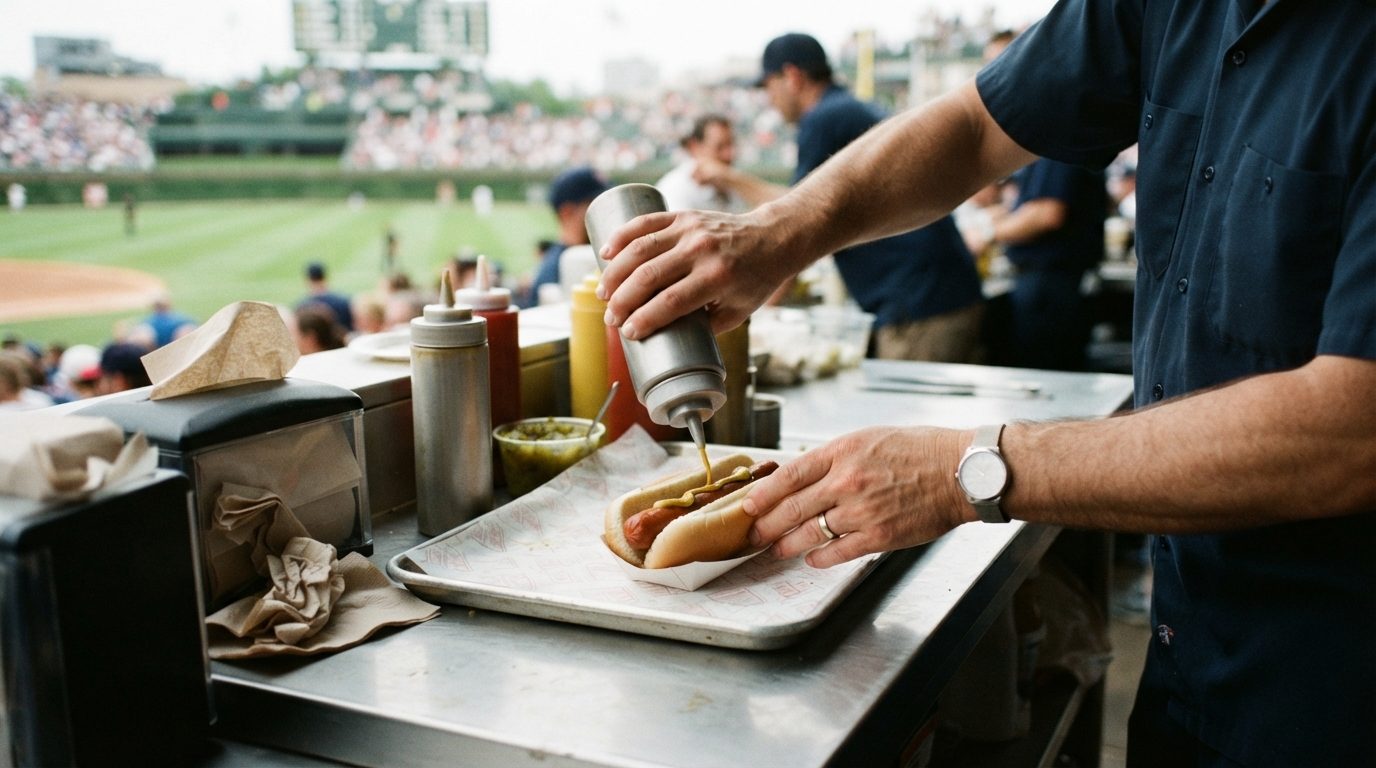
Stadium hot dogs work as instant personality tests. Fans use the order, the toppings, and the local nickname to broadcast team loyalty and hometown pride before the first pitch.
- The words you use at the window mark you as a regular or a tourist in about ten seconds.
- House builds (Chicago dog, Fenway Frank, Dodger Dog) act like edible jerseys.
- Wrong mustard, ketchup in Chicago, or a bland generic frank gets you roasted, usually with a grin.
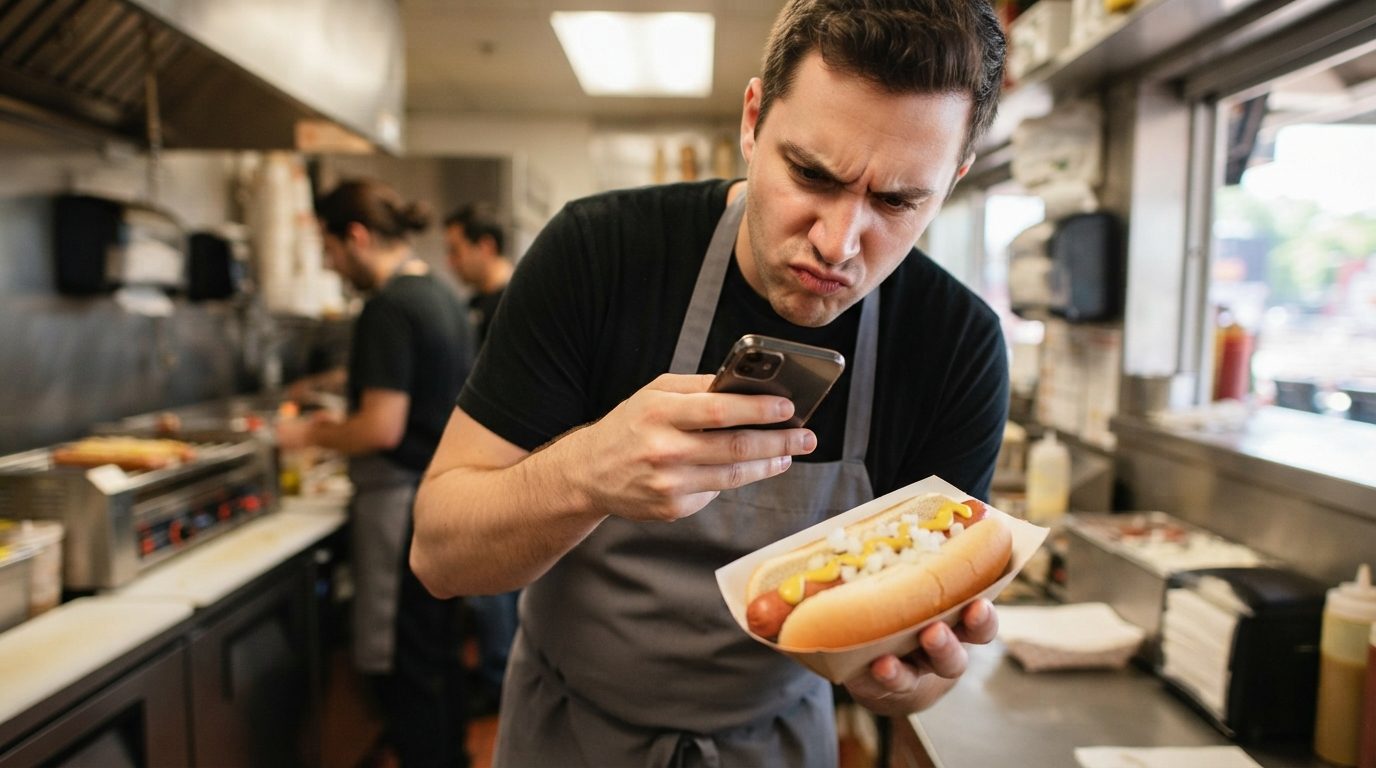
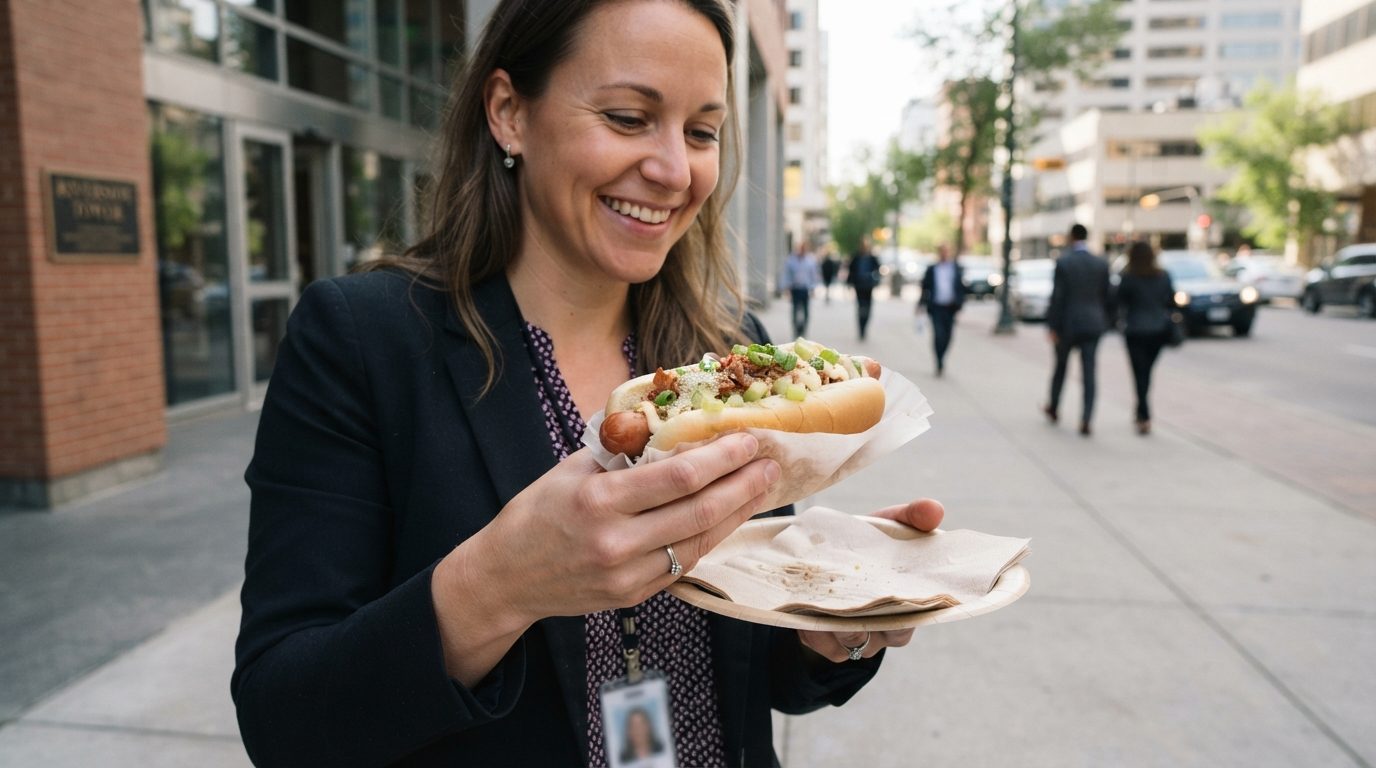
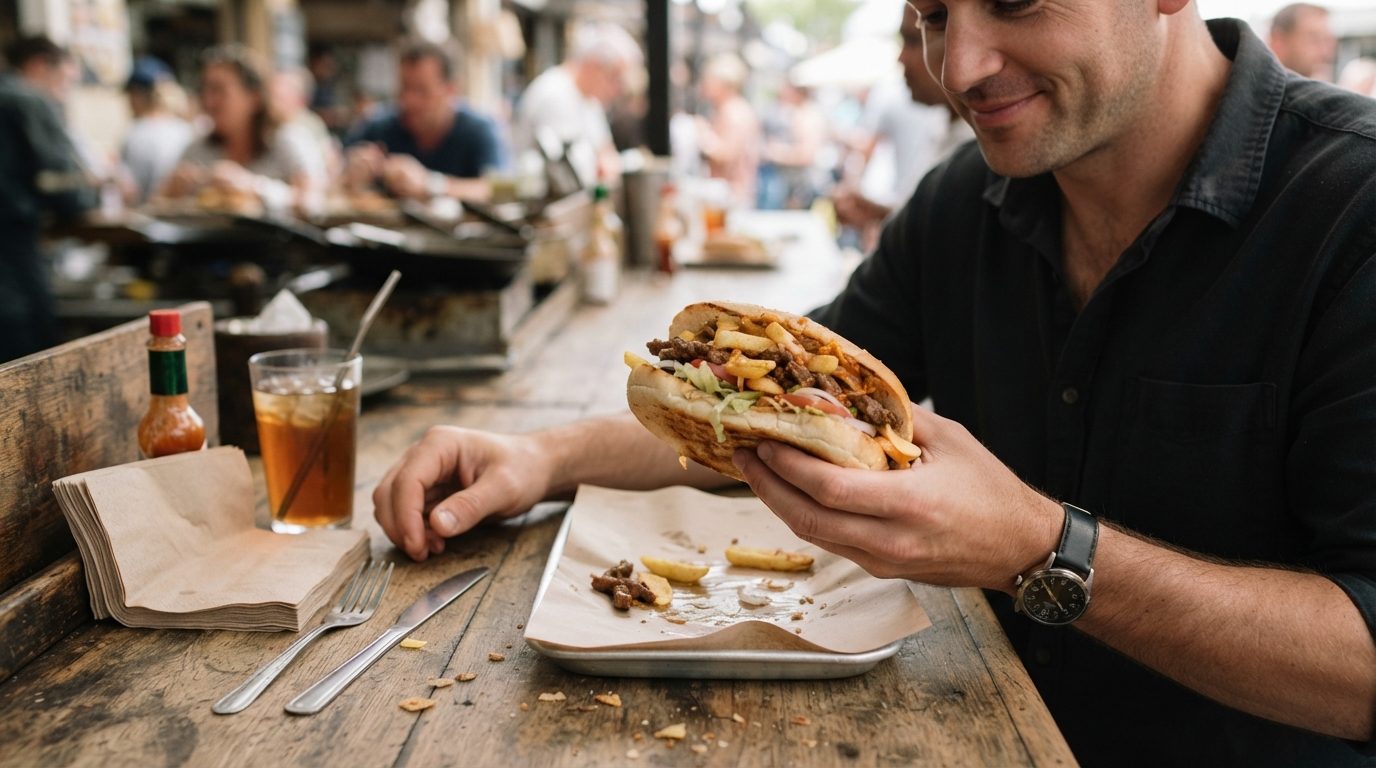
- Photos of the dog do the talking so you do not have to write a manifesto in the group chat.
Do ballpark orders work like secret handshakes?
Yes. The phrasing is the handshake, and the topping list is the password.
Ask for a Chicago-style dog the way locals do (mustard, neon relish, onion, tomato wedges, pickle spear, sport peppers, celery salt, poppy seed bun) and you sound like you have actually been to Wrigley or Rate Field. Call it a "fully loaded dog" with ketchup and you have just announced you are visiting from somewhere that still thinks ketchup is a personality.
Fenway wants a Fenway Frank in a New England style split-top bun. Dodger Stadium wants a Dodger Dog, the long steamed or grilled frank that has been the park's calling card for decades. Skip the local name and you might still get fed. You will not get adopted.
Rivals hear the wrong words first
Rival fans get clocked for using the wrong terms or skipping the house style entirely. That is not a nutrition lecture. It is tribal radio. You can root for the visitors. Just do not pretend their mustard rules apply on this side of the foul pole.
Can a house dog double as a team jersey?
It already does. Each park's signature dog is the food version of a home cap, and locals treat the build as not optional.
Chicago's dragged-through-the-garden dog is a South Side and North Side argument that somehow still agrees on one sacred rule: no ketchup on a grown-up dog. Boston treats the Fenway Frank as part of the brick-and-green ritual. Los Angeles treats the Dodger Dog as a night-game landmark, not a random concession SKU. Milwaukee crowds will happily steer you toward a brat when the moment calls for it, because sausage culture there is not a side quest.
Picking the house style shows respect. Deviating starts friendly arguments that last longer than a pitching change. That is the point. The dog is cheap theater with mustard.
Follow @jasonsgrub on Instagram if you want more of this energy: ten years, 50 states, zero ketchup, and strong opinions about what belongs on a frank.
Why do game day photos keep roasting the wrong mustard?
Because a picture of the dog is loyalty proof that fits in a caption.
Game day photos arrive with jokes about rival orders and a little parade for the home choice. Nobody needs a 900 word essay when the bun, the relish, and the park in the background already said "I am with this club." The trend spreads because it lets fans perform personality without saying much, which is the entire sport of fandom between innings.
This is not a viral claim invented for clicks. It is the same old ballpark habit, now with better cameras: eat the local dog, post the local dog, mock the tourist ketchup. Repeat until October.
FAQ
Why turn food into a test?
It gives fans an easy, cheap way to show deep team attachment without tickets, authentic jerseys, or a speech. You order, you belong, you move along.
Are these tests serious?
They stay light hearted. They still carry real weight inside each fan community, the same way wrong fight songs do.
What happens if you order wrong?
Locals usually laugh it off, then explain the proper way with strong opinions and zero patience for ketchup in Chicago.
Does this happen only in the big leagues?
No. Similar loyalty tests show up at smaller parks and neighborhood stands, where regulars defend their local dog just as fiercely.Sources
Enjoyed this? There's more from Jason's Grub.
Follow on Instagram →